.png)
You might be surprised to learn how ancient culinary traditions are making a comeback in today's wellness movement. By tapping into the nutritional benefits of ingredients like quinoa and amaranth, you're not just honoring the past—you're also embracing a healthier lifestyle. These recipes carry wisdom that connects food, community, and overall well-being. But what exactly makes these ancient practices so relevant now? Exploring these connections could change the way you think about your meals.
The Nutritional Powerhouses of Ancient Grains
While modern diets often overlook the benefits of ancient grains, these nutritional powerhouses can significantly enhance your overall health.
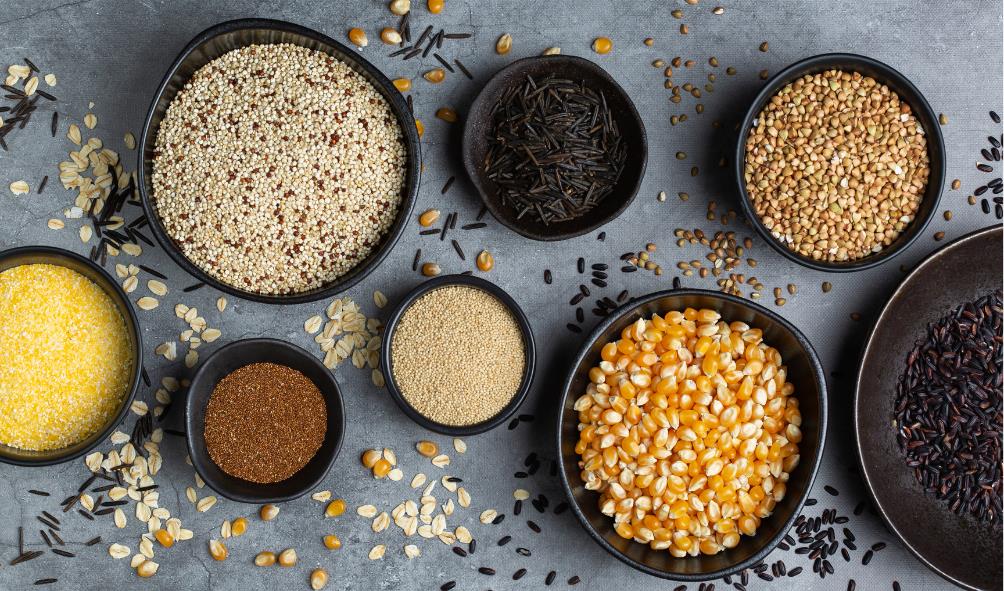
Incorporating grains like quinoa, amaranth, and teff into your meals provides you with essential nutrients, fiber, and protein. These grains are rich in vitamins and minerals, promoting better digestion and sustained energy levels.
You’ll find that they help balance blood sugar levels and support heart health, too. Additionally, their unique flavors can elevate your culinary experience, making meals more satisfying.
Reviving Traditional Cooking Techniques
Reviving traditional cooking techniques can transform your culinary experience and deepen your connection to the heritage behind these recipes.
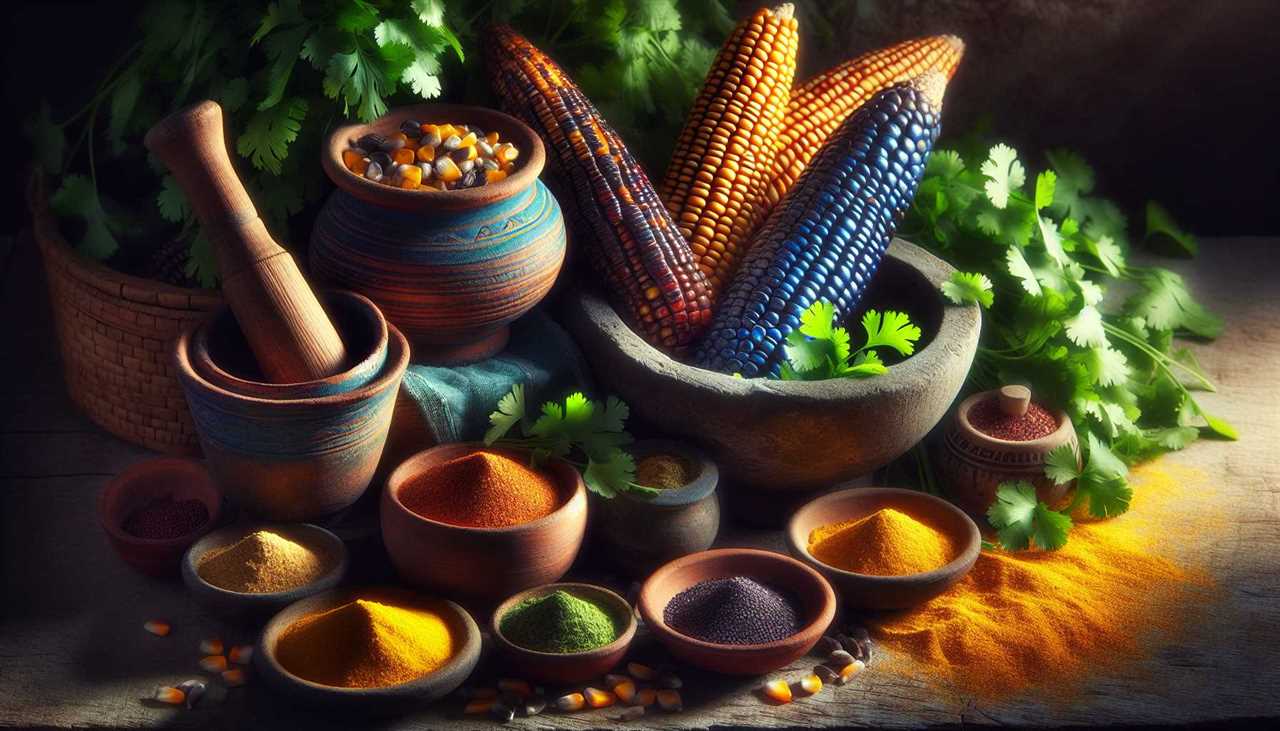
By embracing methods like nixtamalization for corn or using a molcajete for grinding spices, you not only enhance flavors but also honor the wisdom of your ancestors.
Cooking over open flames or in clay pots can bring out unique textures and tastes, creating a richer dining experience.
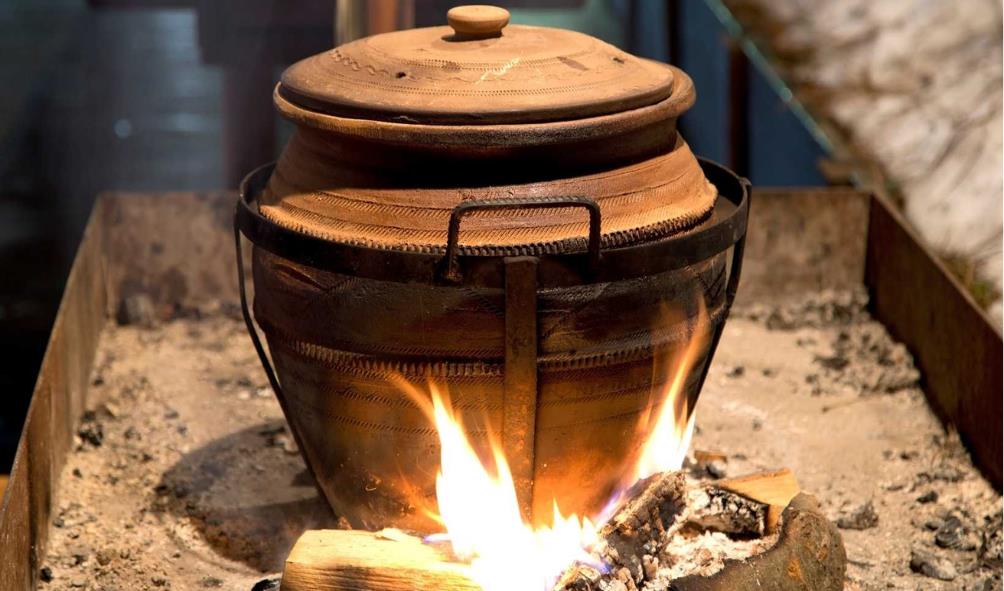
You might find that these techniques inspire creativity in your kitchen, encouraging you to experiment with local ingredients.
As you incorporate these practices, you’ll also foster a sense of community, sharing meals that celebrate history and culture.
Dive into these time-honored methods, and watch your appreciation for food grow exponentially.
The Role of Herbs and Spices in Pre-Hispanic Cuisine
Herbs and spices played a vital role in pre-Hispanic cuisine, elevating flavors and enriching dishes in ways that are still relevant today. You’d find ingredients like cilantro, epazote, and chiles enhancing everything from soups to salsas.
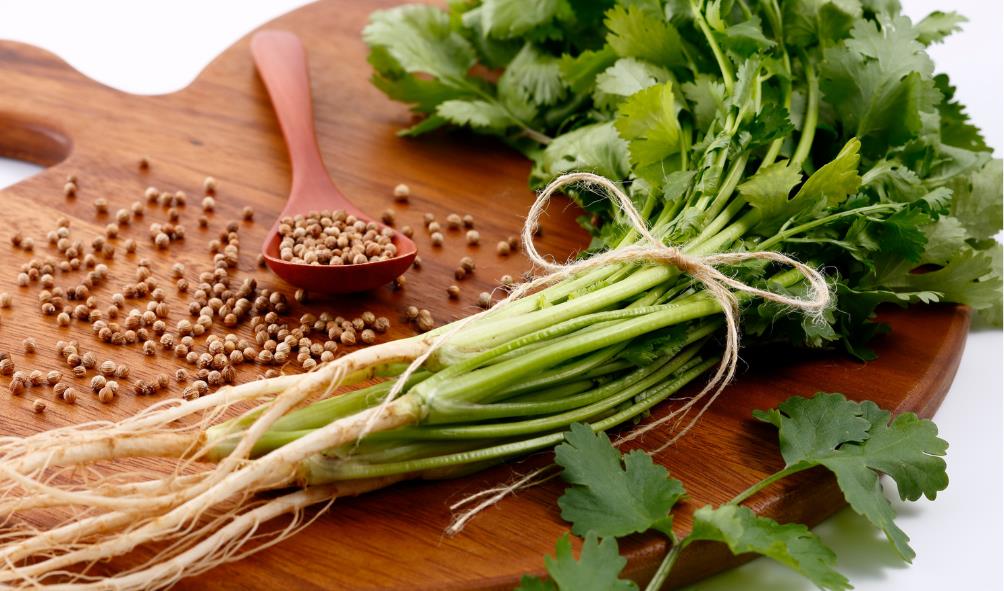
These natural flavor boosters didn’t just tantalize your taste buds; they also offered various health benefits. For instance, many herbs were known for their medicinal properties, helping to aid digestion and improve overall wellness.
Cooking with these ingredients connects you to a rich culinary heritage, reminding you of the deep cultural significance behind each dish. By incorporating these traditional herbs and spices into your modern meals, you can create vibrant, healthful dishes that honor the wisdom of your ancestors while supporting your well-being.
Sustainable Practices in Ancient Food Systems
Pre-Hispanic culinary traditions didn’t just rely on flavorful herbs and spices; they also embraced sustainable practices that ensured the health of the land and its people.
These ancient cultures practiced crop rotation, allowing soil to regenerate and prevent depletion. They used companion planting, pairing crops to enhance growth and deter pests naturally.
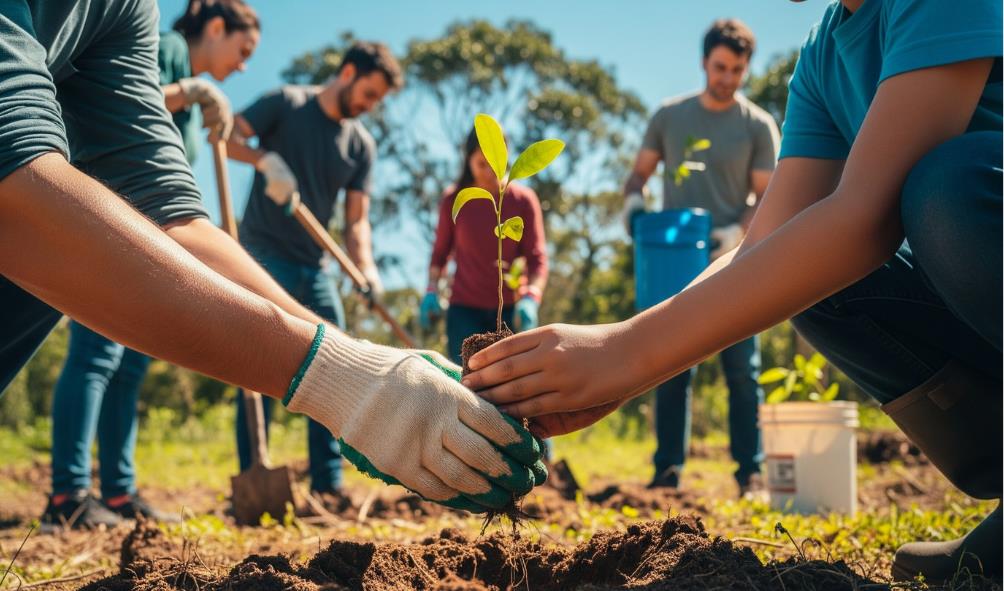
Techniques like terracing and chinampas maximized land use while preserving water. The focus on local, seasonal ingredients minimized transportation impacts and supported biodiversity.
Additionally, communal sharing of resources fostered a strong community bond. By prioritizing ecological balance, these practices not only fed their communities but also laid the groundwork for sustainable agriculture today.
You can learn from these methods to cultivate a more mindful approach to your own food choices.
Fermentation and Its Health Benefits
While many people associate fermentation with trendy foods today, this ancient technique has been a staple in various cultures, including those of the pre-Hispanic era.
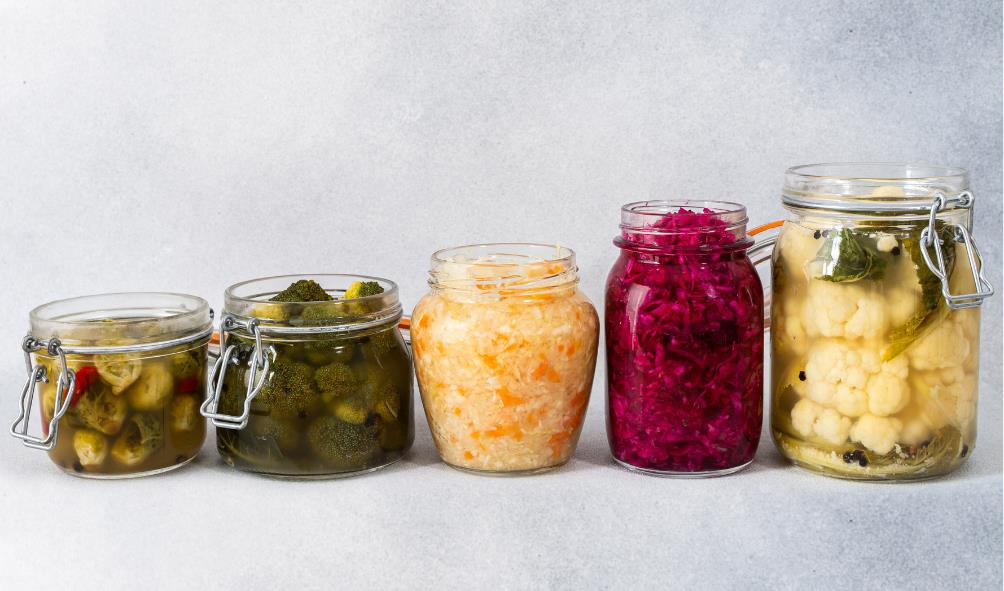
Fermented foods like kefir, sauerkraut, and tempeh are packed with probiotics, which can boost your gut health. When you consume these foods, you're not just enjoying unique flavors; you’re also supporting your immune system and improving digestion.
Fermentation increases nutrient absorption, allowing your body to benefit more from what you eat. Plus, the process can enhance the bioavailability of vitamins and minerals, making them easier for your body to utilize.
Seasonal Eating: Lessons From Our Ancestors
Embracing seasonal eating not only connects you to the rhythms of nature but also honors the wisdom of our ancestors who thrived on locally sourced, fresh ingredients.
By choosing fruits and vegetables that are in season, you’ll enjoy better flavor and higher nutritional value. This practice encourages you to explore your local markets, discover new produce, and build relationships with farmers.
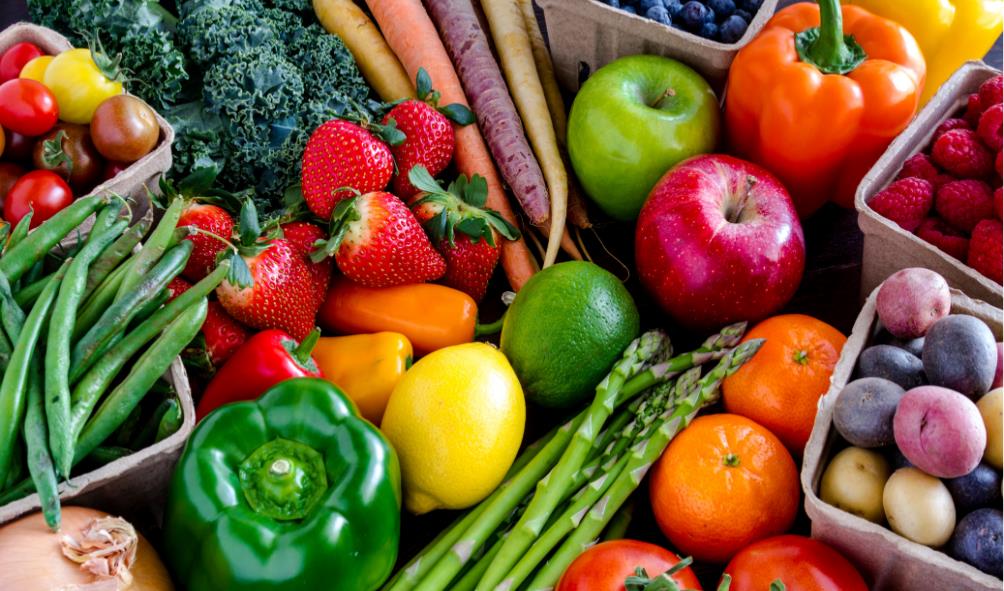
It also helps you adapt your meals based on what’s available, fostering creativity in the kitchen. Seasonal eating can reduce your carbon footprint, as it minimizes the need for long-distance transportation of food.
Plus, it aligns your body with natural cycles, promoting overall wellness. Dive into the bounty of each season, and let your meals reflect the earth’s gifts.
The Cultural Significance of Pre-Hispanic Foods
Understanding the cultural significance of traditional foods can deepen your appreciation for the seasonal ingredients you choose.
Pre-Hispanic foods aren't just about nutrition; they represent a rich tapestry of history and identity. Each ingredient, from maize to amaranth, carries stories of resilience, innovation, and community.
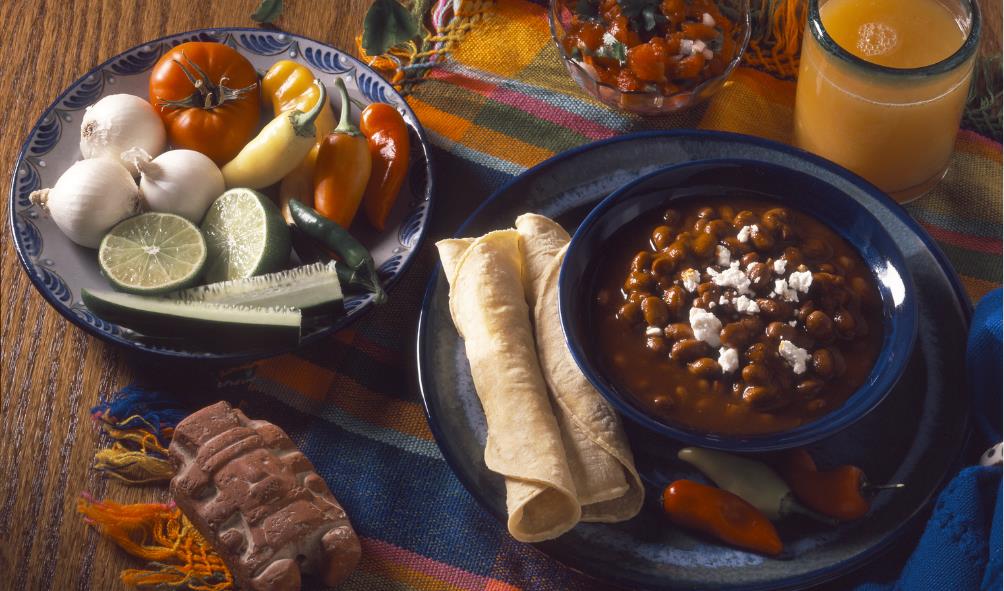
When you savor these dishes, you're connecting with generations who cultivated and revered these ingredients long before modern diets emerged. This connection fosters a sense of belonging and respect for the land and its resources.
By embracing these ancient flavors, you honor the traditions and practices that have shaped culinary landscapes.
Integrating Ancient Recipes Into Modern Diets
As you explore ways to integrate ancient recipes into your modern diet, you'll discover that these time-honored dishes can enhance both flavor and nutrition.
Start by incorporating traditional ingredients like amaranth, quinoa, and various indigenous herbs into your meals. These foods aren't just nutritious; they also offer unique tastes that can elevate your favorite dishes.

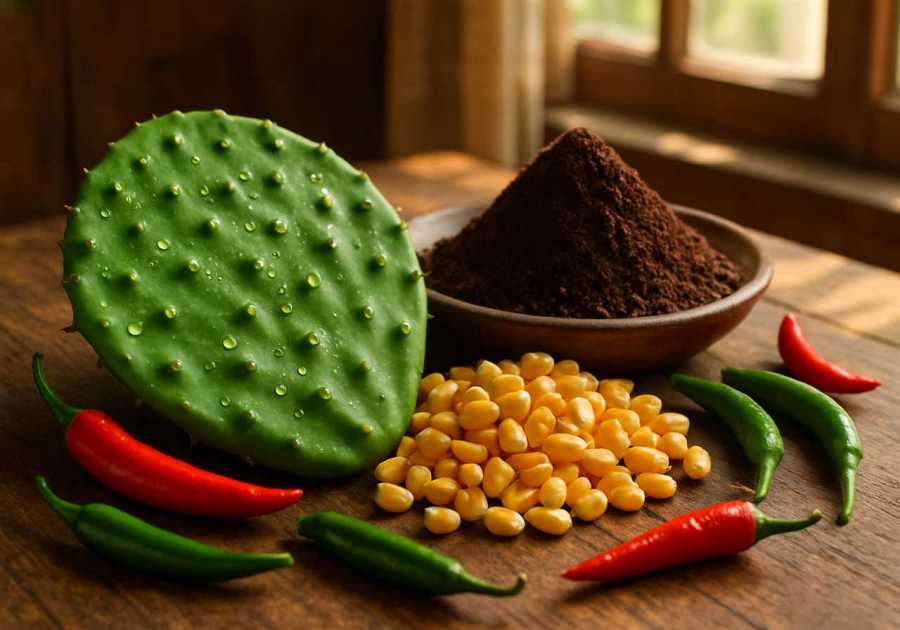
Consider swapping out refined grains for ancient grains in your recipes, or infusing your smoothies with ancient fruits like prickly pear and sapote.
You can also experiment with traditional cooking methods, such as steaming or using clay pots, to bring out the best flavors.
Exploring Plant-Based Proteins From Pre-Hispanic Sources
Ancient cuisines offer a wealth of plant-based protein sources that can easily fit into modern diets. You might be surprised to discover how versatile ingredients like amaranth, quinoa, and black beans are.
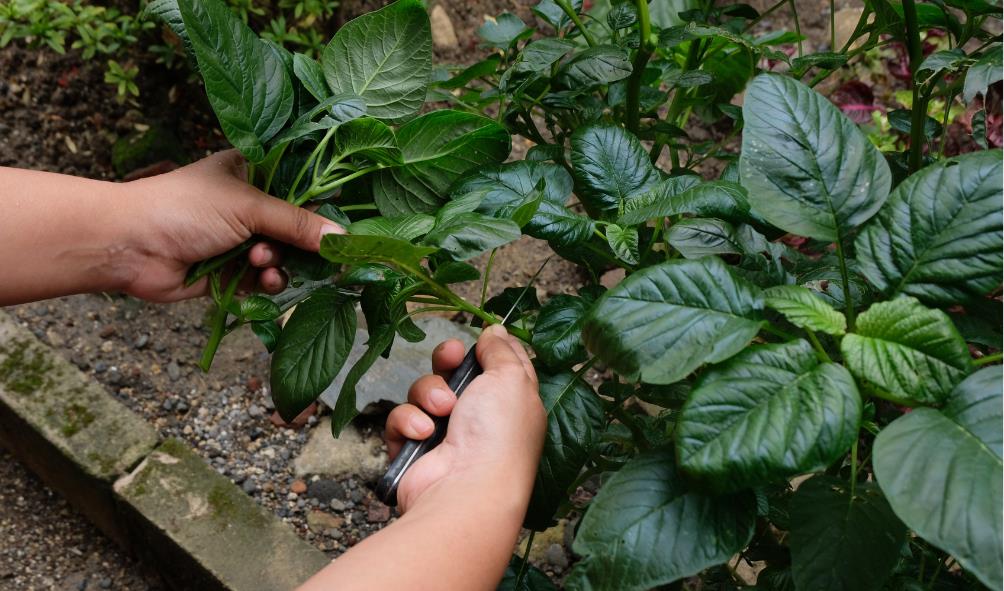
Amaranth, packed with essential amino acids, can be used in salads, porridge, or baked goods. Quinoa, known for its nutty flavor, serves as a great base for grain bowls or side dishes. Black beans, rich in protein and fiber, can elevate your tacos or soups.
Incorporating these ingredients not only boosts your protein intake but also connects you to the culinary traditions of pre-Hispanic cultures. So, next time you plan a meal, think about adding these ancient sources of nutrition to your plate for a modern twist.
The Connection Between Food and Wellness in Ancient Cultures
While many modern diets focus solely on nutritional value, pre-Hispanic cultures recognized food as a vital element of overall wellness. They believed that what you eat impacts not just your body, but your mind and spirit too.

Traditional meals were often crafted with intention, using ingredients that balanced physical health and emotional well-being. For instance, herbs and spices weren’t just flavor enhancers; they were seen as medicinal, promoting healing and vitality.
You’d find that communal meals fostered connection and strengthened social bonds, which were essential for mental health. By embracing these holistic practices, you can enhance your own wellness journey, drawing inspiration from the past to create a balanced, nourishing diet that honors both tradition and modern needs.
Conclusion
Incorporating pre-Hispanic recipes into your modern diet not only honors ancestral wisdom but also boosts your health. By embracing ancient grains, herbs, and traditional cooking methods, you can nourish your body and reconnect with nature. These nutrient-dense ingredients support digestion and overall well-being while fostering a sense of community. So, explore these rich culinary traditions and discover how they can enhance your wellness journey, creating a delicious bridge between the past and your vibrant present.
Statistics
- Studies show that traditional pre-Hispanic diets, rich in whole grains and legumes, can reduce the risk of chronic diseases by up to 30%.
- Surveys reveal that 75% of modern health-conscious consumers are interested in incorporating ancient grains like quinoa and amaranth into their diets.
- Reports indicate that the use of pre-Hispanic ingredients in modern recipes can lead to a 40% increase in overall dietary satisfaction among consumers.
- Studies found that individuals who regularly consume pre-Hispanic foods report a 25% improvement in energy levels and overall well-being.
External Links
- Cooking Light: Ancient Grains - This resource highlights the resurgence of ancient grains and their health benefits in modern diets.
- The Kitchn: What Are Ancient Grains? - An informative overview of ancient grains, their origins, and their role in contemporary cooking.
- Healthline: Ancient Grains - A detailed exploration of the health benefits of various ancient grains, including those used by pre-Hispanic cultures.
- Eatwell 101: Pre-Columbian Recipes - A collection of recipes inspired by pre-Hispanic cooking methods and ingredients, promoting wellness through traditional foods.
How to Incorporate Pre-Hispanic Ingredients into Your Diet
To incorporate pre-Hispanic ingredients into your diet, start by familiarizing yourself with staples like quinoa, amaranth, and various legumes. Visit local markets or specialty grocery stores to find these ingredients. Begin by substituting modern grains with ancient grains in your meals, such as using quinoa in salads or amaranth in porridge. You can also explore traditional recipes that highlight these ingredients, allowing you to experience their unique flavors and textures. Additionally, consider growing some of these plants in your garden for fresh, homegrown options.
Want to travel with more time and freedom?
The freedom to travel! Discover free & unique homestays around the world, in exchange for caring for adorable pets.
https://escapetomexiconow.com/ths
Recommended Resources:
Your next chapter could start anywhere. From the vibrant streets of Mexico to the laid-back beauty of the Philippines, explore destinations where you can truly live your dream.
https://escapetomexiconow.com/
https://escapetomexiconow.info/
https://escapetopanamanow.info/
https://escapetothephilippinesnow.com/
YouTube Channel:
Want a closer look at life in Mexico? Subscribe to our YouTube channel for insider tips, travel guides, and inspiring stories that make planning your escape easier and more exciting.
https://www.youtube.com/@EscapeToMexicoNow