.png)
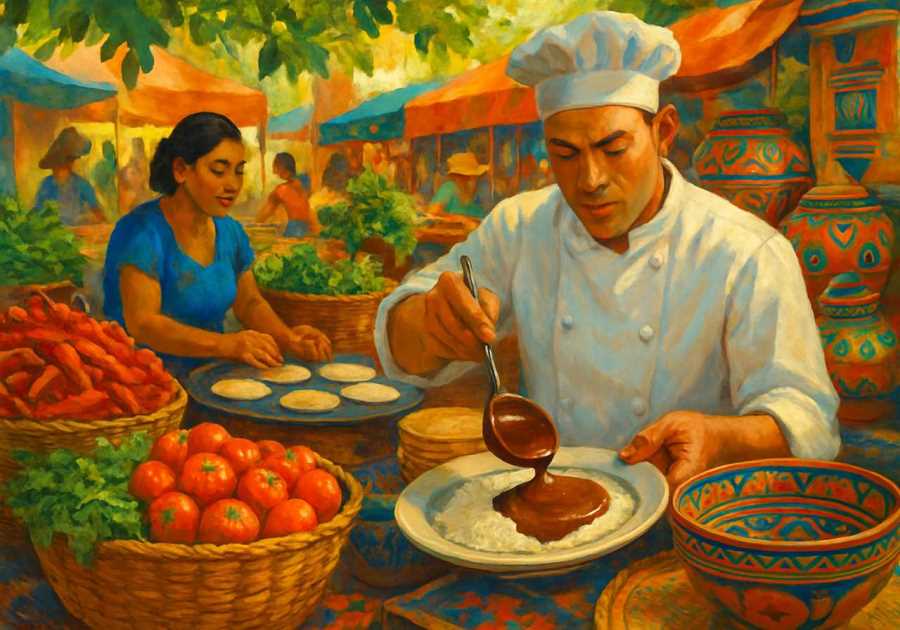
Mexican home cooking isn’t just about flavors; it’s a pathway to better gut health and emotional well-being. By incorporating fiber-rich ingredients and fermented foods, you can create meals that nourish your body and uplift your spirit. The comforting nature of traditional recipes often brings back cherished memories and strengthens bonds with loved ones. But what specific ingredients and techniques can truly make a difference in your kitchen? Discover the answers ahead.
The Importance of Gut Health
While you mightn't think about it often, gut health plays a crucial role in your overall well-being. A thriving gut influences not just digestion but also your immune system, mood, and energy levels.
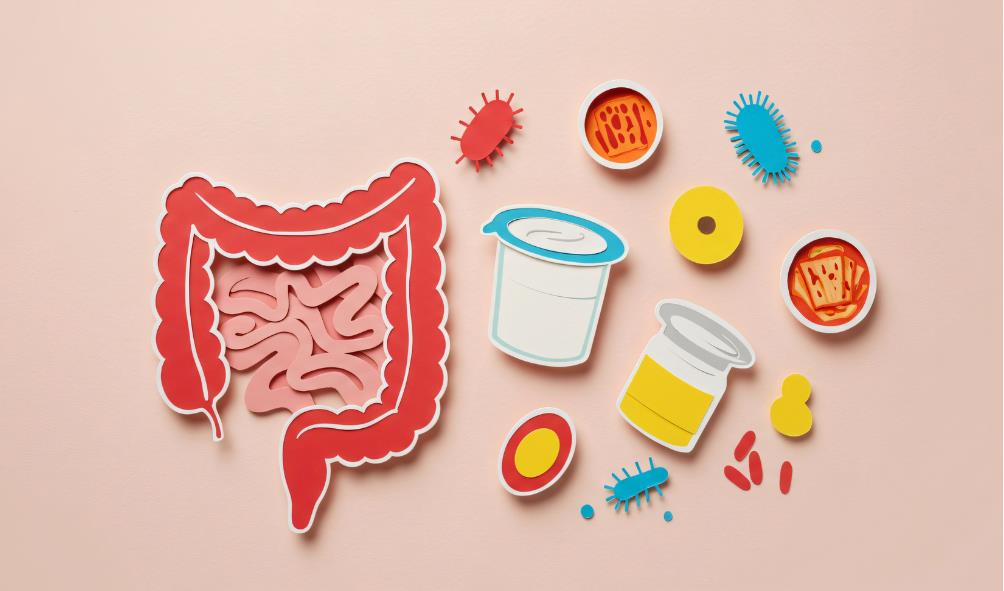
When your gut’s balanced with beneficial bacteria, you’re more likely to feel energized and focused. Conversely, an unhealthy gut can lead to discomfort, fatigue, and even anxiety.
You can support your gut by consuming fiber-rich foods, staying hydrated, and incorporating fermented options into your diet. Listen to your body; it often signals when something's off.
Key Ingredients in Mexican Home Cooking
Mexican home cooking is vibrant and full of flavor, thanks to its key ingredients that form the foundation of many beloved dishes.
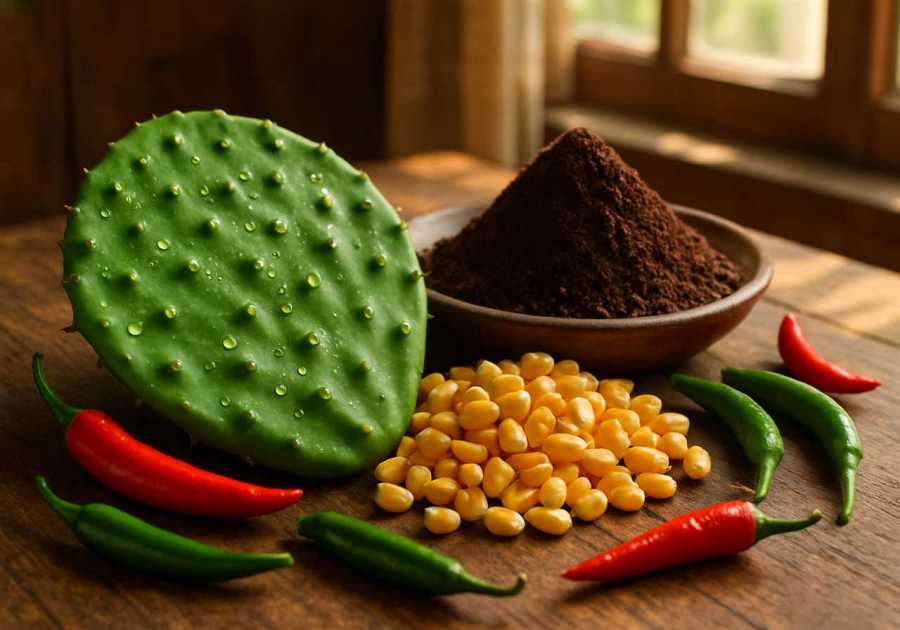
Corn is a staple, whether in tortillas, tamales, or elote, providing a hearty base. Beans are another essential, packed with protein and fiber, perfect for balancing meals.
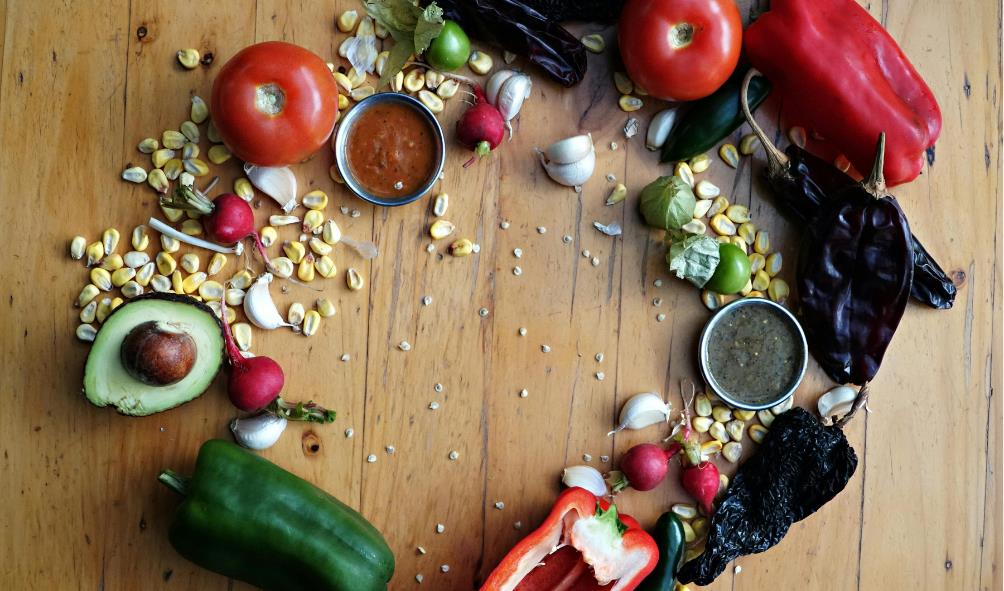
Chiles add depth and heat, ranging from mild to fiery, allowing you to customize the spice level. Fresh herbs like cilantro and epazote brighten flavors, while garlic and onions bring warmth and aroma.
Don’t forget about lime juice, which adds a zesty kick to enhance any dish.
These ingredients not only create mouthwatering meals but also nourish your body, promoting gut health and overall well-being.
The Role of Fresh Vegetables and Whole Grains
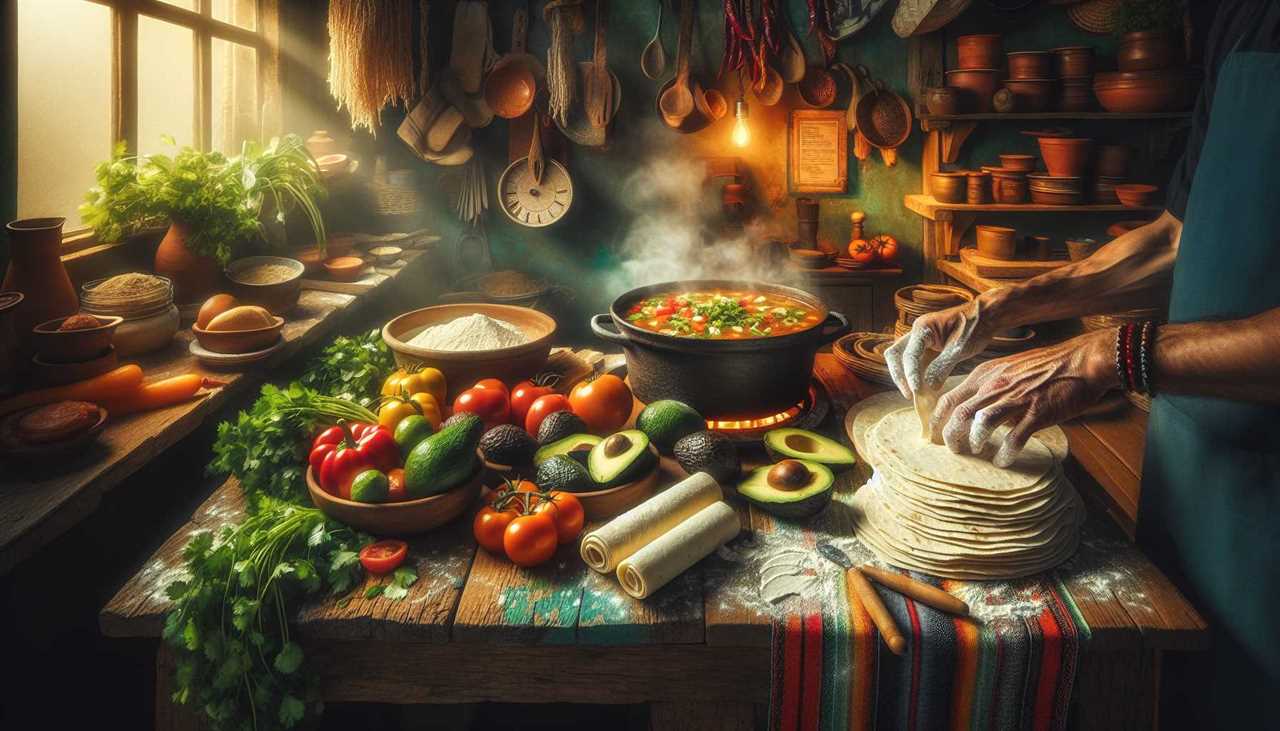
Fresh vegetables and whole grains play a crucial role in Mexican home cooking, enhancing both the nutrition and flavor of dishes. When you incorporate ingredients like tomatoes, peppers, and zucchini, you not only boost the freshness but also add vibrant colors and textures to your meals.
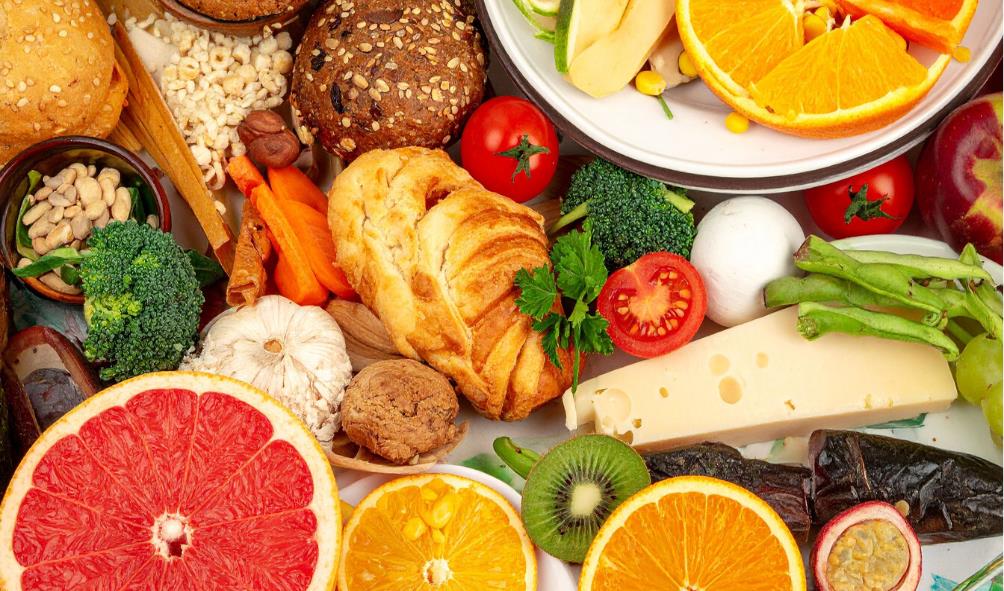
Whole grains such as brown rice, quinoa, and corn tortillas provide essential fiber and nutrients, supporting digestive health. By focusing on these wholesome elements, you create a balanced plate that satisfies your hunger and nourishes your body.
Cooking with fresh produce allows you to explore the natural flavors of each ingredient, making every meal a delightful experience. So, embrace these staples in your kitchen, and watch your dishes come alive!
Fermented Foods and Their Benefits
When you incorporate fermented foods into your diet, you not only enhance the flavor of your meals but also boost your gut health.
These foods, like sauerkraut, kimchi, and yogurt, are packed with probiotics that help balance your gut microbiome. A healthy gut can improve digestion, reduce bloating, and even enhance your mood.
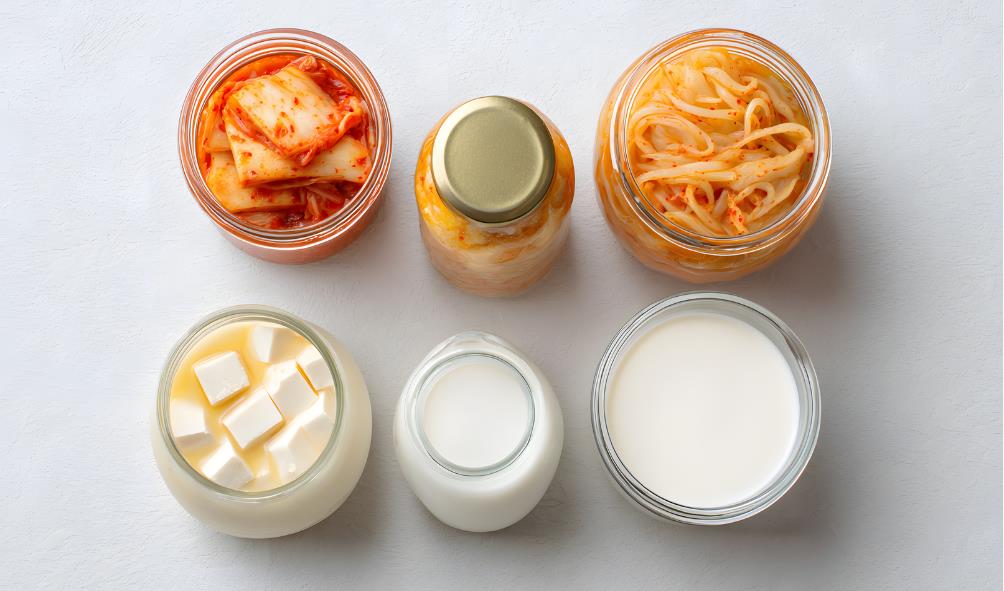
In Mexican cuisine, you’ll find delicious fermented options like traditional salsas and pickled vegetables, which add zest and nutrition to your dishes. Plus, they’re easy to make at home, allowing you to experiment with flavors.
By adding these vibrant foods to your meals, you’re not just nourishing your body; you’re also supporting your overall wellness.
Traditional Cooking Techniques That Promote Wellness
While many cooking techniques can enhance the nutritional value of your meals, traditional methods in Mexican cuisine stand out for their focus on wellness.
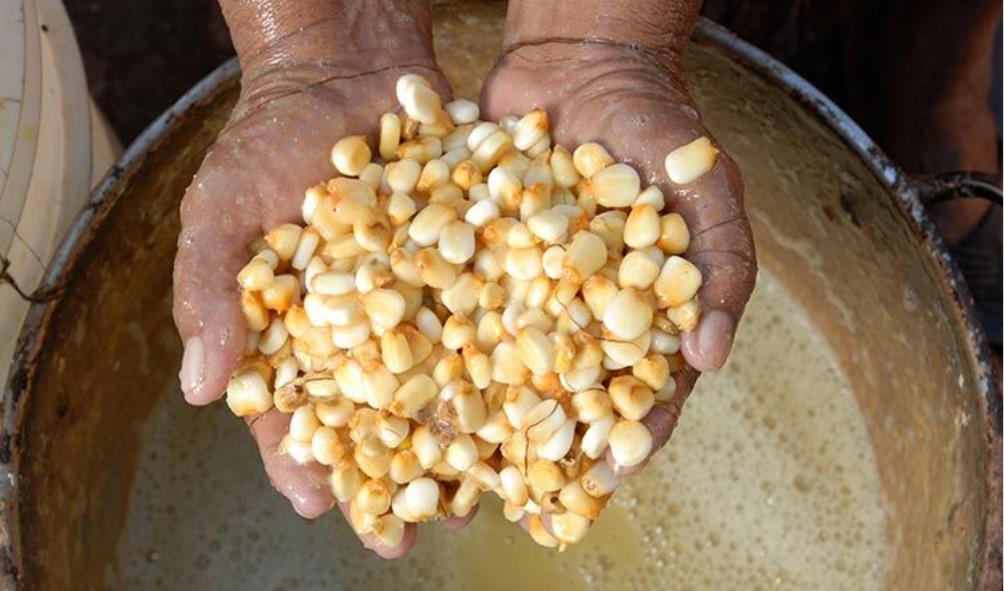
Techniques like nixtamalization, where corn is soaked and cooked in alkaline water, boost the bioavailability of nutrients and improve digestion. You’ll also find that slow-cooking meats and vegetables allows flavors to meld, creating hearty dishes rich in nutrients.
Steaming and boiling, as seen in tamales and soups, preserve vitamins while keeping your meals light. Additionally, using clay pots for cooking enhances the flavor and adds minerals to your food.
The Impact of Family Recipes on Mental Health
As you gather around the table to share a meal made from cherished family recipes, you're not just tasting flavors; you're also nurturing your mental health.
These recipes often carry stories and traditions that connect you to your roots, providing a sense of belonging and comfort. The act of preparing and enjoying familiar dishes can evoke positive memories, reducing stress and anxiety.

Family meals create an opportunity for bonding, fostering communication and support among loved ones. This shared experience can boost your mood and create a feeling of safety and warmth.
Embracing these culinary traditions not only nourishes your body but also strengthens your emotional well-being, reminding you of the love and care that shaped your upbringing.
Creating a Nourishing Meal Together
Gathering in the kitchen to create a nourishing meal together can transform the cooking process into a delightful bonding experience.
As you chop fresh vegetables, sauté aromatic herbs, and mix vibrant spices, laughter and conversation flow naturally. Each person brings their unique touch, whether it's a secret ingredient or a cherished technique passed down through generations.
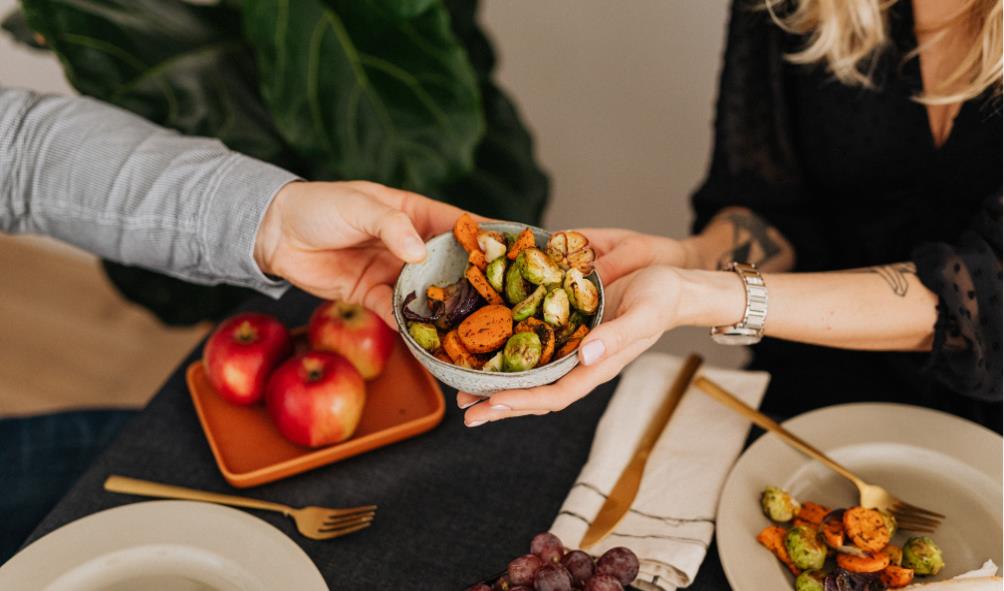
You’ll find joy in collaborating, sharing stories, and reminiscing about family meals. Cooking together fosters a sense of community and connection, reminding you that nourishment isn't just physical—it's emotional too.
When everyone contributes, the meal becomes a reflection of your collective love and effort. So roll up your sleeves, embrace the mess, and savor the moments spent creating something delicious together.
Simple Mexican Recipes for Gut Health
Cooking together not only nourishes the body but can also promote gut health with the right ingredients.
Start with a zesty black bean salad, mixing canned black beans, corn, diced tomatoes, avocado, and a squeeze of lime. This dish is packed with fiber and healthy fats.
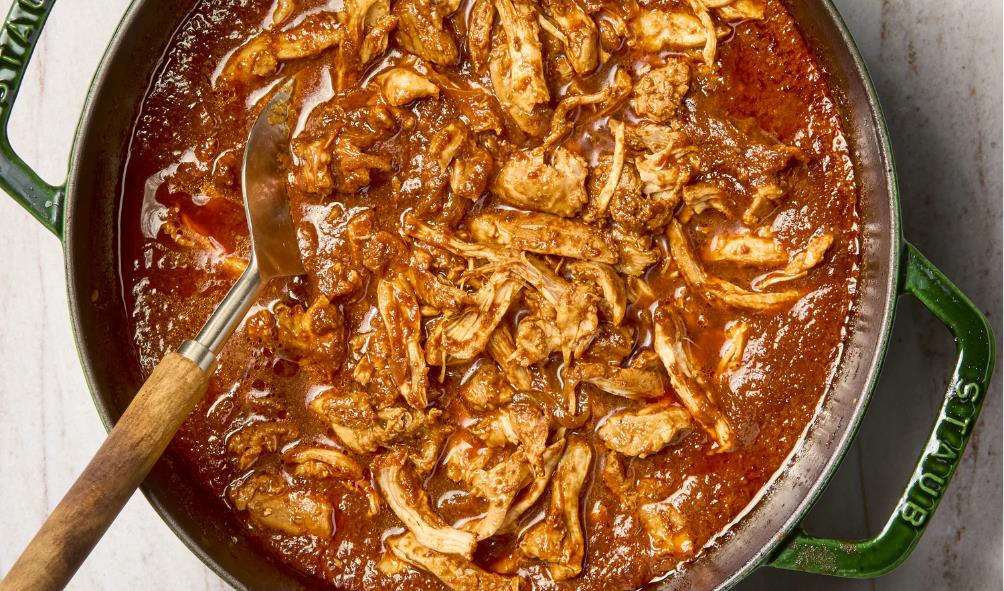
Next, whip up some chicken tinga, using shredded chicken simmered in a smoky tomato sauce. Serve it on corn tortillas topped with fresh cilantro and onions for a gut-friendly meal.
Don’t forget about probiotic-rich salsa, made with fermented vegetables.
Finally, enjoy a cup of homemade hibiscus tea, known for its antioxidant properties.
These simple recipes not only taste great but also support your digestive system and overall well-being.
Conclusion
Incorporating Mexican home cooking into your meals can significantly boost your gut health and lift your spirits. By embracing fiber-rich ingredients, fresh vegetables, and probiotic-packed fermented foods, you’re not just nourishing your body—you’re also creating cherished memories with loved ones. Each dish tells a story, connecting you to your roots while promoting wellness. So, gather your family, whip up some vibrant recipes, and enjoy the healing power of food that warms both your gut and your soul.
Statistics
- Traditional Mexican ingredients, such as beans and corn, are rich in fiber, which can promote a healthy gut microbiome and improve digestion.
- Research shows that home-cooked meals, including Mexican dishes, are associated with lower levels of stress and anxiety, promoting emotional well-being.
- Studies reveal that sharing meals, a common practice in Mexican culture, can enhance social connections and contribute to mental health benefits.
- Homemade Mexican dishes often avoid preservatives and artificial ingredients, leading to healthier eating habits that positively affect gut health.
External Links
- WebMD discusses the gut-brain connection, emphasizing how food choices, including those from Mexican cuisine, can impact mental well-being.
- Mexican in My Kitchen explores various comfort foods that not only nourish the body but also soothe the soul.
- The Kitchn provides a guide to making authentic Mexican salsa, a delicious way to incorporate probiotics into your diet.
- Healthline discusses the health benefits of traditional Mexican food, highlighting its nutritious ingredients.
How to Incorporate More Fiber-Rich Ingredients in Your Mexican Cooking
To improve gut health, focus on incorporating fiber-rich ingredients into your Mexican dishes. Beans, lentils, and whole grains like brown rice and quinoa are excellent sources of fiber. Start by adding black beans or pinto beans to tacos, burritos, or salads. Use whole-grain tortillas instead of white ones for a healthier option. You can also experiment with adding lentils to soups or stews, enhancing both the flavor and nutritional value of your meals. By making these small adjustments, you can create delicious, fiber-rich meals that support digestive health and keep you feeling full longer.
Experience Authentic Mexican Recipes
Ready to bring the magic of Mexican home cooking into your kitchen? Our collection of traditional recipes is designed to nourish your body and soul. From hearty pozole to zesty salsas, each dish is a celebration of fresh ingredients and time-honored techniques. Visit www.escapetomexiconow.com to explore our curated recipes that will make every meal a delightful experience.