.png)
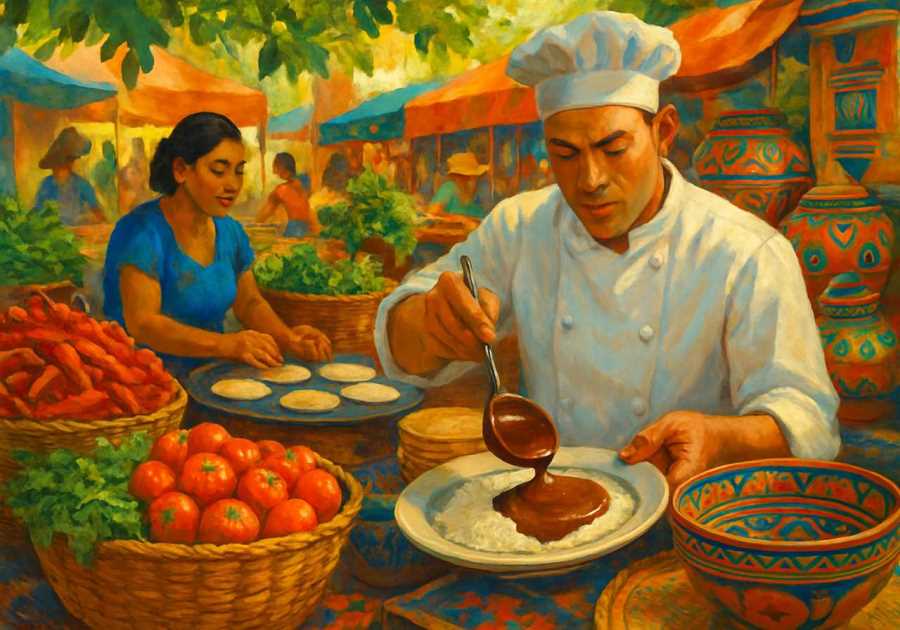
When you think about Mexican cuisine, what comes to mind? The vibrant colors, the rich flavors, or perhaps the comforting aromas wafting from a sizzling skillet? This culinary tradition offers more than just meals; it provides valuable lessons on flavor, balance, and satisfaction. Each ingredient plays a role, creating a symphony of tastes that invites you to experience food in a new way. What if you could apply these principles to your own meals?
The Rich Tapestry of Mexican Ingredients
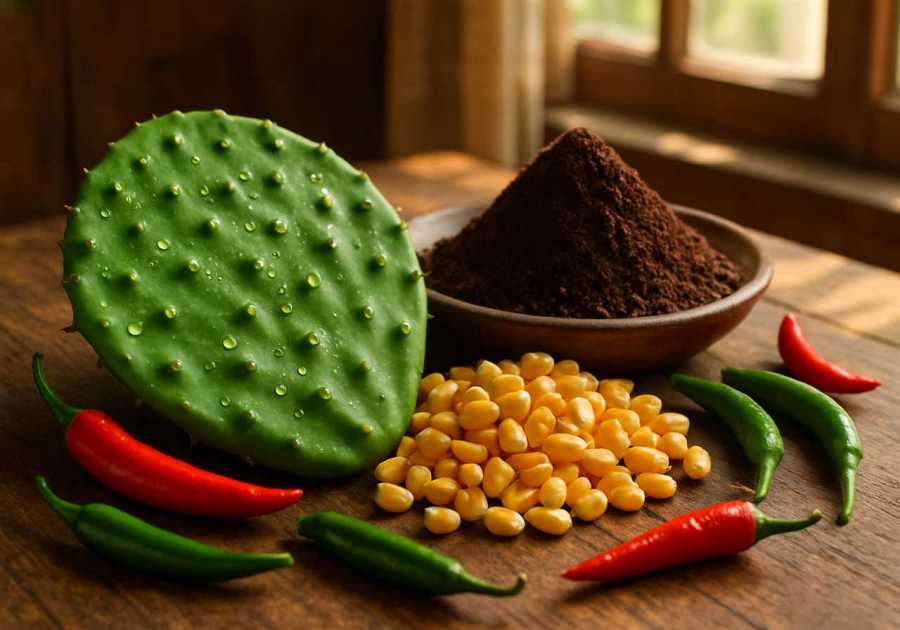
When you delve into the world of Mexican cuisine, you'll discover a vibrant tapestry woven from a rich array of ingredients. Staples like corn, beans, and chilies form the backbone of countless dishes, providing both flavor and nutrition.
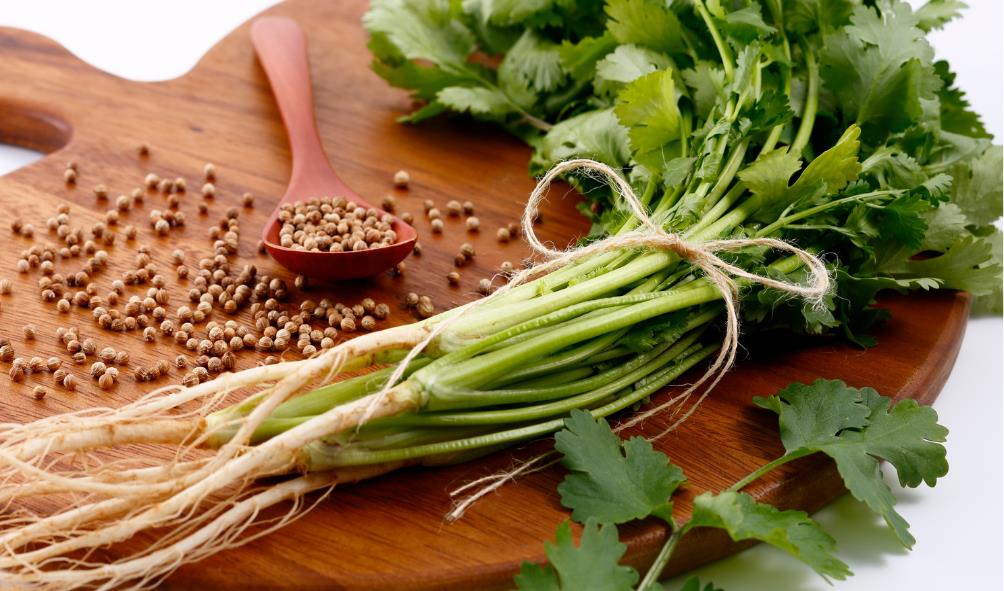
You’ll also find fresh herbs, such as cilantro and epazote, adding aromatic depth. Don’t forget about the diverse proteins, from succulent meats to fresh seafood, each bringing unique textures and tastes to the table.
The use of spices, like cumin and oregano, elevates the flavors even further. Each region boasts its own specialties, showcasing local ingredients that reflect the landscape and culture.
Embracing Freshness: The Role of Seasonal Produce
To truly appreciate Mexican cuisine, you must embrace the freshness that seasonal produce brings to every dish. When you choose ingredients at their peak, you not only enhance flavor but also enjoy vibrant colors and textures that make your meals more enticing.
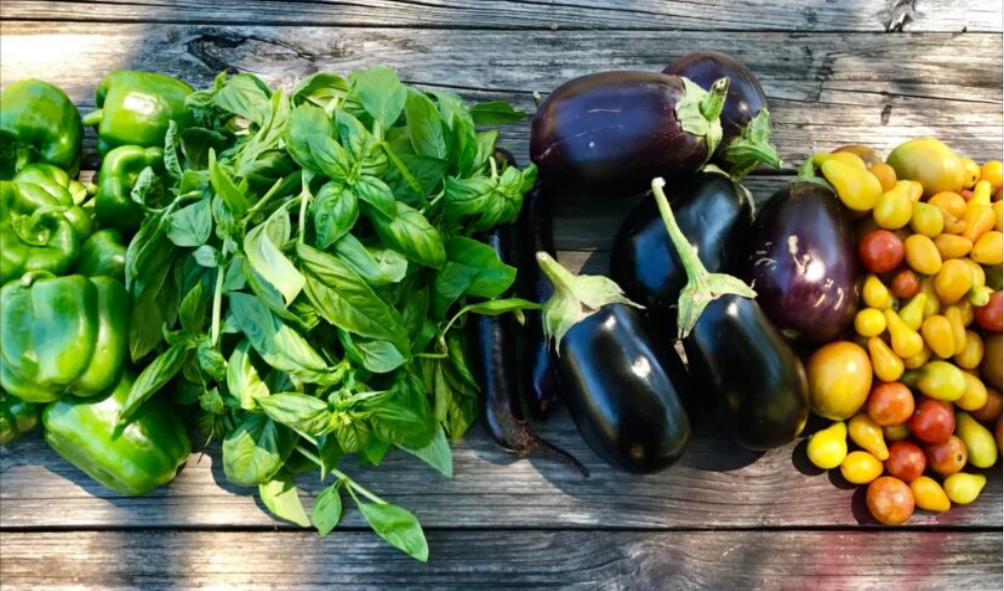
From ripe tomatoes bursting with sweetness in summer to earthy squash in autumn, each season offers unique treasures. Local markets are your best friend—explore them to discover fresh herbs, fruits, and vegetables that inspire your cooking.
The Importance of Balance: Flavor Profiles in Mexican Cuisine
Building on the foundation of seasonal produce, understanding the balance of flavor profiles in Mexican cuisine is vital for creating authentic dishes.
You'll want to explore the vibrant interplay between sweet, sour, salty, and spicy elements. Each ingredient contributes its unique character, whether it's the sweetness of ripe tomatoes or the heat of a jalapeño.
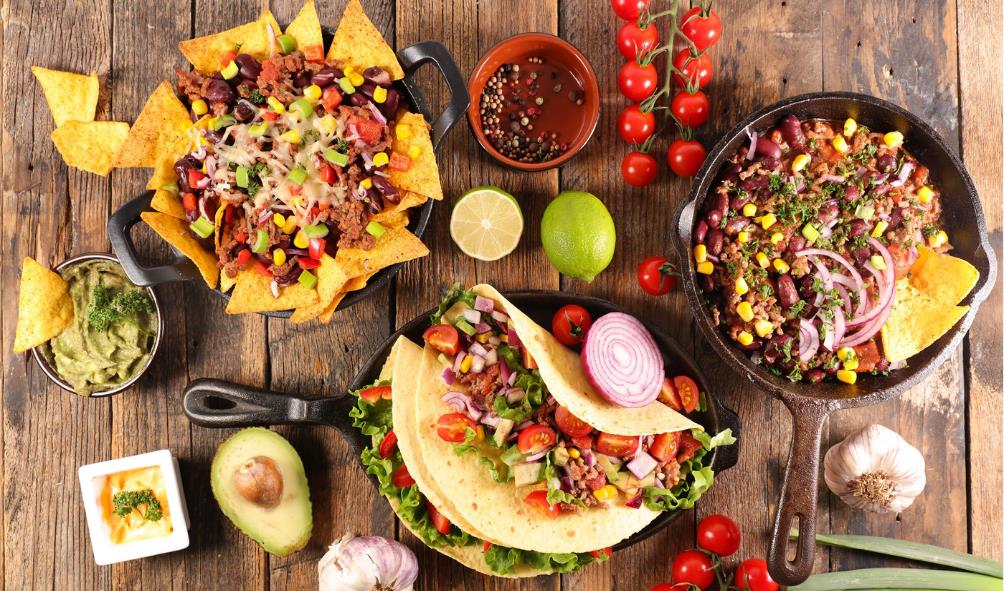
When you combine these flavors thoughtfully, you create a harmonious dish that excites the palate. For example, a well-balanced salsa can elevate simple grilled meats or fresh vegetables.
Don’t forget to incorporate herbs like cilantro or spices like cumin to deepen the complexity. By mastering this balance, you’ll not only enhance your cooking but also bring a taste of Mexico's rich culinary heritage to your table.
Cooking Techniques That Elevate Taste and Nutrition
While many might think that flavor comes solely from ingredients, the cooking techniques you use can significantly enhance both taste and nutrition in your dishes.
For instance, roasting vegetables caramelizes their natural sugars, bringing out deeper flavors and retaining essential nutrients. Steaming keeps nutrients intact while ensuring a vibrant color and crisp texture.
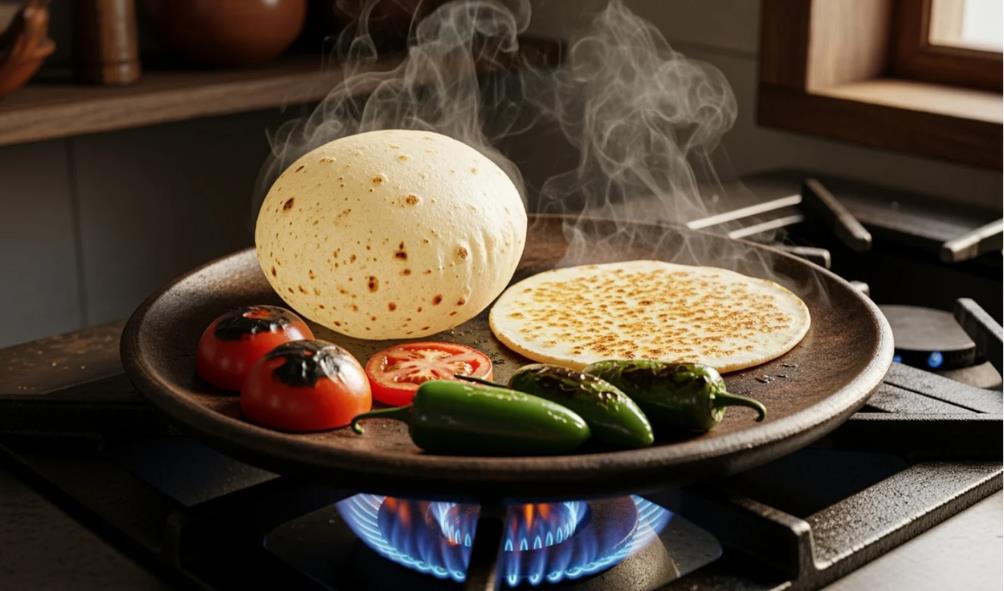
Incorporating techniques like marinating or pickling can amplify flavors and provide probiotic benefits. Sautéing with healthy fats, like olive oil, not only boosts flavor but also aids nutrient absorption.
Don’t overlook the power of spices and herbs; they can transform a simple meal into a vibrant feast.
The Art of Sharing: Communal Eating and Its Benefits
When you gather around a table to share a meal, the experience transcends mere nourishment; it fosters connection and community. In Mexico, communal eating is a cherished tradition that enhances joy and togetherness. You’re not just sharing food; you’re sharing stories, laughter, and memories. This practice promotes a sense of belonging, making you feel more connected to your loved ones and culture.
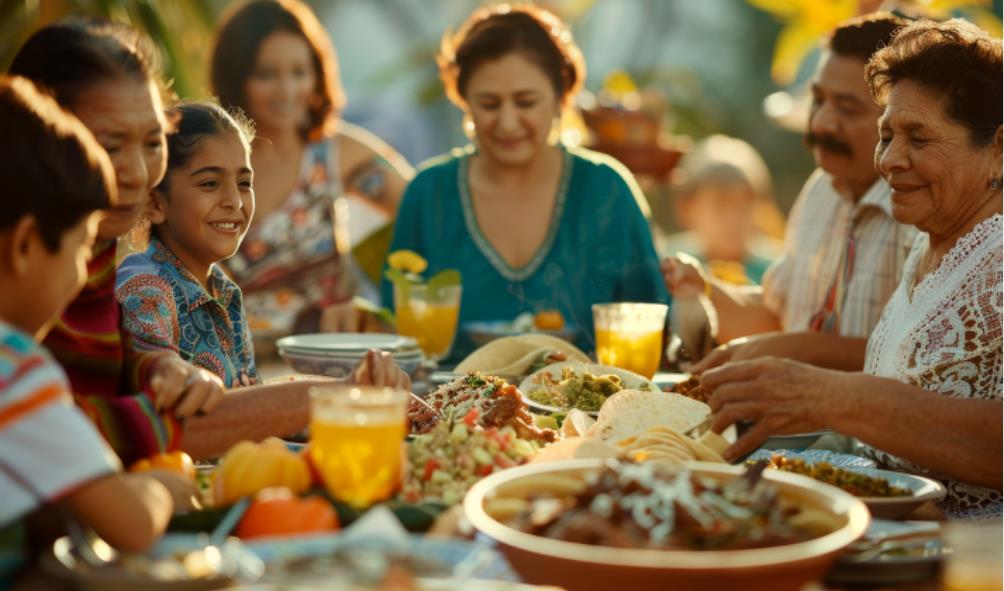
Moreover, communal meals often encourage mindful eating. When you savor each bite while engaging in conversation, you’re more likely to appreciate the flavors and textures of the food. This connection to your meal can lead to healthier eating habits and greater satisfaction.
Traditional Dishes That Celebrate Wholesome Eating
Mexico's rich culinary heritage offers a delightful array of traditional dishes that not only satisfy the palate but also nourish the body.
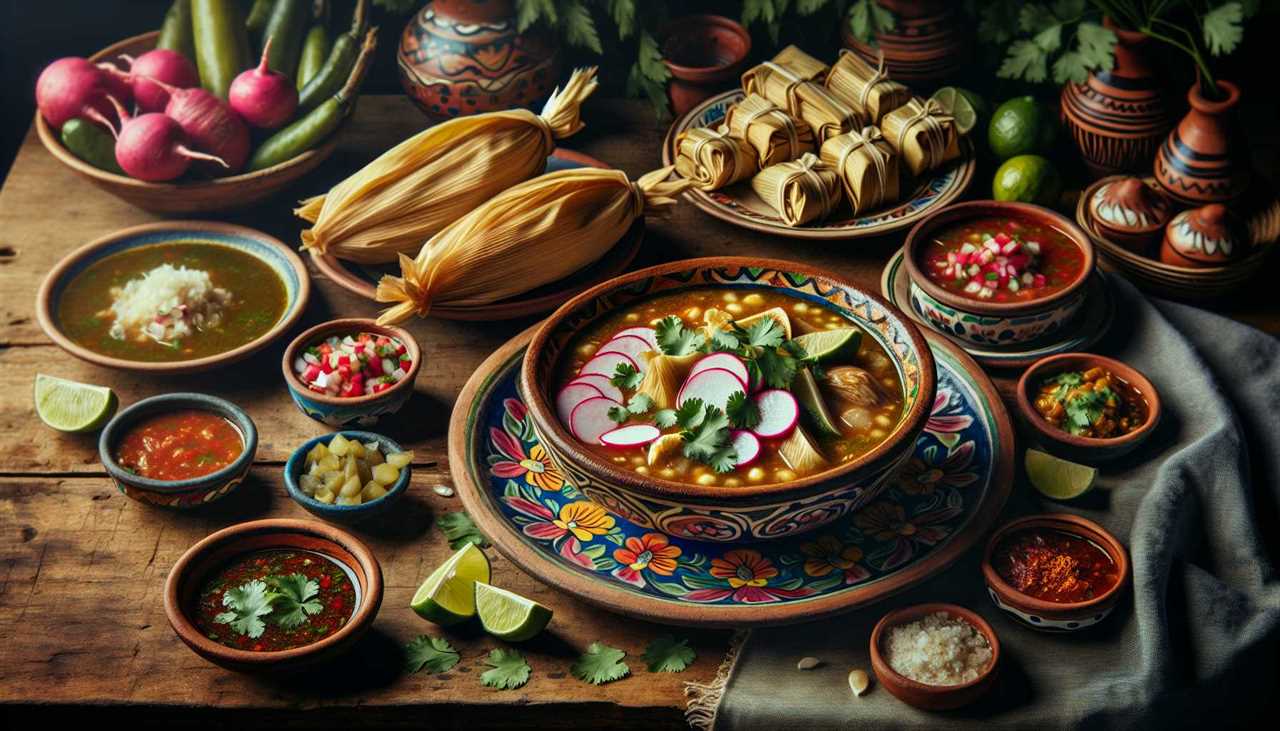
Think of hearty pozole, a comforting soup made with hominy, meat, and vibrant garnishes. Or consider the fresh, zesty ceviche, where seafood marinates in lime juice, bringing out flavors while providing essential nutrients.
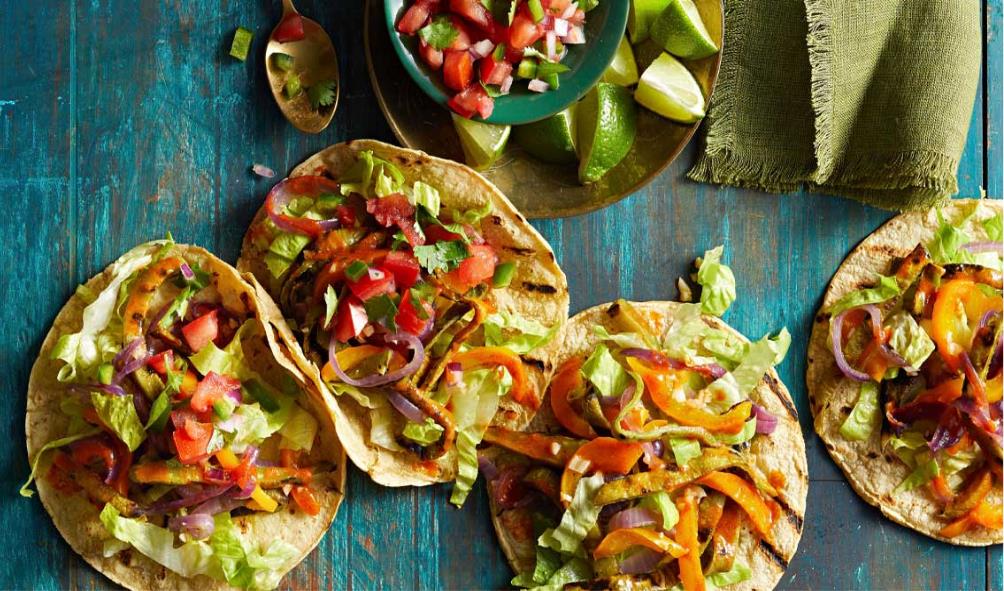
Tacos de nopales, made with tender cactus, are another excellent choice, packed with fiber and antioxidants. You’ll also love the nutrient-dense chiles en nogada, combining the richness of meat with the freshness of fruits and nuts.
Each dish showcases a balance of flavors and ingredients, highlighting the importance of wholesome eating in Mexican culture. Enjoying these meals can inspire you to embrace a healthier, more satisfying approach to your diet.
Mindful Eating: Savoring Every Bite
Eating traditional Mexican dishes isn’t just about the flavors; it’s also an opportunity to practice mindful eating. When you sit down to enjoy a meal, take a moment to appreciate the vibrant colors and enticing aromas.

As you take your first bite, focus on the textures and the harmony of flavors dancing on your palate. Chew slowly and savor each mouthful, allowing the ingredients to tell their story. This intentional approach helps you connect with your food and enhances your overall dining experience.
Listen to your body, and pause when you feel satisfied. By embracing mindful eating, you’ll cultivate a deeper appreciation for the culinary artistry of Mexico while fostering a sense of balance and fulfillment in your meals.
Lessons From Mexico: Building a Healthy Relationship With Food
Though many people view food merely as sustenance, the lessons from traditional Mexican cuisine reveal a deeper connection that can transform your relationship with what you eat.
In Mexico, meals are celebrations, rich with flavors and shared experiences. Embrace the idea that food nourishes not just your body, but also your spirit.

Focus on fresh, local ingredients, and appreciate their vibrant tastes. Practice gratitude for your meals, recognizing the effort behind each dish.
As you enjoy your food, engage your senses—notice the colors, aromas, and textures. This approach fosters satisfaction and helps you develop a healthier relationship with food.
Conclusion
In embracing the art of eating well, you can learn so much from Mexican cuisine. By focusing on vibrant ingredients, seasonal produce, and balanced flavors, you’ll enhance your meals and nourish your body. Remember to savor each bite and share your food with others, creating connections and joy around the table. By adopting these practices, you’ll cultivate a healthier relationship with food, transforming every meal into a delightful celebration of flavor and satisfaction.
Statistics
- Nutritionists emphasize that the variety of colors in Mexican dishes, such as vibrant vegetables and fruits, is indicative of a high nutrient density, essential for a balanced diet.
- Studies find that the practice of mindful eating, prevalent in Mexican dining customs, leads to greater satisfaction and reduces the likelihood of overeating.
- Studies show that traditional Mexican meals often incorporate a balance of macronutrients, with an emphasis on whole grains, proteins, and healthy fats, promoting overall health.
- Research indicates that the use of fresh herbs and spices in Mexican cooking not only enhances flavor but also provides numerous health benefits, including anti-inflammatory properties.
External Links
- More Than Tacos and Burritos - An article from NPR that discusses the diversity and depth of Mexican cuisine beyond common stereotypes.
- Understanding Mole - This resource explains the complexity and flavor profile of mole, a quintessential element of Mexican cuisine.
- Mexican Cuisine Magazine - A magazine dedicated to exploring the diverse flavors and recipes of Mexican cooking, emphasizing its cultural importance.
- Mexican Cooking Techniques - This article covers essential cooking techniques that highlight the flavors and traditions of Mexican cuisine.
How To Use Fresh Ingredients for Authentic Mexican Cooking
Using fresh ingredients is key to authentic Mexican cooking. Start by visiting local farmers' markets or grocery stores to find seasonal produce. Look for ripe tomatoes, avocados, and various peppers, which are staples in many Mexican dishes. Fresh herbs like cilantro and epazote can add unique flavors to your meals. When preparing dishes, prioritize using whole foods over processed options to maintain the integrity and freshness of your cooking. By embracing fresh ingredients, you will not only elevate the taste of your meals but also align with the traditional practices of Mexican cuisine.
Want to travel with more time and freedom?
The freedom to travel! Discover free & unique homestays around the world, in exchange for caring for adorable pets.
https://escapetomexiconow.com/ths
Recommended Resources:
Adventure is calling — are you ready to answer? Discover new places, new lifestyles, and new possibilities in Mexico, Panama, or the Philippines.
https://escapetomexiconow.com/
https://escapetomexiconow.info/
https://escapetopanamanow.info/
https://escapetothephilippinesnow.com/
YouTube Channel:
Your next adventure starts here! Join us on YouTube for destination tours, insider advice, and everything you need to make your escape unforgettable.
https://www.youtube.com/@EscapeToMexicoNow