.png)
When you think about Mexican cuisine, it’s not just about the vibrant flavors; it’s about a deep connection to the land. Seasonal ingredients play a crucial role, influencing dishes that reflect the region's identity. Local markets buzz with life, linking farmers and consumers in a shared celebration of culture. But what happens to these traditions in a rapidly changing world? Understanding this dynamic is key to appreciating the essence of Mexico's fresh food culture.
The Roots of Mexican Cuisine
When you dive into the roots of Mexican cuisine, you'll discover a rich tapestry woven from ancient traditions and diverse cultural influences.
The essence of this vibrant food culture stems from indigenous ingredients like corn, beans, and chili peppers, which have sustained communities for centuries. As you explore further, you'll notice how Spanish colonization introduced new flavors, such as pork and spices, blending seamlessly with local elements.
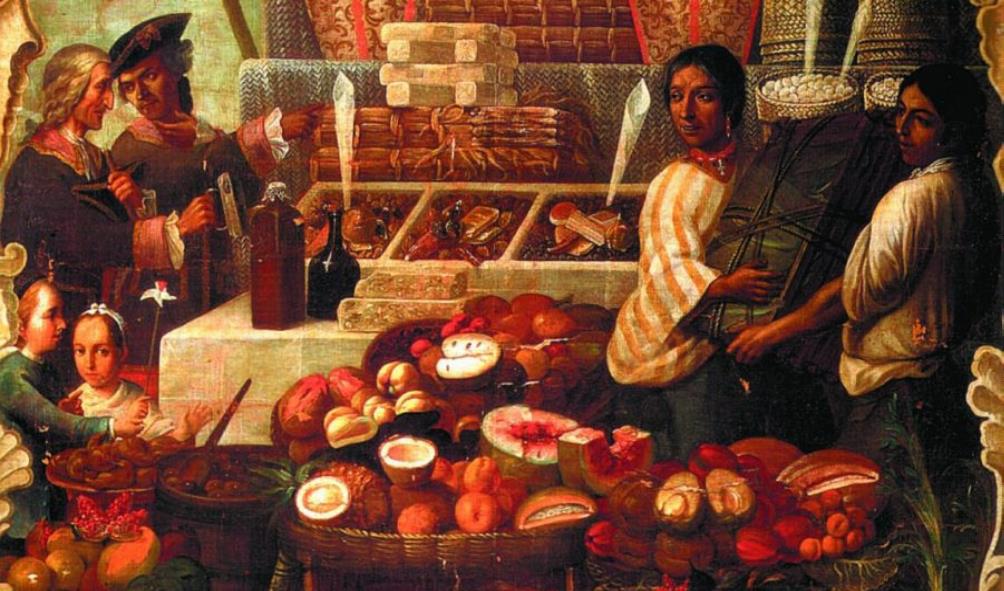
Each region offers unique dishes, reflecting its history and geography. Street food vendors serve up classic tacos and tamales, while family gatherings feature traditional recipes passed down through generations.
Through these culinary practices, you'll connect with the heart of Mexico, where every meal tells a story of resilience, creativity, and community.
Seasonal Ingredients and Their Importance
Though many dishes in Mexican cuisine celebrate timeless ingredients, seasonal produce plays a crucial role in creating authentic flavors and vibrant meals. By embracing what's fresh and local, you elevate your cooking and connect with the land.
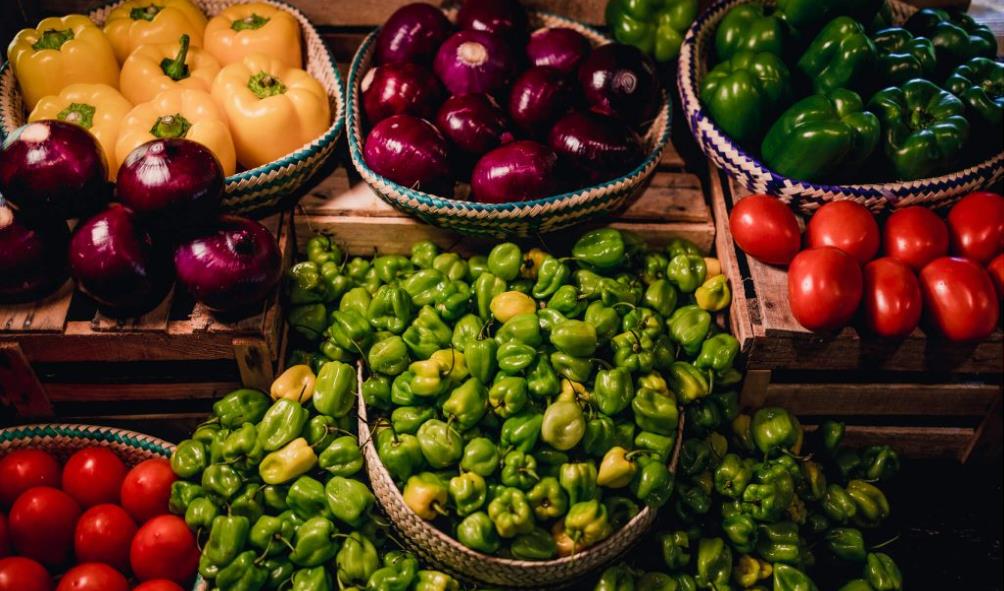
Seasonal ingredients, like ripe tomatoes in summer or hearty squashes in fall, offer unique tastes that change throughout the year. They not only enhance the nutritional value of your meals but also support sustainable farming practices.
When you choose seasonal fruits and vegetables, you're honoring the traditions of Mexican cooking while enjoying the best flavors available. So, next time you plan a meal, think about what’s in season; it’ll inspire your dishes and deepen your appreciation for the culinary richness of Mexico.
The Role of Local Markets
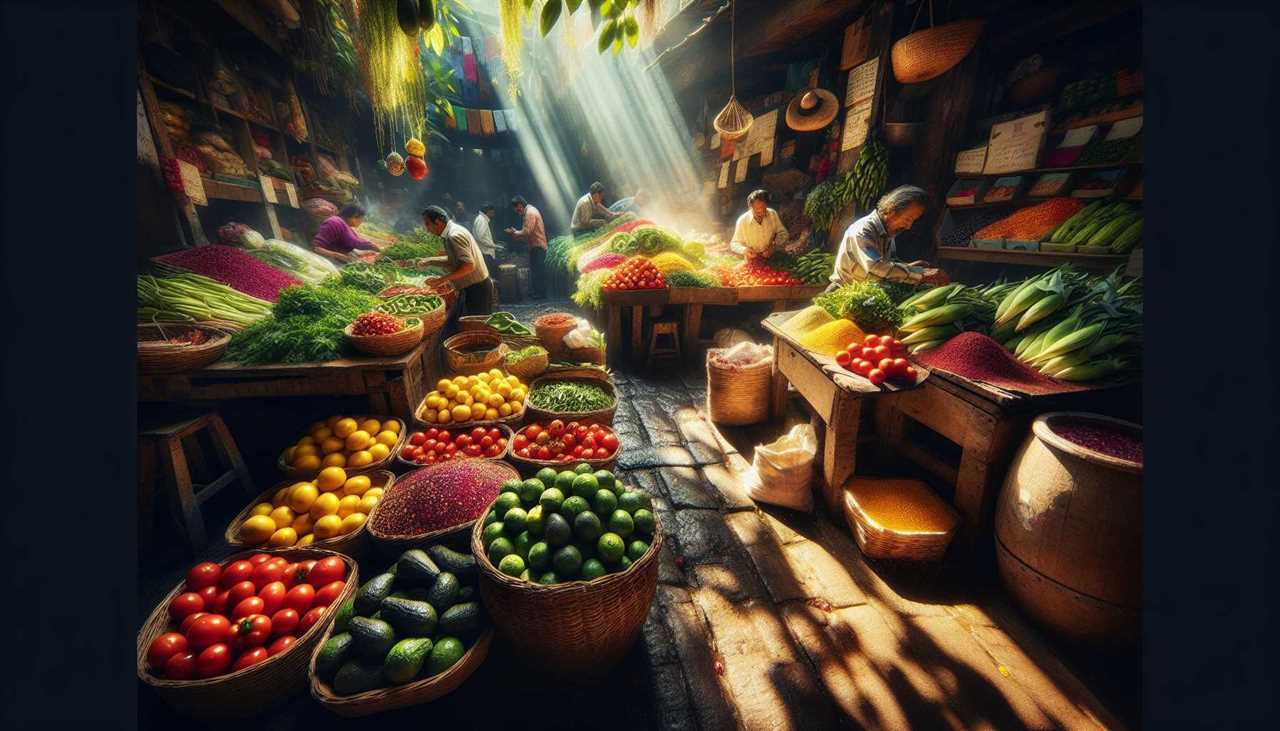
Local markets serve as the heartbeat of Mexican culinary culture, offering a vibrant array of fresh produce, spices, and artisanal goods.
When you step into these bustling spaces, you’re greeted by colorful displays of fruits and vegetables, all sourced from nearby farms. You’ll find local vendors eager to share their knowledge about the ingredients, helping you discover seasonal treasures you won’t find in supermarkets.
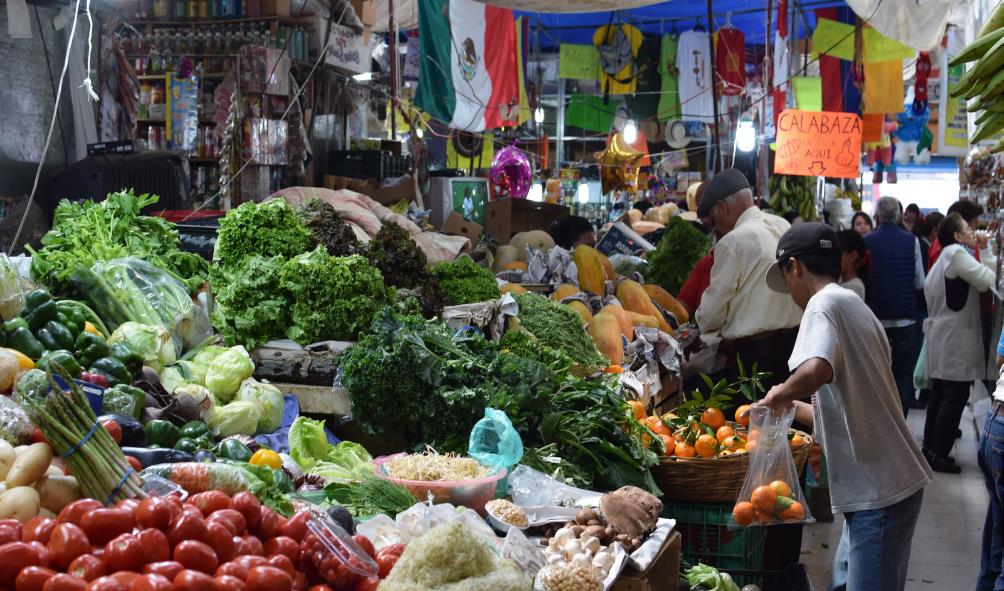
Engaging with the community, you can develop relationships with farmers and artisans, supporting sustainable practices and preserving traditional crops.
Plus, the lively atmosphere, filled with the sounds and smells of authentic Mexican cuisine, makes shopping a delightful experience.
Traditional Cooking Methods
Exploring local markets opens the door to understanding traditional cooking methods that have shaped Mexican cuisine for generations. You’ll discover techniques like nixtamalization, where corn is soaked in limewater to enhance flavor and nutrition, leading to delicious tortillas.
Cooking over an open flame in clay comales adds a unique smokiness to dishes, while slow-cooking meats in pit ovens, or barbacoa, creates tender and flavorful results.
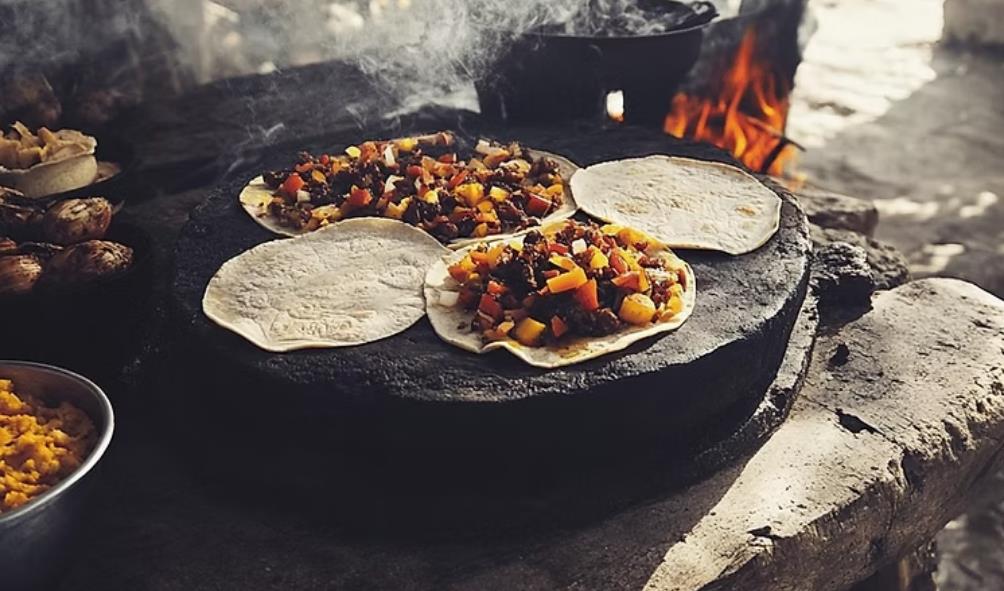
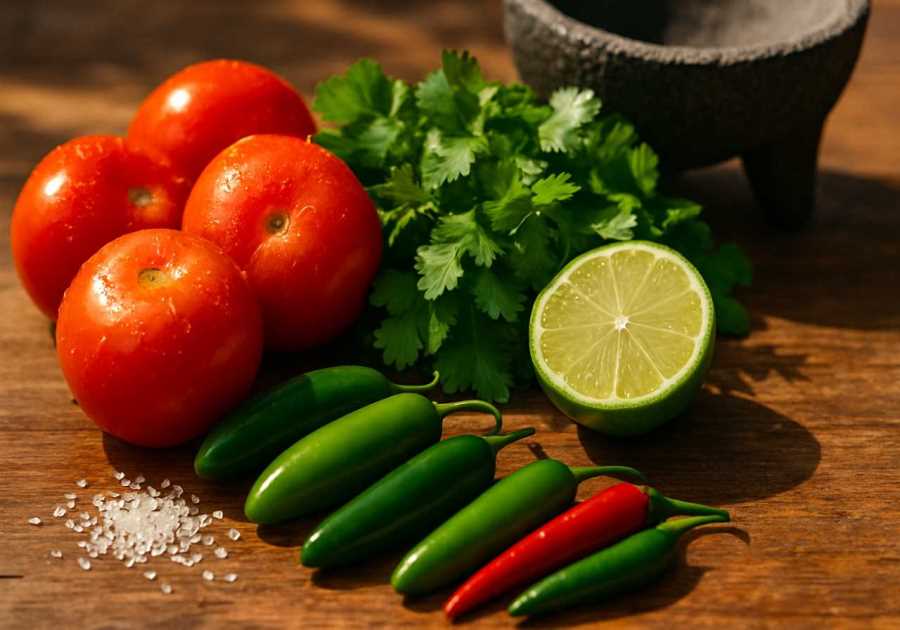
Using a molcajete, a stone mortar and pestle, you can make fresh salsas and guacamole that burst with flavor. These methods not only preserve authentic tastes but also connect you to the land and culture.
Embracing these traditions brings a deeper appreciation for the vibrant flavors of Mexican cuisine.
Community and Family Gatherings
As you gather with family and friends in Mexico, you'll quickly see how food plays a central role in community and family gatherings. Meals aren't just about eating; they're about connection.
You'll often find tables overflowing with vibrant dishes, showcasing local ingredients and traditional recipes passed down through generations.

Whether it's a festive celebration or a simple Sunday lunch, the atmosphere is filled with laughter and stories shared over homemade tortillas, spicy salsas, and fresh produce. You might even join in the preparation, learning the importance of each ingredient.
These gatherings emphasize togetherness, as everyone contributes to the meal, fostering a sense of belonging. In Mexico, food truly brings people together, transforming every meal into a cherished experience.
The Influence of Regional Diversity
While you savor the delicious flavors of Mexican cuisine, you’ll quickly realize that regional diversity plays a crucial role in shaping what’s on your plate.
Each region boasts its own unique ingredients, cooking methods, and traditional dishes, influenced by local climate and culture. In coastal areas, you might indulge in fresh seafood, while in the mountains, hearty stews and roasted meats take center stage.
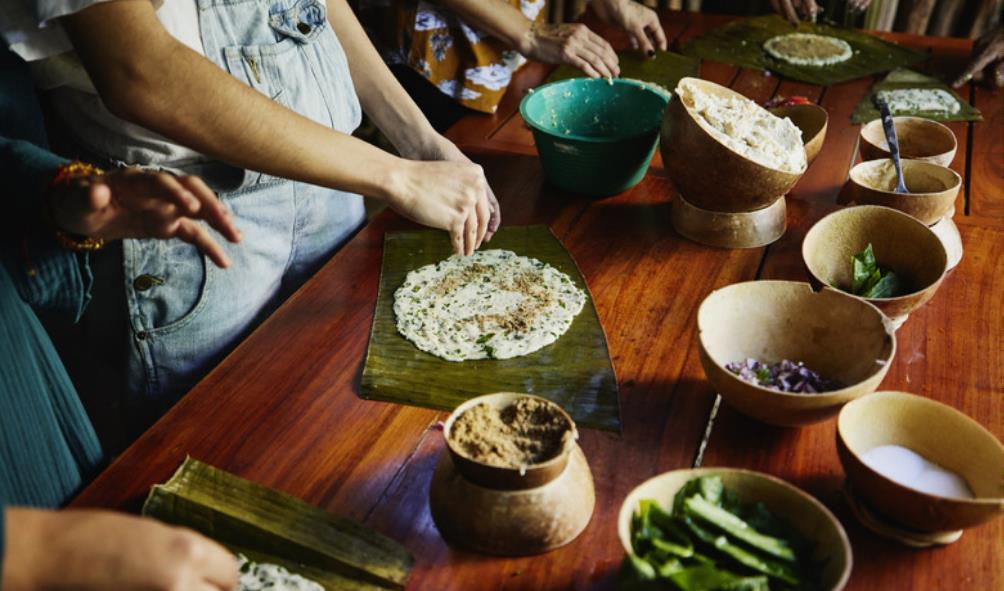
The Yucatán Peninsula surprises you with its use of citrus and spices, while Oaxaca captivates with its rich moles.
This vibrant variety not only reflects the land's bounty but also tells stories of the people who cultivate and prepare these dishes. Embracing this regional diversity allows you to experience the true essence of Mexico's culinary heritage.
Sustainable Practices in Food Production
Sustainable practices in food production are essential not just for preserving the environment, but also for ensuring the future of Mexico's rich culinary traditions.
When you choose to support local farmers who use organic methods, you’re helping to maintain biodiversity and reduce pollution.
Crop rotation and companion planting not only boost soil health but also enhance the flavors of the produce you enjoy.
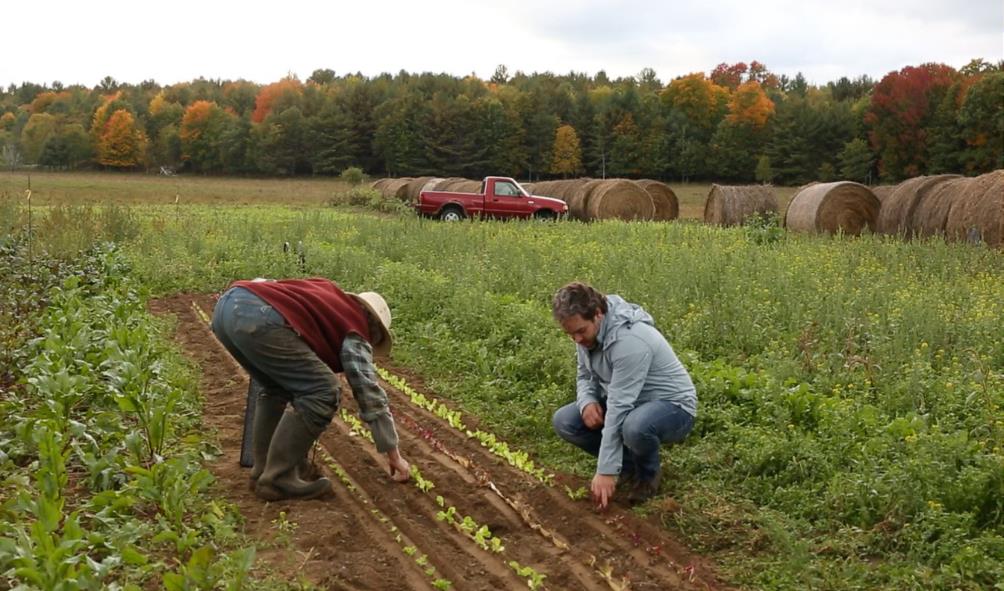
By prioritizing seasonal ingredients, you minimize your carbon footprint and savor the freshest flavors.
Additionally, practicing water conservation techniques and using natural pest control methods can significantly improve yields without harming the ecosystem.
Embracing these sustainable approaches means you’re not just eating well; you’re actively participating in a vibrant food culture while safeguarding the land for generations to come.
Celebrations and Food Rituals
In Mexico, food isn’t just sustenance; it’s an integral part of every celebration and ritual. When you attend a wedding, you’ll likely savor delicious mole, symbolizing love and unity.
For Día de los Muertos, you’ll find altars adorned with pan de muerto, a sweet bread honoring the departed. Each holiday brings unique dishes that connect you to cultural heritage and community.
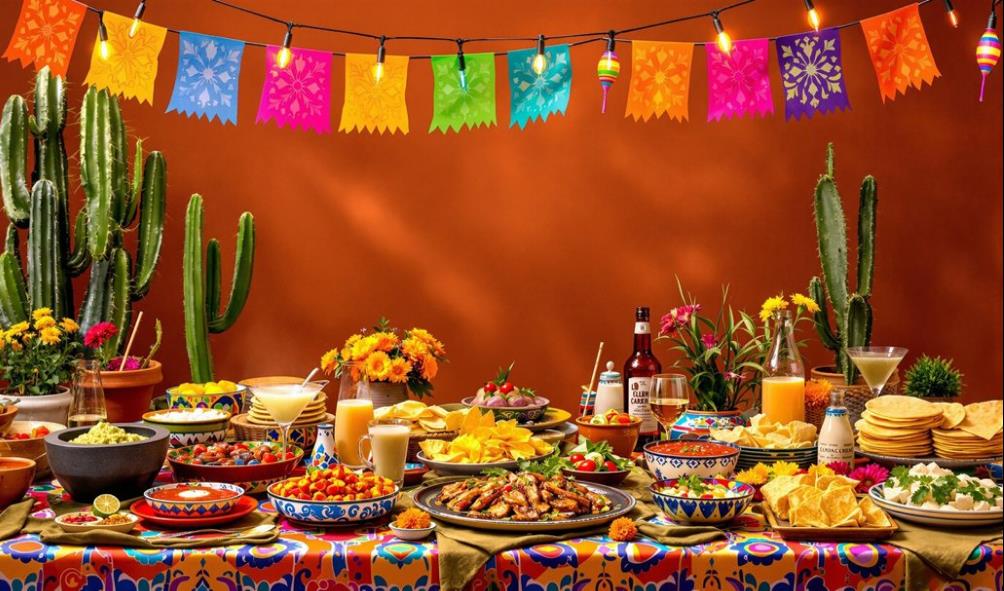
You’ll also experience the vibrant markets, bustling with locals preparing traditional foods for fiestas. Sharing meals with family and friends fosters bonds and creates lasting memories.
Whether it’s tamales for Christmas or tacos for a birthday, every dish tells a story, celebrating life’s milestones and the rich tapestry of Mexican culture. Enjoying these foods deepens your appreciation for Mexico's vibrant traditions.
The Impact of Globalization on Mexican Food
As globalization spreads, it’s reshaping the way traditional Mexican food is perceived and consumed around the world.
You’ll notice a fusion of flavors, where street tacos sit alongside sushi burritos in urban food scenes, altering the landscape of culinary experiences.
Fast food chains are adapting Mexican dishes to cater to global palettes, often stripping them of their authenticity.
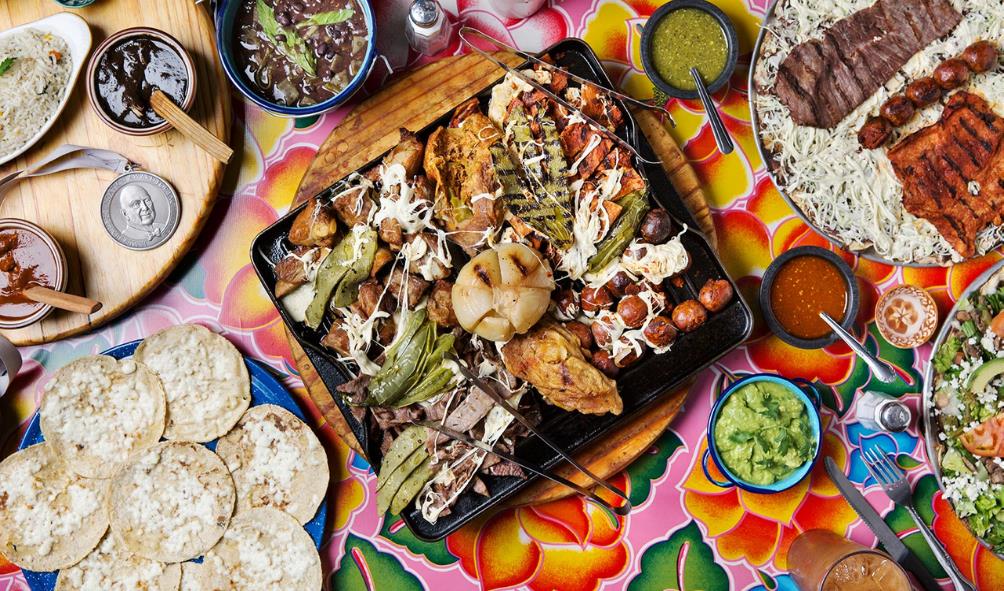
While this exposure can bring appreciation for Mexican cuisine, it can also lead to commodification, diluting the rich cultural significance behind each dish.
You might find that traditional recipes are modified or simplified for mass production, impacting the connection people have with the food and its origins.
This complex interplay of influences challenges you to consider what makes Mexican food truly special.
Preserving Culinary Heritage for Future Generations
While the world evolves and culinary trends shift, preserving Mexico's rich food heritage remains essential for future generations. You can play a vital role by learning traditional recipes and cooking techniques passed down through families.
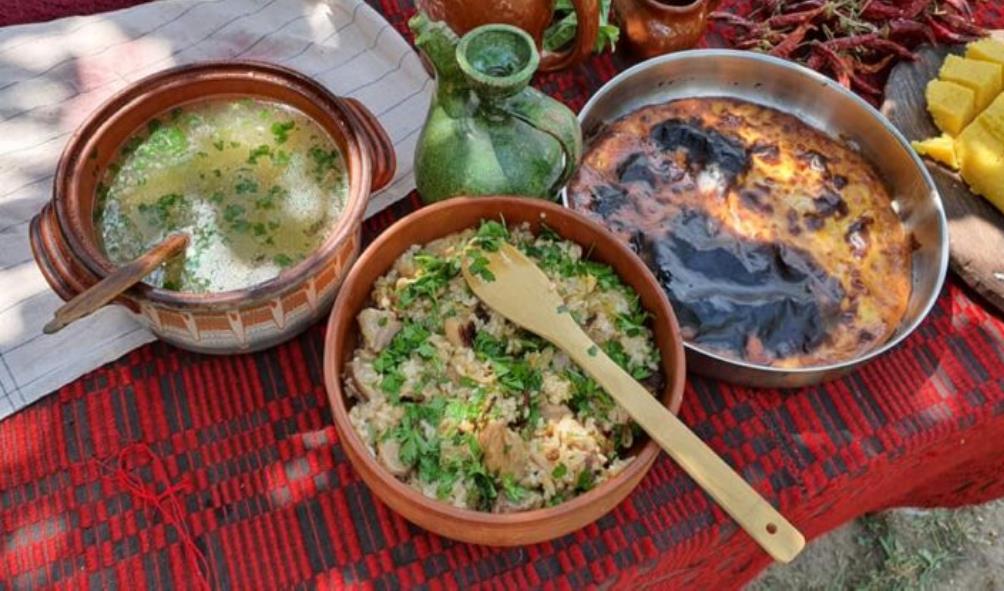
Visit local markets and engage with vendors, asking about their ingredients and methods. This not only deepens your understanding but also strengthens community bonds.
Support local food festivals and cultural events that celebrate traditional dishes, and encourage younger generations to participate. Share stories around the dinner table, emphasizing the importance of food as a connection to your roots.
Conclusion
In embracing the fresh food culture of Mexico, you connect with a rich heritage that celebrates local ingredients and traditional practices. By visiting local markets and participating in family gatherings, you play a vital role in preserving these culinary traditions. As you savor each bite, you’re not just enjoying a meal; you’re keeping alive the vibrant flavors and stories of Mexico. By valuing sustainability and seasonal produce, you ensure that this incredible culture continues for future generations.
Frequently Asked Questions
What impact does the fresh food culture have on health and wellness in Mexico?
The fresh food culture positively impacts health and wellness by encouraging the consumption of nutrient-dense, whole foods. By prioritizing fresh, minimally processed ingredients, this approach helps reduce the intake of preservatives and artificial additives, promoting better overall health and well-being.
How does the fresh food culture influence Mexican cuisine?
The fresh food culture greatly influences Mexican cuisine by emphasizing the use of seasonal and local produce. This results in dishes that are vibrant in flavor and color, showcasing the natural tastes of the ingredients. It also promotes creativity and resourcefulness in cooking, as chefs and home cooks alike adapt their recipes based on the availability of fresh produce.
Why is eating close to the land important in Mexican culture?
Eating close to the land is significant in Mexican culture because it fosters a connection to the environment and supports sustainable agricultural practices. It ensures that meals are made with fresh, nutrient-rich ingredients, and it helps preserve traditional culinary techniques and recipes that have been passed down through generations.
How do local markets play a role in the fresh food culture of Mexico?
Local markets are central to the fresh food culture of Mexico as they provide a space for farmers and artisans to sell their produce and goods directly to consumers. These markets offer a wide variety of fresh fruits, vegetables, meats, and other products, allowing people to purchase ingredients that are in season and locally sourced, thus supporting the local economy and sustainable practices.
Statistics
- Approximately 25% of Mexico's agricultural workforce is involved in small-scale farming, which supports the country's focus on fresh and sustainable food sources.
- Research shows that 80% of traditional Mexican dishes incorporate locally sourced ingredients, demonstrating a strong connection to regional agriculture.
- Mexico is the leading exporter of avocados, with 45% of its production consumed domestically, emphasizing the fruit's role in the fresh food culture.
- Over 50% of Mexico's population engages in home gardening, cultivating their own fruits and vegetables to ensure fresh and organic produce.
External Links
- Smithsonian Magazine: Where to Eat Like a Local in Oaxaca, Mexico highlights the region's commitment to using fresh, local ingredients in its cuisine.
- World Wildlife Fund: How Mexico's Chefs are Preserving Biodiversity discusses the role of chefs in promoting biodiversity through the use of local ingredients.
- BBC Travel: The Mexican Town Where Everyone Grows Their Own Food explores a community in Mexico that embodies the principles of eating close to the land.
- National Geographic: The Rich Culinary Traditions of Mexico provides insights into the diverse and fresh food culture across different regions of Mexico.
How To Cook Traditional Mexican Dishes with Fresh Ingredients
Cooking traditional Mexican dishes with fresh ingredients starts with sourcing quality produce. Visit your local market for fresh chilies, tomatoes, onions, and corn. For a simple yet classic dish, try making pico de gallo, a fresh salsa using diced tomatoes, onions, cilantro, and lime juice. Another staple is guacamole, made with ripe avocados, lime, salt, and chopped onions. For a heartier meal, prepare tacos using fresh tortillas, grilled meat or vegetables, and a variety of toppings like fresh salsa and avocado slices. By focusing on fresh ingredients, you can recreate the authentic flavors of Mexican cuisine.
Plan the perfect group trip, your way.
Get an instant personalized itinerary. We handle logistics, payments, and provide a dedicated itinerary, while local experts fine-tune every detail. Enjoy full freedom—without the stress of organizing it all.
https://escapetomexiconow.com/tourhero
Recommended Resources:
Discover where freedom, adventure, and opportunity await you.
https://escapetomexiconow.com/
https://escapetomexiconow.info/
https://escapetopanamanow.info/
https://escapetothephilippinesnow.com/
YouTube Channel:
Your next adventure starts here! Join us on YouTube for destination tours, insider advice, and everything you need to make your escape unforgettable.
https://www.youtube.com/@EscapeToMexicoNow