.png)
In the heart of every Mexican home, the kitchen serves as a vital space where culinary traditions come alive. You might find family recipes passed down through generations, each dish telling a story of heritage and love. As you explore the origins and significance of these meals, you'll uncover the rich tapestry that shapes identity and community. What makes these recipes so enduring and essential to family bonds?
The Origins of Mexican Cuisine
Mexican cuisine has roots that stretch back thousands of years, intertwining with the cultures of ancient civilizations like the Aztecs and Mayans.
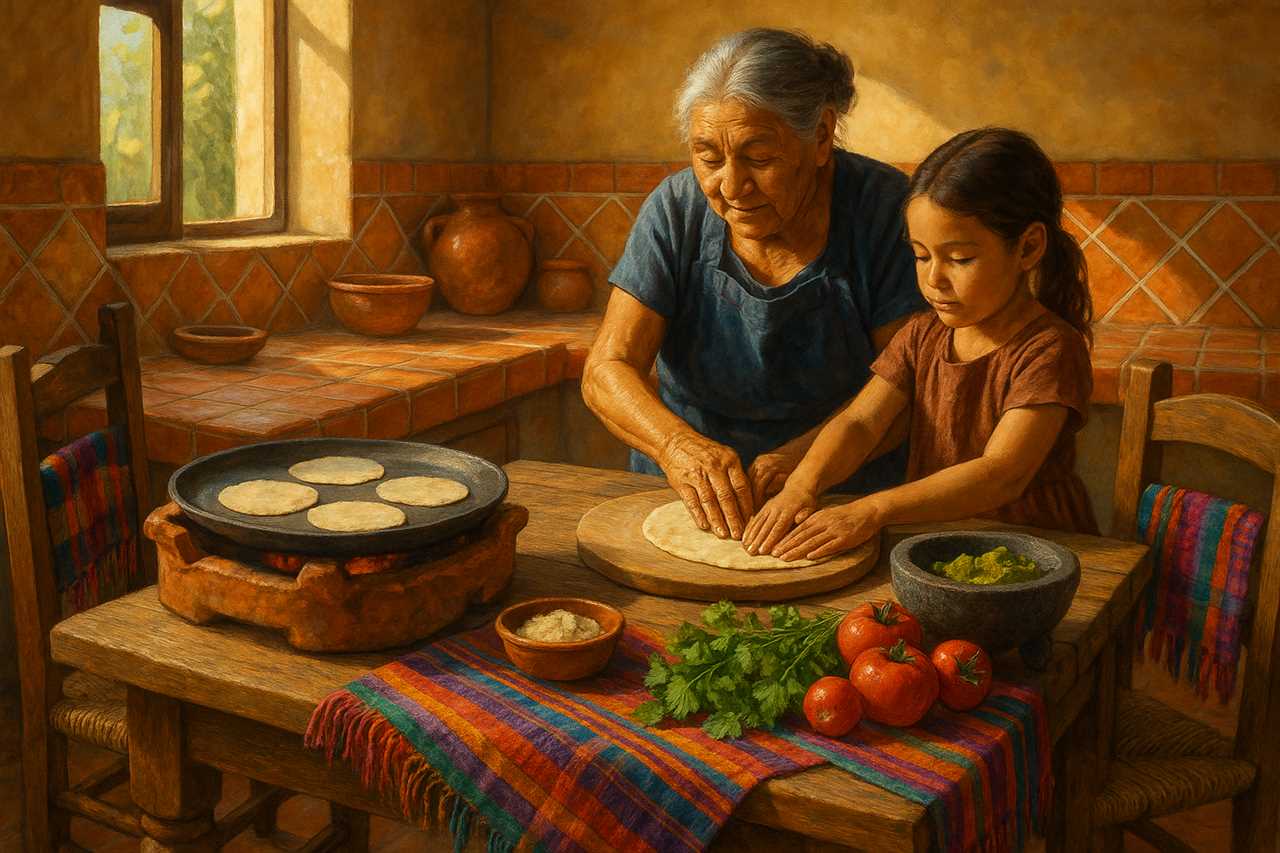
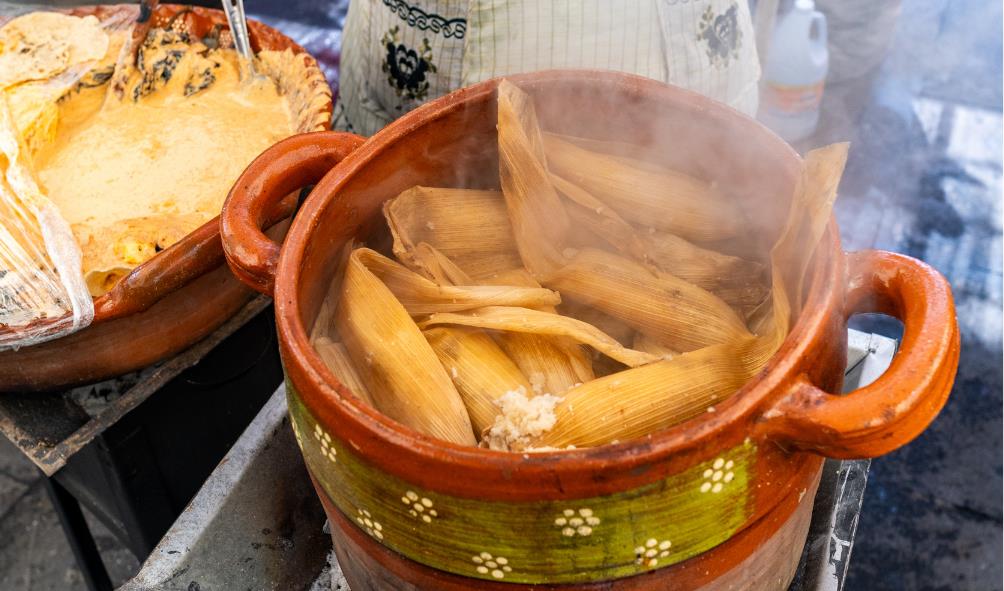
As you explore this rich culinary heritage, you'll discover how traditional cooking methods, such as nixtamalization, transformed maize into a staple ingredient. The use of fire-cooked dishes, like tamales and tortillas, showcases the ingenuity of these early peoples.
Local ingredients, from beans to chilies, played critical roles in their diets, emphasizing a deep connection to the land. Over centuries, these culinary practices evolved, incorporating influences from Spanish colonization, which introduced new flavors and techniques.
Key Ingredients and Flavors
While exploring the vibrant world of Mexican cuisine, you'll quickly encounter a variety of key ingredients and flavors that define its character. Staples like corn, beans, and chili peppers form the backbone of many dishes.
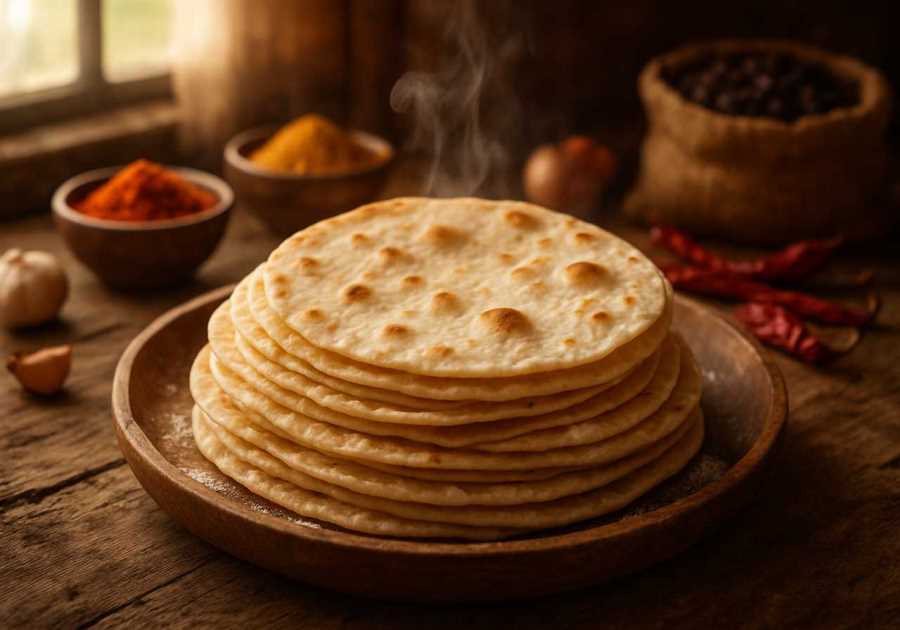
Corn, in the form of masa, creates tortillas and tamales, while beans add protein and heartiness. Chili peppers bring heat and complexity, ranging from the mild poblano to the fiery habanero.
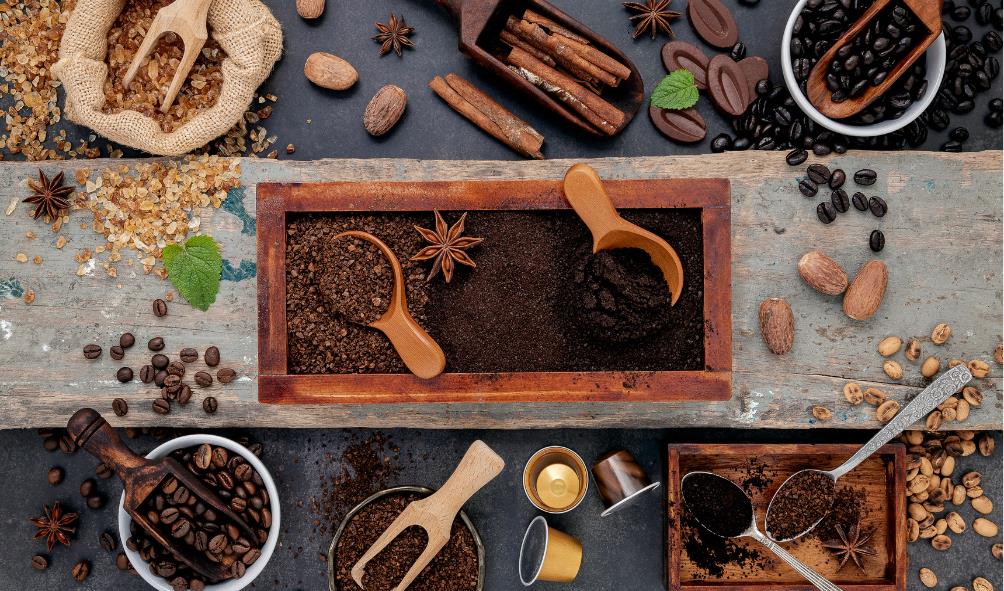
Fresh herbs like cilantro and spices such as cumin and oregano enhance the taste, giving each dish its unique twist. Don't forget about the zesty lime and creamy avocado, which elevate many meals.
Together, these ingredients create a rich tapestry of flavors, making Mexican cuisine a delightful experience for your palate.
Traditional Cooking Methods
Cooking in the Mexican kitchen often involves time-honored techniques that enhance the flavors of its key ingredients. You might find yourself using a comal, a flat griddle, to toast tortillas or roast chiles, allowing their rich flavors to develop.
The process of nixtamalization, where corn is soaked in limewater, transforms the grain, making it more nutritious and easier to grind into masa for tamales or tortillas.
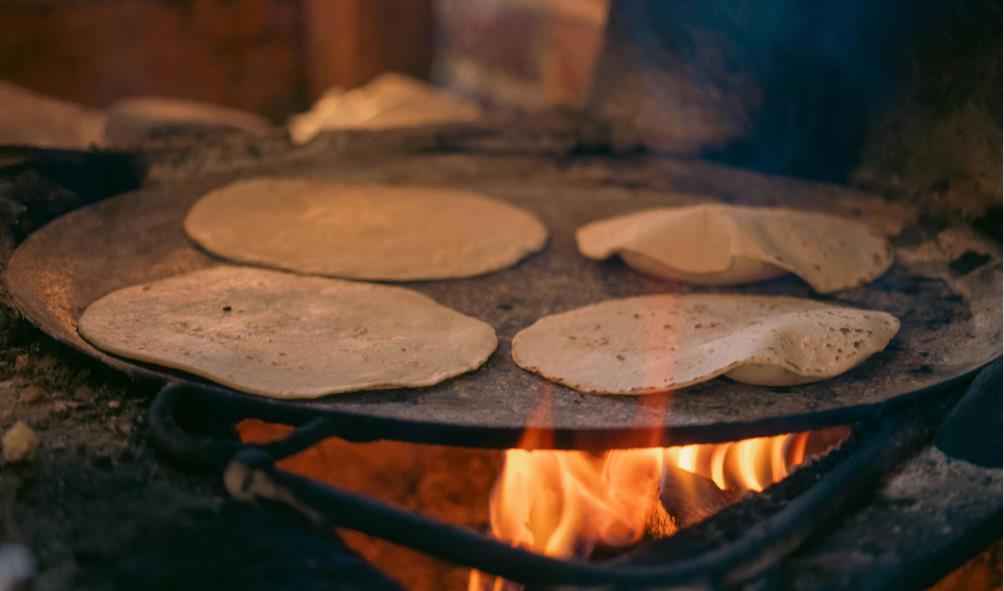
You may also employ the method of slow-cooking meats in a clay pot, resulting in tender, flavorful dishes like barbacoa.
Techniques like these not only preserve the essence of traditional Mexican cuisine but also create a deep connection to the culture, as each method tells a story passed down through generations.
Family Recipes and Their Significance
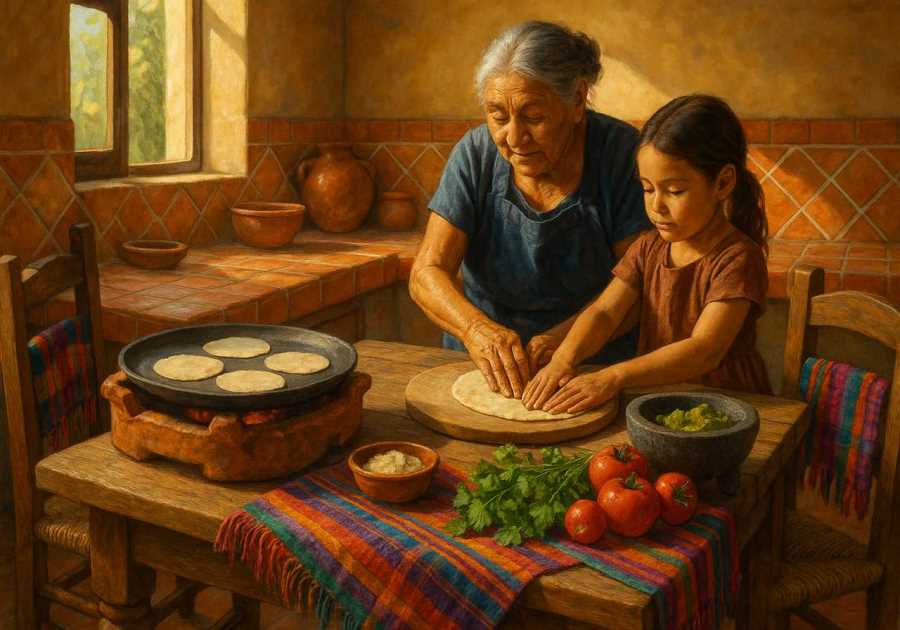
Family recipes hold a special place in the heart of every kitchen, serving as a bridge between generations. When you cook a dish passed down from your grandparents, you’re not just preparing a meal; you’re honoring your family's history.
Each recipe carries stories of love, resilience, and tradition, reminding you of family gatherings and cherished moments. As you gather ingredients and follow the steps, you connect with your roots, keeping memories alive.
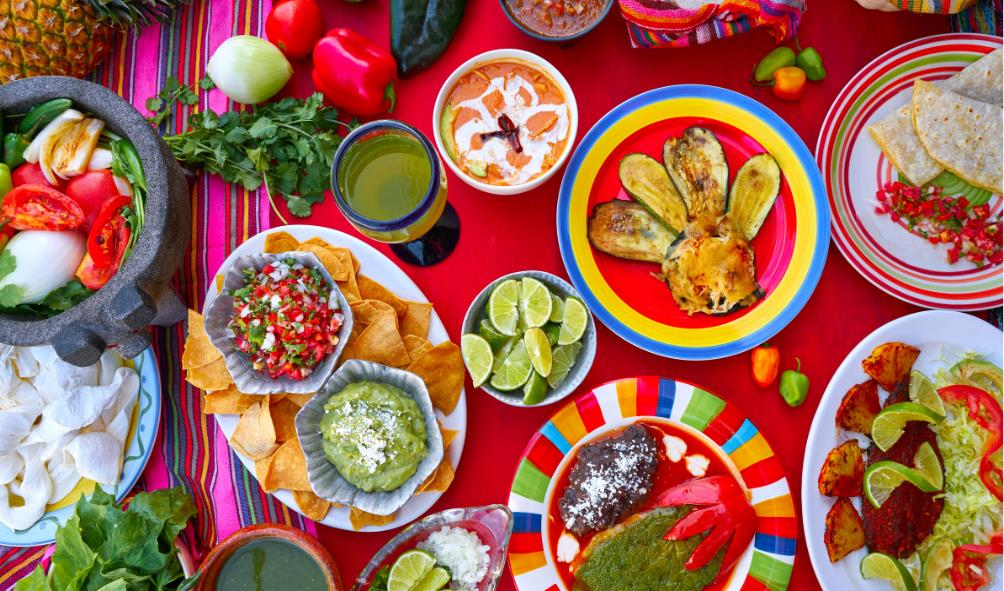
Sharing these dishes with your loved ones fosters a sense of belonging and continuity. You see how flavors intertwine with your family's identity, making every bite a celebration of heritage.
Embrace these recipes, for they’re more than food—they're a link to your past and a gift for future generations.
Celebrating Cultural Festivals Through Food
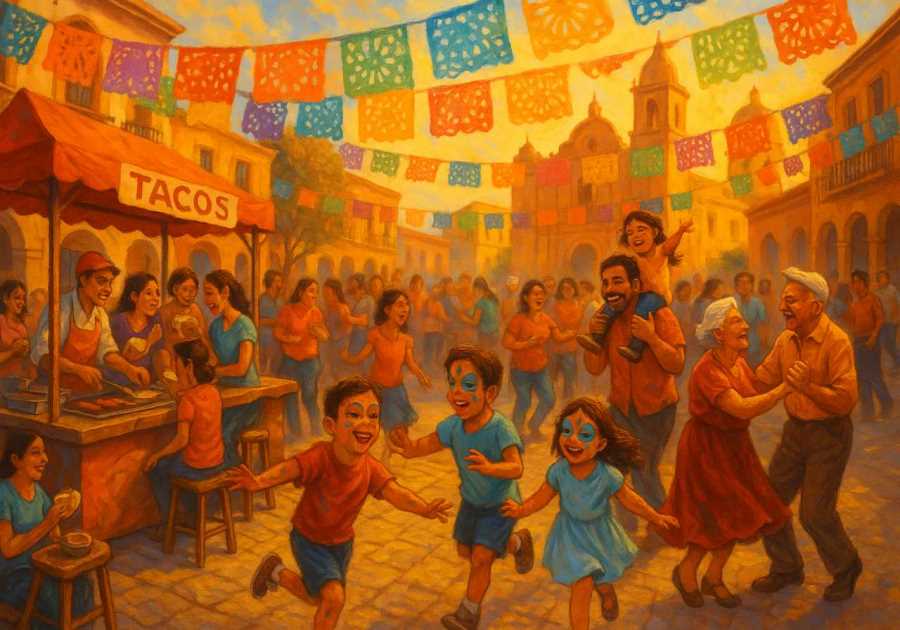
As you gather around the table during cultural festivals, the food you share becomes a vibrant tapestry of tradition and celebration. Each dish tells a story, connecting you to your heritage and the generations before you.
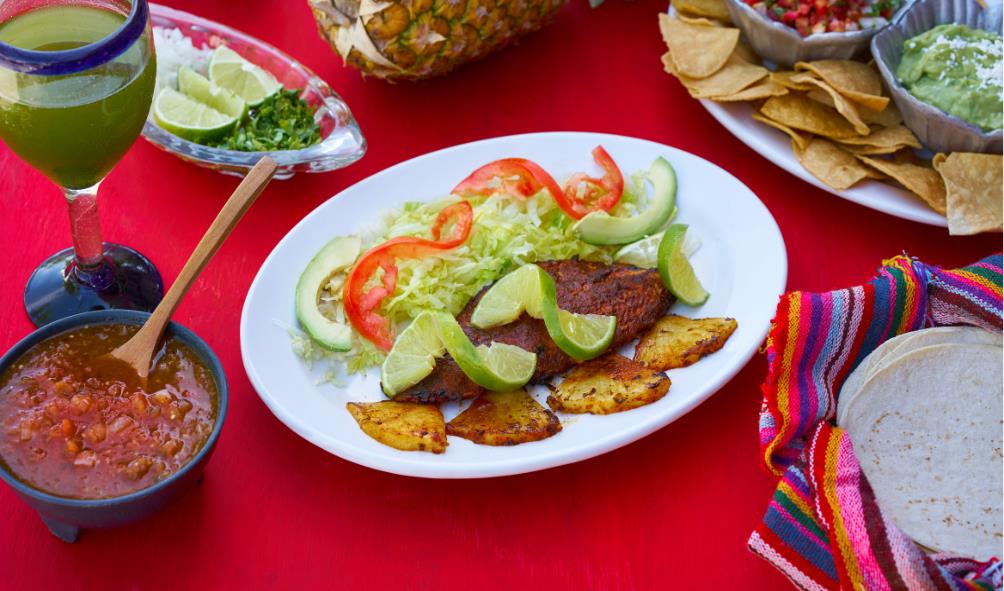
From tamales at Christmas to mole during Día de los Muertos, these culinary delights evoke memories and foster community. You might find yourself savoring flavors that remind you of family gatherings, laughter, and love.
As you pass around plates filled with colorful foods, you’re not just enjoying a meal; you’re honoring customs that have shaped your identity. Each bite is a reminder of the rich cultural history that binds you to your roots, making every festival a heartfelt celebration of life and togetherness.
The Role of Women in the Kitchen
While the kitchen often serves as the heart of the home, women have historically played a crucial role in shaping its traditions and culinary practices.
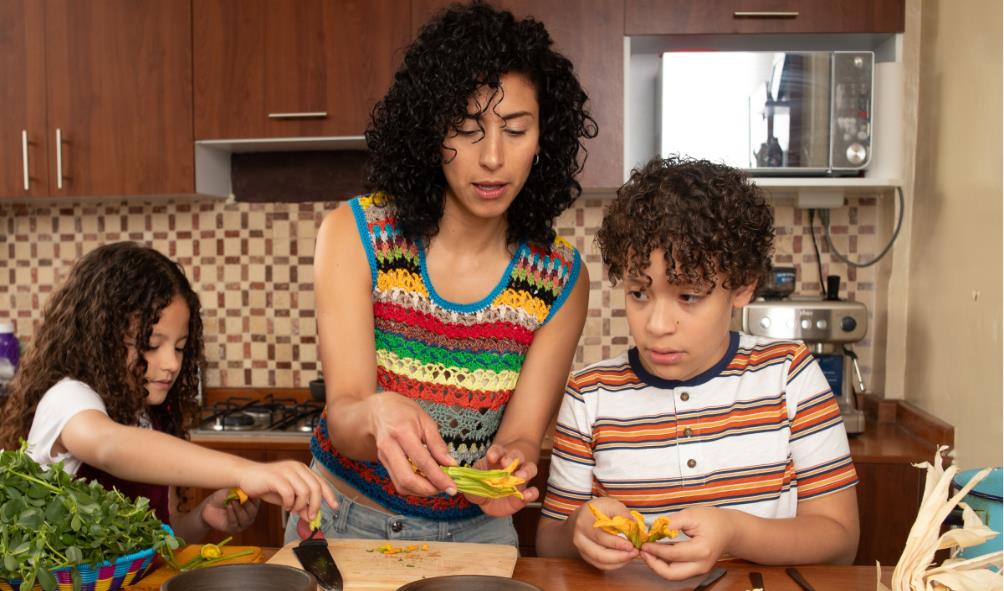
You're likely aware of how recipes are passed down, often from mother to daughter, creating a bond that transcends generations. Women not only prepare meals but also preserve cultural heritage, infusing family recipes with personal touches.
You’ll find that their influence extends beyond cooking; they’re the ones who gather family members, turning mealtime into a cherished ritual. Their knowledge of ingredients and techniques reflects a deep understanding of the land and its offerings.In this way, women are the custodians of culinary wisdom, ensuring that the flavors of Mexico remain vibrant and alive in every kitchen.
Regional Variations in Mexican Dishes
Mexican cuisine is a vibrant tapestry woven from diverse regional influences, each area showcasing its unique ingredients, flavors, and cooking techniques.
In the coastal regions, you’ll savor fresh seafood, often prepared with zesty lime and chilies.
Head to the central highlands, and you’ll find hearty dishes like mole, rich in spices and chocolate.
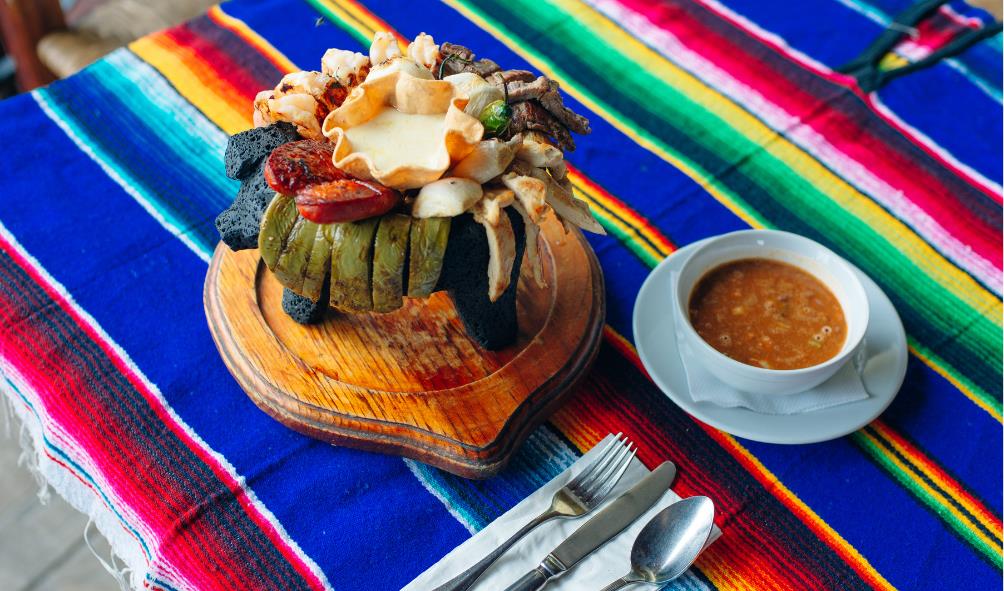
The Yucatán Peninsula delights with its Mayan-inspired recipes, featuring achiote and citrus.
In the north, you might enjoy grilled meats and flour tortillas, while the south emphasizes vibrant vegetable dishes and tropical fruits.
Each region tells its own culinary story, inviting you to explore the rich heritage and traditions that shape Mexican cuisine.
The Influence of Indigenous and Colonial Cultures
The rich flavors of Mexican cuisine owe much to the profound influence of indigenous and colonial cultures.
You'll find that ancient ingredients like corn, beans, and chili peppers form the foundation of many dishes. These staples were cultivated and revered by indigenous peoples long before European contact.
When the Spanish arrived, they introduced new elements like beef, pork, and various spices, enhancing the culinary landscape.
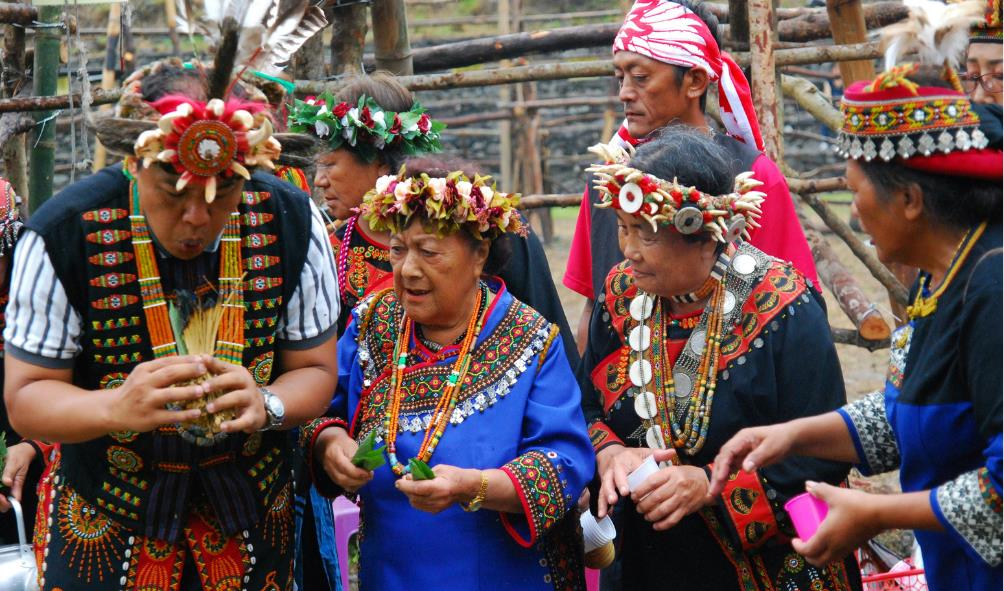
As you explore traditional recipes, you'll notice how these diverse influences meld together, creating a unique tapestry of flavors.
Techniques such as nixtamalization, used for preparing corn, highlight the ingenuity of indigenous methods.
Together, these cultural exchanges shaped a vibrant cuisine that continues to thrive, inviting you to experience its depth and history with every bite.
Modern Adaptations and Innovations
Blending tradition with contemporary tastes, modern Mexican cuisine showcases innovative adaptations that reflect today’s culinary landscape. You might find classic dishes reimagined, such as tacos filled with fusion ingredients like Korean barbecue or sushi-grade fish.

Chefs are experimenting with techniques like sous-vide to enhance traditional flavors while ensuring precision in cooking. Moreover, plant-based diets are gaining traction, leading to creative vegan versions of beloved recipes, such as jackfruit tamales or cauliflower-based tacos.
You’ll see a rise in locally sourced ingredients, making meals not just flavorful but also sustainable. Through these changes, modern Mexican cuisine honors its roots while inviting new influences, allowing you to enjoy a dynamic culinary experience that’s both familiar and fresh.
Preserving Culinary Heritage for Future Generations
While contemporary innovations are reshaping the culinary landscape, preserving traditional Mexican recipes is crucial for ensuring future generations appreciate their rich heritage.
You can play a vital role in this process by engaging with elders and learning the techniques that have been passed down. Host family cooking nights where you recreate cherished dishes, using authentic ingredients and methods.
Share these experiences on social media, inspiring others to embrace their culinary roots. Document recipes in a family cookbook, adding personal stories to connect with younger generations.
Conclusion
In the heart of every Mexican kitchen, you'll find a vibrant tapestry of history, flavor, and love. By celebrating family recipes and embracing traditional cooking methods, you connect with your roots and honor the generations before you. As you explore regional variations and modern adaptations, remember that each dish tells a story. Keeping these culinary traditions alive ensures that the rich legacy of Mexican cuisine continues to thrive, creating bonds that span generations and nourish both body and soul.
Statistics
- Mexican cuisine is recognized by UNESCO as an Intangible Cultural Heritage of Humanity, highlighting its deep cultural significance and historical roots.
- Mexico is home to over 200 different varieties of chili peppers, each contributing unique flavors and heat levels to the diverse array of traditional dishes.
- Chili peppers, a staple in Mexican cuisine, are used in over 90% of traditional dishes, emphasizing their crucial role in flavor and authenticity.
- In the United States, Mexican food ranks as one of the top three most popular international cuisines, demonstrating its widespread appeal and influence.
External Links
- The Spruce Eats explores Mexican food and culture, offering a comprehensive look at traditional dishes and their cultural context.
- UNESCO's recognition of Mexican cuisine highlights its cultural significance and historical roots.
- BBC Travel discusses how ancient Mexican foods have endured, surviving through historical challenges to remain staples today.
- National Geographic covers Mexican cuisine's UNESCO heritage status, emphasizing its global importance and cultural heritage.
How to Cook Mexican Pozole
Pozole is a hearty Mexican soup made with hominy and meat, often enjoyed during celebrations. To prepare pozole, start by cooking pork or chicken in a large pot with water, garlic, and onions to create a flavorful broth. Once the meat is tender, shred it and return it to the pot. Add canned hominy and season with salt, chili powder, and other spices like oregano and cumin. Simmer the soup for at least an hour to allow the flavors to meld. Serve pozole with traditional garnishes such as shredded cabbage, radishes, lime wedges, and chopped onions. This comforting dish is perfect for gatherings and is best enjoyed with tostadas or warm tortillas.
Want to travel with more time and freedom?
The freedom to travel! Discover free & unique homestays around the world, in exchange for caring for adorable pets.
https://escapetomexiconow.com/ths
Recommended Resources:
Your next chapter could start anywhere. From the vibrant streets of Mexico to the laid-back beauty of the Philippines, explore destinations where you can truly live your dream.
https://escapetomexiconow.com/
https://escapetomexiconow.info/
https://escapetopanamanow.info/
https://escapetothephilippinesnow.com/
YouTube Channel:
Want a closer look at life in Mexico? Subscribe to our YouTube channel for insider tips, travel guides, and inspiring stories that make planning your escape easier and more exciting.
https://www.youtube.com/@EscapeToMexicoNow