.png)
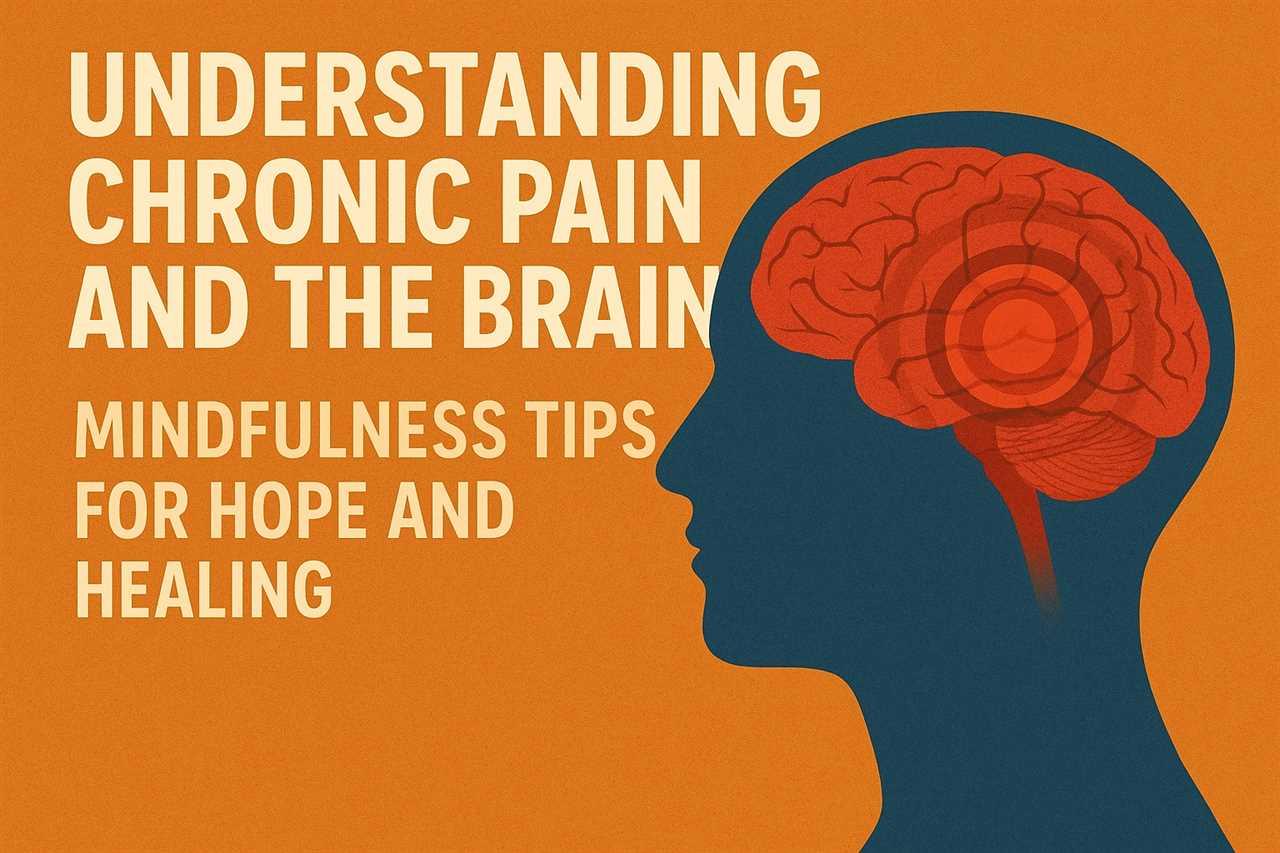
Chronic pain is far more than a physical sensation—it interweaves with our emotional world, beliefs, and daily habits. In this episode of ETMN, host Scott and guest Maury unpack the intricate connection between our brains and pain. They reveal powerful shifts in thinking, actionable insights, and mindfulness strategies to guide anyone living with persistent discomfort toward greater hope and healing. This article distills their conversation into eight comprehensive sections, each brimming with practical advice and heartfelt wisdom.
Pain: Beyond the Physical—A Psychological Journey
Pain is an inescapable part of being human. While we often associate pain with obvious physical causes—a stubbed toe, a broken arm, the lingering ache after a difficult day—it doesn't exist in isolation within the body. As Scott and Maury discuss, pain carries a significant psychological component, shaping how we feel, respond, and even cope.
Chronic pain, especially, has a way of embedding itself into our mental landscape. Over time, it becomes not just a physical sensation but an expectation—a constant companion we grow accustomed to. Maury shares that this acceptance can turn into resignation, mentally conditioning us to believe that pain is our permanent reality. This psychological adaptation, while a natural response, can deepen the suffering and sometimes lead to giving up hope.

Yet, there is vital importance in continuing to seek answers and strategies for relief. According to Maury, the psychological struggle of fighting pain without visible progress is real, often leading to frustration and despair. Still, maintaining the will to search for solutions can spark legitimate hope—a lifeline for anyone feeling stuck.
Understanding the intricate link between our brains and pain is the first step toward meaningful relief. Cultivating awareness of this connection allows us to start unraveling the emotional patterns tied to physical discomfort and opens us to new avenues of healing.
The Brain’s Role in Chronic Pain: Expectation and Habit
Our brains play a formidable role in how chronic pain manifests and persists. As Maury points out, long-standing pain is not only experienced physically but is also anticipated mentally. When pain continues over months or years, we begin to expect it—sometimes even unconsciously—which can reinforce its presence in our daily lives.
This psychological conditioning leads us to manage both the pain itself and our growing anxiety about when it will flare up next. Chronic pain's repetitive nature can cause psychological fatigue, leaving us feeling weary and even defeated after countless attempts at management. The expectation of pain becomes a habit, coloring our perception of the world and our place within it.
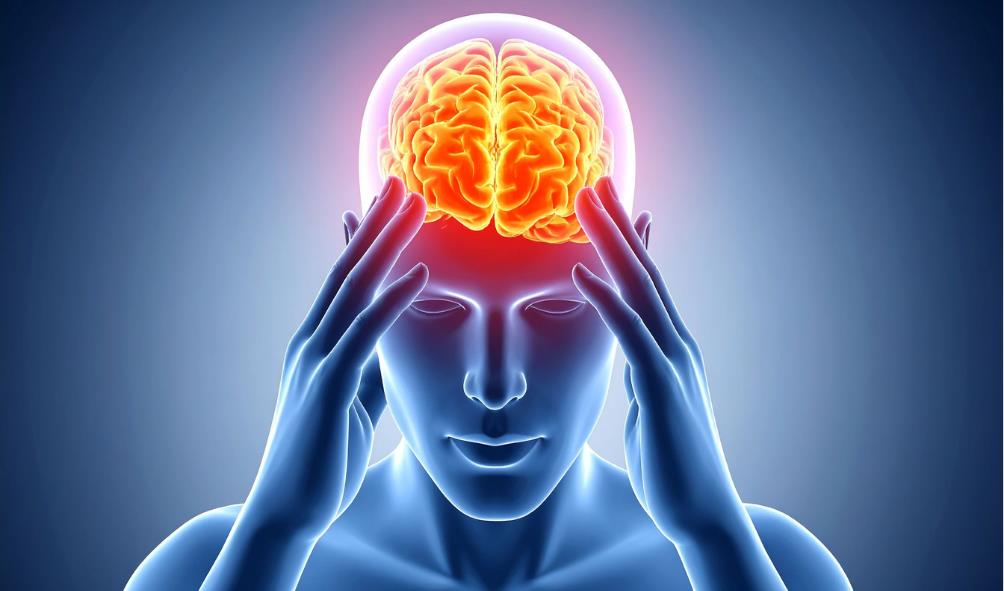
Compounding this is the comparative process—looking at others and feeling isolated or singled out by pain. Maury eloquently describes the emotional toll, questioning “Why me?” as he watches pain-free people, doubting whether he’s at fault in some unseen way. This narrative is exceedingly common among those with chronic illness, driving feelings of guilt and unworthiness.
Breaking this mental cycle starts by recognizing pain as a signal rather than a punishment. Shifting focus from suffering to inquiry—asking not “why does it hurt?” but “what is this trying to tell me?”—opens the door for deeper understanding and more compassionate self-care.
Pain as a Messenger: Listening to the Body’s Signals
One of the most enlightening takeaways from Maury’s narrative is the transformative power of viewing pain as a messenger. Instead of interpreting it solely as torment, he suggests treating pain as a friend attempting to capture our attention—a signal that something in our body or life needs addressing.
Just as acute pain, like a broken bone, serves as an alarm demanding immediate care, chronic pain reflects ongoing or unresolved issues. The key, Maury shares, is to shift from a defensive mode that closes us off to learning to a receptive mode that encourages investigation. This shift fosters curiosity and patience while defusing feelings of hopelessness.

Learning to listen to pain as a guide requires openness. If we label pain as meaningless or simply unfair, we remain stuck in patterns of defensiveness—turning away from information or solutions that might help. If, instead, we see pain as a prompt from our body, we become more motivated to explore, research, and take proactive steps.
This reframing doesn’t just improve mental coping; it leads to practical discovery. Maury, for example, found after decades of searching that subtle changes—questions reworded, habits observed—led to breakthroughs, not only for himself but for others. Treating pain as a source of insight fosters resilience and a sense of empowerment that is vital for lasting healing.
The Power of Mindful Inquiry and Self-Experimentation
Active exploration is an essential part of managing chronic pain. Scott and Maury both emphasize the importance of journaling—tracking foods, activities, and experiences to establish patterns between behavior and pain flare-ups. This habit turns sufferers into researchers, helping uncover triggers and solutions that may be otherwise overlooked.
Mindful inquiry involves asking new questions when old ones yield unsatisfactory answers. For instance, shifting from “Why am I in pain?” to “What am I doing that contributes to my pain?” or “Which part of my lifestyle could be changed to ease discomfort?” invites creative solutions and deeper understanding. This process helps to isolate specific factors, such as diet, sleep, or stress, which can be addressed individually.

Self-experimentation is equally crucial. Both hosts share anecdotes about making lifestyle changes—modifying diet, altering sleep schedules, or trying unconventional remedies like nicotine patches on sore joints. The results, although sometimes surprising, reveal that attentive tweaking and monitoring can lead to meaningful pain reduction over time.
Combining mindful inquiry with practical experimentation encourages an open, hopeful attitude. Successes may come incrementally, but each positive change reinforces the ability to manage pain proactively, rather than passively endure it.
The Impact of Psychology, Intention, and Environment
The connection between mental state and physical pain cannot be overstated. Scott and Maury explore how negativity, stress, and intention all shape the body’s experience of pain. Chronic anxiety or pessimism, for example, can amplify pain signals by perpetuating cycles of inflammation and tension.
They discuss the fascinating research of Dr. Emoto, who demonstrated that thoughts and intentions could physically alter water’s structure—an analogy for how our internal state affects our own bodies, which are largely composed of water. Putting positive energy into everyday actions, from cooking meals with love to blessing food before eating, is shown to cultivate healing environments both internally and externally.

Mindfulness also extends to physical surroundings and social support. Spending time in nature, maintaining strong relationships, and engaging in supportive online communities like the Fibromyalgia Support and Solutions Facebook group are highlighted as beneficial for breaking the isolation of pain.
Perhaps most importantly, adopting intention as a tool changes the relationship with pain. Directing compassion, love, and kindness inward—whether during meditation, mindful eating, or daily routines—helps to alleviate suffering and nurture a space for healing to take root.
Harnessing Technology and Community for Insights
Modern tools offer unparalleled support for chronic pain management. Maury describes how artificial intelligence (AI), like ChatGPT, Claude, or Gemini, can analyze journaling records, uncover triggers, and suggest personalized interventions. By inputting detailed logs of food, activity, and pain levels, sufferers can prompt AI to detect patterns that might take months for humans to recognize.
Community resources are equally powerful. The large Fibromyalgia Support and Solutions Facebook group, mentioned by Scott, offers a wealth of shared stories and insights. Engaging with others fosters both practical discovery and emotional resilience—the journey of one often sparking ideas that benefit many.

However, Scott wisely advises skepticism when using technology. While AI aggregates massive amounts of data, not all sources are trustworthy. He recommends demanding citations and cross-referencing information before trying new interventions, ensuring safety and efficacy.
Ultimately, technology and community are complementary. They facilitate rapid learning and connection, provide emotional fuel for ongoing inquiry, and help validate self-experimentation through diverse feedback and expertise.
Building a Mindfulness Practice: The Role of Mind Trainer Pro
Mindfulness is a cornerstone of effective pain management. Maury introduces Mind Trainer Pro as a tool designed to leverage the brain’s natural frequency-following response, guiding users into beneficial neurochemical states with minimal effort. Simply listening to specialized recordings through headphones—sometimes accompanied by gentle guidance—can foster relaxation, reduce anxiety, and promote healing.
This accessible method requires no prior training, meditation experience, or even wakefulness—users can simply press play, sit back, and allow their brains to shift toward more positive patterns. The intention behind each recording is carefully cultivated, with love and compassion infused into the production process, making the sessions not only scientifically sound but emotionally nurturing.

Mind Trainer Pro stands in contrast to overstimulating modern life, offering peace and clarity amidst a relentless backdrop of noise and distraction. Scott shares his experience of improved focus and calm from using mindfulness programs, underscoring their value even for those who struggle with attention or relaxation.
Mindfulness practices, whether guided by technology or cultivated through traditional meditation, help retrain the nervous system, encouraging positive cycles that diminish pain and enhance overall well-being.
Hope, Sharing, and the Power of Positive Cycles
The most inspiring thread throughout the conversation is the emphasis on hope—maintaining faith in the possibility of improvement, regardless of how long pain has persisted. Maury illustrates that it was only after more than forty years of searching that he found relief, and he encourages others to persist, experiment, and remain open to new ideas.
Sharing experiences and discoveries is a critical strategy. Both Scott and Maury highlight that personal breakthroughs—from dietary shifts to sleep patterns—can reverberate outward, helping others find paths to healing. The act of giving, whether advice or emotional support, reduces isolation and can dramatically lower depression in communities grappling with chronic pain.

Positive cycles begin small—with one change, one new perspective, or one compassionate action. As these cycles build, they reinforce hope and fuel proactive behavior, uncovering further solutions and more profound connections.
In closing, listeners are invited to embrace curiosity, seek meaningful connections, and invest in self-discovery and kindness. Chronic pain may challenge the spirit, but it also offers a unique opportunity for growth, healing, and deepened wisdom—for oneself and for others.
Conclusion
By reframing pain as a teacher and signal, practicing mindfulness, and leveraging both community and technology, chronic pain sufferers can start moving from despair toward healing. The wisdom from Scott and Maury in this episode of ETMN offers a comprehensive roadmap rooted in compassion, hope, and practical action. Each headline above represents a step toward reclaiming agency and building a brighter, pain-managed future—one moment, one choice, and one mindful breath at a time.
Statistics
- Neuroscientific studies reveal that mindfulness can change brain activity patterns, particularly in areas associated with pain processing, leading to a 25% increase in pain tolerance.
- Data shows that regular mindfulness meditation can improve sleep quality in chronic pain sufferers by 50%, which is crucial for overall health and recovery.
- In clinical trials, 80% of participants who practiced mindfulness reported feeling more in control of their pain, highlighting the psychological benefits of incorporating mindfulness into pain management strategies.
- Research suggests that mindfulness-based stress reduction programs can lead to a 40% decrease in the use of pain medication among chronic pain patients.
External Links
- Mindfulness and Chronic Pain - This article explores how mindfulness can help manage chronic pain and improve overall well-being.
- Mindfulness-Based Interventions for Chronic Pain - A comprehensive study on the effectiveness of mindfulness-based interventions in treating chronic pain conditions.
- Mindfulness Techniques for Pain Management - This resource provides various mindfulness techniques specifically designed for pain management.
- Mindfulness and Chronic Pain Management - This blog discusses practical mindfulness techniques for those dealing with chronic pain.
How To Incorporate Mindfulness into Daily Activities
Incorporating mindfulness into daily activities can significantly improve your relationship with chronic pain. Start by choosing a routine task, such as eating or walking. As you engage in this activity, focus entirely on the experience. Notice the colors, textures, and tastes of your food, or the sensation of your feet touching the ground while walking. If your mind wanders, gently redirect your attention back to the task at hand. This practice not only helps in managing pain but also enhances your overall awareness and appreciation of everyday moments, making them more fulfilling.
Start Your Journey to Mindfulness Today
Mindfulness is a powerful practice that can change your relationship with chronic pain. By cultivating awareness and compassion, you can begin to heal from within. Don’t wait to start this transformative journey. Take the first step towards a more mindful and peaceful life by visiting www.escapetomexiconow.com for resources and support.