.png)
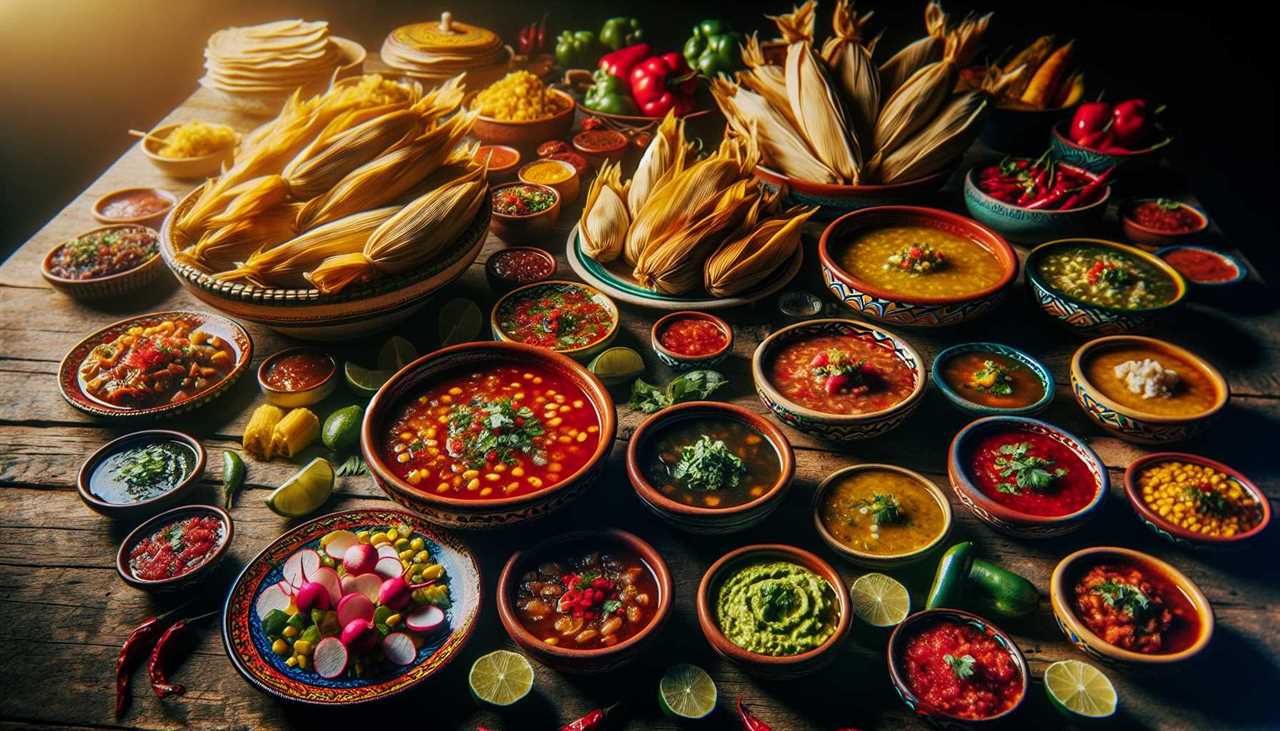
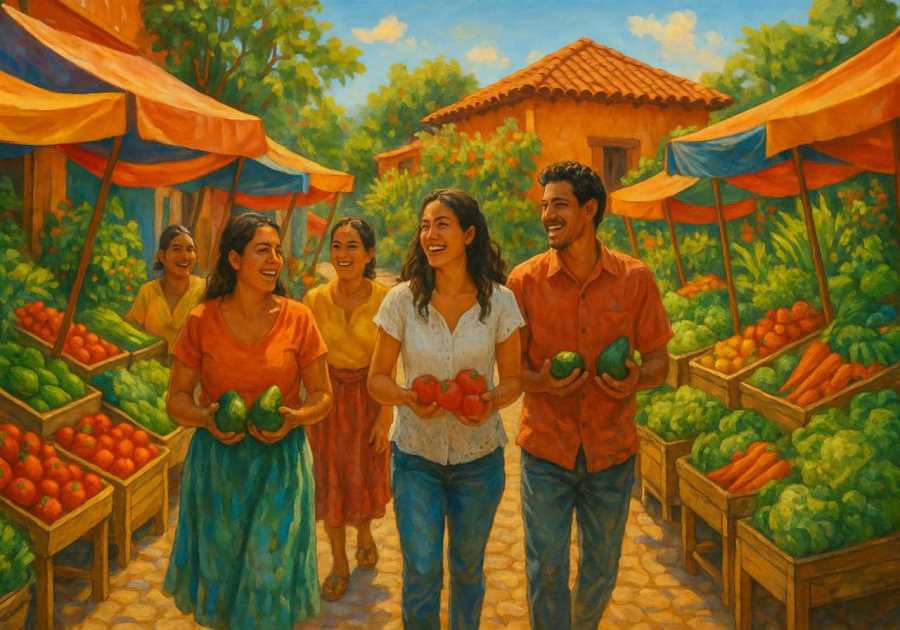
When you think of Mexican cuisine, what flavors come to mind? You might picture vibrant salsas, hearty tamales, or rich moles that tell stories of tradition and culture. Each dish is a reflection of diverse influences and regional specialties. As we explore the roots and evolution of these culinary delights, you'll discover how every bite connects to a broader narrative of heritage and innovation, inviting you to savor more than just a meal.
The Roots of Mexican Cuisine
When you dive into the roots of Mexican cuisine, you'll discover a rich tapestry woven from ancient traditions and diverse cultures.
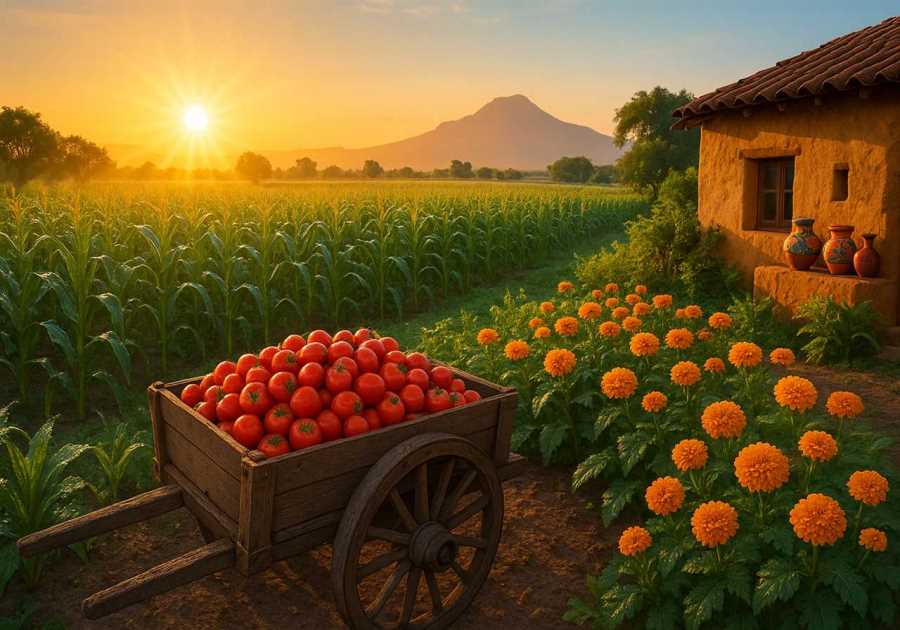
This culinary journey begins with the indigenous peoples, who cultivated staple ingredients like maize, beans, and chilies. Their agricultural practices laid the groundwork for the vibrant dishes you enjoy today.
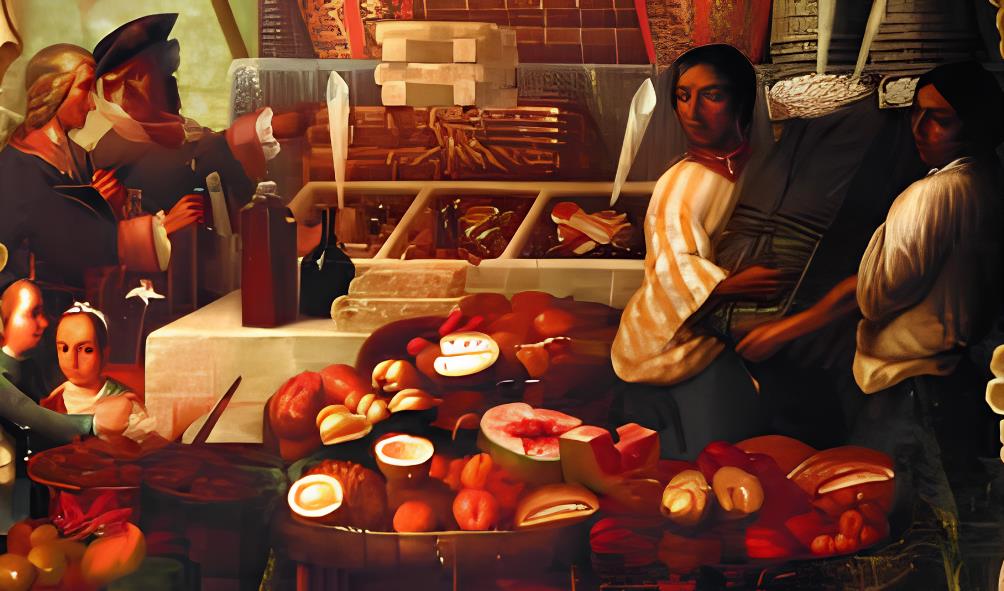
As time passed, Spanish colonization introduced new ingredients and techniques, blending seamlessly into the existing culinary landscape. You'll find the influence of African, Asian, and even Middle Eastern flavors, each contributing to the complexity of Mexican food.
Festivals and regional variations celebrate this incredible heritage, making every bite a story of history and culture.
Essential Ingredients: The Building Blocks of Flavor
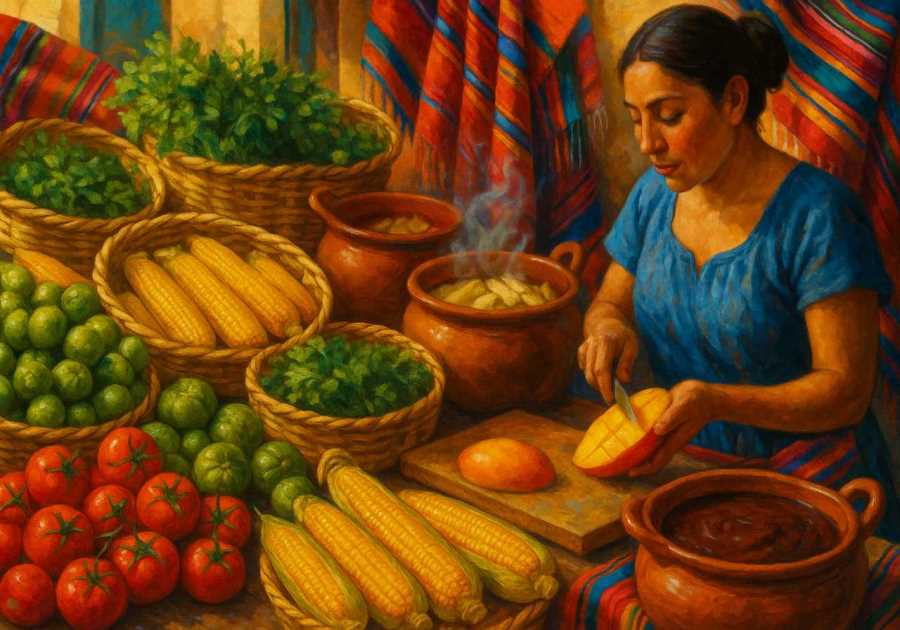
Five essential ingredients form the foundation of authentic Mexican cuisine, each contributing unique flavors and textures.
First, corn is the heart of many dishes; it’s used in tortillas, tamales, and more.
Next, beans provide protein and richness, making them a staple in countless meals.
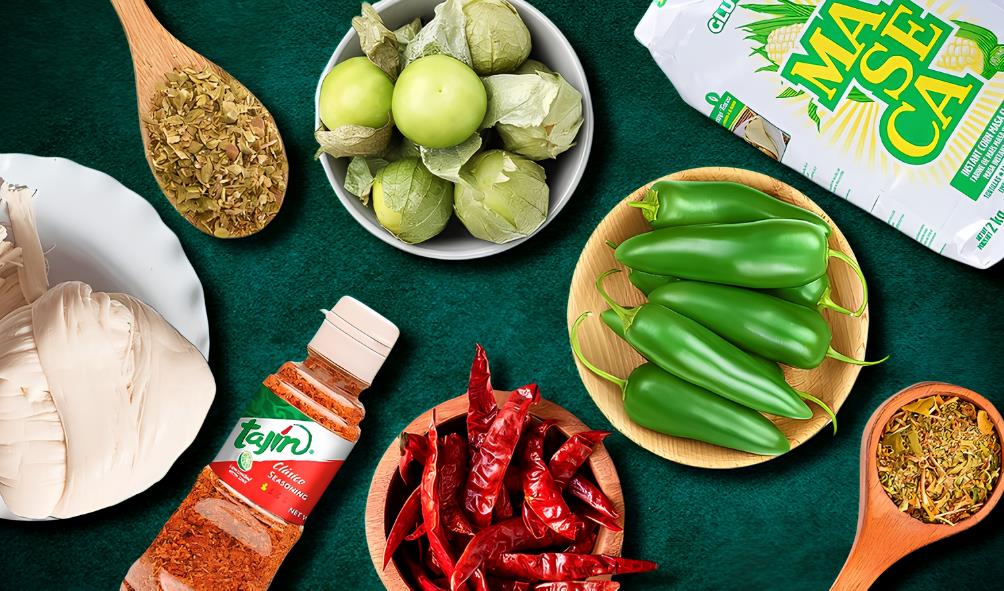
Chiles, whether fresh or dried, bring heat and depth, enhancing everything from salsas to stews.
Tomatoes add acidity and sweetness, balancing flavors in sauces and soups.
Lastly, cilantro offers a fresh, herbal note that brightens dishes and elevates their taste.
Regional Specialties: A Culinary Map of Mexico
Exploring the diverse regions of Mexico reveals a rich tapestry of flavors and culinary traditions that reflect the country's vibrant culture.
Each area showcases unique dishes shaped by local ingredients and historical influences. In the north, you’ll savor hearty meat dishes like carne asada, while the coastal regions tempt you with fresh seafood tacos.
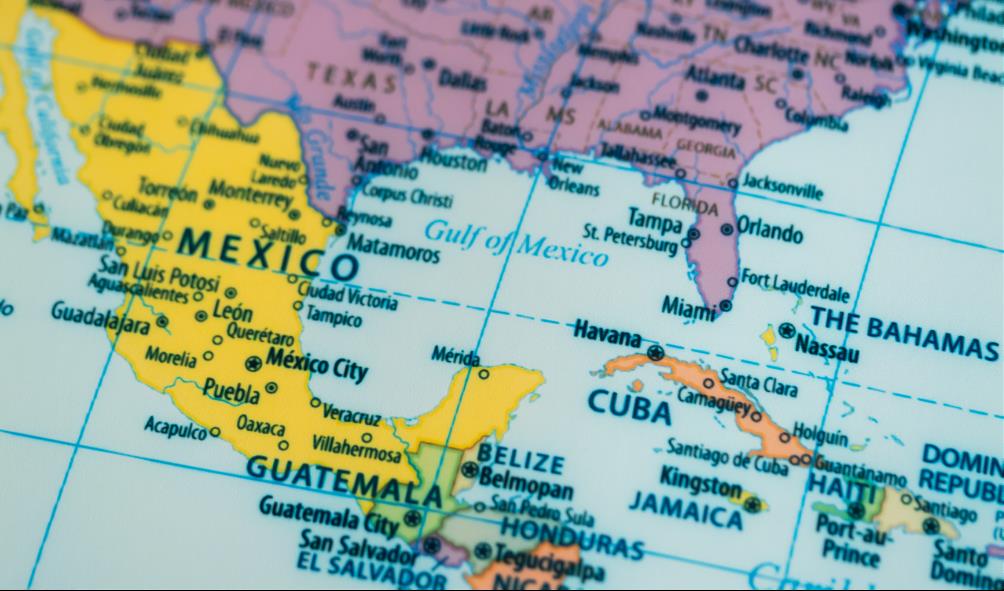
Central Mexico boasts beloved staples like mole, a complex sauce that varies by region. Down south, you'll encounter rich, spicy flavors in Oaxacan cuisine, known for its distinctive cheeses and mezcal.
Don't forget the Yucatán, where you can indulge in cochinita pibil, a slow-roasted pork dish with citrus notes.
Each bite takes you on a delicious journey through Mexico's culinary landscape.
The Art of Salsas: A Fiery Companion
Salsa isn't just a condiment; it's an essential part of Mexican dining that brings dishes to life. When you dive into a vibrant salsa, you’re experiencing a spectrum of flavors, from tangy tomatillos to smoky chipotles. Each region boasts its own unique twist, whether it’s the zesty pico de gallo or the rich, roasted salsa verde.
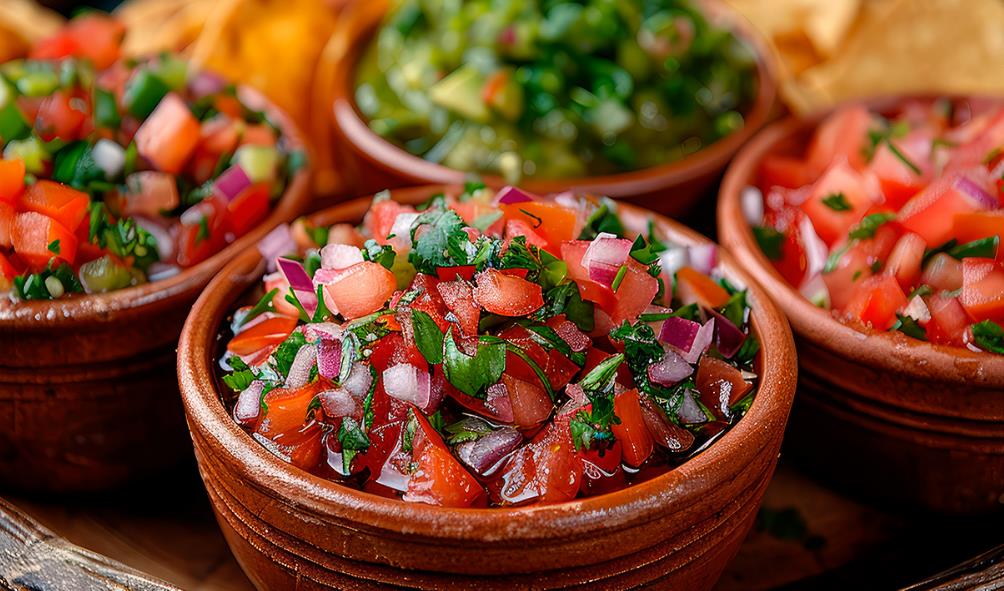
You’ll find that the right salsa can elevate even the simplest taco or enchilada, adding a burst of freshness and heat. Experimenting with ingredients like cilantro, lime, and garlic lets you tailor the heat level to your taste.
Moles: The Complex Soul of Mexican Cooking
While many dishes in Mexican cuisine shine on their own, moles stand out as a complex blend of flavors and traditions that truly embody the soul of the cooking.
Each mole tells a story, combining ingredients like chiles, spices, chocolate, and nuts to create a unique profile. You might find yourself captivated by the rich, earthy notes of mole poblano or the sweeter, fruitier tones of mole amarillo.
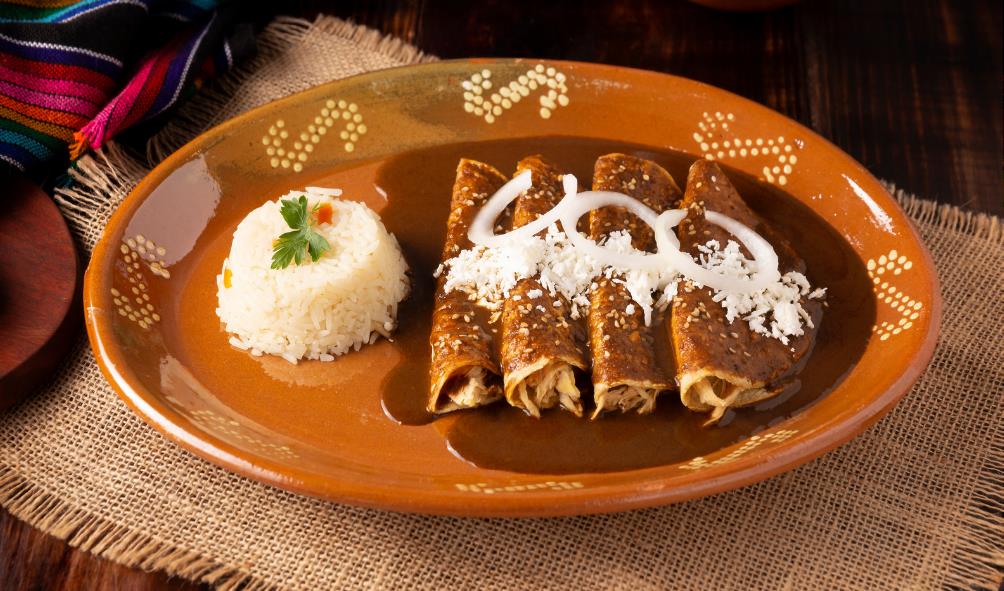
As you savor each bite, you’ll appreciate the meticulous preparation that goes into crafting these sauces, often simmered for hours to develop their depth.
Whether drizzled over chicken or served alongside rice, moles showcase the artistry of Mexican chefs, inviting you to explore the rich tapestry of cultural influences that shape this beloved cuisine.
Traditional Cooking Techniques: From Clay Pots to Open Flames
When you delve into traditional Mexican cooking techniques, you'll discover a rich heritage that emphasizes the connection between food and culture.
You'll find that clay pots, or "ollas de barro," are essential for slow-cooking stews and beans, enhancing flavors through even heating. Grilling over open flames brings a smoky depth to meats and vegetables, a method cherished in backyard gatherings.
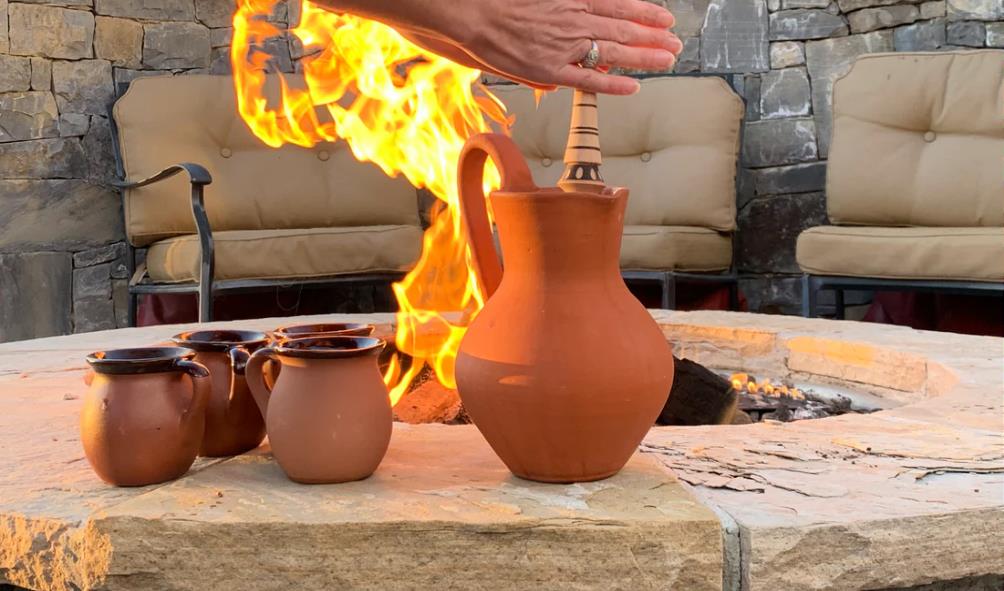
The use of comales, flat griddles, is key for making tortillas, allowing you to achieve that perfect, slightly charred texture. You might also encounter the molcajete, a traditional stone mortar and pestle, for grinding spices and sauces, creating a vibrant taste profile.
Each technique reflects the love and care that goes into preparing authentic Mexican dishes.
The Influence of Indigenous Cultures
Indigenous cultures have profoundly shaped Mexican cuisine, infusing it with unique ingredients and cooking methods that celebrate the land’s rich biodiversity.
When you explore traditional dishes, you'll encounter staples like corn, beans, and chili peppers that trace back to ancient civilizations. These cultures mastered techniques like nixtamalization, which enhances the nutritional value of corn and transforms it into masa for tortillas.
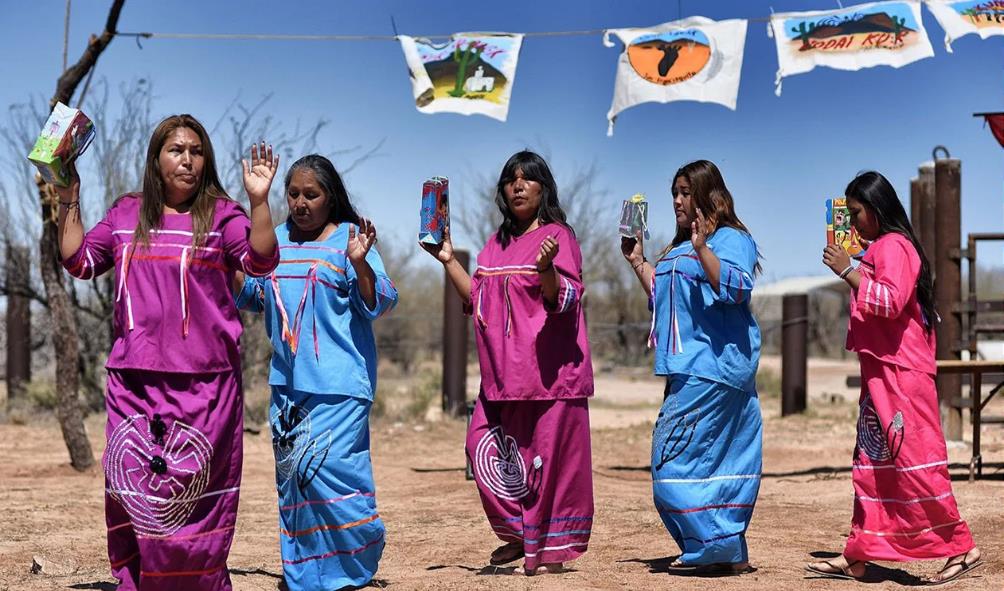
You’ll also notice the use of herbs and spices, from cilantro to epazote, each adding depth and character to the flavors.
Indigenous cooking emphasizes seasonal ingredients, promoting a connection to the earth. By incorporating these elements into your meals, you honor a culinary heritage that’s both vibrant and diverse, reflecting the history and traditions of Mexico’s first inhabitants.
Celebratory Dishes: Food as a Part of Festivities
Food plays a vital role in Mexican celebrations, bringing people together and creating a sense of community.
During events like Día de los Muertos, you’ll find vibrant altars adorned with pan de muerto and sugar skulls, symbolizing remembrance and joy. For Christmas, tamales and ponche warm hearts and homes, while Independence Day calls for pozole and tacos, igniting festive spirits.

Each dish carries its own story, steeped in tradition and culture. You’ll savor the flavors that evoke nostalgia and connection, shared among family and friends.
Whether it’s a wedding or a birthday, food transforms gatherings into memorable feasts, fostering bonds and celebrating life. Embrace these culinary traditions, and you'll truly experience the richness of Mexican festivities.
Modern Interpretations: Fusion and Innovation
As you explore modern interpretations of Mexican cuisine, you'll discover a vibrant landscape where traditional flavors meet innovative techniques.
Chefs are blending classic recipes with global influences, creating dishes that surprise and excite your palate. Imagine tacos filled with Korean barbecue or tamales infused with Thai spices.
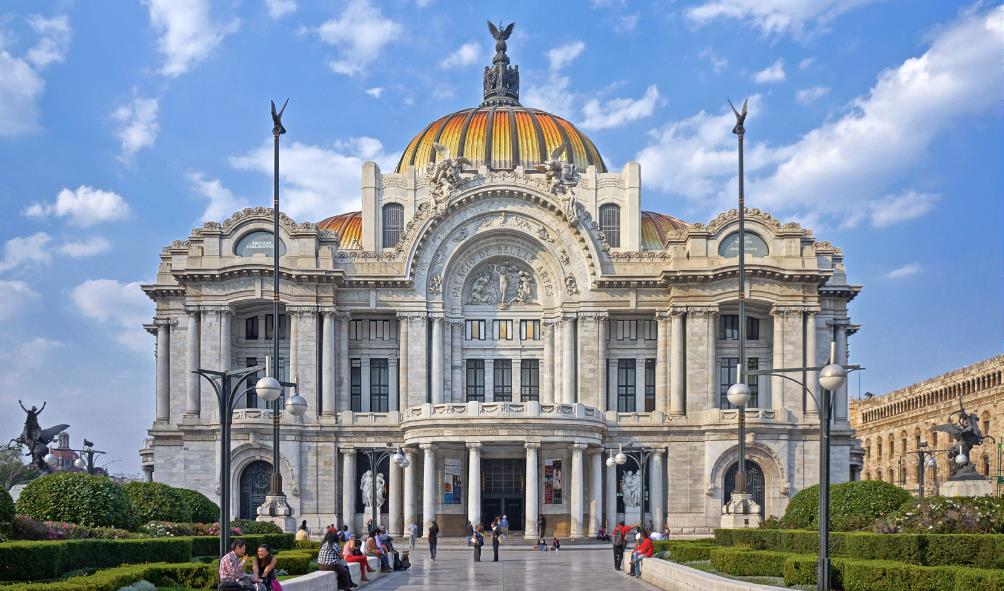
Street food is also evolving; food trucks offer fusion options like sushi burritos or nacho fries, which reflect this culinary creativity.
You’ll find upscale restaurants embracing molecular gastronomy, turning beloved staples into artistic presentations.
This fusion isn’t just about mixing ingredients; it’s a celebration of culture and identity. By embracing innovation, chefs keep Mexican cuisine dynamic, ensuring it remains relevant and appealing to new generations while honoring its rich heritage.
The Future of Mexican Cuisine: Preservation and Evolution
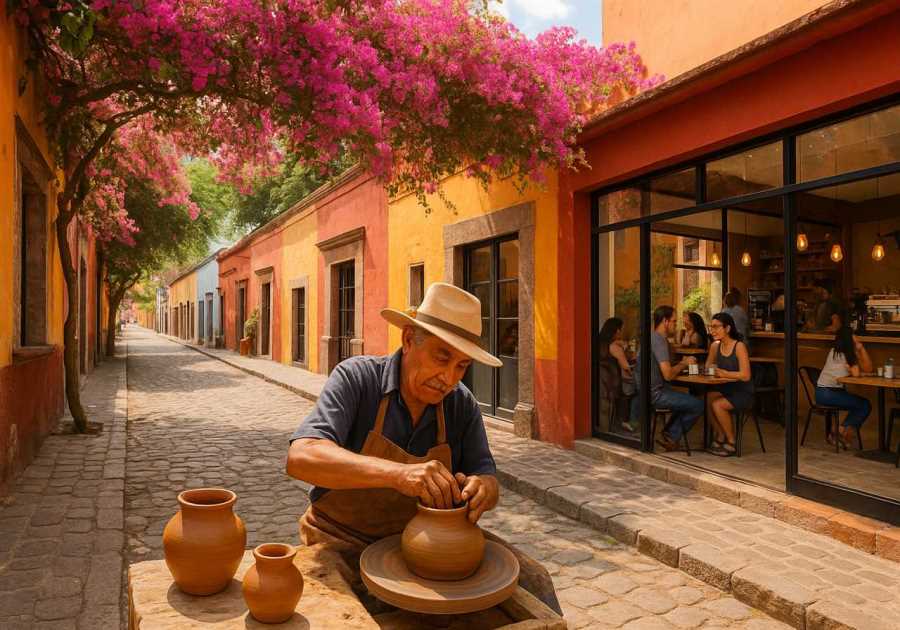
While the culinary landscape continues to evolve, the future of Mexican cuisine hinges on a delicate balance between preservation and innovation. You’ll notice that chefs are increasingly embracing traditional methods and ingredients, ensuring that authentic flavors remain at the forefront.
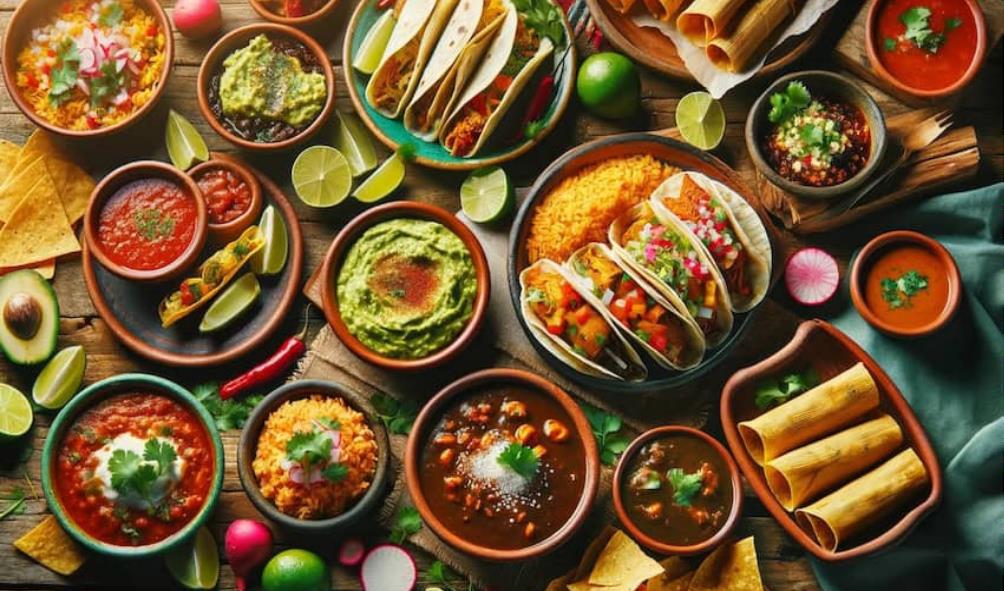
At the same time, they're experimenting with new techniques and global influences, creating exciting fusions that breathe fresh life into classic dishes. As you explore this culinary evolution, you’ll find that sustainability plays a crucial role—supporting local farmers and using seasonal produce is becoming the norm.
Conclusion
In exploring the rich diversity of Mexican cuisine, you’ve uncovered a world of flavors that celebrate history and culture. From the essential ingredients to the vibrant regional specialties, each dish tells a story. The fiery salsas and complex moles invite you to savor every bite, while the influence of indigenous traditions ensures authenticity. As you enjoy this culinary adventure, remember that Mexican cuisine continues to evolve, blending the old with the new, promising exciting tastes for the future.
Frequently Asked Questions
What role do spices play in Mexican cooking?
Spices play a crucial role in Mexican cooking, adding depth and complexity to dishes. Commonly used spices include cumin, coriander, cloves, and cinnamon. Chili peppers, both fresh and dried, are particularly important, providing heat and flavor to many traditional recipes. The careful balance of spices is key to achieving the authentic taste of Mexican cuisine.
How can one experience authentic Mexican cuisine?
To experience authentic Mexican cuisine, it is best to seek out traditional restaurants or local markets that focus on genuine ingredients and cooking methods. Cooking at home using authentic recipes and quality ingredients is another way to appreciate the true flavors of Mexican dishes. Immersing oneself in the cultural context and history behind the food can also enhance the overall appreciation of this vibrant cuisine.
What are some traditional Mexican ingredients?
Traditional Mexican ingredients include corn, beans, chili peppers, tomatoes, avocados, and chocolate. These ingredients form the foundation of many Mexican dishes, providing essential flavors and textures. Other important ingredients include herbs like cilantro and spices such as cumin and cinnamon, which enhance the depth of Mexican cuisine.
How has Mexican cuisine influenced global food culture?
Mexican cuisine has had a significant impact on global food culture, with dishes like tacos, burritos, and guacamole becoming popular worldwide. The bold flavors and unique combinations of ingredients have inspired chefs and home cooks alike to incorporate Mexican elements into their cooking. Mexican cuisine's influence can be seen in the fusion of flavors and the widespread appreciation for its culinary traditions.
Statistics
- Mexican cuisine features over 50 different varieties of chili peppers, each contributing distinct flavors and heat levels to traditional dishes.
- The UNESCO recognized traditional Mexican cuisine as an Intangible Cultural Heritage of Humanity in 2010, highlighting its cultural significance and culinary heritage.
- Oaxaca, known as the "Land of the Seven Moles," offers a diverse range of mole sauces, each with unique ingredients and preparation methods, representing the region's rich culinary traditions.
- Mexico is the world's largest producer of avocados, exporting approximately 1.3 million metric tons annually, showcasing the global demand for this versatile fruit.
External Links
- The Spruce Eats: Mexican Food: Explore recipes, cooking tips, and the history of Mexican cuisine with this informative guide.
- Eater: Best Mexican Restaurants in America: Discover some of the top Mexican restaurants across the United States.
- TasteAtlas: Mexican Cuisine: Discover traditional Mexican foods and their origins with this interactive food atlas.
- BBC Good Food: Mexican Recipes: Find a collection of Mexican recipes perfect for any occasion, from tacos to tamales.
How To Make Mexican Sopes
Sopes are thick corn tortillas with raised edges, perfect for holding toppings. To make them, combine masa harina with water and salt to form a dough. Divide the dough into small balls and flatten them into discs. Cook the discs on a hot griddle until lightly browned on both sides. While still warm, pinch the edges to create a border. Top the sopes with refried beans, shredded lettuce, crumbled cheese, and your choice of protein, such as shredded chicken or beef. Add salsa and sour cream for extra flavor. Sopes are a versatile dish that can be customized to your taste.
Want to travel with more time and freedom?
The freedom to travel! Discover free & unique homestays around the world, in exchange for caring for adorable pets.
https://escapetomexiconow.com/ths
Recommended Resources:
Ready to explore life beyond borders? Check out our trusted guides to Mexico, Panama, and the Philippines — your gateways to new adventures, culture, and opportunity.
https://escapetomexiconow.com/
https://escapetomexiconow.info/
https://escapetopanamanow.info/
https://escapetothephilippinesnow.com/
YouTube Channel:
See Mexico like never before! From local culture to travel hacks, our YouTube channel brings the adventure straight to you.
https://www.youtube.com/@EscapeToMexicoNow