.png)
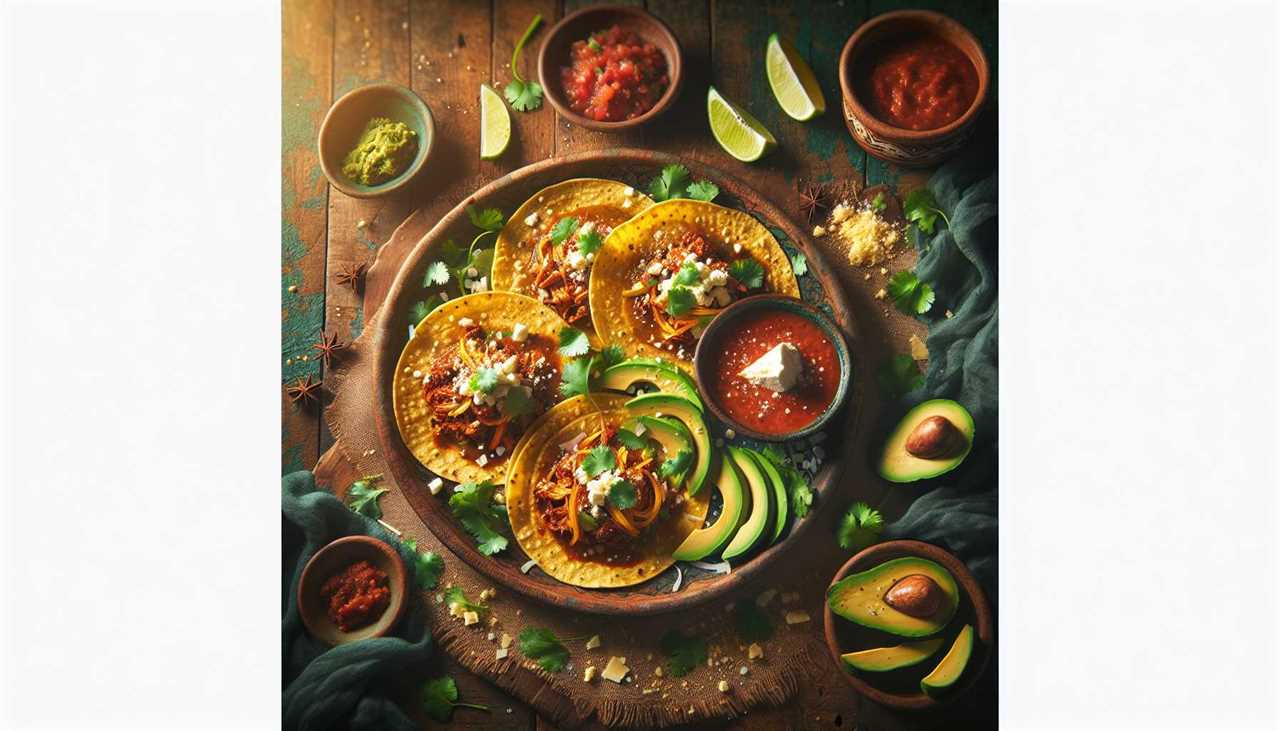
When you think about Mexican cuisine, what comes to mind? The vibrant colors, bold flavors, and rich history all play a role in its allure. Each dish carries a story, blending indigenous roots with Spanish influences. As you explore the essential ingredients and traditional techniques, you’ll uncover the deeper significance of these meals in family gatherings and celebrations. What makes these dishes so enduring, and how do they continue to evolve in today's world?
The Origins of Mexican Cuisine
Mexican cuisine has deep roots that stretch back thousands of years, blending indigenous ingredients and techniques with influences from Spanish colonization.
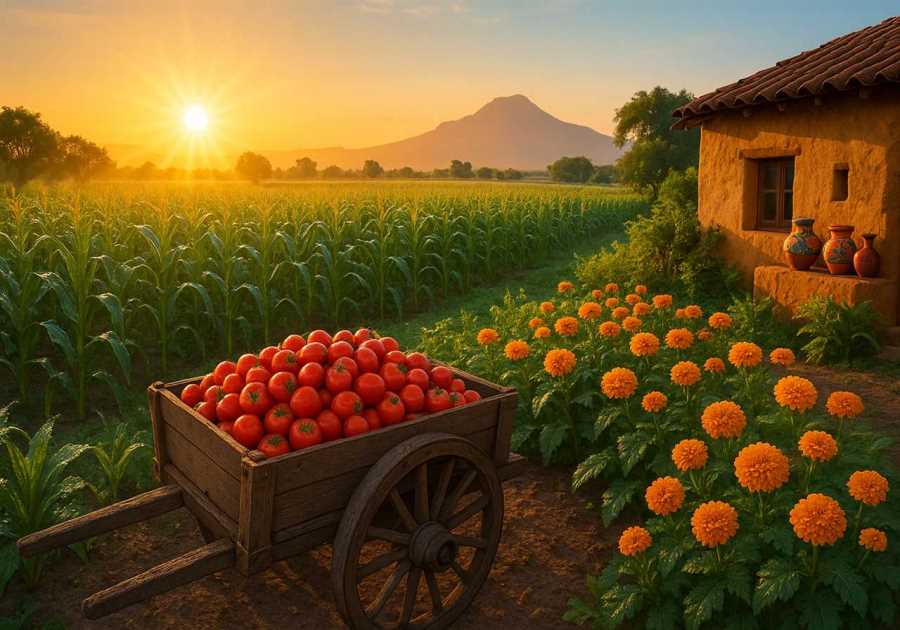
You’ll find that this culinary tradition emerged from the ancient Mesoamerican cultures, like the Aztecs and Mayans, who cultivated staples such as corn, beans, and squash.
As you explore, you'll see how these foundational foods influenced the flavors and dishes you enjoy today.
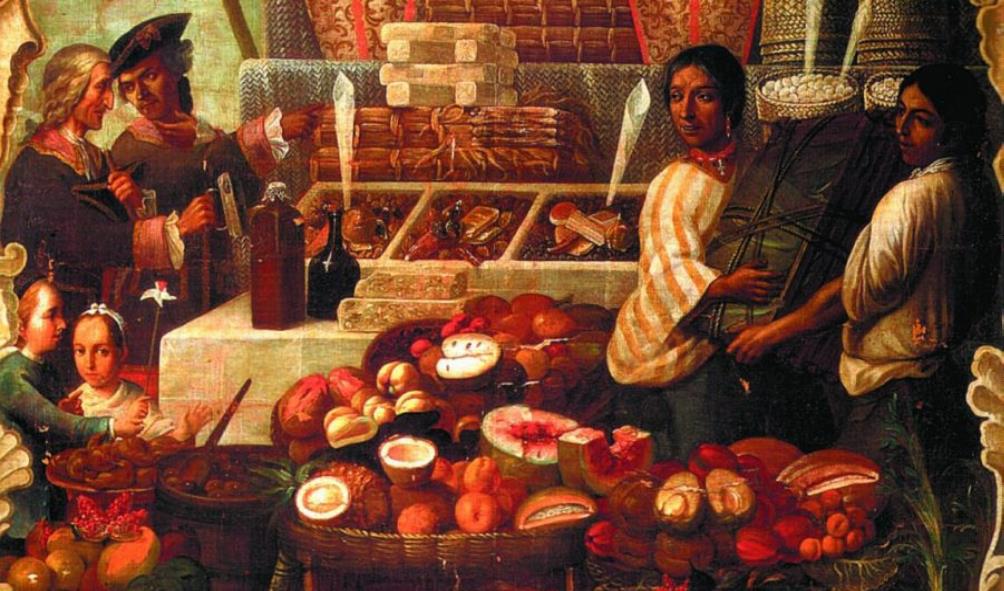
When the Spanish arrived in the 16th century, they introduced new ingredients like rice, garlic, and spices, enriching the existing culinary landscape.
This fusion created a vibrant tapestry of flavors and cooking styles.
You can appreciate the evolution of Mexican cuisine, which reflects a dynamic history and cultural exchange that continues to shape its dishes today.
Essential Ingredients in Mexican Cooking
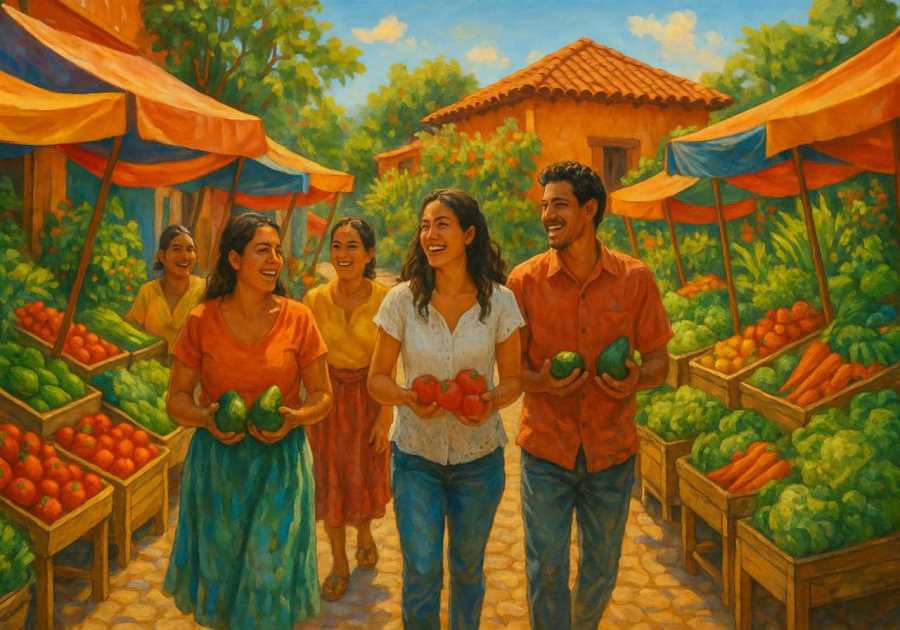
The rich history of Mexico’s culinary landscape is reflected in its vibrant array of ingredients. You’ll find staples like corn, beans, and chilies at the heart of many dishes.
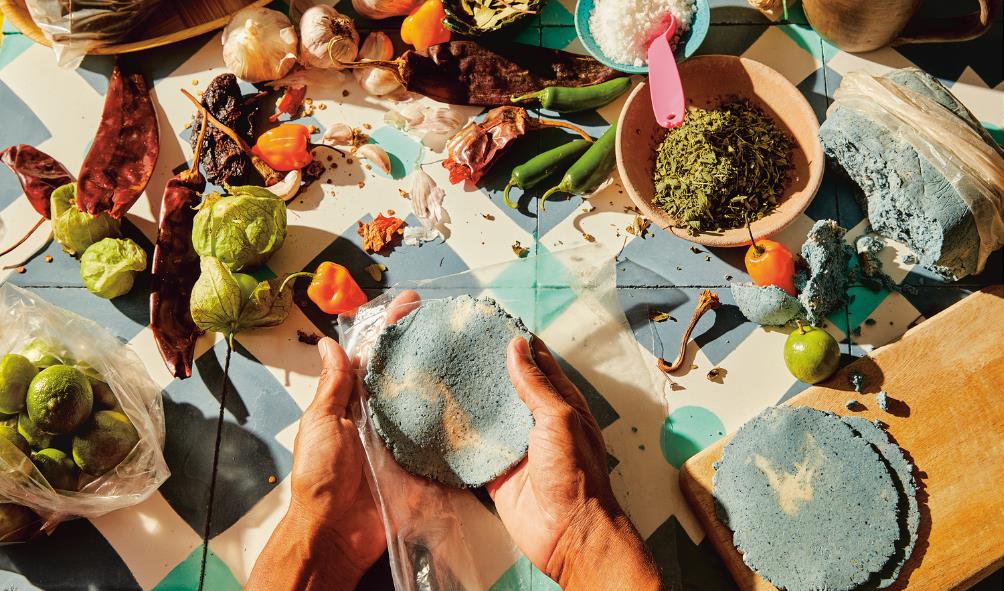
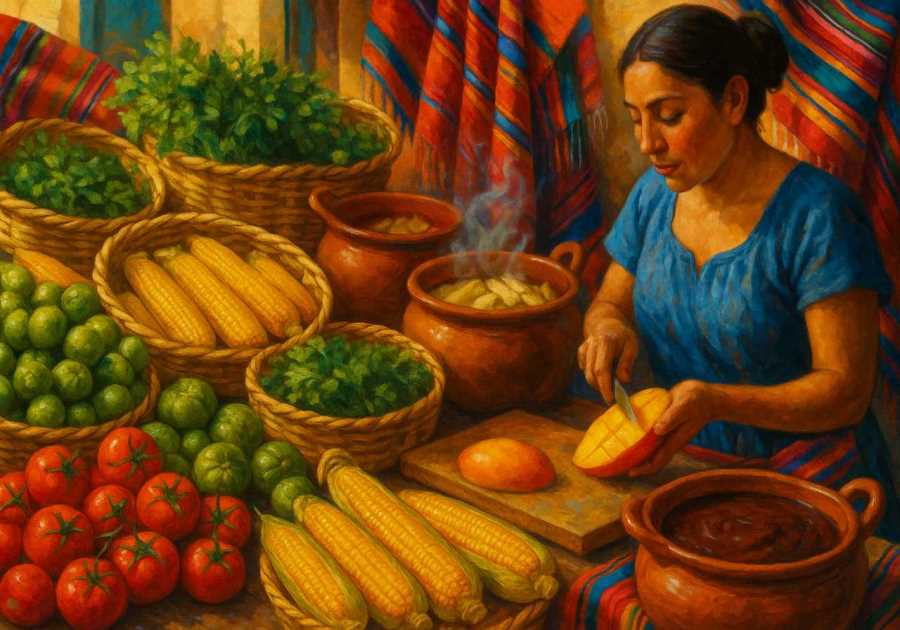
Corn, in its various forms, is essential for tortillas and tamales, while beans provide protein and versatility. Chilies, with their diverse flavors and heat levels, add depth to sauces and salsas, transforming everyday meals into something special.
Fresh herbs such as cilantro and epazote bring brightness, while spices like cumin and oregano enhance the flavor profile. Don’t forget about tomatoes and lime; they’re key players in salsas and marinades.
Traditional Cooking Techniques
While exploring Mexican cuisine, you'll discover that traditional cooking techniques play a vital role in shaping the flavors and textures of the dishes. One of the most iconic methods is using a molcajete, a stone mortar and pestle, to grind spices and make salsas.
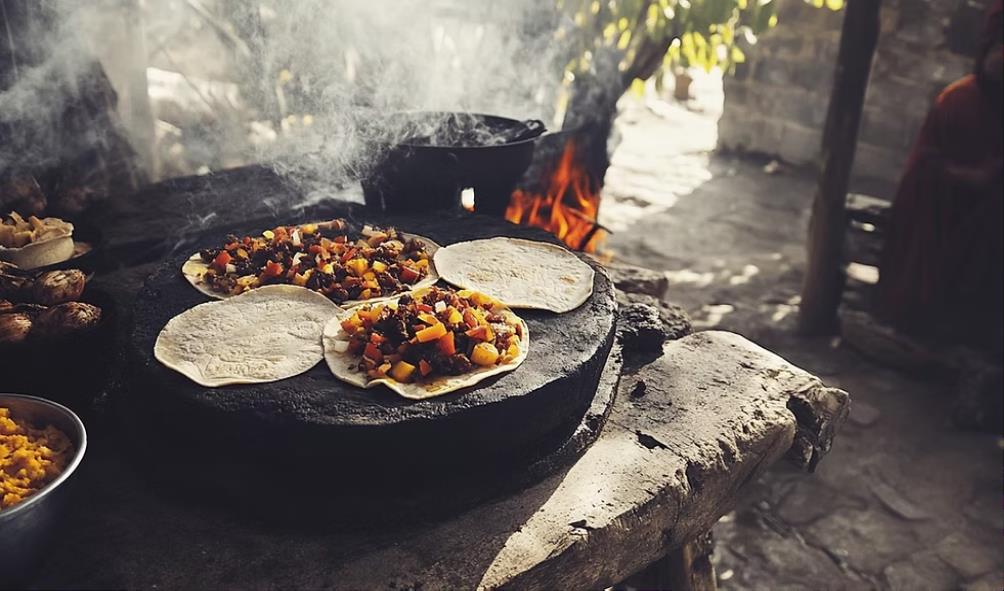
You’ll also find the importance of nixtamalization, a process that enhances corn’s nutritional value and flavor. Cooking on an open flame, whether it’s grilling or roasting, adds depth to meats and vegetables alike.
Steaming tamales in a traditional pot ensures they stay moist and flavorful. Lastly, slow-cooking in a clay pot allows ingredients to meld beautifully. Embracing these techniques not only connects you to the culture but also elevates your cooking experience.
The Role of Family in Mexican Food Culture
Food serves as a cornerstone of family gatherings, where recipes are passed down through generations, creating lasting memories. You’ll find that each meal brings everyone together, from the youngest to the oldest.
Family members often share stories while cooking, turning the kitchen into a space of laughter and connection. You might learn to prepare traditional dishes alongside your parents or grandparents, feeling the warmth of their love infused in every bite.
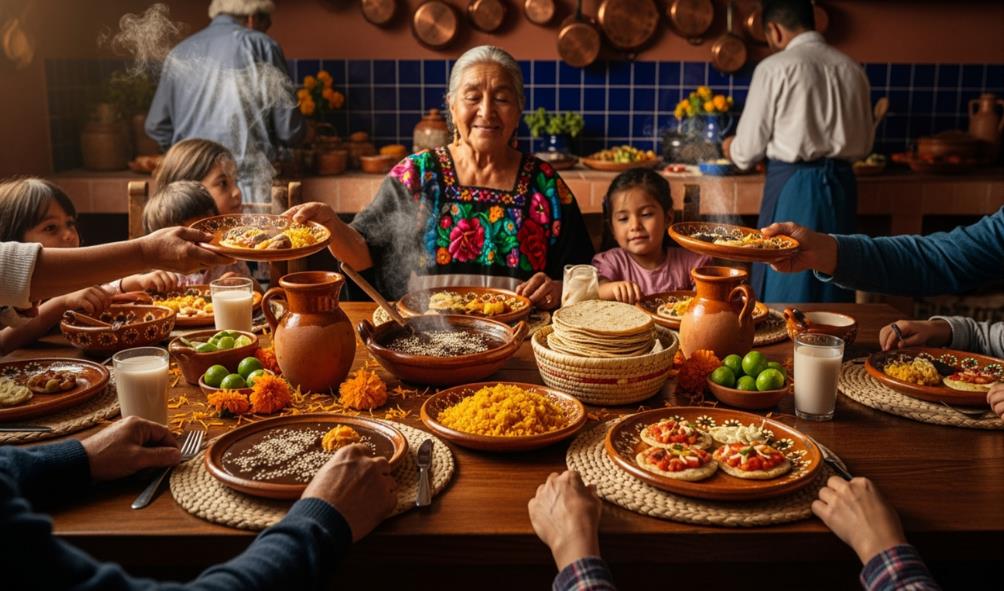
Celebrations revolve around food, whether it's a birthday, holiday, or just a Sunday dinner. These moments strengthen bonds and teach you the importance of heritage.
In this way, family isn’t just a part of Mexican food culture; it's the heart of it, nourishing both body and spirit.
Iconic Dishes and Their Stories
Mexican cuisine is rich with iconic dishes that tell stories of culture, history, and community.
Take tacos, for instance; they represent the essence of street food, showcasing simple ingredients wrapped in flavor. Each region boasts its own twist, from fish tacos in Baja to al pastor in Mexico City.
Then there’s mole, a complex sauce symbolizing the fusion of indigenous and Spanish influences, often reserved for special occasions.
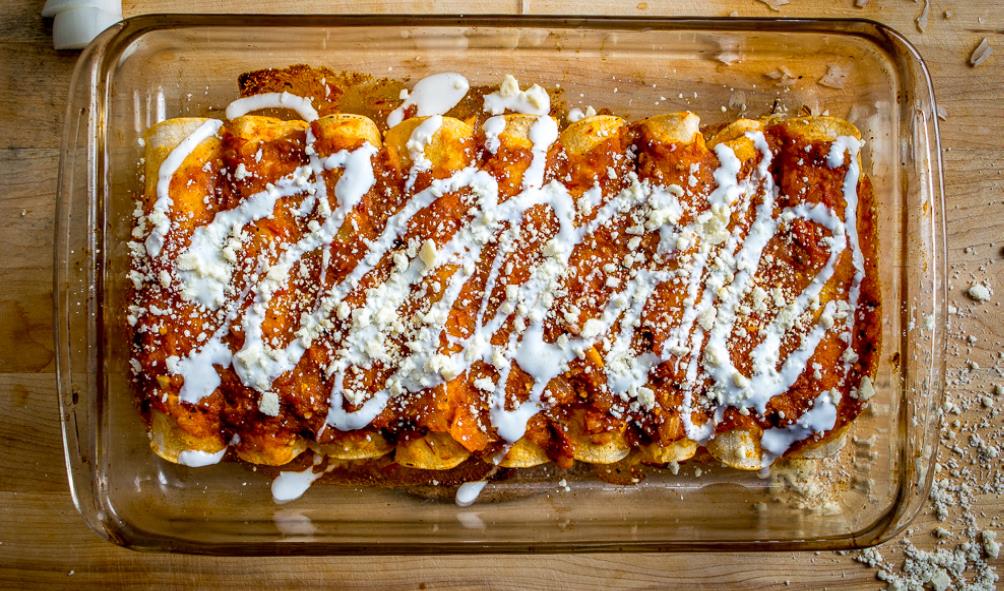
Enchiladas, steeped in tradition, celebrate family gatherings, filled with love and local ingredients.
And don’t forget tamales, a staple at holiday celebrations, wrapped in corn husks and bursting with flavor.
Each dish offers a glimpse into the heart of Mexican heritage, inviting you to savor stories with each bite.
Regional Variations Across Mexico
Across the diverse regions of Mexico, you'll discover a tapestry of flavors and cooking styles that reflect local ingredients and traditions.
In the coastal areas, seafood takes center stage, with dishes like ceviche bursting with fresh, zesty flavors.
Head inland, and you’ll find hearty, earthy meals, like mole and tamales, showcasing rich sauces and spices.

The Yucatán Peninsula delights with its unique blend of Mayan and Caribbean influences, offering dishes like cochinita pibil.
In northern Mexico, you’ll enjoy grilled meats and flour tortillas, while the south features vibrant salsas and tropical fruits.
Each region tells its own story through food, inviting you to savor the depth and diversity that Mexican cuisine has to offer.
The Influence of Indigenous Cultures
Indigenous cultures have profoundly shaped the culinary landscape of Mexico, infusing it with unique ingredients and cooking techniques. When you explore Mexican cooking, you'll notice staples like corn, beans, and chilies that have roots in ancient civilizations. These ingredients aren't just food; they carry stories and traditions that connect you to the past.

You'll find that cooking methods such as nixtamalization, which enhances corn's nutritional value, are still used today. As you dive deeper, you'll appreciate the importance of local herbs and spices, like epazote and cilantro, that add distinctive flavors.
Celebratory Foods and Festive Traditions
While you might think of everyday meals when imagining Mexican cuisine, the true essence of its culinary culture shines through in celebratory foods and festive traditions.
During holidays like Día de los Muertos and Cinco de Mayo, you’ll find vibrant dishes that tell stories and honor heritage. Tamales, filled with meats or sweets and wrapped in corn husks, become a staple at gatherings.
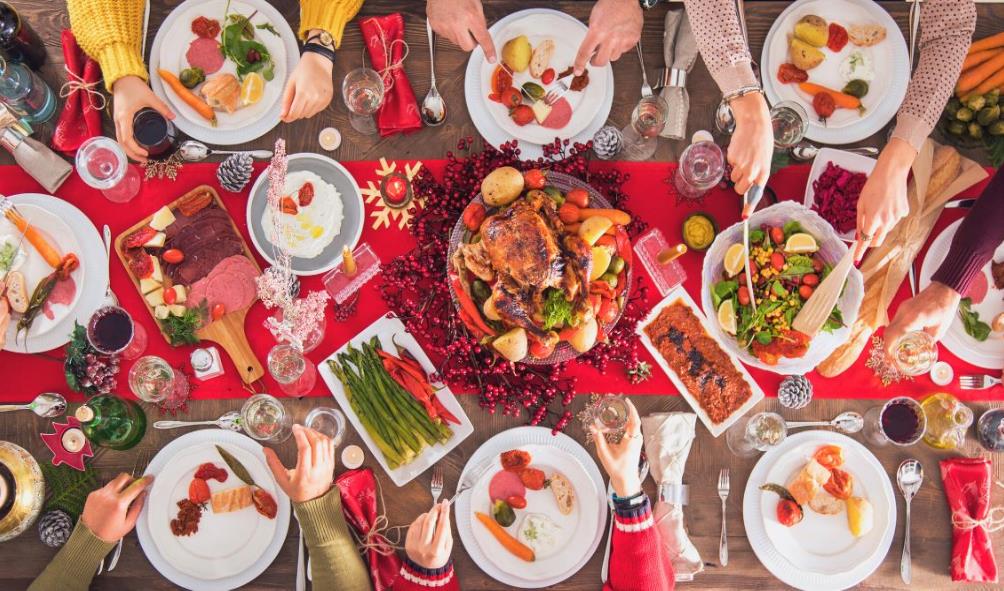
You can’t forget about mole, a rich sauce that varies by region, often served during special occasions. Sweets like pan de muerto, a bread shaped for the Day of the Dead, highlight the connection between food and memory.
These dishes not only satisfy the palate but also create bonds, making every celebration a feast of love and tradition.
Modern Twists on Classic Recipes
As you explore Mexican cuisine, you’ll find that many chefs are reimagining classic recipes with modern ingredients and techniques. They’re blending traditional flavors with contemporary twists, creating dishes that surprise and delight.
For instance, you might encounter tacos filled with smoked brisket and topped with a spicy mango salsa, or enchiladas made with quinoa and drizzled with avocado crema.
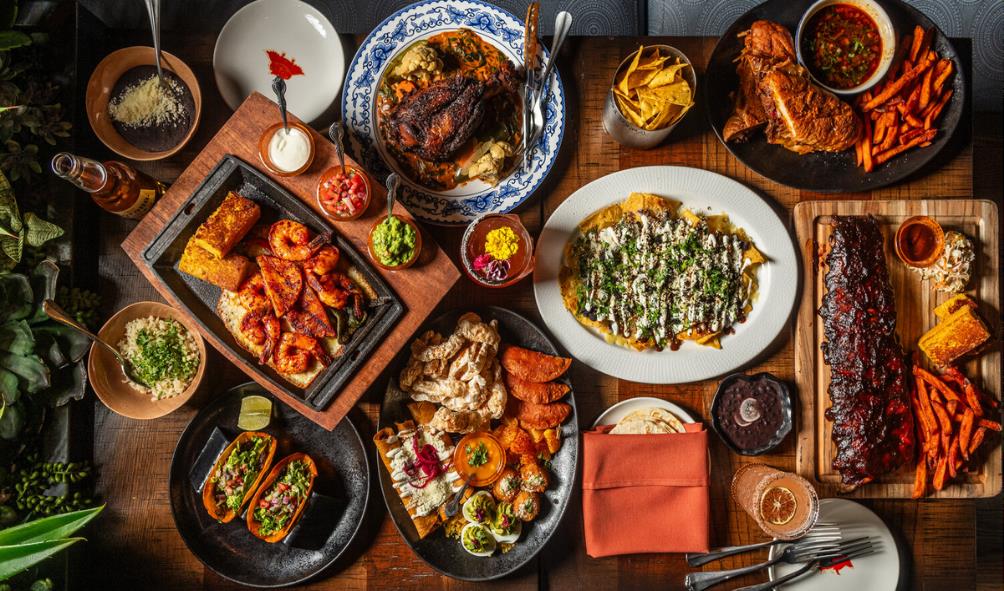
Chefs are also experimenting with plant-based options, turning beloved favorites like chiles en nogada into vibrant vegan masterpieces. By incorporating global influences and innovative cooking methods, the essence of Mexican cooking remains while evolving to meet today’s tastes.
These modern twists not only honor tradition but also inspire a new generation to appreciate the richness of Mexican cuisine.
The Global Impact of Mexican Cuisine
Mexican cuisine has made a significant mark on the global culinary landscape, influencing chefs and home cooks alike. You’ve probably noticed how dishes like tacos and enchiladas have crossed borders, appearing on menus worldwide.
The vibrant flavors and unique techniques draw people in, making Mexican food a favorite in many cultures. Ingredients like corn, chiles, and beans are now staples in kitchens far beyond Mexico, inspiring fusion dishes that blend traditions.
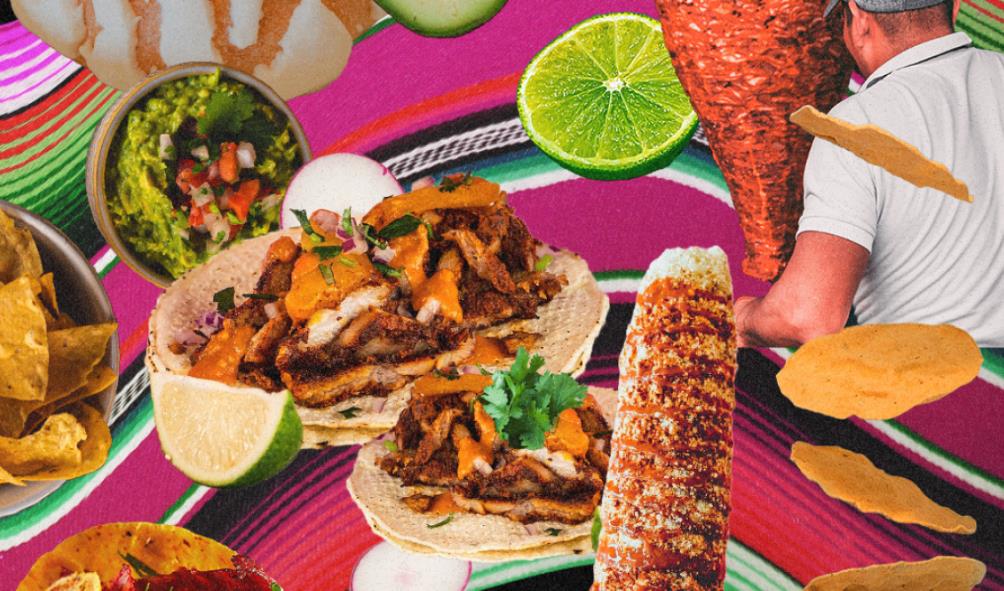
As you explore international culinary scenes, you’ll see Mexican influences in unexpected places, from gourmet restaurants to food trucks. This rich culinary heritage not only showcases bold flavors but also tells stories of community and tradition, connecting people through shared meals and experiences.
Embrace this global impact; it’s truly a testament to the power of food.
Conclusion
As you explore the vibrant world of Mexican cuisine, you’ll uncover a rich tapestry of flavors and traditions that connect generations. Each dish you savor tells a story, reflecting the deep cultural roots and communal spirit that define this culinary art. Embracing both ancient practices and modern twists, Mexican cooking invites you to celebrate its timeless appeal. So, gather around the table, share these delicious meals, and experience the warmth and joy that only Mexican food can bring.
Statistics
- In a survey of international travelers, 72% reported trying Mexican food during their trips, highlighting its universal appeal.
- Mexican cuisine's influence is evident in the United States, where tacos are among the top three most-consumed ethnic foods.
- The Mexican food market in Europe has grown by 20% annually, reflecting its expanding popularity across the continent.
- Traditional Mexican ingredients, such as corn, beans, and chili peppers, have been staples for over 7,000 years, underscoring their enduring relevance.
External Links
- Food & Wine: Mexican Recipes provides a curated list of recipes that capture the essence of Mexico's culinary traditions.
- Mexico in My Kitchen offers a wealth of traditional Mexican recipes that celebrate the country's rich culinary heritage.
- Taste of Home: Authentic Mexican Recipes offers a selection of beloved Mexican dishes passed down through generations.
- Serious Eats: Mexican Cuisine provides an in-depth exploration of Mexican cooking techniques and ingredients.
How to Make Authentic Mexican Guacamole
Creating authentic Mexican guacamole is a straightforward process that delivers vibrant flavors. Begin by selecting ripe avocados; they should be slightly soft to the touch. Cut them in half, remove the pit, and scoop the flesh into a bowl. Mash the avocado with a fork, leaving some chunks for texture. Add finely chopped onions, tomatoes, and cilantro for a fresh taste. Squeeze in the juice of one lime to enhance the flavors and prevent browning. Season with salt and pepper to taste. For a bit of heat, include chopped jalapeños. Mix everything gently to maintain the texture. Serve immediately with tortilla chips or as a topping for tacos. This simple yet delicious dish epitomizes the essence of Mexican cuisine.
Want to travel with more time and freedom?
The freedom to travel! Discover free & unique homestays around the world, in exchange for caring for adorable pets.
https://escapetomexiconow.com/ths
Recommended Resources:
Adventure is calling — are you ready to answer? Discover new places, new lifestyles, and new possibilities in Mexico, Panama, or the Philippines.
https://escapetomexiconow.com/
https://escapetomexiconow.info/
https://escapetopanamanow.info/
https://escapetothephilippinesnow.com/
YouTube Channel:
Your next adventure starts here! Join us on YouTube for destination tours, insider advice, and everything you need to make your escape unforgettable.
https://www.youtube.com/@EscapeToMexicoNow