.png)
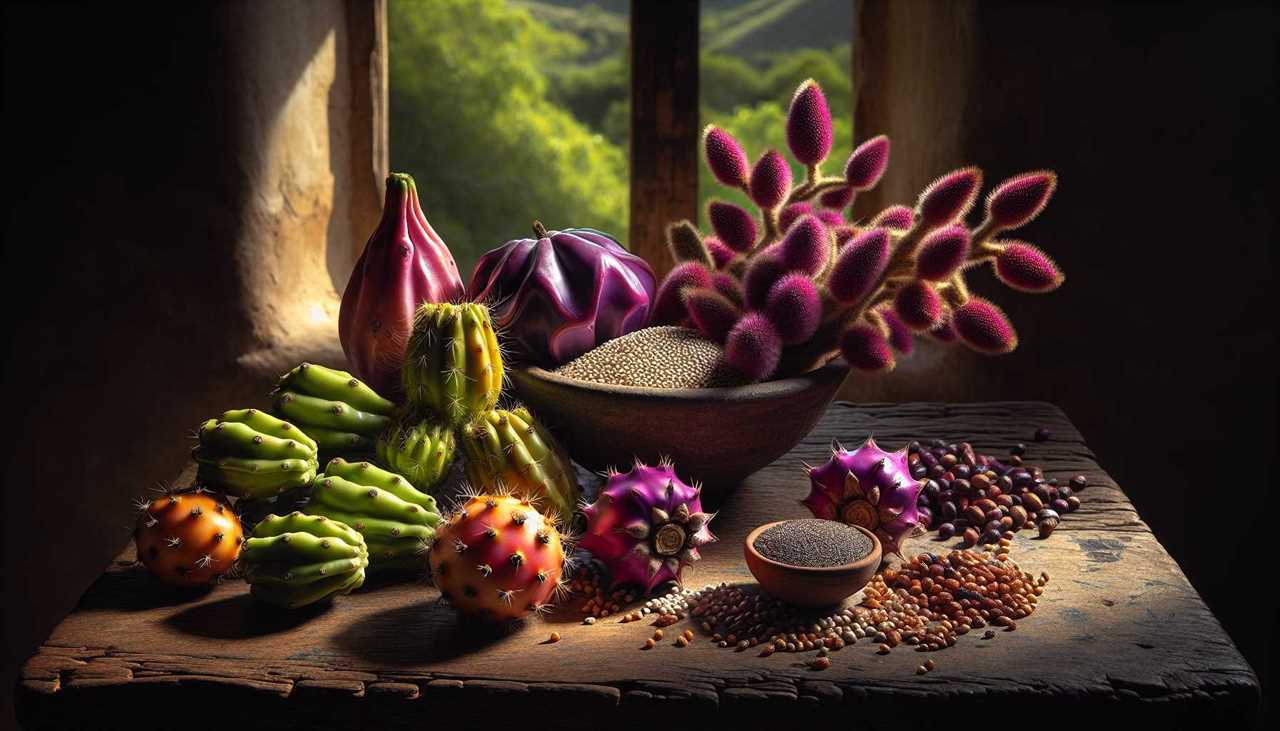
When you think of Mexican cuisine, avocados often steal the spotlight. However, there’s a rich variety of forgotten superfoods waiting to be discovered. Ingredients like amaranth and nopales offer unique flavors and impressive health benefits. Each of these foods not only enhances your meals but also supports sustainable practices. Curious about how you can incorporate these nutritional gems into your diet? Let's explore the treasures that lie beyond the familiar.
Amaranth: the Ancient Grain With Modern Benefits
While you may have heard of quinoa, amaranth deserves your attention as an ancient grain packed with modern benefits. This versatile superfood is gluten-free and rich in protein, making it an excellent choice for anyone seeking healthy alternatives.
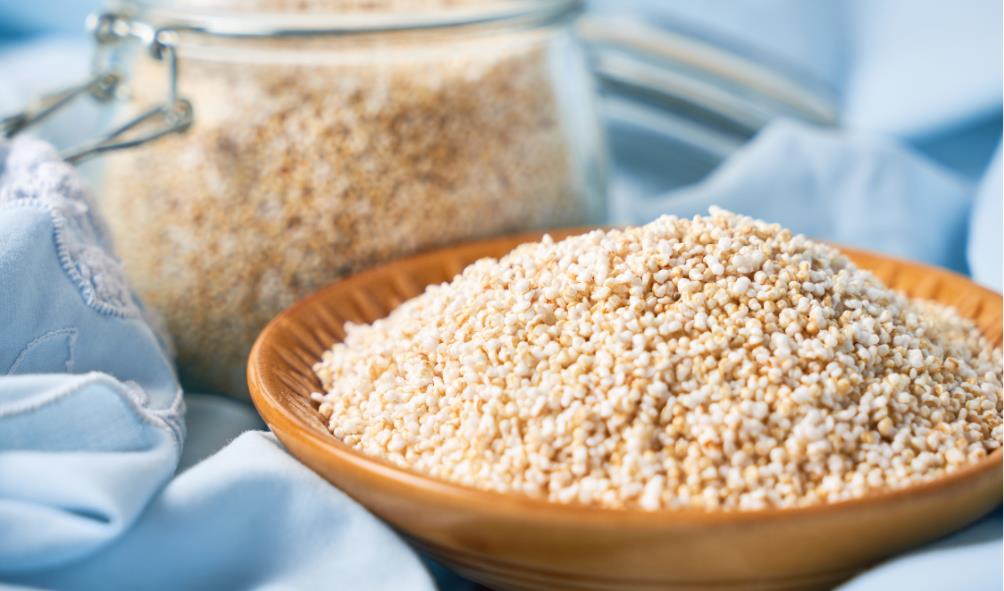
With a complete amino acid profile, amaranth supports muscle growth and repair, which is crucial for your active lifestyle. It’s also high in fiber, promoting digestive health and keeping you feeling full longer.
You can easily incorporate it into your meals, whether in salads, soups, or as a breakfast porridge. Plus, its nutty flavor adds a delightful twist to your dishes.
Cacao: the Original Superfood From the Heart of Mexico
Cacao, often hailed as the original superfood, has roots that trace back to ancient Mesoamerican cultures, where it was revered not just for its rich flavor but also for its remarkable health benefits.
When you indulge in cacao, you're not just enjoying a treat; you’re tapping into a powerhouse of antioxidants, magnesium, and iron. These nutrients can boost your mood, enhance cognitive function, and improve heart health.
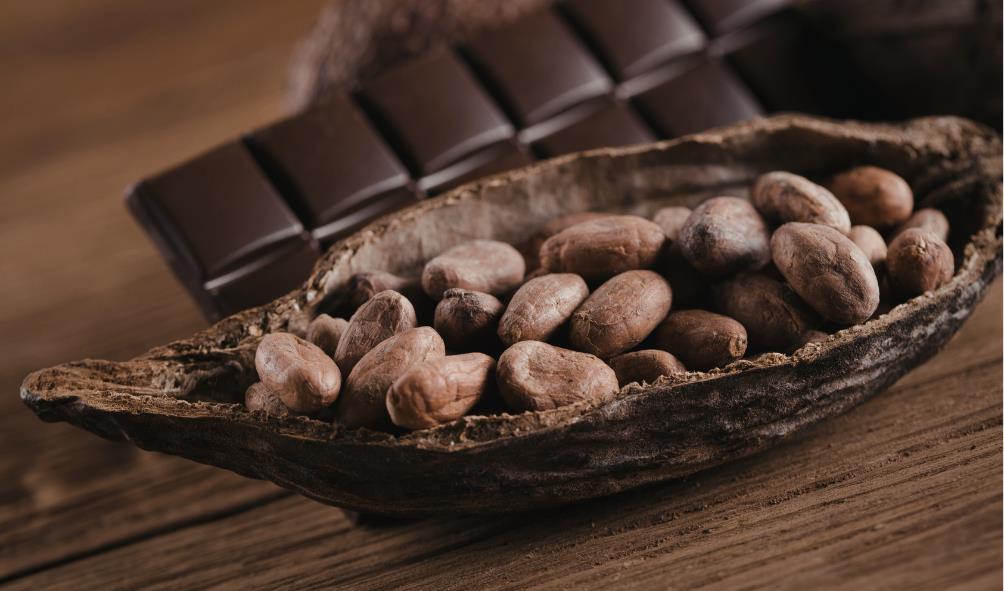
You might be surprised to learn that ancient civilizations used cacao in rituals and as currency, showcasing its immense value.
So, whether you savor dark chocolate or sip on a rich cacao drink, you’re embracing a tradition that spans centuries.
Give cacao a try, and experience its profound benefits for yourself.
Nopales: The Nutrient-Packed Cactus
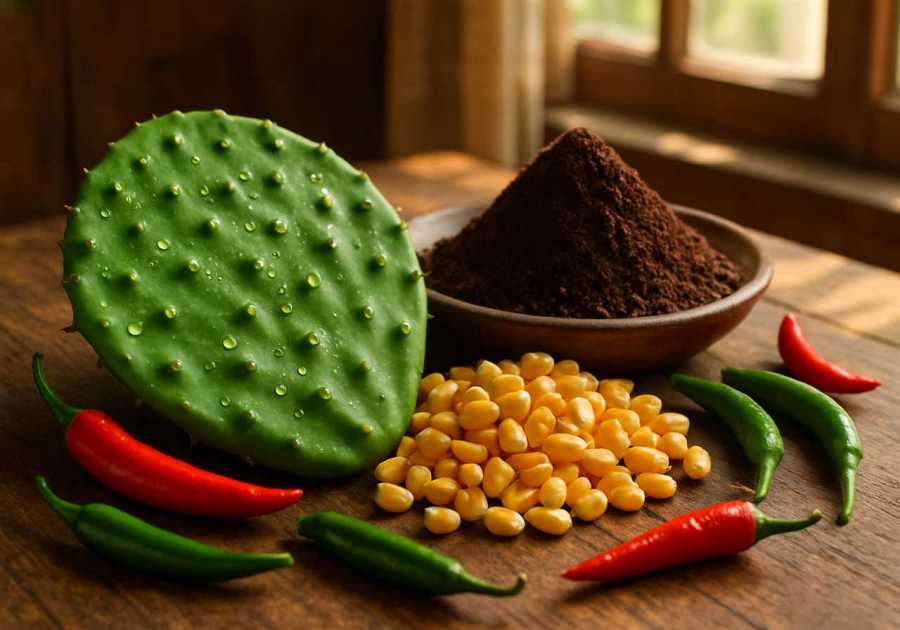
If you're looking to boost your diet with something unique, nopales, the pads of the prickly pear cactus, might just be what you need.
Packed with essential nutrients, these vibrant green pads are low in calories and high in fiber, making them a fantastic addition to your meals. They contain vitamins A, C, and K, along with calcium and magnesium, promoting overall health.
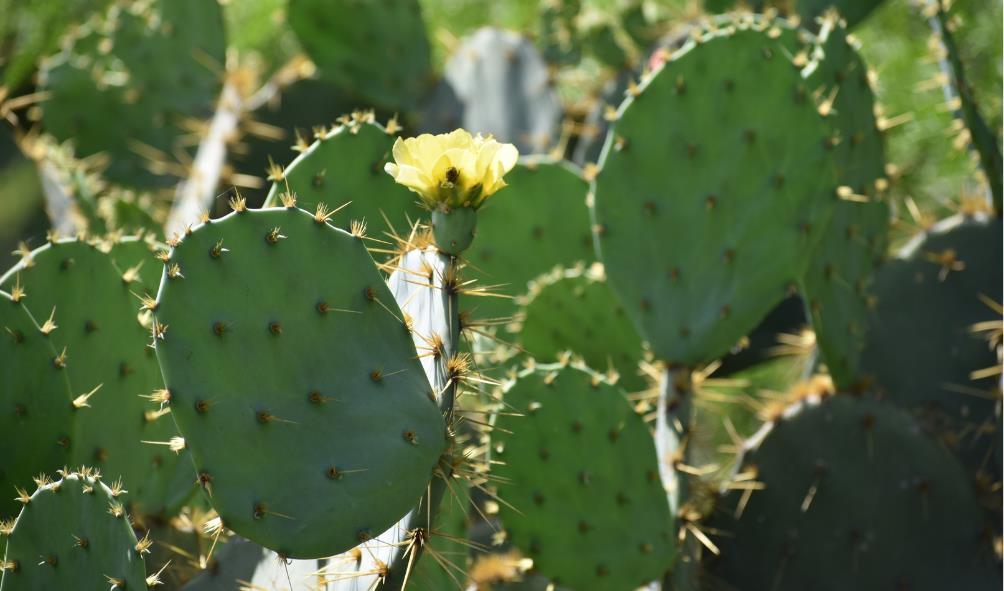
Nopales can help regulate blood sugar levels and support digestion, too. You can enjoy them grilled, sautéed, or added to salads and tacos for a delicious twist.
Plus, their slightly tangy flavor adds a refreshing element to your dishes. Give nopales a try, and you'll discover a new favorite superfood in your kitchen!
Chia Seeds: Tiny Seeds With Big Health Benefits
Chia seeds may be small, but their health benefits are anything but. These tiny seeds are packed with fiber, protein, and omega-3 fatty acids, making them a powerhouse for your diet.
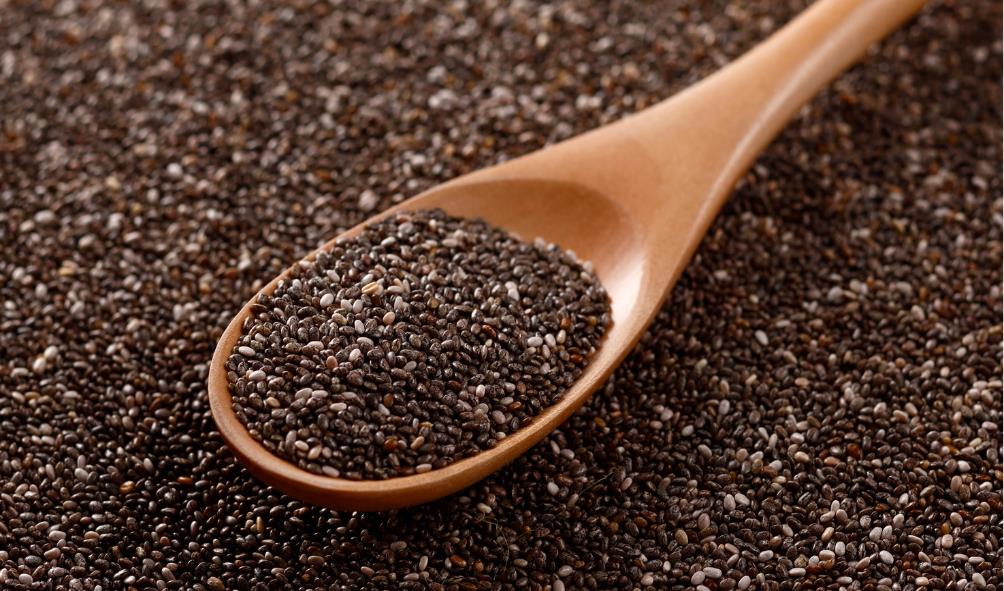
When you add chia seeds to smoothies, puddings, or baked goods, you’re not just enhancing flavor; you’re boosting nutrition. They absorb liquid and expand, helping you feel fuller longer, which can aid in weight management.
Plus, they’re a great source of antioxidants, supporting your overall health. Easy to incorporate into any meal, chia seeds are a versatile superfood you shouldn’t overlook.
Tepary Beans: The Resilient Legume of the Southwest
Tepary beans, known for their resilience in arid climates, are an often-overlooked superfood that deserves your attention.
These small, nutrient-dense legumes thrive in conditions where other crops might fail, making them a sustainable choice for your diet. Packed with protein, fiber, and essential vitamins, tepary beans can support your health while adding variety to your meals.
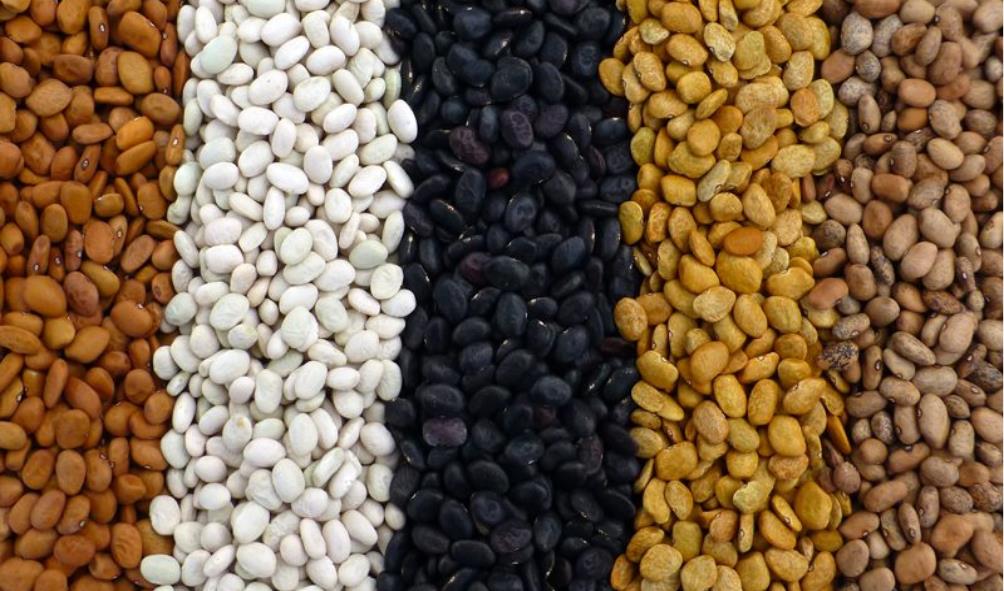
Their earthy flavor complements a range of dishes, from soups to salads, and they cook quickly, making meal prep a breeze.
By incorporating tepary beans into your routine, you’re not just enjoying a tasty ingredient; you’re also contributing to agricultural biodiversity.
Chayote: the Versatile Squash With Nutritional Perks
Chayote, a unique and versatile squash, is a nutritional powerhouse that can elevate your meals. This green, wrinkled vegetable is low in calories and packed with vitamins C and B, as well as fiber.
You can enjoy chayote raw in salads or cooked in stir-fries, soups, and casseroles, making it an adaptable ingredient for any cuisine. Its mild flavor allows it to absorb spices and seasonings beautifully, enhancing your dishes without overpowering them.
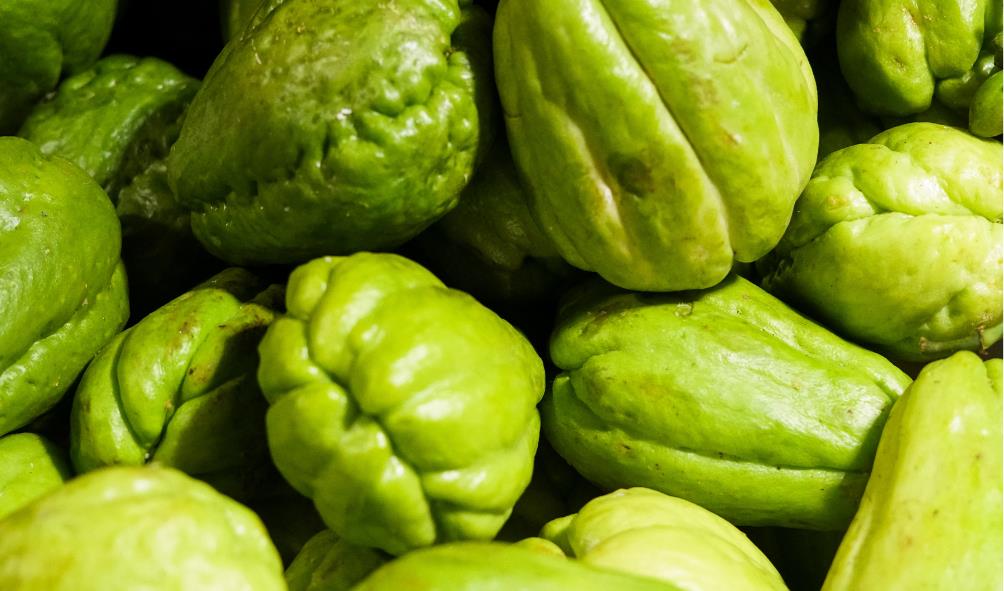
Plus, the crunchy texture adds a satisfying bite. Whether you’re looking for a healthy side dish or a creative ingredient, chayote is an excellent choice.
Don’t overlook this forgotten superfood; it’s time to make chayote a staple in your kitchen!
Pitaya: The Colorful Dragon Fruit
Bright and vibrant, pitaya, commonly known as dragon fruit, is a striking addition to any fruit platter. Its unique appearance, with bright pink or yellow skin and green-tipped scales, captures attention instantly.
But it’s not just about looks—this tropical delight packs a nutritional punch. Rich in antioxidants, vitamins C and B, and fiber, pitaya supports your immune system and aids digestion.
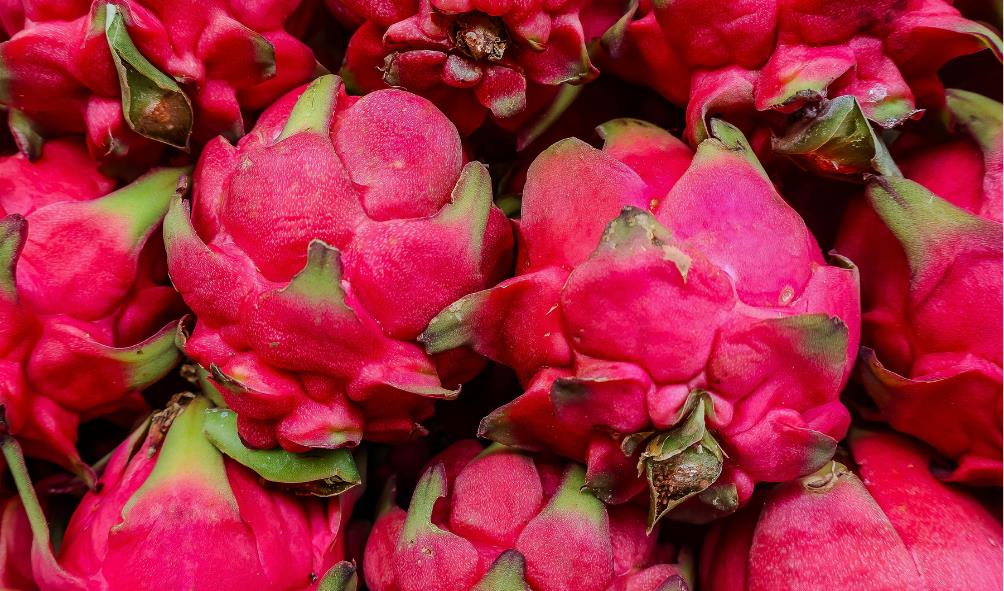
You can enjoy it fresh, in smoothies, or as a topping for yogurt bowls. The mildly sweet taste, reminiscent of a kiwi, makes it versatile for both sweet and savory dishes.
Plus, with its low calorie count, you can indulge guilt-free. So, next time you’re at the market, don’t overlook this colorful superfood!
Epazote: the Aromatic Herb With Healing Properties
Epazote, an aromatic herb native to Mexico, is often overlooked yet brims with culinary and medicinal potential. You can easily incorporate epazote into your cooking, adding a unique flavor to beans, soups, and stews. Its pungent taste enhances dishes while helping to reduce gas and bloating, making it a staple in traditional Mexican cuisine.
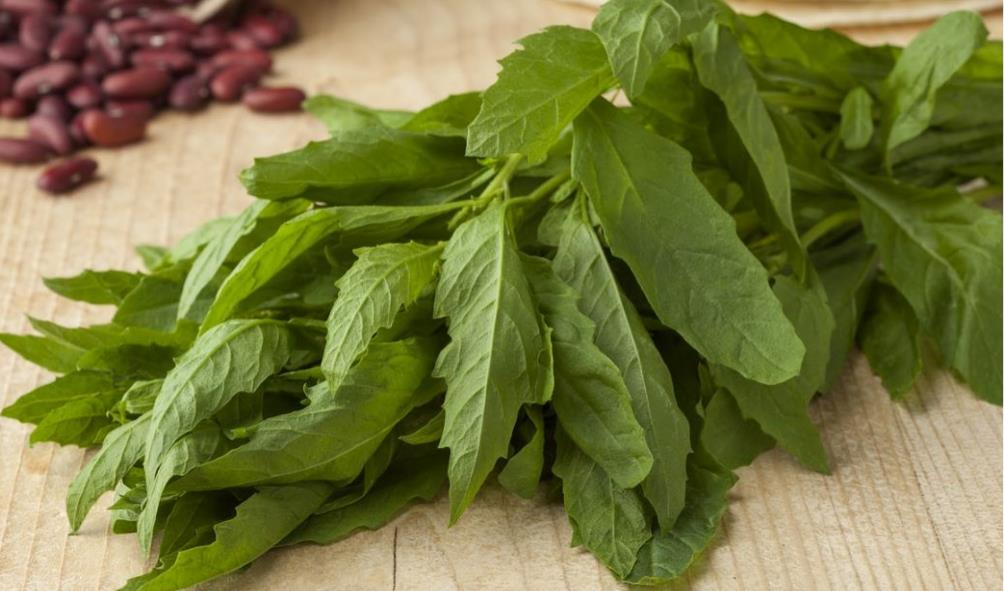
Beyond its culinary uses, epazote offers various health benefits. It’s known for its anti-inflammatory properties and is often used in herbal remedies to alleviate respiratory issues and digestive discomfort.
When you explore this herb, you’ll not only elevate your meals but also tap into its healing capabilities. So, don’t shy away from this forgotten superfood—embrace epazote and its rich heritage!
Conclusion
Exploring Mexico's forgotten superfoods opens up a world of nutrition and flavor beyond avocados. Incorporating ingredients like amaranth, nopales, and chia seeds into your meals not only boosts your health but also supports biodiversity. These ancient foods are versatile and can easily fit into your daily diet, offering a delicious way to enhance your cooking. So, why not venture into your local market and discover these hidden gems? Your taste buds and body will thank you!
Statistics
- Spirulina is considered one of the most nutrient-dense foods on the planet, with around 60-70% protein content by weight.
- Nopales are low in calories, with approximately 14 calories per 100 grams, making them a healthy addition to any diet.
- Amaranth contains about 30% more protein than wheat, making it a superior grain alternative for those seeking plant-based protein sources.
- Amaranth is rich in lysine, an amino acid that is often lacking in other grains, making it an excellent option for vegetarians and vegans.
External Links
- Healthline: Spirulina Benefits - An informative resource detailing the health advantages of spirulina, including its high protein content and antioxidant properties.
- Nopales: A Nutritional Overview - This research article discusses the nutritional components of nopales and their potential health benefits.
- BBC Good Food: Amaranth Cooking Guide - A practical guide on how to cook with amaranth, including recipes and tips for incorporating it into your diet.
- Health: Chia Seeds Nutrition Facts - This article provides insights into the nutritional content of chia seeds and how they can benefit your overall health.
How to Incorporate Amaranth into Your Diet
Incorporating amaranth into your diet is straightforward and rewarding. Start by rinsing the amaranth grains thoroughly to remove any debris. Cook it by boiling one cup of amaranth in three cups of water for about 20 minutes, or until the grains become tender and absorb the water. You can enjoy amaranth as a warm breakfast cereal by adding fruits, nuts, and honey. Alternatively, use cooked amaranth as a base for salads or as a side dish, mixing it with vegetables and herbs for added flavor. Amaranth flour can also be used in baking to create gluten-free bread and pancakes. Experiment with different recipes to fully appreciate this nutritious grain.
Try Our Delicious Recipes
Ready to try something new? Our collection of delicious recipes featuring Mexico's superfoods will inspire you to get creative in the kitchen. From hearty breakfasts to satisfying dinners, these recipes are designed to be both nutritious and flavorful. Experience the vibrant tastes of Mexico while nourishing your body with ancient ingredients. To learn more, you can visit www.escapetomexiconow.info.