.png)
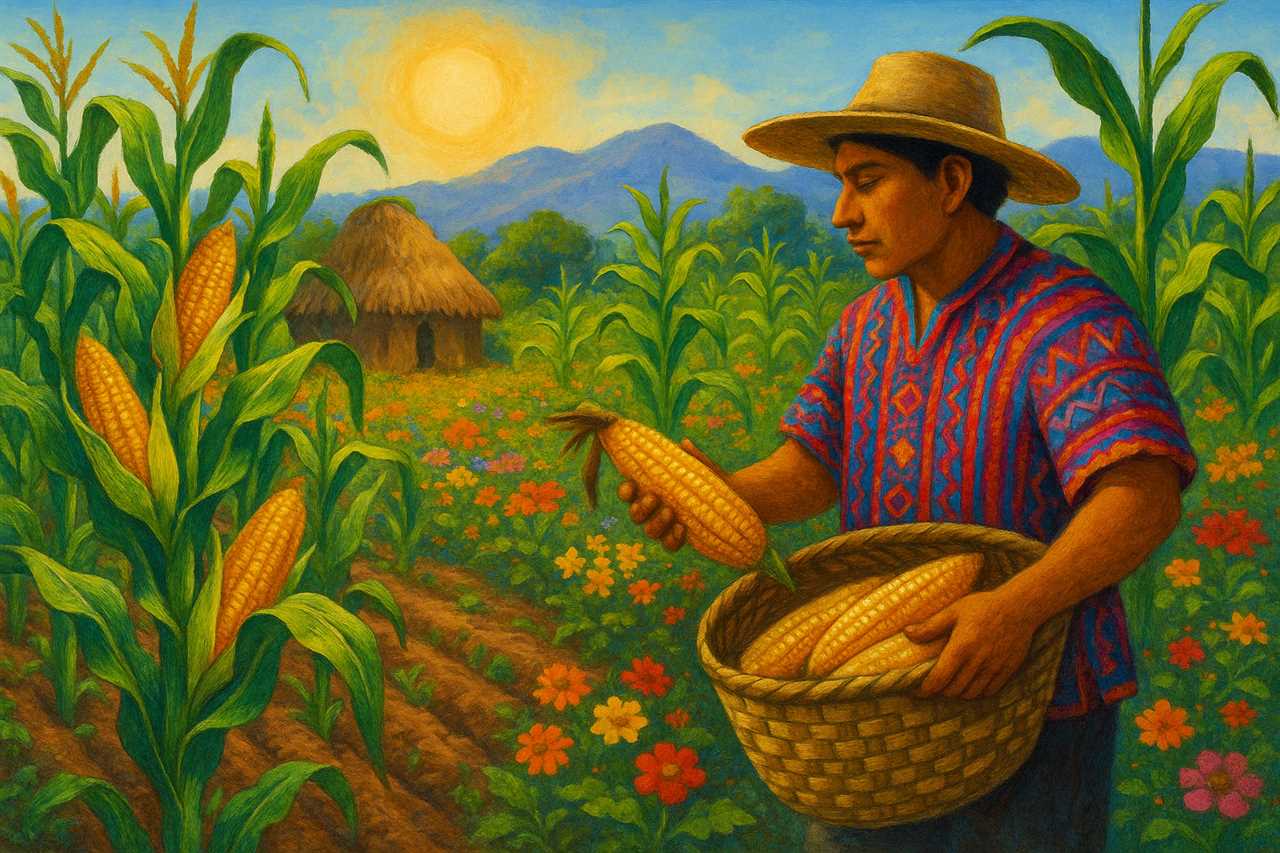
When you consider the milpa farming system, you’re looking at a practice that’s been central to Mesoamerican life for centuries. This method of growing maize, beans, and squash together not only promotes sustainability but also fosters community ties. Yet, as modern challenges loom, it raises questions about the future of this age-old tradition. What might happen if these practices fade away? The answer could reshape our understanding of agriculture and culture alike.
The Origins of Milpa Farming
Milpa farming, which has deep roots in Mesoamerican culture, originated thousands of years ago when indigenous peoples cultivated crops in a sustainable cycle.
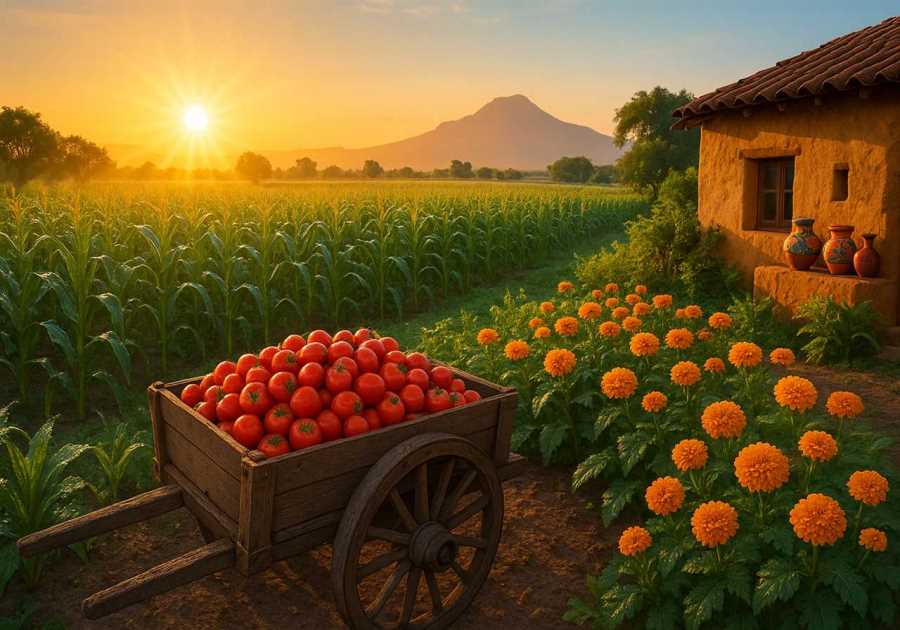
You’ll find that this method revolves around rotating various crops, enhancing soil fertility and biodiversity. The system primarily focuses on staple crops like maize, beans, and squash, often referred to as the “Three Sisters.” By planting these together, you create a symbiotic relationship that maximizes yield and minimizes pests.
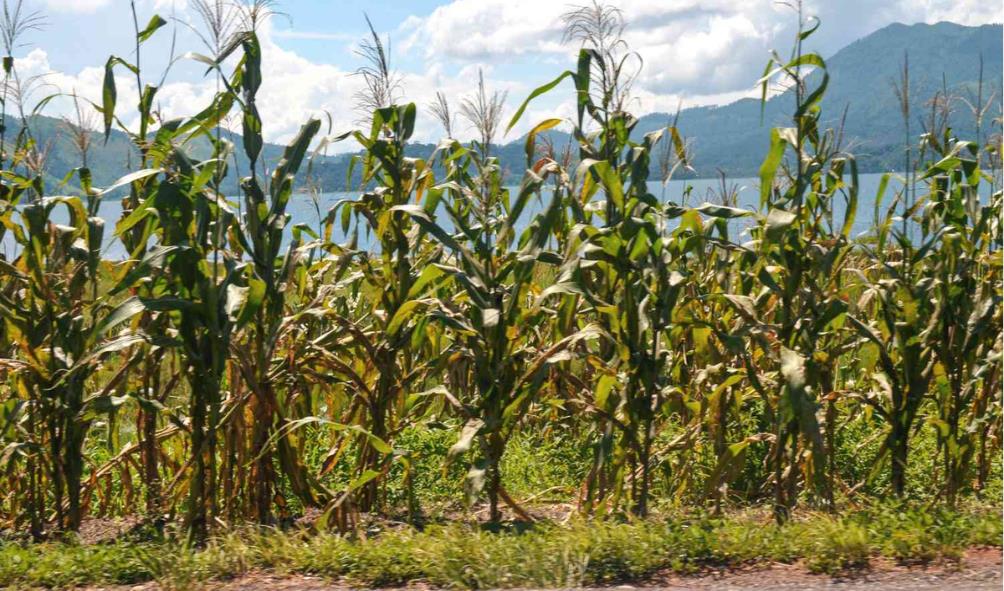
This ancient practice not only sustains communities but also preserves cultural heritage. As you explore the history, you’ll discover how milpa farming shaped agricultural practices and provided sustenance to generations.
It’s a testament to the ingenuity of those who understood the delicate balance of nature.
The Milpa Cropping System: A Sustainable Approach
Rooted in the ancient practices of Mesoamerican cultures, the milpa cropping system exemplifies a sustainable approach to agriculture. By rotating crops like maize, beans, and squash, you maintain soil fertility while minimizing pest outbreaks.
This method encourages a diverse ecosystem, allowing you to harvest multiple crops in a single growing season, maximizing yield without depleting resources. You’re not just cultivating food; you’re nurturing the land for future generations.
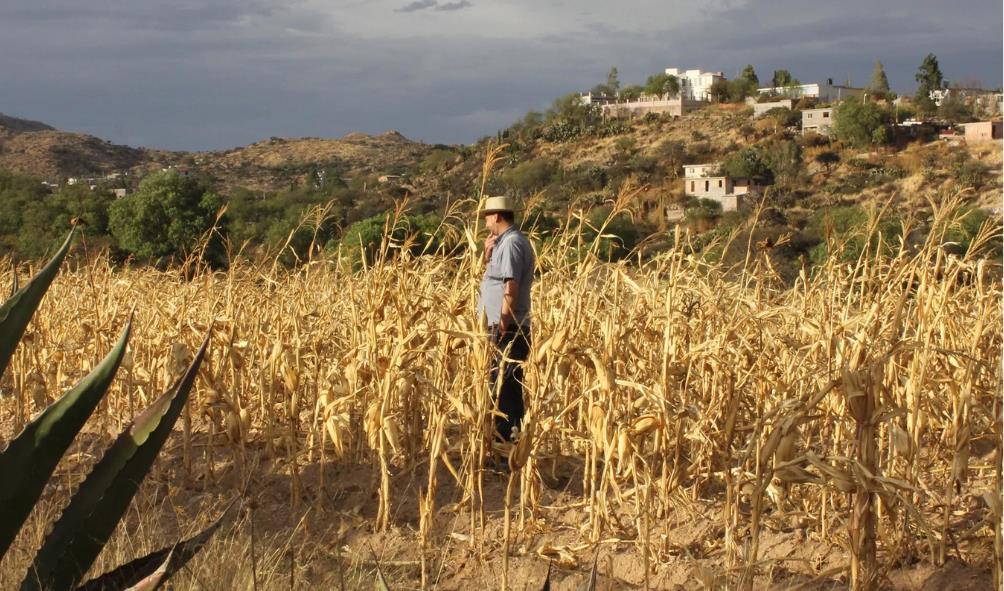
The milpa system relies on traditional knowledge passed down through generations, emphasizing harmony with nature. As you engage in this practice, you contribute to a resilient agricultural system that thrives on biodiversity.
Embracing milpa means embracing sustainability, ensuring both your community and the environment benefit from your farming efforts.
The Role of Biodiversity in Milpa
Biodiversity plays a crucial role in the success of the milpa system, enhancing resilience and productivity. By growing various crops together—like corn, beans, and squash—you create a balanced ecosystem that supports healthy soil and pest management.
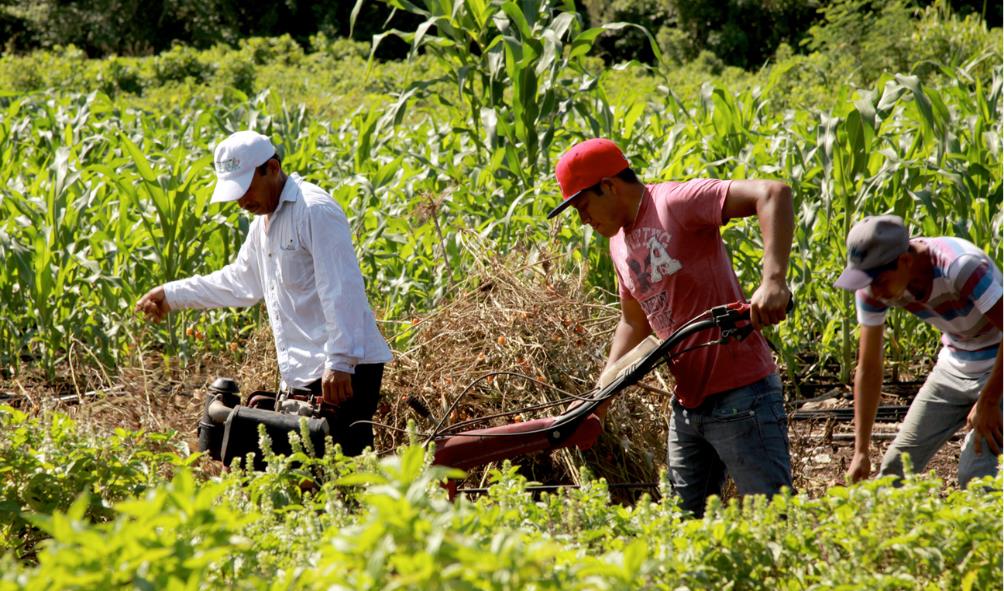
This intercropping not only maximizes space but also allows plants to complement each other, improving nutrient uptake and reducing the need for chemical fertilizers. You’ll notice that diverse plant life attracts beneficial insects, which naturally control pests and promote pollination.
Additionally, biodiversity helps safeguard against crop failure due to disease or climate change. When you embrace this rich variety, you’re not just preserving an ancient tradition; you’re also ensuring a sustainable future for agriculture in your community.
Cultural Significance of Milpa in Mexican Communities
The vibrant tapestry of crops in the milpa isn’t just about agriculture; it’s deeply woven into the cultural identity of Mexican communities.
When you explore a milpa, you’re stepping into a space filled with traditions, stories, and rituals that have been passed down for generations.
It’s not just a field; it’s a gathering place where families unite to cultivate not only crops but also their heritage.
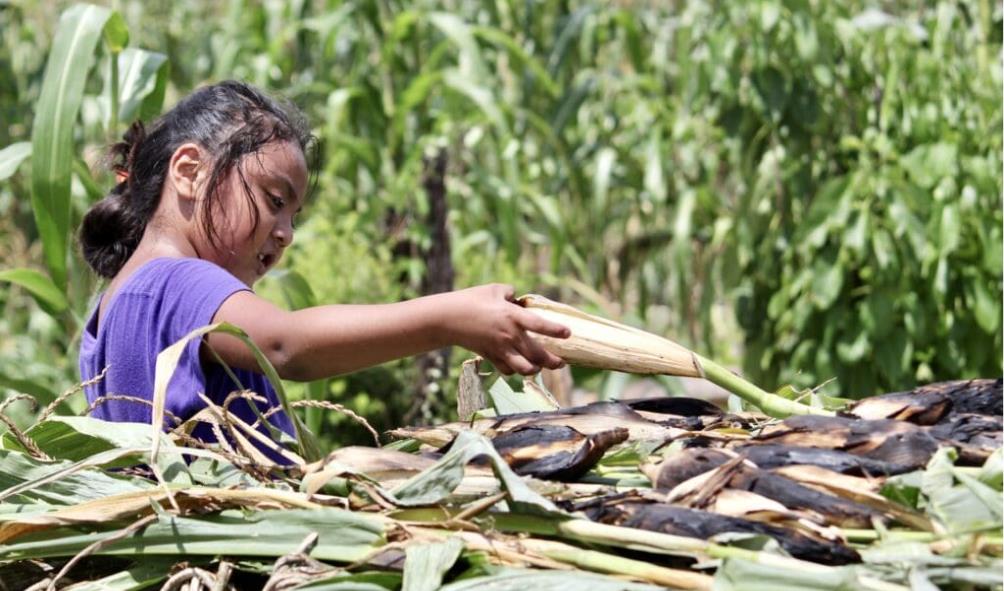
You’ll find that the milpa embodies the principles of cooperation and respect for nature, fostering a strong sense of community.
Festivals often celebrate the harvest, reinforcing bonds and honoring the earth.
In essence, the milpa serves as a living testament to resilience, identity, and the enduring spirit of Mexican culture.
Modern Challenges Facing Milpa Farming
While milpa farming has deep cultural roots, it faces numerous modern challenges that threaten its sustainability.
Urbanization is encroaching on traditional agricultural lands, making it harder for farmers like you to maintain your fields. Additionally, climate change disrupts weather patterns, leading to unpredictable rainfall and extreme temperatures that jeopardize crop yields.
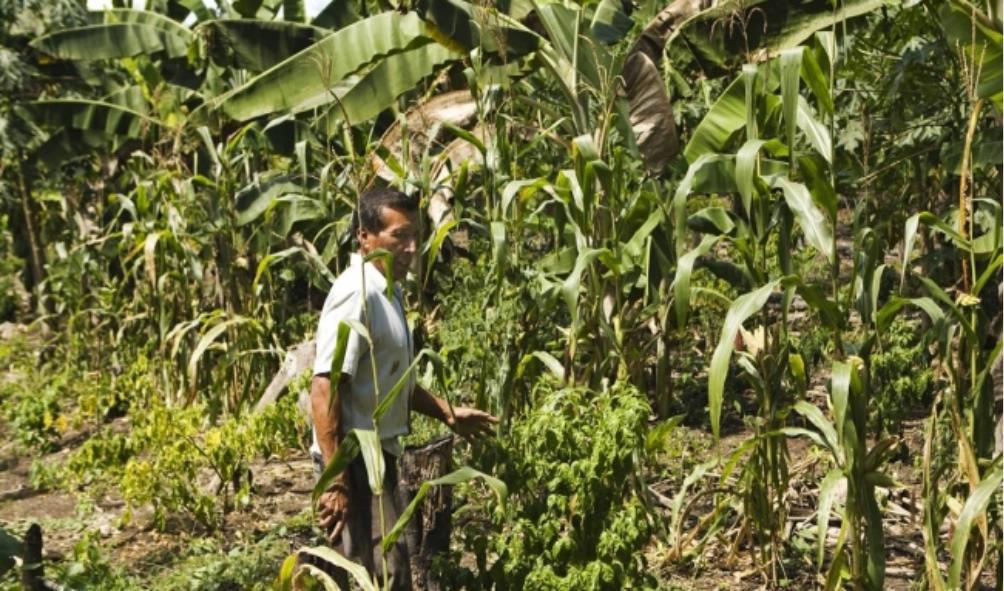
You might also struggle with dwindling resources, as access to water becomes scarcer and soil fertility declines. Moreover, young people are leaving rural areas for urban opportunities, causing a generational gap in farming knowledge and practices.
These factors create a complex web of issues that require immediate attention if milpa farming is to continue thriving in today's world.
Balancing tradition with modern realities is essential for the future of this vital agricultural system.
Innovations and Adaptations in Milpa Practices
To tackle the challenges facing milpa farming, many farmers are turning to innovative practices and adaptations that blend traditional methods with modern techniques.
You might notice that some are incorporating agroecological principles, focusing on biodiversity to enhance soil health and crop resilience. Cover cropping and crop rotation are now common strategies to maintain nutrients and combat pests naturally.
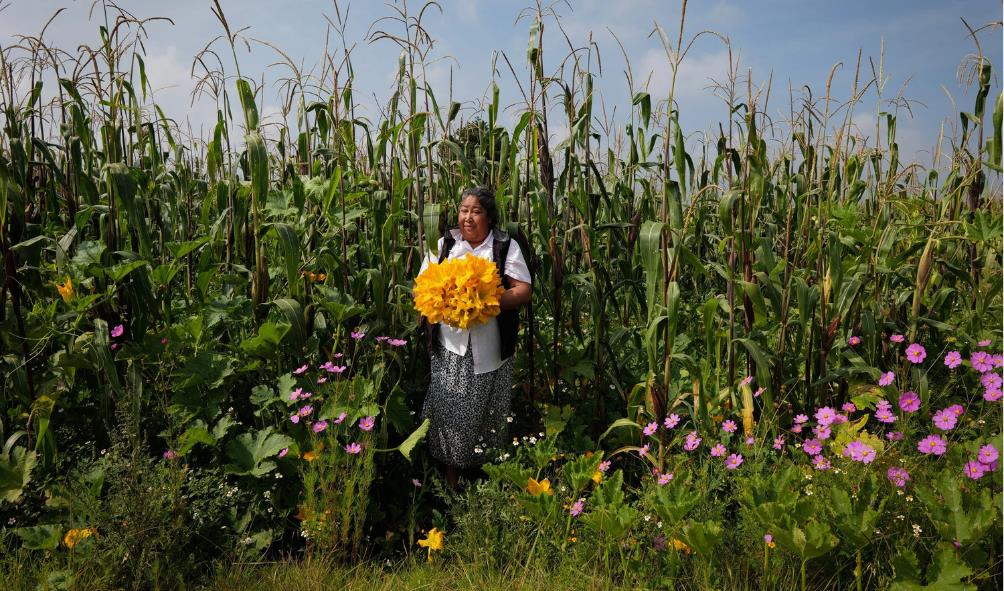
Farmers are also utilizing technology, such as mobile apps for weather tracking and soil monitoring, helping them make informed decisions.
Additionally, you’ll find some communities experimenting with organic fertilizers and pest management to reduce chemical inputs.
The Nutritional Benefits of Milpa-Grown Produce
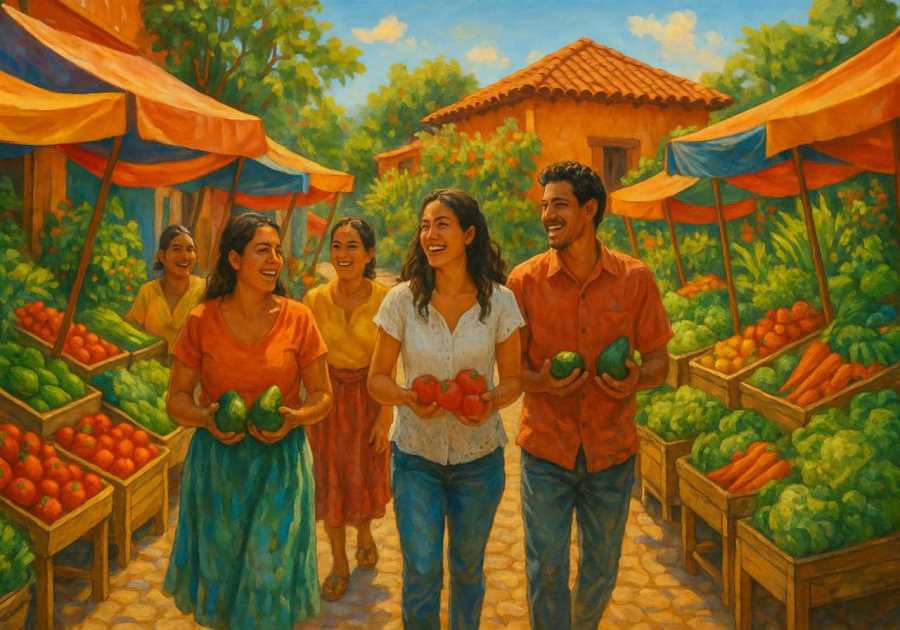
When you choose milpa-grown produce, you're not just supporting traditional farming; you're also benefiting from a diverse array of nutrients.
These crops, cultivated through time-honored methods, are rich in vitamins, minerals, and antioxidants that promote overall health.
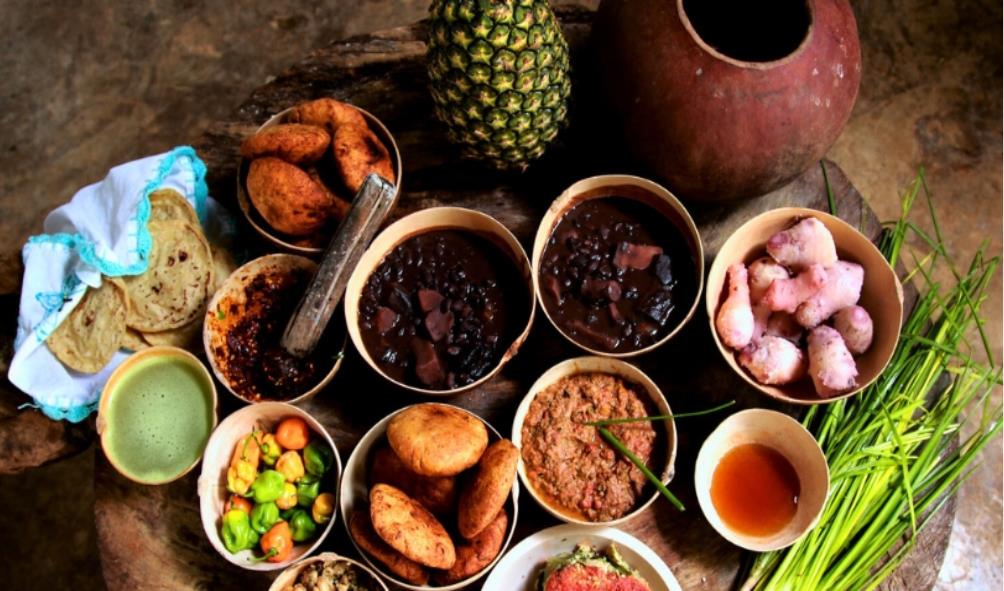
The intercropping technique used in milpas enhances soil quality, resulting in nutrient-dense vegetables and grains.
You’ll find that milpa produce often contains higher levels of essential nutrients compared to conventionally grown counterparts.
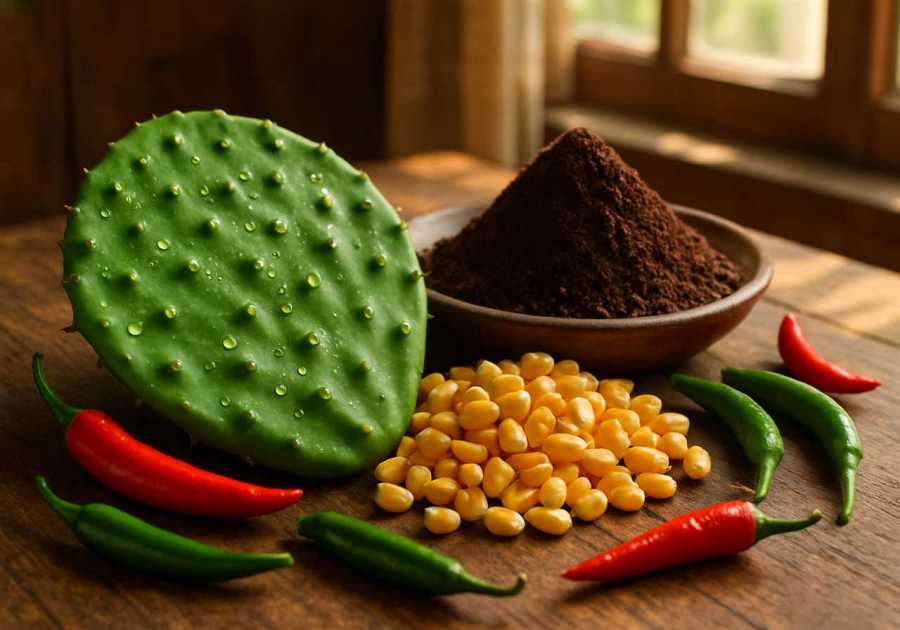
For example, the combination of corn, beans, and squash provides a complete protein source, while vibrant vegetables like tomatoes and peppers deliver vital antioxidants.
Preserving Milpa: Efforts for Future Generations
The rich nutritional benefits of milpa-grown produce highlight the importance of preserving this agricultural practice for future generations.
You can contribute by supporting local farmers and participating in community initiatives that promote milpa cultivation. Engage in workshops or educational programs that teach sustainable farming techniques and the cultural significance of milpa. Advocate for policies that protect land from industrial agriculture, ensuring that traditional practices remain viable.
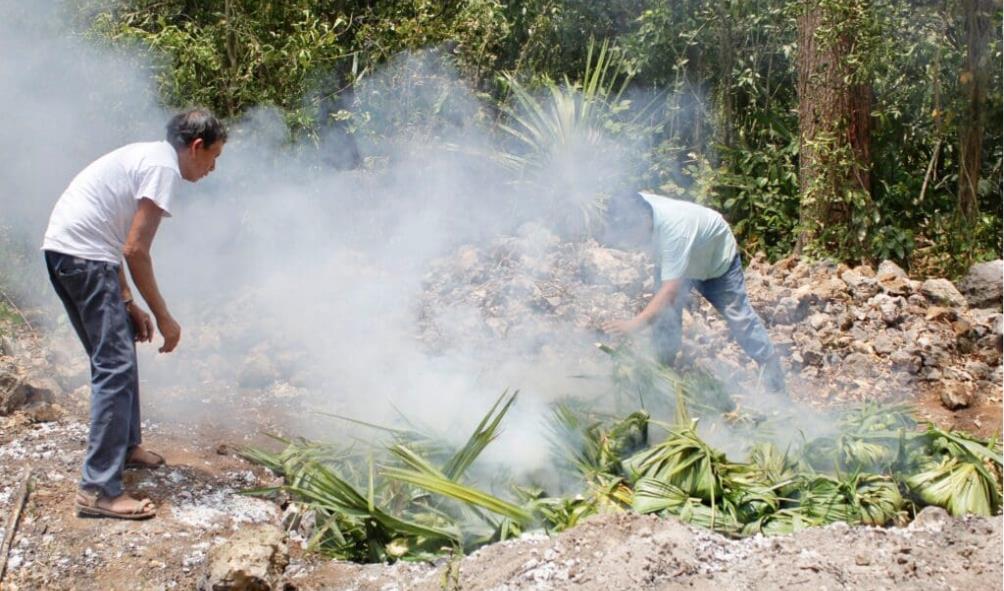
By sharing your knowledge and experiences, you can inspire others to appreciate and adopt milpa farming. Every small effort counts; whether it’s buying milpa produce at farmers' markets or promoting food sovereignty, you’re helping to safeguard this vital tradition.
Together, we can ensure milpa thrives for generations to come.
Conclusion
In celebrating the milpa tradition, you’re not just acknowledging an ancient farming system; you’re embracing a way of life that nurtures community and biodiversity. By supporting milpa practices, you help preserve a rich cultural heritage for future generations. Whether it’s through local markets or community events, your involvement can make a difference. Let's ensure that the wisdom of milpa farming continues to thrive, keeping its benefits alive for years to come.
Statistics
- Research indicates that traditional milpa farming can sequester up to 30% more carbon in the soil compared to conventional agricultural practices, playing a significant role in mitigating climate change.
- Mexico's ancient farming tradition, known as the milpa system, has been practiced for over 4,000 years, demonstrating its sustainability and resilience.
- Approximately 60% of the agricultural land in Mexico is still managed using traditional methods, including the milpa system, which supports biodiversity and soil health.
- Indigenous communities in Mexico rely on the milpa system not only for food security but also for cultural and spiritual practices, maintaining a deep connection to their ancestral land.
External Links
- National Geographic provides an in-depth look at the history and sustainability of the milpa farming system in Mexico.
- FAO offers a detailed report on the role of traditional agriculture, including the milpa system, in maintaining biodiversity in Mexico.
- ResearchGate hosts an academic paper on the ecological and cultural importance of the milpa system in the Mesoamerican tropics.
- The Guardian explores how the milpa system is being used to combat modern agricultural challenges.
How to Preserve Biodiversity with Milpa Farming Techniques
Milpa farming techniques are instrumental in preserving biodiversity. Begin by adopting the polyculture approach, which involves planting multiple crop species together. This method creates a diverse ecosystem that supports various plant and animal life. Use heirloom seeds to maintain genetic diversity, and rotate crops annually to prevent soil depletion and reduce pest cycles. Avoid synthetic fertilizers and pesticides, opting instead for organic methods like composting and natural pest deterrents. Encourage beneficial insects by planting companion plants and maintaining a habitat for pollinators. By implementing these techniques, you contribute to the conservation of biodiversity, ensuring resilient ecosystems and sustainable food production.
Plan the perfect group trip, your way.
Get an instant personalized itinerary. We handle logistics, payments, and provide a dedicated itinerary, while local experts fine-tune every detail. Enjoy full freedom—without the stress of organizing it all.
https://escapetomexiconow.com/tourhero
Recommended Resources:
Discover where freedom, adventure, and opportunity await you.
https://escapetomexiconow.com/
https://escapetomexiconow.info/
https://escapetopanamanow.info/
https://escapetothephilippinesnow.com/
YouTube Channel:
Your next adventure starts here! Join us on YouTube for destination tours, insider advice, and everything you need to make your escape unforgettable.
https://www.youtube.com/@EscapeToMexicoNow