.png)
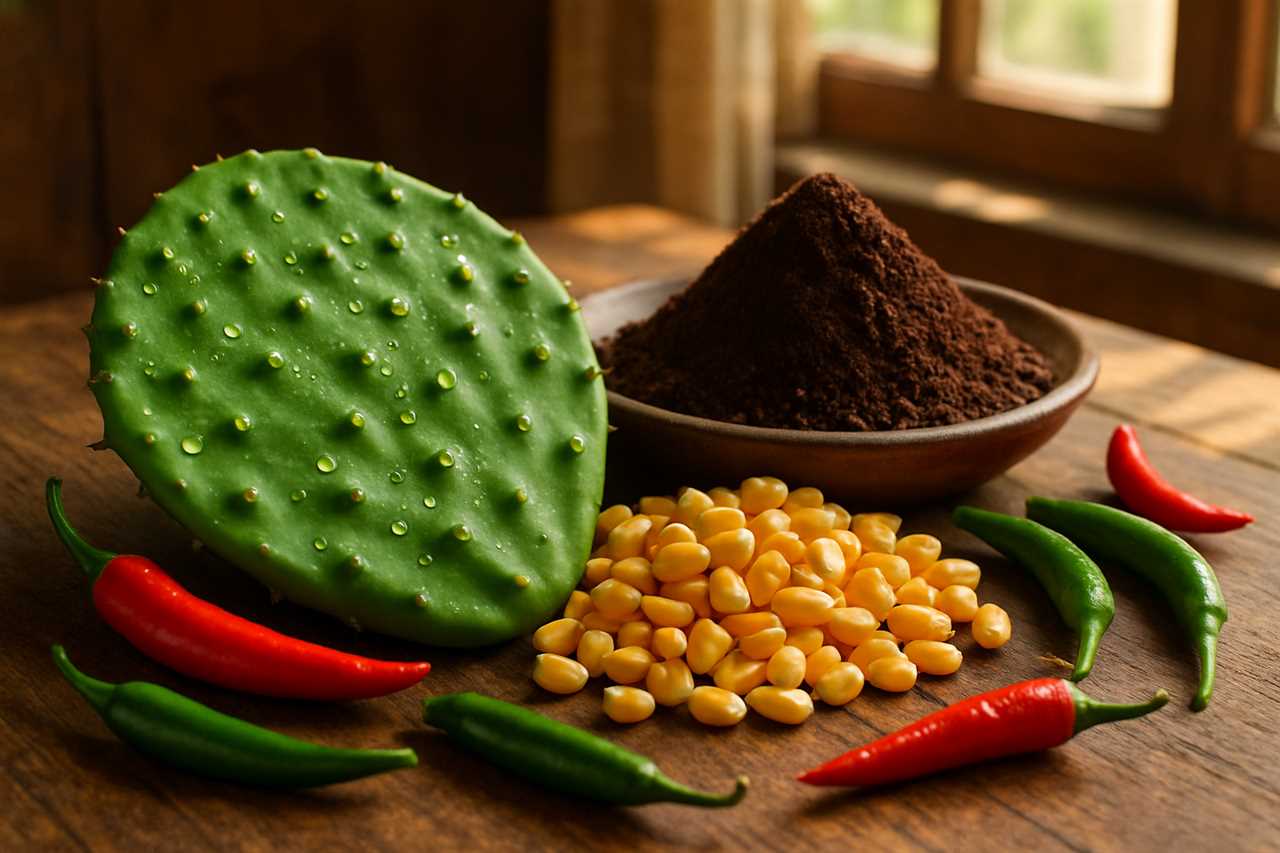
When you think about Mexican cuisine, you might picture vibrant dishes filled with bold flavors. But there's a deeper story behind those ingredients, like corn, cacti, and cacao. These native foods are more than just staples; they reflect a rich cultural heritage and a connection to the land. As you explore their history and significance, you'll uncover how these elements shape not only traditional meals but also modern culinary innovations. What’s the real impact of these ingredients on today’s food scene?
The Historical Roots of Mexico's Native Ingredients
As you delve into the rich tapestry of Mexico's culinary heritage, you'll discover that its native ingredients are steeped in history and culture.
From ancient civilizations like the Aztecs and Mayans to modern-day kitchens, these ingredients tell a story of adaptation and survival.
Corn, for instance, isn’t just a staple; it symbolizes life and sustenance, cultivated for thousands of years.
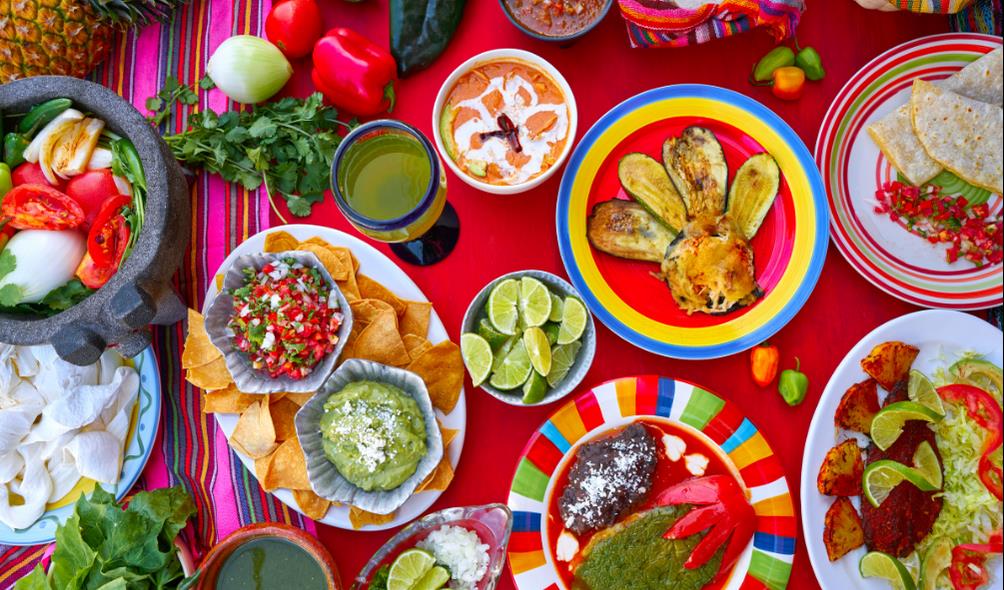
Cacti, with their resilience in arid climates, showcase the ingenuity of indigenous peoples in utilizing available resources.
Chocolate, derived from cacao, once served as currency and a sacred drink, illustrating its deep-rooted significance.
Each ingredient reflects a unique blend of tradition and innovation, connecting you to a vibrant past that continues to shape Mexico's culinary landscape today.
Exploring the Diversity of Native Foods
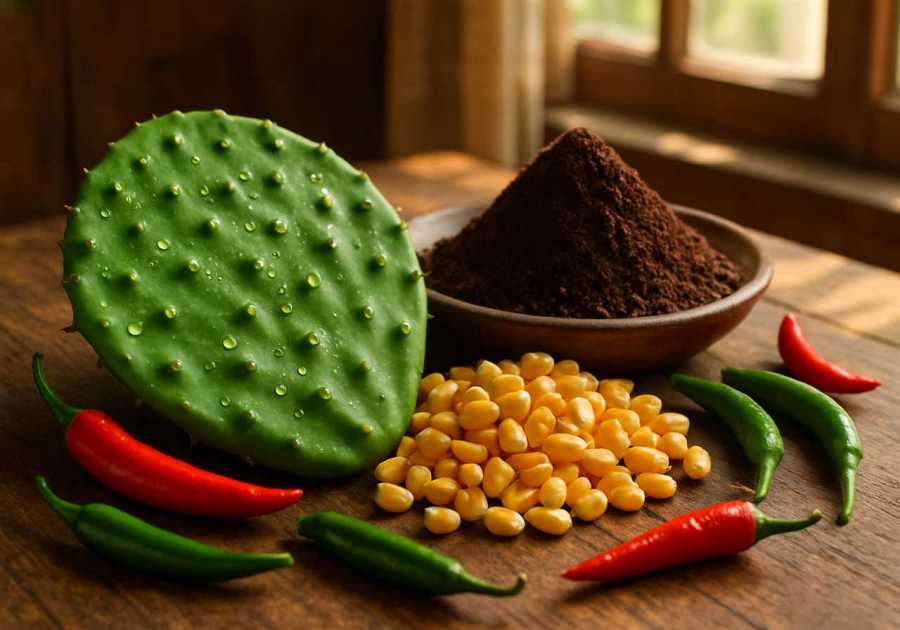
Mexico's culinary landscape boasts an incredible variety of native foods that reflect its diverse ecosystems and cultural influences. From the arid deserts to lush rainforests, you'll discover ingredients like nopal cactus, amaranth, and various chili peppers, each bringing unique flavors and textures to the table.
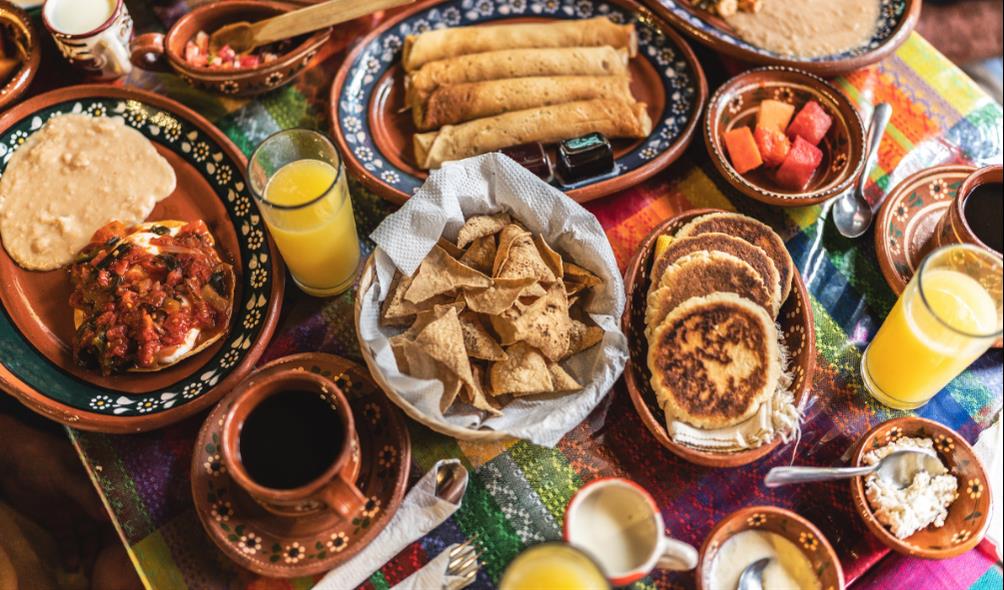
You can taste the rich heritage in staples such as corn, beans, and squash, which have nourished generations. Explore the vibrant colors of indigenous fruits like pitaya and guava, which thrive in different regions.
As you delve deeper, you'll find ancient grains and herbs that enhance traditional dishes, showcasing the ingenuity of indigenous peoples. Embrace the multifaceted nature of these foods, and you’ll gain a deeper appreciation for Mexico’s culinary identity.
Culinary Uses and Traditional Dishes
While exploring the culinary landscape, you'll find that native foods of Mexico play a crucial role in traditional dishes that have been passed down through generations. Ingredients like corn, beans, and chili peppers form the backbone of meals, creating flavors that are both vibrant and comforting.
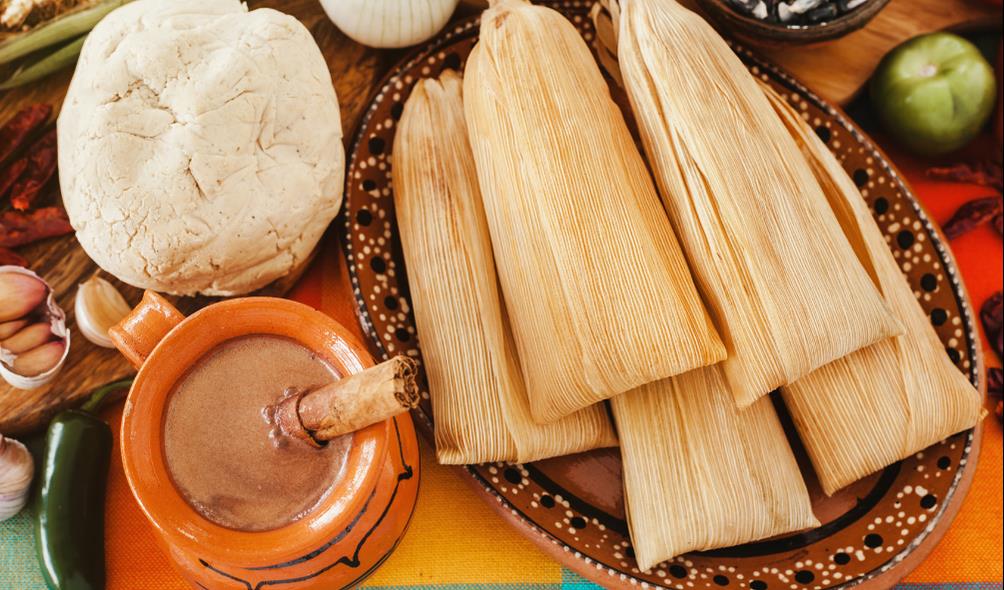
You might enjoy tamales, made from masa and filled with meats or vegetables, wrapped in corn husks and steamed to perfection. Tacos, filled with everything from grilled meats to sautéed cactus, showcase the versatility of native ingredients.
Don't forget about mole, a rich sauce with chocolate and spices, often served over chicken or turkey. Each dish tells a story, connecting you to the land and its rich culinary heritage.
The Role of Native Foods in Modern Mexican Cuisine
Native foods continue to shape the landscape of modern Mexican cuisine, blending tradition with innovation. You’ll find vibrant ingredients like tomatillos, nopales, and native corn in contemporary dishes, creating a unique culinary experience.
Chefs are reinterpreting classic recipes, incorporating these elements in unexpected ways, such as using heirloom corn varieties to make gourmet tortillas.
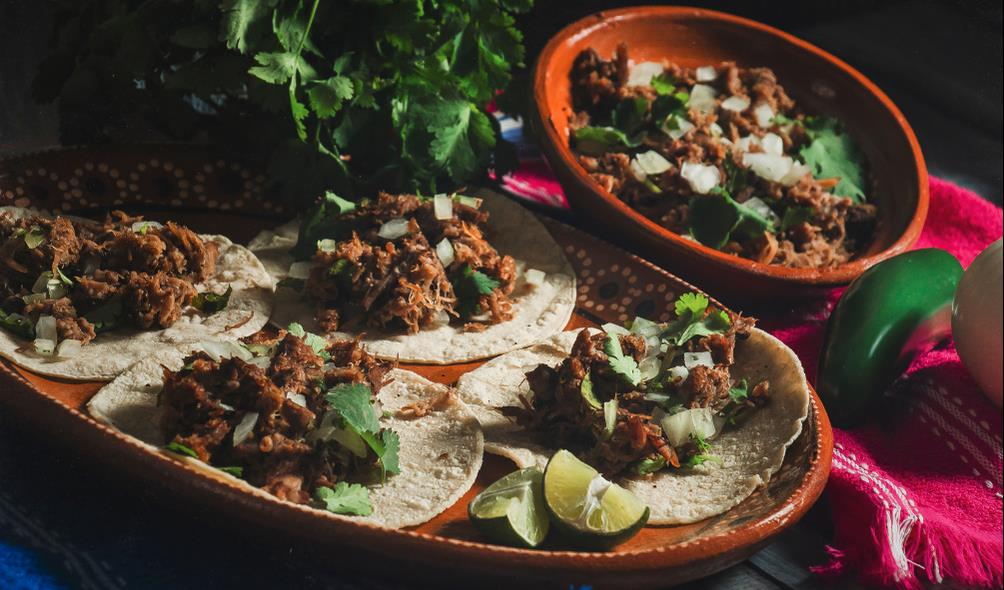
Street food remains a crucial aspect, where indigenous ingredients meet urban flavors, allowing you to savor the essence of Mexico.
You’ll also see native foods featured in upscale restaurants, demonstrating their versatility and appeal. This fusion not only honors cultural heritage but also invites new generations to explore their roots.
The Cultural Significance of Indigenous Ingredients
Indigenous ingredients hold deep cultural significance, as they connect people to their history and identity.
When you savor a dish made with traditional ingredients like corn or beans, you’re tasting the essence of generations past.
These foods tell stories of resilience and adaptation, reflecting the rich tapestry of cultural practices. Each ingredient embodies ancestral knowledge, passed down through families and communities.
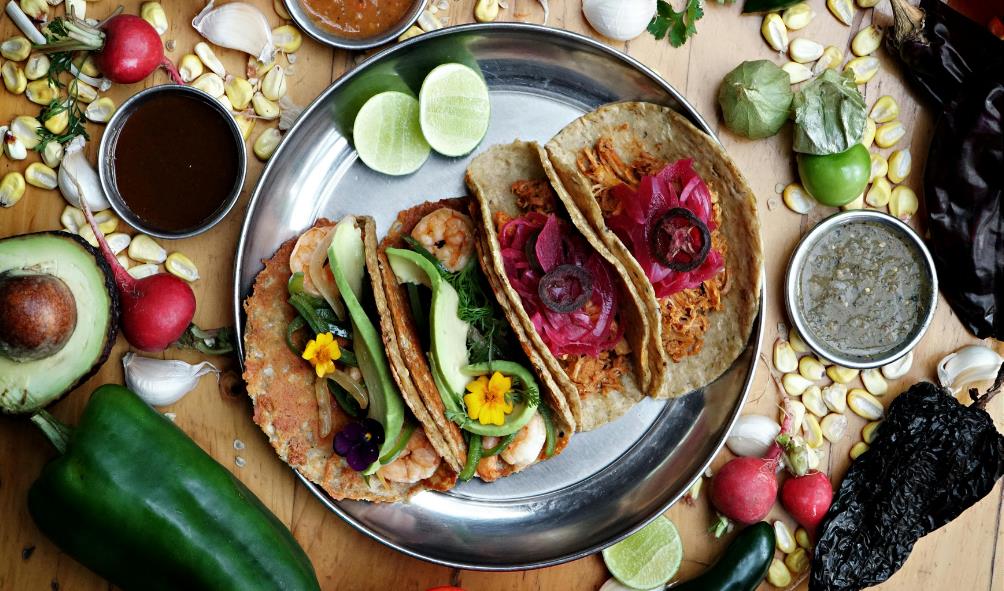
By using indigenous ingredients, you honor not just the flavors but the people behind them, fostering a sense of belonging.
It’s a way to celebrate heritage while promoting sustainability, as many native crops thrive in local ecosystems.
Embracing these ingredients helps keep traditions alive and strengthens cultural pride, ensuring that future generations can enjoy and appreciate their rich culinary legacy.
Conclusion
In exploring Mexico's native foods, you uncover a vibrant tapestry of history and culture. From the ancient practices surrounding corn and cacao to the innovative dishes gracing modern tables, these ingredients connect you to a rich heritage. Embracing these flavors not only enhances your culinary experience but also honors the resilience and identity of indigenous communities. By celebrating these native foods, you join a movement that champions sustainability and cultural pride in every bite.
Statistics
- Chili peppers, originating from Mexico, are now a global culinary staple, with over 50 varieties grown in the country.
- Cocoa, native to Mexico, was first cultivated by the ancient Olmecs over 3,000 years ago, making it one of the oldest domesticated crops in the region.
- The nopal cactus, a common ingredient in Mexican dishes, provides a significant source of vitamins A, C, and K, as well as calcium and magnesium.
- Maize, a staple in Mexican diets, was first domesticated around 9,000 years ago in the Balsas River Valley, transforming agriculture in the Americas.
How to Grow Your Own Cactus for Culinary Use
Growing your own cactus, like the nopal, for culinary use is a rewarding endeavor. Start by selecting a sunny spot in your garden or a large pot with well-draining soil. Plant cactus pads or seeds, ensuring they receive ample sunlight and minimal water. Cacti thrive in dry conditions, so water sparingly. As they grow, harvest pads when they are young and tender for the best flavor. Home-grown cactus can be used in a variety of dishes, offering a fresh and sustainable source of this nutritious ingredient.
Want to travel with more time and freedom?
The freedom to travel! Discover free & unique homestays around the world, in exchange for caring for adorable pets.
https://escapetomexiconow.com/ths
Recommended Resources:
Ready to explore life beyond borders? Check out our trusted guides to Mexico, Panama, and the Philippines — your gateways to new adventures, culture, and opportunity.
https://escapetomexiconow.com/
https://escapetomexiconow.info/
https://escapetopanamanow.info/
https://escapetothephilippinesnow.com/
YouTube Channel:
See Mexico like never before! From local culture to travel hacks, our YouTube channel brings the adventure straight to you.
https://www.youtube.com/@EscapeToMexicoNow