.png)
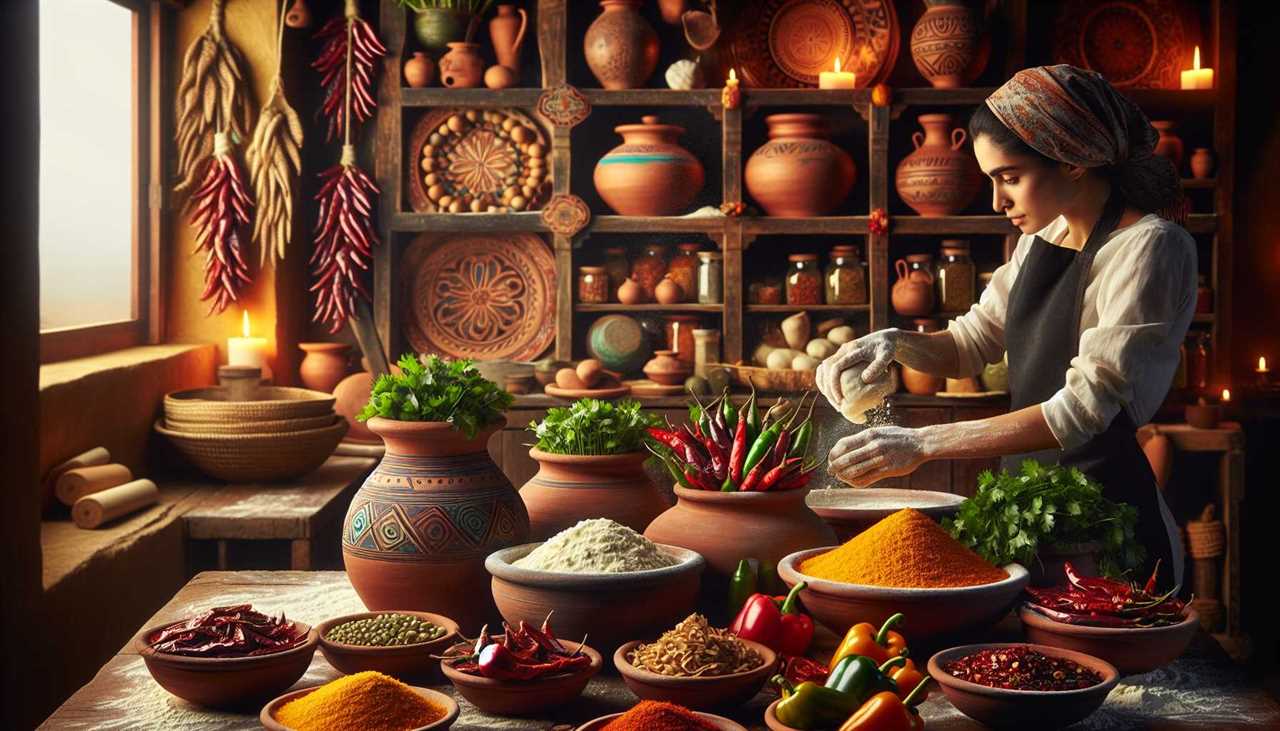
When you think about traditional Mexican cooking, you might picture vibrant dishes simmering in clay pots. These methods aren't just about flavor; they're rooted in history and health. The ingredients, like corn and beans, offer vital nutrients. Plus, the cooking techniques enhance both taste and well-being. But there's more to the story—understanding the role of community and modern adaptations can reshape your view of this culinary art. What else could you discover?
The Historical Roots of Mexican Cuisine
When you delve into the historical roots of Mexican cuisine, you discover a rich tapestry woven from indigenous ingredients and centuries of cultural exchange.
The ancient civilizations, like the Aztecs and Mayans, cultivated staples such as corn, beans, and chili peppers, forming the foundation of what you now enjoy in traditional dishes.
Spanish colonization introduced new flavors and techniques, blending with indigenous practices to create a unique culinary identity.
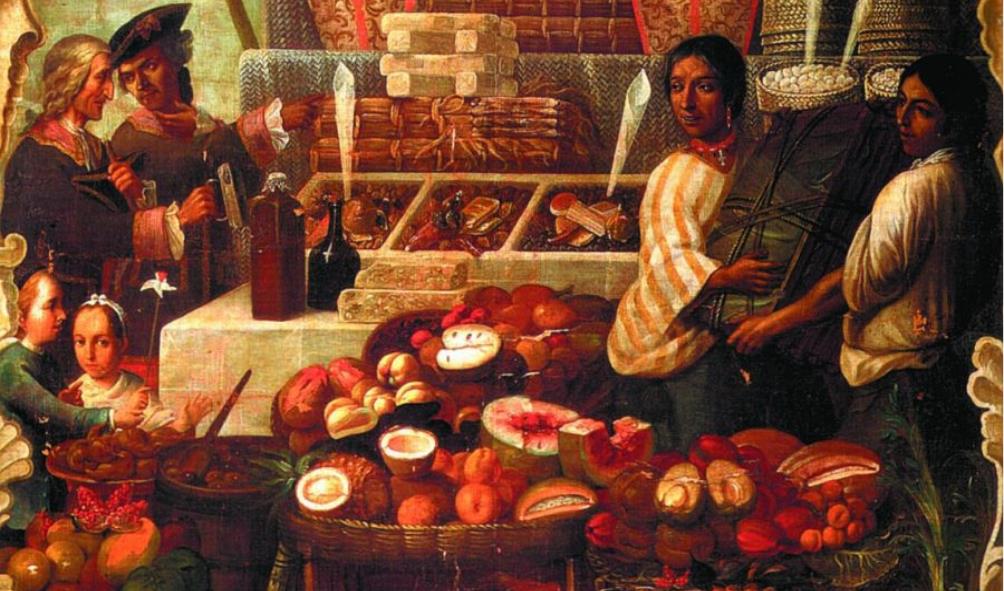
You’ll find that traditional cooking methods, such as using clay pots and open flames, enhance the flavors and textures of these ingredients.
Each region in Mexico boasts its own specialties, reflecting local resources, climate, and history.
This vibrant culinary heritage invites you to explore and appreciate the stories behind each dish.
Nutritional Benefits of Traditional Ingredients
Although traditional Mexican ingredients are often celebrated for their bold flavors, they also offer a wealth of nutritional benefits that contribute to a balanced diet.
For instance, beans are packed with protein, fiber, and essential minerals, making them a staple for energy and digestion. Corn provides complex carbohydrates and vital nutrients like magnesium and B vitamins.
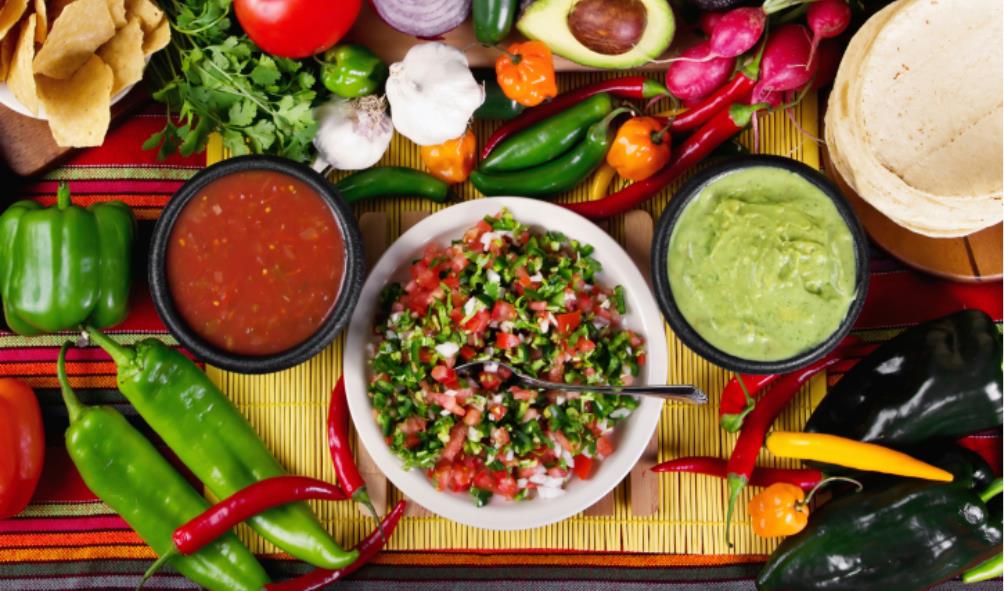
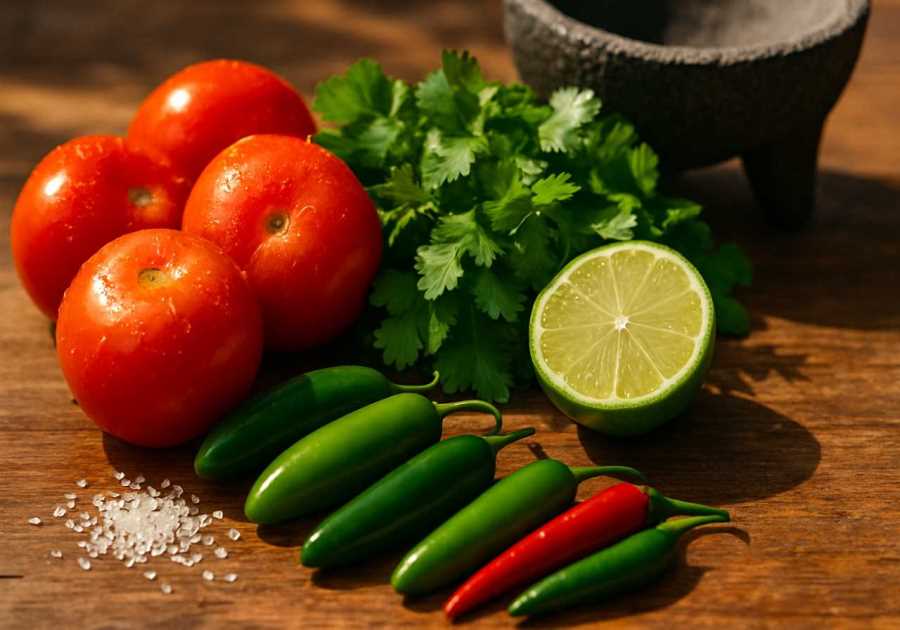
Fresh vegetables, such as tomatoes and peppers, are rich in antioxidants and vitamins that boost your immune system. Herbs like cilantro and oregano not only enhance flavors but also have anti-inflammatory properties.
Avocados, loaded with healthy fats, support heart health. By incorporating these ingredients into your meals, you’re not just indulging in delicious flavors, but also nourishing your body with essential nutrients.
Cooking Techniques That Enhance Flavor and Health
To truly appreciate the richness of traditional Mexican cooking, it’s essential to master cooking techniques that not only enhance flavor but also preserve the nutritional integrity of ingredients.
Techniques like toasting spices before adding them to your dishes can intensify their aromas and flavors, making your meals more vibrant.
Slow-cooking meats in a clay pot allows for even heat distribution, resulting in tender, juicy dishes packed with nutrients.
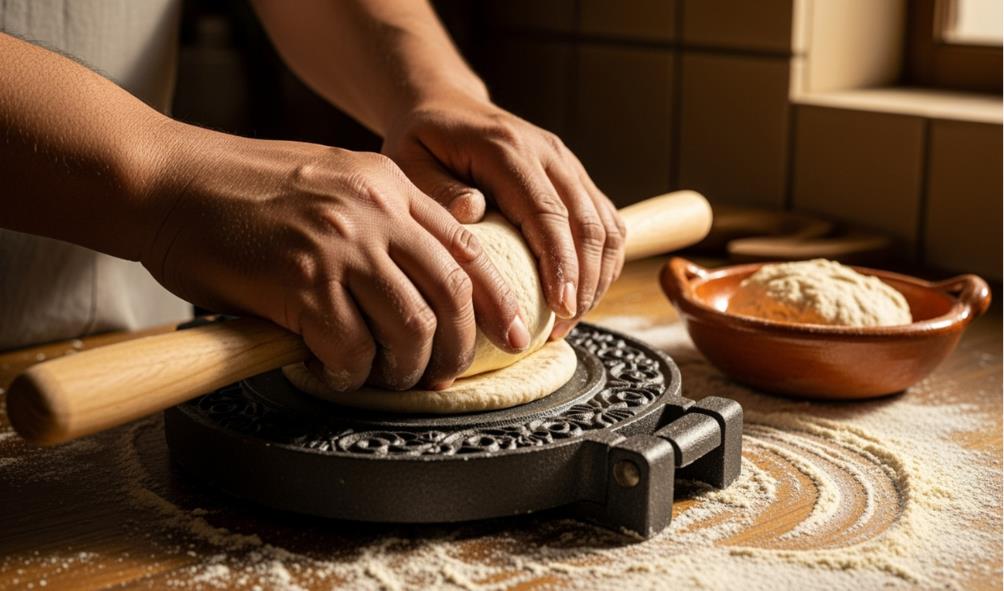
Steaming vegetables instead of boiling helps retain their color and essential vitamins.
Using fresh herbs and citrus zest at the end of cooking brightens flavors without adding calories.
Finally, incorporating fermentation through traditional salsas or pickled vegetables can boost gut health while adding a tangy twist to your meals.
The Role of Community in Culinary Practices
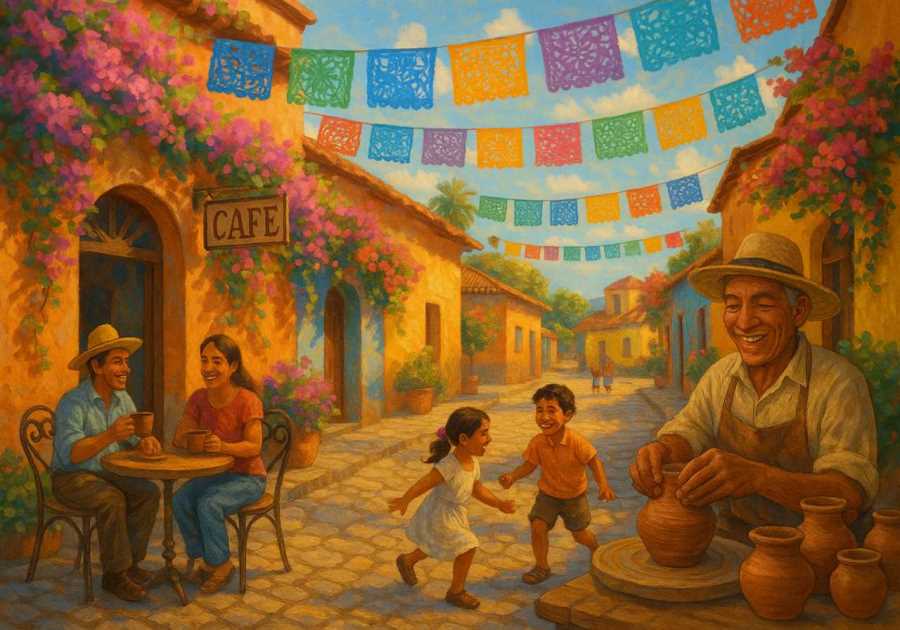
As you explore traditional Mexican cooking, you'll quickly realize that community plays a vital role in shaping culinary practices. Families often gather to prepare meals together, passing down recipes and techniques from generation to generation. This shared experience not only strengthens bonds but also ensures that cultural heritage thrives.
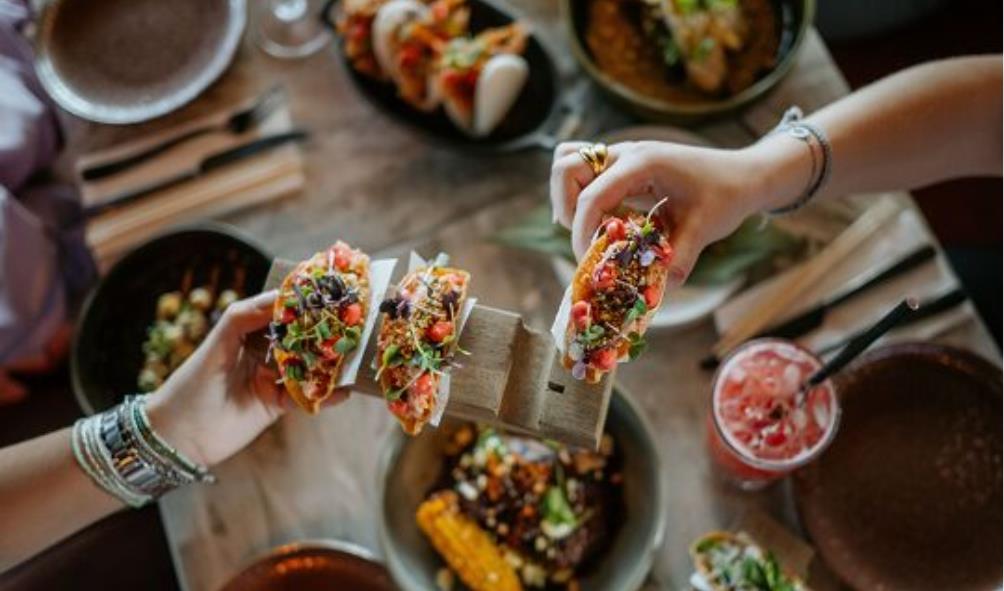
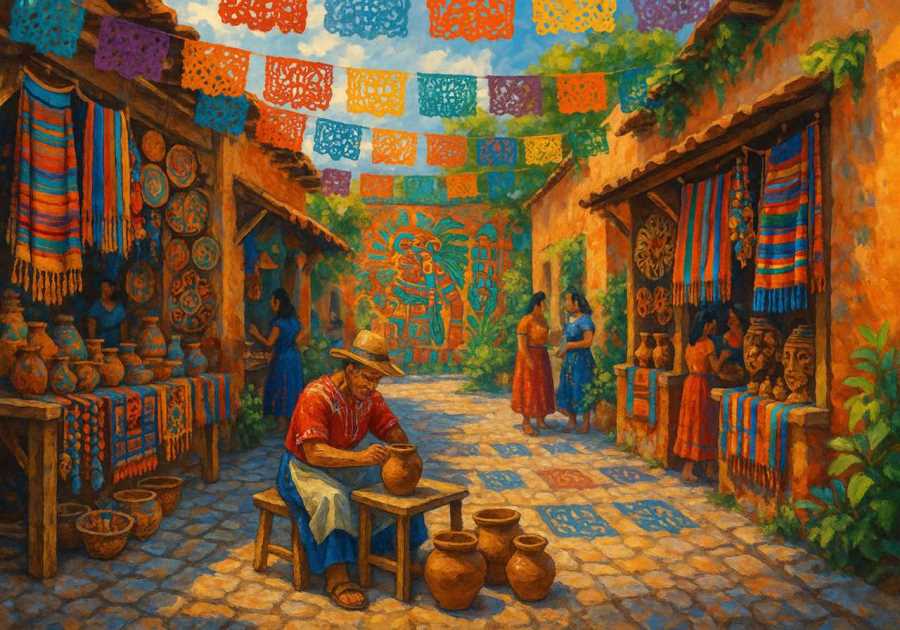
You’ll notice how local ingredients are celebrated, reflecting regional flavors and seasonal availability. Markets become meeting spots for exchanging tips and ingredients, fostering a sense of belonging.
Festivals and communal feasts showcase these culinary traditions, inviting everyone to partake in the joys of cooking and eating together. In essence, community isn’t just about sharing food; it’s about preserving stories, creating memories, and nurturing connections through the art of cooking.
Modern Adaptations of Traditional Recipes
While traditional Mexican recipes form the backbone of the cuisine, modern adaptations are breathing new life into these beloved dishes.
You might find chefs swapping out lard for healthier oils or experimenting with quinoa in classic tamales. These tweaks not only cater to contemporary dietary needs but also invite creativity in the kitchen.
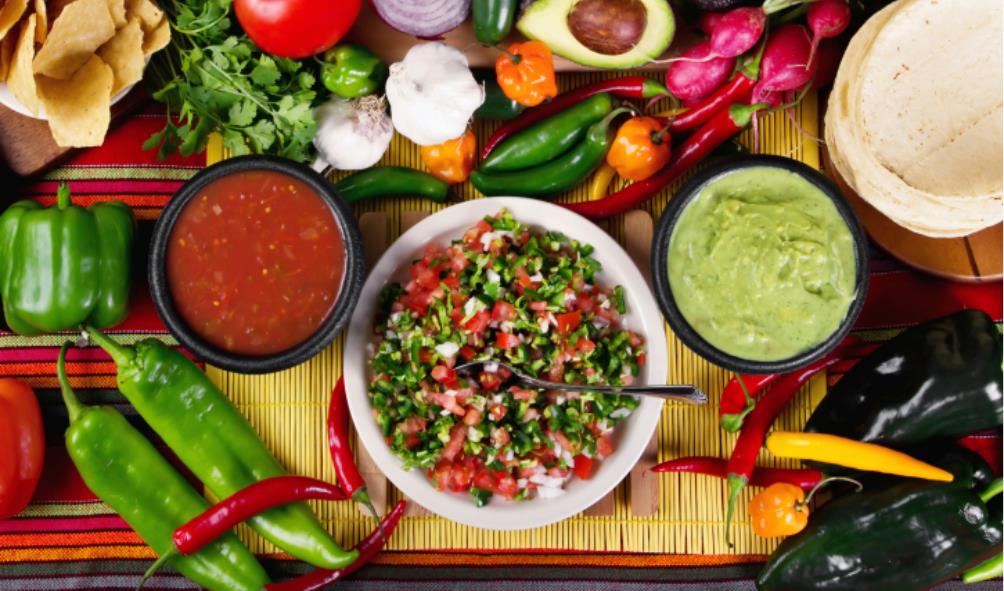
You can try using plant-based proteins in tacos or gluten-free flours for tortillas, keeping the essence of the original recipes intact. The fusion of flavors and techniques allows you to enjoy traditional meals while embracing a healthier lifestyle.
So, don’t hesitate to mix it up—your culinary journey can honor the past while celebrating modern tastes and innovations.
Enjoy the delicious results of your kitchen experimentation!
Conclusion
In exploring traditional Mexican cooking, you’ve uncovered a vibrant history that nourishes both body and soul. By embracing indigenous ingredients and time-honored techniques, you not only enhance your meals but also connect with a rich cultural legacy. As you share these dishes with loved ones, you foster community bonds that transcend generations. So, keep experimenting with these flavors and methods, and let the essence of traditional Mexican cuisine inspire your cooking journey for health and happiness.
Statistics
- The use of traditional cooking utensils, like the molcajete, can improve the texture and taste of salsas by 50% compared to using a blender.
- Traditional Mexican diets, rich in whole grains and legumes, can reduce the risk of type 2 diabetes by 30% when compared to diets high in processed foods.
- Traditional Mexican cooking methods, such as using clay pots, can enhance the flavor of food by up to 30% compared to modern cooking techniques.
- Research indicates that the physical activity involved in traditional Mexican cooking, such as grinding corn by hand, can burn up to 200 calories per hour.
External Links
- Why Mexican Food Is So Delicious - National Geographic provides insights into the unique flavors and cooking techniques that make Mexican cuisine stand out.
- Mexican Cooking Basics - The Spruce Eats provides an overview of the essential ingredients and techniques in Mexican cooking.
- Traditional Mexican Cooking Methods - This blog details various traditional Mexican cooking methods and their significance in preserving culture and flavor.
- How To Cook Like A Mexican Without A Recipe - This NPR article explores the traditional methods of Mexican cooking that rely on intuition and experience rather than written recipes.
How To Experience the Cultural Significance of Mexican Cooking
Experiencing the cultural significance of Mexican cooking involves more than just preparing food; it's about understanding its heritage. Start by learning about the history and traditions behind each dish. Participate in local cooking classes or workshops to gain hands-on experience. Visit Mexican markets to see the variety of ingredients and their cultural importance. Engage with community events or festivals that celebrate Mexican cuisine. By immersing yourself in these experiences, you not only enhance your cooking skills but also gain a deeper appreciation for the rich cultural tapestry that defines Mexican cooking. This connection enriches your culinary journey and broadens your cultural perspective.
Plan the perfect group trip, your way.
Get an instant personalized itinerary. We handle logistics, payments, and provide a dedicated itinerary, while local experts fine-tune every detail. Enjoy full freedom—without the stress of organizing it all.
https://escapetomexiconow.com/tourhero
Recommended Resources:
Discover where freedom, adventure, and opportunity await you.
https://escapetomexiconow.com/
https://escapetomexiconow.info/
https://escapetopanamanow.info/
https://escapetothephilippinesnow.com/
YouTube Channel:
Your next adventure starts here! Join us on YouTube for destination tours, insider advice, and everything you need to make your escape unforgettable.
https://www.youtube.com/@EscapeToMexicoNow