.png)
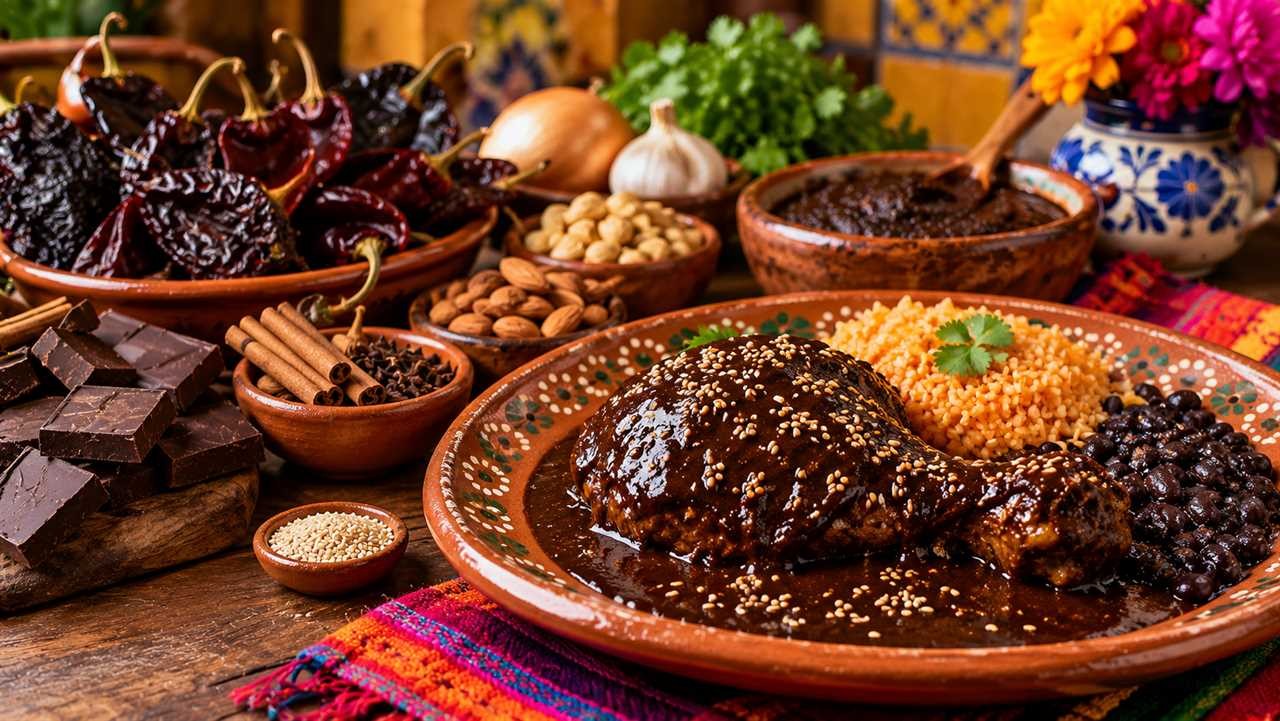
When you think about Mexican cuisine, mole often stands out as a fascinating blend of flavors and history. This complex sauce, with its rich ingredients and regional variations, tells a story of cultural fusion. As you explore its origins and preparation, you'll uncover the art behind crafting this culinary masterpiece. But what truly makes mole a symbol of Mexican heritage? The answer lies in its diverse interpretations and the celebrations that bring it to life.
The Origins of Mole: A Historical Overview
While you might think of mole as a modern Mexican dish, its origins actually trace back to ancient civilizations. The word "mole" comes from the Nahuatl term "molli," meaning sauce.
Pre-Columbian cultures, like the Aztecs, created rich sauces to accompany their dishes, often using local ingredients like chiles and spices. These early recipes laid the groundwork for what would evolve into mole.
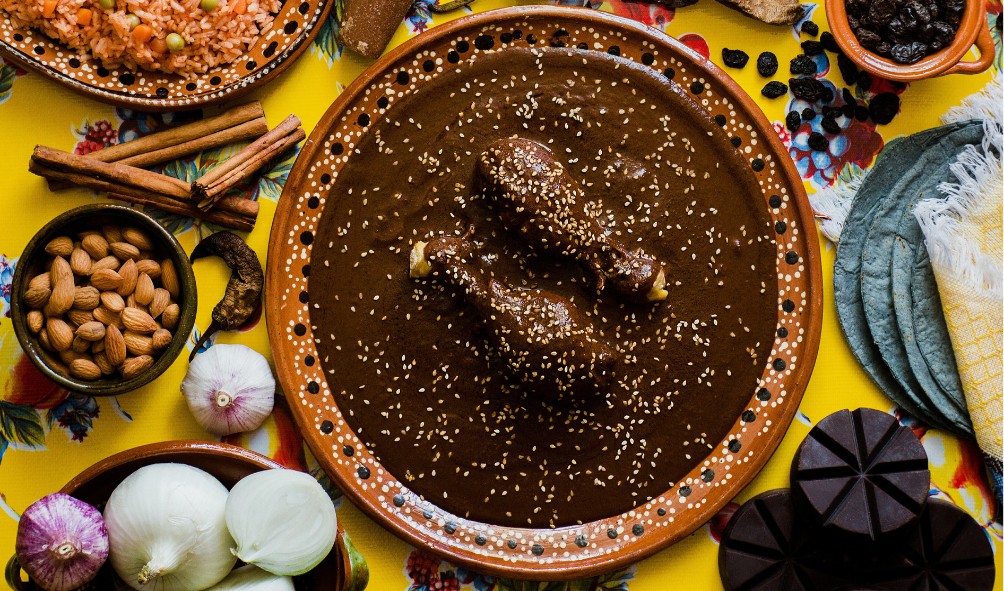
When Spanish colonizers arrived, they introduced new ingredients, including chocolate, which transformed mole into a more complex and flavorful sauce.
Over time, various regions of Mexico developed their own versions, reflecting local tastes and traditions. This blending of indigenous and European influences created the diverse and cherished culinary tradition we know today as mole.
Key Ingredients: What Makes Mole Unique
Mole’s uniqueness stems from a harmonious blend of key ingredients that create its signature depth of flavor.
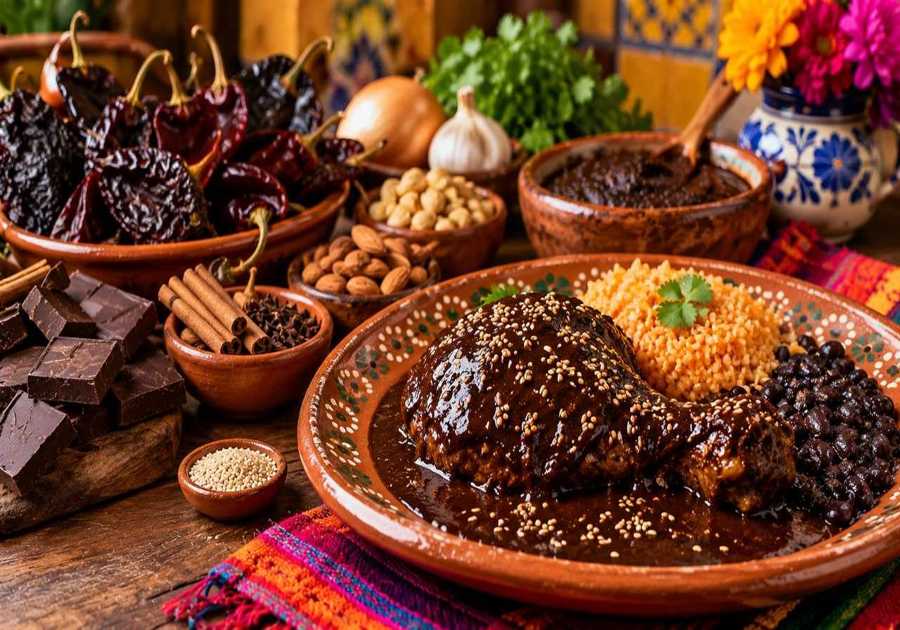
You’ll find a variety of chiles, such as ancho and guajillo, which provide both heat and sweetness. Adding complexity, toasted nuts, like almonds or peanuts, contribute a rich, creamy texture.
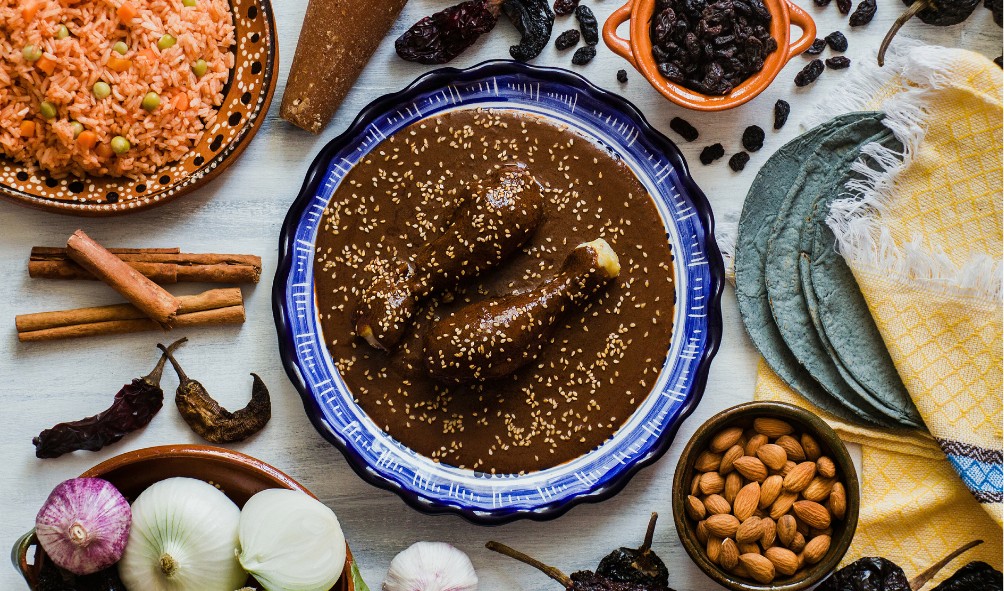
Don’t forget about spices; cinnamon, cloves, and cumin work together to elevate the dish. Chocolate, whether dark or semi-sweet, adds an unexpected layer of richness that defines mole.
Additionally, the use of fresh herbs like cilantro and epazote enhances the overall profile. Each ingredient plays a crucial role, ensuring that no two moles taste exactly the same.
Experimenting with these elements lets you appreciate the magic and versatility of this beloved sauce.
Varieties of Mole: A Regional Exploration
As you delve into the regional varieties of mole, you'll discover a rich tapestry of flavors that reflect the diverse cultures and ingredients found throughout Mexico.
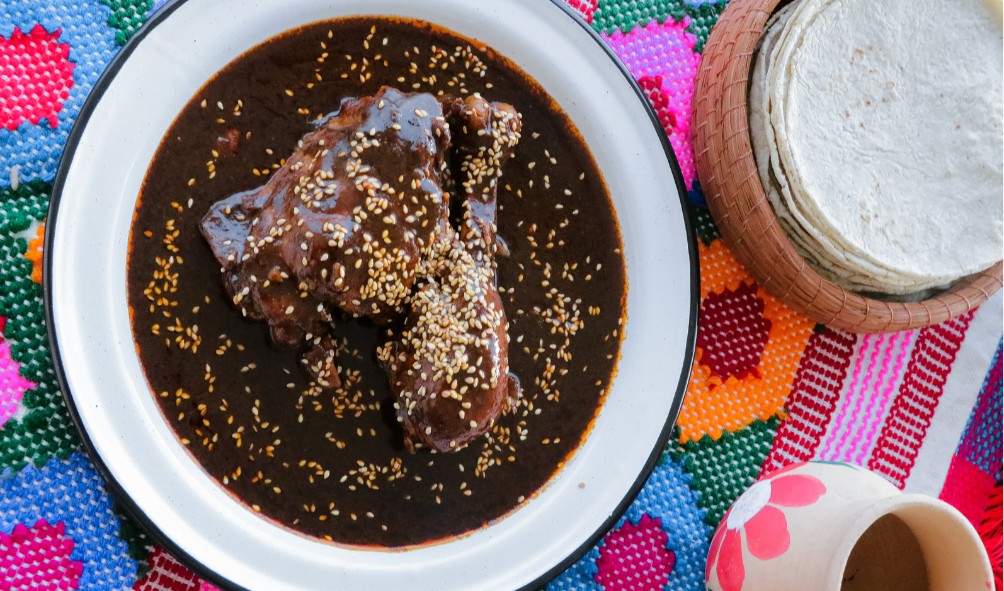
In Oaxaca, mole negro stands out with its deep, smoky notes and rich chocolate undertones. Meanwhile, Puebla boasts mole poblano, a classic blend of spices and chocolate that’s often served over turkey.
Don’t miss mole verde from the central regions, featuring fresh herbs and tomatillos for a vibrant, zesty taste.
In the Yucatán, mole de olla combines meats and veggies in a hearty stew-like dish.
Each region tells a story through its mole, showcasing local traditions and ingredients that make every bite a unique experience.
Explore these varieties to truly appreciate the magic of mole.
The Art of Preparation: Crafting Mole From Scratch
Crafting mole from scratch is a rewarding journey that allows you to connect with Mexico's culinary heritage. Start by gathering your ingredients: dried chiles, nuts, spices, and chocolate.
Toasting chiles brings out their flavors, so don’t skip this step. Blend them with garlic, onions, and a mix of spices to create a rich paste.
Next, cook this paste slowly in oil, allowing the flavors to meld. Add broth gradually, stirring until you achieve the desired consistency. Incorporate toasted nuts or seeds for added texture.
Finally, balance the sauce with a hint of sweetness from chocolate or sugar. Let it simmer, and you'll discover the depth and complexity that makes mole a beloved dish in Mexican cuisine.
Enjoy the process!
Mole in Mexican Celebrations: Cultural Significance
Mole plays a pivotal role in Mexican celebrations, infusing gatherings with rich flavors and deep cultural meaning. When you attend a wedding, quinceañera, or family fiesta, you’ll likely encounter this beloved sauce, symbolizing unity and tradition.
Each region boasts its unique mole, showcasing local ingredients and culinary heritage. As you savor its complex layers, you’re not just tasting food; you’re experiencing history and community.
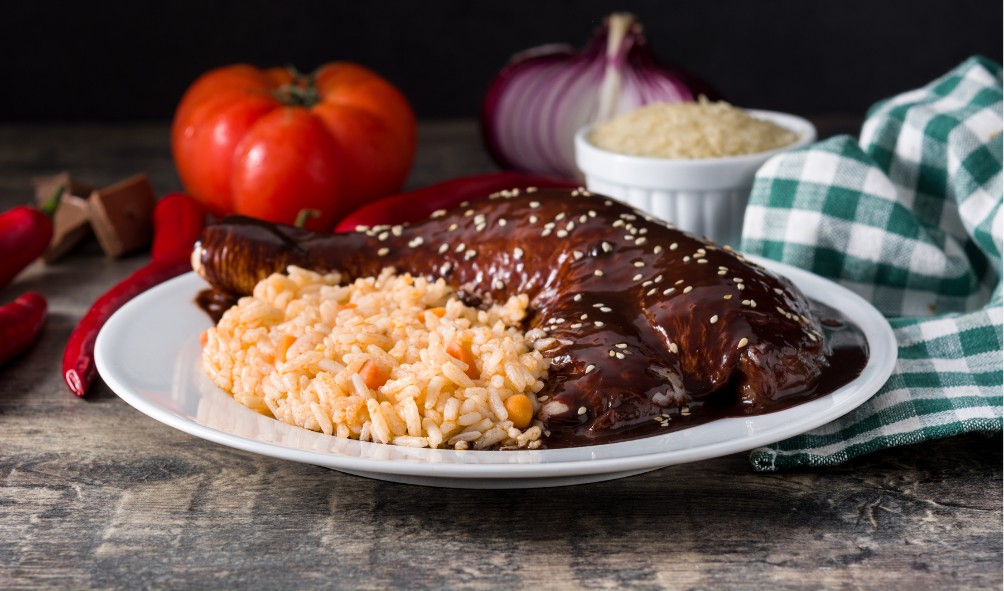
Mole often takes center stage during festive meals, bringing families together to share stories and laughter. It’s a dish that transcends mere sustenance, serving as a reminder of cultural identity and familial bonds.
In every bite, you celebrate the heart of Mexico's vibrant culture and the cherished moments that define it.
Pairing Mole: Perfect Complements and Sides
When you think about enjoying mole, consider the delightful sides and complements that enhance its rich flavors.
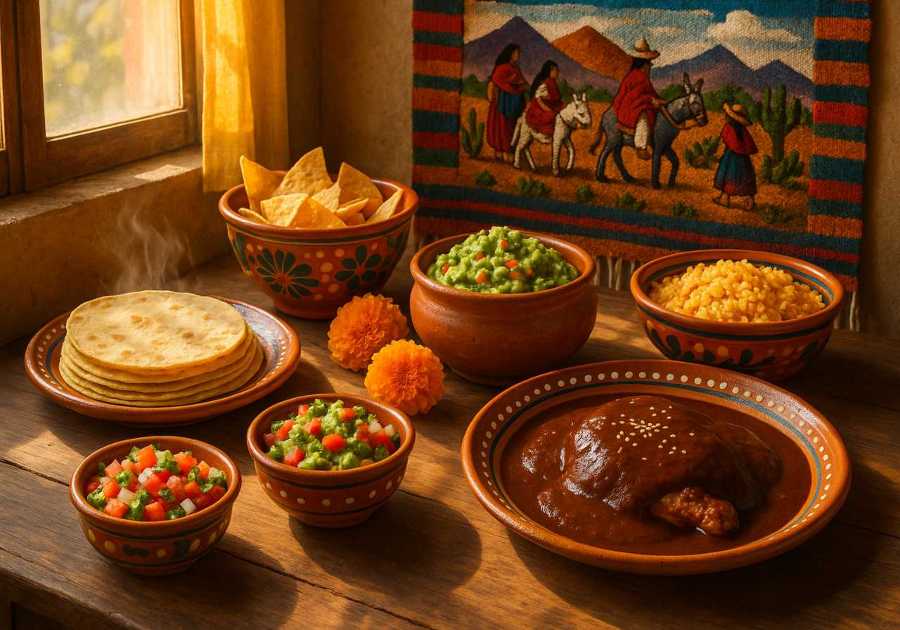
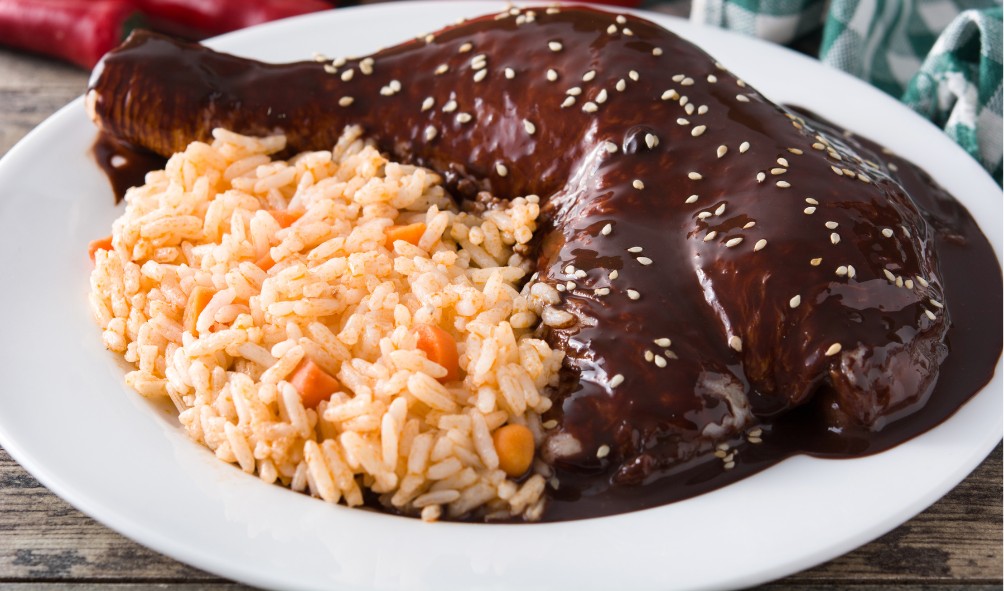
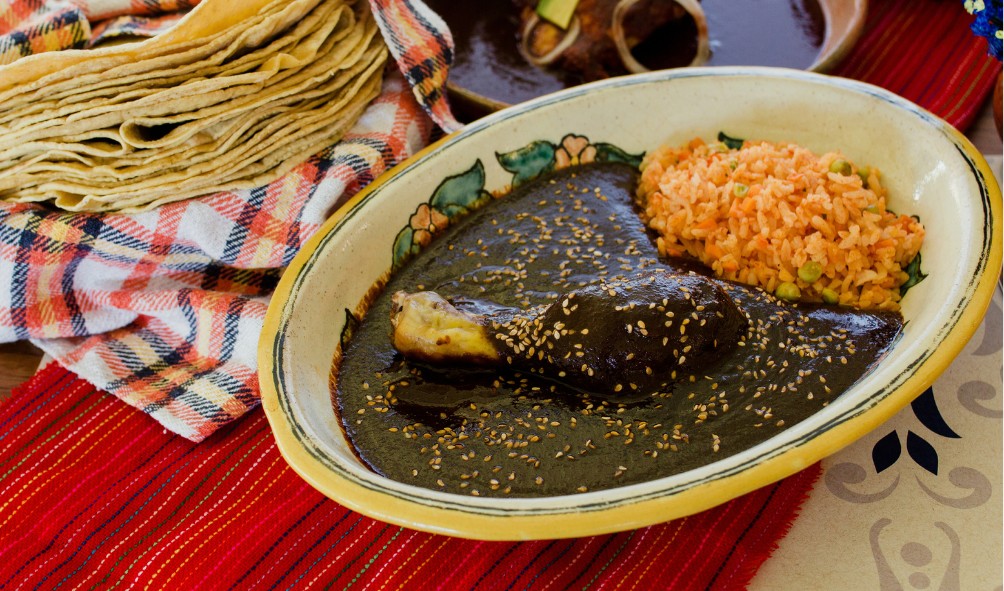
Traditional accompaniments like warm tortillas serve as the perfect vessel, allowing you to scoop up that luscious sauce. Pair it with fragrant rice, which balances the mole's complexity and absorbs its essence beautifully.
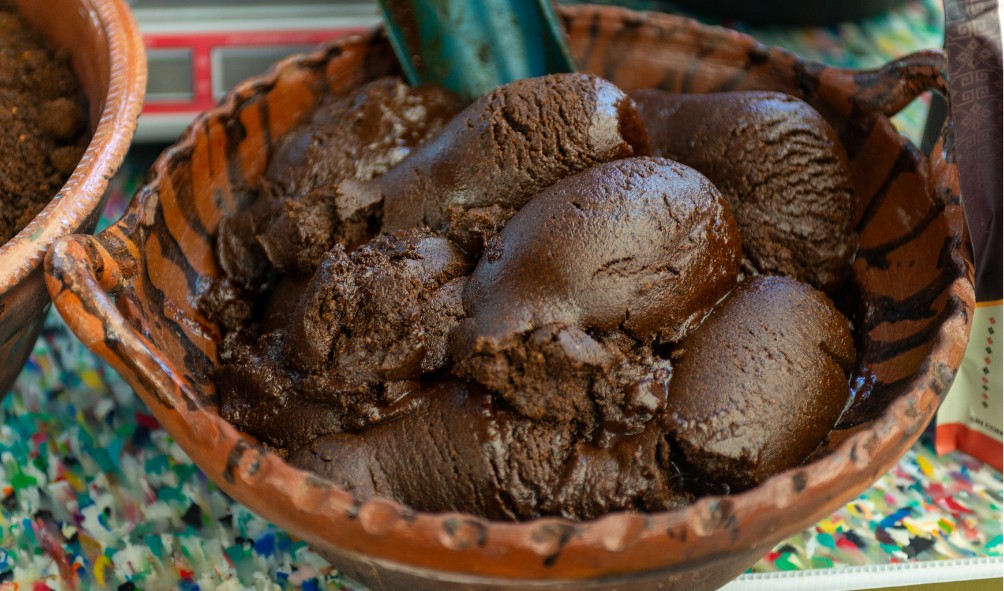
For added texture, try serving it with black beans or a fresh corn salad; their earthy notes contrast nicely with mole’s depth.
Don’t forget a sprinkle of crumbled queso fresco or a dollop of creamy avocado, which can soften the bold spices.
Finally, a refreshing side of pickled vegetables can cleanse your palate, making every bite of mole even more enjoyable. Enjoy the harmony these sides create!
Modern Interpretations: Mole in Contemporary Cuisine
As chefs experiment with traditional recipes, mole is finding a new life in contemporary cuisine.
You might encounter creative twists, like mole-infused tacos or decadent mole aioli served with seafood. This ancient sauce is no longer confined to traditional dishes; it’s being reimagined in fusion concepts, combining flavors from different cultures.
Imagine a mole pizza topped with cheese and roasted vegetables or a gourmet burger slathered in spicy mole for a unique kick.
Chefs are also exploring lighter versions, enhancing the sauce with fresh herbs and citrus for a modern touch.
This evolution keeps mole relevant and exciting, allowing you to savor its rich history while experiencing innovative culinary artistry that pushes boundaries and tantalizes your taste buds.
Cooking With Mole: Tips and Techniques for Home Chefs
Whether you're a seasoned cook or just starting out, incorporating mole into your dishes can elevate your culinary game.
Start by choosing a mole that suits your taste—try a rich mole poblano or a spicy mole negro. When using mole, remember that a little goes a long way; you can always add more if needed.
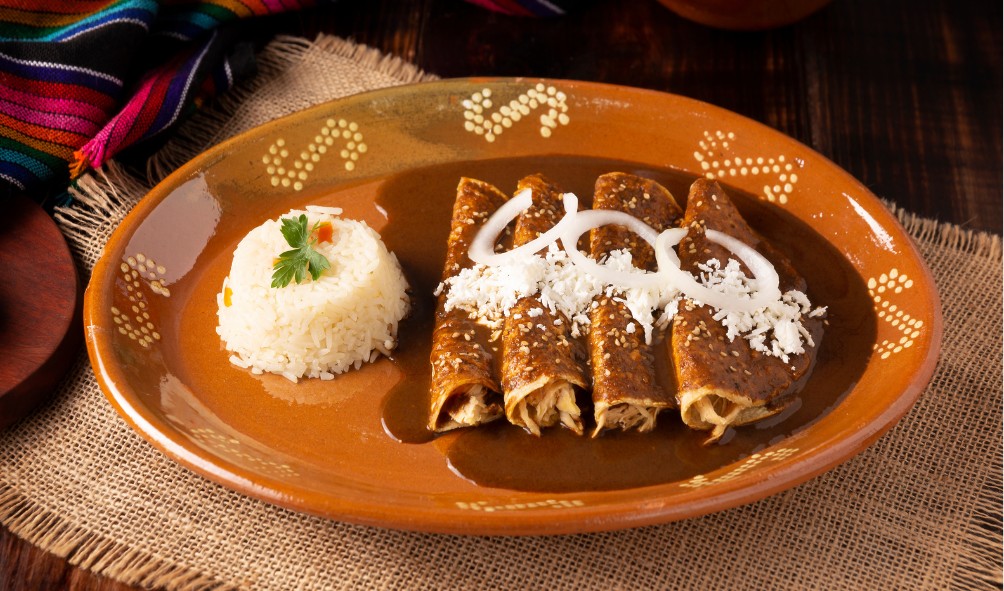
Dilute the mole with broth or water to achieve your desired consistency. Pair it with proteins like chicken, pork, or tofu for a delightful contrast.
To enhance flavors, consider toasting spices and nuts before blending them into the mole. Finally, don’t forget to garnish with fresh herbs or sesame seeds for an extra touch.
Enjoy the magic of mole in your home kitchen!
Conclusion
In exploring the magic of mole, you've uncovered a rich tapestry of history, flavor, and culture. Whether you're savoring a traditional version or experimenting with modern twists, mole invites you to dive deeper into Mexico's culinary heritage. As you cook, remember the importance of each ingredient and the stories they tell. So go ahead, embrace the complexity of mole, and let it inspire your kitchen adventures, creating delicious dishes that celebrate this remarkable tradition.
Statistics
- Mole is considered one of Mexico’s most intricate culinary traditions, with some recipes requiring over 20 different ingredients and several hours of preparation.
- Mole recipes have been passed down through generations, with some family traditions dating back over 500 years, blending indigenous and Spanish culinary techniques.
- Research shows that mole’s rich combination of antioxidants from ingredients like chili peppers and cocoa contributes to its nutritional benefits beyond flavor.
- Oaxaca, often called the "Land of Seven Moles," is famous for its diverse mole sauces, including mole negro, mole rojo, and mole verde.
How to Pair Mole with Traditional Mexican Dishes
Mole pairs exquisitely with a range of traditional Mexican dishes. It is commonly served over roasted or shredded chicken, turkey, or pork, providing a rich and flavorful coating. Mole also complements tamales and enchiladas, adding depth to these staples. When serving, accompany mole dishes with simple sides like rice and warm tortillas to balance the complex sauce. Understanding these pairings helps highlight mole’s versatility and its role as a celebratory sauce in Mexican cuisine.
Want to travel with more time and freedom?
The freedom to travel! Discover free & unique homestays around the world, in exchange for caring for adorable pets.
https://escapetomexiconow.com/ths
Recommended Resources:
Ready to explore life beyond borders? Check out our trusted guides to Mexico, Panama, and the Philippines — your gateways to new adventures, culture, and opportunity.
https://escapetomexiconow.com/
https://escapetomexiconow.info/
https://escapetopanamanow.info/
https://escapetothephilippinesnow.com/
YouTube Channel:
See Mexico like never before! From local culture to travel hacks, our YouTube channel brings the adventure straight to you.
https://www.youtube.com/@EscapeToMexicoNow