.png)
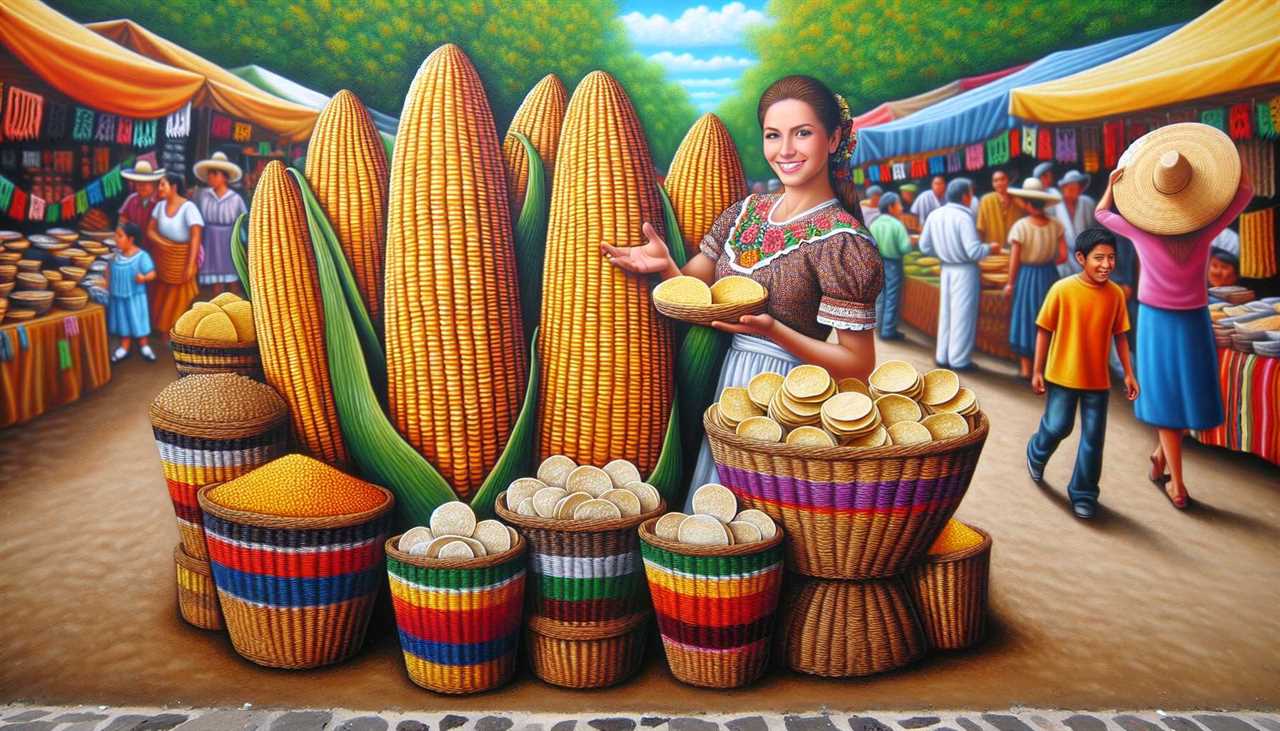
Corn isn’t just a staple in Mexican cuisine; it’s the foundation of a rich cultural heritage. From ancient civilizations to modern kitchens, this grain has shaped both daily meals and community bonds. You'll find it in beloved dishes like tortillas and tamales, each carrying stories of tradition. But what makes corn so essential? The answer lies in its history, preparation methods, and the rituals that celebrate its significance. Let’s explore its profound impact together.
The Historical Significance of Corn in Ancient Civilizations
Corn, or maize, has been a cornerstone of Mexican culture since ancient times. You’d find it woven into the fabric of everyday life, serving as a staple food for civilizations like the Maya and Aztecs.
They revered corn, viewing it as a gift from the gods and a symbol of life. As you explore the history, you'll see how it shaped agricultural practices and social structures.
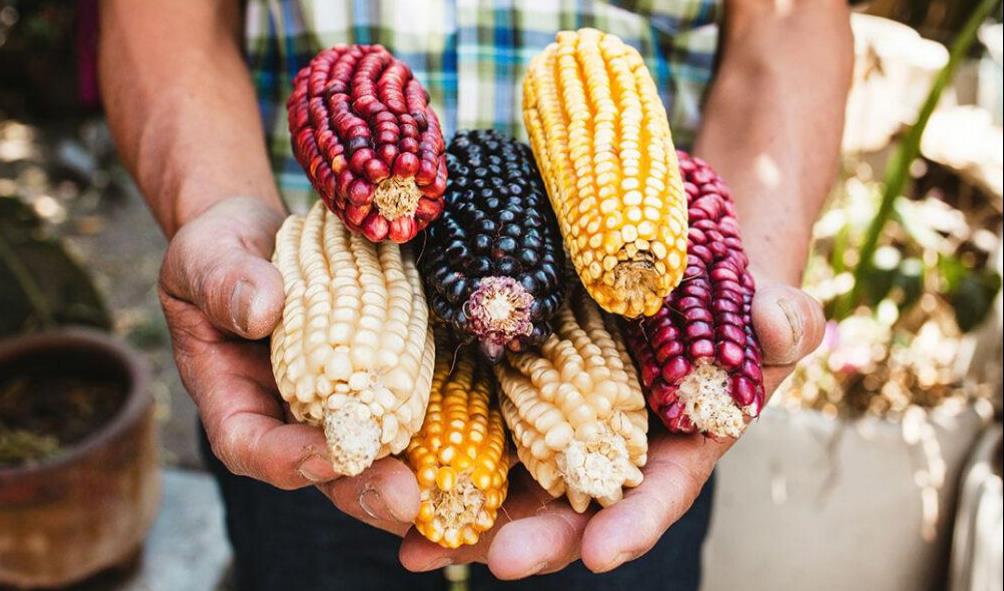
Corn's versatility allowed ancient peoples to create various dishes and even ritual offerings. Its cultivation techniques, developed over centuries, showcase their ingenuity and deep connection to the land.
Understanding this historical significance helps you appreciate the profound role corn plays in Mexico’s identity, influencing customs and practices that continue to resonate today.
Corn in Traditional Mexican Cuisine
In traditional Mexican cuisine, corn takes on a central role, transforming into a variety of beloved dishes that reflect regional flavors and cooking techniques. You’ll find it in staples like tortillas, tamales, and pozole, each showcasing unique ingredients and preparation methods.
Tortillas serve as the foundation for countless meals, while tamales offer a delicious, portable option filled with meats or sweet ingredients. Pozole, a hearty soup, combines corn hominy with various meats and spices, highlighting the versatility of this grain.
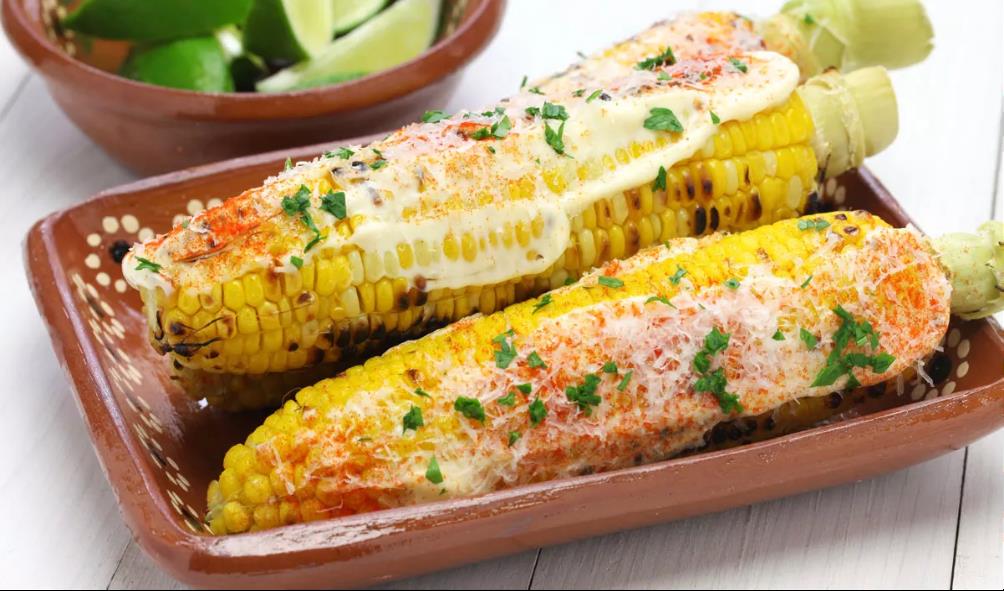
Street vendors often sell elote, grilled corn on the cob, topped with creamy sauces, cheese, and spices. In every region, corn unites communities and celebrates cultural heritage, reminding you of its importance in Mexican culinary traditions.
The Process of Nixtamalization: Transforming Corn
One crucial process that elevates corn’s culinary potential is nixtamalization, which involves soaking and cooking the kernels in an alkaline solution, typically limewater.
This method not only softens the corn but also helps remove the hull, making it easier to grind. As you go through this process, you’ll notice the corn changes color and develops a distinct aroma.
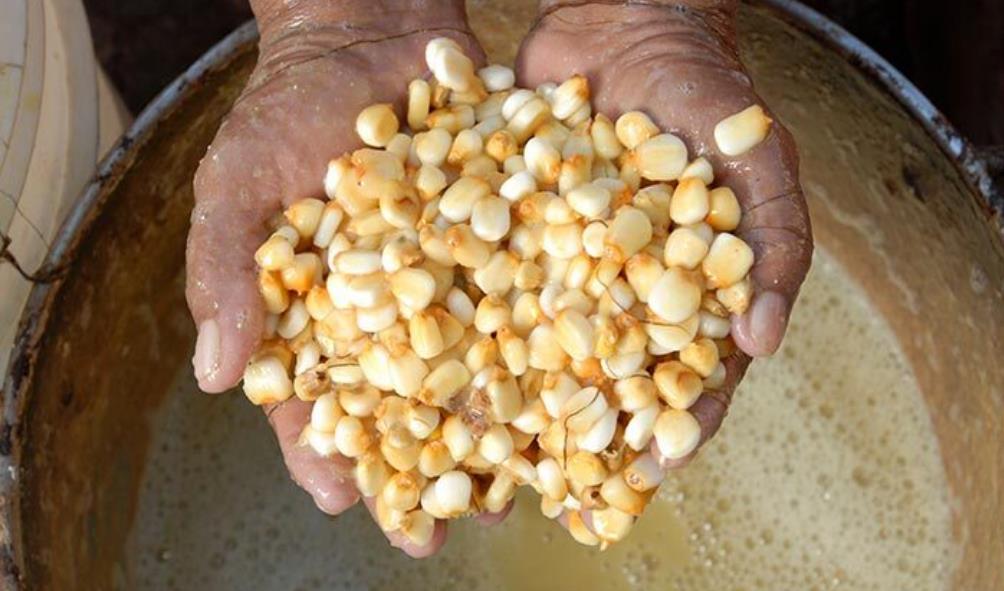
Nixtamalization enhances corn’s nutritional value by increasing calcium and niacin availability, which is vital for a balanced diet.
Once the corn is treated, you can grind it into masa, a versatile dough that forms the base for tortillas and tamales.
This transformation is essential in Mexican cuisine, showcasing corn’s true potential while honoring its cultural significance.
Celebrations and Rituals Centered Around Corn
Celebrations surrounding corn are deeply woven into the fabric of Mexican culture, reflecting its significance beyond mere sustenance. From Día de los Muertos to harvest festivals, corn plays a central role in various rituals.
You’ll find families gathering to prepare traditional dishes like tamales and atole, honoring their ancestors and celebrating community. During these events, corn symbolizes life, fertility, and abundance, connecting people to their heritage.
Additionally, you might witness vibrant ceremonies where corn is offered to deities, ensuring blessings for the coming year. These rituals foster a sense of unity and remind everyone of corn's vital role in daily life.
Engaging in these celebrations not only honors tradition but also deepens your appreciation for the cultural importance of corn.
Regional Varieties of Corn and Their Unique Uses
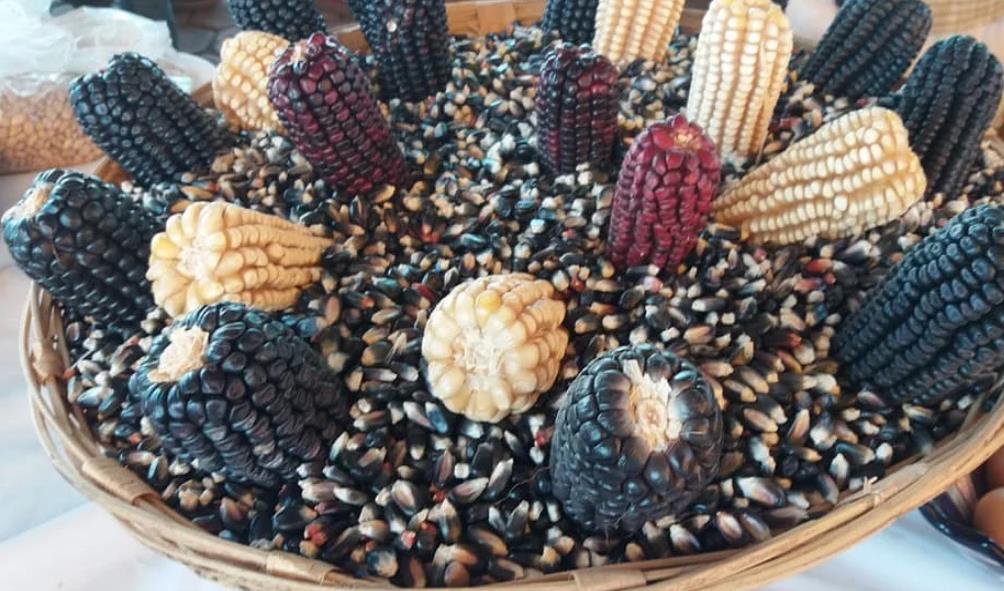
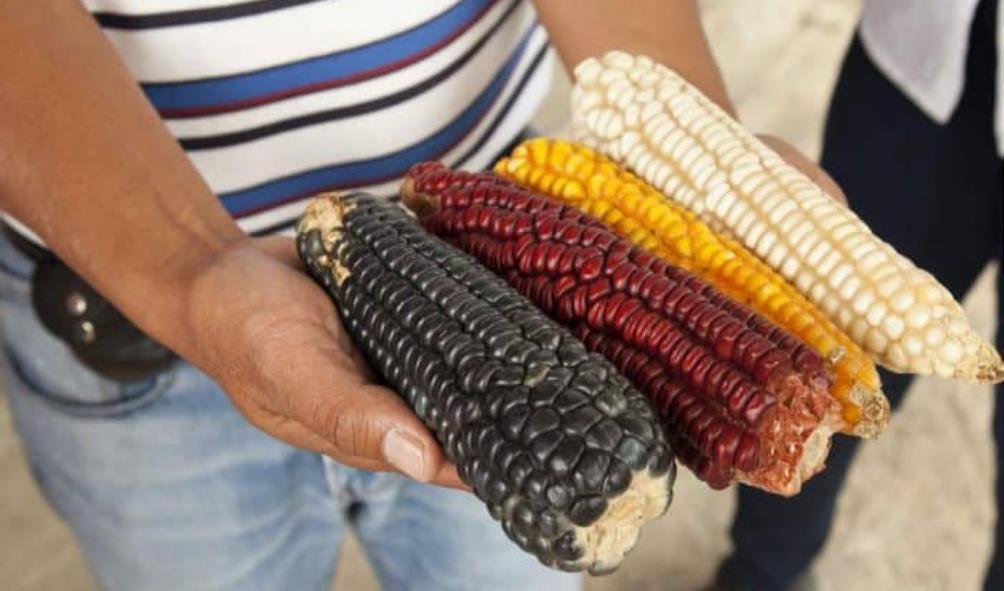
While many people might associate corn with a single type, Mexico boasts an incredible diversity of corn varieties, each with its own unique characteristics and culinary applications.
For instance, blue corn, primarily found in central Mexico, is known for its nuttiness and is often used to make traditional tortillas and tamales.
Then there's white corn, which is a staple in many regions, perfect for making masa for tortillas and tacos.
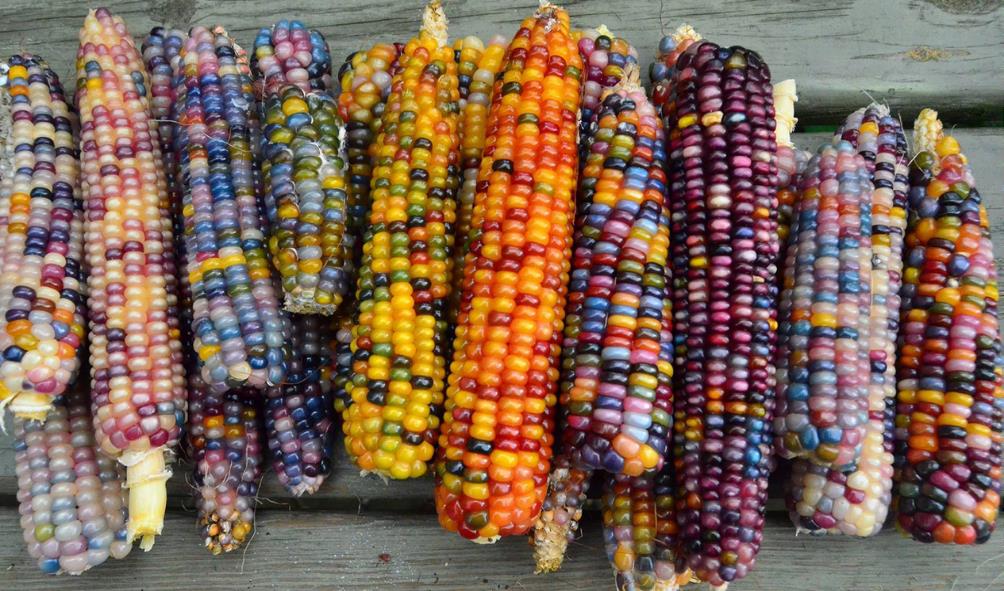
In southern Mexico, you'll find yellow corn, commonly used in pozole.
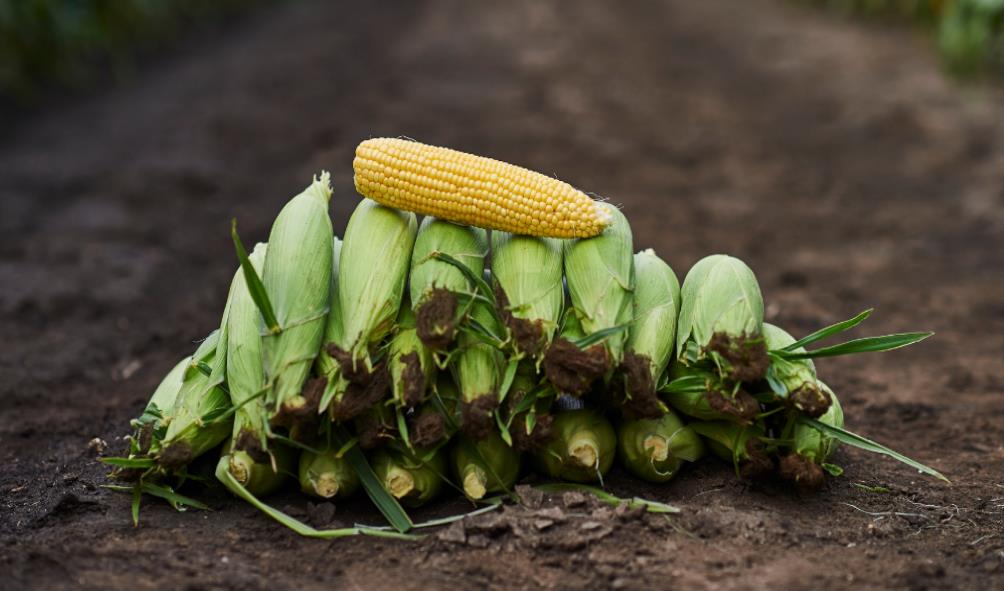
Additionally, sweet corn varieties, like elote, are grilled and enjoyed as street food.
Each region’s corn reflects its climate and culture, ensuring that every dish tells a story through its ingredients.
The Role of Corn in Modern Mexican Gastronomy
As you explore modern Mexican gastronomy, you'll find that corn remains a fundamental ingredient, seamlessly bridging tradition and innovation. Chefs are creatively incorporating corn into contemporary dishes, elevating its role beyond the classic tortilla.
You’ll see it in various forms, from corn-infused salsas to sweet corn desserts that surprise the palate. Street food vendors are also embracing modern techniques, offering unique twists on traditional favorites while keeping corn at the center.
Moreover, the rise of farm-to-table restaurants celebrates local corn varieties, showcasing their flavors and textures. This evolution reflects a deep respect for heritage, allowing you to experience the rich culinary landscape of Mexico in fresh, exciting ways.
Corn truly is the heart of modern Mexican cuisine.
Corn-Based Dishes That Define Mexican Identity
Corn-based dishes are more than just meals in Mexico; they embody the nation's identity and cultural heritage. When you savor a warm tortilla, you're tasting centuries of tradition.
Tacos, filled with anything from al pastor to fish, showcase regional flavors and local ingredients. Tamales, wrapped in corn husks, symbolize celebration and family gatherings, inviting everyone to share in the joy.
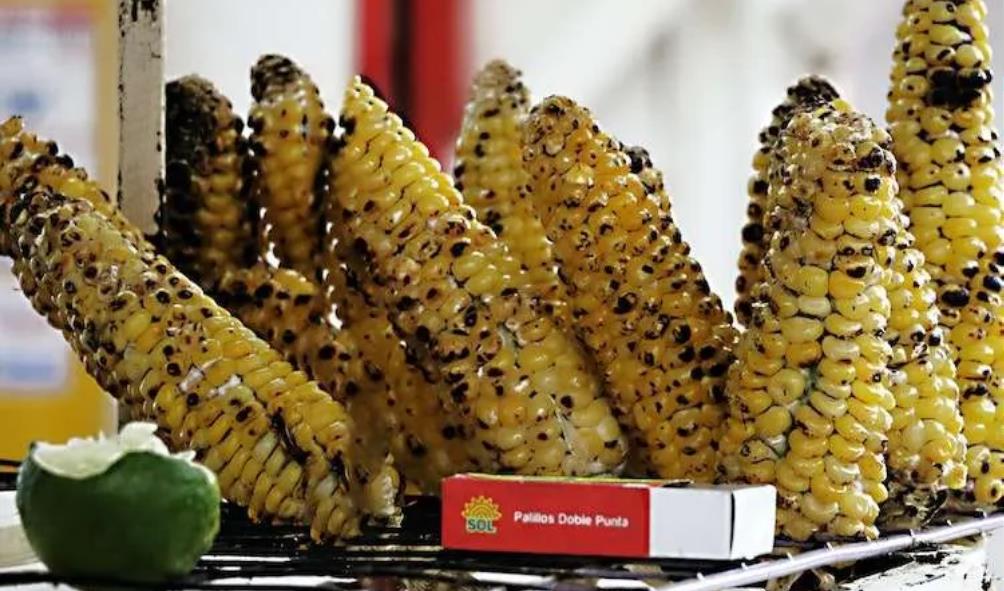
Pozole, a hearty soup, reflects community and festivity, often served during special occasions. Elote, grilled corn on the cob, brings street food culture to life, mingling with vibrant markets and lively conversations.
Each bite connects you to Mexico’s history, customs, and the diverse cultures that contribute to its rich tapestry. Embrace these dishes; they’re a delicious expression of identity.
The Future of Corn in Sustainability and Innovation
Given the growing concerns about climate change and food security, the future of corn in sustainability and innovation is more important than ever.
As you explore new farming techniques, consider how regenerative agriculture can enhance soil health and yield. Embracing biotechnology, you might find ways to develop drought-resistant corn varieties that adapt to climate shifts.
Additionally, investing in local supply chains strengthens community resilience and reduces your carbon footprint. You’ll also want to advocate for traditional varieties, preserving biodiversity while celebrating cultural heritage.
With innovations like vertical farming and precision agriculture, you'll be at the forefront of sustainable practices. By prioritizing sustainability in corn production, you can help secure a more resilient food system for future generations.
Conclusion
Corn is more than just a staple in Mexican cuisine; it’s a symbol of life and community. As you explore its rich history and diverse applications, you'll realize how deeply intertwined it is with cultural identity. From traditional dishes to modern innovations, corn continues to shape culinary practices today. By embracing its significance, you not only celebrate Mexico's heritage but also contribute to a sustainable future where this vital grain remains at the heart of dining experiences.
Statistics
- Tortillas, a fundamental part of Mexican cuisine, are consumed by 94% of Mexican households on a daily basis.
- In Mexico, corn is used in over 600 traditional dishes, showcasing its versatility and importance in the culinary landscape.
- Corn has been a staple in Mexican cuisine for over 7,000 years, playing a central role in the diet and culture of the region.
- Over 90% of the corn grown in Mexico is white corn, which is primarily used for human consumption, particularly in the making of tortillas.
External Links
- National Geographic: The History of Corn in Mexico - This article provides an in-depth look at the historical significance of corn in Mexican culture.
- Tasting Table: Corn and Mexican Cuisine - This article discusses the integral role of corn in shaping Mexican culinary identity.
- The Spruce Eats: Importance of Corn in Mexican Cooking - An overview of how corn influences the flavors and recipes in Mexican cooking.
- Smithsonian Magazine: The History of Corn - Discover the journey of corn from its origins to becoming a staple in Mexican food.
How to Explore Different Varieties of Mexican Corn
Mexico is home to over 59 varieties of native corn, each with unique flavors and uses. To explore these varieties, visit local markets where you can find different types of corn, such as white, yellow, blue, and red corn. Each variety is suited for specific dishes; for instance, white corn is ideal for tortillas, while blue corn is often used in tamales and atole. Participate in culinary workshops or cooking classes that focus on traditional Mexican cooking to learn how to use each type effectively. Experimenting with different corn varieties in your cooking can enhance your dishes and provide a deeper understanding of Mexican culinary diversity.
Plan the perfect group trip, your way.
Get an instant personalized itinerary. We handle logistics, payments, and provide a dedicated itinerary, while local experts fine-tune every detail. Enjoy full freedom—without the stress of organizing it all.
https://escapetomexiconow.com/tourhero
Recommended Resources:
Dreaming of a fresh start abroad? Explore our curated destination guides to learn how you can make the move with ease.
https://escapetomexiconow.com/
https://escapetomexiconow.info/
https://escapetopanamanow.info/
https://escapetothephilippinesnow.com/
YouTube Channel:
See Mexico like never before! From local culture to travel hacks, our YouTube channel brings the adventure straight to you.
https://www.youtube.com/@EscapeToMexicoNow