.png)
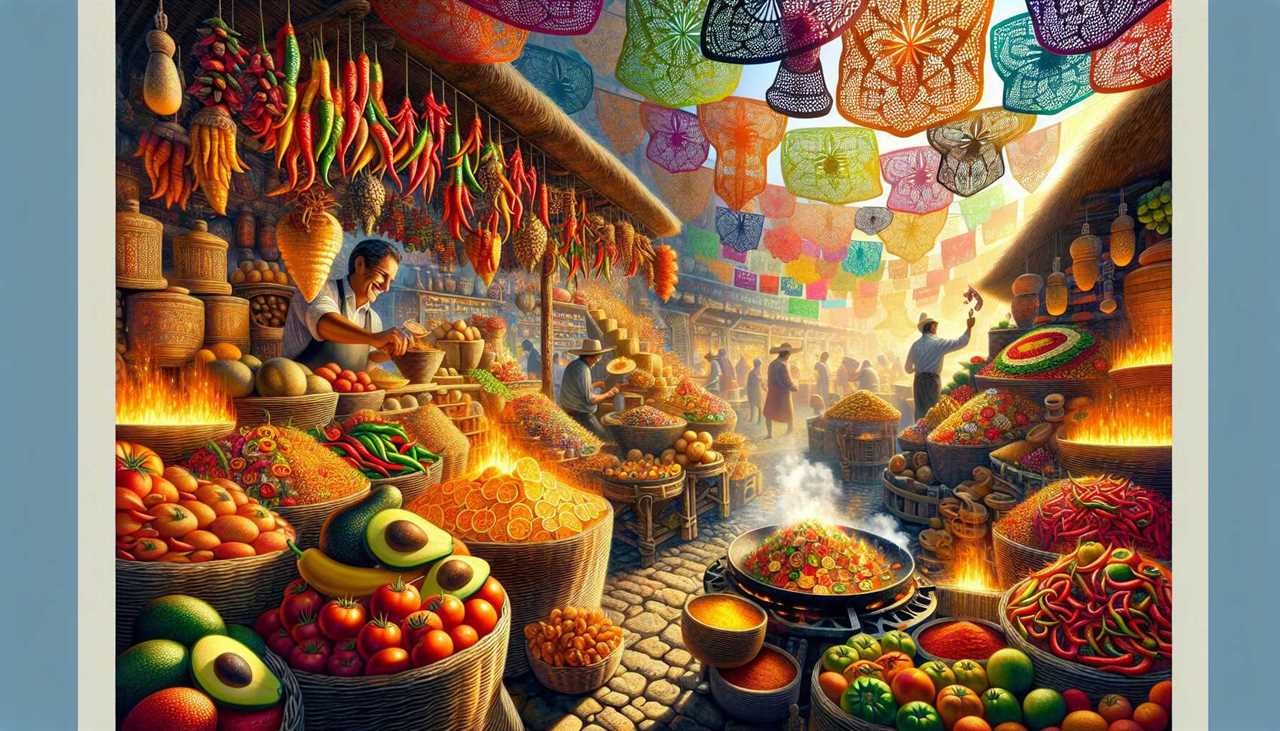
When you think about Mexico’s culinary identity, it’s clear that food goes beyond mere sustenance. It’s a complex blend of indigenous roots, Spanish influences, and regional specialties that shape the nation’s palate. Each dish tells a story, reflecting the rich tapestry of cultural heritage. As you explore these layers, you’ll uncover how celebrations and modern interpretations further enrich this vibrant cuisine. What deeper connections might you find between food and culture in Mexico?
The Roots of Mexican Cuisine: Indigenous Ingredients and Traditions
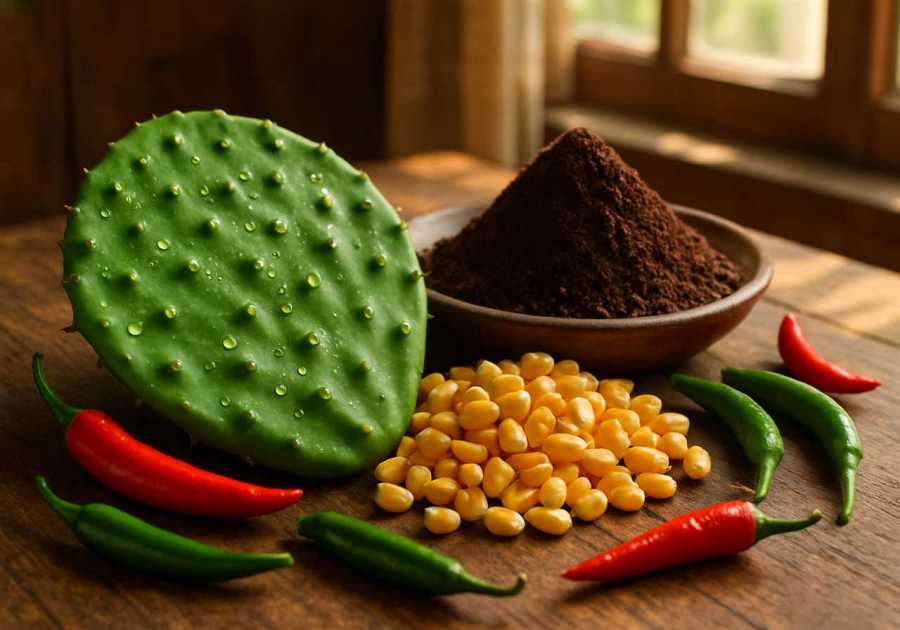
While you might think of Mexican cuisine as a vibrant blend of flavors, its roots lie deeply anchored in indigenous ingredients and traditions. Corn, beans, and squash form the backbone of many traditional dishes, showcasing the importance of these staples in indigenous diets.
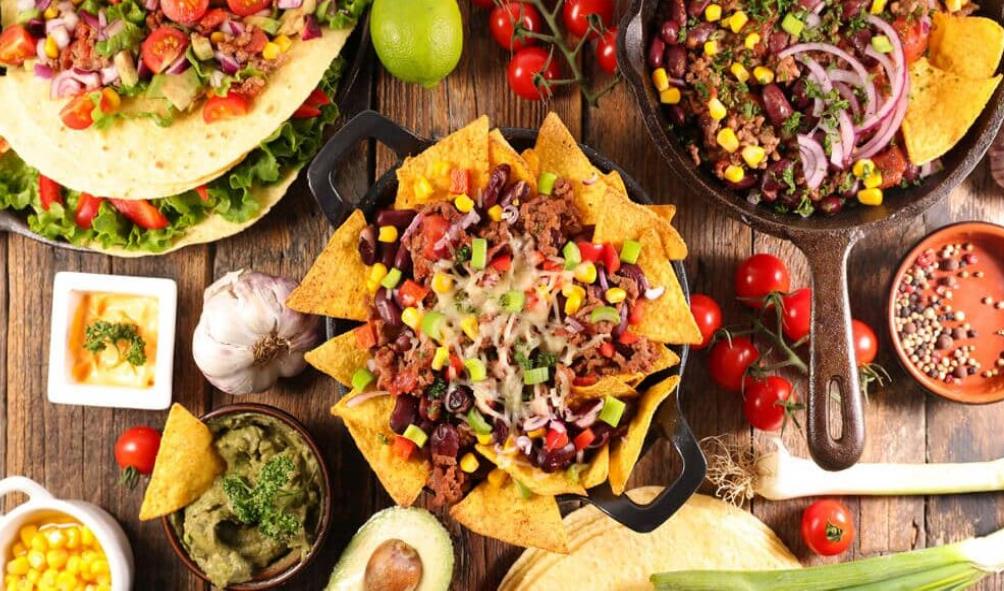
You’ll find that ancient cooking techniques, like nixtamalization, enhance flavors and nutrition, adding depth to tortillas and tamales. Herbs and spices, such as cilantro, chili peppers, and epazote, bring bold tastes to life.
Additionally, indigenous communities have long celebrated seasonal ingredients, fostering a deep respect for nature. By embracing these time-honored practices, you’re not just enjoying a meal; you’re partaking in a rich cultural heritage that continues to evolve while staying true to its roots.
The Spanish Influence: A Culinary Convergence
As indigenous ingredients laid the foundation of Mexican cuisine, the arrival of Spanish colonizers in the 16th century sparked a remarkable culinary convergence.
You’ll notice how this fusion transformed everyday dishes, introducing new flavors and techniques. Spanish staples like rice, garlic, and onions blended seamlessly with local ingredients like corn, beans, and chilies.
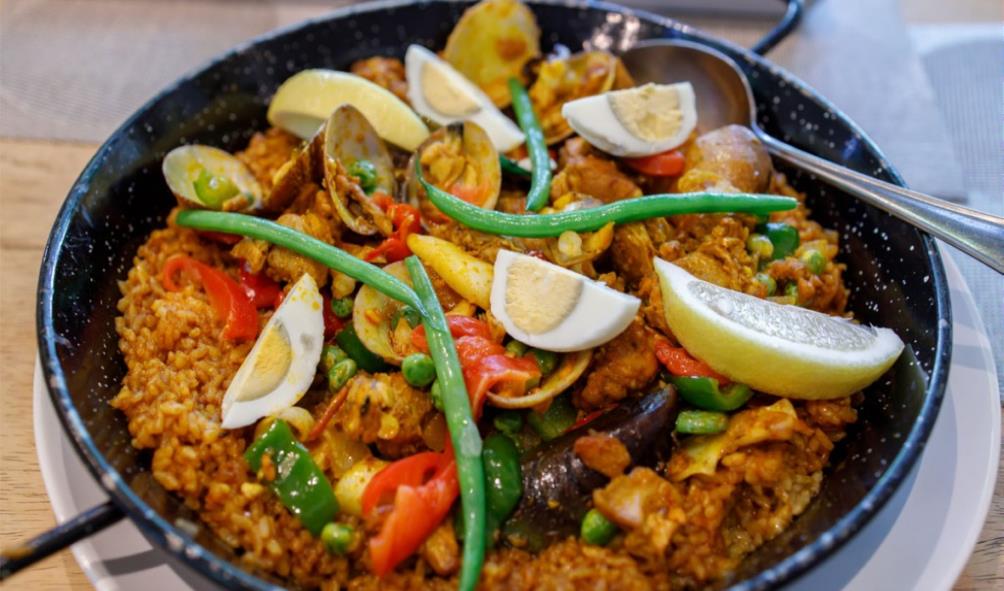
You'll find the introduction of meats such as pork and beef, which became central to many traditional meals. Additionally, the Spanish brought with them the art of baking, leading to the creation of unique breads and pastries that reflect both cultures.
This melding of flavors not only enriched the food but also created a vibrant culinary identity that continues to evolve, celebrating its diverse heritage.
Regional Flavors: A Journey Through Mexico's Diverse Gastronomy
Exploring Mexico's culinary landscape reveals a tapestry of flavors that varies dramatically from region to region. From the spicy salsas of the coastal areas to the rich mole sauces of Oaxaca, each bite tells a story.
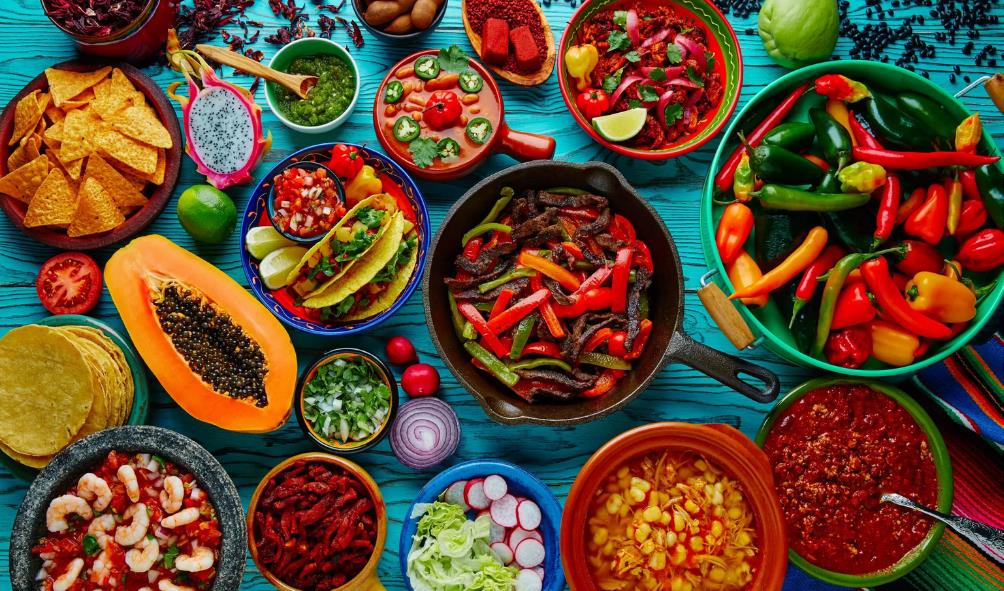
You’ll find the fresh, vibrant ingredients of the Yucatán, where citrus and herbs dance together, while the heart of Mexico City boasts street food like tacos al pastor, bursting with flavor.
In the north, hearty dishes like cabrito and flour tortillas reflect a pastoral heritage. Each region showcases unique ingredients, traditional cooking methods, and local customs, inviting you to experience a culinary journey that’s as diverse as the landscapes themselves.
Celebrations and Festivals: Food as Cultural Expression
Every region in Mexico not only boasts its own unique flavors but also celebrates them through vibrant festivals and traditions that highlight food as a form of cultural expression.
During Día de los Muertos, you'll find pan de muerto, a sweet bread that honors departed loved ones. In Puebla, the Mole Poblano Festival showcases the complex flavors of this iconic sauce.
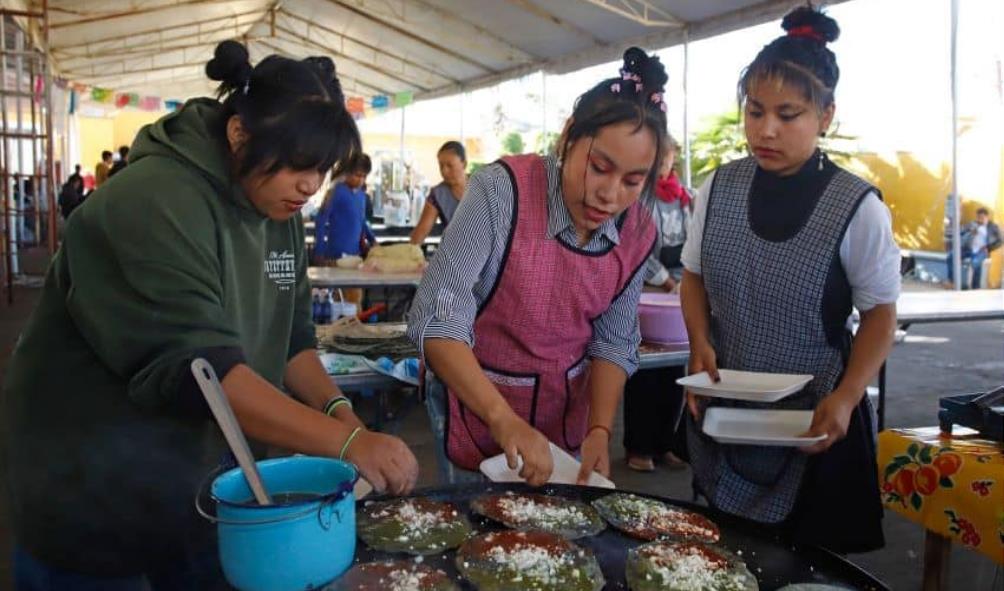
You can’t miss the Feria de la Gastronomía in Oaxaca, where local ingredients shine in traditional dishes. Each festival invites you to participate, taste, and immerse yourself in the community's heritage.
Through these culinary celebrations, food becomes a living narrative, connecting generations and reinforcing cultural identity.
Modern Interpretations: The Evolution of Traditional Dishes
While traditional Mexican dishes have deep roots in history and culture, modern interpretations are breathing new life into these culinary classics.
Chefs today are experimenting with flavors, techniques, and presentation, creating innovative dishes that honor tradition while pushing boundaries. You might find tacos filled with gourmet ingredients like duck confit or fusion dishes that combine Mexican and Asian elements.
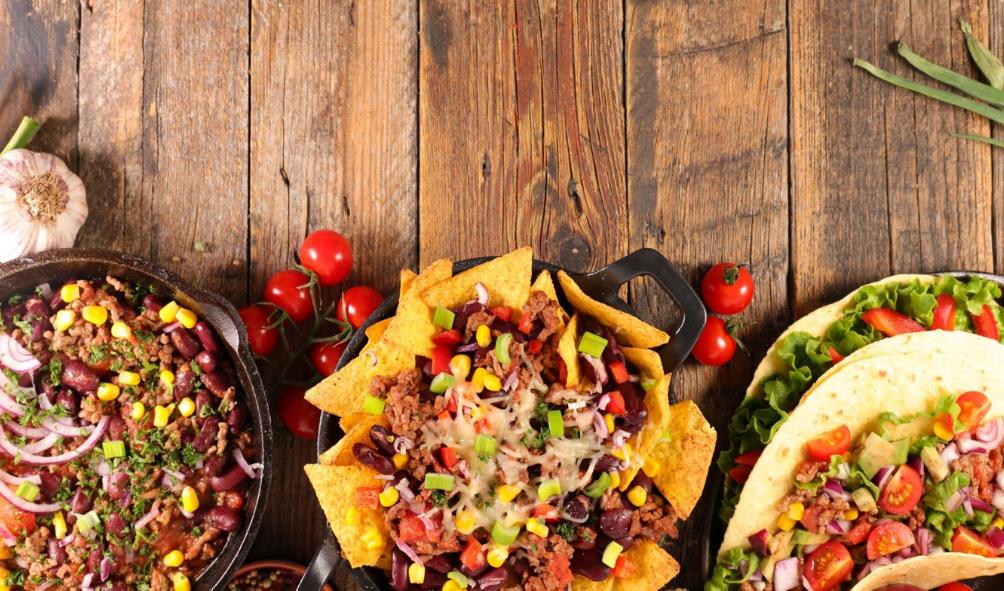
These modern takes often use local, sustainable ingredients, reflecting a growing commitment to environmental responsibility. You’re likely to see dishes plated like art, transforming meals into visual experiences.
As you explore contemporary Mexican cuisine, you’ll discover that these evolutions not only celebrate the past but also embrace the future, inviting you to enjoy familiar flavors in exciting new ways.
Conclusion
In exploring Mexico's culinary identity, you uncover a rich blend of indigenous ingredients, Spanish influences, and regional flavors. Each dish tells a story, reflecting the country's vibrant culture and traditions. Celebrations like Día de los Muertos highlight food's role in cultural expression, while modern chefs breathe new life into age-old recipes. Embrace this culinary journey, and you'll not only savor the flavors but also gain a deeper appreciation for the traditions that shape Mexico's unique gastronomy.
Statistics
- Tortillas, a staple in Mexican cuisine, are consumed at an average rate of 150 pounds per person annually in Mexico.
- The popularity of tacos has spread worldwide, with an estimated 4.5 billion tacos consumed annually in the United States alone.
- Chili peppers, integral to Mexican cooking, are grown in over 150 varieties across the country, each adding unique flavors and heat levels to dishes.
- Mexican cuisine is recognized by UNESCO as an Intangible Cultural Heritage of Humanity, highlighting its significance in cultural identity.
External Links
- Smithsonian Magazine offers a brief history of tamales and their cultural significance in Mexico.
- BBC Travel delves into the secrets behind Mexico's most authentic tacos.
- World Atlas provides insights into Mexico's position as the world's largest avocado producer.
- The Spruce Eats presents a guide to the diverse varieties of chili peppers used in Mexican cuisine.
How To Understand the Role of Corn in Mexican Cuisine
Corn is a cornerstone of Mexican cuisine, with its significance deeply rooted in history and culture. To understand its role, explore the traditional methods of preparing corn, such as nixtamalization, which enhances its nutritional value and flavor. Learn about the various corn-based dishes, including tortillas, tamales, and pozole, each showcasing the versatility of this staple ingredient. Consider visiting local markets or farms to see how corn is cultivated and harvested. By appreciating the historical and cultural importance of corn, you'll gain a deeper insight into its central role in shaping Mexican culinary identity.
Want to travel with more time and freedom?
The freedom to travel! Discover free & unique homestays around the world, in exchange for caring for adorable pets.
https://escapetomexiconow.com/ths
Recommended Resources:
Your next chapter could start anywhere. From the vibrant streets of Mexico to the laid-back beauty of the Philippines, explore destinations where you can truly live your dream.
https://escapetomexiconow.com/
https://escapetomexiconow.info/
https://escapetopanamanow.info/
https://escapetothephilippinesnow.com/
YouTube Channel:
Want a closer look at life in Mexico? Subscribe to our YouTube channel for insider tips, travel guides, and inspiring stories that make planning your escape easier and more exciting.
https://www.youtube.com/@EscapeToMexicoNow