.png)
When you think of Mexican cuisine, vibrant flavors come to mind. The interplay of herbs and chiles creates dishes that tell stories and reflect regional identities. You might wonder how traditional techniques enhance these ingredients, or how family and community shape these culinary practices. As you explore the heart of this culture, you’ll discover the magic that lies in every bite, waiting to unfold in unexpected ways.
The Heart of Mexican Cuisine: An Overview of Key Ingredients
When you dive into Mexican cuisine, you'll quickly discover that herbs and chiles are its heart and soul. These vibrant ingredients bring dishes to life, infusing them with unique flavors and aromas.
Think about the bold heat of jalapeños, the smoky richness of chipotles, or the sweet warmth of poblanos. Each chile has its own character, enhancing everything from salsas to stews.
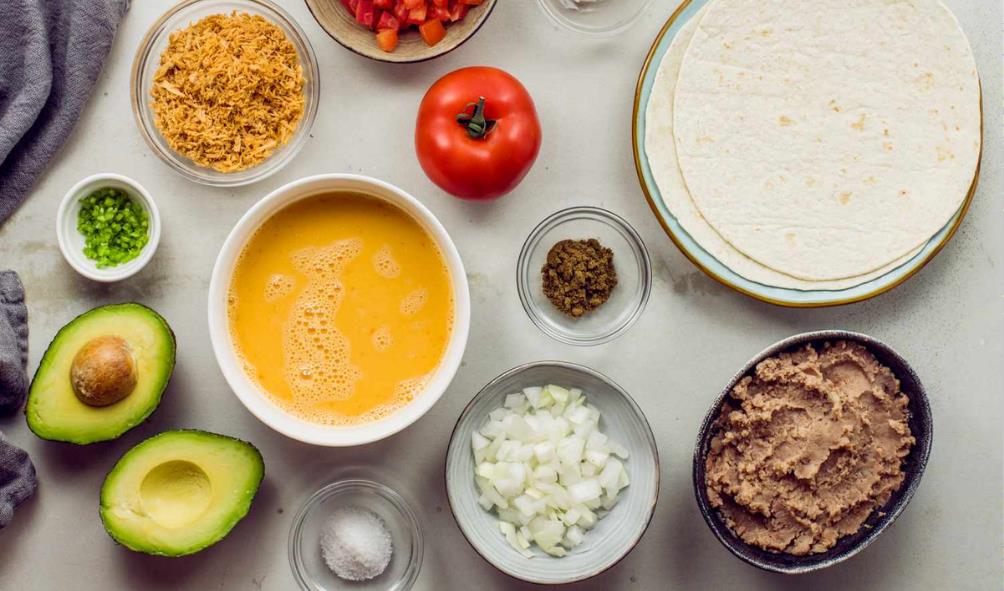
Herbs like cilantro and epazote add freshness and depth, creating a perfect balance in every bite.
You’ll find that these key ingredients are more than just flavor enhancers; they’re a reflection of Mexico's rich culture and traditions. By embracing these elements, you’ll truly appreciate the magic of Mexican cooking in your own kitchen.
The Flavorful World of Herbs: Cilantro, Oregano, and Beyond
As you explore the flavorful world of herbs in Mexican cuisine, you'll quickly realize that they play a crucial role in creating vibrant, aromatic dishes.
Cilantro, with its fresh and zesty notes, elevates salsas and tacos, adding a burst of brightness. Oregano, on the other hand, brings earthy warmth, enriching stews and marinades with depth.
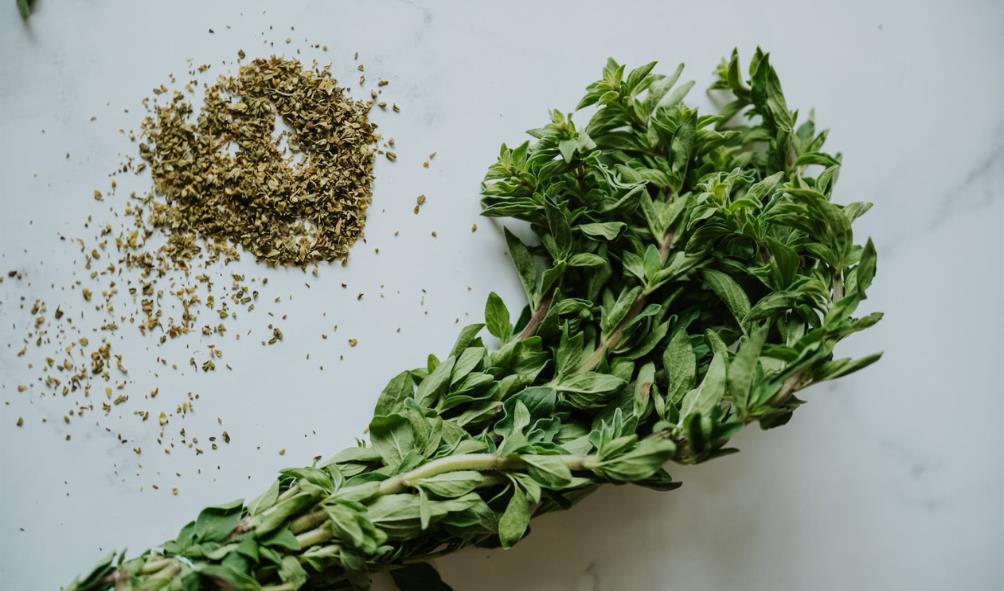
You might also discover epazote, a unique herb that complements beans by reducing their gaseous effects while imparting a distinct flavor. Don’t forget about thyme, which adds a subtle floral touch to various dishes.
Each herb offers its own character, weaving together the intricate tapestry of flavors that defines Mexican cooking. Embrace these herbs, and you'll transform your culinary creations into something extraordinary.
Chiles: The Fiery Soul of Mexican Dishes
Chiles are the fiery soul of Mexican dishes, infusing every bite with heat and complexity. From the smoky chipotle to the vibrant jalapeño, each variety adds its unique character.
When you bite into a dish, you can feel the chiles’ warmth dance on your palate, awakening your senses. They bring depth to salsas, sauces, and marinades, transforming simple ingredients into culinary masterpieces.
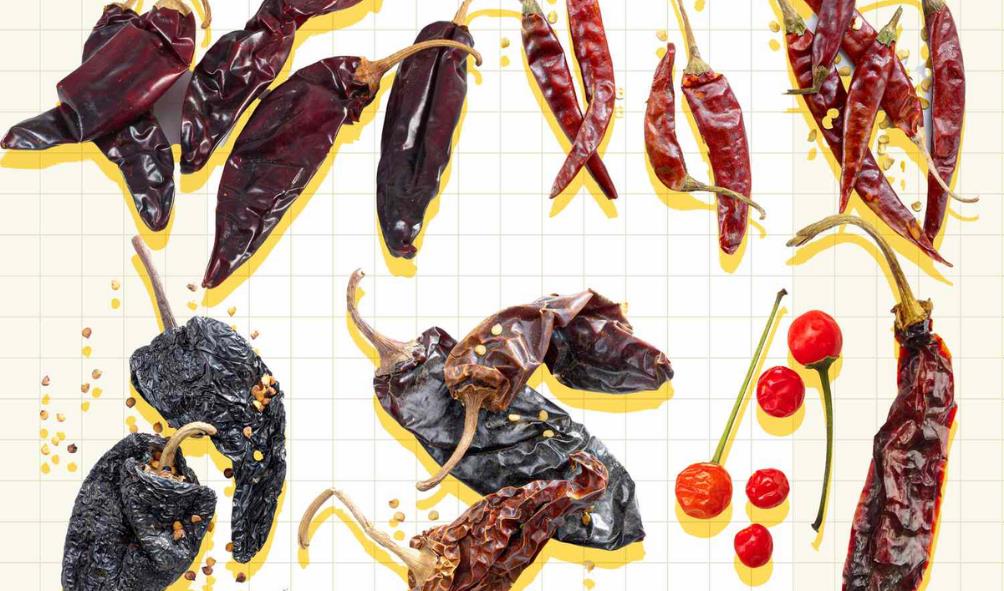
You’ll discover a world of flavors, as some chiles offer subtle sweetness while others pack a serious punch. Whether you're enjoying a spicy mole or a zesty pico de gallo, chiles are essential, bridging tradition and innovation in every meal.
Embrace their heat, and let them elevate your cooking to new heights!
Traditional Techniques: Crafting Authentic Flavors
While the vibrant flavors of Mexican cuisine often steal the spotlight, traditional techniques play a crucial role in crafting authentic dishes that resonate with cultural heritage.
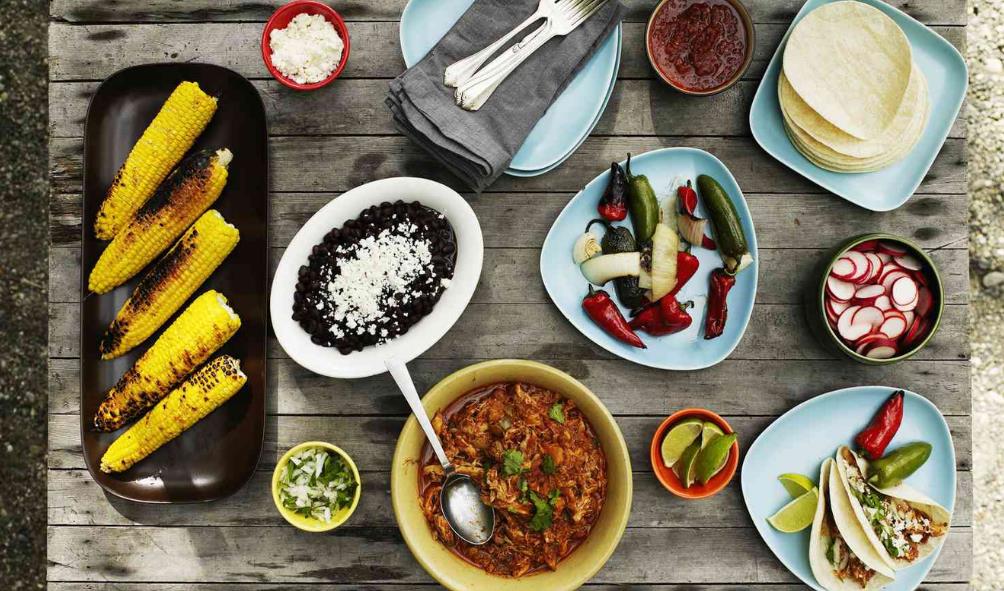
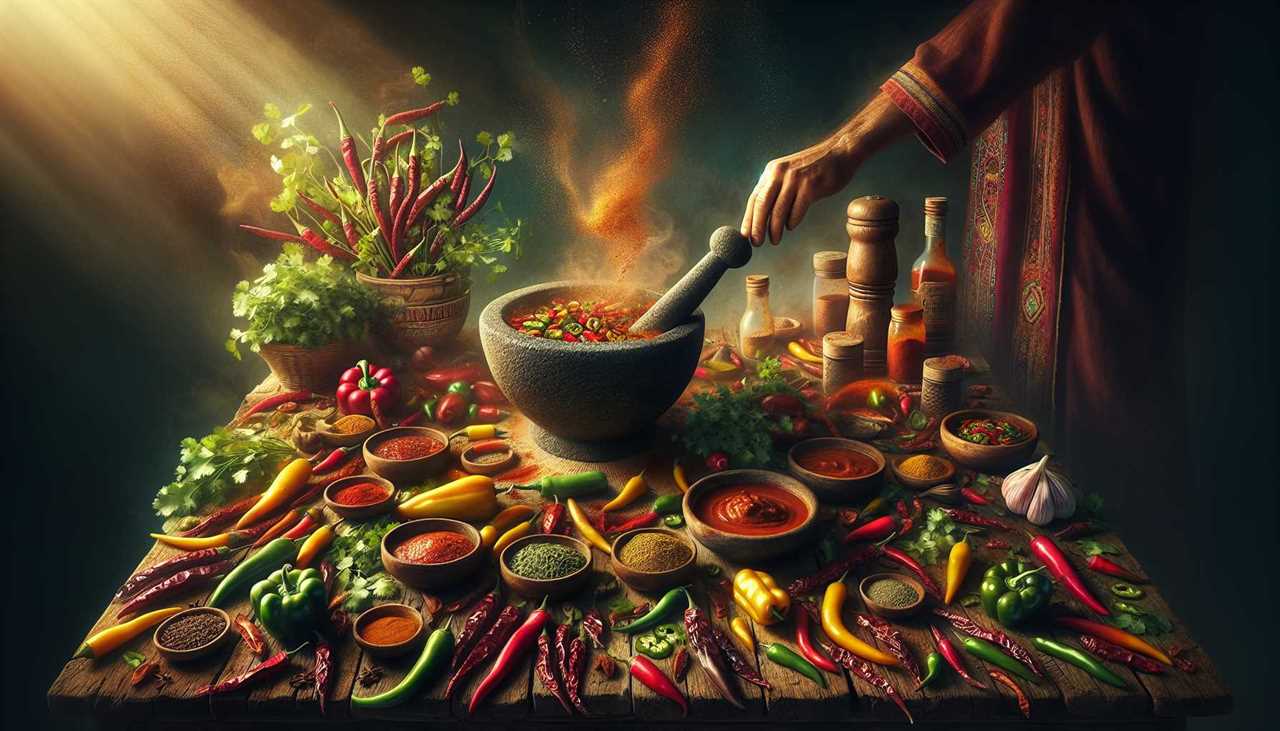
When you grind spices using a molcajete, you release essential oils, enhancing the flavors that make each dish unique. Sautéing ingredients in lard or oil creates a depth of flavor that modern substitutes often miss. You might also notice how slow-cooking meats in a traditional pit infuses them with smoky richness.
Don’t forget the importance of masa, carefully kneaded for tortillas that hold your meals together. These methods not only preserve the integrity of the ingredients but also connect you to generations of cooks who’ve perfected these techniques, ensuring each bite tells a story.
Regional Variations: A Culinary Journey Across Mexico
Exploring the regional variations in Mexican cuisine reveals a rich tapestry of flavors and traditions that differ from one area to another.
In the vibrant streets of Oaxaca, you’ll savor complex moles that blend chiles, spices, and chocolate.
Head to the coastal regions, and you'll find fresh seafood dishes infused with zesty lime and herbs.
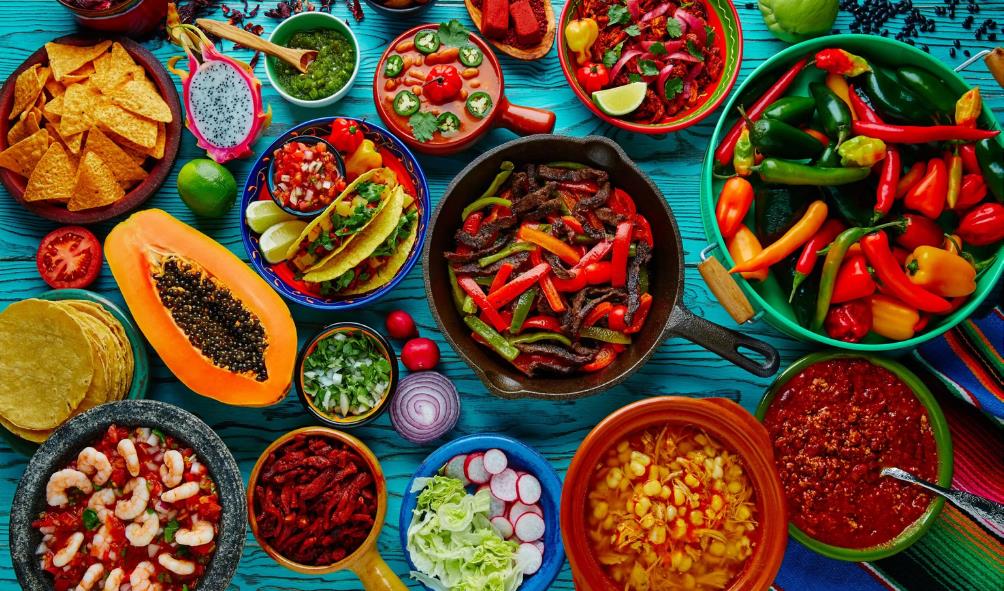
In the north, hearty carne asada and flour tortillas dominate, showcasing a blend of influences from the U.S. and Mexico.
Meanwhile, the Yucatán Peninsula introduces you to the unique achiote paste, creating vibrant dishes like cochinita pibil.
Each region tells its own story through its culinary offerings, inviting you to embark on a delicious journey across this diverse nation.
The Role of Family and Community in Mexican Cooking
In Mexican cooking, family and community play a pivotal role that goes beyond mere meal preparation. You’ll find that cooking is often a shared experience, where recipes are passed down through generations, each family adding their unique twist.
When you gather in the kitchen, the aroma of herbs and chiles fills the air, sparking stories and laughter. Community members frequently come together for large feasts, showcasing their culinary skills and celebrating local ingredients.
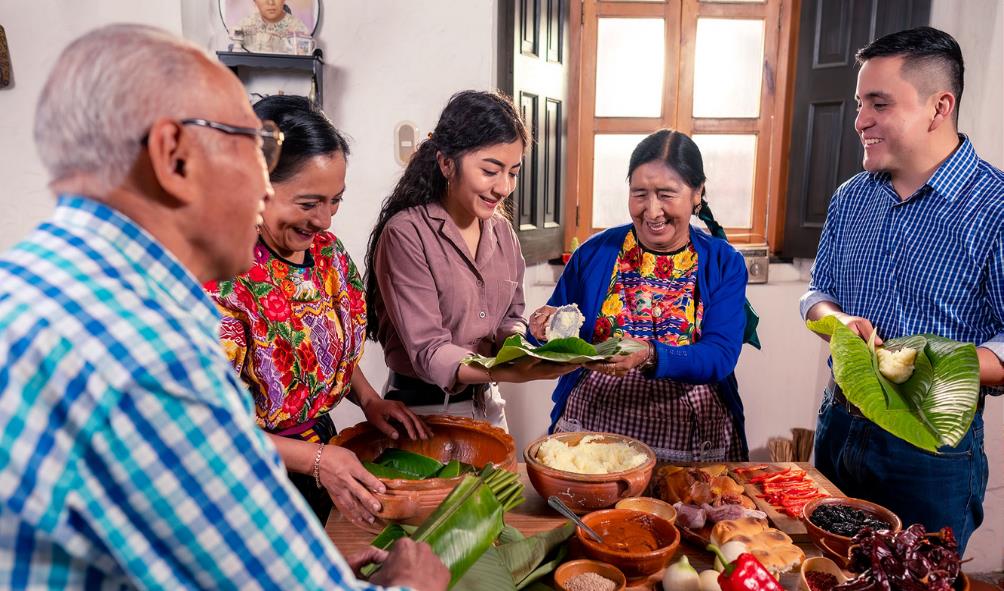
The act of cooking transforms into a communal bond, strengthening relationships and preserving traditions. You might notice how everyone contributes, whether chopping vegetables or stirring pots, creating a sense of belonging.
In this environment, each dish tells a story, connecting you to your roots and loved ones.
Celebrating Festivals: Food as a Cultural Expression
Food plays a central role in Mexican festivals, transforming celebrations into vibrant expressions of culture and community. When you attend these festivities, you’ll find that traditional dishes showcase regional flavors, from mole to tamales. Each bite tells a story, reflecting history and heritage.
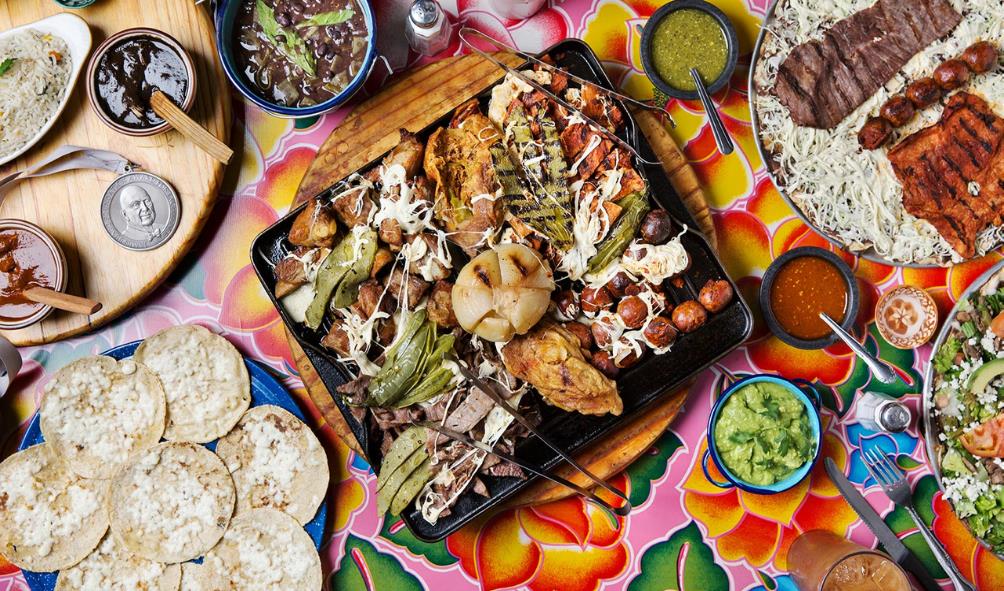
You'll notice how families gather to prepare meals, strengthening bonds and passing down recipes. During Día de los Muertos, for instance, you’ll see altars adorned with pan de muerto, symbolizing love for those who’ve passed.
Similarly, at Christmas, you’ll savor bacalao and ponche, celebrating with joyous feasts. In every festival, food becomes a language of love, remembrance, and unity, inviting everyone to partake in the rich tapestry of Mexican culture.
Modern Innovations: Blending Tradition With Contemporary Cuisine
While traditional Mexican cuisine is deeply cherished, chefs today are reimagining these time-honored dishes by incorporating modern techniques and global influences.
You’ll find classic recipes enhanced with molecular gastronomy, where flavors are deconstructed and reassembled in unexpected ways. For instance, a traditional mole may be served as a foam, offering a new texture while preserving its rich flavor.
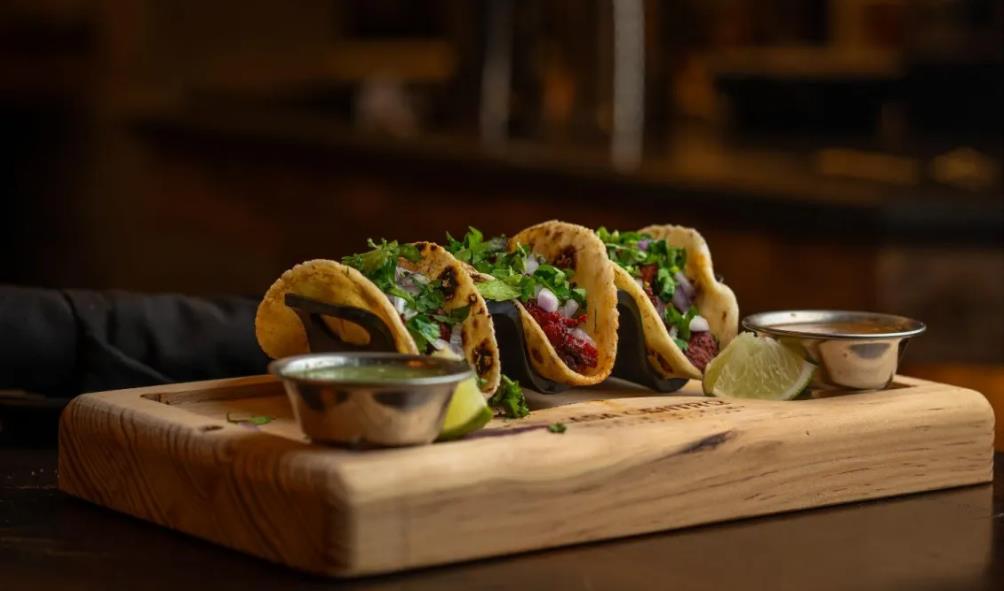
Fusion cuisine is also taking center stage, combining Mexican staples with elements from Asian or Mediterranean traditions.
Imagine tacos filled with Korean bulgogi or tamales infused with Mediterranean spices.
These innovations create a vibrant culinary landscape that respects heritage while embracing creativity. As you explore modern Mexican dining, you’ll experience a delicious blend of past and present, making each bite an adventure.
Conclusion
In exploring the vibrant world of Mexican cuisine, you've discovered how herbs and chiles create unforgettable flavors and how traditional techniques preserve their authenticity. Each region tells its own story, reflecting the rich tapestry of culture and community. As you savor these dishes, remember that food is more than just nourishment—it's a celebration of heritage, family, and creativity. Embrace the magic of Mexican cooking, and let it inspire your culinary adventures at home!
Frequently Asked Questions
How do chiles contribute to Mexican culinary magic?
Chiles are integral to Mexican cooking, offering a range of flavors from sweet and smoky to fiery and intense. Varieties like jalapeño, ancho, and chipotle are used in salsas, moles, and marinades, adding depth and complexity to dishes. They are often dried, smoked, or roasted to enhance their flavor profiles.
What is the cultural significance of herbs and chiles in Mexican festivals?
Herbs and chiles are not only culinary staples but also hold cultural significance during Mexican festivals. During Día de los Muertos, for example, marigold petals are used to attract spirits, while traditional dishes featuring chiles are prepared as offerings. These ingredients contribute to the vibrant tapestry of Mexican cultural celebrations.
Can you explain the importance of chiles in Mexican salsas?
Chiles are the backbone of Mexican salsas, providing heat, flavor, and color. Each chile variety imparts a distinct character; for instance, serrano chiles are often used for their fresh, bright heat, while dried chiles like guajillo add a smoky depth. Salsas are a versatile condiment, enhancing the flavor of countless dishes.
What are some traditional herbs used in Mexican cuisine?
Mexican cuisine is renowned for its use of aromatic herbs such as cilantro, epazote, and Mexican oregano. Cilantro is often used fresh in salsas and garnishes, while epazote is added to bean dishes for its unique flavor. Mexican oregano, distinct from its Mediterranean counterpart, is a staple in many spice blends and sauces.
Statistics
- Mexico is home to over 150 different varieties of chiles, each contributing unique flavors and heat levels to its cuisine.
- In culinary exports, Mexican spices and herbs contribute to 15% of the country's total food exports, reflecting their global appeal.
- The global demand for Mexican herbs and spices, including oregano and cilantro, has seen a steady annual growth rate of 5% over the past decade.
- Research indicates that approximately 90% of Mexican households use chiles as a regular part of their cooking, highlighting their cultural significance.
External Links
- TasteAtlas lists the most popular herbs and spices in Mexico, providing cultural context and culinary uses.
- Gourmet Sleuth offers detailed information on different types of Mexican chiles and their uses in various dishes.
- Chiles and Chocolate provides a comprehensive guide to Mexican chiles, detailing their heat levels and culinary applications.
- The Spruce Eats explores the variety of herbs and spices that define Mexican cuisine, including their historical significance.
How to Use Mexican Oregano in Authentic Dishes
Mexican oregano is a key ingredient in many traditional Mexican recipes, known for its robust flavor that differs significantly from Mediterranean oregano. To use Mexican oregano effectively, start by crushing the dried leaves between your fingers to release their essential oils. This herb pairs perfectly with tomato-based dishes, such as salsas and enchiladas, adding depth and aromatic complexity. When preparing a marinade for meats, combine Mexican oregano with garlic, lime juice, and chiles for a zesty and flavorful infusion. Always taste as you go, since its potency can vary. Store it in a cool, dark place to maintain its freshness and potency.
Want to travel with more time and freedom?
The freedom to travel! Discover free & unique homestays around the world, in exchange for caring for adorable pets.
https://escapetomexiconow.com/ths
Recommended Resources:
Ready to explore life beyond borders? Check out our trusted guides to Mexico, Panama, and the Philippines — your gateways to new adventures, culture, and opportunity.
https://escapetomexiconow.com/
https://escapetomexiconow.info/
https://escapetopanamanow.info/
https://escapetothephilippinesnow.com/
YouTube Channel:
See Mexico like never before! From local culture to travel hacks, our YouTube channel brings the adventure straight to you.
https://www.youtube.com/@EscapeToMexicoNow