.png)
As you embark on this flavor journey through Mexico, you'll uncover the vibrant stories woven into each dish. From the staple ingredients that shape traditional meals to the unique regional specialties, every bite offers a glimpse into the culture and history. You might find yourself wondering how these time-honored practices have evolved. What secrets do the salsas and moles hold, and how do they connect to community and identity?
The Rich History of Mexican Cuisine
As you delve into the rich history of Mexican cuisine, you'll discover that it’s a tapestry woven from ancient traditions and diverse influences. This culinary journey begins with indigenous cultures, like the Aztecs and Maya, who laid the foundation with staples such as corn, beans, and chilies.
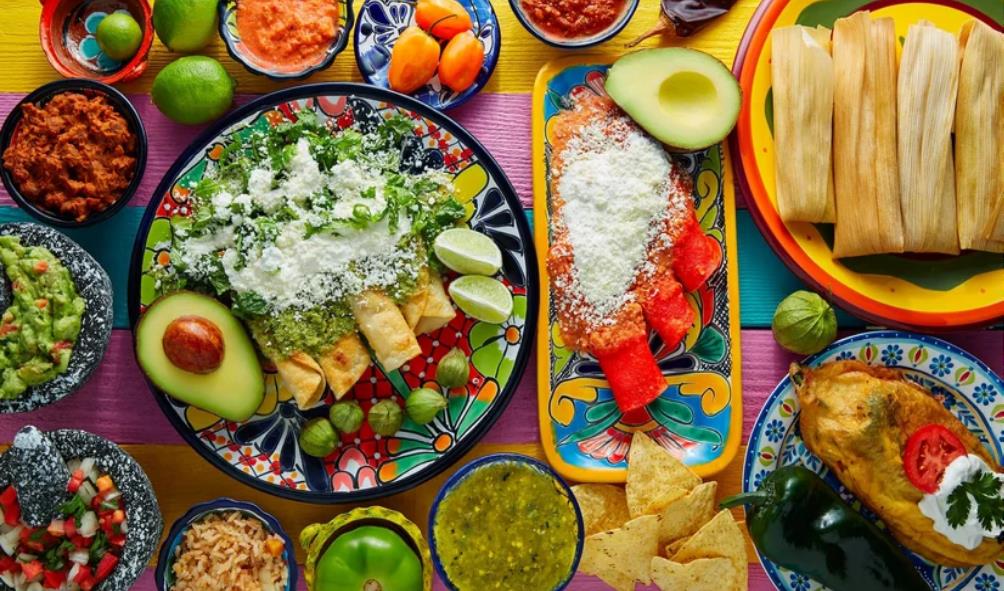
As you explore, you’ll notice the impact of Spanish colonization, introducing ingredients like beef, pork, and spices that transformed local dishes. Over centuries, regional variations emerged, reflecting the unique geography and cultures across Mexico.
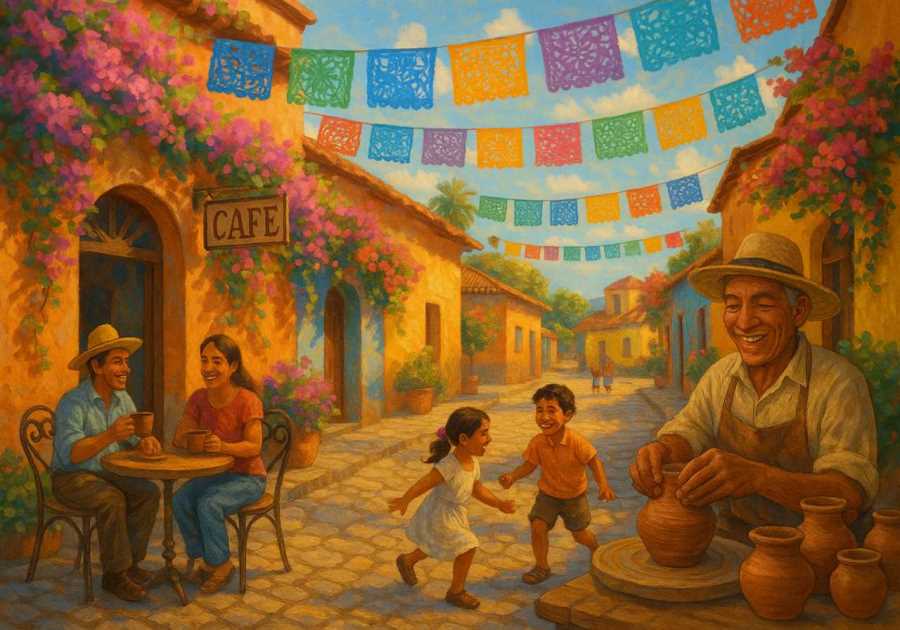
Festivals and family gatherings often revolve around food, highlighting its role in social and cultural identity. Each dish tells a story, connecting you to the vibrant history and rich heritage that continues to thrive in contemporary Mexican cooking.
Essential Ingredients: The Heart of Mexican Cooking
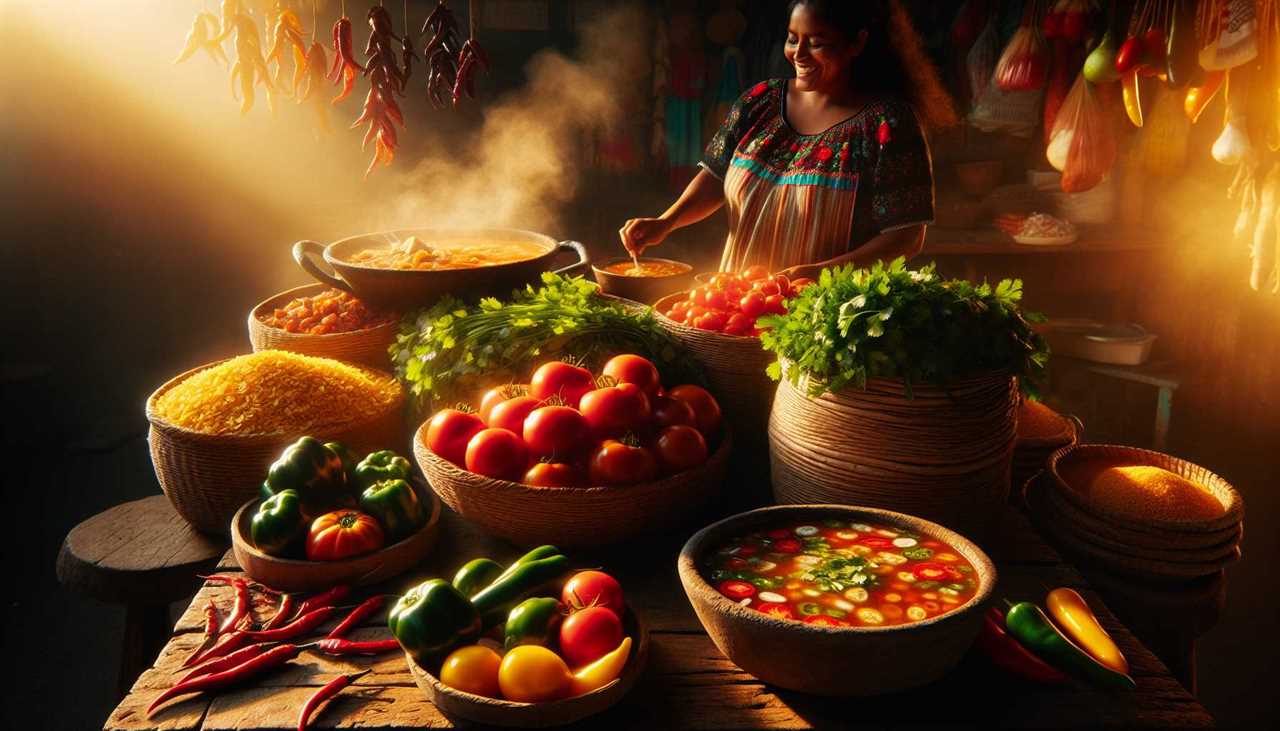
Mexican cooking centers around a handful of essential ingredients that form the backbone of its vibrant flavors.
Corn is foundational, used in tortillas, tamales, and more, bringing a unique texture and taste. Beans add protein and earthiness, making them a staple in countless dishes.
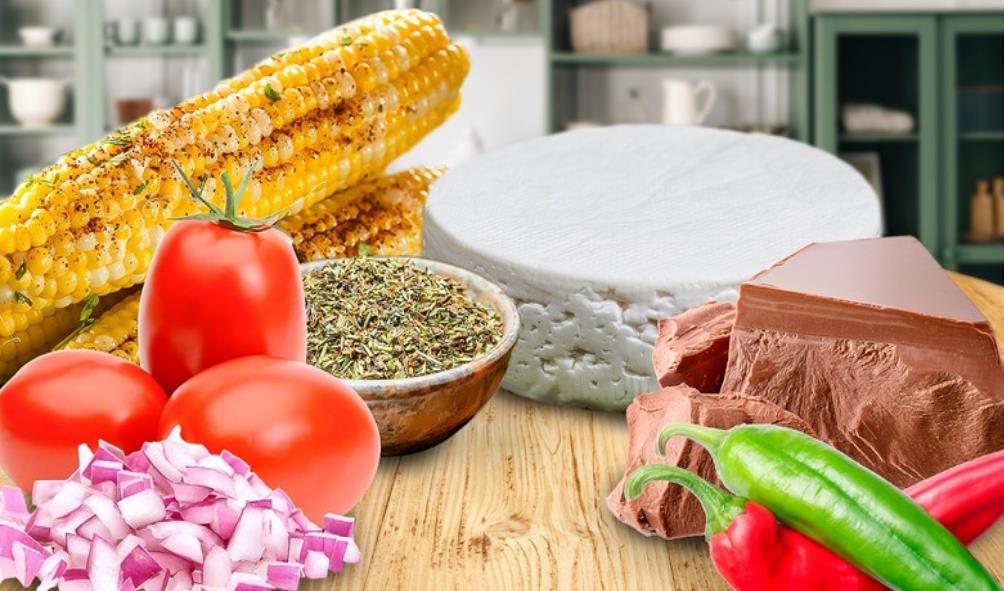
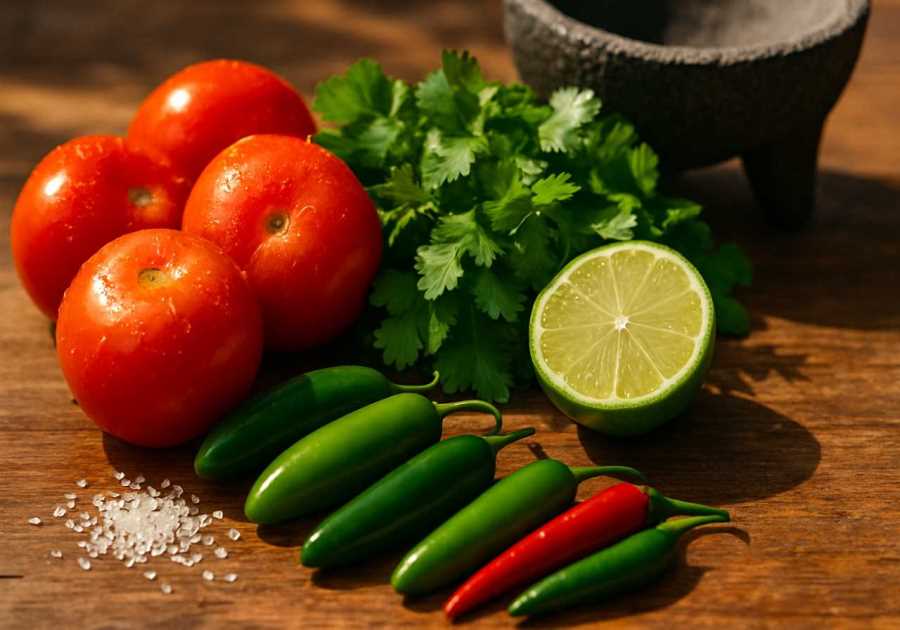
Chiles, both fresh and dried, provide heat and depth, infusing everything from salsas to stews with their bold character. Fresh herbs like cilantro and spices such as cumin and oregano elevate your meals, adding freshness and complexity.
Don’t forget tomatoes and limes; they bring acidity and brightness, balancing richer flavors.
Regional Specialties: A Taste of Mexico's Diversity
What makes Mexico’s regional cuisines so captivating? It’s the rich tapestry of flavors that vary from one region to another.
In the north, you'll savor hearty dishes like carne asada and rich cheeses, while the coastal areas tantalize your taste buds with fresh seafood, like ceviche.
Head to central Mexico, and you’ll discover the famous mole, a complex sauce that embodies centuries of tradition.
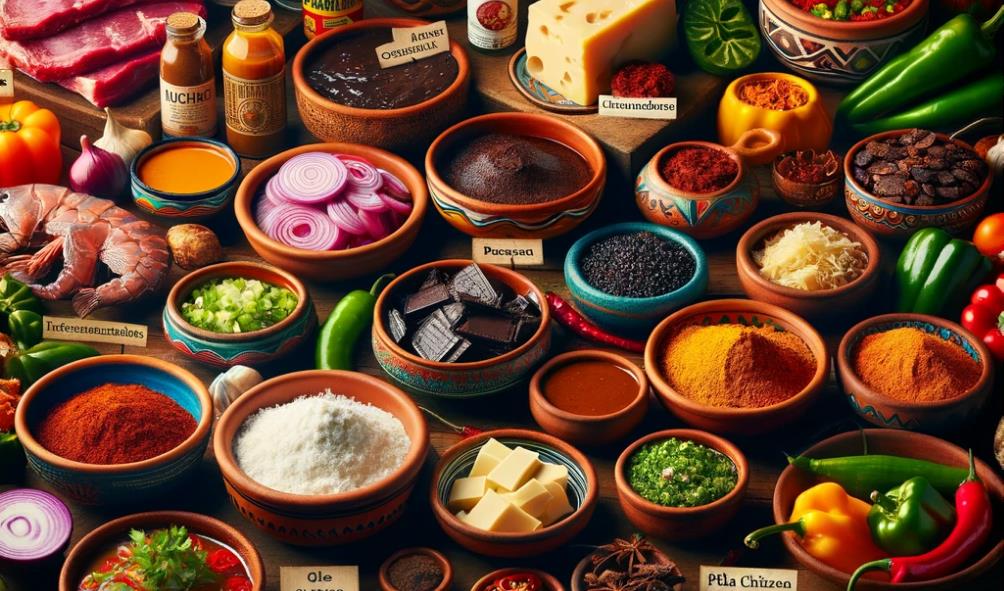
The Yucatán Peninsula offers its unique cochinita pibil, a slow-roasted pork dish infused with citrus.
Each region tells a story through its ingredients and cooking methods, showcasing the diverse cultures and histories that shape Mexican identity.
When you explore these specialties, you’ll truly understand the depth and richness of Mexico's culinary landscape.
Traditional Cooking Techniques: Crafting Authentic Flavors
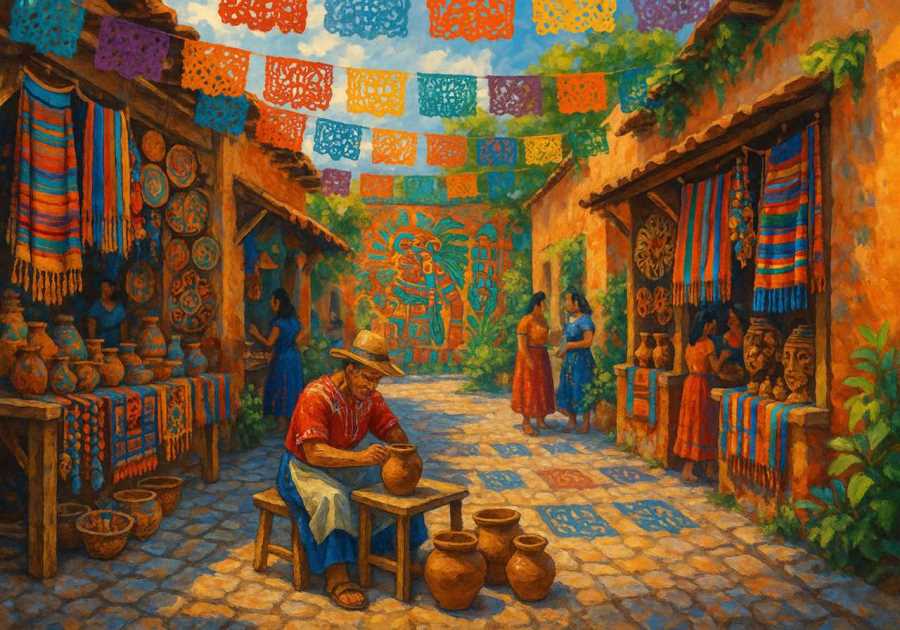
Exploring regional specialties reveals not just unique ingredients but also the traditional cooking techniques that bring these dishes to life. You’ll find that methods like nixtamalization, where corn is treated with lime to enhance flavor and nutrition, are foundational to many meals.
Cooking in clay pots or comales gives a distinct taste to beans and tortillas, while slow-roasting meats in an underground pit, known as barbacoa, infuses them with rich, smoky flavors.
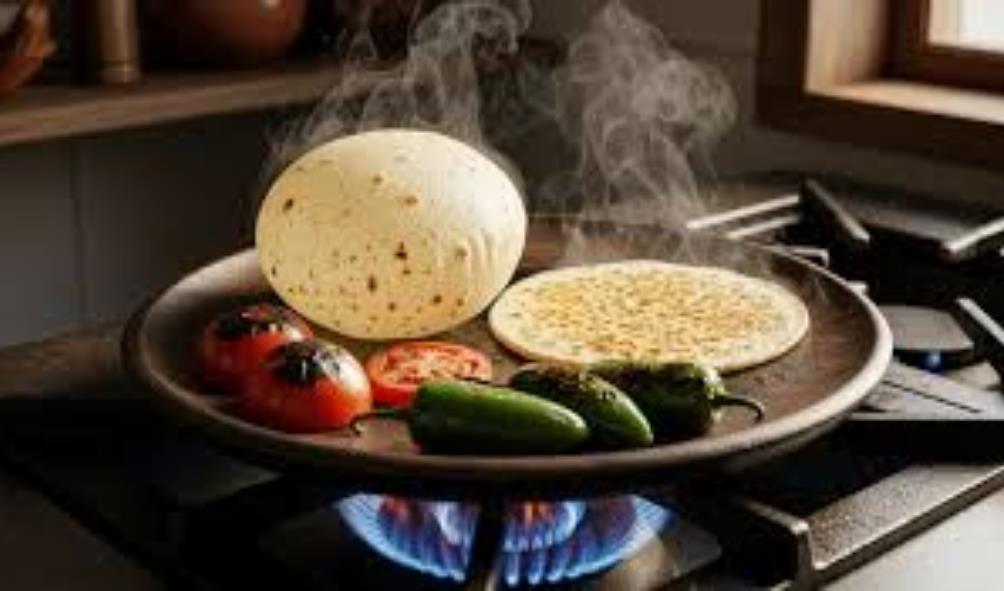
Steaming tamales in banana leaves adds moisture and a subtle aroma. Each technique reflects the culture and history of the region, transforming simple ingredients into unforgettable dishes.
Embracing these methods will deepen your appreciation for the authenticity of Mexican cuisine.
The Art of Salsas: Balancing Heat and Flavor
Salsas are a cornerstone of Mexican cuisine, offering an incredible range of flavors and heat levels that can elevate any dish.
When you make salsa, focus on balancing the heat with fresh ingredients. Use ripe tomatoes, tangy tomatillos, or roasted peppers as your base, and add aromatics like onion and cilantro for depth.
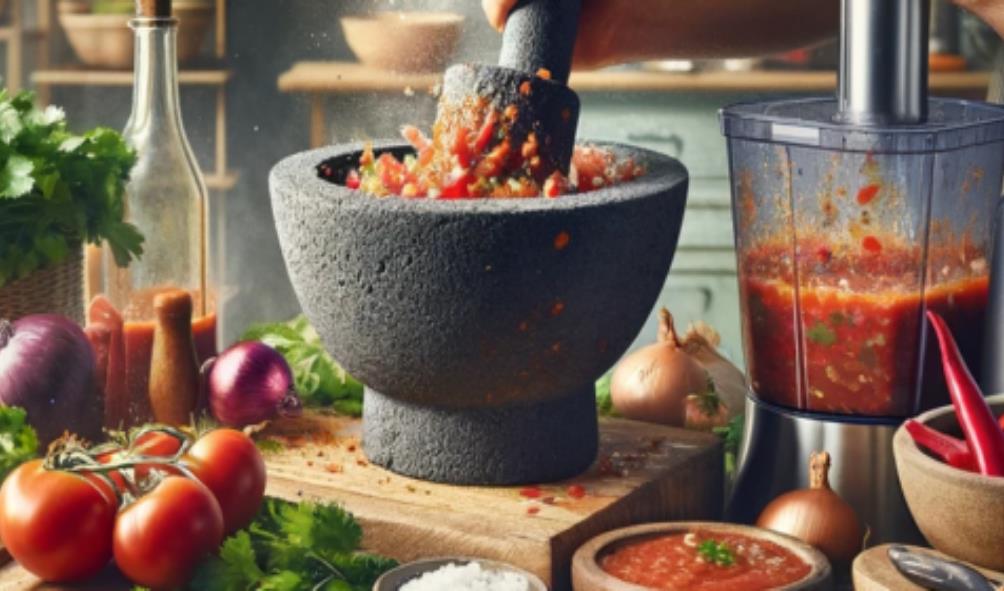
Spice it up with fresh chiles, adjusting the quantity to your heat preference. A splash of lime juice brightens the flavors and adds a refreshing zing.
Experiment with textures, from smooth purées to chunky mixes. Don't forget to taste as you go; this is where the magic happens.
The perfect salsa complements your meal, enhancing every bite without overpowering the main ingredients. Enjoy your flavorful journey!
Mole: The Soul of Mexican Gastronomy
While many dishes define Mexican cuisine, mole stands out as a rich tapestry of flavors and traditions that embody the heart of the culture. You’ll discover that mole isn't just a sauce; it’s an experience steeped in history, integrating indigenous ingredients with Spanish influences.
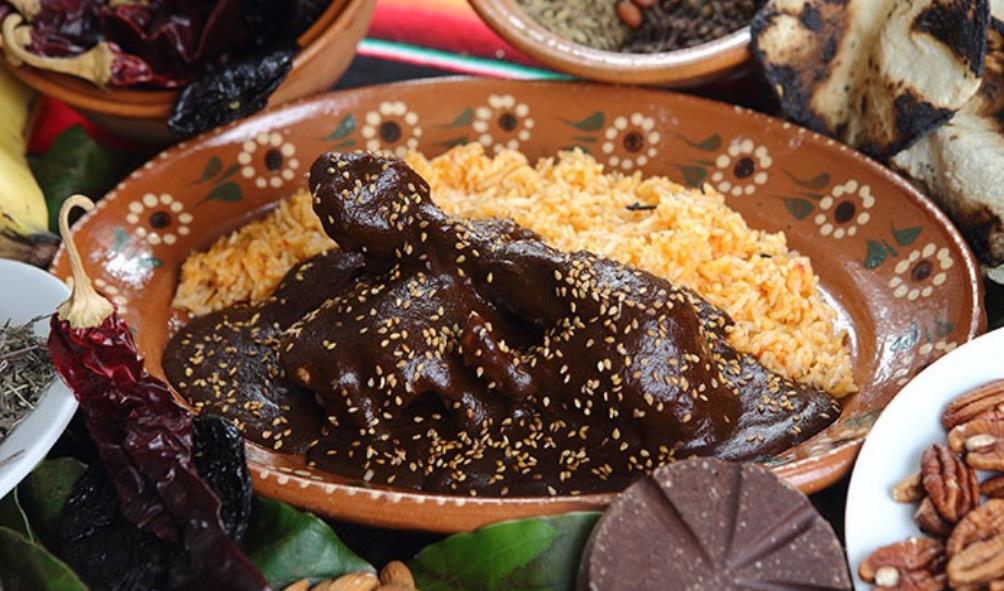
Picture the deep, complex layers of chocolate, spices, and chiles dancing on your palate. Each region boasts its own unique mole, from the famous mole poblano to the vibrant green mole of Oaxaca, reflecting local ingredients and traditions.
As you savor this dish, you connect with centuries of culinary artistry, understanding how food tells the story of a nation. Mole invites you to explore and appreciate the intricate flavors that make Mexican gastronomy truly extraordinary.
Street Food Culture: Eating Like a Local
When you wander through the vibrant streets of Mexico, the tantalizing aroma of street food beckons you to indulge like a local.
You’ll find bustling stalls serving up delicious tacos, filled with everything from succulent carne asada to spicy nopales. Grab a plate of tamales from a friendly vendor, and don’t forget to try the elotes slathered in creamy cheese and chili.
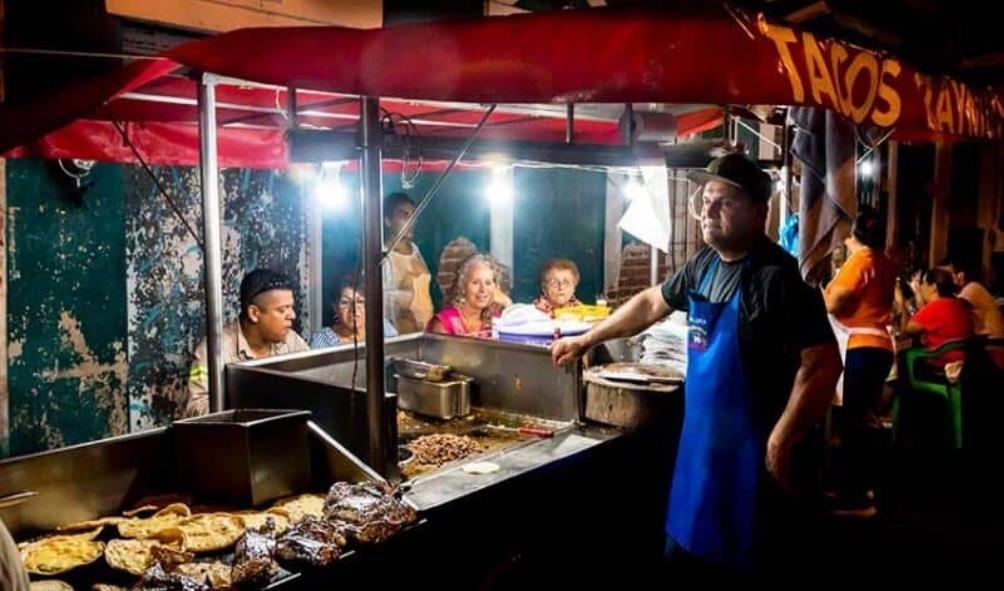
As you savor these bites, you’ll notice the lively atmosphere, with locals chatting and laughing around you. Each dish tells a story of tradition and community, inviting you to join in.
Embrace the spontaneity of street dining; it’s where you’ll discover the true essence of Mexican culture. Eating like a local is an experience you won’t want to miss!
Celebratory Dishes: Food and Festivities in Mexico
Mexico’s vibrant culture comes alive through its celebratory dishes, especially during festivals and special occasions. You’ll find that each region has its own unique flavors, reflecting local traditions.
During Día de los Muertos, you can’t miss the pan de muerto, a sweet bread decorated with bone-shaped pieces.
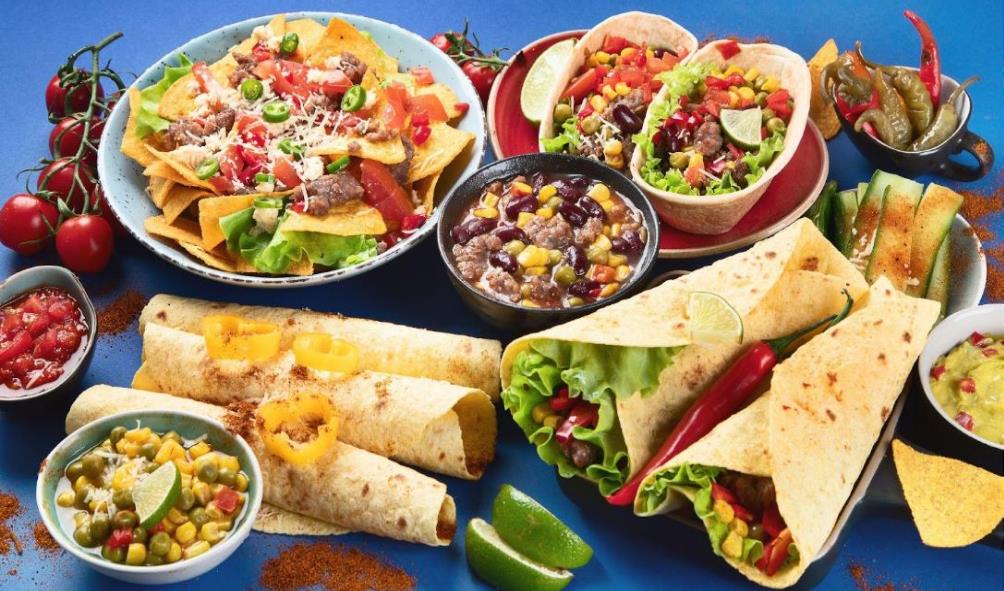
On Independence Day, indulge in pozole, a hearty soup made with hominy, meat, and spices, often garnished with fresh radishes and cabbage.
Christmas brings tamales, wrapped in corn husks and filled with everything from pork to sweet chocolate.
These dishes aren’t just food; they’re a way to connect with family and friends, sharing stories and experiences.
Conclusion
As you embark on this flavor journey through Mexico, you’ll discover that each dish is a celebration of history and culture. From the vibrant street food to the intricate mole, you’ll taste the heart and soul of this rich cuisine. Embrace the communal spirit of sharing meals and savor the diverse regional specialties that make Mexican food a true culinary adventure. So, gather your ingredients, fire up your kitchen, and let the flavors transport you to Mexico.
Statistics
- Mexico is home to over 60 indigenous languages, each contributing unique flavors and techniques to its diverse culinary landscape.
- Taco sales in the United States alone reached nearly 4.5 billion in 2021, showcasing the global popularity of this Mexican dish.
- In 2010, UNESCO recognized traditional Mexican cuisine as an Intangible Cultural Heritage of Humanity, highlighting its cultural significance and preservation.
- The Mexican food industry is a significant contributor to the country's economy, with the sector being valued at approximately $195 billion in 2022.
How to Make Authentic Mexican Tacos at Home
Creating authentic Mexican tacos at home is a delightful experience that brings the vibrant flavors of Mexico to your kitchen. Start by choosing the right tortilla; corn tortillas are traditional and provide the best base. For the filling, select a protein such as marinated grilled chicken, beef, or pork. Season the meat with spices like cumin, chili powder, and garlic for an authentic taste. Cook the meat until it’s tender and juicy. Top your tacos with fresh ingredients such as chopped cilantro, diced onions, and a squeeze of lime. For added flavor, include homemade salsa or guacamole. Serve your tacos immediately for the best experience. Remember, the key to authentic Mexican tacos lies in fresh ingredients and bold flavors.
Want to travel with more time and freedom?
The freedom to travel! Discover free & unique homestays around the world, in exchange for caring for adorable pets.
https://escapetomexiconow.com/ths
Recommended Resources:
Ready to explore life beyond borders? Check out our trusted guides to Mexico, Panama, and the Philippines — your gateways to new adventures, culture, and opportunity.
https://escapetomexiconow.com/
https://escapetomexiconow.info/
https://escapetopanamanow.info/
https://escapetothephilippinesnow.com/
YouTube Channel:
See Mexico like never before! From local culture to travel hacks, our YouTube channel brings the adventure straight to you.
https://www.youtube.com/@EscapeToMexicoNow