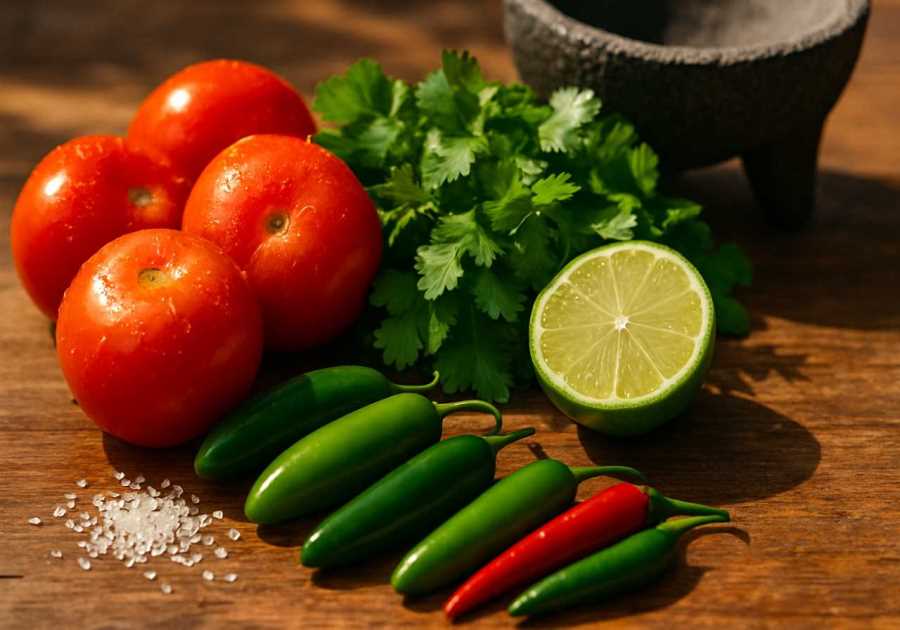
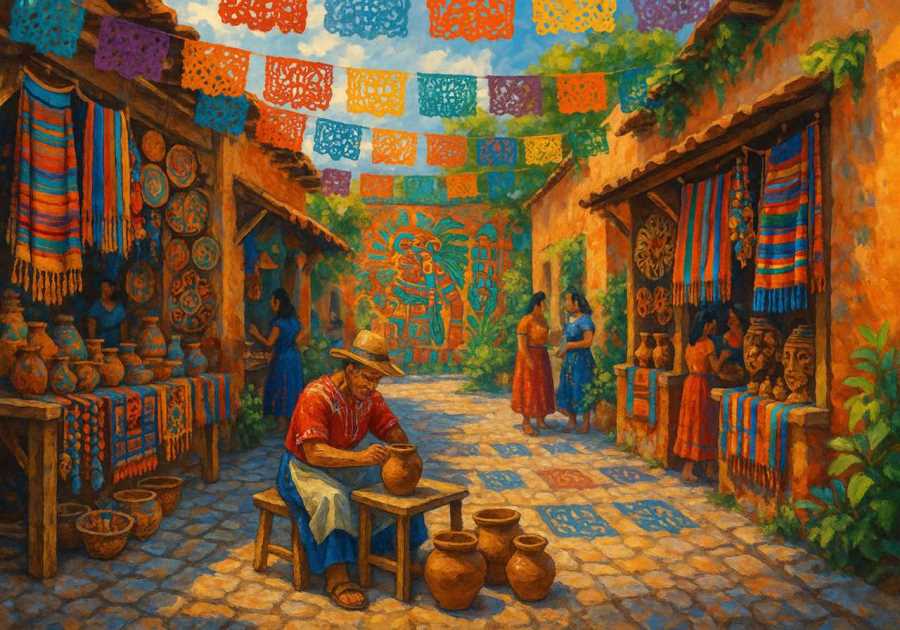
.png)
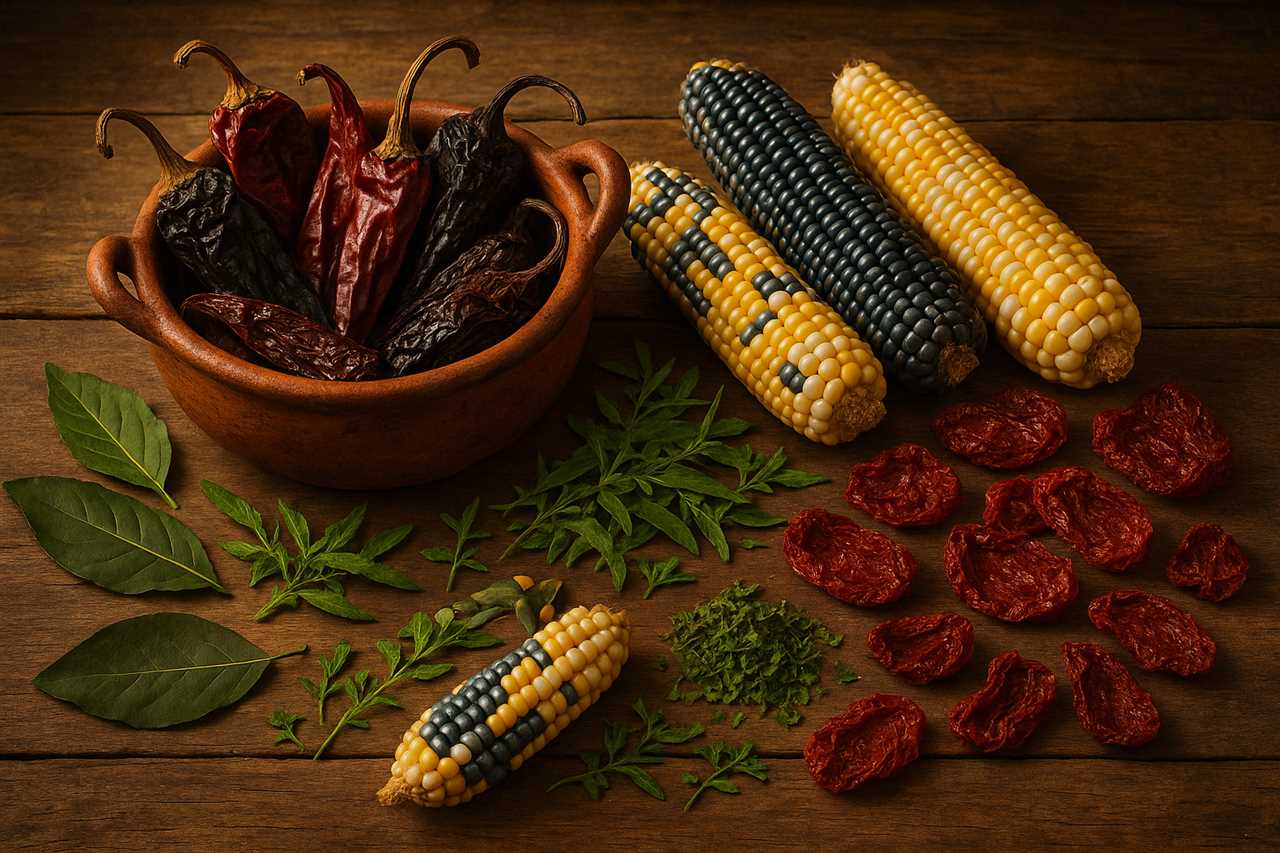
When you think about Mexican cuisine, it’s easy to focus on familiar staples like tortillas and beans. However, there are forgotten ingredients that shaped this rich culinary landscape. Amaranth, huazontle, and chia seeds are just a few examples of what once nourished ancient civilizations. As we explore these ingredients, you'll uncover how they still hold significance in modern dishes and the stories they carry from the past. What else might you discover along the way?
The Role of Amaranth in Ancient Diets
Amaranth played a crucial role in the diets of ancient civilizations, particularly among the Aztecs and Mayans. You'd find it incorporated into various dishes, serving as a staple grain that provided essential nutrients.
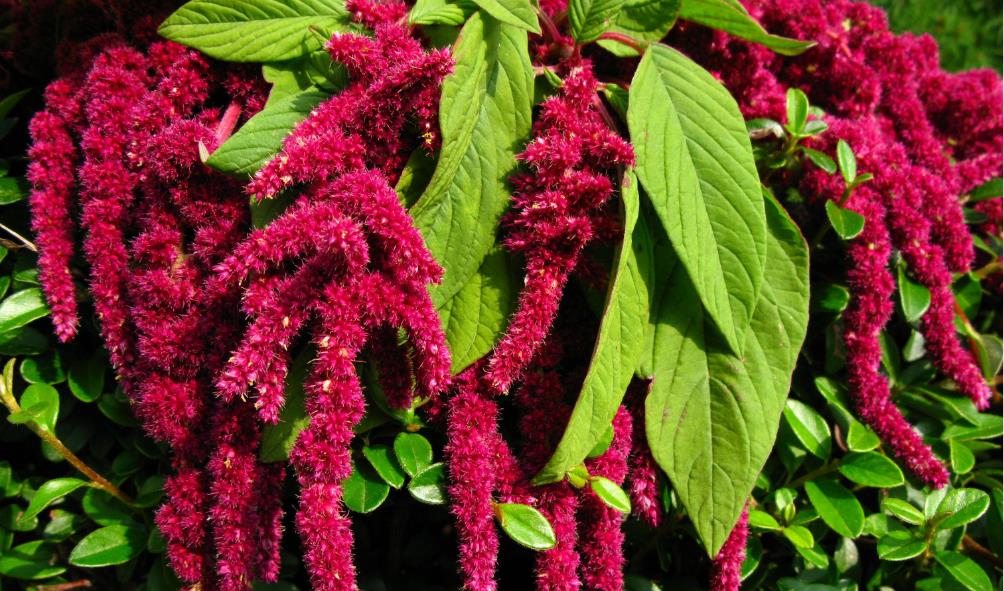
Rich in protein and vitamins, amaranth was more than just food; it was a symbol of life and fertility. When you consider how these ancient cultures utilized amaranth, you see that it wasn't just a filler.
They ground it into flour for tortillas or mixed it with water to create porridge, making it versatile. Its cultivation was sacred, often linked to religious ceremonies, which highlights its importance beyond sustenance.
Exploring the Unique Flavor of Epazote
While many herbs add flavor to dishes, epazote stands out with its bold, distinctive taste that can be both intriguing and polarizing. You might find its aroma reminiscent of medicinal qualities, which often sparks curiosity.
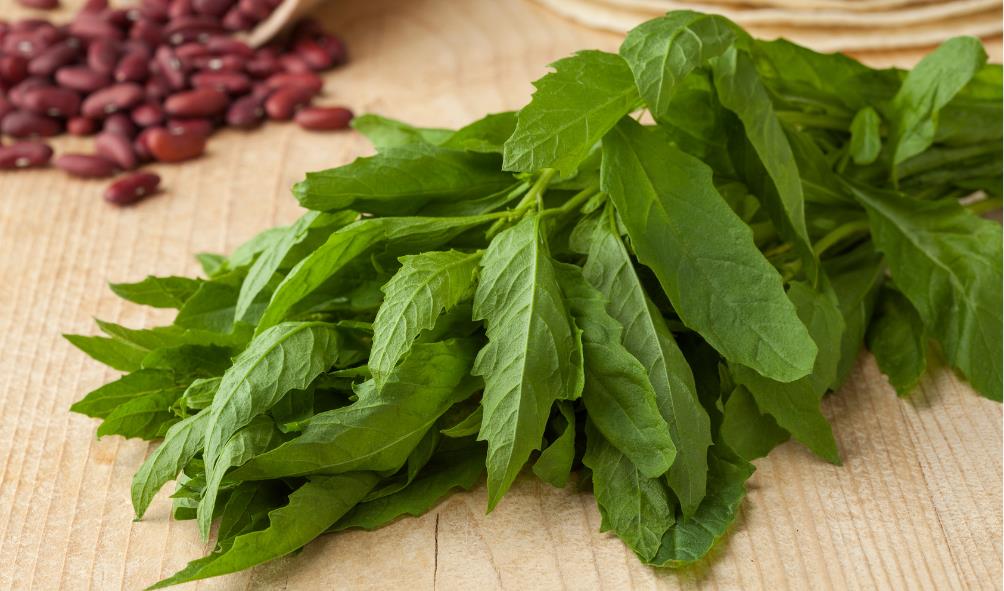
When used in cooking, epazote brings a unique earthiness that can elevate traditional Mexican dishes, especially beans, where it helps reduce gas. Its flavor profile combines herbal, slightly citrusy notes with a hint of bitterness, making it a versatile addition to your culinary repertoire.
However, you should use it sparingly, as its intensity can easily dominate a dish. Embracing epazote opens up a world of flavors that connect you to the deep roots of Mexican cuisine, inviting you to explore beyond the familiar.
The Culinary Uses of Nopales
Building on the unique ingredients that define Mexican cuisine, nopales, or cactus pads, play an equally important role with their unique texture and flavor.
You can enjoy nopales grilled, sautéed, or even raw in salads, adding a refreshing crunch. When cooked, their slightly tangy taste complements various dishes, such as tacos, quesadillas, or soups.
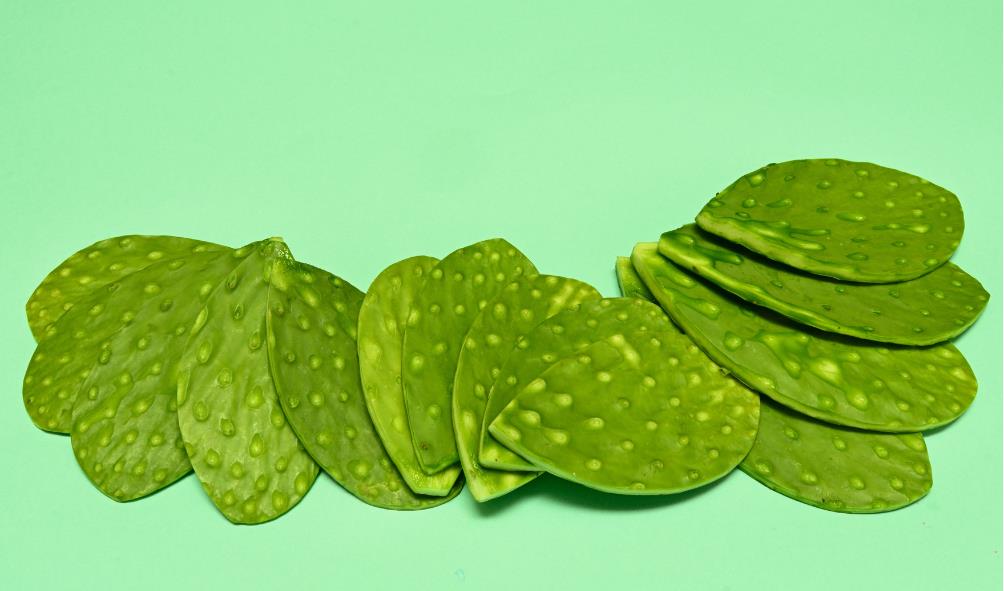
Try incorporating them into your breakfast by mixing them with scrambled eggs for a nutritious twist. Nopales are also rich in vitamins and fiber, making them a healthy addition to any meal.
Don’t forget to remove the thorns before cooking!
Whether you're a seasoned chef or a home cook, experiment with nopales to elevate your culinary creations and embrace the authentic essence of Mexican cuisine.
Understanding the Importance of Huazontle
Huazontle, a vibrant green plant related to amaranth, holds significant cultural and culinary value in Mexican cuisine.
You'll find it often used in traditional dishes, adding a unique earthy flavor and nutritional benefits. This plant isn't just a food source; it's a symbol of resilience and connection to the land.
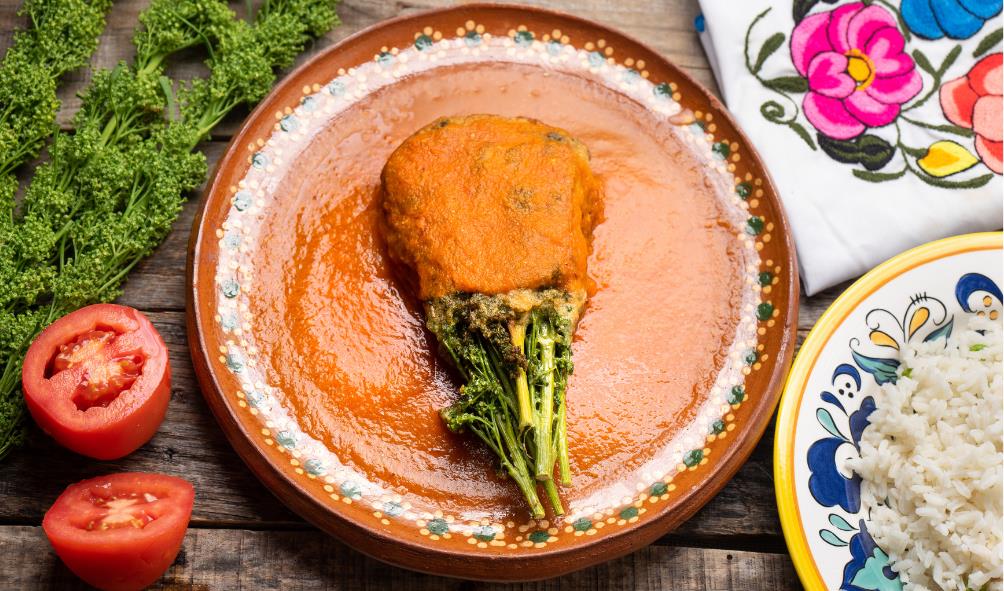
Many recipes feature huazontle, from savory stuffed tortillas to hearty soups, showcasing its versatility. You'll appreciate its rich history, as it has been cultivated since pre-Hispanic times, making it a staple in indigenous diets.
By embracing huazontle, you’re not just enjoying a delicious ingredient; you’re also honoring the traditions and flavors that define Mexican culinary heritage.
Forgotten Fruits: The Beauty of Guava
Guava, often overlooked in the realm of fruits, deserves a spotlight for its unique flavor and nutritional profile. This tropical gem bursts with sweetness and a hint of tartness that can elevate your dishes.
From fresh slices in salads to purees for sauces, guava adds a delightful twist to your culinary creations. Not only is it delicious, but it’s also packed with vitamins A and C, antioxidants, and dietary fiber.
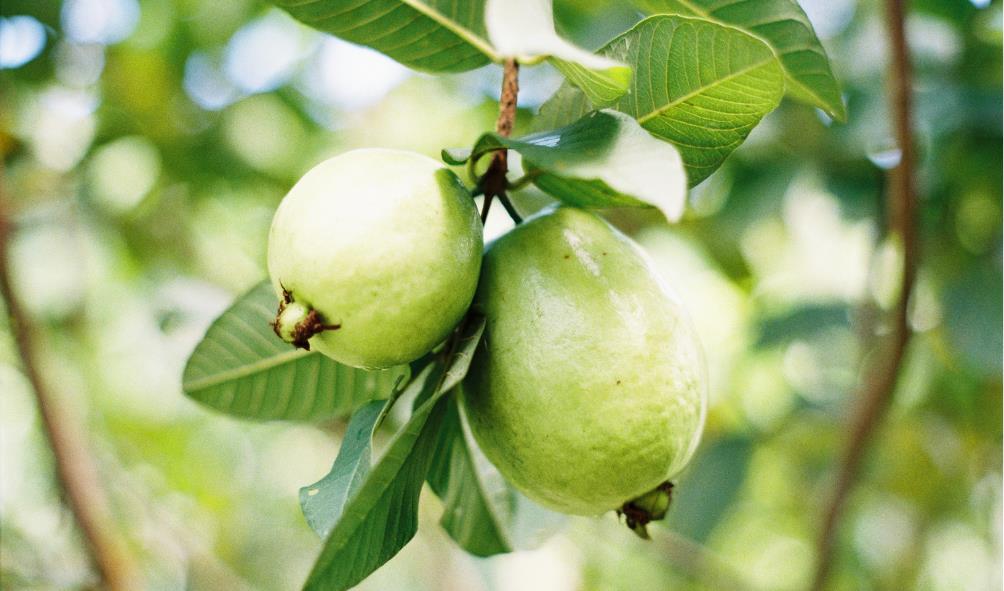
You might even find guava leaves utilized in traditional remedies, showcasing its versatility. Next time you’re at the market, don’t pass by this vibrant fruit.
Embrace guava’s beauty, and let its exotic taste inspire your next meal, bridging the gap between tradition and innovation in Mexican cuisine.
The Significance of Chia Seeds in Tradition
Chia seeds, tiny yet mighty, hold a special place in Mexican tradition and cuisine. These nutrient-packed seeds were once a staple for ancient Aztec warriors, who relied on them for energy during long battles. They symbolize resilience and strength, embodying the spirit of those who cultivated them.
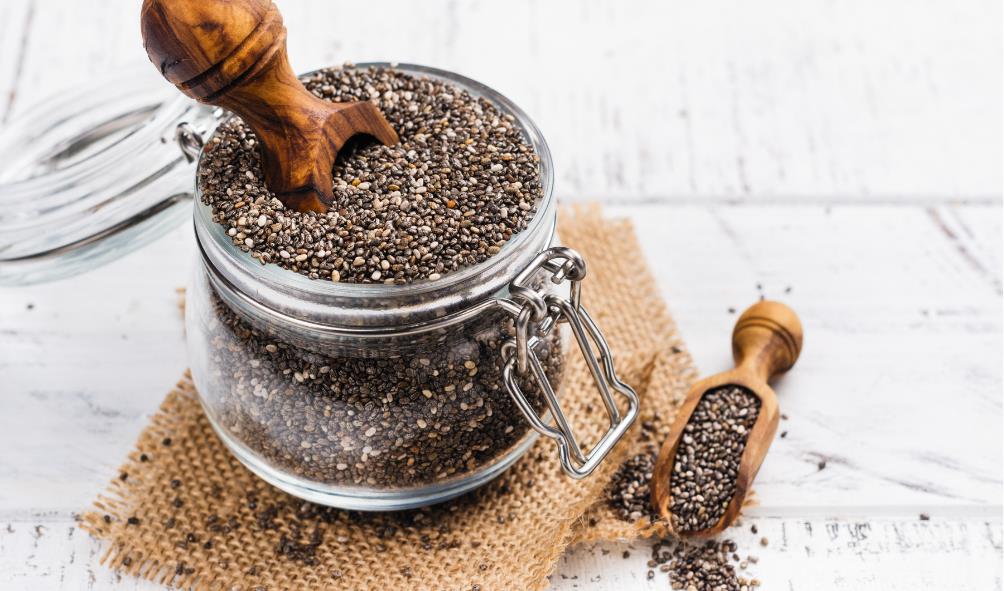
In modern times, you'll find chia seeds in various dishes, from refreshing drinks to traditional desserts. Their ability to absorb water and form a gel makes them unique, enhancing textures and flavors.
The Versatility of Maguey in Mexican Cooking
Maguey, like chia seeds, is another ingredient that showcases the rich tapestry of Mexican cuisine. You’ll find this versatile plant used in various forms, from its sweet, caramel-like sap to its sturdy leaves.
When cooked, maguey leaves can be wrapped around meats or vegetables, infusing them with a unique flavor. You might also enjoy it in traditional dishes like tacos de lengua, where the leaves serve as a natural wrapper.
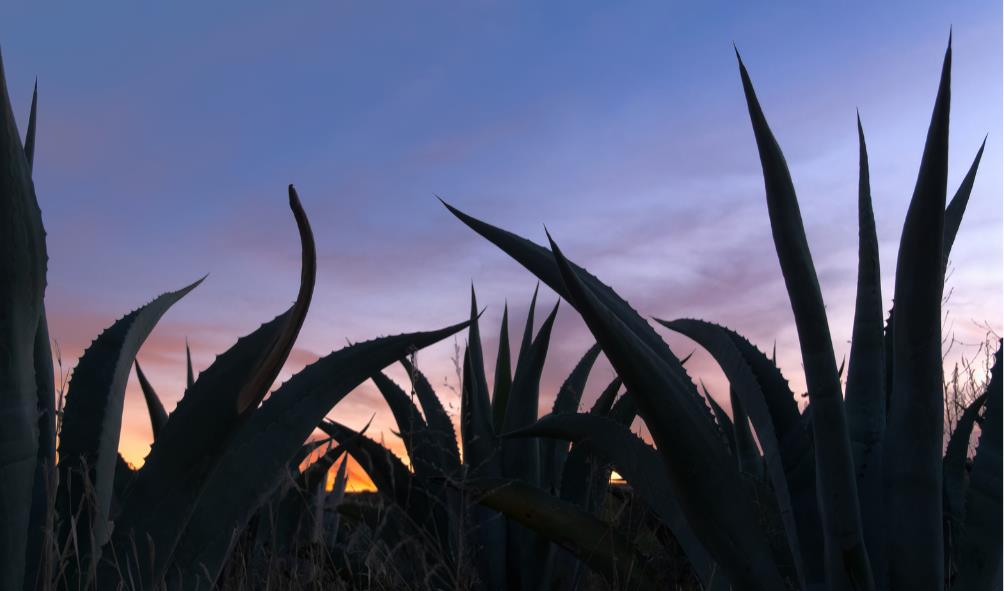
Additionally, the sap, known as aguamiel, can be enjoyed fresh or fermented into pulque, a traditional alcoholic beverage. Even the fibers can be used for making artisanal crafts.
Embracing maguey in your cooking opens up a world of flavors and textures, connecting you to Mexico’s vibrant culinary heritage.
The Hidden Treasures of Native Herbs
Have you ever explored the vibrant world of native herbs that elevate Mexican cuisine?
These hidden treasures, such as epazote, hoja santa, and Mexican oregano, bring unique flavors and aromas to your dishes.
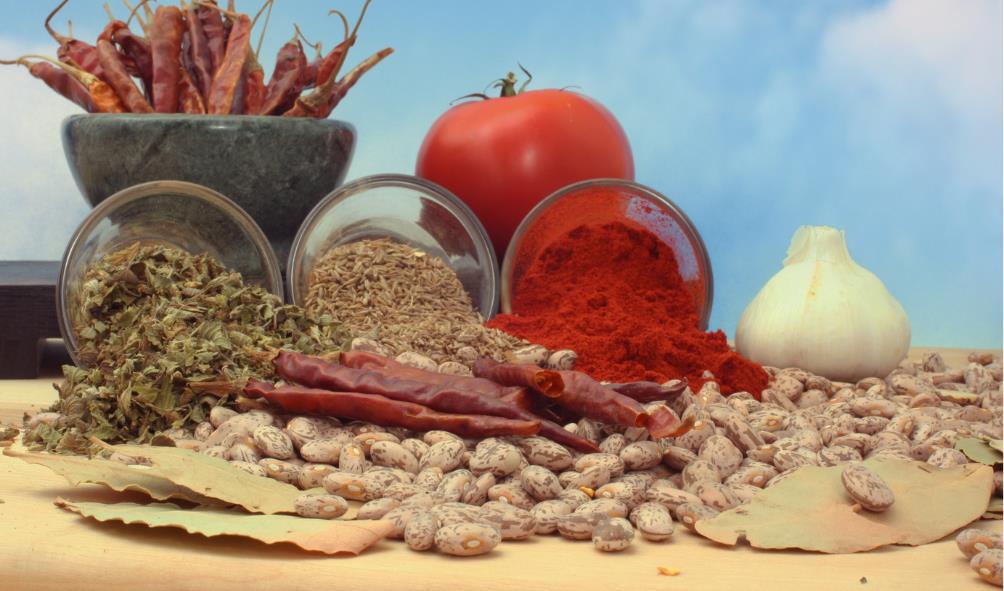
Epazote, with its strong, pungent taste, can transform beans and stews, while hoja santa adds a subtle anise-like flavor to salsas and moles.
Mexican oregano, distinct from its Mediterranean counterpart, offers a warm, earthy profile that enhances sauces and meats.
By incorporating these herbs, you not only deepen the taste of your meals but also connect with the rich cultural heritage of Mexico.
Reviving the Ancient Grain: Teosinte
As you delve into the roots of Mexican cuisine, you'll discover teosinte, the ancient ancestor of modern corn, which holds a vital place in the culinary narrative.
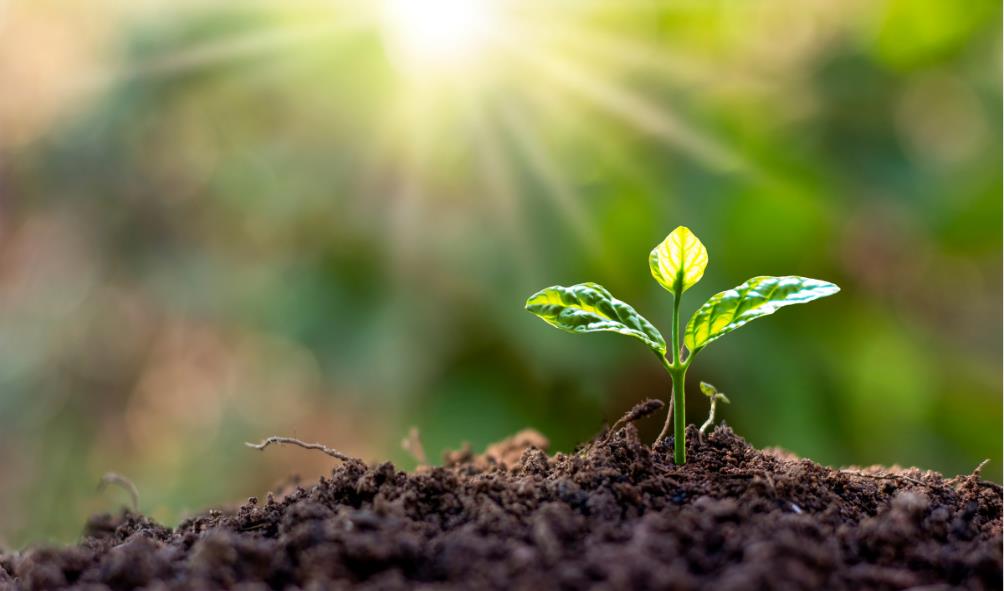
This remarkable grain, once cultivated by indigenous peoples, offers a glimpse into agricultural innovation and tradition. With its smaller kernels and tougher husk, teosinte mightn't seem appealing at first glance, but its unique flavor and nutritional benefits are worth exploring.
Chefs and home cooks alike are beginning to revive this ancient grain, incorporating it into modern recipes. By embracing teosinte, you're not just reconnecting with history; you're also supporting sustainable agriculture.
Conclusion
In exploring these forgotten ingredients, you uncover the rich heritage that shapes Mexican cuisine today. Each element, from amaranth to chia seeds, tells a story of resilience and tradition. By embracing these unique flavors and nutritional powerhouses, you’re not just reviving ancient practices; you’re enriching your culinary repertoire. So, next time you cook, consider incorporating these treasures and celebrate the vibrant history that’s been woven into every dish. It’s a delicious way to honor the past!
Statistics
- Mexico accounts for approximately 85% of the world's production of the agave plant, which is essential for producing tequila and mezcal.
- Vanilla, originally cultivated by the Totonac people of Mexico, is the second most expensive spice globally and is used extensively in Mexican confectionery and beverages.
- Tomatoes, originating in western South America, were introduced to Mexico around 500 BC and have since become integral to Mexican salsas and sauces.
- Chiles have been a staple in Mexican cuisine for over 6,000 years, playing a crucial role in the flavor profile of countless traditional dishes.
External Links
- Serious Eats: Complete Guide to Mexican Ingredients delves into the wide range of ingredients that make Mexican cuisine unique and flavorful.
- Eater: Mexican Ingredients discusses the historical and cultural significance of various ingredients in Mexican cuisine.
- TasteAtlas: Most Popular Ingredients in Mexico explores a variety of ingredients that are integral to the rich flavors of Mexican dishes.
- The Spruce Eats: Mexican Food Ingredients offers insights into the essential ingredients that are the backbone of Mexican cooking.
How to Incorporate Epazote into Your Mexican Dishes
Epazote is a traditional Mexican herb with a unique, pungent flavor that can enhance many dishes. To incorporate epazote into your cooking, start by using it in bean dishes to reduce flatulence and add a distinct taste. Add a few fresh leaves towards the end of cooking to preserve its flavor. Epazote also complements quesadillas, soups, and stews. When using dried epazote, remember that its flavor is more concentrated, so use sparingly. Experiment with small amounts to determine your preferred intensity. Always ensure the leaves are fresh and vibrant for the best taste, and store them in the refrigerator to maintain freshness.
Plan the perfect group trip, your way.
Get an instant personalized itinerary. We handle logistics, payments, and provide a dedicated itinerary, while local experts fine-tune every detail. Enjoy full freedom—without the stress of organizing it all.
https://escapetomexiconow.com/tourhero
Recommended Resources:
Dreaming of a fresh start abroad? Explore our curated destination guides to learn how you can make the move with ease.
https://escapetomexiconow.com/
https://escapetomexiconow.info/
https://escapetopanamanow.info/
https://escapetothephilippinesnow.com/
YouTube Channel:
See Mexico like never before! From local culture to travel hacks, our YouTube channel brings the adventure straight to you.
https://www.youtube.com/@EscapeToMexicoNow