.png)
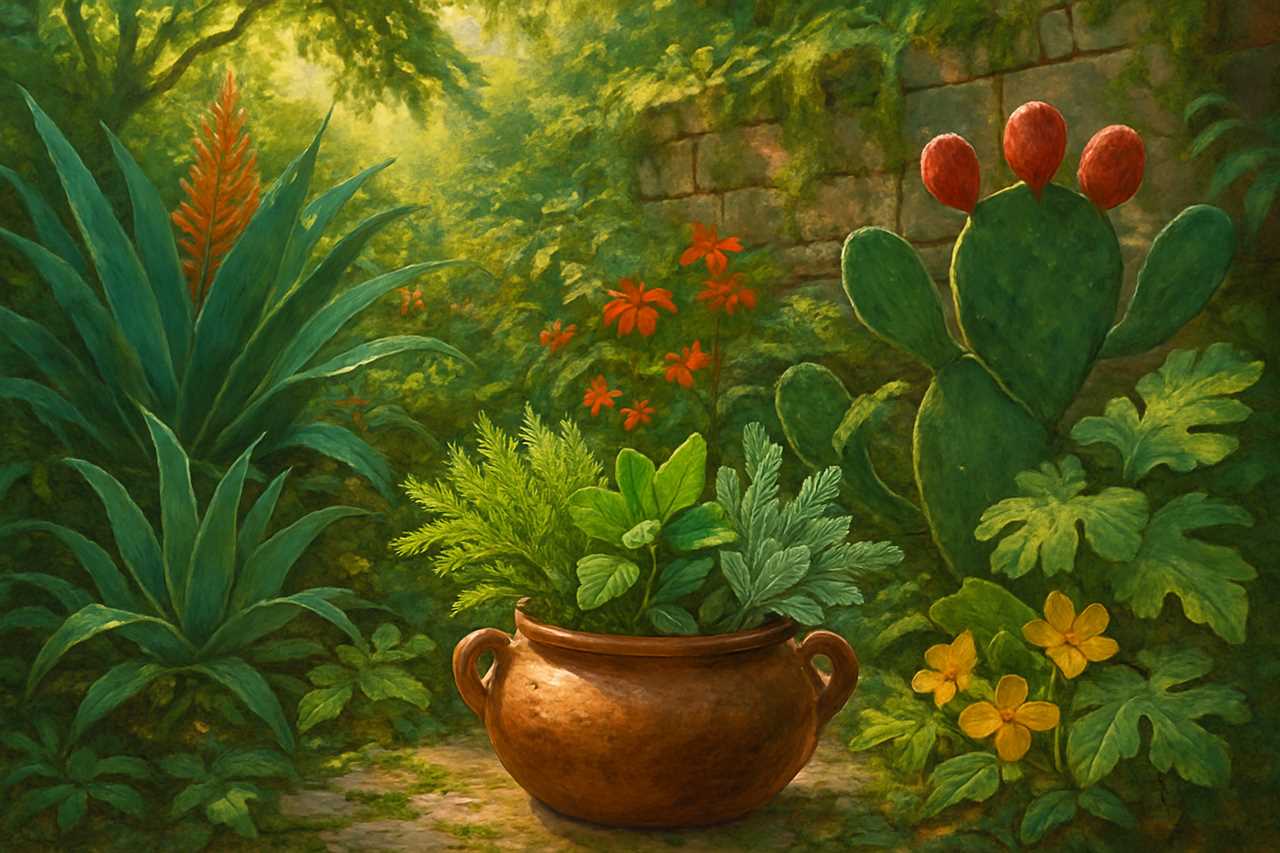
Mexico's botanical legacy offers a fascinating blend of ancient wisdom and contemporary wellness practices. With over 30,000 plant species, each one carries potential benefits for healing and nutrition. As you explore this rich landscape, you'll uncover how traditional knowledge meets modern demands. But what happens when urbanization and climate change threaten these invaluable resources? The answers might surprise you.
The Rich Biodiversity of Mexico
Mexico boasts an astonishing 30,000 plant species, making it one of the most biodiverse countries in the world. You’ll discover a rich tapestry of ecosystems, from arid deserts to lush rainforests, each hosting unique flora.
This diversity provides numerous benefits, including food, medicine, and materials for traditional crafts. As you explore, you’ll encounter iconic plants like the agave and cactus, each with its own cultural significance.
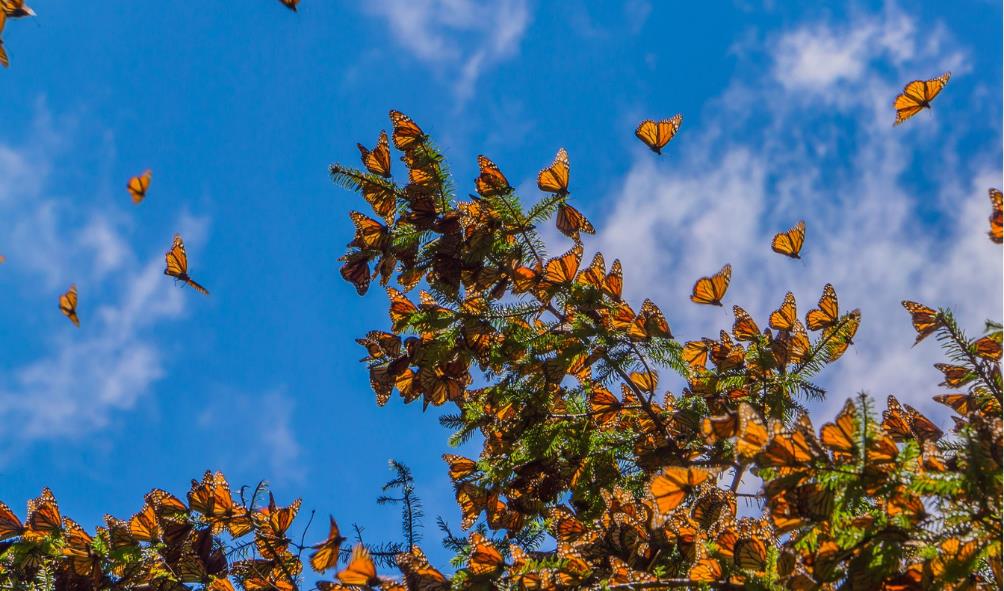
The interplay between climate and geography contributes to this vibrant biodiversity, offering endless opportunities for discovery. You might even find inspiration in the colors and textures of these plants, which have shaped local traditions and cuisine.
Embracing this botanical wealth can deepen your appreciation for nature and its gifts.
Traditional Healing Practices of Indigenous Communities
Traditional healing practices among Indigenous communities reveal a profound connection to nature and an understanding of holistic wellness.
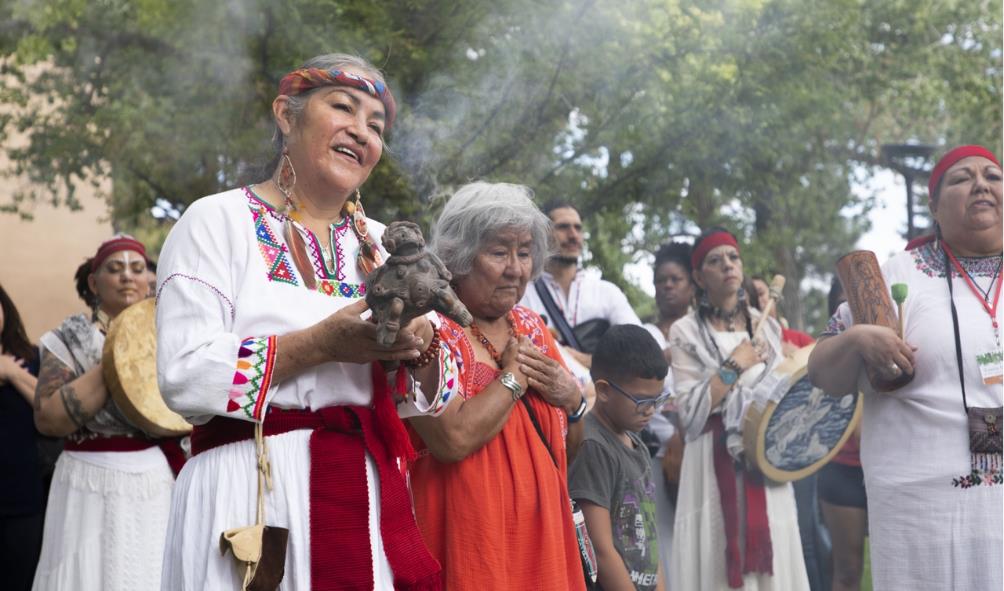
You’ll find that these traditions often integrate physical, emotional, and spiritual aspects of health. Healers, known as curanderos, use rituals, herbal remedies, and ancestral knowledge to address ailments. They emphasize balance within the body and the environment, believing that health stems from harmony with nature.
You might see ceremonies that include elements like music, dance, and prayer, fostering community support and spiritual connection. This approach not only treats illness but also promotes preventative care, helping individuals maintain well-being.
Key Medicinal Plants and Their Uses
While many modern medicines trace their origins to the natural world, key medicinal plants have long been celebrated for their healing properties.
In Mexico, plants like arnica are renowned for reducing inflammation and alleviating bruises.
Nopal, the prickly pear cactus, offers benefits for blood sugar regulation and digestive health.
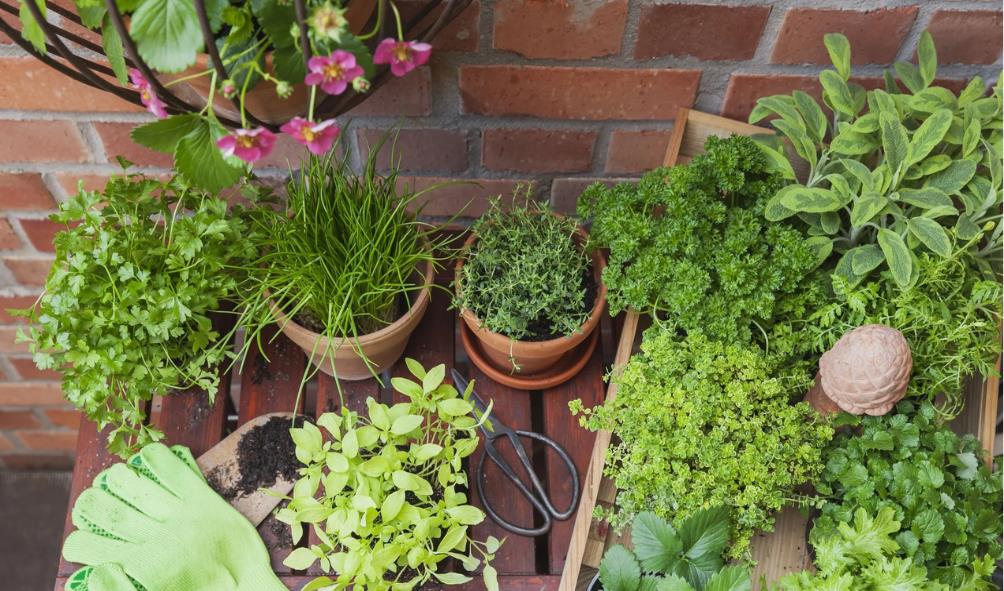
You might find epazote useful for easing gastrointestinal discomfort, while calendula can help soothe skin irritations.
The chaya leaf is packed with nutrients and has anti-inflammatory effects.
If you’re looking to boost your immune system, consider elderberry, known for its antiviral properties.
These plants aren’t just traditional remedies; they’re practical solutions for everyday health challenges that you can incorporate into your wellness routine.
The Rise of Superfoods: Ancient Ingredients in Modern Diets
As you explore the world of nutrition, you might notice that ancient ingredients are making a significant comeback in modern diets, often labeled as superfoods.
Foods like chia seeds, amaranth, and spirulina have roots in ancient cultures, celebrated for their nutrient density and health benefits. These ingredients pack a punch with essential vitamins, minerals, and antioxidants, helping you boost your overall wellness.
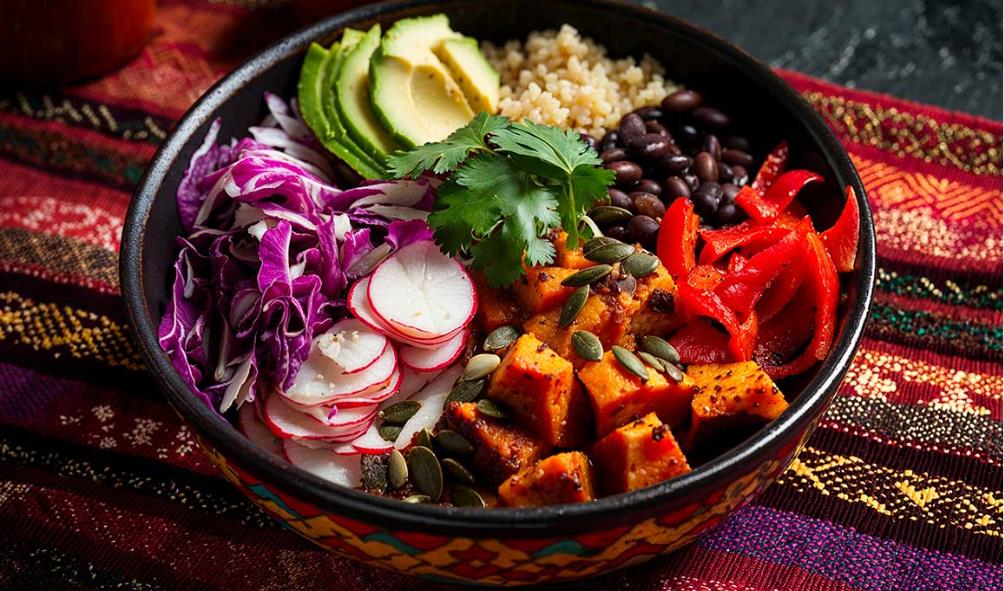
Incorporating them into your daily meals can elevate your nutrition effortlessly. You can sprinkle chia seeds on your breakfast or add spirulina to your smoothies.
Embracing these superfoods not only connects you to history but also supports your health goals. By choosing these ancient treasures, you’re revitalizing your diet and honoring the wisdom of past civilizations.
The Role of Botanical Knowledge in Sustainable Living
Ancient ingredients not only enrich our diets but also offer insights into sustainable living practices rooted in botanical knowledge.
By understanding the properties and uses of native plants, you can make informed choices that benefit both your health and the environment. For instance, incorporating local herbs and vegetables into your meals reduces the carbon footprint associated with transporting food.
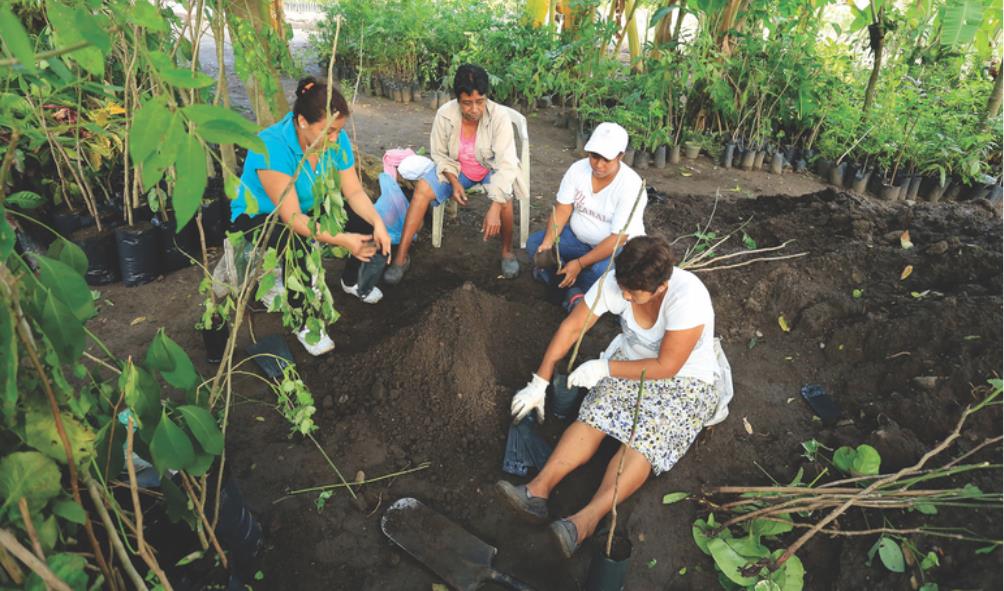
Additionally, learning about traditional cultivation methods can inspire you to adopt organic gardening practices, which promote biodiversity and soil health. Embracing these ancient techniques not only preserves cultural heritage but also fosters a deeper connection to the land.
As you integrate botanical wisdom into your life, you contribute to a more sustainable future while nurturing your well-being.
Integrating Ancient Wisdom Into Contemporary Wellness Routines
Integrating ancient wisdom into your contemporary wellness routine can transform how you approach health and self-care.
By embracing traditional practices, you can tap into time-tested methods that promote balance and well-being. Start by incorporating herbal teas made from local plants, like chamomile or peppermint, to soothe your mind and body.

Consider daily rituals such as meditation or mindfulness, drawing inspiration from ancient cultures that emphasize mental clarity. You might also explore natural remedies for common ailments, using ingredients like aloe vera or calendula.
Additionally, engaging with nature through walks in botanical gardens can reconnect you with the earth.
Case Studies: Successful Applications of Mexican Flora
Another example is chaya, a leafy green often called the “Mayan superfood.”
You’ll find it in detox juices and health supplements, celebrated for its high protein and vitamin content.
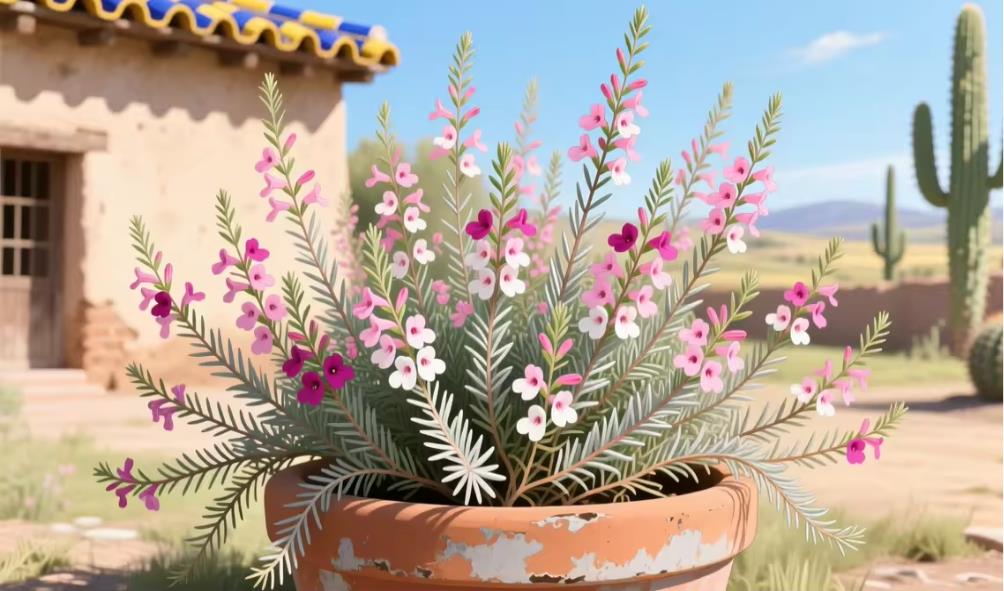
Finally, hierba buena, or spearmint, is widely used in teas and aromatherapy for its calming properties.
These case studies highlight how ancient Mexican flora continues to inspire contemporary wellness trends.
Challenges in Preserving Botanical Heritage
While modern wellness trends draw inspiration from ancient plants, the preservation of these botanical treasures faces significant challenges.
Rapid urbanization threatens native habitats, putting countless species at risk. You might notice that traditional knowledge about these plants is fading as younger generations turn to modern practices. This loss of cultural heritage makes it harder to sustain the use of these plants in health and wellness.
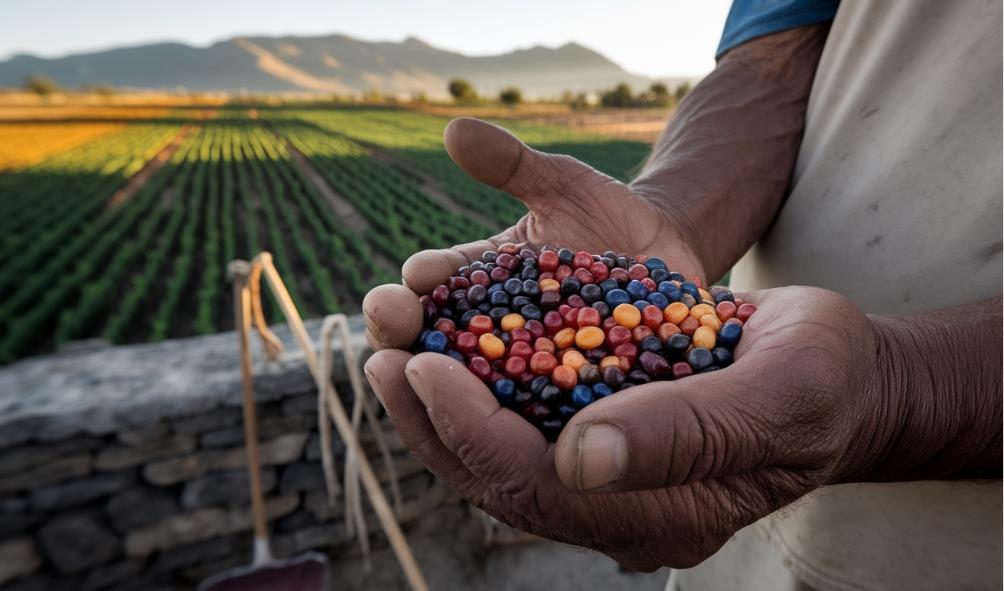
Additionally, climate change disrupts ecosystems, further complicating their survival. Overharvesting for commercial use can deplete local populations, jeopardizing their availability.
To effectively preserve this botanical legacy, you need to advocate for sustainable practices, support local communities, and promote education on the importance of these plants. Only then can we ensure their survival for future generations.
The Future of Natural Remedies in Health and Wellness
As more people embrace holistic approaches to health, the future of natural remedies shines brightly. You’ll find that the integration of ancient wisdom with modern science is creating innovative solutions for wellness. Herbal remedies, once overlooked, are gaining recognition for their effectiveness and safety. As research continues to validate these natural options, you’ll see a rise in products that harness the power of botanicals, making them accessible to all.
Moreover, sustainability will play a crucial role in this evolution. You can expect local communities to thrive as they cultivate and preserve native plants. By choosing natural remedies, you’re not just prioritizing your health; you’re also supporting biodiversity and cultural heritage.
The journey into natural wellness is just beginning, and it’s one worth exploring.
Conclusion
In embracing Mexico's botanical legacy, you tap into a treasure trove of ancient wisdom and modern wellness. By integrating traditional healing practices and key medicinal plants into your life, you not only enhance your health but also contribute to the preservation of this rich biodiversity. Supporting sustainable practices ensures that future generations can benefit from these invaluable resources. So, let the vibrant flora of Mexico inspire your wellness journey, connecting you to the past while nurturing your future.
Statistics
- Modern research has identified over 500 Mexican plant species with potential health benefits, many of which were used by ancient civilizations.
- Mexico is ranked as one of the top five countries in the world for biodiversity, contributing significantly to its rich botanical heritage.
- The nopal cactus, a staple in Mexican traditional medicine, is found in over 100 different species across the country.
- The ancient Aztecs utilized over 1,200 different plant species for medicinal and wellness purposes.
External Links
- NCBI's research on Mexican traditional medicine explores the historical and modern applications of medicinal plants in Mexico.
- JSTOR article on the role of plants in ancient Mexican culture highlights the historical significance of botanical practices.
- MDPI's analysis of Mexican medicinal plants reviews their bioactive compounds and health benefits.
- Britannica's article on Mexico's plant and animal life provides a comprehensive overview of the country's rich biodiversity and its significance.
How to Incorporate Mexican Aloe Vera into Skincare
Aloe vera has been used in Mexican traditional medicine for its healing properties. To incorporate aloe vera into your skincare routine, start by sourcing fresh aloe leaves. Cut a leaf open and scoop out the gel. Apply the gel directly to your skin to soothe sunburns, reduce inflammation, or as a hydrating mask. Aloe vera is rich in vitamins and antioxidants, making it an excellent natural moisturizer. For a DIY face mask, mix aloe gel with a teaspoon of honey and apply it to your face for 15 minutes before rinsing. Regular use can improve skin texture and complexion.
Plan the perfect group trip, your way.
Get an instant personalized itinerary. We handle logistics, payments, and provide a dedicated itinerary, while local experts fine-tune every detail. Enjoy full freedom—without the stress of organizing it all.
https://escapetomexiconow.com/tourhero
Recommended Resources:
Discover where freedom, adventure, and opportunity await you.
https://escapetomexiconow.com/
https://escapetomexiconow.info/
https://escapetopanamanow.info/
https://escapetothephilippinesnow.com/
YouTube Channel:
Your next adventure starts here! Join us on YouTube for destination tours, insider advice, and everything you need to make your escape unforgettable.
https://www.youtube.com/@EscapeToMexicoNow