.png)
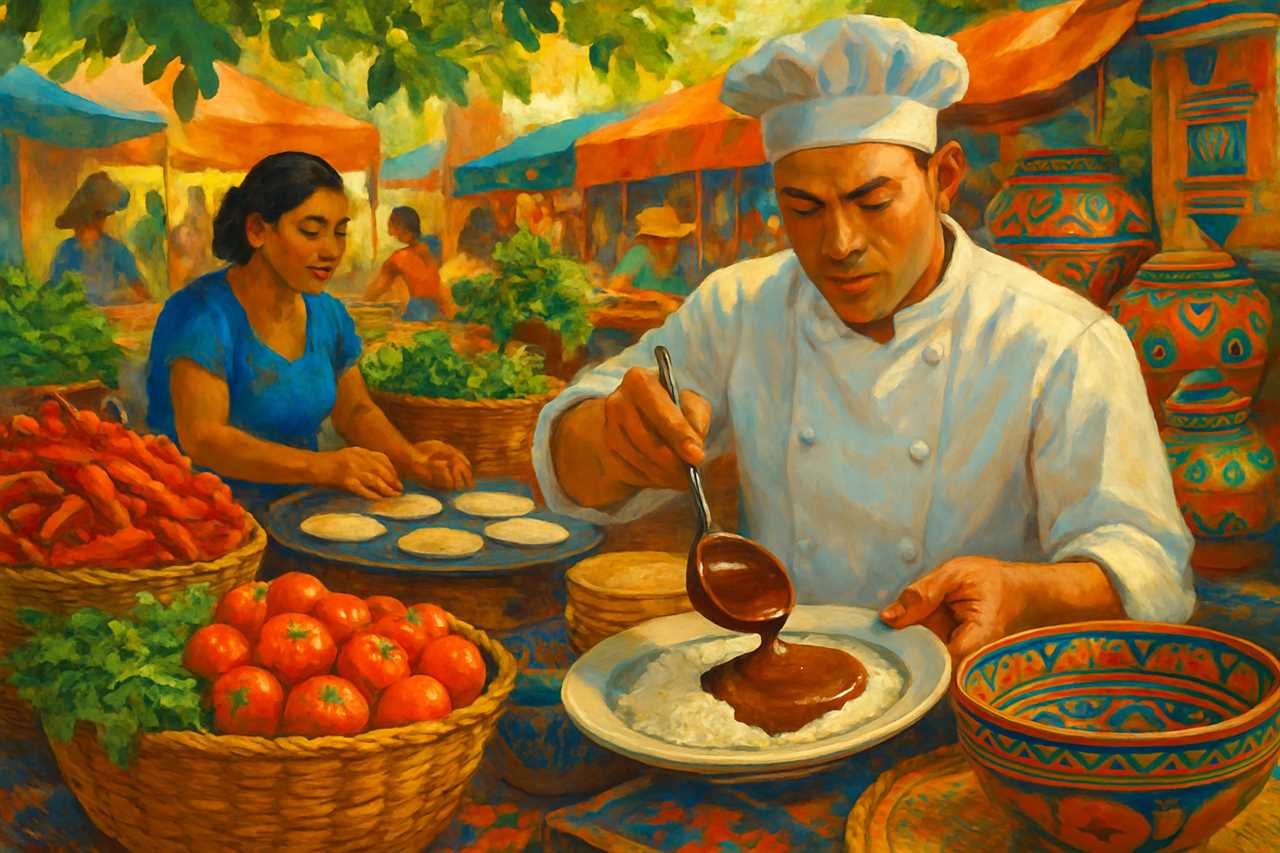
When you think about Mexico's culinary heritage, it’s hard to ignore its rich history and vibrant flavors. This blend of indigenous practices and Spanish influences creates a unique identity that’s celebrated worldwide. UNESCO's recognition underscores not just the food itself, but the cultural significance behind it. As you explore the elements that contributed to this honor, you’ll discover how deeply intertwined food is with community and tradition. What makes these culinary practices so vital?
The Historical Roots of Mexican Cuisine
When you delve into Mexican cuisine, you’ll discover its rich historical roots that stretch back thousands of years. This culinary tradition blends influences from indigenous cultures, Spanish colonization, and other global interactions. Each region of Mexico boasts unique dishes that reflect its history and geography.
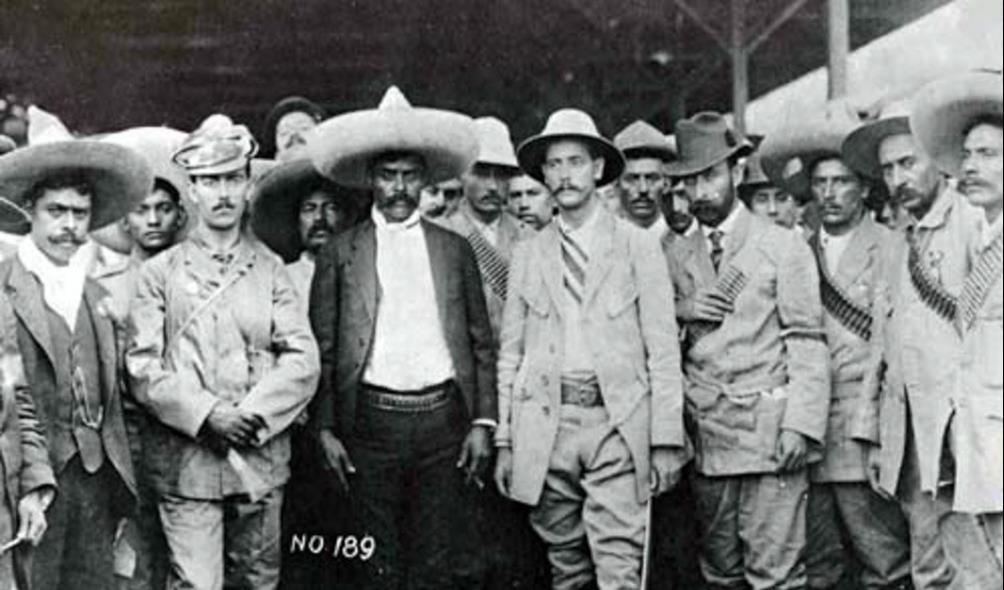
For instance, ancient civilizations like the Aztecs and Maya cultivated maize, beans, and chili peppers, creating a foundation for many recipes you enjoy today. As you explore, you'll find that food isn't just about sustenance; it’s a way to connect with the past.
Festivals, rituals, and family gatherings often revolve around traditional meals, showcasing the importance of food in Mexican culture and its evolution over centuries.
Indigenous Ingredients and Techniques
While exploring the depths of Mexican cuisine, you'll encounter a remarkable array of indigenous ingredients and techniques that have shaped its identity.
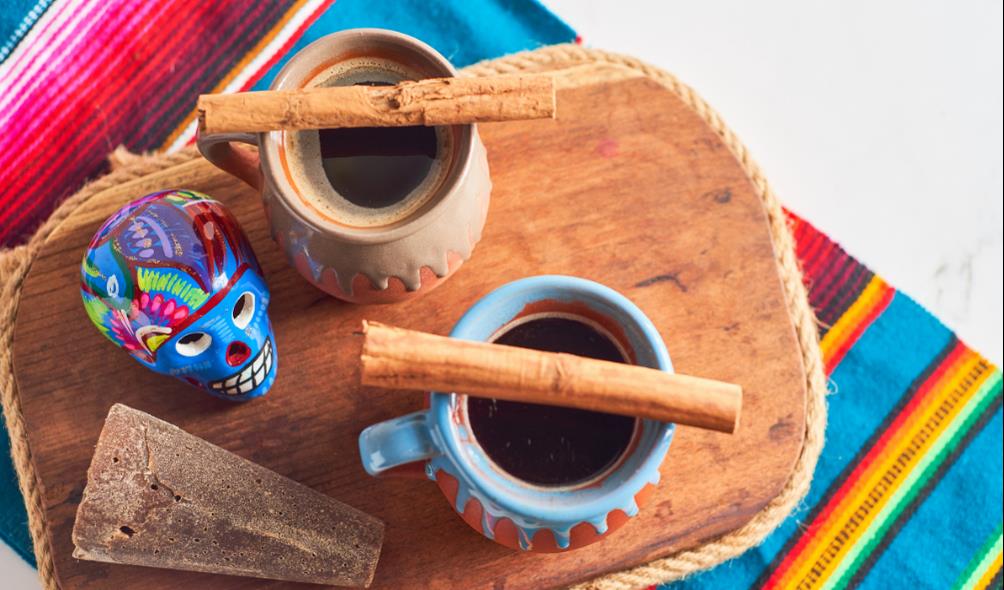
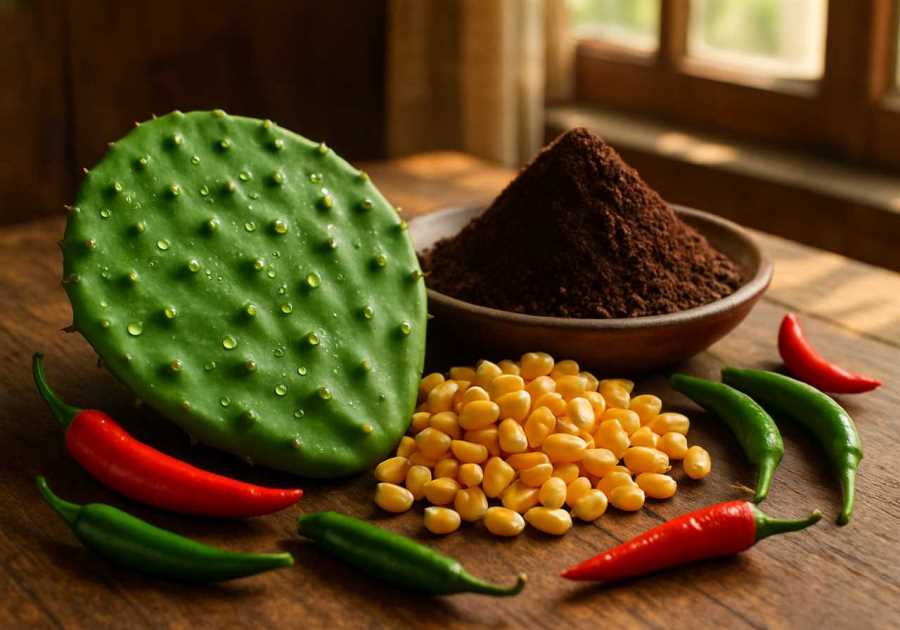
Staples like corn, beans, and chili peppers form the backbone of countless dishes, each carrying cultural significance. You’ll also find ancient methods such as nixtamalization, which enhances corn's nutritional value and flavor.
Traditional cooking techniques, like using clay pots or comales, impart unique tastes and textures to the food. The art of grinding spices on a metate adds a personal touch to each meal.
The Influence of Spanish Colonization
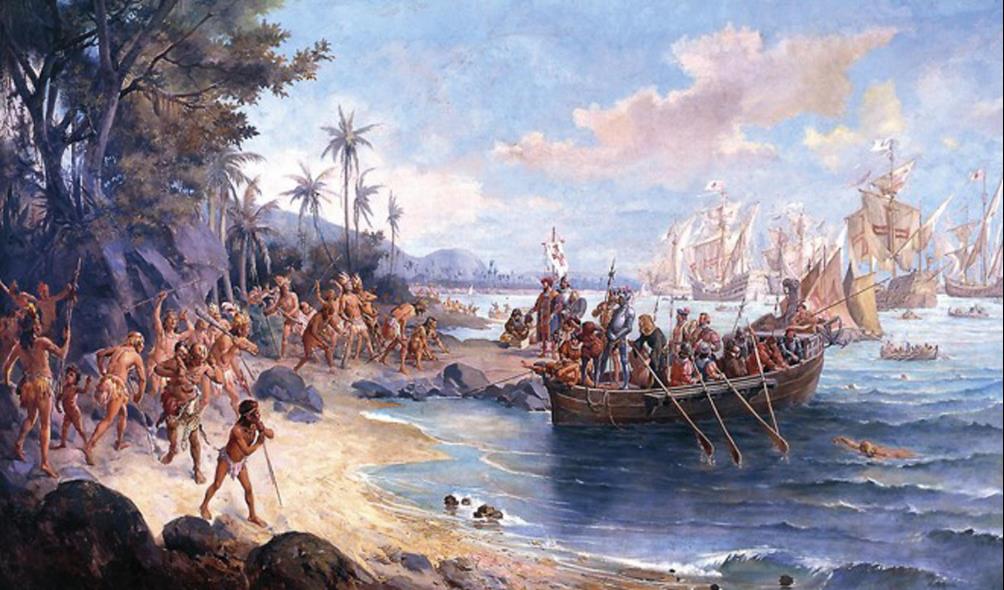
As Spanish colonizers arrived in the 16th century, they brought with them a wealth of new ingredients and cooking methods that transformed Mexican cuisine.
You’ll notice the introduction of staples like rice, garlic, and various meats, which mingled with indigenous flavors. The Spanish also introduced techniques such as frying and baking, which you can still find in traditional dishes today.
Their influence is evident in the creation of iconic meals like tacos and enchiladas, where European elements blend seamlessly with native ingredients.
Additionally, the use of spices like cinnamon and black pepper added depth to the culinary landscape.
This fusion of Spanish and indigenous influences not only shaped Mexico's food but also laid the groundwork for its rich, diverse culinary heritage.
Regional Diversity and Local Traditions
The blending of Spanish and indigenous culinary traditions laid the foundation for Mexico's vibrant regional diversity.
You’ll find that each region boasts its own unique flavors and ingredients, reflecting local resources and cultural influences.
In the Yucatán Peninsula, for example, you can savor dishes like cochinita pibil, while in Oaxaca, rich moles take center stage.
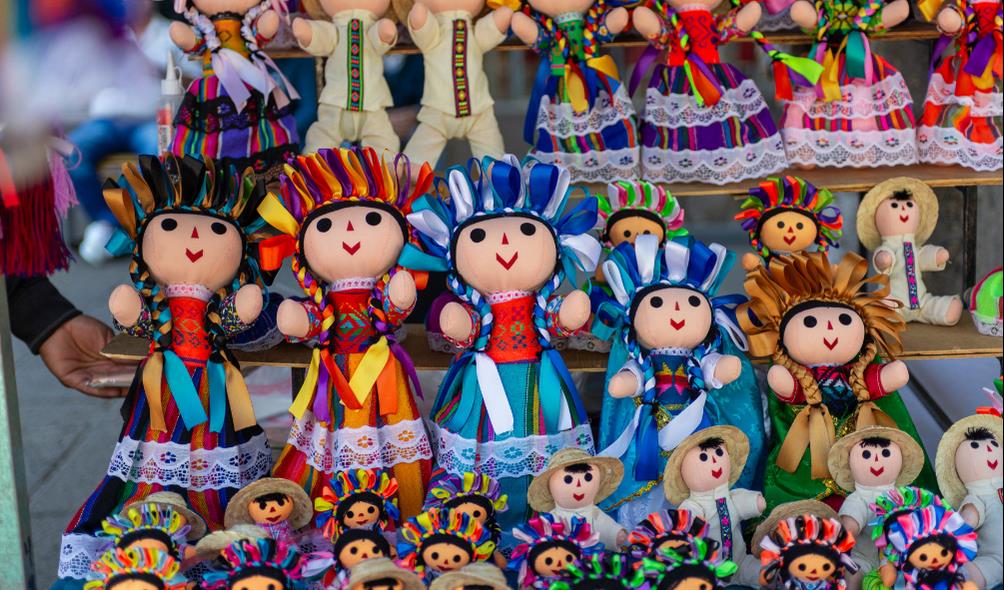
Northern regions emphasize hearty meats and wheat-based dishes, showcasing their agricultural bounty.
Meanwhile, coastal areas offer fresh seafood, infused with zesty salsas and spices.
As you explore Mexico, you’ll discover that local traditions, such as specific cooking techniques and family recipes, are passed down through generations, enriching the culinary landscape and making each meal a celebration of history and community.
Culinary Practices and Social Rituals
Culinary practices in Mexico often intertwine with social rituals, creating a rich tapestry of experiences that celebrate community and tradition. When you gather with friends and family for a meal, you’re not just sharing food; you’re participating in a cultural exchange.
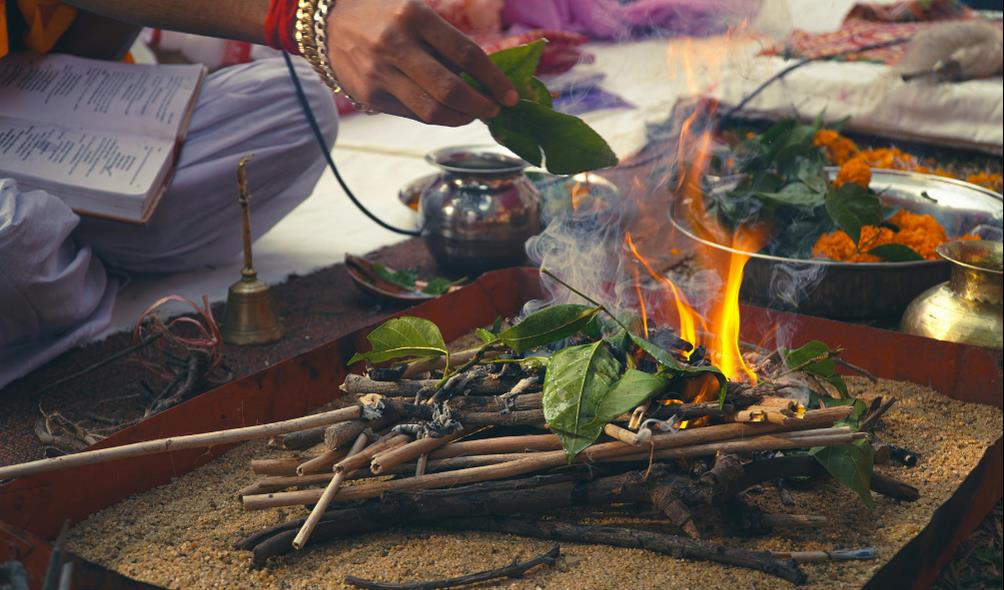
From preparing tamales during the holiday season to enjoying tacos at a birthday fiesta, each dish carries stories of heritage and connection. Rituals such as Día de los Muertos feature intricate food offerings, honoring ancestors while bringing communities together.
As you savor these meals, you’re engaging in a shared cultural identity, reinforcing bonds through flavors, aromas, and laughter. Every bite you take is a celebration of history and an invitation to keep these cherished traditions alive.
The Global Impact of Mexican Culinary Heritage
While many people may associate Mexican cuisine with vibrant flavors and colorful ingredients, its influence stretches far beyond the borders of Mexico.
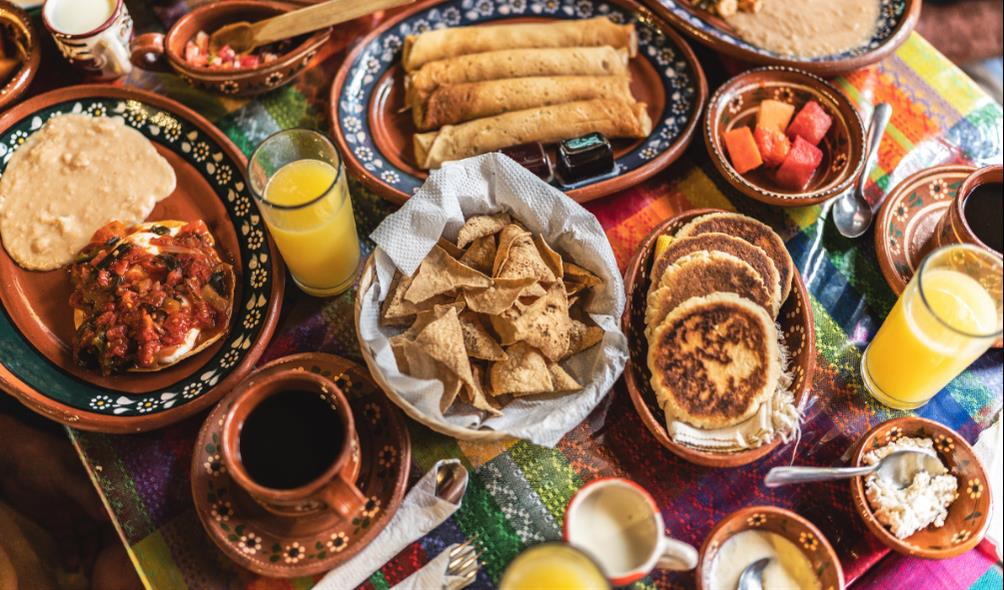
You've likely savored tacos, enchiladas, or mole in various parts of the world, showcasing how Mexican culinary traditions have woven into global dining experiences. Chefs and home cooks alike have embraced these recipes, adapting them to local tastes while preserving their authentic essence.
This culinary exchange enriches not only your palate but also fosters cultural appreciation and understanding. Furthermore, the popularity of Mexican cuisine has prompted a resurgence in traditional farming practices and the use of indigenous ingredients, ensuring sustainability.
Conclusion
In conclusion, Mexico's culinary heritage stands as a vibrant testament to its rich history and cultural identity. By blending indigenous ingredients, Spanish influences, and regional diversity, you can see how food connects communities and traditions. This UNESCO recognition not only celebrates the past but also encourages you to explore and appreciate the flavors and rituals that define Mexican cuisine today. Embrace this heritage, and let it inspire your culinary adventures!
Statistics
- Mexican cuisine includes over 500 varieties of traditional corn, which is a fundamental element in many classic dishes and an important cultural symbol.
- Mexico's culinary traditions are passed down through generations, with more than 70% of families teaching cooking techniques and recipes to their children.
- The process of making traditional Mexican dishes, such as mole, can involve over 30 different ingredients, showcasing the complexity and richness of the cuisine.
- Mexico is home to over 200 different types of chili peppers, which play a crucial role in the country's culinary diversity and heritage.
External Links
- Smithsonian Magazine explains the reasons behind Mexican cuisine's designation as a cultural treasure by UNESCO.
- TasteAtlas provides insights into the most popular traditional Mexican dishes that contribute to the country's rich culinary heritage.
- BBC Travel discusses the unifying role of Mexican food across the country and its contribution to cultural identity.
- National Geographic explores why Mexican cuisine was awarded UNESCO status, highlighting its historical significance and cultural impact.
How To Explore the Diversity of Mexican Cuisine
Exploring the diversity of Mexican cuisine is key to understanding its UNESCO recognition. Mexico's varied geography and climate have given rise to a wide array of regional dishes, each with its own unique ingredients and cooking methods. From the seafood-rich dishes of the coastal regions to the hearty stews of the central highlands, Mexican cuisine offers something for every palate. To explore this diversity, one can start by sampling traditional dishes such as mole, tamales, and pozole, each with countless regional variations. Visiting local markets and interacting with vendors can also provide a deeper appreciation for the ingredients and techniques that define Mexican culinary traditions.
Plan the perfect group trip, your way.
Get an instant personalized itinerary. We handle logistics, payments, and provide a dedicated itinerary, while local experts fine-tune every detail. Enjoy full freedom—without the stress of organizing it all.
https://escapetomexiconow.com/tourhero
Recommended Resources:
Discover where freedom, adventure, and opportunity await you.
https://escapetomexiconow.com/
https://escapetomexiconow.info/
https://escapetopanamanow.info/
https://escapetothephilippinesnow.com/
YouTube Channel:
Your next adventure starts here! Join us on YouTube for destination tours, insider advice, and everything you need to make your escape unforgettable.
https://www.youtube.com/@EscapeToMexicoNow