.png)
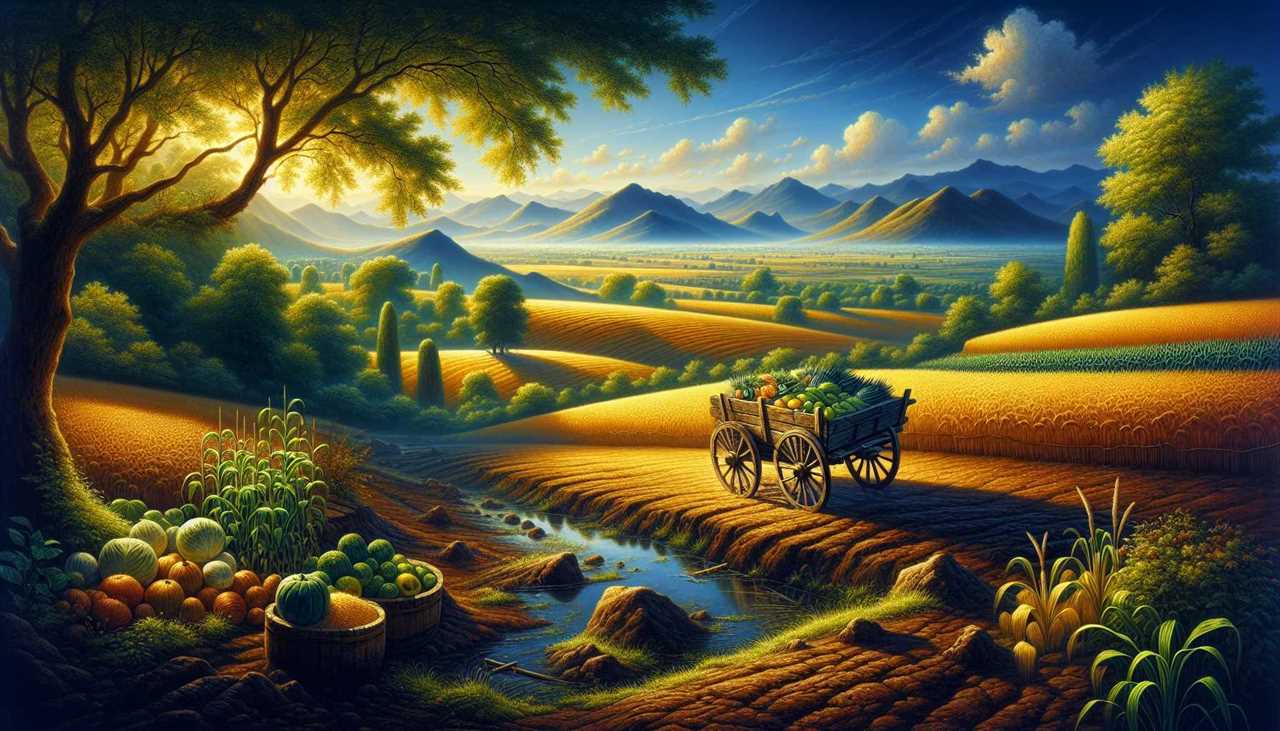
When you think about Mexico's agriculture, consider how its rich soil and abundant sunlight create a unique advantage. The volcanic terrain nurtures diverse crops, while the average 300 sunny days boost growth. But it's not just about the land—traditional farming methods play a crucial role in sustainability. What happens when you combine these elements with the vibrant culinary traditions that celebrate local ingredients? The answer reveals much about the heart of Mexican culture.
The Richness of Mexican Soil
While you might think of Mexico primarily as a tourist destination, its soil is a hidden treasure that fuels the country's agricultural prowess.
Rich in nutrients, Mexico’s diverse soil types support an impressive variety of crops. From the volcanic ash in the central highlands to the alluvial plains along the coasts, each region offers unique advantages for farming.
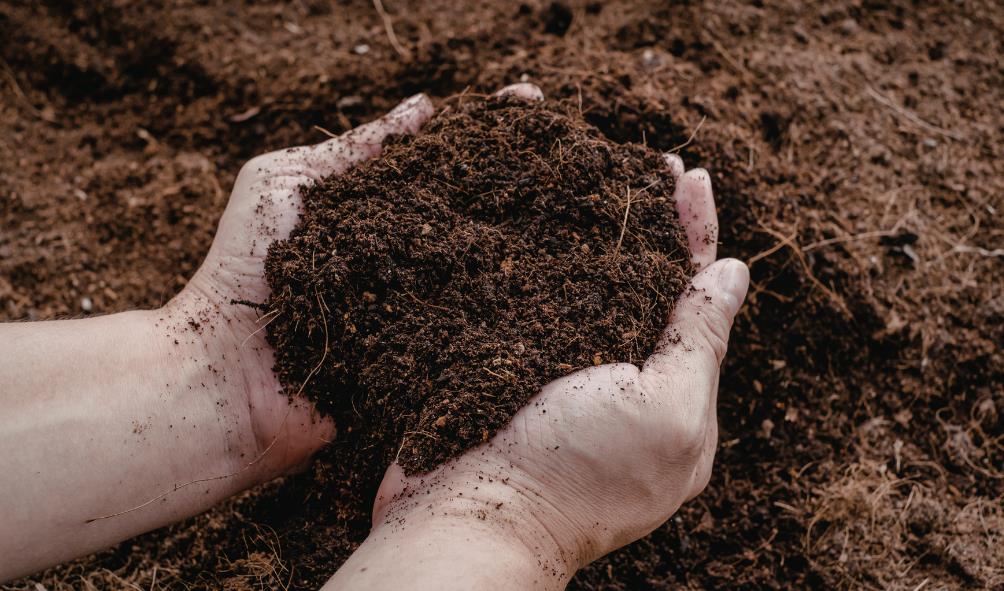
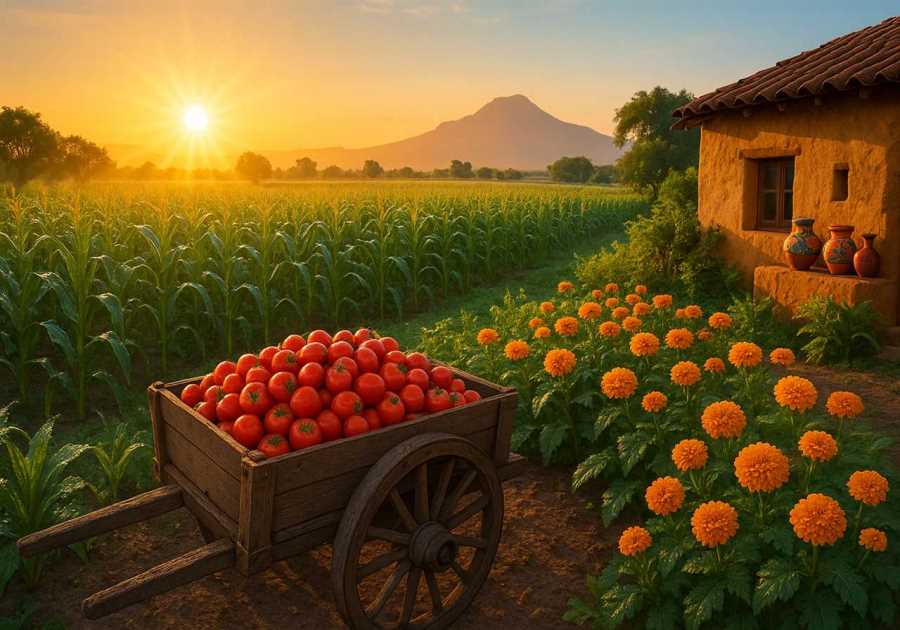
You’ll find fertile lands that produce everything from corn and beans to avocados and tomatoes. This soil not only sustains local communities but also supports a thriving export market.
By understanding the richness of Mexico's soil, you can appreciate how it plays a vital role in feeding millions and sustaining livelihoods.
It’s a testament to the country’s agricultural heritage and potential.
The Role of Sunlight in Agriculture
Sunlight plays a crucial role in agriculture, as it fuels the photosynthesis process that allows plants to grow and thrive.
When you think about farming in Mexico, the abundant sunlight directly influences crop yields. With an average of 300 sunny days a year, you can see how this natural resource benefits various crops, from corn to avocados.
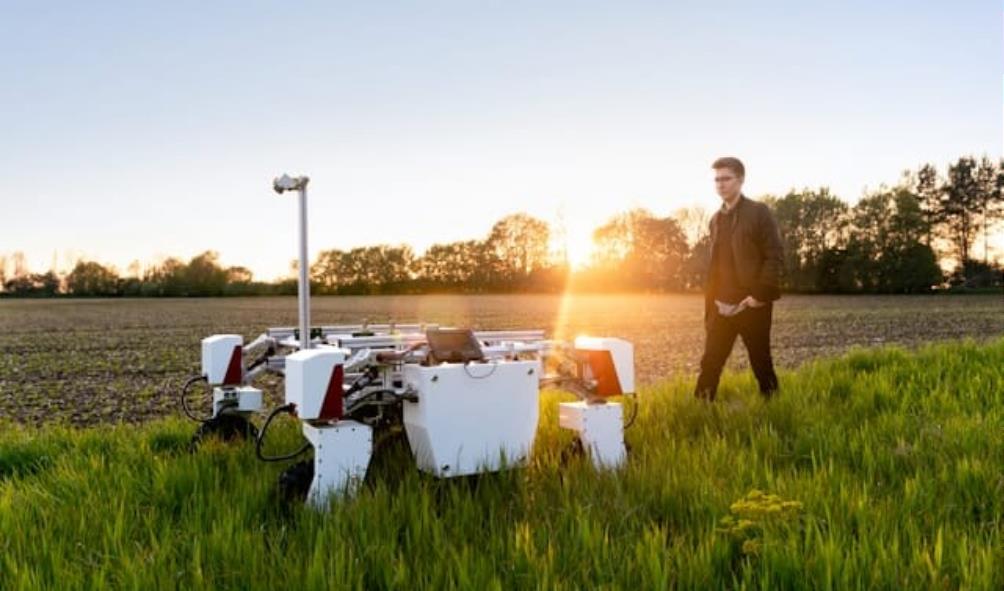
The strong sunlight not only enhances growth rates but also improves the nutritional quality of produce. By maximizing sunlight exposure, you can optimize your farming practices, ensuring healthier plants and more bountiful harvests.
Additionally, the warm climate helps extend the growing season, giving you more opportunities to cultivate and reap the benefits of your hard work.
Embracing sunlight is essential for successful agriculture.
Traditional Farming Practices and Sustainability
Mexico's rich agricultural landscape benefits not just from abundant sunlight but also from traditional farming practices that have been passed down through generations.
These methods emphasize sustainability, blending ancient techniques with modern needs. By using crop rotation and intercropping, you can maintain soil fertility and reduce pests naturally. Families often cultivate heirloom varieties, ensuring biodiversity and preserving flavors unique to their regions.
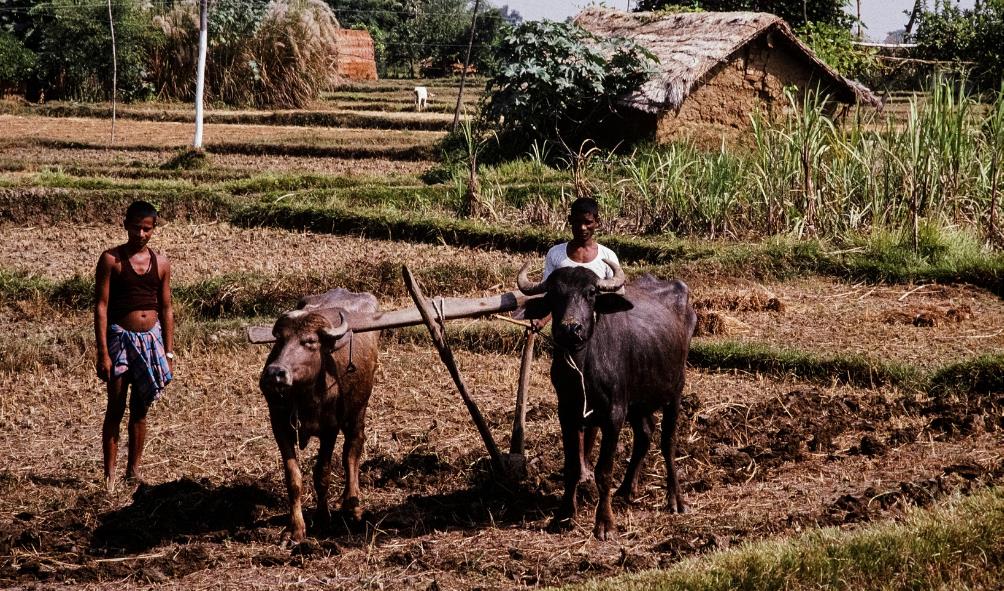
You’ll find that these practices require less chemical intervention, promoting healthier ecosystems. Additionally, community-based farming fosters collaboration and knowledge sharing, strengthening local economies.
Embracing these time-honored methods, you contribute to a sustainable future while honoring Mexico's agricultural heritage. Supporting traditional farming not only enhances your connection to the land but also helps secure food sources for future generations.
The Impact of Climate on Crop Diversity
As climate patterns shift, they play a crucial role in shaping crop diversity across regions. You’ll notice that temperature changes and precipitation patterns directly affect which crops thrive.
In Mexico, for instance, the warm climate allows for a variety of fruits and vegetables to flourish, but rising temperatures can stress certain plants. You might see farmers adapting by experimenting with new varieties that are more resilient.
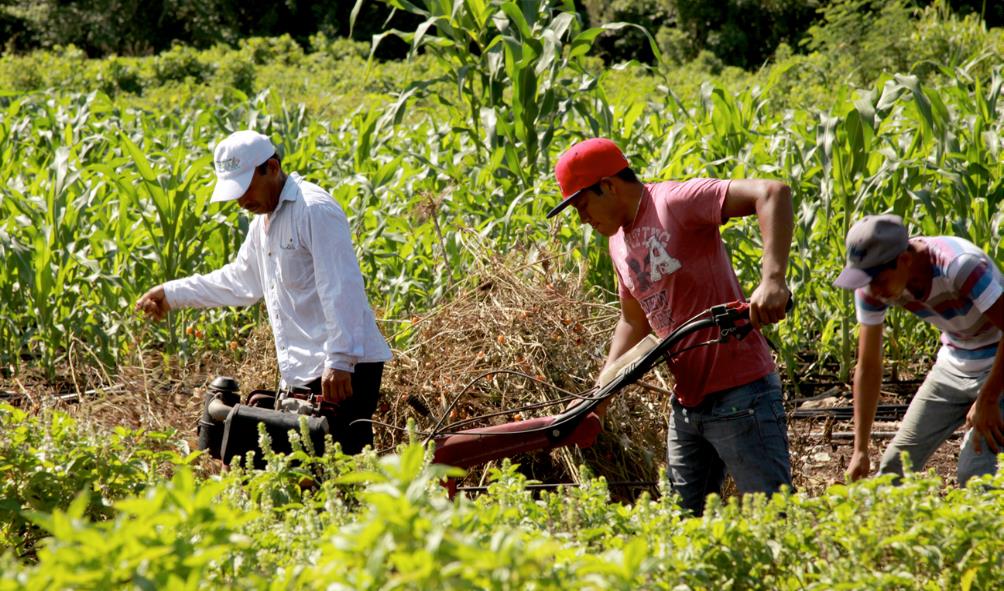
Additionally, changing weather patterns can lead to shifts in planting schedules, influencing local ecosystems and crop yields. By understanding these impacts, you can appreciate how farmers must innovate to maintain biodiversity.
Ultimately, climate isn’t just a backdrop; it’s a key player in the agricultural landscape, guiding what you’ll find in local markets.
Culinary Traditions: Celebrating Local Ingredients
While exploring the vibrant culinary traditions of Mexico, you’ll find that local ingredients take center stage in creating dishes that reflect the country’s rich biodiversity.
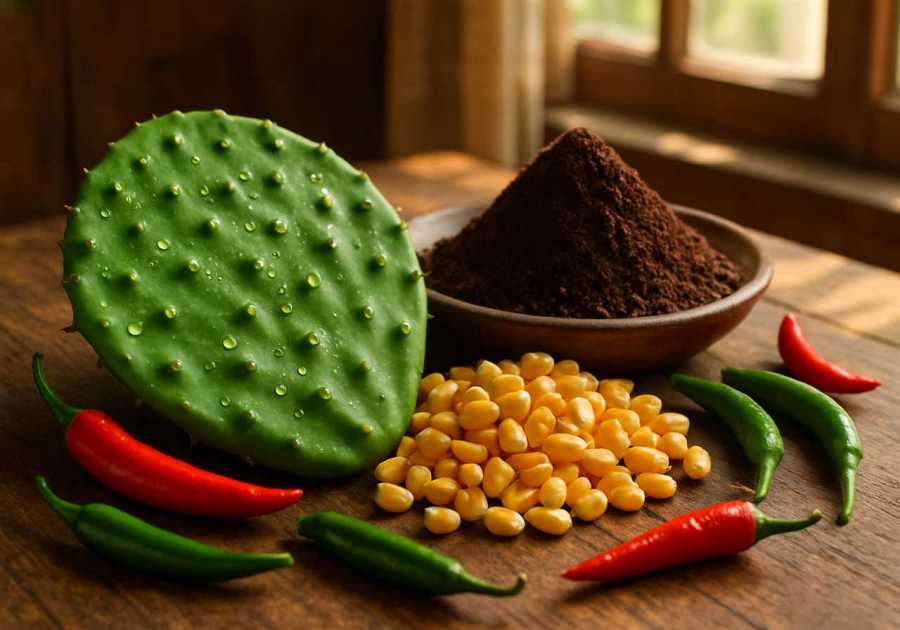
From the zesty flavors of fresh lime to the earthy notes of corn and beans, each bite tells a story of the land. You can’t miss the importance of chiles, which add heat and depth to countless recipes.
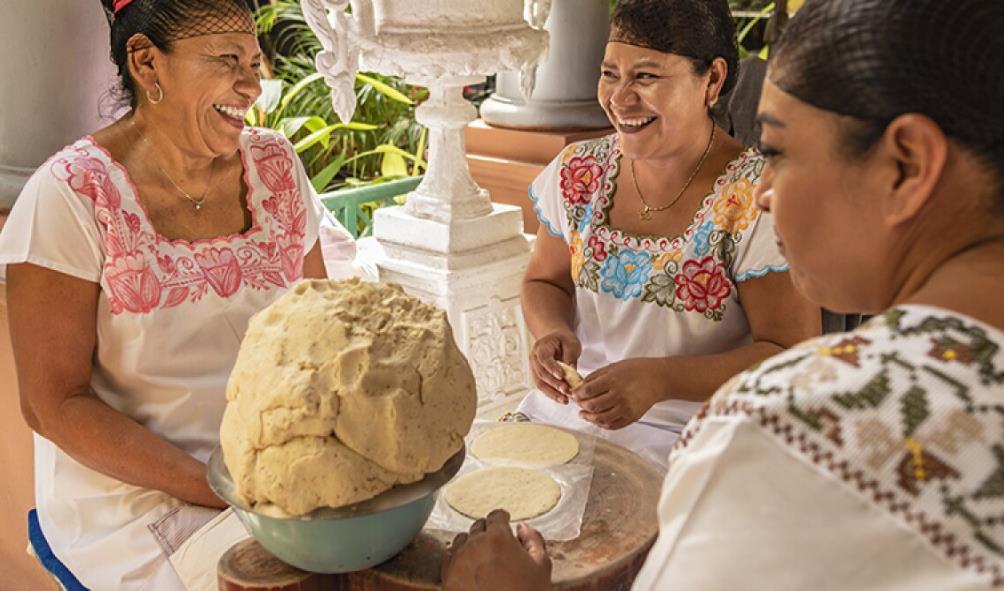
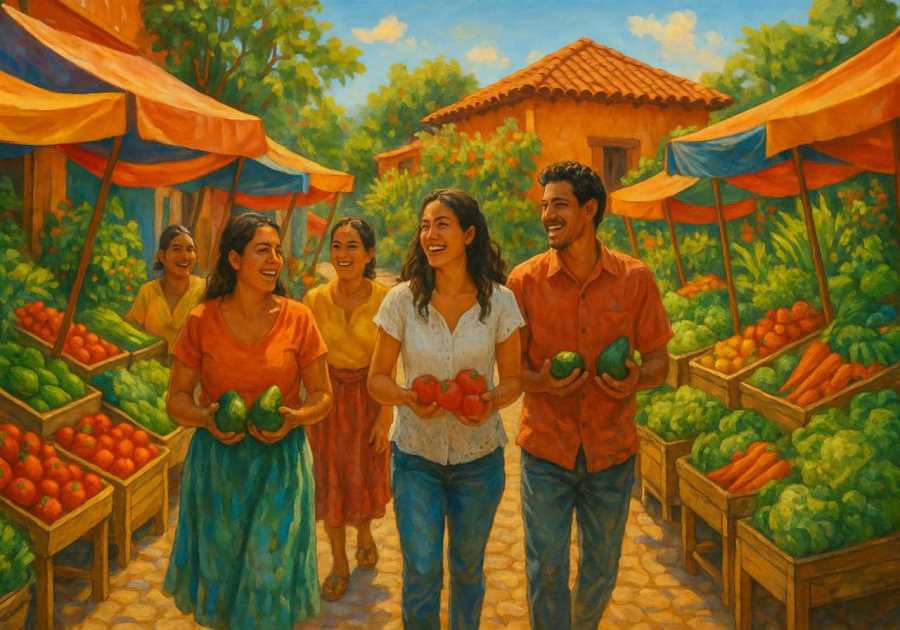
Markets burst with colorful produce, inspiring home cooks and chefs alike to highlight seasonal offerings.
Street vendors serve up tacos filled with locally sourced meats, while home kitchens whip up mole, a complex sauce made from regional ingredients.
This celebration of local flavors not only nourishes but also connects you to Mexico's cultural heritage and community spirit.
Conclusion
In Mexico, the combination of rich soil, abundant sunlight, and simple farming practices creates a unique agricultural landscape. You can see how traditional methods not only promote sustainability but also enhance the country's vibrant culinary traditions. By celebrating local ingredients and embracing diverse crops, Mexico showcases its agricultural potential. As you explore this incredible nation, you'll appreciate how these elements come together to nourish both the land and its people, ensuring a bright future for generations to come.
Statistics
- The simplicity of traditional farming techniques in Mexico, combined with modern practices, has led to sustainable agricultural growth, supporting local economies and food security.
- Mexico receives an average of 2,500 to 3,000 hours of sunshine annually, making it one of the sunniest countries in the world.
- In 2022, Mexico produced over 35 million metric tons of corn, demonstrating its capability to leverage natural resources for staple crop production.
- Mexico's renewable energy capacity, primarily solar, has increased by over 200% in the last decade, capitalizing on its abundant sunshine.
External Links
- National Geographic: Mexico's Environmental Issues - This article explores Mexico's environmental challenges and its natural advantages, including fertile soil.
- Britannica: Mexico - An in-depth look at Mexico's geography, climate, and natural resources contributing to its agricultural success.
- FAO: Mexico - The Food and Agriculture Organization of the UN discusses Mexico's agricultural practices and natural resources.
- World Bank: Mexico Overview - This page provides an overview of Mexico's economic and environmental advantages, including its agricultural potential.
How To Implement Simple Farming Techniques in Mexico
Simplicity is key to effective farming in Mexico. Begin by selecting crops that are well-suited to the local climate and soil conditions. Utilize traditional farming methods such as hand planting and manual weeding to reduce costs and environmental impact. Incorporate natural pest control measures like companion planting and biological predators to maintain crop health. Practice water conservation techniques, such as drip irrigation, to optimize water usage. By focusing on simple and sustainable farming practices, Mexican farmers can achieve productivity while preserving natural resources.
Want to travel with more time and freedom?
The freedom to travel! Discover free & unique homestays around the world, in exchange for caring for adorable pets.
https://escapetomexiconow.com/ths
Recommended Resources:
Your next chapter could start anywhere. From the vibrant streets of Mexico to the laid-back beauty of the Philippines, explore destinations where you can truly live your dream.
https://escapetomexiconow.com/
https://escapetomexiconow.info/
https://escapetopanamanow.info/
https://escapetothephilippinesnow.com/
YouTube Channel:
Want a closer look at life in Mexico? Subscribe to our YouTube channel for insider tips, travel guides, and inspiring stories that make planning your escape easier and more exciting.
https://www.youtube.com/@EscapeToMexicoNow