.png)
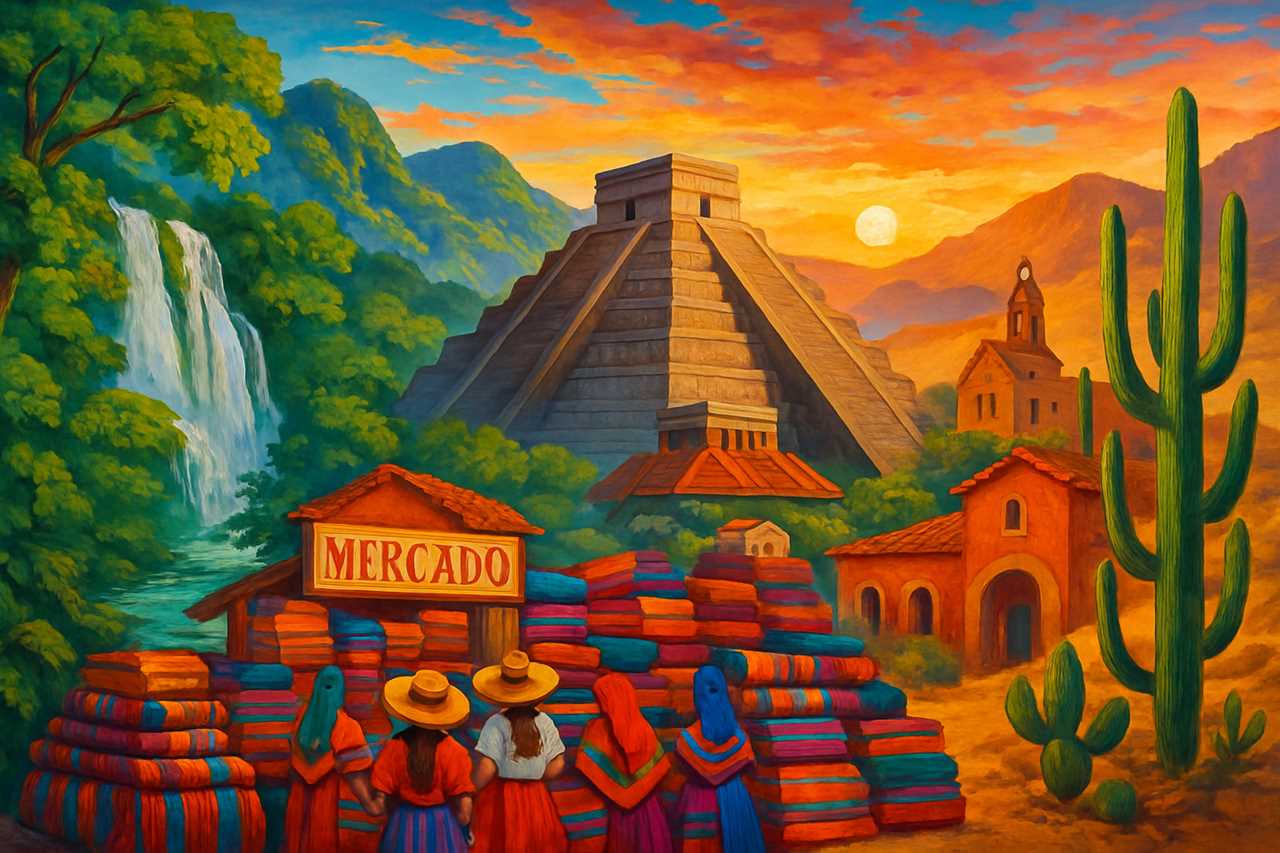
When you explore Mexico, you quickly realize that each region boasts its own unique identity. The landscapes shift dramatically, from deserts to jungles, influencing lifestyles and traditions. You'll find distinct cuisines, dialects, and artistic expressions that reflect the diverse histories of each area. But what truly ties these differences together? Understanding the deeper connections might surprise you, revealing a rich tapestry woven from the threads of geography, culture, and community.
Geographical Diversity and Its Impact
While you explore Mexico's vast landscapes, you'll quickly notice that its geographical diversity shapes not only the environment but also the culture and economy of the regions.
From the arid deserts of the north to the lush jungles of the south, each area boasts unique resources and lifestyles. The coastal regions thrive on fishing and tourism, while the mountainous areas focus on agriculture and mining.
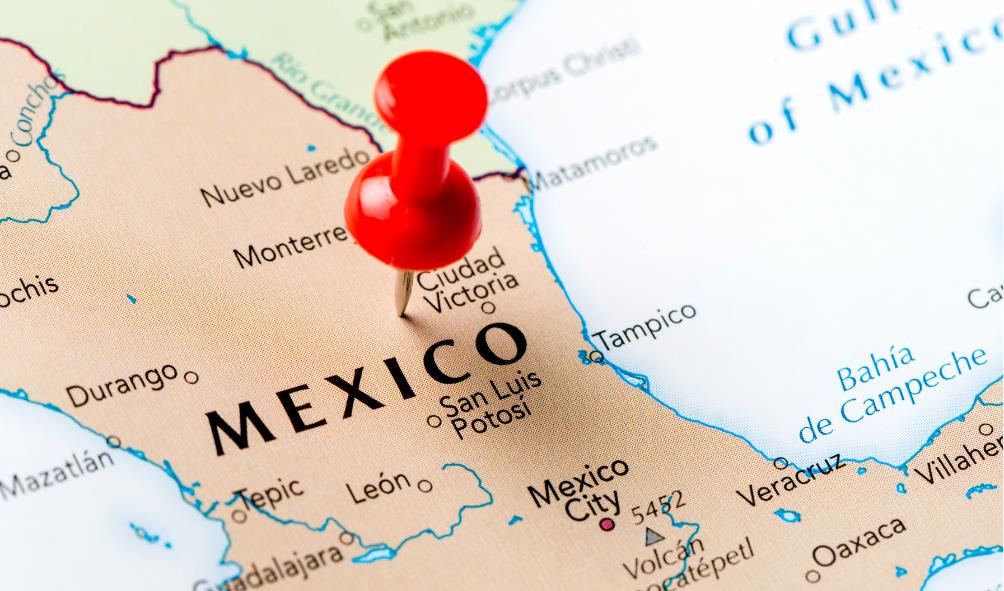
This variety influences local cuisines, traditions, and even dialects. You’ll find that people adapt their ways of life to their surroundings, creating distinct regional identities.
Whether you’re hiking in the Sierra Madre or relaxing on a Caribbean beach, you’ll experience how geography intertwines with daily life, making every corner of Mexico feel like a different country.
Historical Influences Shaping Regional Identities
As you delve into Mexico's rich history, you'll discover how various cultures have shaped regional identities over centuries. Spanish colonization brought European customs, language, and religion, blending with Indigenous traditions to create unique local practices.
For instance, the influence of the Spanish in central Mexico is evident in its architecture and cuisine, while the Caribbean coast reflects African and Caribbean elements. Each region's historical events, such as revolutions or trade routes, have also left lasting imprints.
The blend of pre-Hispanic legacies and colonial influences creates distinct identities, from the vibrant festivals of Oaxaca to the modern urban life of Mexico City. Understanding these historical influences helps you appreciate the rich tapestry that forms Mexico's diverse regions today.
The Role of Indigenous Cultures
Indigenous cultures play a vital role in shaping Mexico's regional identities, contributing to everything from language and art to agricultural practices and culinary traditions.
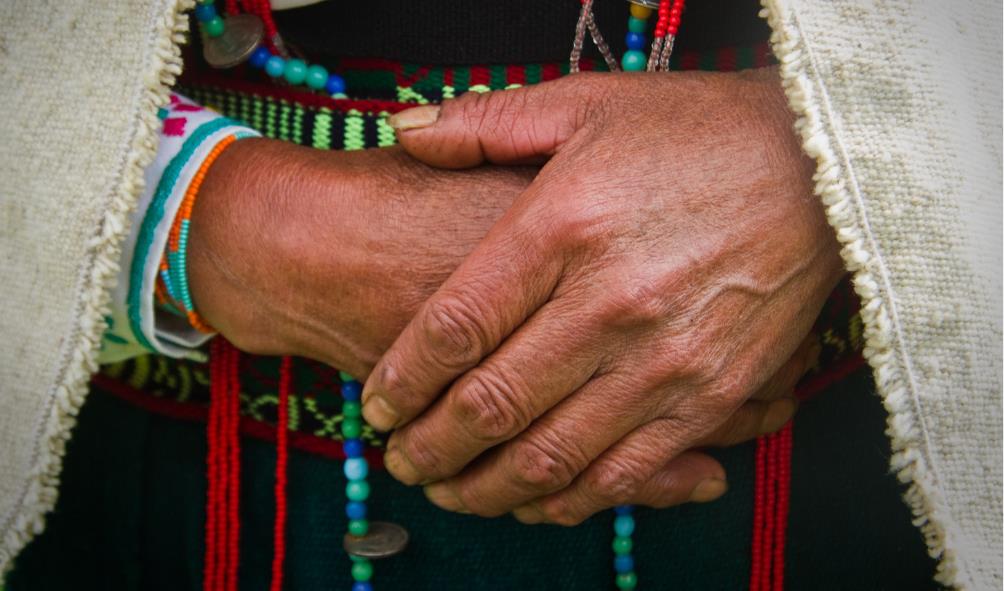
When you explore different regions, you’ll notice how languages like Nahuatl and Maya reflect local histories and identities. Artisans showcase vibrant textiles, pottery, and crafts that often carry ancestral meanings.
These traditions aren’t just for tourists; they’re a living testament to the resilience and creativity of Indigenous peoples. Agricultural practices rooted in Indigenous knowledge promote sustainability, highlighting local crops and farming techniques unique to each area.
Culinary Variations Across Regions
When you delve into Mexico's culinary landscape, you'll discover a rich tapestry of flavors that varies significantly from one region to another.
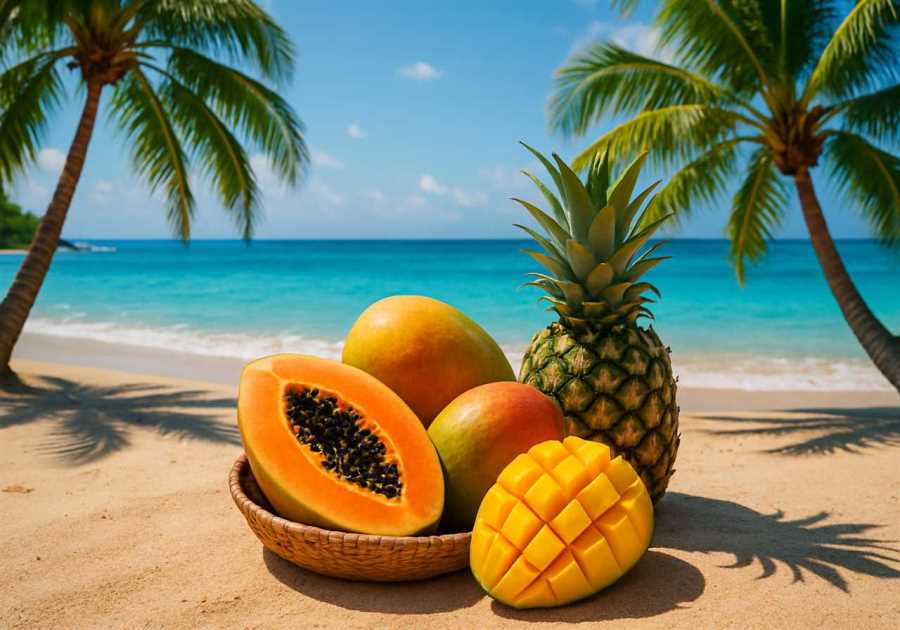
In the north, you'll savor hearty dishes like cabrito and flour tortillas, while the south boasts vibrant flavors with ingredients like tropical fruits and spices.
In Oaxaca, for instance, mole isn’t just a dish; it’s an art form.
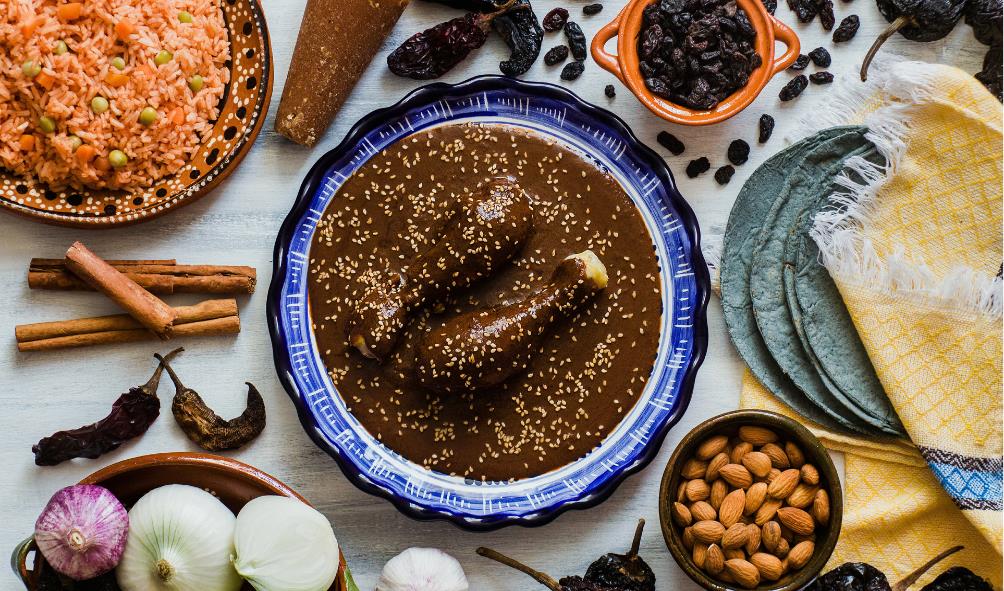
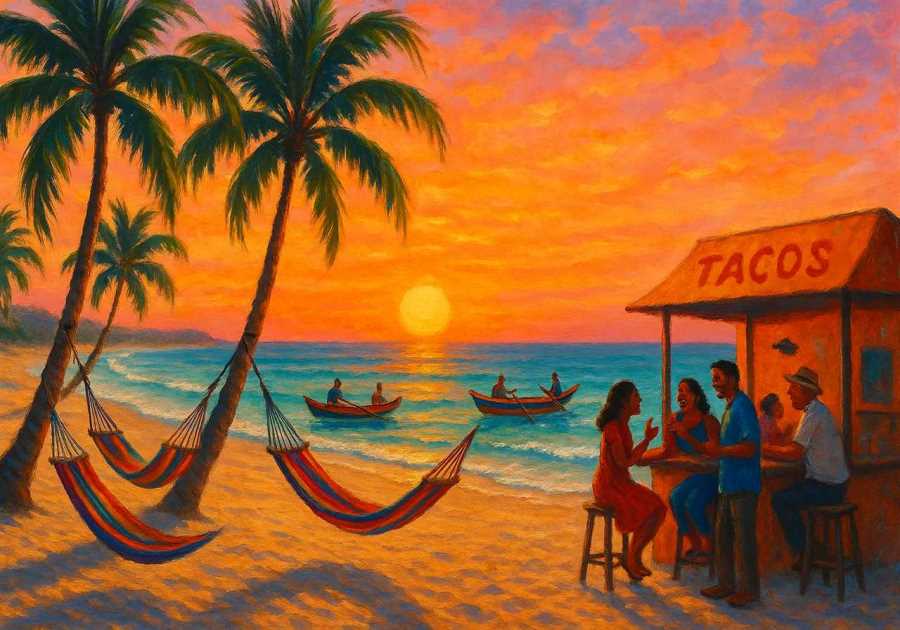
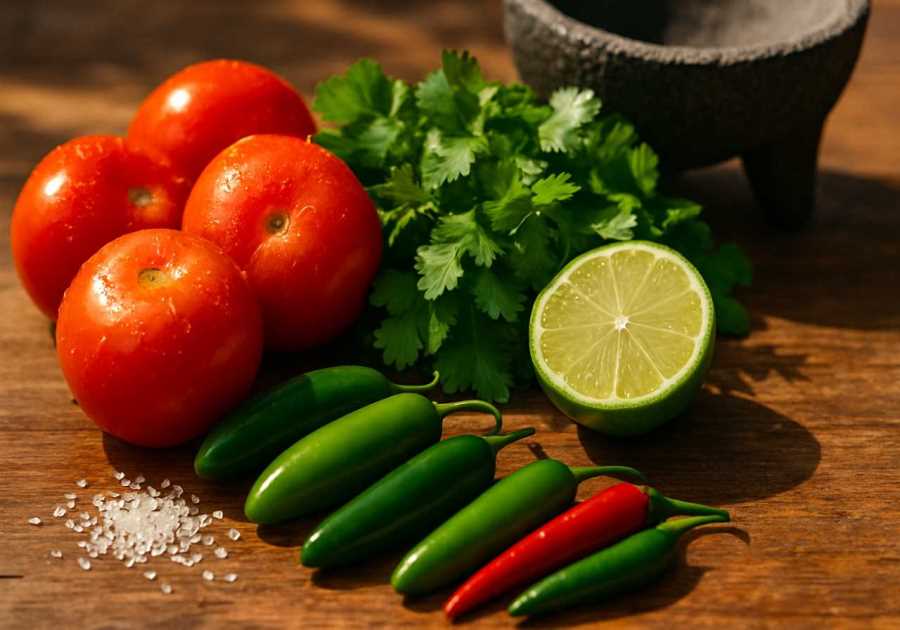
Meanwhile, the coastal regions tempt you with fresh seafood, often prepared with zesty salsas.
Each state prides itself on unique ingredients and cooking methods, influenced by local traditions and climates.
As you explore, you’ll realize that every bite tells a story, reflecting the diverse culture and heritage that make Mexican cuisine truly exceptional.
Language and Dialect Differences
Mexico's rich cultural tapestry extends beyond its culinary delights to the diverse languages and dialects spoken throughout the country.
You'll find that Spanish varies significantly from region to region, with unique slang and accents that reflect local identities. In addition to Spanish, the country is home to over 68 indigenous languages, each with its own dialects.
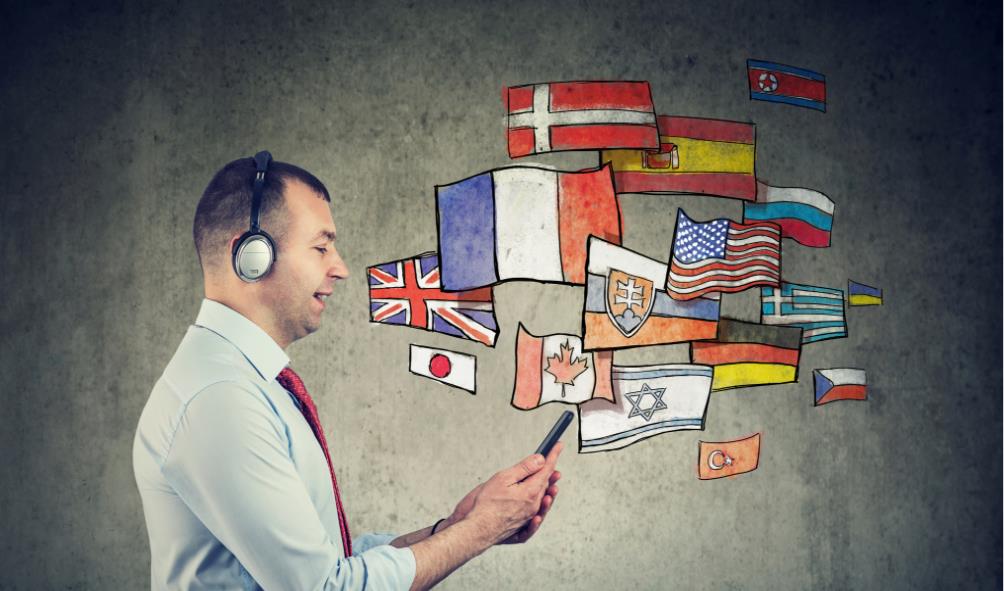
When you visit places like Oaxaca, you might hear Zapotec and Mixtec, while in Yucatán, Maya languages dominate.
These linguistic differences not only enrich conversations but also provide insight into the history and traditions of each area.
You'll discover that language is a vital part of what makes each region feel distinct, connecting you to the vibrant cultures that define Mexico.
Traditional Festivals and Celebrations
As you explore the vibrant regions of Mexico, you'll quickly find that traditional festivals and celebrations are integral to the local culture. Each area boasts its own unique festivities that reflect its history and traditions.
For instance, in Oaxaca, the Guelaguetza celebrates indigenous heritage with colorful dances and music. In Yucatán, you'll experience the lively Hanal Pixan, honoring deceased loved ones with offerings and vibrant altars.
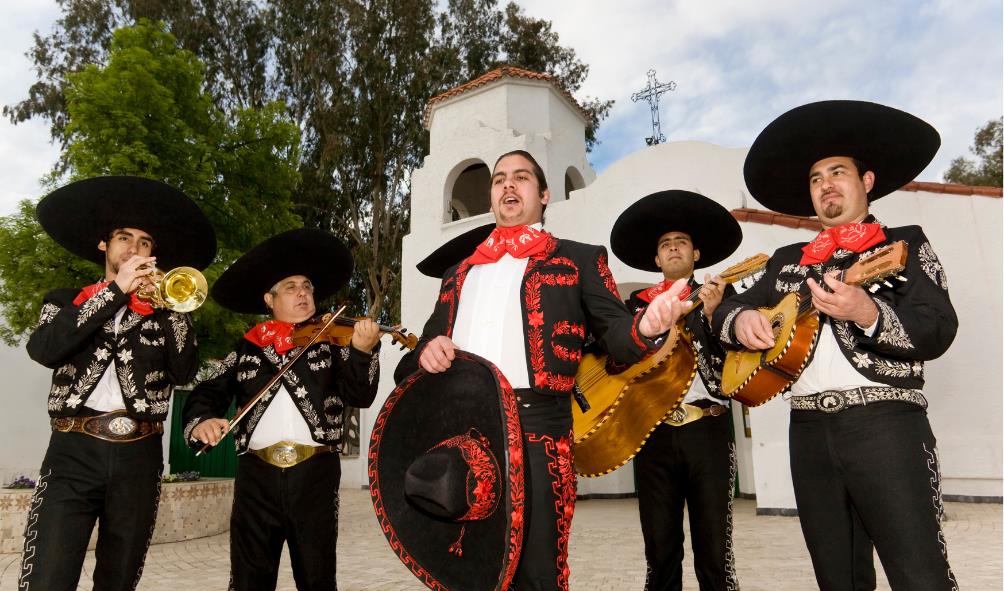
Meanwhile, in Veracruz, the Carnaval bursts with energy, showcasing lively parades and traditional music. As you immerse yourself in these events, you'll not only witness spectacular displays but also connect with the community's spirit and pride.
The joy, laughter, and shared experiences during these celebrations create lasting memories that you'll treasure long after your visit.
Unique Artistic Expressions and Crafts
While exploring the diverse regions of Mexico, you'll encounter a rich tapestry of unique artistic expressions and crafts that reflect the local culture and heritage.
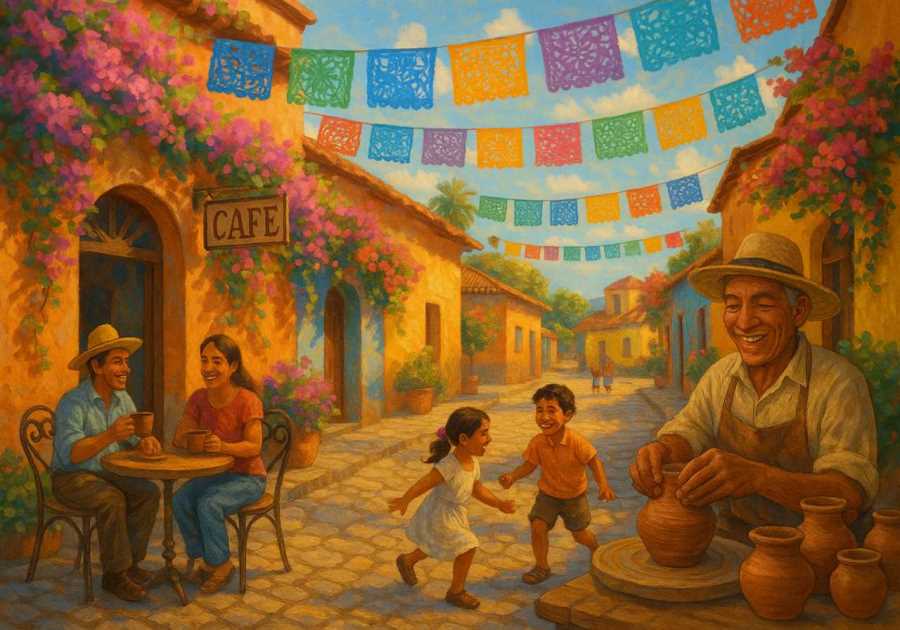
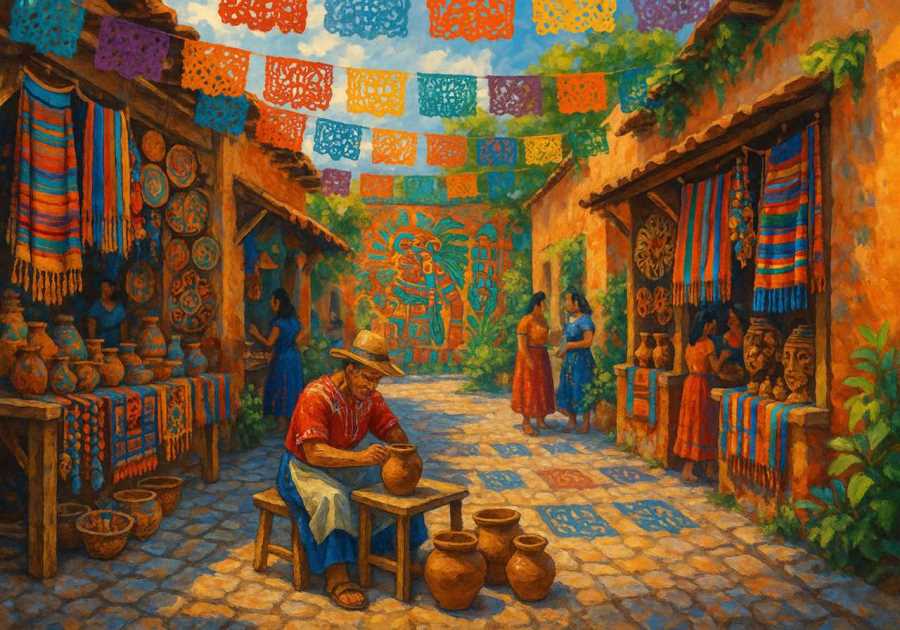
Each area boasts its own specialties, like the vibrant textiles of Oaxaca or the intricate pottery of Puebla. You’ll find artisans skillfully weaving colorful rugs, painting stunning murals, and crafting delicate silver jewelry in Taxco.
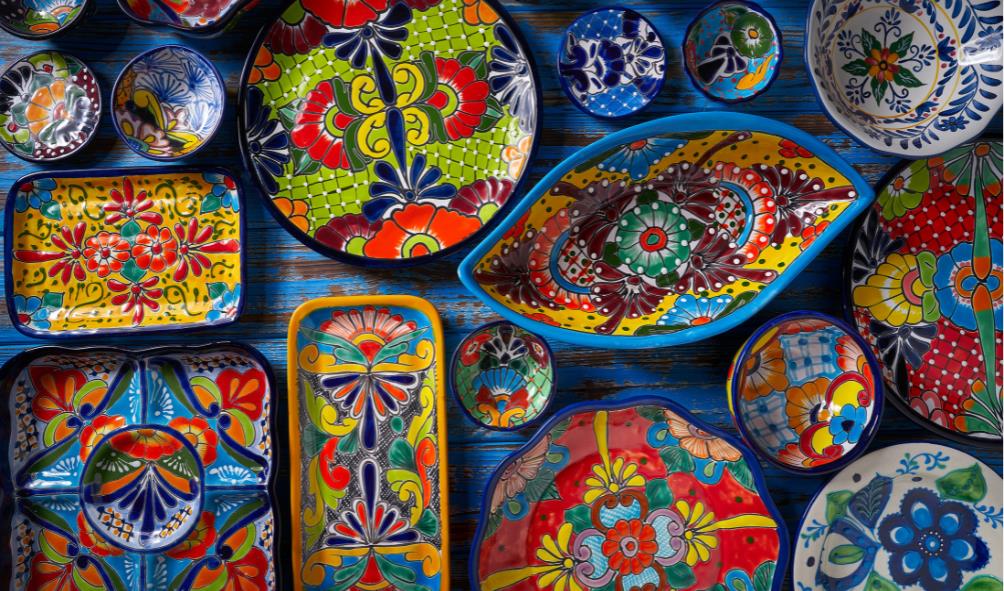
In Michoacán, the famous wooden masks used in traditional dances showcase the creativity and spirit of the community.
As you wander through markets, you can appreciate the dedication and craftsmanship behind each piece.
These artistic expressions not only tell stories but also connect you to the people and traditions that make each region so distinct.
Economic Factors and Regional Development
Despite its rich cultural heritage, the economic landscape of Mexico is highly varied, with each region facing unique challenges and opportunities for development.
In the north, you’ll find industrial growth and trade, thanks to proximity to the U.S. Meanwhile, the south grapples with higher poverty rates but boasts potential in agriculture and tourism.

In central Mexico, urban areas thrive, attracting investment and innovation. Each region's economic environment shapes its workforce, infrastructure, and local businesses.
As you explore, you’ll notice how local economies adapt to resources and demands, influencing everything from job availability to education.
Understanding these economic factors helps you appreciate the diverse experiences and prospects within Mexico’s regions, each contributing to the nation's overall economic tapestry.
Climate and Natural Landscapes
Mexico's climate and natural landscapes are as diverse as its culture, creating a rich tapestry that influences daily life and environmental practices. You’ll find everything from arid deserts in the north to lush rainforests in the south.
Each region boasts unique ecosystems, like the Sierra Madre mountains, which offer breathtaking views and diverse wildlife. Coastal areas, such as the Caribbean and Pacific beaches, provide warm temperatures and vibrant marine life, perfect for relaxation or adventure.
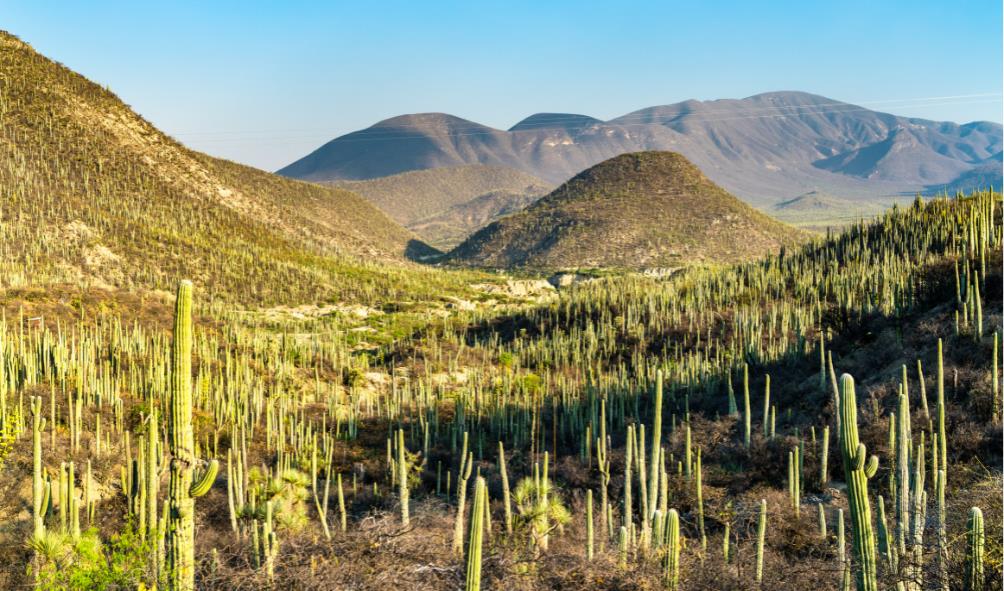
In contrast, the central highlands experience milder weather, ideal for agriculture. This variety not only shapes the way people live but also dictates what crops they grow and how they interact with their environment.
Embracing this diversity enriches your experience as you explore Mexico.
Social Norms and Community Values
As you immerse yourself in the vibrant culture of Mexico, you'll quickly notice how deeply social norms and community values influence everyday life.
Each region has its unique customs, shaped by history and local traditions. In many areas, family bonds are paramount, and you’ll often find gatherings centered around meals, celebrations, or religious events.
Respect for elders is a common value, guiding interactions and decision-making.

You'll also observe a strong sense of community; people frequently engage in collective activities, from festivals to neighborhood initiatives.
Personal relationships take precedence over strict business protocols, fostering a warm, welcoming atmosphere.
Understanding these norms helps you connect with locals, enriching your experience and revealing the true essence of Mexican culture.
Conclusion
In exploring Mexico’s diverse regions, you’ll discover that each area feels like its own country, shaped by unique geography, history, and culture. You'll appreciate the rich culinary traditions, distinct dialects, and vibrant arts that reflect local identities. As you engage with the communities, you’ll witness the deep-rooted values and strong connections that bind people together. Embracing this diversity not only enriches your understanding but also celebrates the beautiful tapestry that is Mexico.
Statistics
- The culinary landscape of Mexico varies greatly, with each region having its own traditional dishes and flavors. For instance, Oaxaca is famous for its mole, while the Yucatán Peninsula is known for its cochinita pibil.
- Each region in Mexico celebrates unique festivals and traditions, such as the Day of the Dead in central regions and Guelaguetza in Oaxaca, highlighting the country's cultural diversity.
- Mexico is home to 68 official languages, which contributes to the distinct cultural identity and diversity of its regions, making each feel like a separate country.
- Mexico's economic activities vary by region, with northern areas focusing on manufacturing and trade, while southern regions rely more on agriculture and tourism, contributing to regional distinctiveness.
External Links
- Visit Mexico's Main Destinations provides information about the unique attractions and cultural highlights of different regions in Mexico.
- Lonely Planet's Exploration of Mexico's Regional Differences details the distinct cultural, culinary, and geographical differences across Mexico.
- National Geographic's Guide to Cultural Travel in Mexico provides insights into the unique cultural experiences available in different parts of Mexico.
- Cultural Survival's Article on Mexico's Indigenous Populations discusses the impact of indigenous cultures on the regional identities within Mexico.
How To Understand Mexico's Economic Regional Differences
Mexico's economic activities vary significantly across its regions, contributing to their distinct identities. To understand these differences, begin by researching the primary industries in each area, such as manufacturing in the north and agriculture in the south. Visiting local businesses and markets provides insight into regional economies. Engaging with local entrepreneurs and business owners can offer perspectives on economic challenges and opportunities. Reading economic reports and studies on regional development can also provide valuable context. By exploring these economic aspects, you gain a comprehensive understanding of how they shape the cultural and social fabric of each region.
Want to travel with more time and freedom?
The freedom to travel! Discover free & unique homestays around the world, in exchange for caring for adorable pets.
https://escapetomexiconow.com/ths
Recommended Resources:
Your next chapter could start anywhere. From the vibrant streets of Mexico to the laid-back beauty of the Philippines, explore destinations where you can truly live your dream.
https://escapetomexiconow.com/
https://escapetomexiconow.info/
https://escapetopanamanow.info/
https://escapetothephilippinesnow.com/
YouTube Channel:
Want a closer look at life in Mexico? Subscribe to our YouTube channel for insider tips, travel guides, and inspiring stories that make planning your escape easier and more exciting.
https://www.youtube.com/@EscapeToMexicoNow