.png)
When you think about Aguascalientes, you might picture its vibrant culture, but the history behind it is equally compelling. From the intricate web of Pre-Columbian societies to the seismic shifts brought on by the Spanish conquest, this region has seen significant transformations. You'll find that each era, including the fervor of the Mexican War of Independence and the industrial boom of the 20th century, has shaped Aguascalientes into what it is today. So, what are the pivotal moments that carved out its unique identity?
Pre-Columbian Settlement
Before the Spanish arrived, the region now known as Aguascalientes was home to diverse Pre-Columbian settlements. As you explore this area's history, you'll uncover the rich cultures that thrived here.
The earliest inhabitants were likely nomadic groups, drawn to the region's fertile land and plentiful water resources. Over time, these groups established more permanent settlements, leading to agricultural advancements.
You'll find that these communities engaged in agriculture, cultivating crops like maize and beans, which laid the foundation for their diets and economies. They also developed intricate social structures, with evidence suggesting the existence of specialized roles within their societies.
Craftsmanship flourished, as you'll see artifacts from tools and pottery scattered throughout the region, reflecting their daily lives and spiritual beliefs.

Archaeological discoveries reveal ceremonial sites, underscoring the importance of religion and rituals in their lives. They built structures that likely served both practical and spiritual purposes, showing a sophisticated understanding of their environment.
The legacy of these pre-Columbian settlements remains evident today, offering insights into the resilience and adaptability of the people who called this vibrant region home long before foreign influences arrived.
Spanish Conquest and Colonization
The Spanish conquest of Aguascalientes in the early 16th century marked a transformative period for the region. As Spanish explorers ventured into the area, they encountered the indigenous peoples living there, primarily the Nahuatl and Chichimeca tribes.
You'd witness how encounters between the two cultures led to tensions and conflicts, as the Spanish sought to assert control and establish their dominance. The Spaniards, driven by a desire for riches and land, began to strategically subdue local populations. You'd see how this conquest involved both military force and the imposition of new social structures.
They introduced new agricultural practices and livestock, forever changing the landscape. As they built settlements, you'd understand that these cities served not just as outposts but as centers of administration and conversion.
Missionaries played a crucial role during this time, aiming to convert indigenous peoples to Christianity and teaching European customs. The blending of Spanish influence with local traditions began, laying the groundwork for a complex cultural identity that would evolve in the coming centuries.
Through these events, you'd recognize the profound impact of the Spanish conquest, shaping Aguascalientes into a region of cultural fusion and transformation.
Development in the Colonial Era
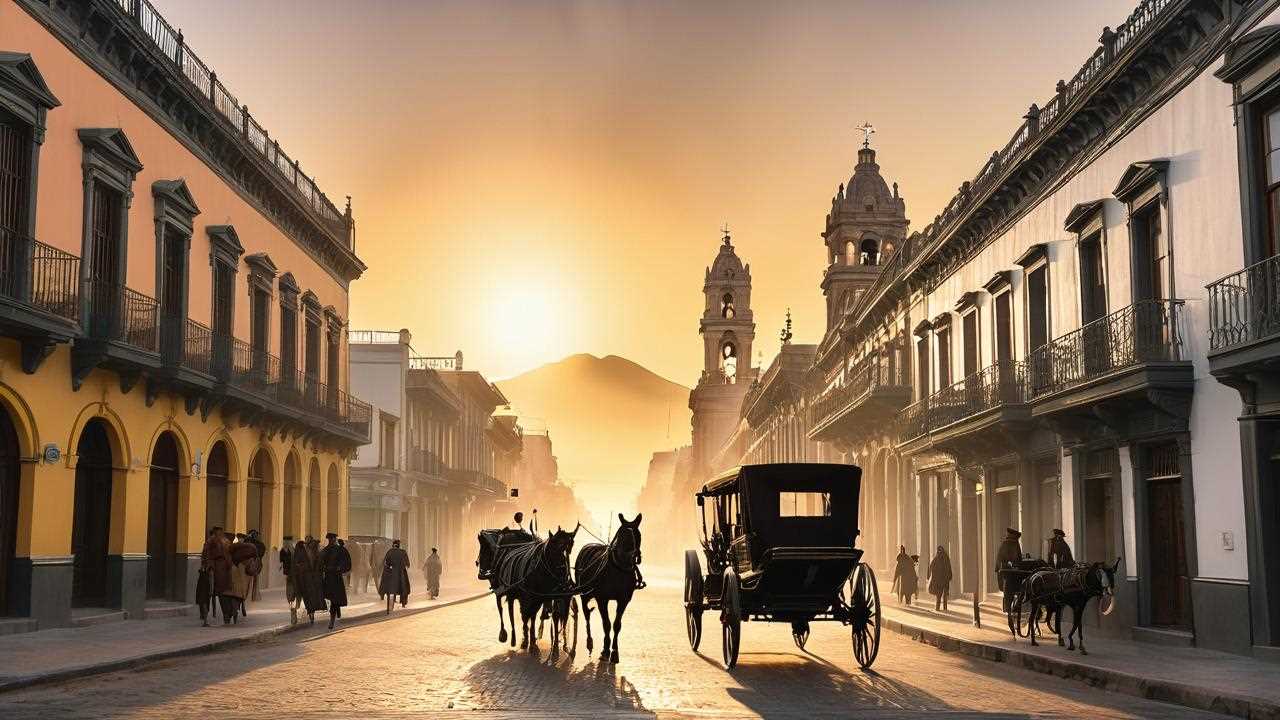
Amidst the sweeping changes initiated by the Spanish conquest, Aguascalientes began to develop its distinct colonial identity. You'll notice that by the late 16th century, the area became a vital stop for travelers and trade routes, linking Mexico City with other key regions.
Establishing the town's layout, featuring a central plaza, showcased the Spanish influence on urban planning, providing a focal point for community gatherings and commerce.

As you explore the colonial era, you can't overlook the introduction of agriculture. The settlers cultivated crops such as wheat, corn, and livestock, which thrived in the region's rich soil. This agricultural boom fueled economic growth and attracted more settlers seeking opportunities.
The construction of churches during this period also highlighted the importance of faith in community life, with structures like the Cathedral of Aguascalientes embodying the blending of Spanish and indigenous cultures.
With the melding of various cultural elements, you can see how Aguascalientes began to carve out its own identity. The population's diverse backgrounds and shared experiences set the stage for its future development while showcasing the resilience and adaptability of its people during colonial rule.
The Mexican War of Independence
In the early 19th century, Aguascalientes found itself caught up in the fervor of the Mexican War of Independence, which ignited a quest for freedom from Spanish rule. The desire for independence swept through the region, influencing local leaders and the citizenry alike.
You'd have seen the townsfolk rallying together, fueled by strong ideals of liberty and justice. As revolutionary ideas spread, various figures emerged, inspiring you to join the cause. You'd likely hear about Miguel Hidalgo's call to arms in 1810, igniting hope and determination.
The people of Aguascalientes played a crucial role, contributing soldiers and resources to the movement. The fight wasn't easy; battles erupted, and emotions ran high. By 1811, the struggle intensified, and communities mobilized, risking everything for a future free from colonial oppression.
You could feel the atmosphere shift as people united, standing against the established order. Local leaders, like Manuel José de la Luz, took charge, organizing efforts to push back against Spanish forces.
Through valiant efforts and sacrifices, the spirit of independence grew stronger in Aguascalientes, paving the way for a new chapter in its history. The echoes of that pivotal period would resonate for generations to come.
Growth During the 19th Century
Experiencing rapid growth during the 19th century, Aguascalientes transitioned into a more vibrant and economically diverse region. You'd notice how the population swelled, thanks to migration from surrounding states, drawn by the promise of opportunity and a better life.
The establishment of the railway in 1884 played a crucial role in this expansion, connecting Aguascalientes to key cities like Guadalajara and Mexico City. With improved transportation, trade flourished, and local businesses, such as textiles and agriculture, began to thrive

You'd see how the city started to modernize, as new infrastructure emerged. Streets were paved, and public services expanded. With a focus on education, schools were built to advance literacy and provide vocational training, further empowering the workforce.
You'd also encounter a spirited cultural exchange - the influx of people brought diverse customs and ideas that enriched the local identity.
Listen carefully, and you'll hear the echoes of growing prosperity. Aguascalientes began hosting fairs and events, showcasing its economic achievements and attracting attention from other regions.
The changes during this century laid the groundwork for Aguascalientes' future and marked an important chapter in its history.
The 20th Century Transformation
The 20th century marked a pivotal era for Aguascalientes, as it transformed into a hub of industrial growth and cultural dynamism. As you walk through the city today, you can still see the remnants of this transformation. Factories began sprouting up, generating jobs and attracting workers from neighboring regions.
The rise of industries, particularly textiles and food processing, not only bolstered the local economy but also reshaped the social fabric of the community.
With the industrial boom, the population surged, leading to urban expansion. You'd notice new neighborhoods emerging, housing the influx of residents seeking better opportunities.
This period also witnessed advancements in infrastructure, including roads, schools, and healthcare facilities, contributing to improved living conditions.
Culturally, Aguascalientes experienced significant influences from both regional and national movements. You might observe a fusion of traditional customs with modern lifestyles, creating a vibrant local culture that people cherish today.
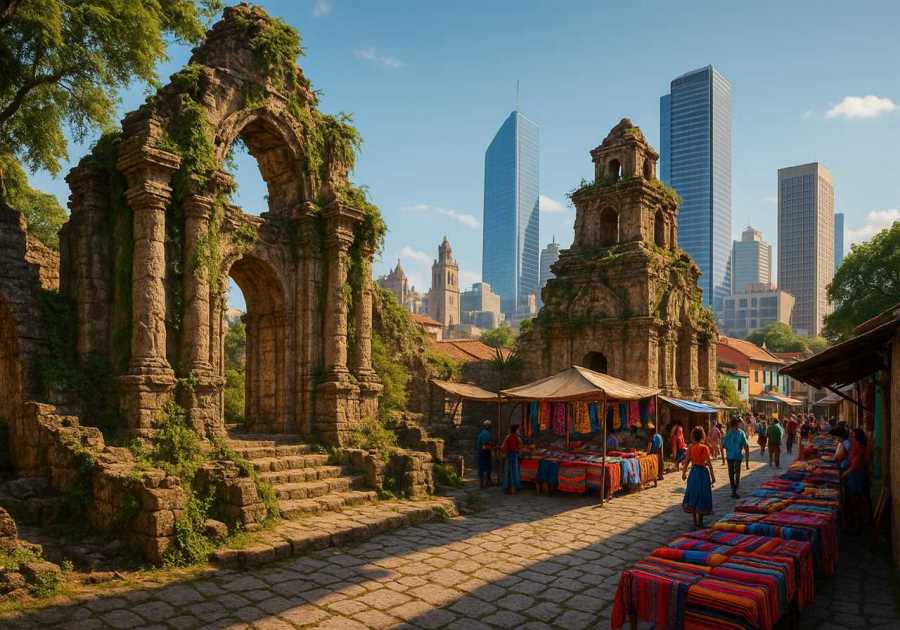
As the century progressed, the city embraced globalization while maintaining its unique identity, setting the stage for the Aguascalientes you know now: a blend of history and modernity, rich in opportunities and traditions.
Cultural Festivals and Traditions
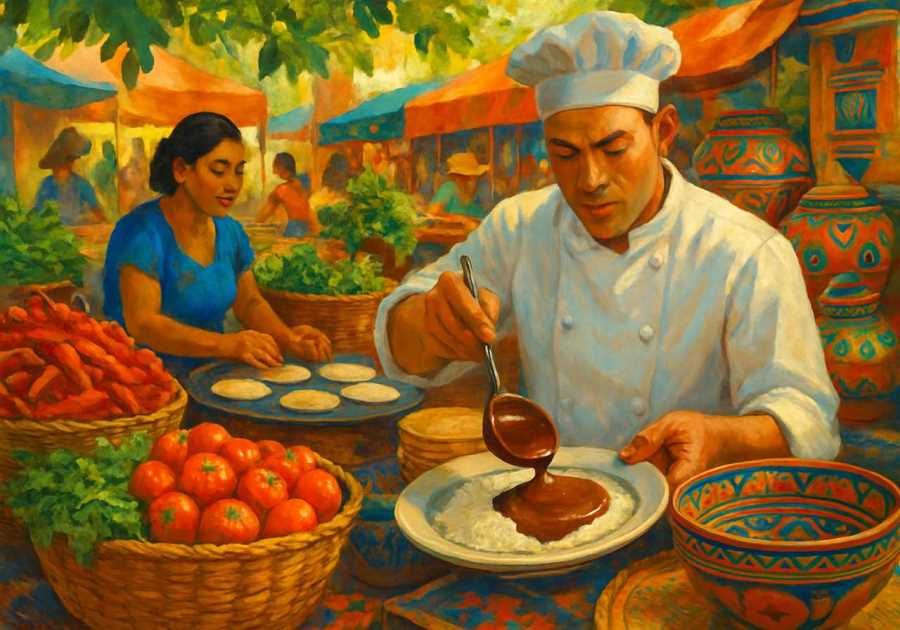
While exploring Aguascalientes, you're likely to be captivated by its vibrant cultural festivals and enduring traditions that showcase the region's rich heritage. One of the most prominent events is the Feria Nacional de San Marcos, held each spring. This lively festival promotes music, art, and gastronomy, attracting local and international visitors alike.
You'll find thrilling bullfights, concerts, and traditional dance performances, all set against a backdrop of colorful decorations.
Another unique tradition is the Día de los Muertos, or Day of the Dead. During this time, you can witness the community coming together to honor their loved ones with altars adorned with flowers, candles, and favorite foods. The sense of togetherness will leave you feeling deeply connected to Aguascalientes' culture.
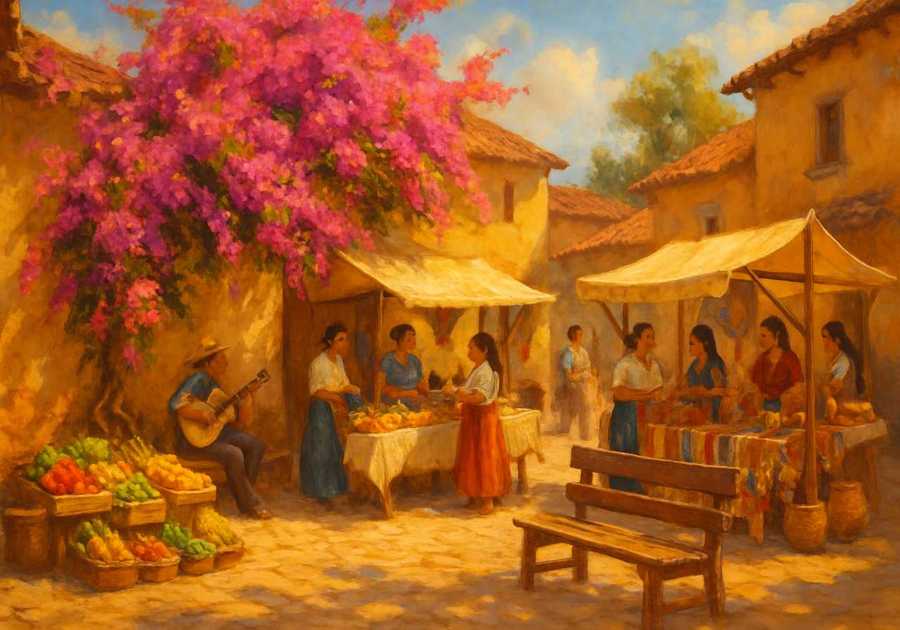
Additionally, keep an eye out for the many local artisan markets. Here, you can discover handcrafted crafts that represent the region's history and customs.
Whether it's a lively festival or a serene traditional ceremony, each event invites you to immerse yourself in the unique spirit of Aguascalientes, offering a true reflection of its people's creativity and passion.
Aguascalientes Today
Aguascalientes is a thriving city that seamlessly blends its rich traditions with modern advancements. You'll find a vibrant economy fueled by manufacturing, agriculture, and a growing tech sector.
When you stroll through the city, you can see how businesses are embracing innovation while cherishing their cultural heritage. The city's infrastructure is impressive, featuring modern transportation systems and lush green spaces
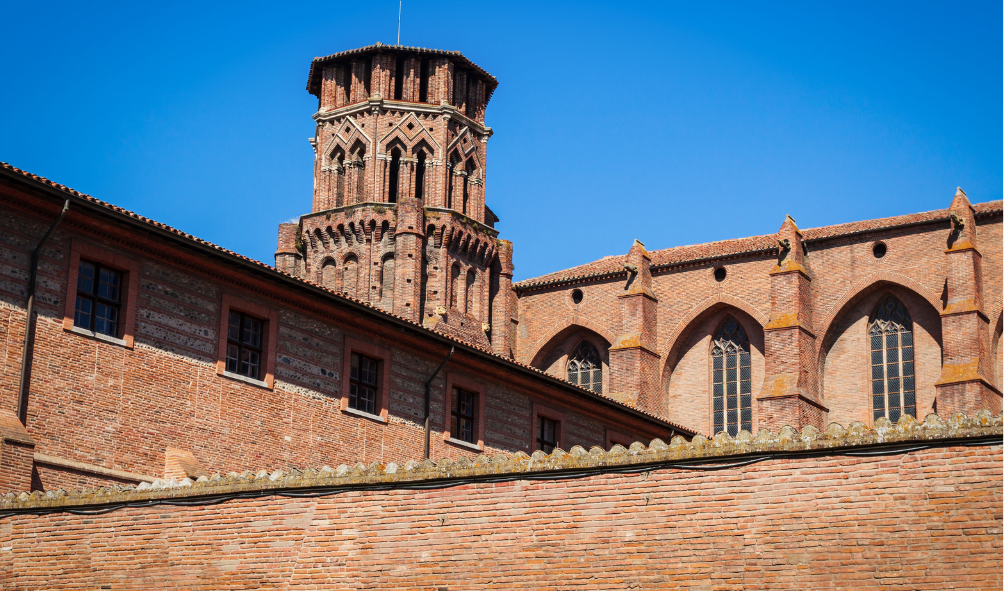
You'll notice the clean streets and friendly atmosphere that make Aguascalientes an inviting place to live and visit. With a bustling downtown, you have plenty of restaurants, cafes, and shops that showcase local crafts and cuisine.
To immerse yourself in the culture, don't miss the yearly Feria Nacional de San Marcos, a festival that draws visitors from all over the country. It's a perfect opportunity to experience traditional music, dance, and food while enjoying the lively celebrations.
Education also plays a significant role in Aguascalientes today, with several universities and institutes offering various programs.
As you navigate through the city, it's clear that Aguascalientes stands poised for a bright future while honoring its past. You're part of a community that values growth, making it an exciting time to be here.
Conclusion
In exploring Aguascalientes' rich history, you can see how the region evolved from its pre-Columbian roots through Spanish colonization to its role in Mexico's independence. The lasting impact of industrialization and vibrant cultural traditions shapes Aguascalientes today. As you walk through its streets or join in its festivals, you're witnessing a unique blend of past and present, reflecting the spirit and resilience of its people. Aguascalientes continues to thrive, inviting you to experience its rich heritage.
Statistics
- Aguascalientes has been a center for education and innovation, hosting some of the country's leading universities and research institutions.
- Migration patterns to and from Aguascalientes have significantly influenced its cultural and demographic development.
- The city of Aguascalientes has historically served as a key crossroads for travelers due to its strategic location.
- The development of the railway in the late 19th century was crucial in promoting economic growth and connectivity in Aguascalientes.
- Aguascalientes played a vital role during Mexico's War of Independence, providing support and strategic advantage to revolutionary forces.
External Links
- Encyclopedia Britannica - Aguascalientes Gain detailed insights into the historical development and significance of Aguascalientes within Mexico.
- Aguascalientes Education Portal - History Utilize educational materials and resources focused on the historical aspects of Aguascalientes.
- Official Government of Aguascalientes Explore the comprehensive history and cultural heritage of Aguascalientes through official government resources.
- México Desconocido - History of Aguascalientes Read engaging stories and historical accounts that reveal the unique heritage of Aguascalientes.
- Aguascalientes Tourism - History Learn about the rich historical landmarks and attractions that highlight the state's past.
Expand Your Historical Horizons
Are you passionate about uncovering the rich and diverse history of Aguascalientes? Our extensive collection of articles offers a comprehensive overview of the key events, influential figures, and cultural developments that have shaped this vibrant region. From its early beginnings to modern-day achievements, you'll find a wealth of information that brings to life the stories behind Aguascalientes' growth and significance in Mexico's broader historical context. Whether you're a history enthusiast or a curious learner, our resources provide valuable insights that will deepen your understanding of this fascinating area's past. To further enrich your knowledge, explore additional articles on Mexico's history available at Escape to Mexico Now.