.png)
History of Baja California
You might think of Baja California as just a sun-soaked destination, but its history reveals a complex narrative shaped by diverse influences. From the sustainable practices of indigenous peoples like the Kumeyaay to the turbulent arrival of Spanish explorers, each chapter paints a vivid picture of resilience and conflict. The Mexican War of Independence brought new identities to the fore, while the 20th century ushered in economic booms. But what truly sets Baja California apart today, and how does its past continue to influence its vibrant culture?
Indigenous Cultures and Societies
The rich tapestry of indigenous cultures in Baja California showcases a profound connection to the land and its resources.
You'll find that the region is home to diverse groups like the Kumeyaay, Kiliwa, and Cocopah, each with unique languages and traditions. These societies have thrived for centuries, relying on the natural environment for sustenance and cultural practices.
As you explore their history, you'll discover their deep understanding of the land. The Kumeyaay, for instance, practiced sustainable hunting and gathering, utilizing local flora and fauna efficiently. You might also notice their impressive craftsmanship, from intricate basket weaving to beautifully made pottery, reflecting both functionality and artistry.
Ceremonies and rituals play a significant role in these cultures, often centered around nature, spirituality, and community.
You'll find that storytelling is a vital method for preserving their histories and teachings, passed down through generations. Visiting sacred sites can give you insight into their rich spiritual beliefs and how they've adapted over time

In Baja California, the indigenous cultures provide a vital lens into the region's history, revealing resilience and harmony with the environment that continues to inspire those who walk their lands today.
European Exploration and Colonization
As indigenous cultures thrived in Baja California, European explorers began to set their sights on the region in the 16th century.
You'll find that Spanish expeditions were the first to arrive, driven by a desire for new territories and riches. The first notable explorer, Juan Rodríguez Cabrillo, landed on the coast in 1542, claiming the land for Spain and mapping its coastline.
In the following decades, you'd see more Spanish explorers, including Sebastián Vizcaíno, who meticulously charted the area in 1602. His reports sparked interest in colonization, highlighting Baja California's potential for agriculture and settlement.
However, establishing a permanent Spanish presence proved challenging due to the harsh environment and conflicts with indigenous populations.
As missions began to dot the landscape, you'd witness the fusion of European and indigenous cultures, albeit through often brutal means. The Spanish sought to convert the native peoples, imposing their language and religion while colonizing the land.
The Mexican War of Independence
On the heels of growing discontent, the Mexican War of Independence sparked a wave of revolutionary fervor across Mexico, including Baja California. You'd witness a shift in sentiment as locals began to rally against oppression and strive for autonomy. Inspired by leaders like Miguel Hidalgo and José María Morelos, residents felt empowered to join the fight for freedom.
As the struggle unfolded, Baja California's remote geography played a dual role. On one hand, its isolation provided a refuge for guerilla groups who sought to disrupt colonial forces. They adopted unconventional tactics to wage a war that wasn't limited to traditional battlefields.
On the other hand, the region also faced challenges as resources became scarce, leading to unrest among civilians.
Amidst the chaos, diverse communities united under common goals. Men and women, indigenous people, and mestizos all participated despite the risks. Your sense of solidarity grew, focusing on a shared vision of independence and self-determination.
Ultimately, Baja California's involvement in the Mexican War of Independence showcased the importance of local struggles within the larger narrative of a nation fighting for its identity and sovereignty. That spirit of resilience would shape the region's future for generations.
Economic Development in the 20th Century
Significant changes shaped Baja California's economy in the 20th century, marking a transformative period for the region. Starting in the 1920s, government investments in infrastructure, particularly roads and ports, laid the groundwork for commercial growth
You'd see these improvements sparking interest in agriculture, mainly through the introduction of new techniques and crops, which boosted local farming.
The post-World War II era was pivotal; the establishment of assembly plants, known as maquiladoras, attracted foreign investments and provided thousands of jobs.
You might notice how this industrial growth diversified the economy, reducing reliance on traditional agriculture.
Tourism also emerged as a leading economic driver, with visitors drawn to Baja California's breathtaking landscapes and cultural sites.
Cultural Influences and Heritage
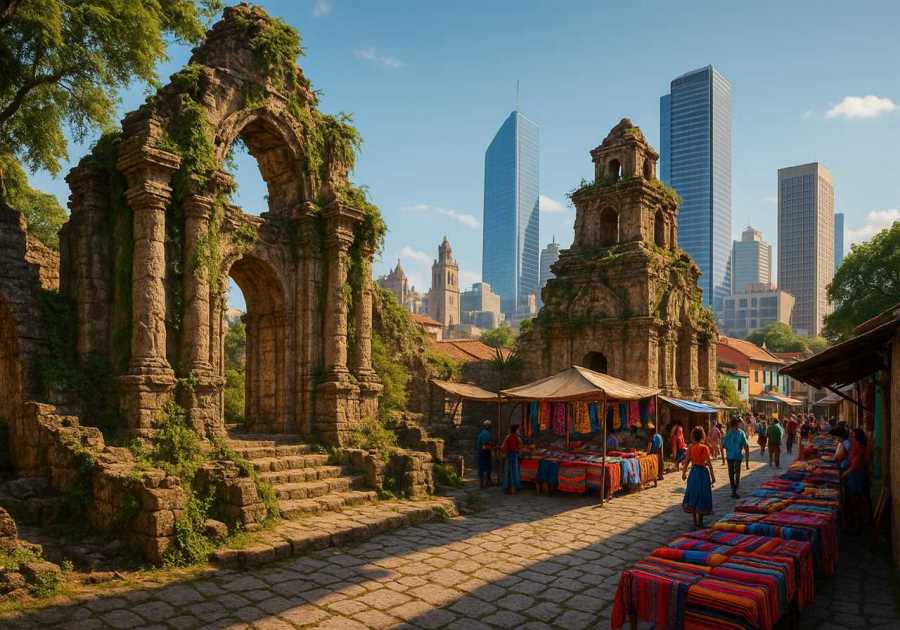
Baja California's rich cultural heritage is a tapestry woven from various influences over the centuries. You'll notice the blend of Indigenous traditions, Spanish colonial legacies, and modern-day influences as you explore the region. The Indigenous peoples, including the Kumeyaay, have long inhabited the area, leaving an imprint through their customs, art, and languages.
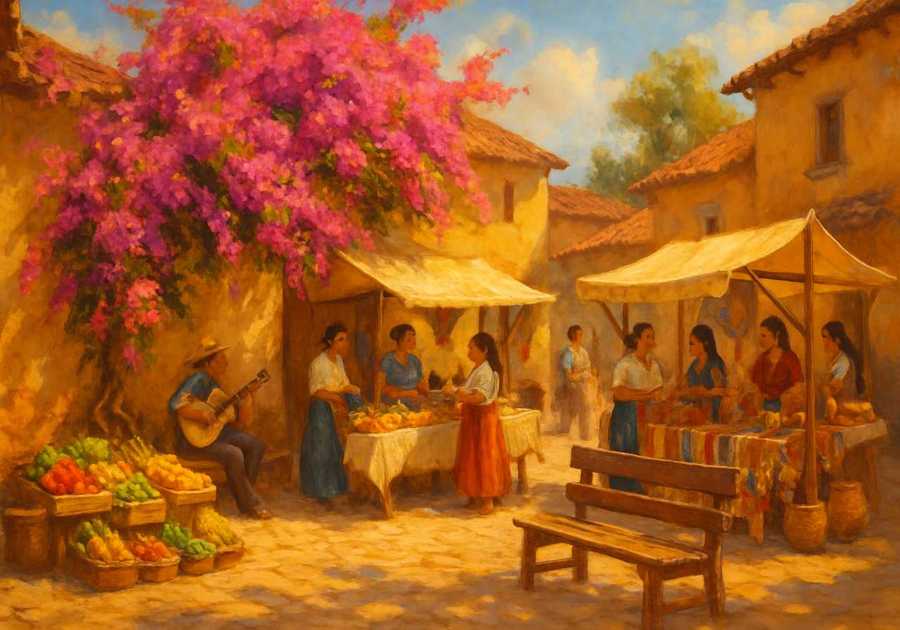
When the Spaniards arrived, they brought their own traditions, architecture, and religion, shaping the social landscape significantly. You'll see this in the churches and missions peppered throughout the region, which provide a glimpse into the past.
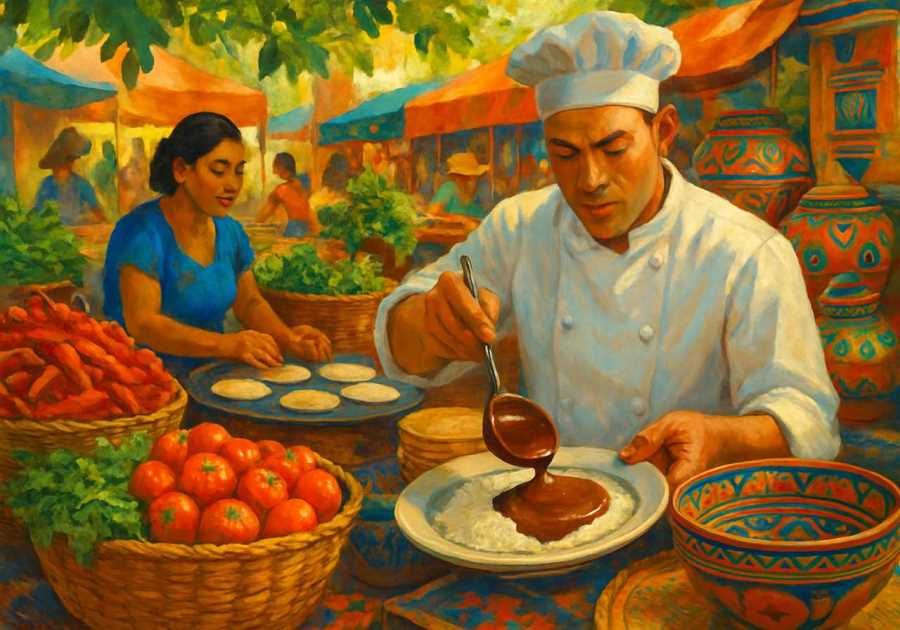
Mexican influence is prevalent, especially in cuisine. You can't miss the flavors of Baja fish tacos and mole, which reflect a fusion of cultural elements

Festivals and celebrations also demonstrate a mix of heritage—the vibrant Day of the Dead observances and Cinco de Mayo festivities are testaments to the area's colorful history.
Even modern influences from the United States and global cultures add to Baja California's evolving identity. So, as you dive deeper into its history, you'll appreciate how this cultural melting pot creates the unique character of Baja California today.
Contemporary Baja California Trends
In today's vibrant landscape, contemporary trends in Baja California reflect a dynamic fusion of tradition and innovation. You'll notice a culinary renaissance thriving in the region, with chefs expertly blending traditional Mexican flavors and local ingredients. From the seafood tacos in Ensenada to gourmet farm-to-table experiences, every bite tells a story.
Furthermore, you can't ignore the burgeoning wine industry in the Valle de Guadalupe. Wine tourism is skyrocketing, with visitors flocking to taste robust reds and crisp whites that rival global standards. Wineries are increasingly focusing on sustainable practices, emphasizing the connection between environmental stewardship and quality production.
Art and culture are also flourishing, as vibrant murals and galleries pop up in urban areas like Tijuana, showcasing local artists' work. You'll see a lively arts scene that connects communities and attracts tourists, fostering appreciation for Baja's rich heritage
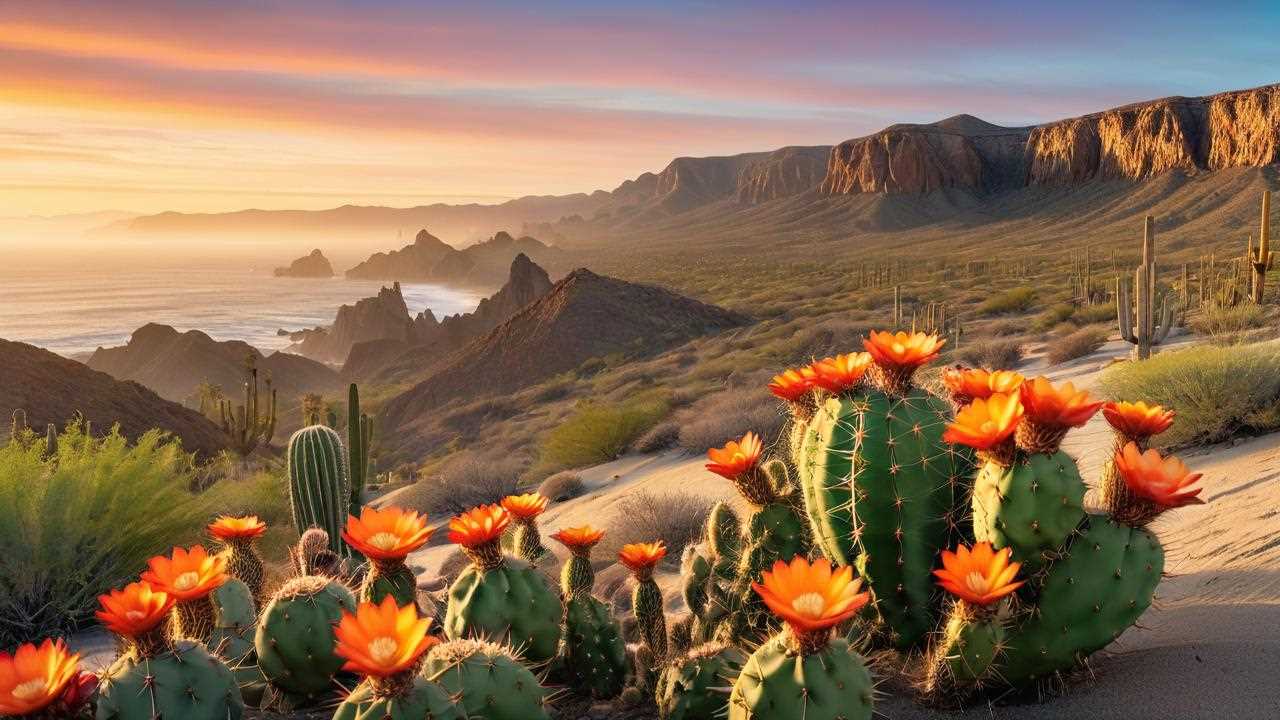
Finally, outdoor adventures are gaining traction, from surfing the pristine beaches to exploring the vast deserts. Baja California's natural beauty invites you to connect with both its historic and modern attractions, creating a unique blend of experiences that captivate all senses.
Embrace the evolution of Baja California — it's a celebration of everything that defines this remarkable region.
Conclusion
Exploring the history of Baja California, you see how its rich past shapes the vibrant present. From the indigenous cultures that nurtured the land to the waves of European influence, every chapter tells a story of resilience and transformation. As you step into the contemporary scene, you can appreciate the blend of traditions and modernity that defines the region today. Baja California isn't just a place; it's a living narrative inviting you to discover its depth and beauty.
Statistics
- In 1980, Baja California accounted for nearly 20% of Mexico's automobile manufacturing output, cementing its status as an industrial powerhouse.
- Tourism in Baja California grew by an average annual rate of 7% between 1990 and 2010, becoming a cornerstone of the region's economy.
External Links
- Britannica: Baja California, Mexico Provides detailed historical information and significant milestones in the region's history.
- Wikipedia: Baja California Offers an extensive overview of the historical development and key events in Baja California.
Study the Historical Milestones of Baja California
The history of Baja California is punctuated by significant milestones that have defined its trajectory. Studying these milestones provides clarity on how past events have influenced current societal structures and regional development. Key events include periods of colonization, the establishment of important settlements, economic transformations, and pivotal political changes. Each milestone offers insights into the challenges and achievements that have shaped Baja California's path. By examining these critical points, you can develop a nuanced understanding of the region's history. To explore more historical content related to Mexico, visit escapetomexiconow.com.