.png)
When you think about Campeche, it's hard not to consider its complex tapestry of history, woven from the threads of the ancient Mayan civilization and the intricate layers of Spanish colonization. You'll find that this city was more than just a bustling trade port; it served as a fortress against piracy, reflecting the resilience of its inhabitants. As you explore its colonial architecture and vibrant culture, you might wonder how these historical influences have shaped modern-day Campeche and the ongoing efforts to preserve its unique legacy. What insights will you uncover as you consider its multifaceted past?
Ancient Mayan Civilization
Nestled in the heart of Mesoamerica, the Ancient Mayan Civilization flourished for thousands of years, leaving behind a rich tapestry of cultural and architectural achievements. You'd find stunning pyramids, intricate palaces, and sprawling marketplaces that showcase their advanced understanding of urban planning and architecture.
The Maya were masters of mathematics and astronomy, creating a calendar that's still remarkable today. You might walk through the ruins of city-states like Tikal or Calakmul, where you'd encounter towering temples dedicated to their deities, illuminating their deep spiritual beliefs.
The Maya crafted elaborate hieroglyphics to document everything from daily life to mythology, making their written language one of the most sophisticated in the ancient world. Daily life for the Maya revolved around agriculture, trade, and community rituals—it all reflected a deep connection to the land.
As you explore their settlements, you can appreciate how they harnessed resources, creating a sustainable lifestyle. Through their artwork and philosophy, the Ancient Maya left a legacy that continues to influence modern culture and academic study, serving as a testament to human creativity and resilience in the face of challenges.
Spanish Colonization Era
The onset of Spanish colonization in Campeche marked a profound transformation for the region, profoundly impacting its social and cultural landscape. You'll see how this period ushered in significant changes that reshaped everyday life.
Spanish explorers and settlers arrived in the early 16th century, bringing with them new customs, languages, and religions that clashed with the indigenous Mayan traditions.
As you delve deeper, you'll notice that the Spaniards established settlements, such as San Francisco de Campeche, which became a strategic port for the crown.
You can imagine the bustling activity as traders and settlers mingled, creating a unique fusion of cultures. While the Spanish tried to impose their ways, the resilient Mayan communities adapted, blending their traditions with the newcomers.
You'll also find that the introduction of agriculture changed the economy, as new crops were cultivated. However, this colonization didn't come without strife; conflicts arose between the Spaniards and the indigenous people, leading to a rich, yet tumultuous history.
Ultimately, during the Spanish Colonization Era, Campeche morphed into a vibrant crossroads of diverse influences, laying the foundation for the region's future development.
Campeche's Role in Trade
As you explore Campeche's evolution, you'll find its strategic location played a crucial role in trade during the colonial period. Nestled along the Gulf of Mexico, Campeche became a key port for Spanish merchants, facilitating the flow of goods between Europe and the Americas. Its harbor allowed for the transport of valuable commodities like henequen, sugar, and tobacco, which were in high demand.
Merchants from various regions flocked to Campeche, turning it into a bustling hub of commerce. You'd witness ships arriving constantly, laden with European imports and returning with rich resources from the New World. The city's role wasn't just limited to local trade; it also served as a point for transshipment, where goods were reloaded onto larger vessels for further distribution.
In this vibrant atmosphere, diverse cultures mingled, creating a melting pot that significantly influenced the local economy and society. Artisans and traders thrived, contributing to Campeche's growth and prosperity.
As you delve deeper, you'll appreciate how this trade activity not only shaped the city's development but also left an enduring legacy that's still felt in the region today.
Fortifications and Defense
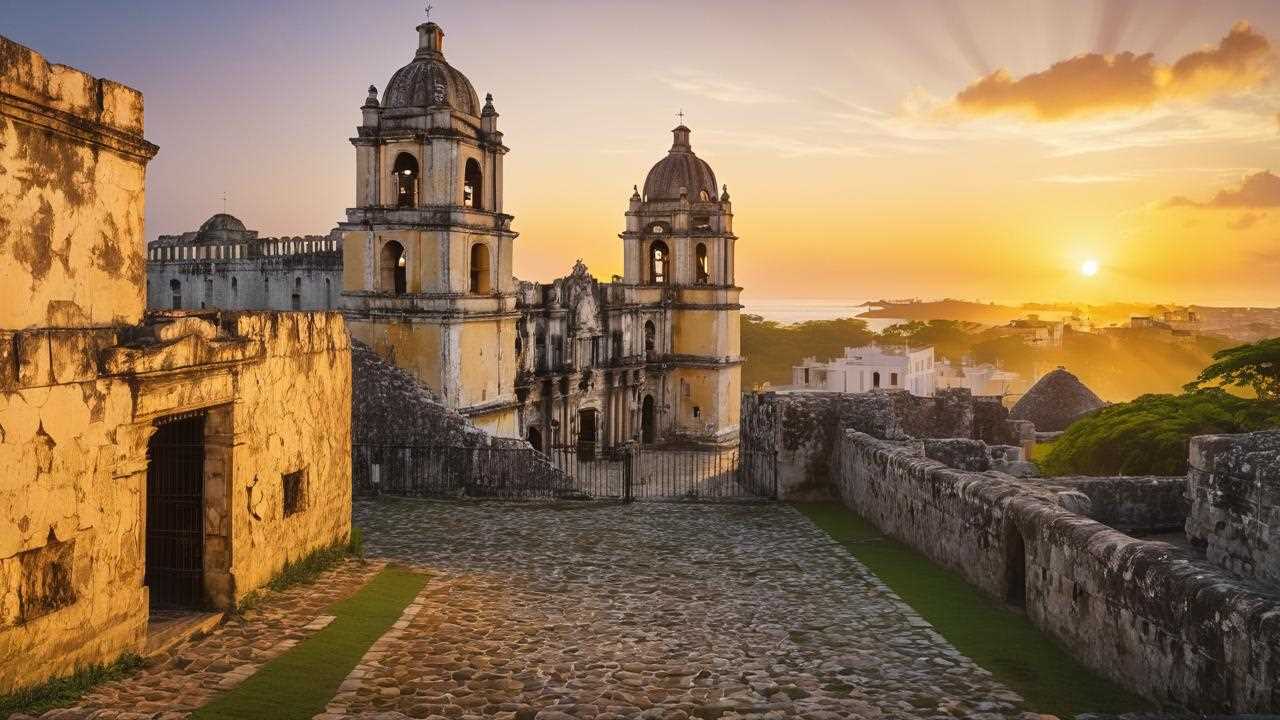
Campeche's strategic significance drew not only trade but also the attention of pirates and foreign powers, prompting the need for robust fortifications. To protect this vital coastal city, you'll find impressive walls, towers, and forts constructed during the 17th and 18th centuries. These defensive structures were designed to endure assaults from marauders seeking to plunder the rich resources that sailed from Campeche's ports.
When you stroll through the city, you can admire the remnants of these fortifications, such as the famed San Miguel Fort, which played a crucial role in defending the harbor. The walls, made from local stone, served as a protective barrier, giving residents a sense of security.
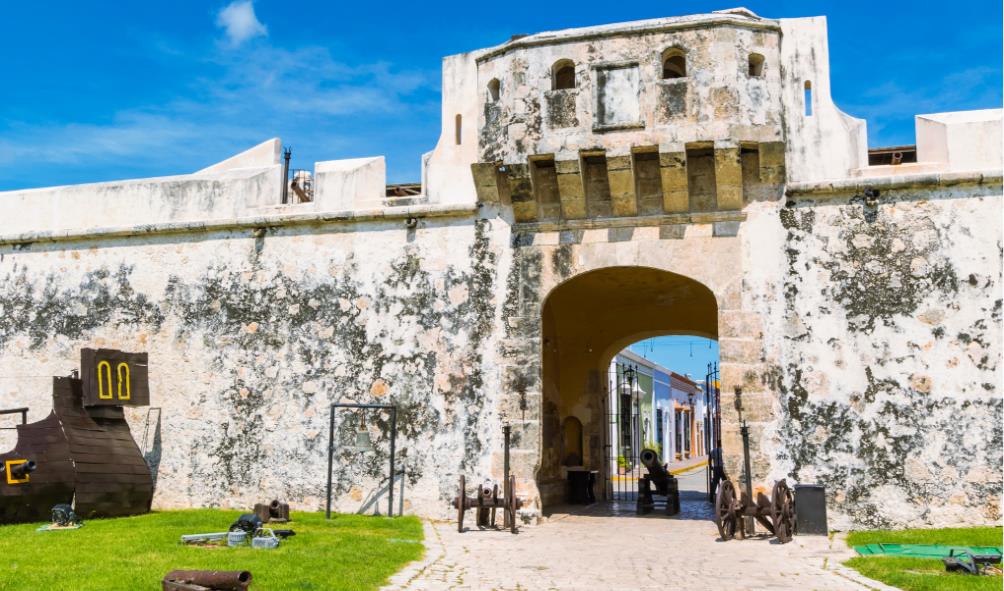
It's fascinating to think about how these structures weren't just defensive—they also shaped the daily lives of the people living there.
As threats continued over the years, the city made enhancements to its defenses, incorporating artillery into the design to deter invaders. You might be struck by how these fortifications not only symbolize Campeche's resilience but also its rich military history, which continues to be celebrated today.
Cultural Fusion and Influence
In Campeche, a rich tapestry of cultural fusion unfolds, shaped by its history of conquest, trade, and migration.
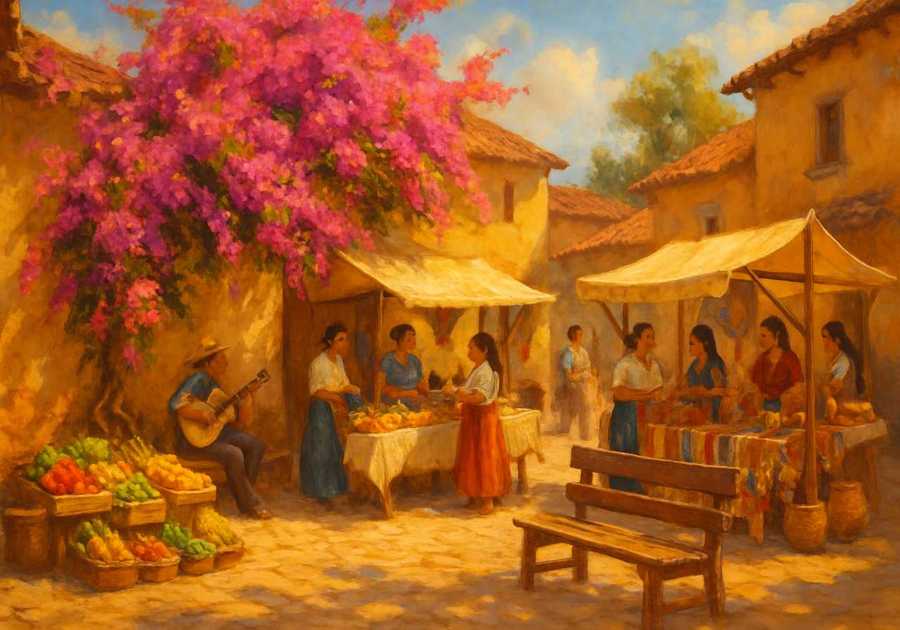
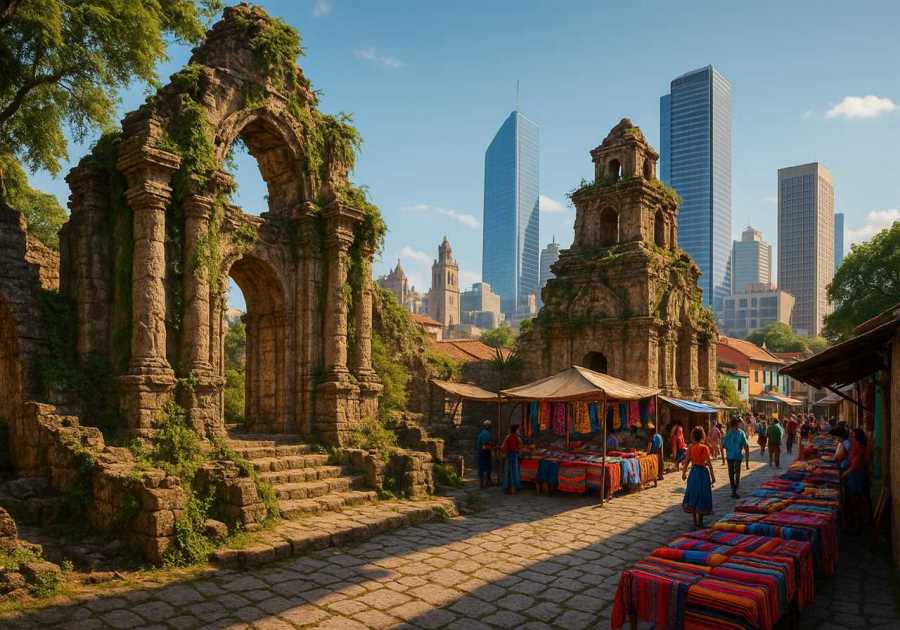
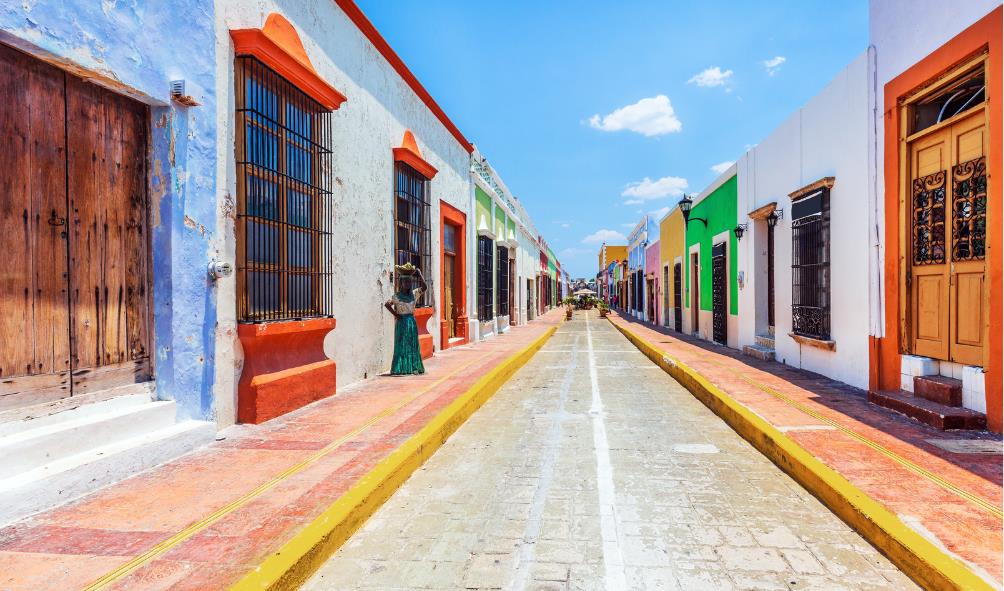
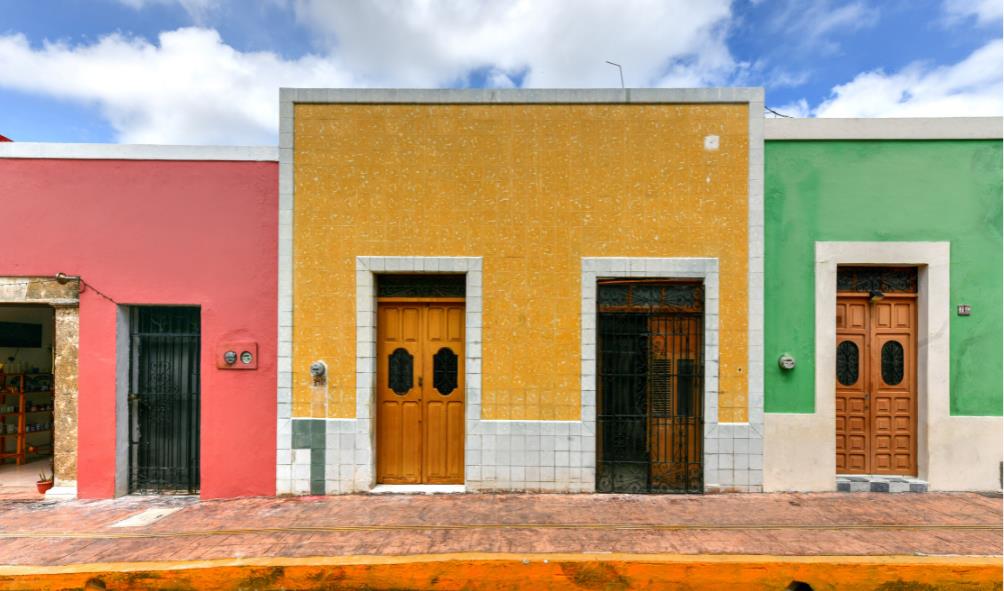
You'll notice the blend of indigenous Mayan heritage with Spanish colonial influences as you stroll through the vibrant streets. The architecture showcases this unique mixture, with colorful colonial buildings standing alongside ancient ruins, offering a visual representation of the area's diverse past.
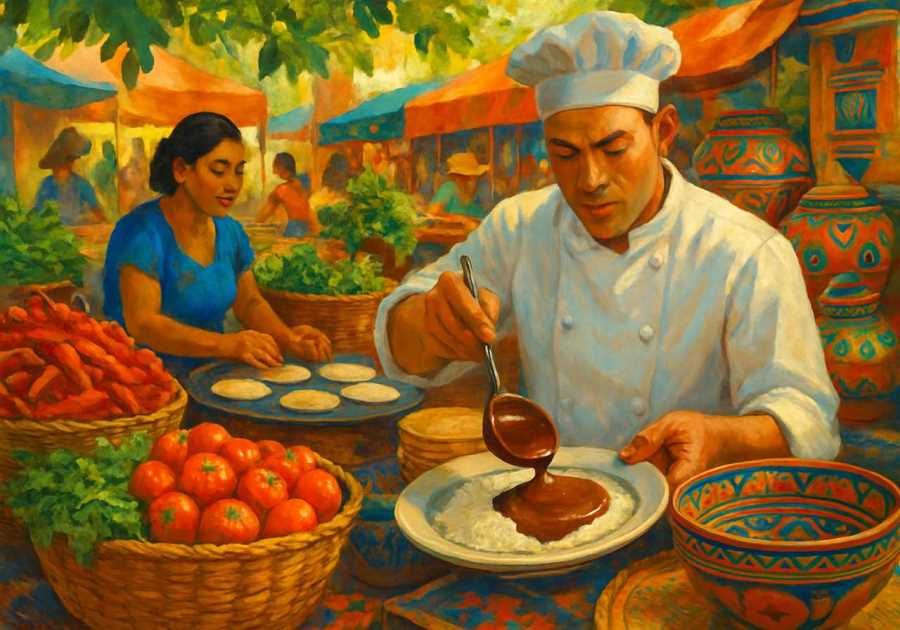
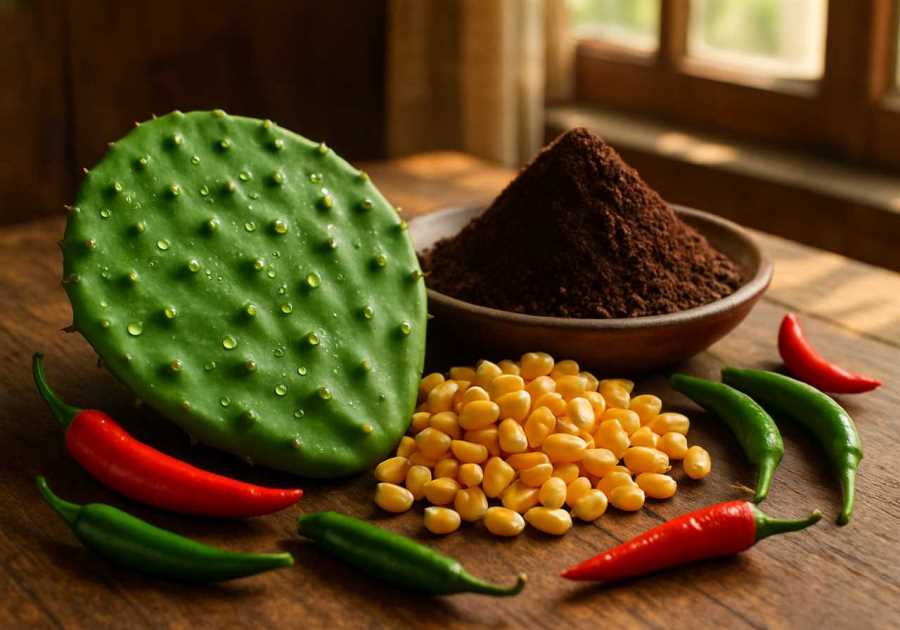
Cuisine is another area where this cultural blend thrives. When you taste regional dishes, you can experience a symphony of flavors, combining traditional Mayan ingredients with Spanish techniques.
Don't miss the tamales, cochinita pibil, and fresh seafood that reflect this fusion.
Art, music, and festivals further highlight Campeche's cultural influence. You'll hear lively music that mixes traditional Mayan beats with Spanish rhythms, celebrating both heritages with energy.
Local festivals, like the Fiesta de la Cruz, provide a glimpse into the vibrant community spirit, where diverse traditions come together, fostering unity amid diversity.
As you immerse yourself in the local culture, you'll appreciate how Campeche's past continues to shape its identity, creating a nurturing space for cultural fusion and influence.
The 19th Century Struggles
The vibrant cultural fusion of Campeche didn't shield it from the upheavals of the 19th century. You'll find that this period was marked by political strife, as various factions vied for power. The War of Independence, which began in 1810, affected Campeche just as it did the rest of Mexico. You might recall how local leaders and citizens rallied to support the cause, yet this brought significant hardship and turmoil.
As you dive deeper, you'll see that the subsequent power struggles, including the federalist vs. centralist debates, further divided communities. The frequent invasions and skirmishes, particularly during the Reform War and the French Intervention, stoked tensions and left the region vulnerable. You can almost feel the fear and uncertainty that permeated life in Campeche.
The struggles didn't just impact governance; they also disrupted daily life. People faced food shortages, economic instability, and the constant threat of violence. Despite these challenges, Campeche's resilience shone through. Residents came together, striving to protect their heritage and land.
This tumultuous century laid the groundwork for future advancements, but it was undoubtedly a time of intense hardship and conflict for the people of Campeche.
Economic Growth and Decline
Amidst the shifting tides of history, Campeche experienced notable economic growth in the latter half of the 19th century, fueled by an expanding trade network and the rise of agricultural production. You'll find that the region's economy thrived as new markets opened up, allowing local farmers to export products like henequin, a significant cash crop at the time. This surge in agricultural output significantly contributed to the prosperity of Campeche, attracting investments and boosting infrastructure.
However, this growth didn't last forever. By the early 20th century, fluctuating global markets and domestic challenges began to weaken the economy. The decline in agricultural prices hit farmers hard, leading to a downturn in their livelihoods.
To make matters worse, political instability and conflicts often disrupted trade routes, further impacting economic stability.
The cyclical nature of economic growth and decline shaped Campeche, influencing not only its market but also the lives of its residents. By recognizing these patterns, you can better appreciate how historical events have impacted the region's economy, laying the groundwork for future development.
The tale of Campeche's economy reflects the resilience and adaptability of its people amidst constant change.
Restoration and Preservation Efforts
As Campeche faced the challenges of economic decline and shifting social dynamics, restoration, and preservation efforts emerged to safeguard its rich cultural heritage.
You'll notice that local organizations, government agencies, and international partners have worked tirelessly to breathe new life into historical sites and monuments. Funded through grants and community initiatives, these efforts have focused on restoring iconic structures like the city's colonial forts and beautifully painted buildings.
You can see evidence of these initiatives everywhere in the city. The restoration of the historic downtown area has transformed dilapidated buildings into vibrant spaces for locals and tourists alike. Festivals and events now celebrate Campeche's unique history and culture, drawing visitors who appreciate the city's charm.
Additionally, you'll find that the integration of modern technology is playing a role in these preservation efforts. Digital mapping and archival work help maintain accurate historical records, ensuring that future generations can enjoy Campeche's heritage.
Modern-Day Campeche
Today, Campeche stands as a vibrant blend of rich history and modern creativity, making it a compelling destination for visitors. You'll find stunning colonial architecture, colorful streets, and lively plazas that invite exploration.
As you stroll through the historic center, a UNESCO World Heritage site, you can appreciate how the city harmoniously integrates its past with contemporary life.
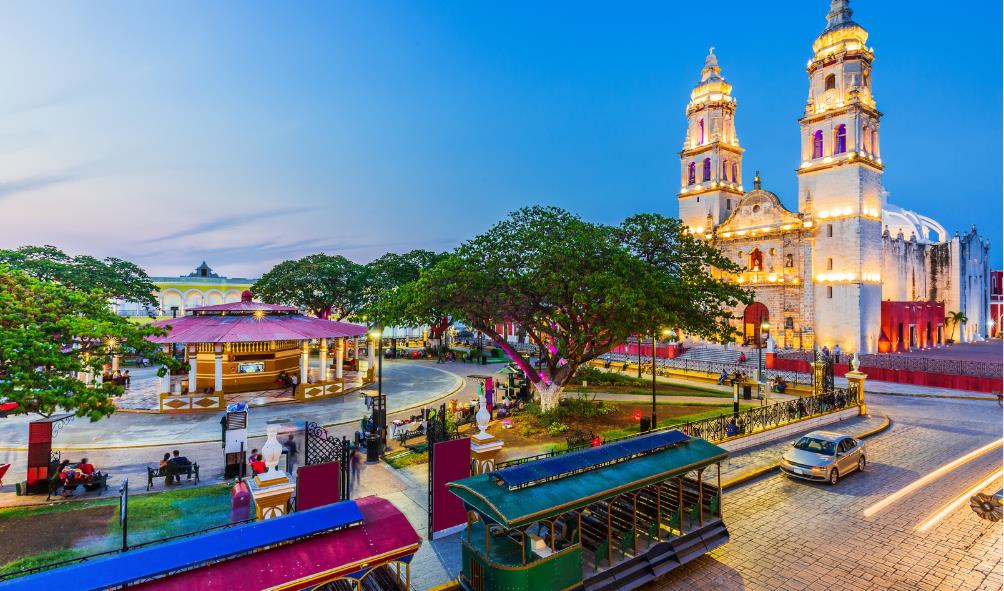
One of the highlights of modern Campeche is its thriving arts scene. Local galleries showcase talented artists who draw inspiration from both their heritage and contemporary themes.
Don't miss the annual Festival Internacional de Puertas Abiertas, where you can enjoy live music, dance, and performances that reflect the city's cultural richness.
Culinary delights also define modern-day Campeche; here, you'll savor unique dishes that blend traditional flavors with innovative techniques. Seafood, in particular, shines thanks to Campeche's coastal location.
The city's friendly atmosphere and warm hospitality make every visit memorable. Whether you're indulging in local cuisines, exploring historical sites, or immersing yourself in the arts, modern Campeche promises an unforgettable experience filled with endless opportunities for discovery.
Legacy and Cultural Significance
Although Campeche's stunning colonial architecture and vibrant streets celebrate a rich history, its legacy extends beyond mere aesthetics; it embodies the cultural significance of a region shaped by diverse influences. When you walk through its historic center, you feel the blend of indigenous, Spanish, and African heritages that contribute to its unique identity.
Campeche's cuisine, too, speaks volumes about its cultural landscape. You'll encounter dishes infused with local spices and fresh seafood, revealing centuries-old traditions that continue to thrive today.
Festivals like the International Festival of the Sea showcase not only local music and dance but also the community's deep connection to the sea and history.
This cultural richness is also evident in the arts, with local artisans preserving traditional crafts, from pottery to textiles. You can truly sense the pride residents have in their heritage, as they share stories that weave together the past and present.
In essence, Campeche isn't just a city; it's a living narrative, inviting you to appreciate and engage with the legacy that shapes its people and their vibrant culture. Embracing this heritage allows for a deeper understanding of the spirit of Campeche.
Conclusion
In conclusion, Campeche's vibrant history reflects a unique blend of Mayan and Spanish influences, shaping its cultural landscape. From its strategic role in trade to the impressive fortifications that once protected it, the city stands as a testament to resilience and adaptation. Today, as you explore its charming streets and engage with its rich heritage, you'll appreciate the ongoing restoration efforts that preserve its legacy. Campeche truly offers a fascinating glimpse into the past and a vibrant present.
Statistics
- Campeche was established in 1540 by Spanish conquistadors as a vital port on the Yucatán Peninsula.
- Campeche declared independence from Mexico in 1863 due to political conflicts, though it was later reincorporated.
- In the 19th century, Campeche played a significant role in the Caste War of Yucatán, shaping the region's population dynamics.
- During the late 17th century, Campeche emerged as a prominent hub for the henequen industry, driving its economic growth.
External Links
- Learn about the foundational history and significant events that shaped Campeche on its Wikipedia page.
- Visit the official Campeche government website for authoritative information on the region's historical background.
- Explore Campeche's designation as a UNESCO World Heritage Site and its cultural significance.
- Find comprehensive historical insights and timelines about Campeche on InfoCampeche.
Explore Campeche’s Cultural Heritage
Campeche is not just a city; it is a living museum of cultural heritage. Its vibrant traditions, festivals, and historic sites offer a profound understanding of Mexico’s past. Immerse yourself in the stories that have been passed down through generations and appreciate the legacy that Campeche upholds. For more detailed articles on Mexico's history, visit escapetomexiconow.com.