.png)
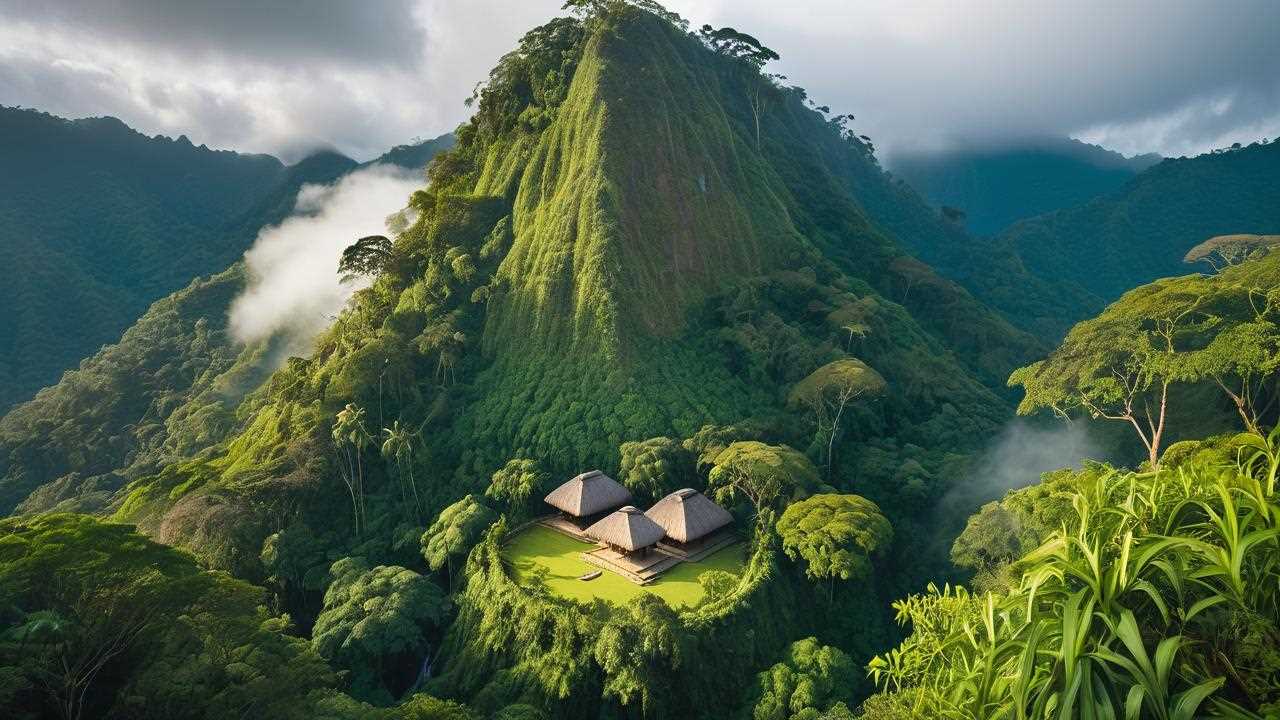
When you think about Chiapas, you might picture its stunning landscapes or vibrant cultures, but the region's history runs much deeper. You'll find a narrative woven with the triumphs of the ancient Maya, the harsh realities of Spanish colonization, and the relentless fight for autonomy that shaped its identity. The complexities of Chiapas have led to defining moments like the Zapatista Uprising, which didn't just challenge Mexican authority but also highlighted the resilience of Indigenous voices. What drove these movements, and how do they resonate in today's society?
Ancient Maya Civilization
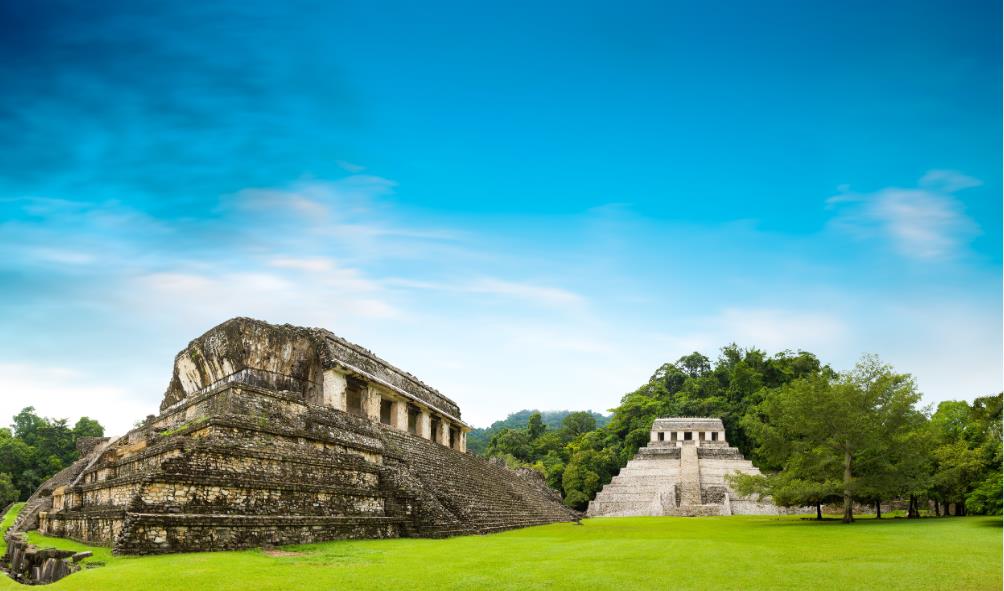
The Ancient Maya Civilization, which flourished from around 2000 BCE to the arrival of the Spanish in the 16th century, is one of the most fascinating cultures in Mesoamerican history. When you dive into the world of the Maya, you'll encounter impressive city-states, such as Tikal and Palenque, known for their towering pyramids and intricately designed temples.
The Maya mastered agriculture, growing crops like maize, beans, and squash, while also developing advanced techniques like terracing and irrigation. You can't overlook their sophisticated calendar system and written language, which helped them record historical events and astronomical phenomena. These achievements demonstrate their deep understanding of mathematics and time.
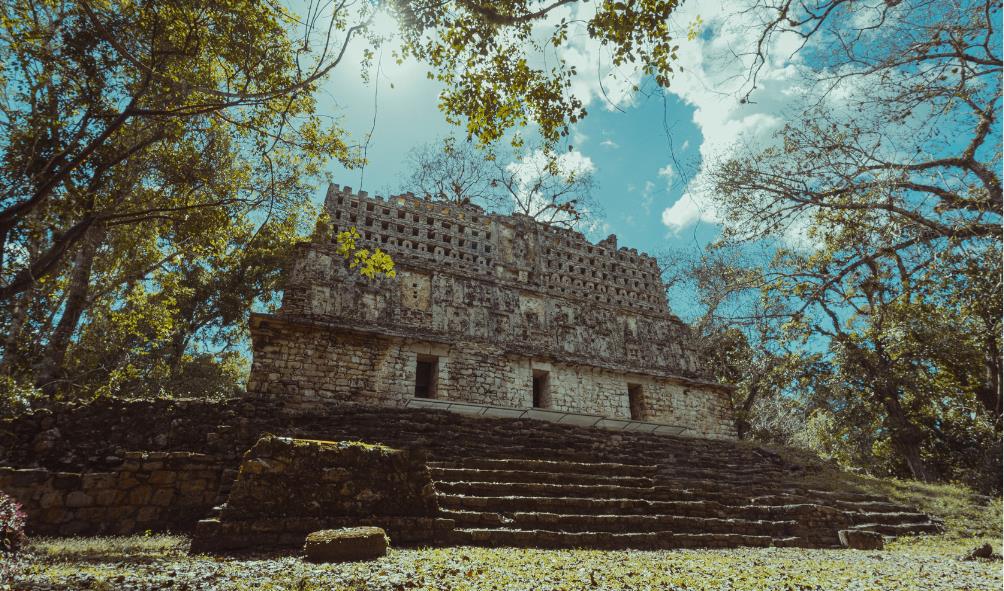
Additionally, the Maya held rich cultural beliefs, worshiping numerous deities tied to nature and life cycles, while also practicing complex rituals and ceremonies. Trade played a significant role in their society, linking them to other Mesoamerican cultures and facilitating the exchange of goods like obsidian and jade.
As you explore Maya artifacts today, whether in museums or archaeological sites, you'll feel the echoes of their vibrant society, showcasing their remarkable legacy that continues to inspire awe and intrigue.
Spanish Colonization Era
As the Maya civilization began to decline due to internal strife and external pressures, the arrival of Spanish conquistadors in the 16th century marked a drastic shift in Chiapas' history. When Hernán Cortés and his men set foot in the region around 1524, they encountered indigenous societies already weakened by previous conflicts.
You'll notice how the Spaniards took advantage of this vulnerability, using a combination of military power and strategic alliances to assert control.
The Spanish colonizers imposed their culture, religion, and economic systems, leading to significant changes in daily life for the local population. You might feel the heavy impact of forced labor, as many indigenous people were subjected to the encomienda system, which exploited them for labor on plantations and in mines.
The introduction of Christianity also transformed spiritual practices, as missionaries sought to convert the indigenous population.
Throughout this period, resistance was common. Indigenous groups occasionally united to fight back against Spanish oppression, but these efforts often met with brutal reprisals.
You can see how this tumultuous era shaped the identity and future of Chiapas, as indigenous culture struggled to survive amidst colonization's pervasive influence.
Independence and Early Republic
Chiapas' journey toward independence in the early 19th century was a complex tapestry woven with social unrest and political change. You'd witness the escalating pressure on colonial authorities, as discontent grew among various social classes. The effects of the Enlightenment sparked ideas of liberty and equality, influencing many in Chiapas.
When Mexico declared its independence in 1810, you felt the waves of revolution reach your corner of the country. While the initial struggles were concentrated in central Mexico, local leaders in Chiapas rallied their communities around the call for freedom. You'd see figures like Manuel de la Raza emerge, aiming to unify indigenous and mestizo populations to assert their rights.
Throughout the 1820s, Chiapas faced ongoing political turmoil. You probably noticed shifting allegiances as the region struggled to adapt to the new republican ideals. The state began to grapple with how to govern itself amid a backdrop of civil wars and external invasions.
The Mexican Revolution
Emerging from the political instability of the early republic, Chiapas found itself swept up in the tide of the Mexican Revolution that began in 1910. As you explore this period, you'll notice how discontent simmered among the peasants and the indigenous populations. Economic hardships and political oppression fueled their desire for change.
Local leaders began to emerge, inspired by revolutionary ideals. They organized communities to demand land reforms and better working conditions. You can observe how these grassroots movements challenged the traditional power structures that had long dominated Chiapas.
While revolutionary leaders like Emiliano Zapata and Pancho Villa captured national attention, Chiapas had its regional heroes, fighting for the rights of the marginalized.
The revolution brought about significant social and political transformations. The constitutional reforms aimed to redistribute land and provide access to education. However, reality often lags behind promises.
Many pueblos found themselves amidst violence as factions clashed over control. As you delve deeper into this tumultuous era, you'll uncover the complexities of loyalty, struggle, and the ongoing fight for justice that defined Chiapas during the Mexican Revolution.
Zapatista Uprising
In the late 20th century, Chiapas was thrust into the global spotlight with the Zapatista Uprising, which erupted on January 1, 1994, coinciding with the implementation of the North American Free Trade Agreement (NAFTA). You might recall how the Zapatista Army of National Liberation (EZLN) aimed to challenge socio-economic inequalities and secure Indigenous rights.
Armed with a vision of autonomy, the Zapatistas captured towns like San Cristóbal de las Casas and declared war against the Mexican government, demanding land reform and better living conditions.
As you follow the timeline, you'll notice that the uprising quickly drew international attention, sparking debates about globalization, Indigenous rights, and neoliberal policies. You could see how the charismatic leader, Subcomandante Marcos, emerged as a key figure, using media to share their message globally.
While fighting continued, the Zapatistas also sought a peaceful resolution through dialogue, emphasizing their commitment to democracy and social justice.
Contemporary Indigenous Movements
The legacy of the Zapatista Uprising set the stage for ongoing contemporary Indigenous movements in Chiapas and beyond. You'll see that these movements focus on issues like land rights, cultural preservation, and social justice.
Communities are uniting to challenge the encroachment of corporations and government policies that threaten their traditional ways of life. Indigenous organizations are pushing for recognition of their rights, often through grassroots activism.
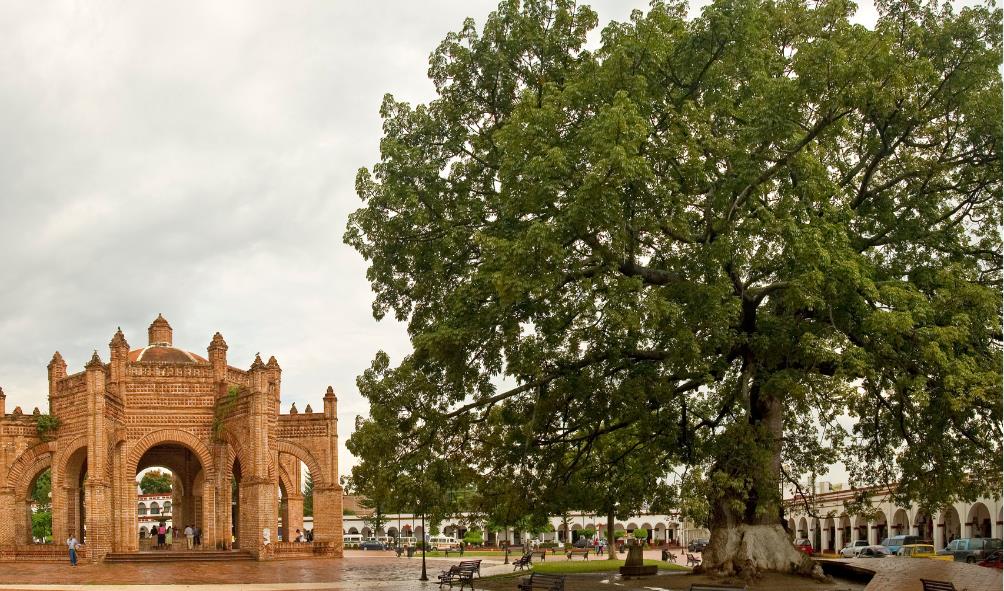
They're using tactics like peaceful protests, educational campaigns, and alliances with NGOs to amplify their voices. You can easily spot the growing emphasis on reclaiming Indigenous identity and language, allowing communities to assert their heritage proudly.
Many younger activists are getting involved, merging traditional knowledge with modern strategies to reach broader audiences. This combination empowers them to address systemic inequality and fight for fairer resource distribution.
The strength of contemporary Indigenous movements in Chiapas lies in their resilience. They're not just focused on past struggles; they're building futures where they can thrive.
You'll find that their efforts resonate beyond local borders, inspiring similar initiatives across Latin America and around the globe.
Conclusion
In understanding the history of Chiapas, you see a vibrant tapestry of resilience and resistance. From the ancient Maya to modern Indigenous movements, the region's story is one of cultural richness and ongoing struggles for justice. As you explore Chiapas today, you can appreciate how its past shapes the present, inspiring communities to advocate for their rights and preserve their heritage. The spirit of Chiapas continues to thrive, reminding us all of the power of collective voice and action.
Frequently Asked Questions
What are some of the key historical landmarks in Chiapas?
Chiapas boasts several key historical landmarks that reflect its rich heritage. The ancient city of Palenque is renowned for its well-preserved Mayan ruins, including the Temple of the Inscriptions. The colonial town of San Cristóbal de las Casas features cobblestone streets, vibrant markets, and historic churches. Additionally, the Sumidero Canyon offers stunning geological formations and was an important site during the mining era. These landmarks attract visitors interested in the region's diverse history.
How did Spanish colonization impact Chiapas?
The Spanish colonization in the 16th century brought profound changes to Chiapas. The introduction of Christianity led to the establishment of numerous missions and the construction of churches, which remain architectural highlights today. The Spanish also implemented the encomienda system, altering the indigenous social and economic structures. Additionally, the colonization period introduced new crops and livestock, reshaping the agricultural landscape of Chiapas.
What were the major pre-Columbian civilizations in Chiapas?
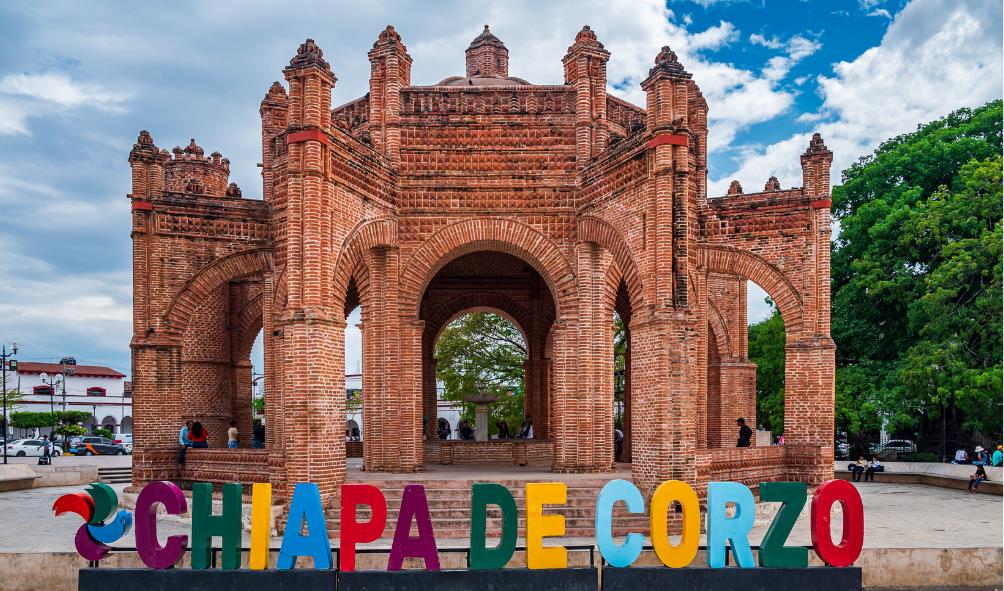
Chiapas was home to several significant pre-Columbian civilizations, most notably the Maya. The region featured prominent sites such as Palenque, known for its impressive architecture and intricate carvings, and Chiapa de Corzo, which showcases early Mesoamerican urban development. These civilizations developed advanced agricultural practices, complex social structures, and rich cultural traditions that have left a lasting legacy in the region.
What was the significance of the Chiapas Rebellion of 1994?
The Chiapas Rebellion, also known as the Zapatista uprising, began on January 1, 1994, coinciding with the implementation of the North American Free Trade Agreement (NAFTA). Led by the Ejército Zapatista de Liberación Nacional (EZLN), the movement highlighted issues such as indigenous rights, land reform, and economic inequality. The rebellion drew international attention to the socio-political challenges in Chiapas and sparked ongoing dialogues about autonomy and social justice in Mexico.
Statistics
- By 2010, Chiapas had over 35,000 hectares of deforested land, indicating significant environmental changes over the decades.
- Spanish conquistadors led by Pedro de Alvarado arrived in Chiapas in 1522, initiating Spanish influence.
- The Zapatista uprising on January 1, 1994, involved around 200 militants from the Ejército Zapatista de Liberación Nacional (EZLN).
- The ancient Mayan city of Palenque in Chiapas was established around 226 BC.
External Links
- National Institute of Anthropology and History on Mayan Sites in Chiapas Offers in-depth information on the archaeological sites and Mayan heritage within Chiapas.
- Palenque UNESCO World Heritage Site Details the historical importance and architectural marvels of the ancient Mayan city of Palenque.
- Encyclopedia Britannica on Chiapas Provides a comprehensive overview of Chiapas' history, geography, and cultural significance.
- Zapatista Movement Official Website Chronicles the history, goals, and current activities of the Zapatista movement in Chiapas.
Uncover the Secrets of Campeche’s Past
The history of Campeche is filled with intriguing events and hidden stories that have left a lasting impact on the region. From ancient Mayan influences to Spanish colonial legacies, each chapter of Campeche’s past offers valuable insights into its development and significance. By exploring these historical layers, you can better understand the cultural and societal dynamics that define Campeche today. Engage with detailed narratives and comprehensive analyses available at escapetomexiconow.com, where you can find an array of articles dedicated to the rich history of Mexico and its diverse locales.