.png)
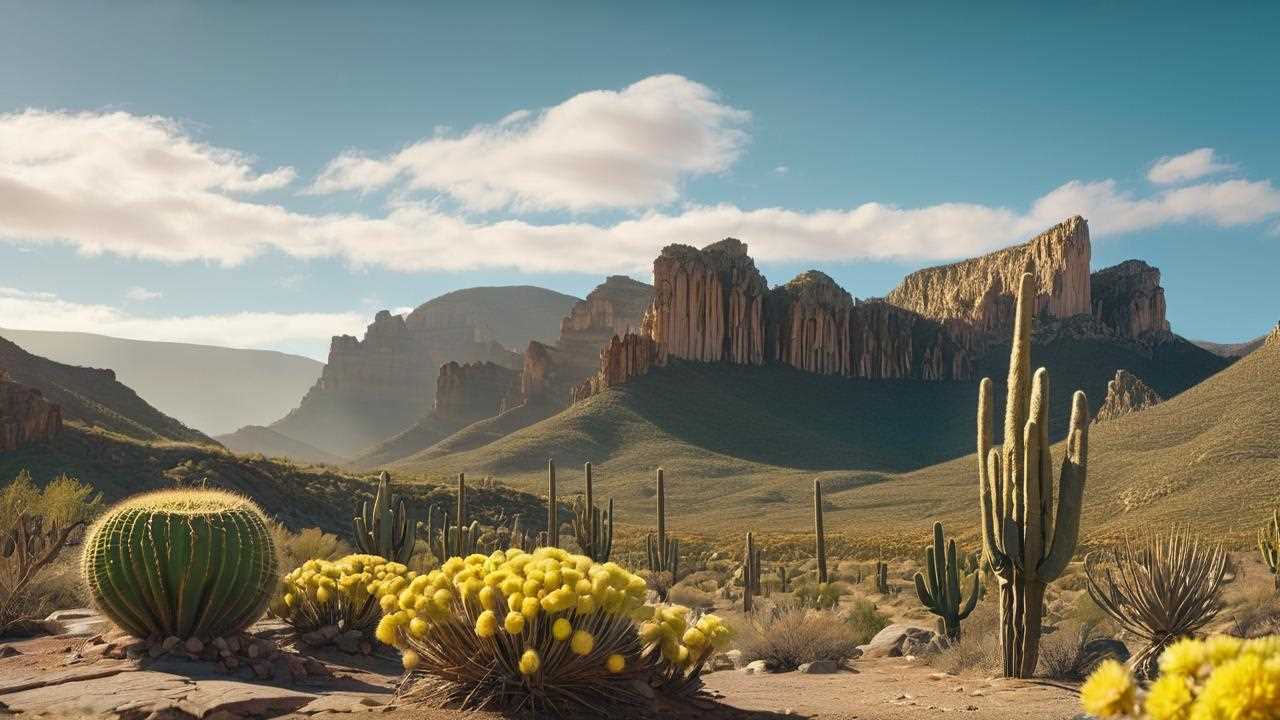
When you think about the history of Chihuahua, it's intriguing to consider how diverse influences shaped the region. Starting with the Raramuri peoples and the sophisticated Paquimé civilization, you'll find a tapestry woven with cultural richness. The Spanish conquest ramped up these dynamics, leading to significant shifts that still echo today. By 1824, Chihuahua became a state, but that was just the beginning. Key historical events, like the Mexican-American War and the Revolution, further molded its identity. What do these events reveal about the socio-political threads that connect past and present?
Pre-Columbian Inhabitants
Exploring the rich history of Chihuahua reveals a diverse group of pre-Columbian inhabitants who once thrived in the region.
These early cultures, like the Chihuahuan Desert's Raramuri, adapted incredibly well to their environment. You'd find that the Raramuri, also known as the Tarahumara, are renowned for their exceptional running abilities and deep connection to the land. Their traditional ways of living, including farming and foraging, allowed them to sustain themselves amidst harsh conditions.
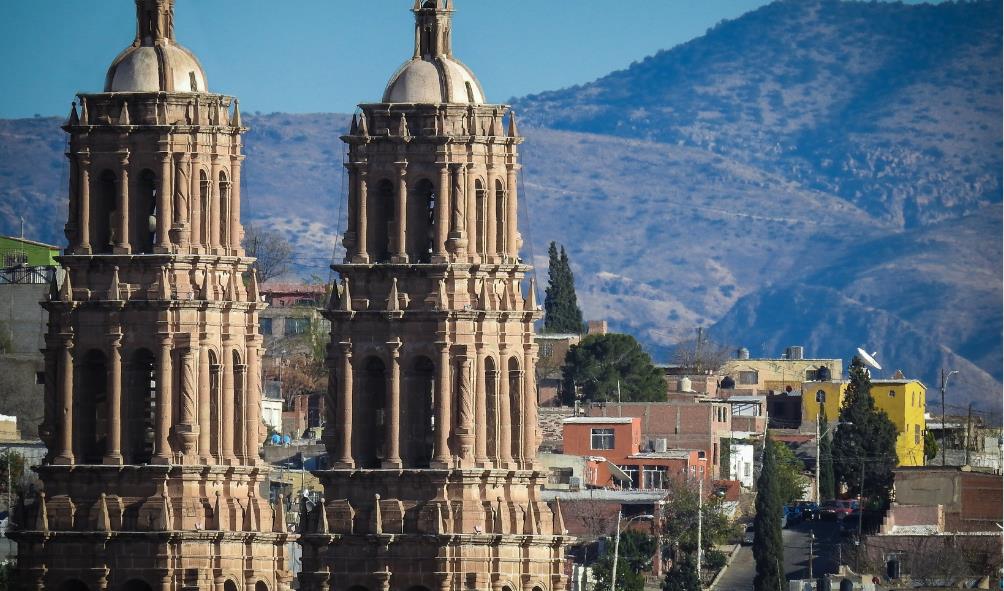
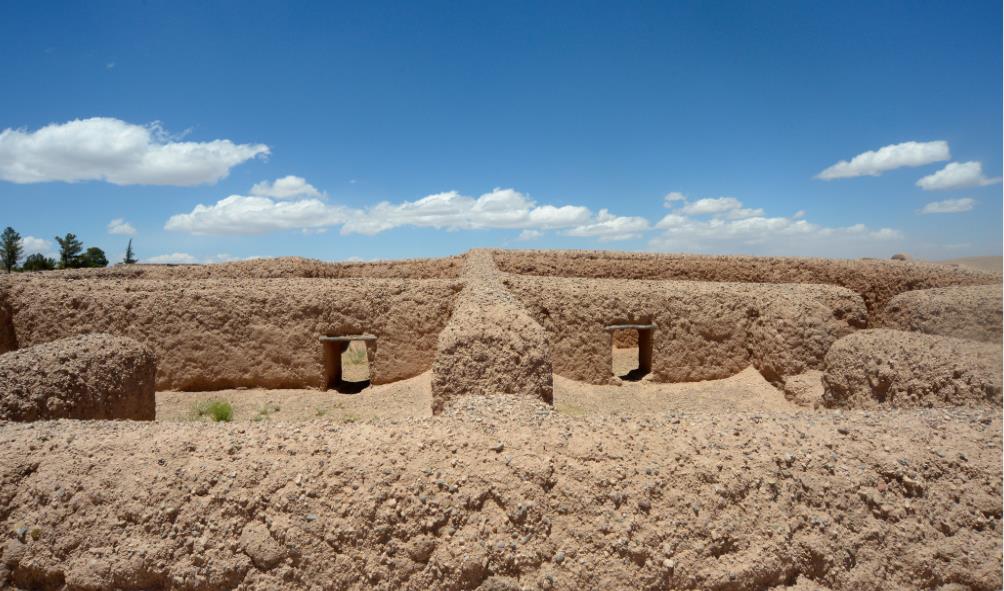
As you dig deeper, you'll discover that the region was also home to other significant groups, like the Paquimé, who built the impressive city of Casas Grandes.
This civilization showcased remarkable architectural skills, with multi-story adobe structures and an intricate trade system that spanned vast distances. They not only practiced agriculture but also developed advanced pottery techniques, producing beautifully designed artifacts.
You might notice that these populations thrived on communal living, emphasizing cooperation and shared resources.
Their rich spiritual beliefs and practices deepened their bond with nature. Overall, the Pre-Columbian inhabitants of Chihuahua left a lasting legacy that continues to shape the identity of the region today.
You can see their influence in modern cultural practices and traditions.
Spanish Conquest and Colonization
The arrival of Spanish conquistadors in the early 16th century marked a dramatic shift in the history of Chihuahua. As you explore this period, you'll find that figures like Francisco Vázquez de Coronado led expeditions into the region, driven by the pursuit of gold and glory. These encounters set the stage for significant conflict, as indigenous peoples resisted the newcomers, leading to violent confrontations.
You'll notice that, in their quest for dominance, the Spaniards implemented new governance structures and introduced their language, religion, and culture. The establishment of settlements began around the 1540s, transforming the social and economic landscape.
The Spaniards exploited local resources and formed alliances with some indigenous groups, further complicating relationships among native tribes. You can see that the colonization process was marked by the establishment of missions aimed at converting the indigenous population to Christianity.
This led to the blending of cultures and the emergence of new social dynamics. Despite the turmoil, the Spanish presence laid the groundwork for future development, reshaping Chihuahua into a land of new opportunities, albeit steeped in the consequences of colonization and conflict.
Formation of the State
Chihuahua's transformation into a state was shaped by a series of political changes throughout the 19th century. As the region transitioned from a territory under Spanish rule, it began to develop its own governance structure.
You'll notice the growing tensions between local leadership and central authorities, which often led to conflicts over resources and political power.
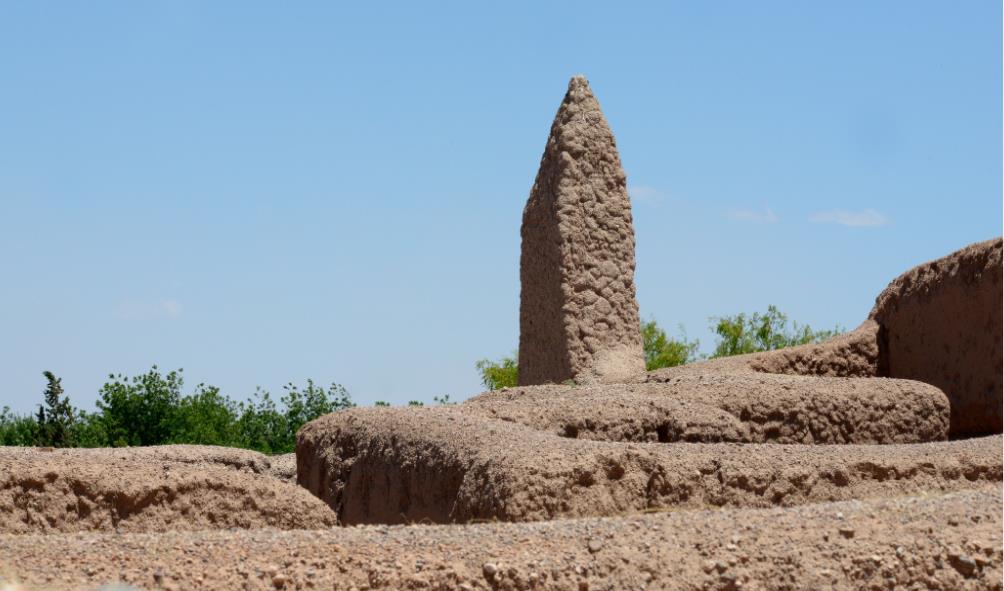
By 1824, Chihuahua was officially recognized as a state within the newly formed Mexican Republic. This transition wasn't seamless; various factions vied for control, each striving to assert their vision for the future.
You'll see how key figures like Juan Bautista Terrazas emerged, influencing local policies and pushing for advancements in infrastructure and education.
The mid-century brought further shifts, including the establishment of railroads that connected Chihuahua to other parts of Mexico.
These developments bolstered trade and communication, solidifying Chihuahua's importance within the nation. As you explore this period, consider how these elements contributed to a sense of identity and statehood that would continue to evolve in the years that followed.
Ultimately, you'll find that the formation of the state was a dynamic and multifaceted process, reflecting the ambitions of its people.
The Mexican-American War
Tensions simmered in the years leading up to the Mexican-American War, fueled by territorial disputes and national ambitions.
As you explore this tumultuous period, you'll see how the annexation of Texas played a pivotal role in escalating conflicts between the United States and Mexico. The U.S. believed in Manifest Destiny—the idea that it was destined to expand across the continent. This belief clashed directly with Mexico's sovereignty over its territory.
In 1846, President James K. Polk declared war, citing Mexico's refusal to recognize Texas as part of the U.S. Troops quickly moved into contested areas, and battles erupted.
You'd notice key events like the Battle of Palo Alto and the Siege of Veracruz, showcasing the U.S. military's strategies and superiority.
The war ended in 1848 with the Treaty of Guadalupe Hidalgo. This treaty is crucial because it resulted in Mexico ceding vast territories, including present-day California, Arizona, and New Mexico, significantly reshaping North American geopolitics.
As you reflect on this chapter in Chihuahua's history, realize how the outcomes influenced local dynamics and set the stage for future conflicts and developments within Mexico.
The Mexican Revolution
How did the Mexican Revolution transform the social and political landscape of Chihuahua? This pivotal event, starting in 1910, played a significant role in reshaping the state's identity and governance.
You may find that during the revolution, various factions vied for control, creating a climate of upheaval and change. The rise of revolutionary leaders like Pancho Villa highlighted struggles for land reform and workers' rights, resonating deeply with the local population.
As you delve into this period, you'll notice that the revolution's impact wasn't just political. Social structures shifted dramatically, as communities began to question old hierarchies. Traditional landowners lost much of their power, leading to the redistribution of land to peasants.
This transformation upset long-standing agricultural practices and laid the groundwork for new social dynamics.
Chihuahua was at the heart of armed conflicts – fierce battles unfolded across its rugged terrain. The legacy of these struggles still influences local politics today.
While the revolution brought about significant changes, it also left a complex legacy of both violence and hope. As you explore, you'll see how the war's echoes continue to shape the lives of Chihuahuans, reminding them of their past and guiding their future.
Cultural Influence and Heritage
The rich tapestry of cultural influence and heritage in Chihuahua reflects a blend of indigenous traditions and Spanish colonial legacies.
As you explore the state, you'll notice how these cultures interweave throughout its art, music, and festivals. The indigenous Tarahumara people, known for their incredible endurance running, impart a strong sense of identity and pride in the region. Their traditions, customs, and vibrant crafts showcase their resilience and artistic spirit.
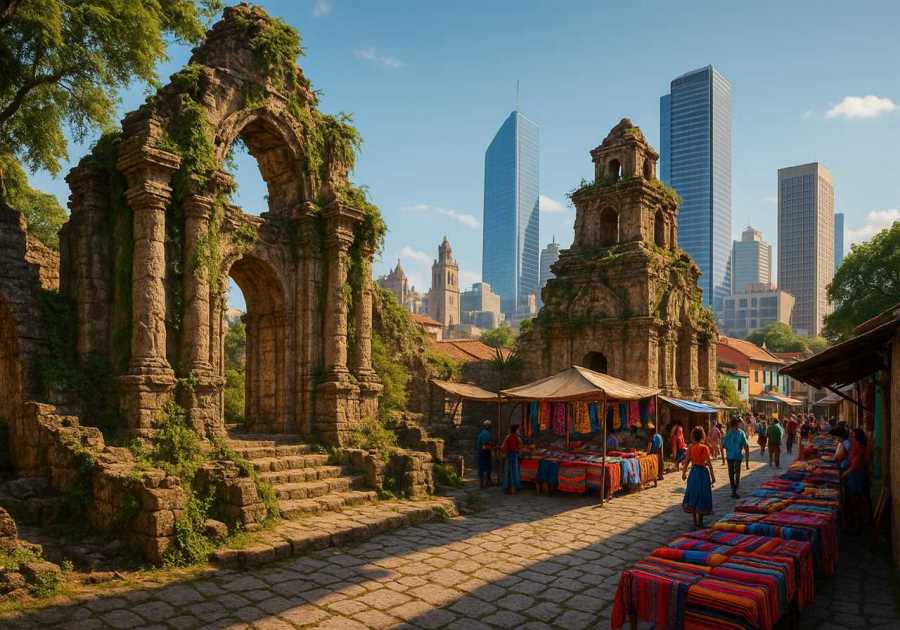
You can't miss the Spanish influence that permeates the architecture and language. Charming adobe homes and colonial-era churches reflect this heritage, inviting you to appreciate the craftsmanship from centuries past.
Festivals like the Fiestas de Octubre celebrate both indigenous and Spanish influences, allowing you to witness traditional dances, music, and food, creating a lively atmosphere.
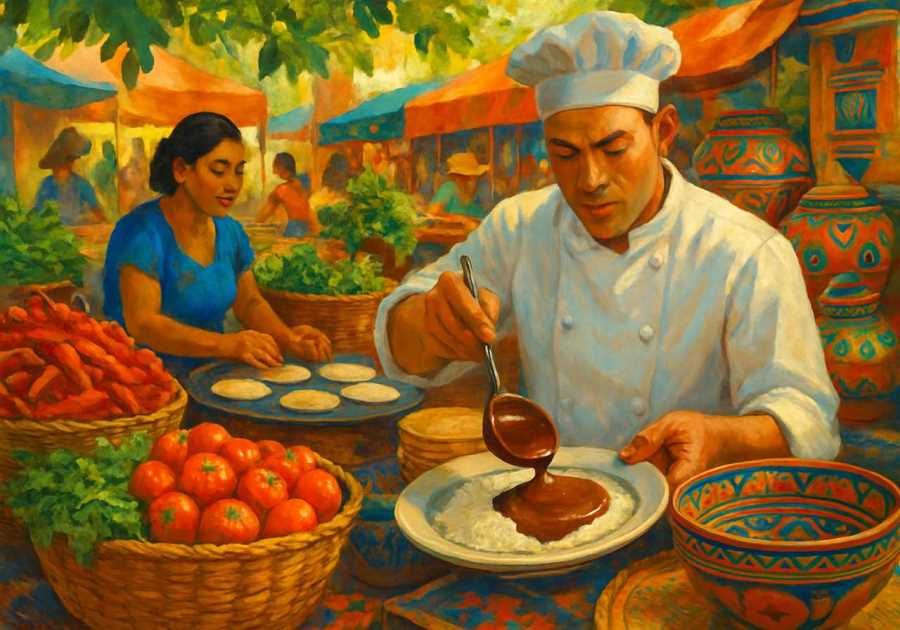
In local cuisine, you'll find unique flavors that emerged from this cultural fusion. Dishes like carne asada and tortillas serve as delicious reminders of the state's diverse roots.
Modern Developments and Economy
Exploring Chihuahua today reveals a dynamic economy fueled by modernization and innovation. You'll find that the region has embraced technology, driving growth across various sectors. Industrial parks are popping up, attracting both local and foreign investments. These parks specialize in manufacturing electronics, automotive parts, and aerospace components, creating numerous job opportunities for residents.
As you delve deeper, you'll notice that agriculture remains a cornerstone of the economy. The fertile soil supports the production of various crops, including apples, pears, and walnuts. Local farmers are adopting advanced techniques to increase yield and efficiency, contributing to both domestic needs and exports.
Chihuahua also benefits from a strategic geographical location near the U.S. border. This positioning facilitates trade and logistics, making the state a hub for transportation. Recent infrastructure improvements, including upgraded highways and railroads, further enhance this connectivity.
Moreover, government initiatives to foster entrepreneurship and small businesses are gaining traction. Startups are emerging, particularly in tech and services, showcasing the innovative spirit of Chihuahuan residents.
Tourism and Attractions Today
When you think of Chihuahua, tourism mightn't come to mind immediately, but this region is brimming with attractions that appeal to a variety of interests.
From stunning natural landscapes to rich cultural experiences, there's something for everyone.
You can't miss the breathtaking Copper Canyon, a series of canyons larger than the Grand Canyon. Hiking, biking, or taking a scenic train ride can immerse you in its spectacular beauty.
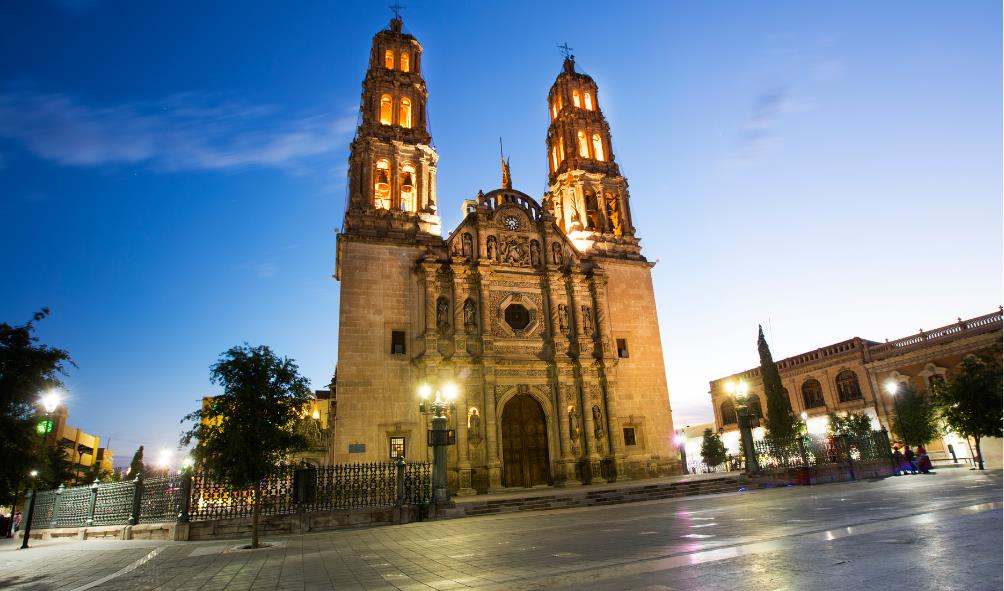
If history's your passion, visit the historic downtown area, filled with colonial architecture, including the stunning Cathedral of Chihuahua.
Don't forget the famed Mexican Revolution Museum, where you can delve deeper into the region's past.
For a taste of adventure, explore the vibrant Sierra Madre mountains, ideal for thrilling outdoor activities.
Chihuahua also offers unique culinary delights. You've got to try the local cheeses, wines, and, of course, the iconic burritos.
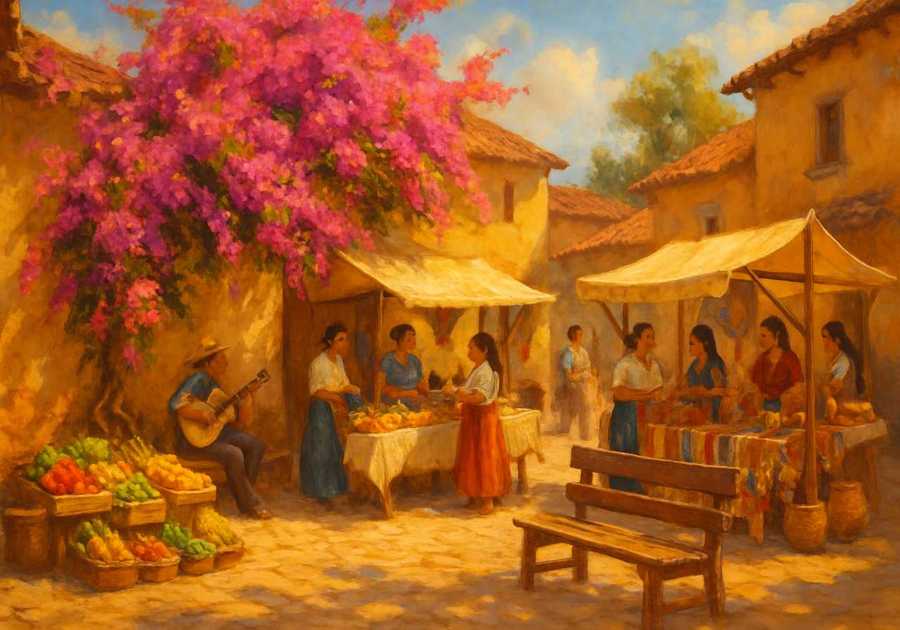
As you navigate through the bustling markets and local festivals, you'll discover the warmth of the people, making your trip unforgettable.
Conclusion
In exploring Chihuahua's rich history, you uncover a tapestry woven with indigenous cultures, Spanish influence, and revolutionary spirit. Each chapter, from the ancient Paquimé civilization to modern economic developments, shapes the identity of this vibrant region. Embracing its past not only enriches your understanding but also deepens your appreciation for Chihuahua's unique heritage and cultural diversity. So, whether you're planning a visit or simply learning, Chihuahua's story invites you to connect with its enduring legacy.
Frequently Asked Questions
What activities can I do on Mexico's beaches?
Mexico's beaches offer a variety of activities including swimming, snorkeling, and diving to explore vibrant marine life. Visitors can also engage in water sports like paddleboarding, kayaking, and jet skiing. Many beaches provide facilities for beach volleyball, sunbathing, and enjoying local cuisine at nearby restaurants.
What are the top beaches to visit in Cancun?
Cancun is renowned for its stunning beaches like Playa Delfines, known for its expansive sandy shores and clear turquoise waters. Playa Norte on Isla Mujeres offers calm waters ideal for swimming and snorkeling. Additionally, Playa Tortugas is popular for its vibrant atmosphere and water sports activities.
Which beaches in Tulum are must-sees?
Tulum boasts several picturesque beaches, including Playa Paraíso, famous for its soft white sand and breathtaking sunsets. Santa Fe Beach offers a tranquil environment perfect for relaxation, while Las Palmas Beach is ideal for those interested in exploring nearby cenotes and nature reserves.
What beaches in Cabo San Lucas should I explore?
Cabo San Lucas features iconic beaches such as Medano Beach, known for its bustling atmosphere and water activities like jet skiing and parasailing. Lover's Beach offers stunning views of the Arch of Cabo San Lucas and serene waters on one side. Chileno Beach is perfect for snorkeling and enjoying the vibrant marine life.
Statistics
- Puerto Vallarta's beaches see over 5 million visitors annually, contributing significantly to the local economy.
- Tulum's beaches have seen a 15% increase in tourism over the past five years, highlighting their growing popularity.
- Isla Mujeres' Playa Norte is rated among the top 10 beaches globally for its exceptional water clarity and beauty.
- Playa del Carmen attracts around 4 million tourists each year, drawn by its pristine sands and vibrant beach activities.
External Links
- Visit Mexico - Cancun Beaches - Comprehensive guide to beaches in Cancun, including Playa Delfines and Playa Norte.
- Lonely Planet - Tulum Beaches - Explore Tulum's top beaches like Playa Paraíso and enjoy nearby natural attractions.
- National Geographic - Mexico's Best Beaches - In-depth articles featuring Mexico's top beach destinations.
- TripAdvisor - Mexico Beaches - User reviews and rankings of the best beaches across Mexico.
Step Back in Time with Chihuahua’s History
The history of Chihuahua is marked by significant events and influential figures that have left an indelible mark on the region. From the battles fought during the Mexican Revolution to the development of its architectural landmarks, every chapter offers compelling narratives. By studying these historical elements, you can gain a deeper understanding of Chihuahua’s evolution and its role within the broader context of Mexico's story. Expand your knowledge and explore more related topics at escapetomexiconow.com.