.png)
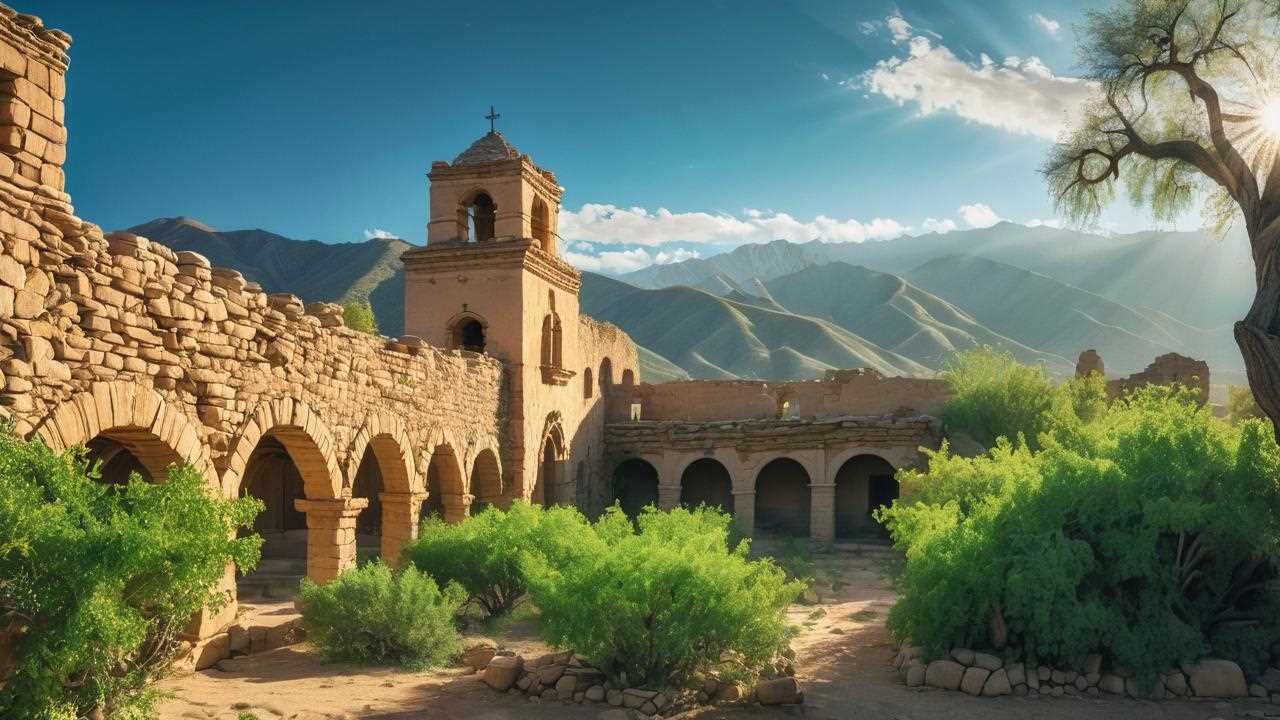
You're about to explore the layered history of Coahuila de Zaragoza, a region shaped by its indigenous roots and Spanish influences. From the initial agricultural practices of the Coahuiltecan and Nahua peoples to the impact of colonization, each era reveals a unique narrative that has influenced its current identity. As you examine the role this region played in significant events like the Mexican War of Independence and the Mexican Revolution, you might find yourself questioning how these historical shifts continue to resonate in today's cultural landscape. What connections might surprise you?
Indigenous Peoples and Cultures
In Coahuila de Zaragoza, the rich tapestry of indigenous peoples and cultures shapes the region's identity.
You've got various groups, including the Coahuiltecan and Nahua, who've thrived here for centuries. Each community contributes unique traditions, languages, and art forms that reflect their connection to the land and its resources.
When you explore their heritage, you'll notice how they've adapted to their environment, utilizing local materials for tools and shelters.
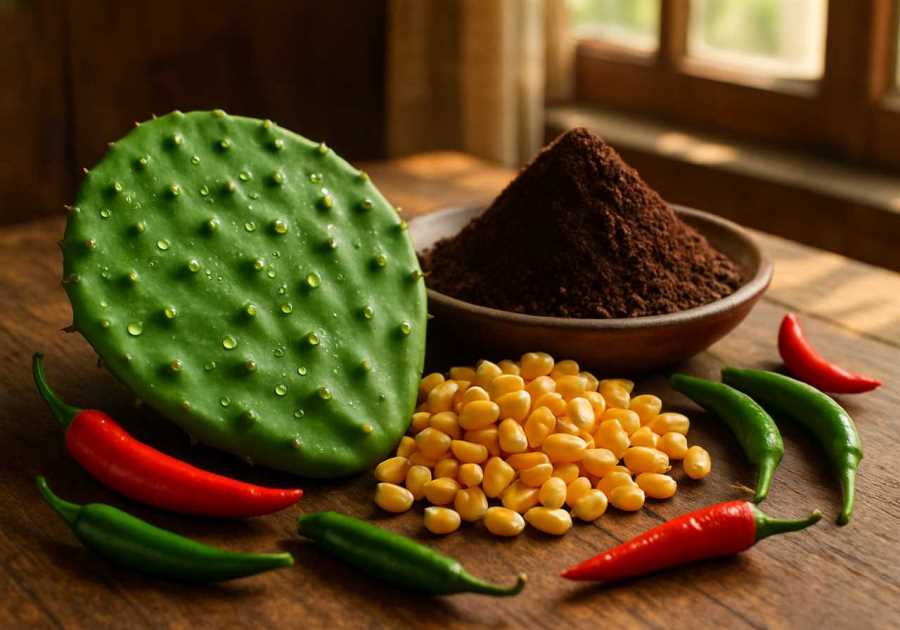
Their deep understanding of agriculture is impressive, as they established farming techniques that still influence the region today.
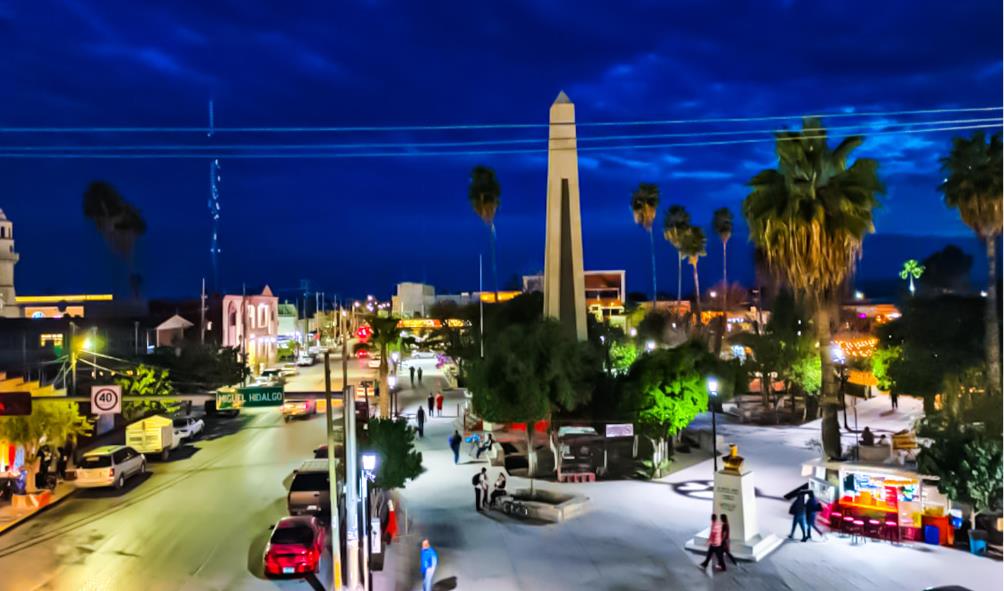
The customs surrounding ceremonies, rituals, and even storytelling carry significance, preserving history and instilling values in younger generations.
As you engage with these cultures, you'll find that they express themselves through vibrant dances, intricate crafts, and captivating music.
The celebrations often highlight seasonal changes, community bonds, and historical events, bringing people together in joyous unity.
It's clear that the legacy of indigenous peoples isn't just a chapter in history; it's a living, breathing part of Coahuila de Zaragoza's present and future identity.
Understanding this connection enriches your appreciation for the region and its cultural heritage.
Spanish Colonization Era
The arrival of Spanish colonizers in the 16th century marked a significant turning point for Coahuila de Zaragoza. You'd notice a dramatic shift in the region's social and cultural landscape as the Spanish sought to expand their influence and secure resources.
They introduced new agricultural practices, which transformed local economies, while also imposing their language and customs on the indigenous populations.
As you explore this era, you'll find that the Spanish established missions to evangelize the native peoples, often leading to the disruption of traditional ways of life. These missions served as cultural hotbeds, blending indigenous beliefs with Catholic teachings.
However, resistance wasn't uncommon; indigenous groups resisted colonization, leading to conflicts that showcased their resilience.
Additionally, the Spanish exploited natural resources, aiming to bolster their empire's wealth. You might observe how the region became a strategic point for further exploration and settlement into North America.
Overall, this era set the stage for profound changes that would shape Coahuila de Zaragoza's identity for centuries to come.
The legacy of Spanish colonization remains evident, influencing the culture and societal structures you see today.
Development of Towns and Cities
During the 17th and 18th centuries, towns and cities in Coahuila de Zaragoza began to emerge and evolve significantly. As you explore this period, you'll notice how Spanish settlers established urban centers, driven by the need for trade and governance. These settlements often sprang up along vital trade routes and near rivers, bolstering economic activity.
One of the key towns that developed during this time is Saltillo, which became a hub for commerce and culture. You'll find that its strategic location allowed for the exchange of goods and ideas.
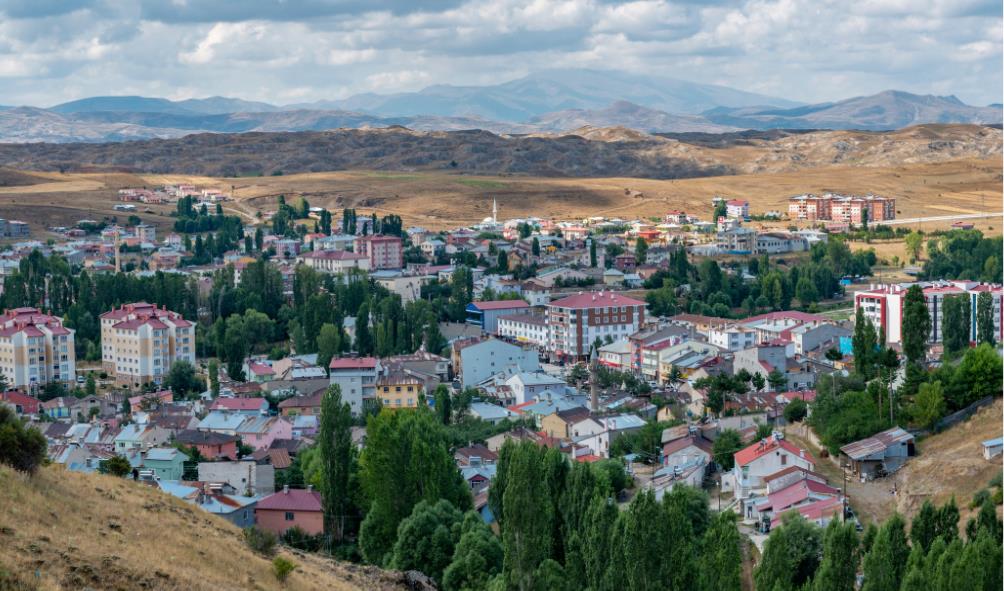
Other towns, like Monclova and Torreón, also began to form, each contributing unique characteristics to the region's landscape.
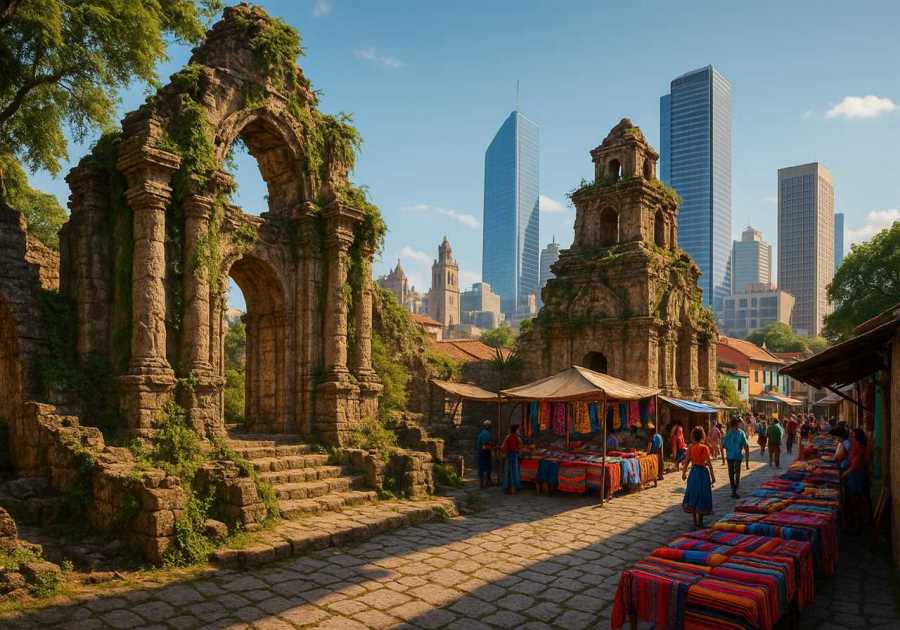
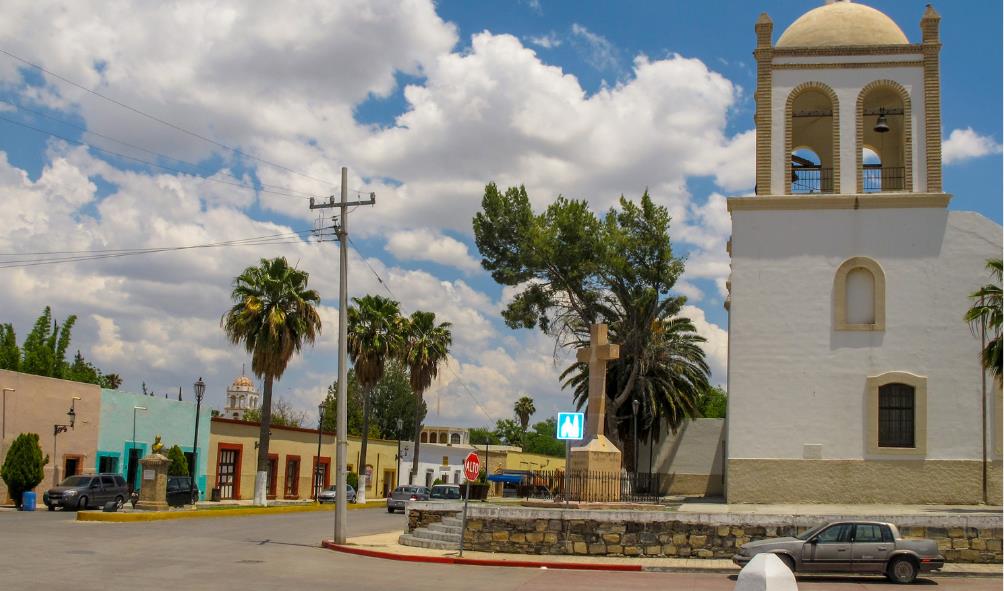
You'll see how these urban developments laid the foundation for the contemporary cities you recognize today. The architecture from this era reflects a blend of Spanish colonial styles and local influences, making your exploration fascinating.
As these towns grew, they not only supported agriculture but also attracted diverse populations, enriching the cultural fabric of Coahuila. This period marks the beginning of a dynamic transformation that would shape the identity of Coahuila de Zaragoza for generations to come.
Role in Mexican Independence
Coahuila de Zaragoza played a vital role in the Mexican War of Independence, with its residents actively participating in the fight against Spanish rule. You'll find that many local leaders emerged to rally support for the cause, emphasizing the region's commitment to freedom and justice. Notably, figures like Miguel Hidalgo and José María Morelos inspired the people of Coahuila, igniting a burning desire for independence.
Throughout the conflict, Coahuila became a strategic territory, serving as a staging ground for revolutionary efforts.
You'd see countless citizens join local militias, risking their lives to defend the ideals of liberty and equality. These fighters engaged in numerous battles and skirmishes against Spanish loyalists, demonstrating their unwavering determination.
The region also provided essential resources, such as food and supplies, to sustain the revolutionary forces.
By supporting the independence movement, Coahuila de Zaragoza helped to shape the course of history in Mexico. Ultimately, the sacrifices made by its people contributed to the broader fight for independence, laying the foundation for a new nation built on the principles of freedom and self-governance.
You can see how integral Coahuila's legacy is to the fabric of Mexican history.
The American-Mexican War
Following the fervor of the Mexican War of Independence, the American-Mexican War emerged as another significant chapter in the region's history. You might find it interesting how this conflict began over territorial disputes, particularly after the U.S. annexed Texas in 1845. Tensions rose, and soon the war erupted in 1846, dragging Mexico into a fight that would prove disastrous for the nation.
As conflict escalated, Coahuila De Zaragoza played a notable role. Soldiers from the region rallied to defend Mexican territory. You can imagine the uncertainty and pride they felt as their homeland faced invasion. Battles raged in key locations like Monterrey and Buena Vista, where local forces bravely resisted American troops, demonstrating resilience in the face of overwhelming odds.
However, the war came to a close in 1848 with the Treaty of Guadalupe Hidalgo. Mexico lost significant territory, including parts of what you now know as California, Arizona, New Mexico, and Texas. This loss reshaped the national landscape, leading to deep societal scars and changes that would influence generations to come.
The repercussions of this war certainly shaped the history and identity of Coahuila De Zaragoza moving forward.
Political Changes in the 19th Century
The political landscape of Coahuila de Zaragoza underwent significant transformations in the 19th century, reflecting the broader turmoil in Mexico. As you dive into this period, you'll notice how shifting allegiances and power struggles shaped the region. After Mexico gained independence in 1821, Coahuila formed a part of the fragmented nation, constantly adapting to the changing political ideologies.
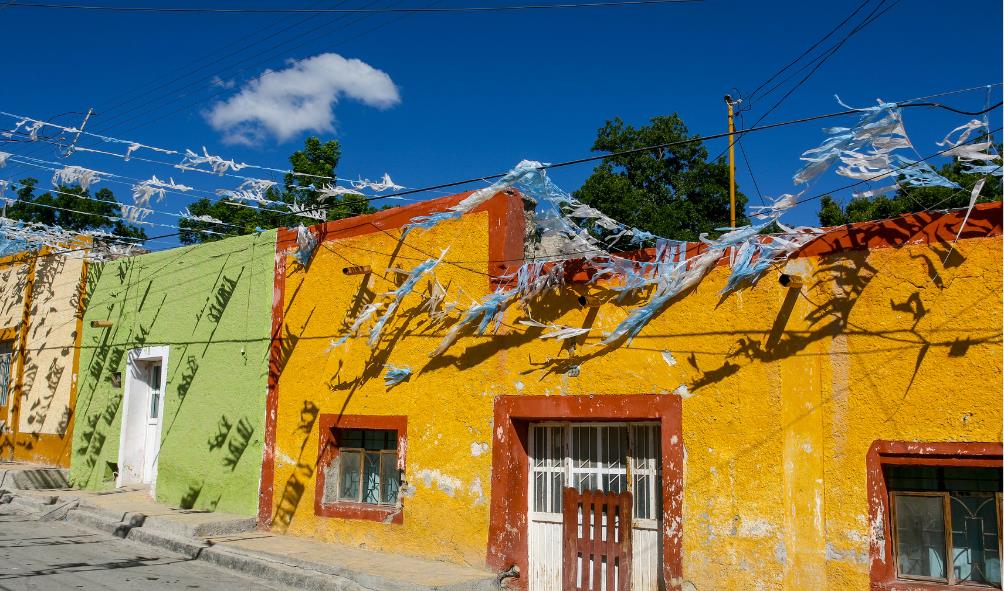
You'll observe the rise of liberal and conservative factions battling for control and influence. The liberal reforms in the 1850s aimed at reducing the church's power and promoting federalism, which created tensions that led to civil wars, such as the Reform War. During this chaos, Coahuila often found itself at the center of conflict, with prominent figures like Venustiano Carranza emerging from the region to play key roles in national politics.
As the century progressed, the Porfirio Díaz dictatorship would also leave its mark on Coahuila, as you witness both economic growth and political repression. The consequences of these political shifts laid the groundwork for future transformations in the 20th century, impacting the fate of Coahuila and its people in profound ways.
The Mexican Revolution
What drove the people of Coahuila de Zaragoza to join the Mexican Revolution? Many felt frustrated by the oppressive regime of Porfirio Díaz, which prioritized foreign investments over local needs.
You'd notice that the disparity in wealth fueled anger among the working class and campesinos. The aspiration for land reform and social justice resonated deeply in your community. When Francisco I. Madero called for revolution in 1910, you and your neighbors seized the opportunity to fight for your rights.
In Coahuila, leaders like Venustiano Carranza emerged, galvanizing support and organizing military campaigns against Díaz's regime. The revolution wasn't just about overthrowing a dictator; it was about crafting a new future where citizens held power.
As you joined forces with others, you knew the struggle would demand sacrifices, but the promise of a fairer society kept your spirits high.
The revolution spread rapidly across the region. You witnessed battles and skirmishes firsthand, feeling the fervor of the times.
This period of unrest played a crucial role in reshaping not only Coahuila but the entire country's political landscape, creating a foundation for future generations to build upon.
Modern Governance and Economy
In the years following the Mexican Revolution, Coahuila de Zaragoza transformed its governance and economy significantly. You'll notice that local government structures became more democratic, emphasizing efficiency and accountability. State leaders focused on implementing policies that fostered economic growth and stability.
The economy, largely based on agriculture and mining, diversified into manufacturing and services. As you explore, you'll see how the state's rich deposits of coal and minerals attracted investments, boosting industrial activity. Investments in infrastructure, particularly roads and railways, enhanced connectivity, making it easier for goods to move in and out of the region.
Additionally, education played a crucial role in modernizing the workforce. By prioritizing literacy and vocational training, Coahuila has produced a skilled labor force that meets the demands of various industries.
Today, you can witness an economy that balances tradition with innovation, adapting to global challenges while honoring its roots. Furthermore, the local government continues to encourage entrepreneurship. Small and medium enterprises flourish, contributing significantly to the state's GDP.
Coahuila de Zaragoza stands as a testament to resilience, evolving through its governance and economy to meet contemporary needs while paving the way for future success.
Cultural Heritage and Festivals
Coahuila de Zaragoza boasts a vibrant cultural heritage that reflects its diverse history and traditions.
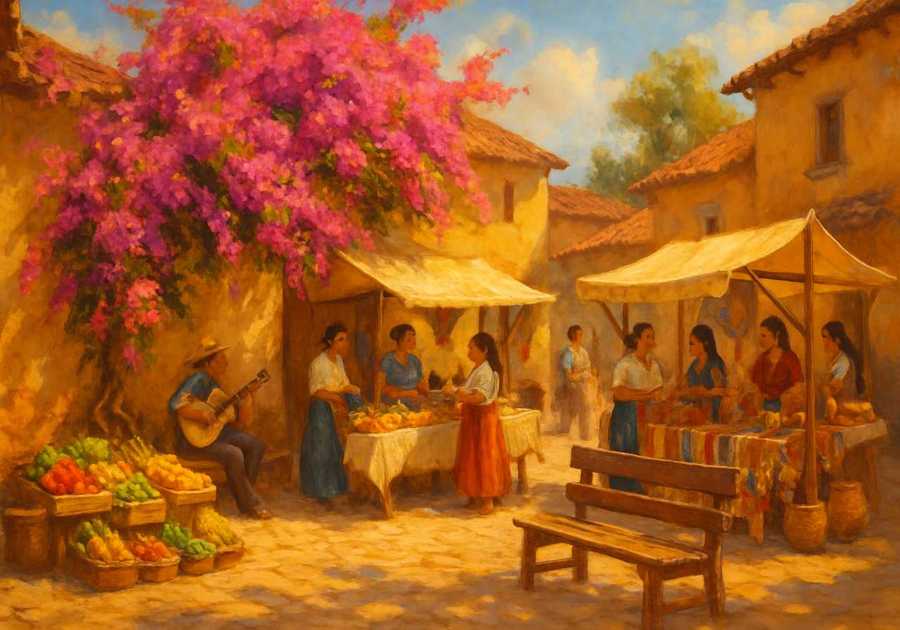
You'll find a tapestry of influences from Indigenous peoples, Spanish colonization, and modern innovations, shaping the state's unique identity. Festivals here express this rich culture, allowing you to experience the community's spirit firsthand.
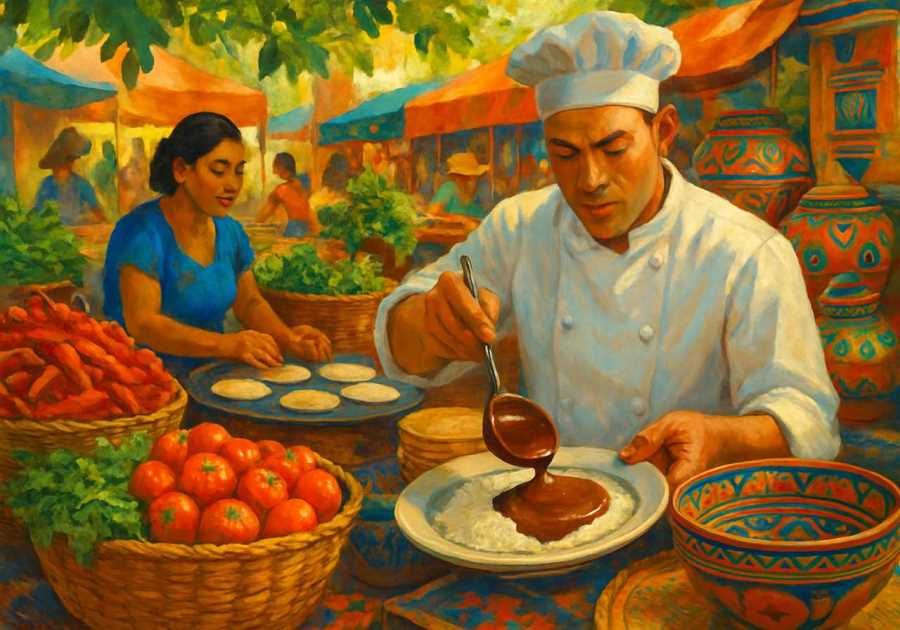
One centerpiece of Coahuila's cultural life is the Feria de la Envidia, where you can immerse yourself in traditional music, dance, and delicious local cuisine. The lively atmosphere invites you to join in the celebrations, often featuring masks and costumes that narrate tales of the region's history.
Additionally, Día de los Muertos, a poignant festival honoring deceased loved ones, showcases striking altars and vibrant marigold decorations.
You'll encounter families reminiscing and celebrating their heritage, creating a sense of unity and nostalgia.
When you visit, don't miss the local artisan fairs showcasing handcrafts and traditional art.
Each event provides a glimpse into the artistic talents and cultural pride that thrive in Coahuila de Zaragoza, reminding you of the importance of preserving these celebrated traditions.
Conclusion
Coahuila de Zaragoza's history is a vibrant blend of cultures and transformations. From its indigenous roots to Spanish colonization, the region has evolved significantly, shaping its identity through pivotal events like the Mexican Revolution. Today, as you explore its towns and witness its cultural festivals, you can appreciate the resilience and richness of its heritage. Understanding this journey not only honors the past but also strengthens the community's spirit as it looks toward the future.
Statistics
- In 1900, the introduction of railroads increased Coahuila's economic output by 30%, facilitating trade and industry growth.
- During the Mexican Revolution (1910-1920), an estimated 20,000 people from Coahuila participated in military actions, contributing significantly to the conflict.
External Links
- Historia de Coahuila - In-depth exploration of Coahuila's historical events and figures.
- Government of Coahuila - Official information on the state's historical milestones and heritage.
How To Analyze the Political Evolution of Coahuila de Zaragoza
Analyzing the political evolution of Coahuila de Zaragoza requires examining its governance structures and political dynamics over time. Begin by studying its establishment as a state in 1824 and the subsequent changes in its political institutions. Investigate the influence of major political parties and leaders in shaping state policies and development. Examine key political events, such as participation in national movements and responses to federal governance. Assess how economic and social factors have influenced political stability and governance in the region. Additionally, explore the role of local government in addressing issues like education, infrastructure, and public services. Reviewing historical political records, legislative documents, and scholarly analyses will provide a thorough understanding of Coahuila’s political history.
Enhance Your Knowledge of Coahuila’s Cultural Evolution
The cultural evolution of Coahuila de Zaragoza reflects the dynamic interplay of traditions, customs, and societal changes over time. Exploring this cultural history provides valuable insights into how the region has developed its unique identity within Mexico. From festivals and cuisine to art and folklore, understanding these elements enriches your appreciation of Coahuila's heritage. To continue your journey through Mexico’s diverse history, explore more articles at escapetomexiconow.com.