.png)
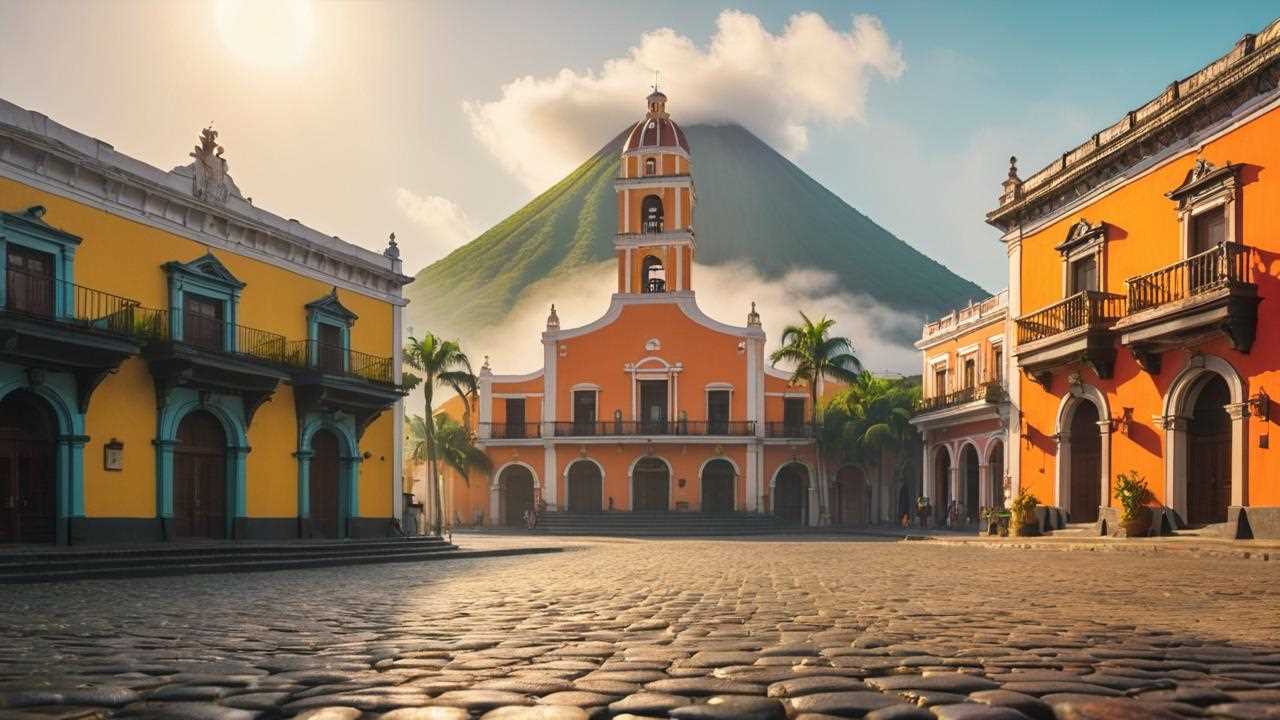
When you think about Colima, it's easy to overlook the layers of history that shaped its identity. The resilience of its indigenous cultures sets the stage, showcasing sophisticated agricultural practices long before the Spanish arrived. With the conquest came a drastic transformation, reshaping not just the land but the people. As you explore the nuances of Colima's past—from its colonial struggles to its vibrant modern culture—you'll uncover threads that connect its historical richness to the present in ways you might not expect. What will you discover about how these influences persist today?
Pre-Hispanic Era
The Pre-Hispanic Era in Colima is marked by a rich tapestry of cultures and civilizations thriving before European contact. During this time, you'd witness diverse groups developing unique practices, languages, and traditions. The region was influenced by its fertile land, which allowed agriculture to flourish.
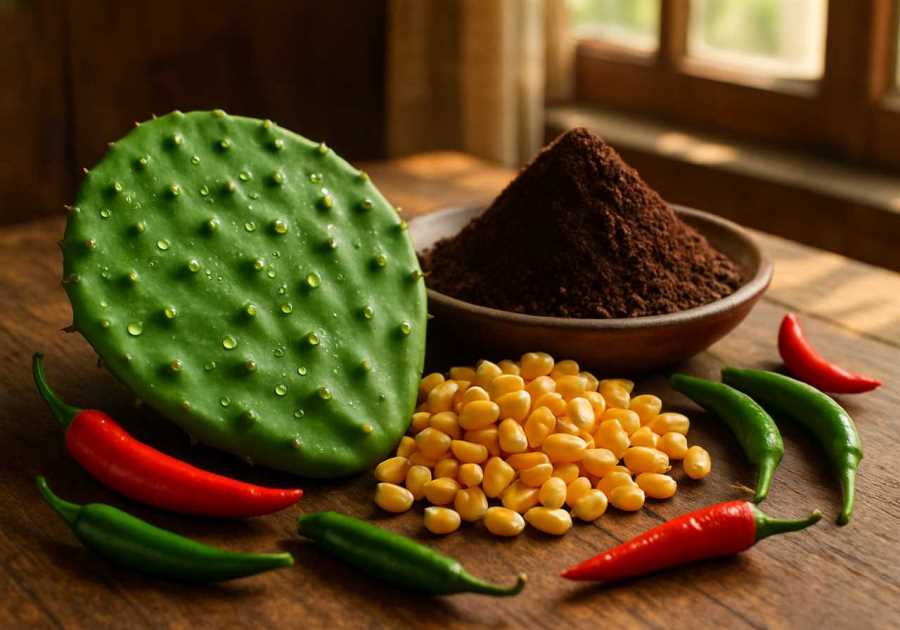
You'd see crops like maize, beans, and squash cultivated by the early inhabitants, ensuring food security for their communities.
As you explore ancient sites, you'd come across impressive architectural structures, including ceremonial platforms and tombs. These constructions demonstrate the advanced skills of the locals in building and artistry.
You might be intrigued by the distinctive pottery styles, which showcased intricate designs and cultural significance.
Trade routes crisscrossed the area, connecting Colima with other Mesoamerican civilizations. If you were to discover artifacts, you'd find evidence of exchanges with neighboring cultures, revealing a vibrant network of influence and commerce.
The governance of these early societies often revolved around chiefdoms, where local leaders held authority. Their social structure laid the groundwork for complex communities, foreshadowing the dynamic developments that would follow.
In this era, you can appreciate the foundation upon which Colima's later history stands.
Indigenous Cultures
Colima's indigenous cultures are a testament to the resilience and creativity of its early inhabitants. You're stepping into a world where the Mixtecs, Nahuas, and other groups thrived, cultivating a rich tapestry of traditions and beliefs.
These communities developed intricate systems of agriculture, utilizing advanced techniques to grow maize, beans, and squash, which became staples in their diets.
You'll find that art played a vital role in their lives. They crafted pottery, textiles, and sculptures, often incorporating symbolic elements that told stories or honored their gods.
The indigenous peoples also engaged in trade, establishing networks that connected them with neighboring regions. This exchange of goods and ideas fostered a dynamic culture that was constantly evolving.
Social structures were equally complex, with hierarchies governed by chiefs and priests.
Ceremonies celebrating harvests or honoring deities reinforced their communal bonds and shared identity.
As you explore Colima's indigenous past, you'll gain insights into their spiritual beliefs and the ways they interpreted the world around them.
Ultimately, these cultures laid the foundation for the region's rich heritage, which continues to influence contemporary life in Colima.
Spanish Conquest
As indigenous cultures were flourishing in Colima, the winds of change began to sweep across Mesoamerica with the arrival of Spanish conquistadors in the early 16th century. You can imagine the initial encounters between the indigenous peoples and these foreign explorers, marked by a mix of curiosity and tension.
The Spanish, driven by desires for wealth and territory, quickly set their sights on the rich resources of the region. In 1522, the Spanish expedition led by Hernán Cortés' lieutenant, Gonzalo de Sandoval, reached Colima. The locals, initially fascinated by the newcomers, soon faced the harsh realities of Spanish conquest.
Their advanced agricultural practices and vibrant societies were challenged as Spaniards sought to assert their dominance. You'd witness the Spanish utilizing both diplomacy and force, forging alliances while also engaging in bloody confrontations.
The imposition of new political structures and religious influences marked a significant shift for Colima's indigenous people. As the Spanish claimed control, the way of life was irrevocably altered.
The conquest of Colima became part of a broader narrative, shaping the future trajectory of the region and its peoples in ways that would echo through the ages.
Colonial Period
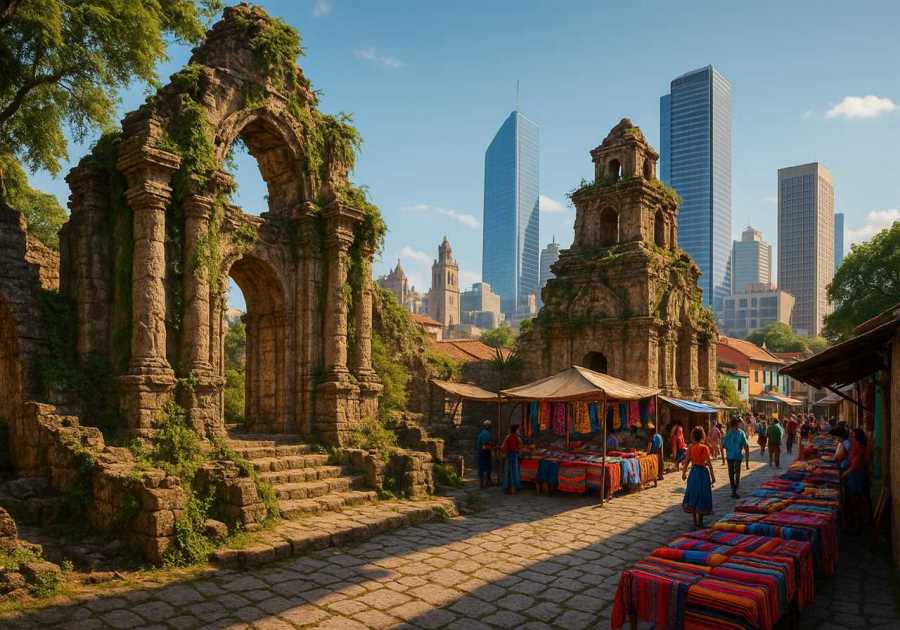
During the colonial period, life in Colima transformed dramatically under Spanish rule. The Spanish settlers established towns, imposing their culture, language, and religion on the indigenous population. You'd see churches rising where ancient temples once stood, marking a significant shift in spiritual practices and daily life.
Economically, the Spanish introduced new agricultural practices. They cultivated sugarcane, coffee, and cotton, which became the backbone of the local economy. If you traveled through Colima, you'd notice a blend of traditional indigenous farming with European techniques, creating a unique agricultural landscape.
Colonial society was hierarchical. Spanish-born settlers held the highest positions, while mestizos and indigenous people often found themselves marginalized. You'd witness a significant social divide, impacting how communities interacted and governed themselves. Education became more accessible, primarily to the Spanish and their descendants, establishing a colonial elite.
Despite this rigid structure, the resilience of the indigenous people shone through. They adapted to the new culture, preserving their identities while incorporating elements of Spanish life. This dynamic created a rich tapestry of traditions that still influences Colima today, showcasing the enduring spirit of its people during the colonial era.
Independence Movement
How did the desire for freedom take root in Colima? The seeds of the independence movement began to sprout in the early 19th century as discontent grew among the people.
You'd notice how the oppressive colonial rule and economic hardships fueled a longing for change. The Enlightenment ideas sweeping through Europe found their way to the small towns and villages, inspiring many to question authority and seek a more just society.
As tensions escalated, you'd see local leaders like José María Gómez de la Cortina rise to prominence. They rallied the populace, encouraging them to take a stand against the Spanish crown.
By 1810, the call for independence echoed louder, aligning with the broader movements across Mexico. Colima became a focal point, where your fellow citizens engaged in battles for autonomy, often crossing paths with revolutionary figures like Miguel Hidalgo and José María Morelos.
You'd feel the determination as people from various backgrounds united in pursuit of freedom. The fight wasn't easy; it required sacrifices and resilience.
However, the shared vision of a liberated Colima drove the movement forward, leaving a lasting impact on the region's identity and history.
Modern Development
The fight for independence in Colima laid the groundwork for significant modern development. Since the 19th century, the region has transformed, focusing on agriculture, commerce, and infrastructure improvements. You'll see this evolution in the booming coffee and coconut industries, which now contribute significantly to the local economy.
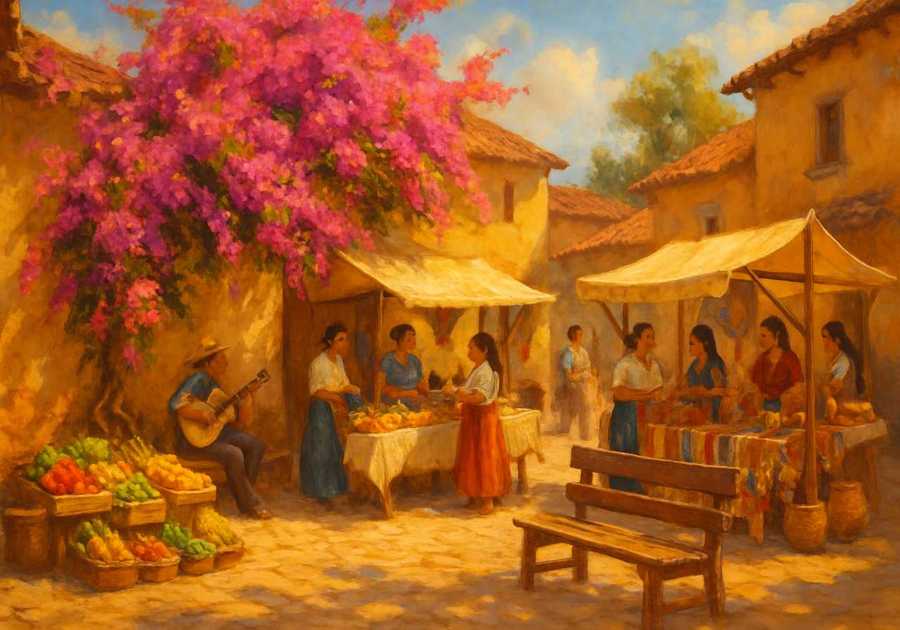
As you stroll through Colima's bustling markets, you can witness firsthand the vibrant produce and artisan goods that reflect the area's agricultural success.
In recent years, tourism has also emerged as a critical player in the economy. You might find yourself drawn to Colima's stunning landscapes and rich history, attracting visitors from around the globe. The government has invested in developing tourist amenities and enhancing local attractions, which helps generate jobs and invigorate the economy.
Additionally, advancements in education and healthcare have made a notable impact on the quality of life. New schools and healthcare facilities have opened, ensuring residents have access to essential services.
Cultural Heritage
What makes Colima's cultural heritage so captivating? It's a blend of indigenous traditions, colonial influences, and vibrant contemporary expressions. When you explore Colima, you'll witness a rich tapestry of cultural practices that reflect the region's history.
The indigenous groups, including the Nahua and the Purépecha, have left a profound impact, evident in local languages, festivals, and culinary delights.
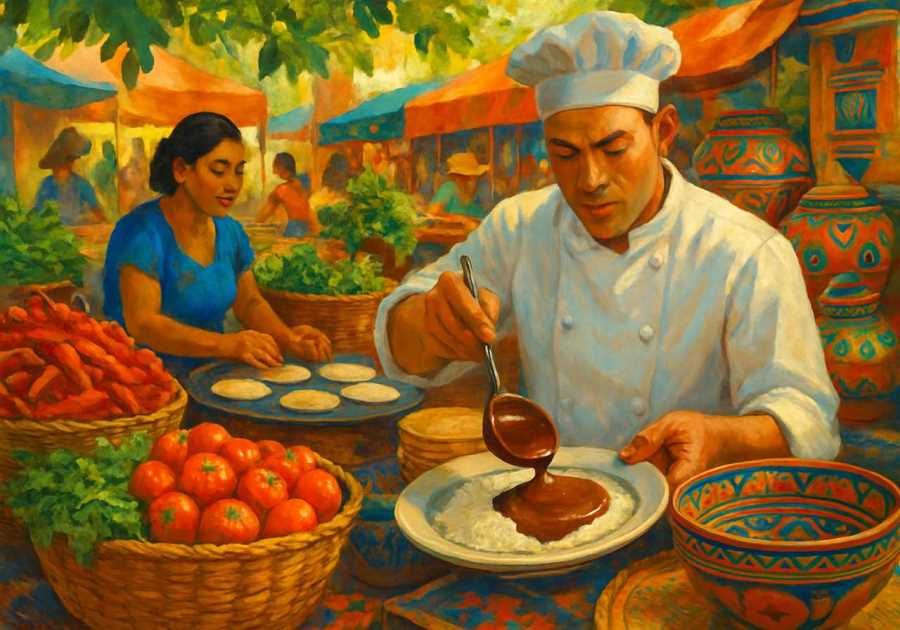
You can't miss the traditional rituals and celebrations, like the Fiesta de la Candelaria, where colorful processions and lively dances bring the community together. Gastronomy also plays a vital role; you'll savor dishes like "sopes" and "tacos de pescado," showcasing local ingredients and age-old recipes passed down through generations.
Art is another essential aspect of Colima's cultural heritage. The intricate pottery, vibrant textiles, and distinctive music styles illustrate the creativity of the people. You might even stumble upon artisans who continue to craft using techniques dating back centuries.
In museums and cultural centers, you'll find artifacts that tell the stories of Colima's past, connecting you deeply to the local identity. Each element contributes to an enriching cultural landscape that captures the heart and soul of this remarkable region.
Present-Day Colima
Nestled between stunning mountains and the Pacific coast, present-day Colima thrives as a dynamic blend of tradition and modernity. You'll find a rich cultural scene where vibrant festivals, art, and culinary delights come together, showcasing the heart of Colima's heritage.
The state's warm hospitality invites you to explore its charming towns, such as Comala and Villa de Alvarez, where colonial-era architecture tells stories of the past.
In urban areas like the capital city, Colima, the influence of contemporary life is evident. You're surrounded by modern amenities, shopping centers, and an energetic atmosphere that reflects the pulse of a growing economy. The local food scene is a must-try, blending traditional dishes with modern culinary techniques.
You can also enjoy beautiful natural landscapes, including stunning beaches like Cuyutlán and Manzanillo, perfect for unwinding or engaging in activities like surfing and hiking.
The people of Colima continue to uphold their traditions while embracing innovation, making it a unique destination. Whether you're exploring the rich history, savoring local flavors, or enjoying outdoor adventures, Colima offers a delightful experience that captures both its rich past and bright future.
Conclusion
In exploring Colima's rich history, you've seen how its indigenous cultures thrived before the Spanish conquest reshaped the region. The drive for independence solidified a unique identity that continues to evolve today. You can appreciate this blend of past and present through lively festivals, delicious cuisine, and beautiful natural landscapes. Colima's story is one of resilience and celebration, inviting you to discover its vibrant culture and shared heritage in your own journey through this remarkable place.
Statistics
- In the 19th century, Colima's agricultural output increased by 150%, driven by sugarcane and lime production.
- The city of Colima, founded in 1523, is one of the oldest Spanish settlements in Western Mexico.
- The Colima Volcano has recorded over 30 significant eruptions since the 16th century.
- During the Mexican Revolution, Colima contributed to the establishment of 12 key military units.
External Links
- Encyclopaedia Britannica: Colima Presents detailed insights into Colima's historical significance.
- Wikipedia: Colima Offers an extensive summary of Colima's historical background and key events.
- Government of Colima Features official historical records and information about the state's heritage.
- Revista de Historia: Colima Features scholarly articles on various aspects of Colima's history.
How To Understand the Role of Colima in Mexico’s Independence
Learn about Colima’s involvement in Mexico’s fight for independence by researching key figures and events from the early 19th century. Investigate how local leaders contributed to the broader national movement and the challenges they faced. Visit historical sites and museums that commemorate these efforts, and review primary sources such as letters and proclamations. This understanding highlights Colima’s significance in the national quest for sovereignty.
Discover the Rich Heritage of Colima Today
Immerse yourself in the fascinating history of Colima, a region steeped in cultural and historical significance. From ancient civilizations to pivotal events that shaped Mexico, Colima offers a unique glimpse into the past. Whether you're a history enthusiast or simply curious about Mexico's diverse heritage, exploring Colima's story will enrich your understanding. Visit Escape to Mexico Now for more insightful articles and deepen your appreciation of this remarkable region.