.png)
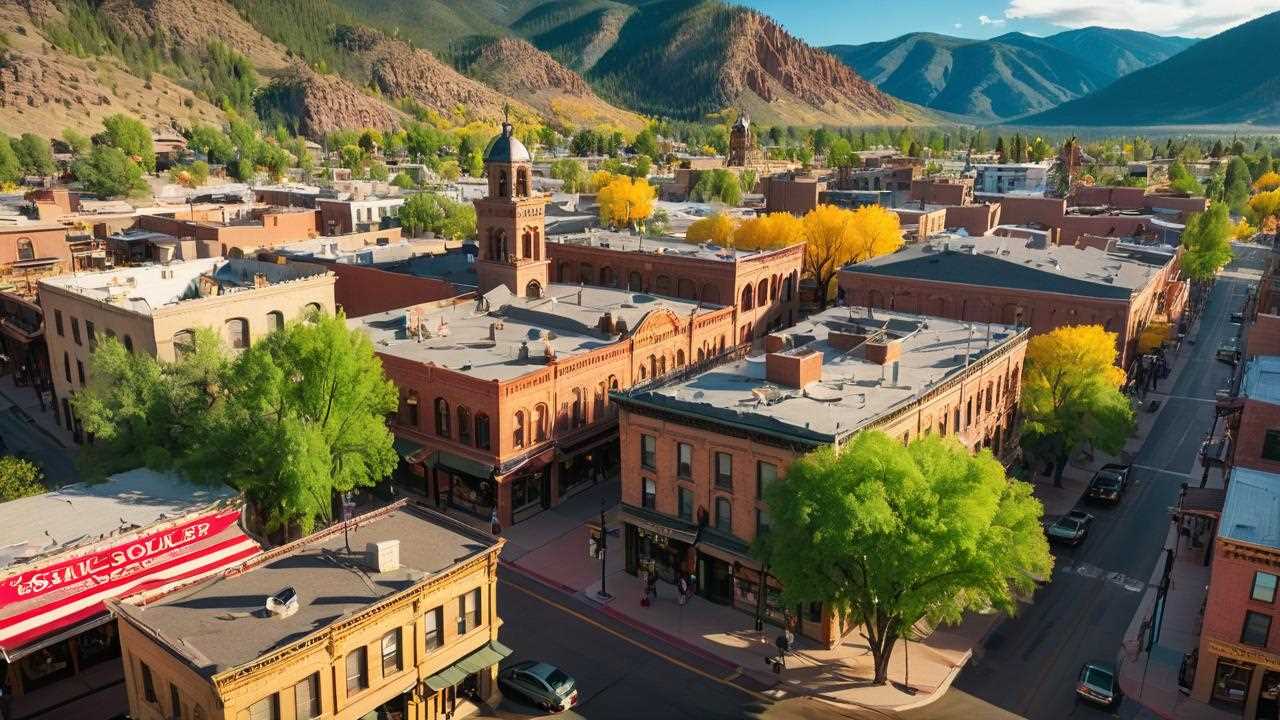
You might be surprised to learn that Durango's history is deeply rooted in the traditions of Indigenous cultures, particularly the Ute, Navajo, and Pueblo tribes. Their sustainable agricultural practices set the stage for what would come next—a silver rush that transformed this quiet region. As you explore these pivotal moments, you'll uncover how the arrival of the Denver & Rio Grande Railroad didn't just change transportation but sparked a commercial boom. But what does this rich past mean for Durango today, and how does it influence current community efforts?
Indigenous Inhabitants
Long before European settlers arrived, the region now known as Durango was home to various indigenous peoples, including the Ute, Navajo, and Pueblo tribes. These groups thrived in a land rich with natural resources, relying on its vast landscapes for sustenance and shelter.
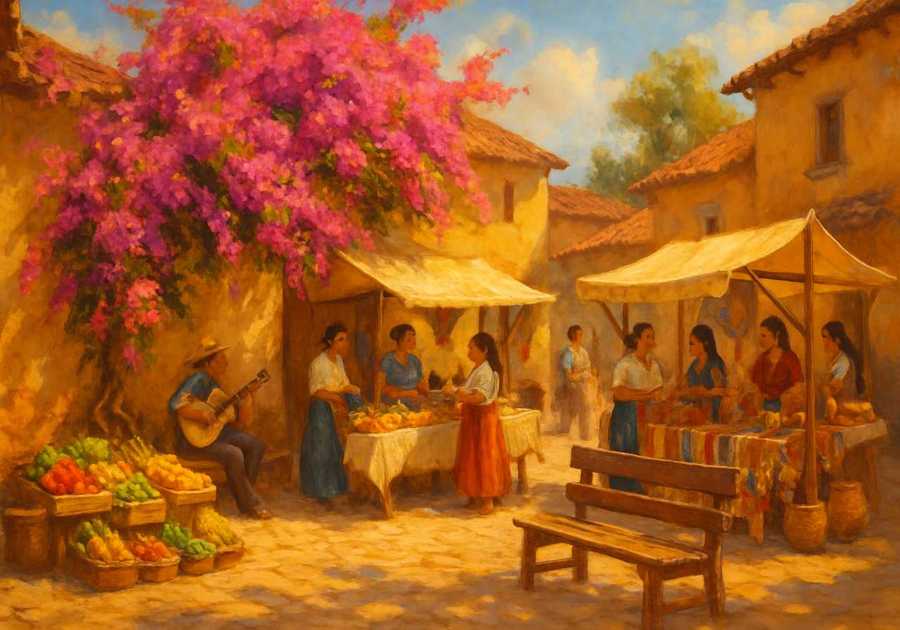
You'd find the Ute people expertly navigating the mountains and valleys, while the Navajo utilized their herding skills to manage sheep and other livestock. The Pueblo tribes, known for their unique adobe homes, built communities that reflected their deep connection to the land.
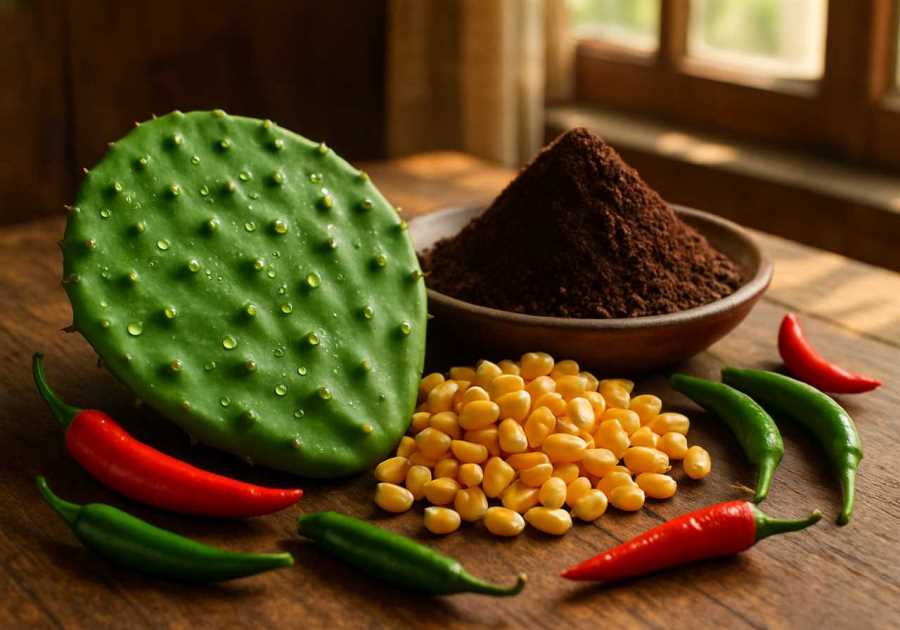
As you explore Durango's history, you'll discover a profound respect these tribes had for their environment. They practiced sustainable agriculture, cultivating crops like corn, beans, and squash, and developed intricate trade networks.
Each tribe had its own customs and traditions, creating a vibrant cultural tapestry that shaped the region's identity.
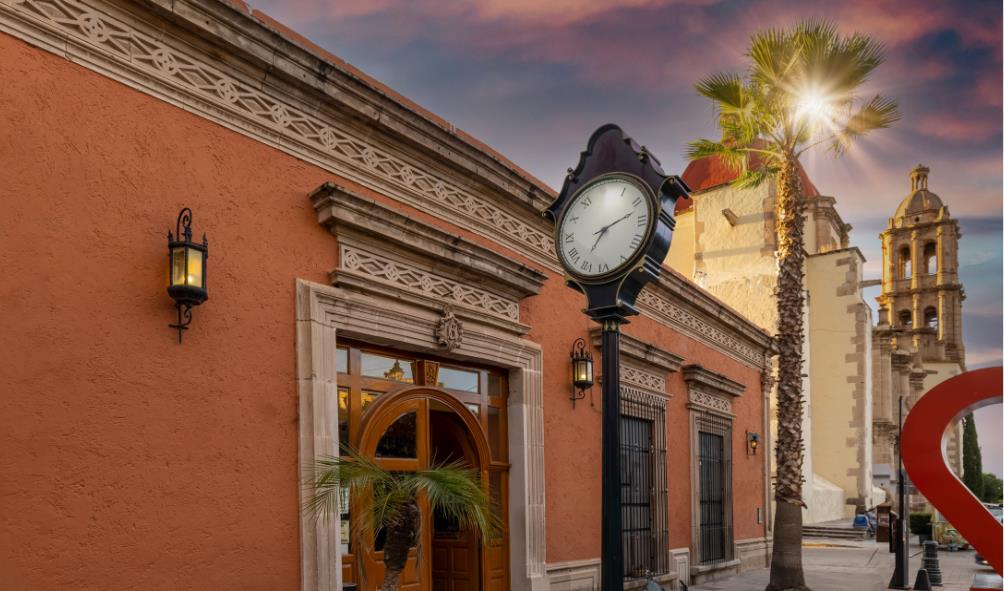
Consider how crucial oral histories were in preserving their knowledge and values. Storytelling not only passed down essential life lessons, but also reinforced the bonds within these communities.
The rich heritage of these indigenous inhabitants laid the foundation for the region's future, reminding everyone of the resilience and wisdom of its first peoples.
The Silver Rush Era
The Silver Rush Era transformed Durango into a bustling hub of activity and economic potential. As silver was discovered in the San Juan Mountains during the late 19th century, the surrounding region exploded with mining interest. You could feel the excitement in the air as prospectors, gamblers, and entrepreneurs flocked to the area, all yearning for their fortune.
Durango quickly blossomed, shifting from a quiet settlement to a vibrant town. You'd notice saloons filled with laughter and hope, while shops stocked supplies needed for miners venturing into the rugged mountains.
The demand for services and goods grew rapidly, stimulating a flurry of new businesses, residences, and even cultural establishments, like theaters and orchestras.
As you walked down the bustling streets, it was clear that the town's growth was driven by the promise of wealth buried within the mountains.
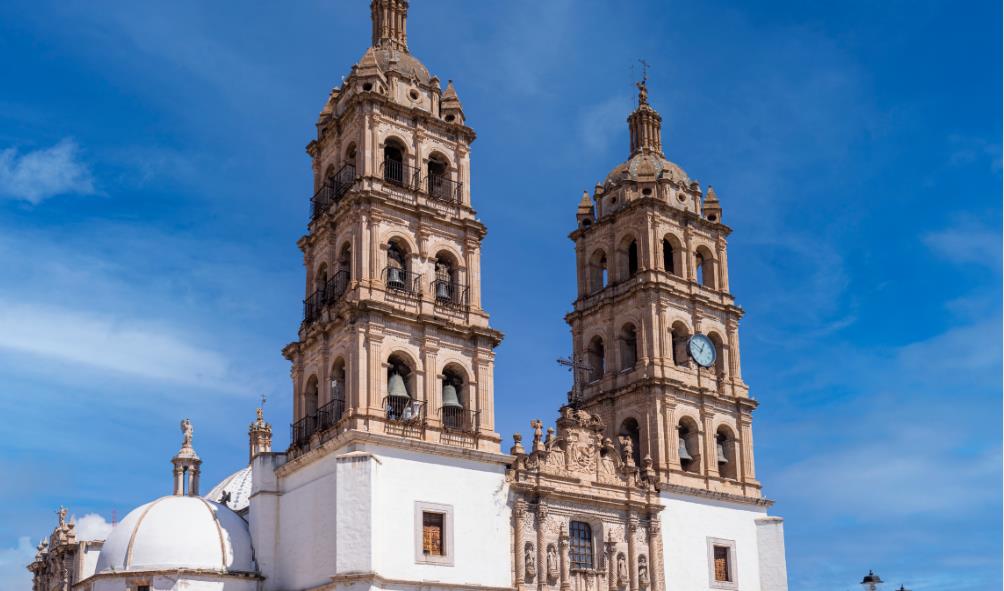
Rows of tents and timber buildings filled every available space, marking the rapid development of Durango. It wasn't just the silver that caught your attention; it was the spirit of optimism, hard work, and the belief that anyone could strike it rich, sparking a sense of adventure throughout the community.
Development of the Railroad
Many believe that the development of the railroad was a pivotal moment for Durango, further cementing its status as a regional center. When you think about it, the arrival of the Denver & Rio Grande Railroad in the late 1880s transformed the local landscape. Suddenly, you could connect with distant markets, which meant the town's resources weren't just local anymore.
You'd see that the construction of the line brought in workers and entrepreneurs, creating a bustling atmosphere. New businesses sprang up, and you might even find yourself enjoying the excitement of economic growth. The railroad's presence also allowed for the efficient transport of goods—local mining products, agricultural produce, and lumber flowed out to wider markets, making life easier and more prosperous for residents.
As you walk around Durango, you can still feel the echoes of those early days. The railroad not only facilitated movement but also changes in communication, culture, and lifestyle.
You could grasp how essential this development was for Durango, setting the stage for future advancements and solidifying its role as a vital hub in the region. This pivotal moment reshaped the town and its enduring identity.
Growth of Commerce
With the railroad's arrival, commerce in Durango began to flourish. You'd notice how merchants seized the opportunity to expand their businesses, offering goods and services that catered to the growing population and nearby mining operations. Railroads connected Durango to larger markets, allowing local producers to transport agricultural products and raw materials swiftly.
As you stroll through the bustling streets, you can't help but see the variety of shops that sprang up. Everything from general stores to specialty boutiques began catering to both locals and travelers alike. This surge in commerce attracted entrepreneurs who sought to capitalize on the influx of visitors and settlers, increasing competition and variety.
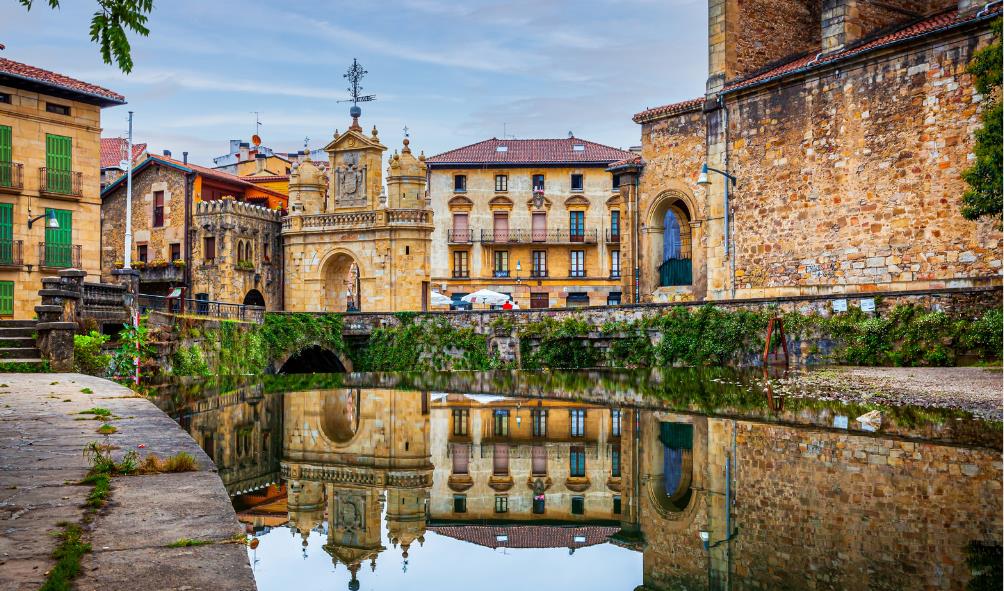
In addition, new businesses emerged, including hotels, restaurants, and saloons, providing essential services to the growing community. These establishments not only enhanced the local economy but also created jobs, significantly boosting the standard of living.
You might also notice the diversity of cultures reflected in the commercial landscape, as immigrants added their own flavors to Durango's economic scene.
Ultimately, the growth of commerce transformed Durango into a vibrant hub, setting the stage for the city's ongoing development.
Preservation of Heritage
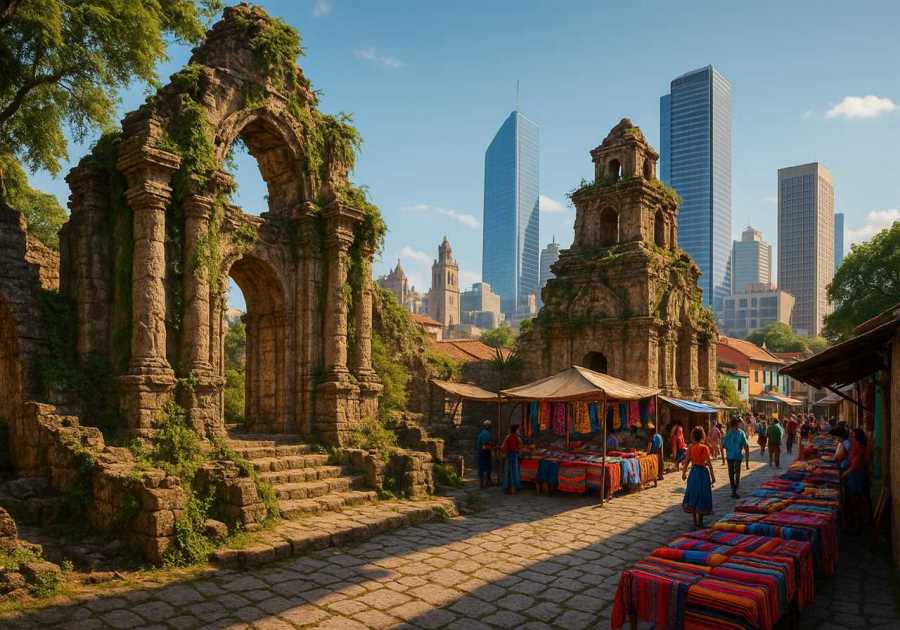
Embracing its rich history, Durango has made significant efforts to preserve its heritage amidst rapid modernization. You'll find that the community takes pride in maintaining the city's distinctive character while balancing growth and development.
Local organizations and government initiatives have been established to protect historic landmarks, ensuring they remain integral to Durango's identity. You may notice the careful restoration of buildings in downtown, giving you a glimpse into the past as you stroll through its streets.
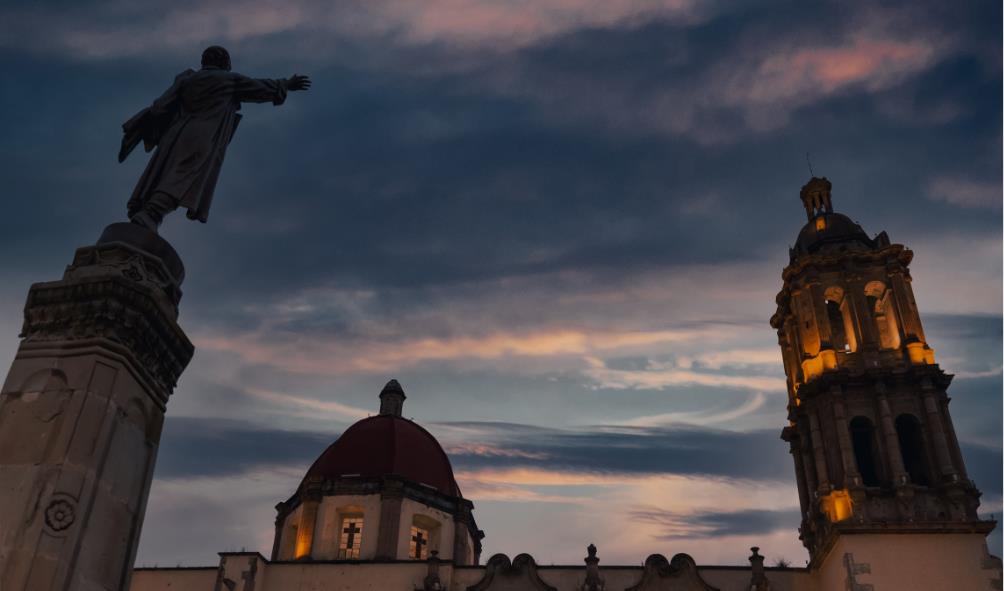
Historic preservation ordinances have been put in place, safeguarding architectural styles that define the area. The city's commitment to historic districts helps create a sense of continuity and connection for residents and visitors alike.
Engaging with the community, you might participate in events that celebrate local culture and history. Festivals, art exhibitions, and educational programs reflect Durango's dedication to fostering an appreciation of its historical roots.
Conclusion
In conclusion, Durango's history showcases a remarkable journey from Indigenous cultures to a thriving commerce center. You can appreciate how the silver rush and the arrival of the railroad shaped its development. Today, as you explore the town, you'll see efforts to preserve its rich heritage, connecting the past to the present. By honoring these traditions, you can truly understand and appreciate the vibrant story that continues to unfold in Durango.
External Links
- Visit Durango - History: Explore the rich historical heritage of Durango through detailed exhibits and interactive displays.
- History Colorado - Durango: Access historical records and resources specific to Durango's past.
- Durango Mine Museum: Learn about the mining history that played a crucial role in Durango's establishment.
- Colorado Encyclopedia - Durango: Detailed articles covering various aspects of Durango's historical landscape.
How To Trace the Cultural Evolution of Durango
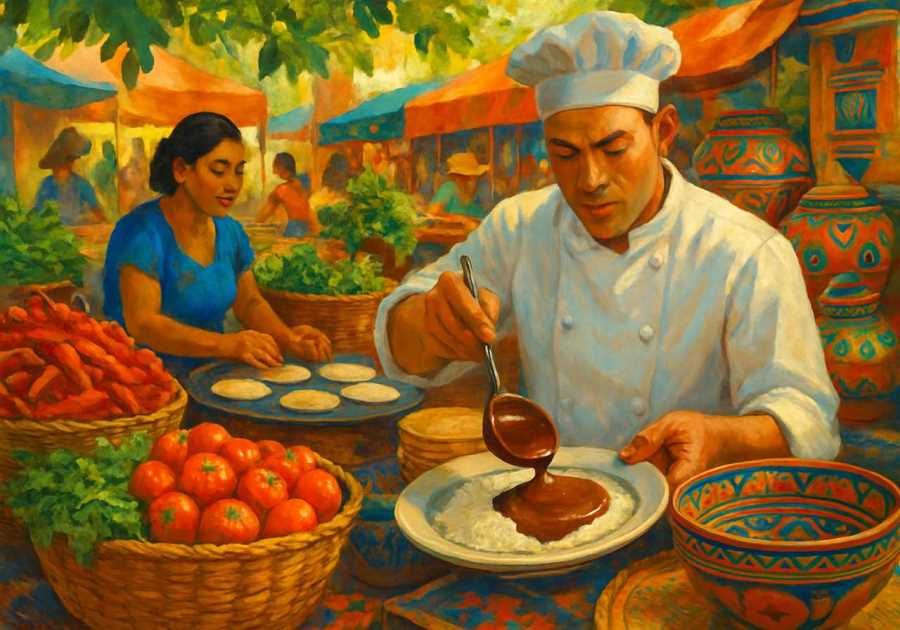
The cultural evolution of Durango is a testament to its diverse influences and historical milestones. Starting from its founding as a mining town, Durango has developed a unique cultural identity shaped by economic prosperity, migration, and community resilience. Key cultural institutions, such as the Durango Arts Center and local theaters, reflect the town’s commitment to fostering the arts and preserving its heritage. Festivals and events, like the Durango Cowboy Poetry Gathering, celebrate the region’s traditions and contemporary expressions. Additionally, the blend of Native American heritage with European settler influences has created a rich cultural tapestry that is evident in local cuisine, crafts, and traditions. Exploring museums, attending cultural events, and engaging with community groups are effective ways to trace and understand the cultural evolution that continues to define Durango today.
Visit Historical Landmarks in Durango
Plan your journey through Durango by exploring its historical landmarks. Each site tells a story of the area's past, from colonial forts to ancient churches. Enhance your visit by reading more about Mexico's historical sites at escapetomexiconow.com.