.png)
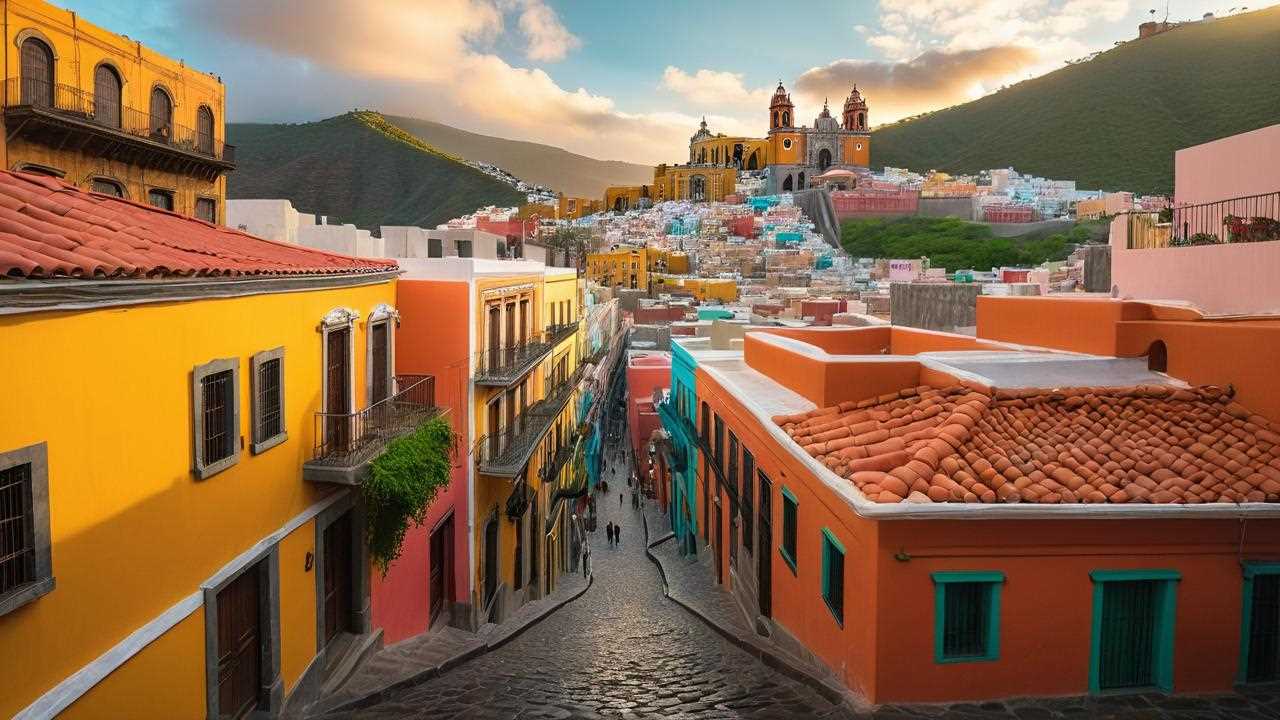
When you think about Guanajuato, you might picture its colorful streets and historical architecture, but there's much more beneath the surface. Its story weaves together indigenous cultures, colonial ambitions, and a booming mining economy that shaped the region into a crucial player in New Spain. You'd be surprised at how this rich history influences the modern identity of Guanajuato, particularly during the tumultuous times of the Mexican War of Independence. Yet, the layers of its past hold mysteries and events that continue to resonate today—so what other surprises does this vibrant city have in store?
Pre-Colonial Origins
Exploring Guanajuato's pre-colonial origins reveals a rich tapestry of cultures and civilizations that thrived long before European contact.
As you delve into this history, you'll discover that the area was once inhabited by various indigenous groups, notably the Purepecha and the Otomi. These cultures showcased remarkable advancements in agriculture, crafts, and trade, utilizing the region's diverse resources.
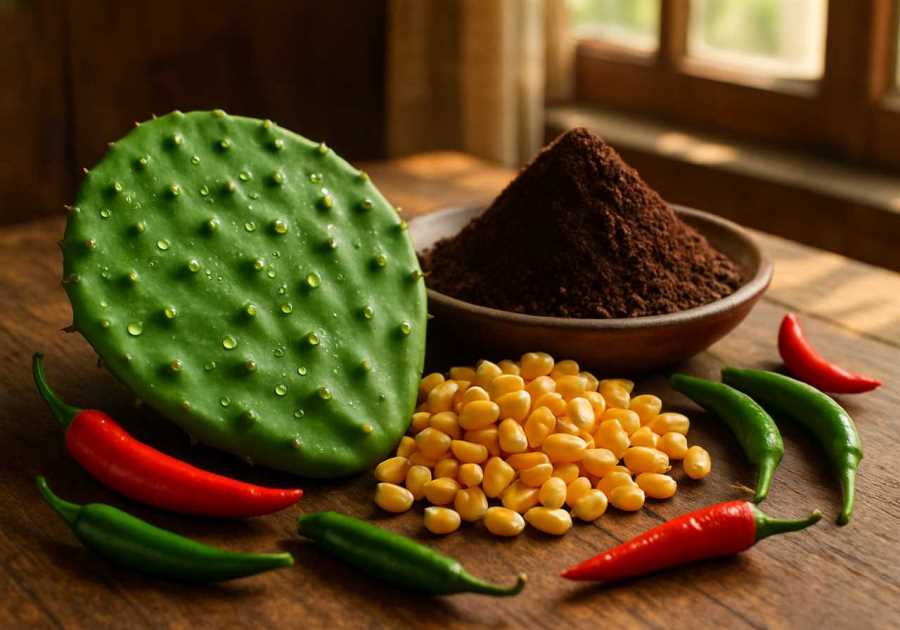
Imagine walking through the ancient settlements, where they cultivated maize, beans, and squash, laying the foundation for a thriving economy. Their exceptional craftsmanship is evident in pottery, textiles, and metalwork, reflecting a deep connection to the land and community.
You'd also find evidence of intricate trade networks, which linked Guanajuato to distant regions, fostering cultural exchange that enriched local traditions.
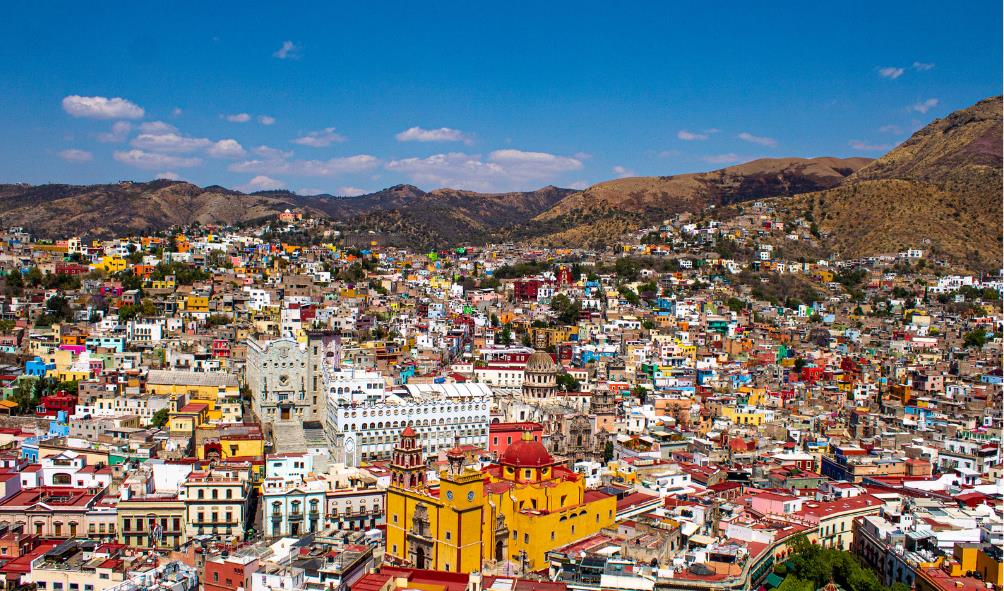
Archaeological finds, such as tools and ceremonial artifacts, highlight the spiritual and social lives of these early inhabitants. The rich mineral deposits in the region attracted the attention of these native peoples, who understood their value long before the Spanish arrived.
Each find uncovers another layer of this vibrant history, inviting you to appreciate Guanajuato's complex past and the resilient spirit of its early cultures.
Spanish Colonial Era
With the arrival of Spanish conquistadors in the early 16th century, Guanajuato underwent a dramatic transformation. You'd see the region's indigenous cultures grapple with the imposition of Spanish rule, as the newcomers sought not just land but also wealth.
Spanish forces established settlements, laying down new administrative frameworks and religious structures, aiming to convert the local population to Christianity.
In those years, you'd watch as the mission system took shape, fostering cultural exchanges yet often enforcing harsh conditions on the indigenous people. Old ways clashed with new European customs—architecture, language, and even agricultural practices underwent profound changes.
As the Spanish sought to solidify their power, you'd notice the establishment of Querétaro nearby, which became an important hub for administrative and religious activities. Your experience would be marked by the blend of Spanish influence and indigenous resilience, a tapestry of cultures interwoven through trade, conflict, and adaptation.
During this colonial era, Guanajuato was just beginning to lay the groundwork for future economic shifts that would shape its identity. The foundations the Spanish built would directly influence the path of the region's development for centuries to come.
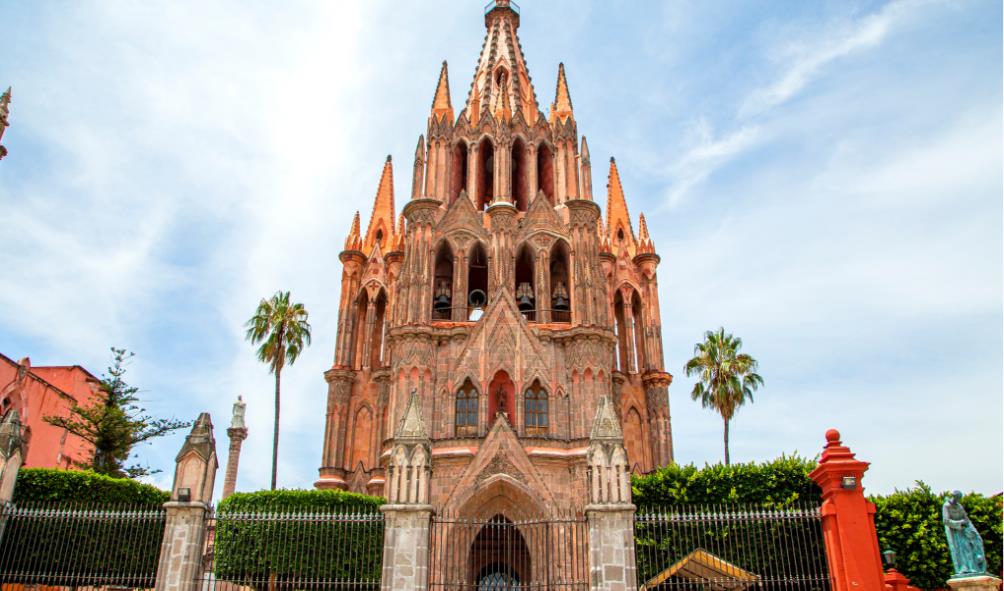
Mining Prosperity
The mountains of Guanajuato hid vast treasures, and during the late 16th century, they became a beacon for fortune-seekers. You'd find miners, adventurers, and merchants drawn by the promise of silver and gold hidden deep within the earth.
As you explore this vibrant history, you'll discover that the area soon became one of the richest mining regions in New Spain.
With newfound wealth, miners and their families flocked to the region, forming communities that grew rapidly.
The mining boom led to advancements in technology, as miners developed innovative techniques to extract precious metals safely and efficiently.
You'd witness the rise of impressive silver mines like La Valenciana and La Oreja, which shaped the landscape and economy of Guanajuato for years to come.
Cultural Influences
Guanajuato's rich mining history laid the groundwork for a vibrant cultural landscape that reflects a blend of indigenous, Spanish, and mestizo influences.
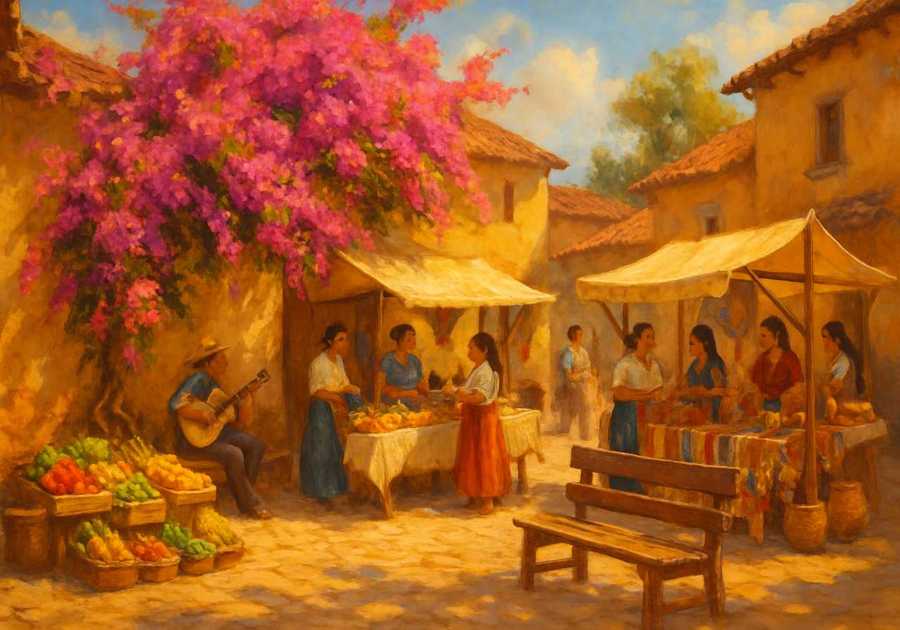
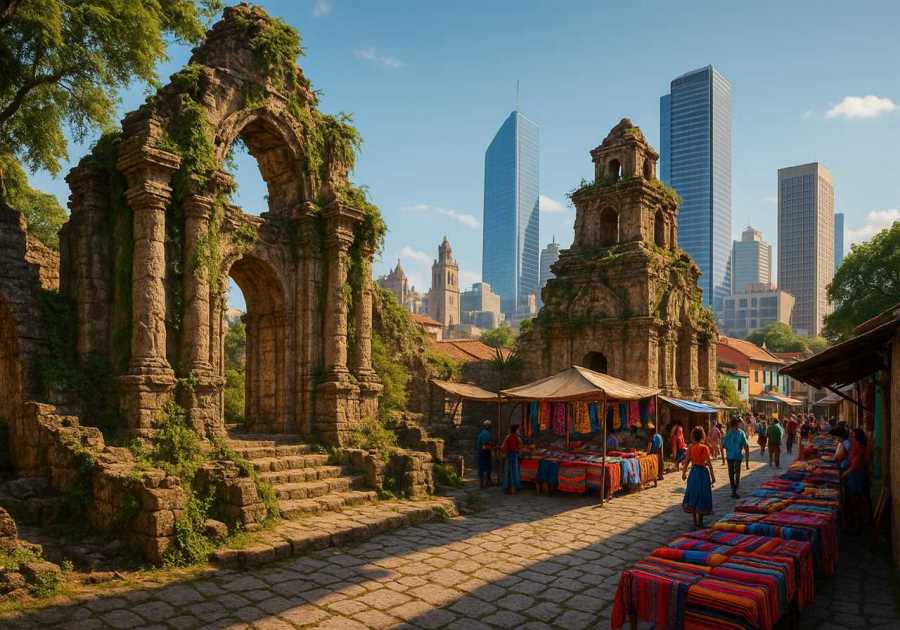
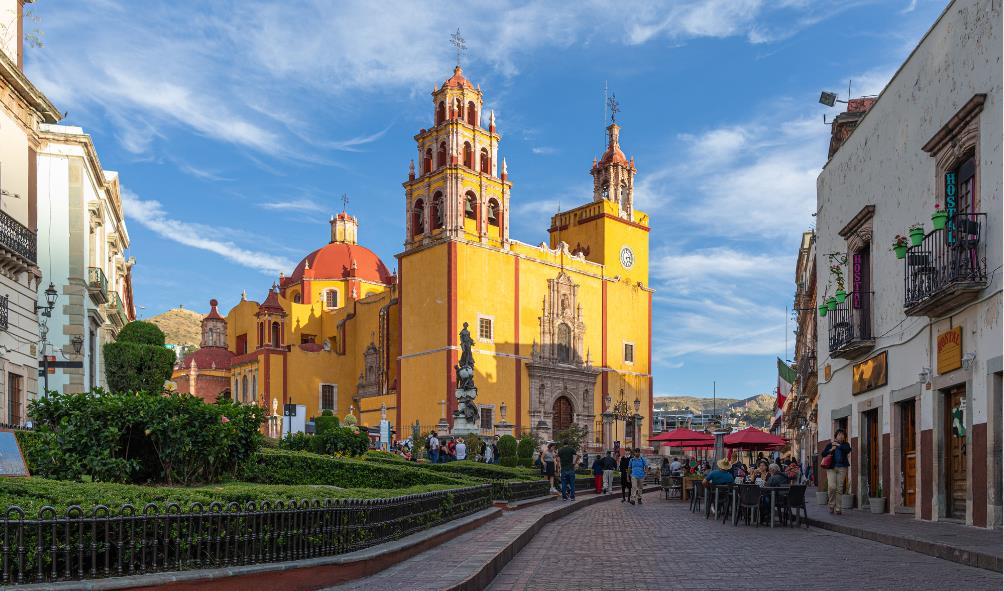
When you explore the city, you'll notice the stunning colonial architecture that showcases the Spanish style. The ornate churches and grand plazas invite you to appreciate centuries of artistry and craftsmanship.
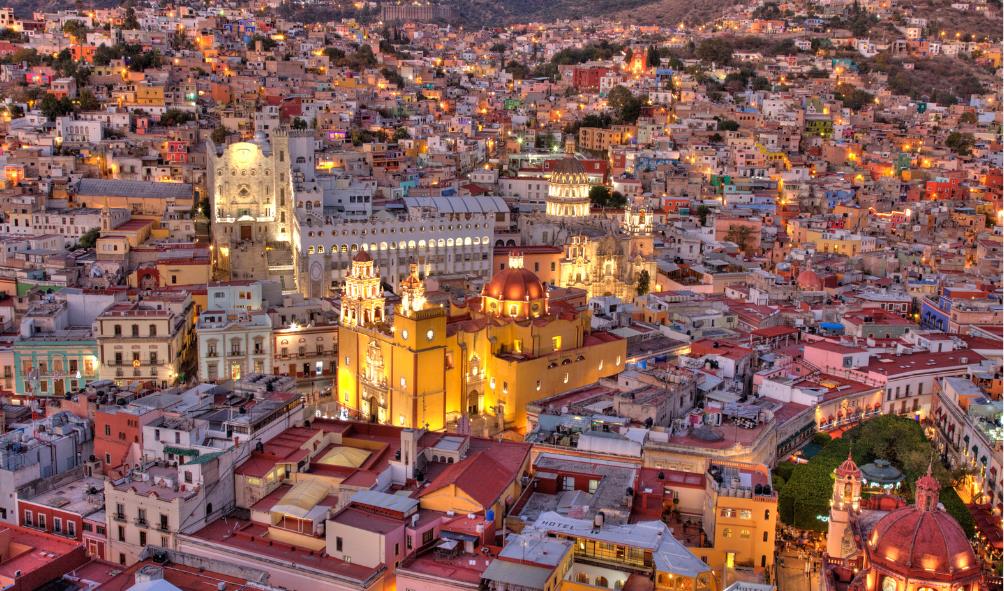
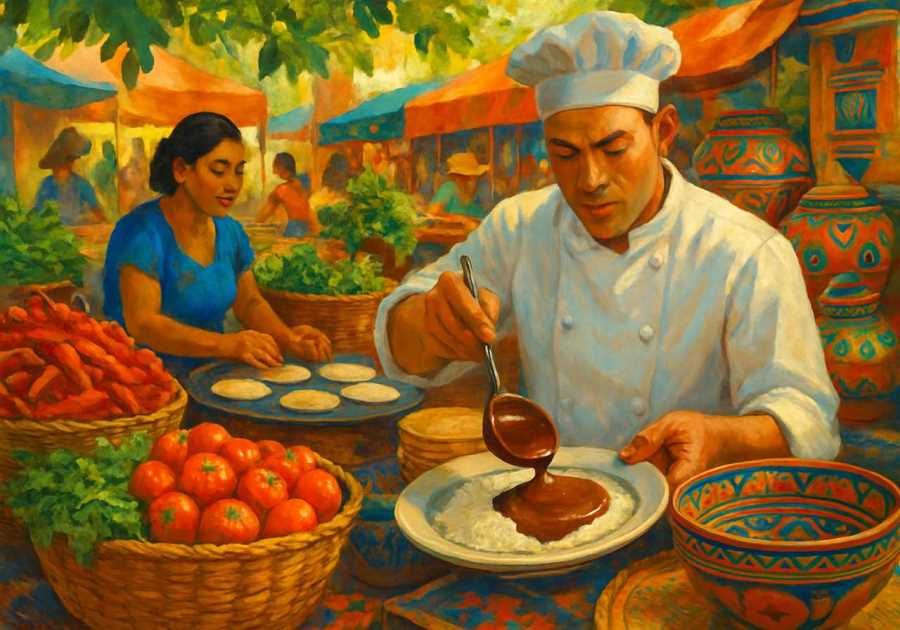
As you dive deeper, you'll find indigenous traditions still alive in the local festivals, music, and cuisine. For instance, you can savor a plate of enchiladas or mole that echoes the culinary practices passed down through generations.
Traditional folk dances, like the "Baile de los Moros y Cristianos," celebrate the harmonious coexistence of these diverse cultures.
You can also enjoy the vibrant arts scene in Guanajuato. Numerous galleries and workshops display the work of local artisans drawing from both indigenous and colonial roots.
Street performances and music echo throughout the cobbled streets, engaging your senses and connecting you to the city's history.
In short, Guanajuato's cultural influences create a rich tapestry that captivates your imagination and connects you to its past and present.
Don't miss the chance to immerse yourself in this cultural mosaic when you visit!
Mexican War of Independence
Stepping into the tumultuous history of the Mexican War of Independence, you'll find that Guanajuato played a pivotal role in this transformative period.
In 1810, the conflict erupted as Miguel Hidalgo, a parish priest in nearby Dolores, called for a rebellion against Spanish rule. His famous "Grito de Dolores" ignited the spirit of independence, and soon, revolutionary fervor spread to Guanajuato.
As a major mining center, Guanajuato became crucial for both the insurgents and the royalist forces. You'll see how the city was the site of significant battles, particularly the Siege of Guanajuato in 1811. Here, royalist troops defended their stronghold against insurgent fighters. The struggle was fierce, and many lives were lost—marking the city as a symbol of both suffering and resistance.
Throughout the war, important local leaders emerged, rallying citizens to join the fight against Spanish oppression. By 1821, after a long decade of conflict, Mexico finally claimed its independence.
The contributions of Guanajuato and its people would forever be etched in the annals of history, showcasing their courage and tenacity during one of the nation's most critical struggles.
20th Century Developments
During the 19th century, significant developments transformed Guanajuato, shaping its identity and future. One crucial change was the boom in silver mining, which played a pivotal role in the region's economy.
You might notice how this surge attracted a wave of immigrants, making the city more diverse and vibrant. As miners sought fortunes, their influx ushered in cultural exchanges that enriched Guanajuato's social fabric.
Railroads began connecting Guanajuato to major cities, facilitating trade and transportation. This connectivity sparked industrial growth, establishing new manufacturing sectors.
You could see the rise of factories, as well as the expansion of traditional crafts, which cemented Guanajuato as a key player in Mexico's burgeoning economy.
The 19th century also brought political changes that shaped civic life. You could witness the emergence of local governance structures that aimed to address the needs of an evolving population.
As more citizens became politically engaged, they began advocating for advancements in education and infrastructure.
These developments laid the groundwork for a more modern Guanajuato, blending its rich history with the aspirations of its people.
As you explore, consider how these changes influenced the city's character and left a lasting legacy.
UNESCO World Heritage Status
In 1988, Guanajuato earned its UNESCO World Heritage status, recognizing its rich cultural and historical significance. This designation not only celebrates the city's unique architecture and colonial heritage but also highlights its importance in the history of silver mining and independence movements.
When you explore Guanajuato, you'll notice how its labyrinthine streets and colorful buildings reflect centuries of influence from Spanish colonialism. The city's layout, designed to adapt to the mountainous terrain, showcases remarkable engineering and planning. It's no surprise that UNESCO acknowledged these features, marking them as outstanding examples of human creativity.
As you delve deeper, you'll discover the historic significance of the Alhóndiga de Granaditas, a symbol of the struggle for independence. You can also appreciate the vibrant cultural events that continue to thrive in the region, including the International Cervantino Festival, which attracts artists and visitors from around the globe.
Maintaining its UNESCO status requires ongoing preservation efforts, ensuring that future generations can connect with Guanajuato's rich heritage.
Conclusion
In conclusion, exploring the history of Guanajuato reveals a captivating journey through indigenous roots, colonial transformations, and a vibrant cultural legacy. You can appreciate how mining prosperity shaped its economic landscape and how the fight for independence marked a significant turning point. Today, as you walk its streets and visit its sites, you witness the enduring spirit of its people and the rich heritage that earns Guanajuato its rightful place as a UNESCO World Heritage site.
Statistics
- Guanajuato’s unique subterranean streets were developed in the 17th century to facilitate transportation and manage the challenging mountainous terrain.
- The iconic Alhóndiga de Granaditas in Guanajuato played a crucial role in the struggle for Mexican independence, marking one of the first major conflicts against Spanish forces.
- Guanajuato was founded in the early 16th century as a mining community, rapidly becoming one of the richest silver-producing regions in the Spanish Empire.
- The silver mines of Guanajuato reached their peak production in the 18th century, significantly contributing to the economy of New Spain.
External Links
- Britannica - Guanajuato explores the historical development and key events in Guanajuato's past.
- Historia de Guanajuato is an educational resource dedicated to the historical events and figures of the region.
- Mexico's Official Tourism Website offers insights into Guanajuato's historical landmarks and attractions.
- Wikipedia - Guanajuato provides a comprehensive overview of the city's rich history and cultural significance.
How To Understand Guanajuato's Role in Mexican Independence
To understand Guanajuato's role in Mexican Independence, start by studying the events leading up to the movement in the early 19th century. Focus on the pivotal Battle of Guanajuato in 1810, where Miguel Hidalgo issued the Grito de Dolores, igniting the fight for freedom. Visit key historical sites like the Alhóndiga de Granaditas, which served as a stronghold for the insurgents, and the Valenciana Mine, a critical supply point for the revolutionaries. Explore local museums and archives to access primary documents and exhibits detailing the strategies and key figures involved. Engage with guided tours that offer expert narratives on the region's contribution to the independence movement. Understanding the social and economic factors of the time, such as the impact of mining wealth and colonial governance, provides a comprehensive view of Guanajuato's influence. Additionally, reading historical accounts and biographies of leaders from Guanajuato can offer personal insights into their motivations and challenges during the struggle for independence.
Learn About Guanajuato’s Historical Landmarks
The landmarks of Guanajuato tell the tale of its rich heritage and cultural evolution. Visit these significant sites virtually and understand their importance in shaping the city’s identity. For further reading on Mexico's historical narratives, check out escapetomexiconow.com.