.png)
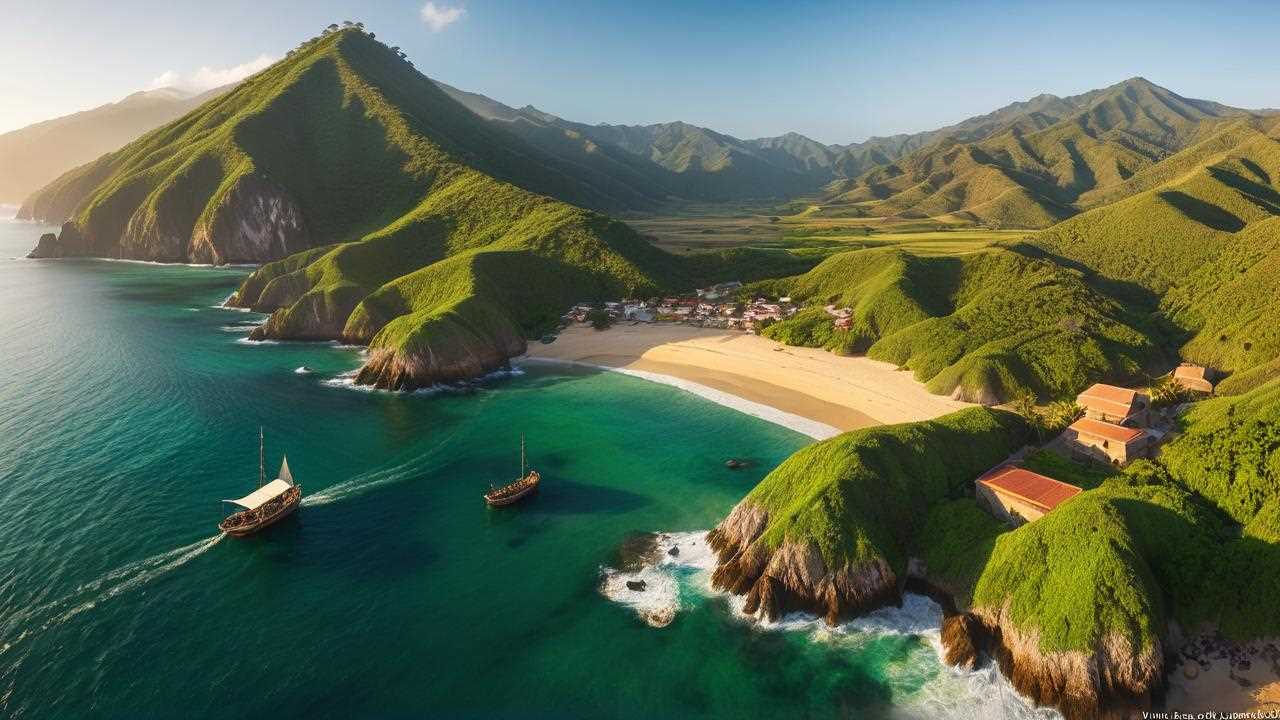
When you examine the history of Guerrero, you're confronted with a complex narrative that spans ancient civilizations and colonial upheaval. The Olmecs, Mixtecs, and Zapotecs lay the groundwork for a region rich in culture, only to see their worlds transformed by the arrival of Hernán Cortés. As independence movements took shape, figures like Vicente Guerrero emerged, shaping a new national identity. Yet, even with a storied past, the region grapples with modern challenges. What unfolds next in Guerrero's journey may surprise you.
Ancient Indigenous Civilizations
Exploring the ancient indigenous civilizations of Guerrero reveals a rich tapestry of cultures that thrived long before European contact.
You'll discover that several groups inhabited this region, the most notable being the Olmecs, Mixtecs, and Zapotecs. These civilizations flourished due to Guerrero's diverse geography, which provided abundant resources for agriculture, trade, and sustenance.
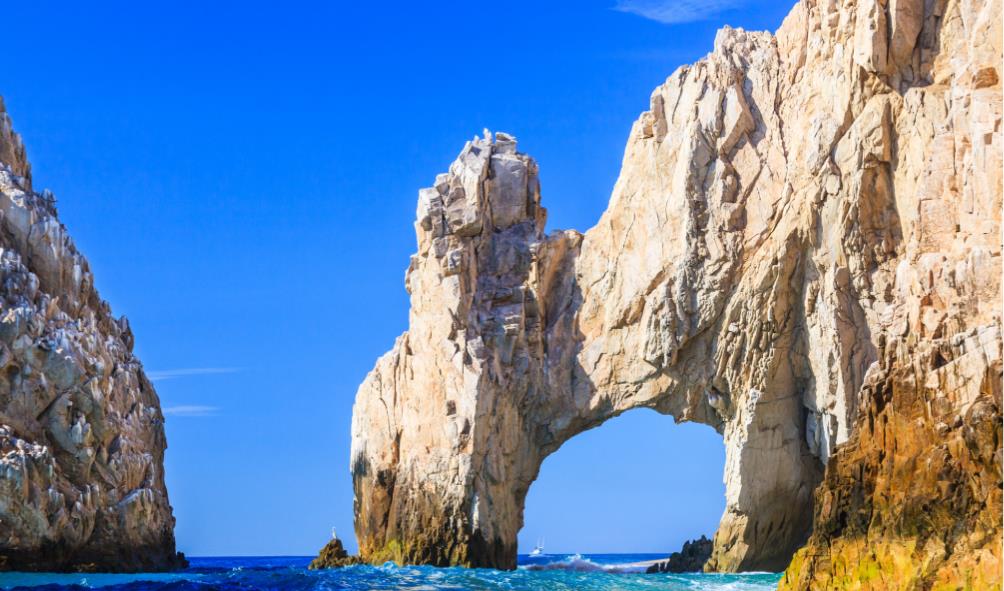
As you delve into their world, you'll encounter impressive achievements in art, architecture, and social organization. The Olmecs, often referred to as the "mother culture" of Mesoamerica, left behind colossal stone heads and intricate jade carvings.
The Mixtecs and Zapotecs further enriched this cultural landscape, creating remarkable cities like Monte Albán and establishing complex political and social systems.
You can't overlook the importance of religion in these societies. The indigenous tribes often integrated spiritual beliefs with their daily lives, constructing temples and performing rituals to honor their deities.
The use of advanced agricultural techniques, such as terracing and irrigation, allowed these civilizations to thrive in varying climates.
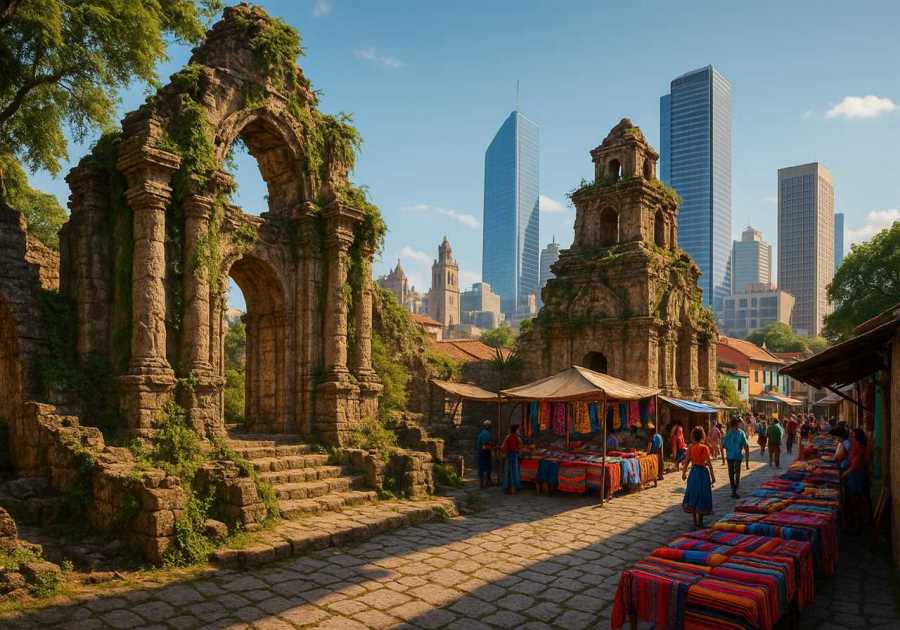
Understanding these ancient cultures offers profound insights into the roots of Guerrero's identity and the legacy that continues to influence its people today.
Spanish Conquest and Colonization
The arrival of Spanish conquistadors in the early 16th century marked a pivotal turning point for Guerrero and its indigenous civilizations. You'd see how Hernán Cortés and his men, driven by the quest for gold and glory, disrupted the established way of life. They encountered the Mixtecs and Nahuas, who'd flourishing societies, rich traditions, and valuable resources.
As the Spanish asserted their control, they employed a combination of warfare and alliances, often pitting indigenous groups against one another. Many indigenous people faced violence, displacement, and disease brought by the Europeans, leading to devastating population declines. You might wander through the remnants of towns that once thrived, now transformed under colonial rule.
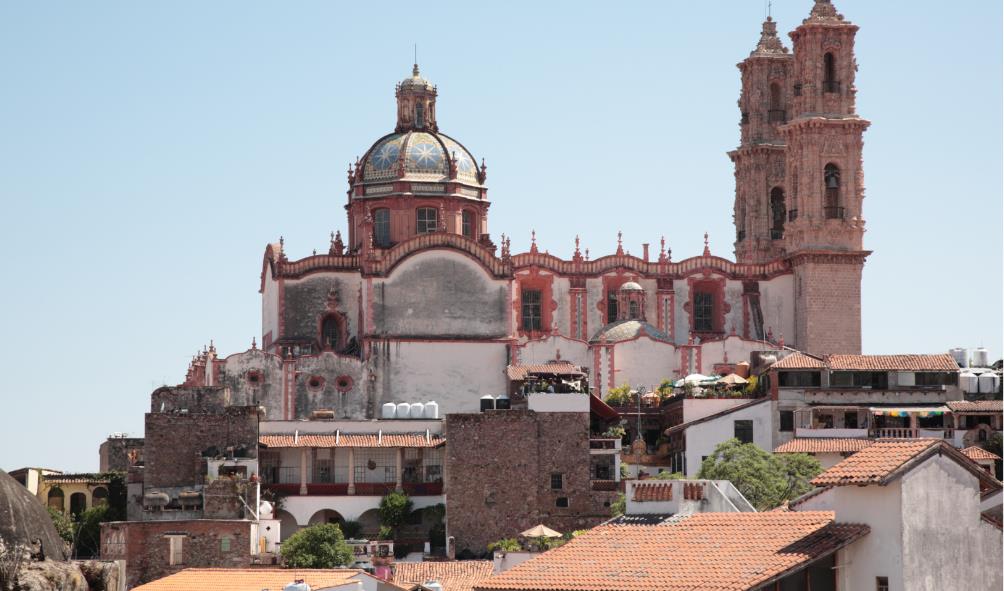
To solidify their hold, the Spanish established missions and introduced Christianity, altering religious practices and governance. You'd witness the fusion of cultures right before your eyes as Spanish customs blended with indigenous traditions, creating a unique tapestry of society.
Although this colonization brought hardship and conflict, it also laid the foundation for the modern landscape of Guerrero. The consequences of this era resonate today, reminding you of the enduring spirit of its people and culture.
Independence and Early Republic
As Spanish control tightened, the seeds of resistance began to sprout among the people of Guerrero. You can sense the discontent as it simmered beneath the surface, fueled by social injustices and economic hardships.
By the early 19th century, the struggle for independence from Spain gained traction, and local leaders emerged to rally their communities. You'd find figures like Vicente Guerrero, a pivotal role model from the region, who became a national hero for his commitment to the cause.
In 1810, the insurrection ignited when loyalists joined forces with revolutionaries, fighting for freedom and rights. You'd be surprised by the resilience and determination displayed by the local militia. The conflict dragged on, marked by fierce battles and shifting allegiances, but Guerrero stood steadfast.
As Mexico declared independence in 1821, Guerrero's people embraced the newfound hope with cautious optimism. You'd feel the tide turning as the early republic took shape, bringing both promise and uncertainty.
Political instability soon gripped the nation, yet Guerrero remained committed to fostering a sense of identity and autonomy. The events of this era laid the groundwork for future developments, forging a path toward a more unified Mexico.
Revolutionary Movements
Amidst the backdrop of political turmoil, Guerrero became a hotbed for revolutionary movements in the 19th century. The region's discontent with oppressive regimes fostered an environment ripe for change. You can see how early leaders, like Vicente Guerrero, emerged from this unrest, igniting passions for land reform, social justice, and independence.
As regional forces clashed, you'll notice how Guerrero played a critical role in various uprisings. The struggle against political corruption resonated deeply with locals, inspiring them to join the fight for land and rights. Men and women alike rallied around revolutionary ideals, driven by the desire for a fairer society.
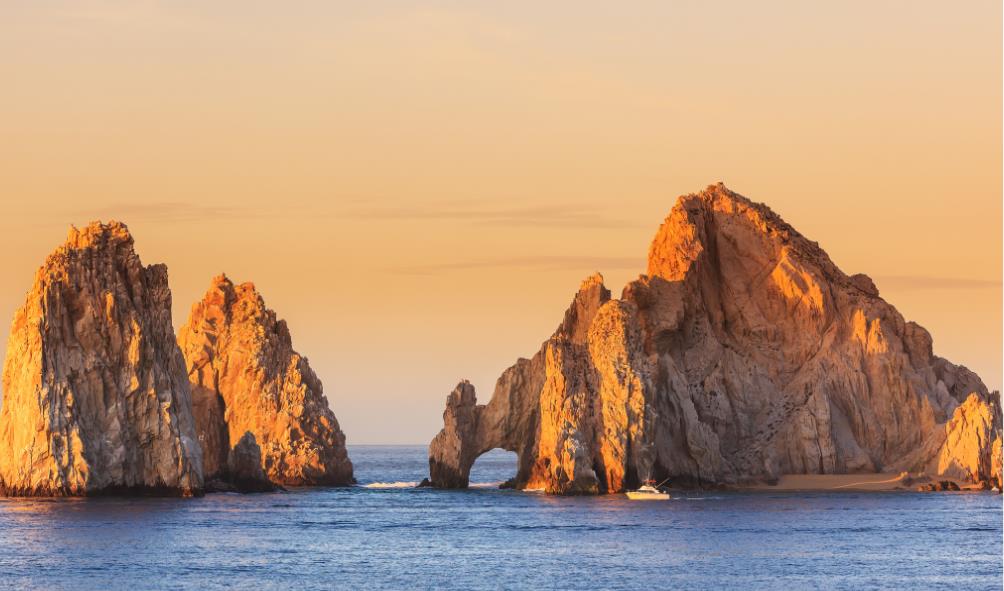
These movements saw various factions form—some loyal to the ideals of the early independence leaders, while others sought more radical measures. You'd find significant battles disrupting the peace and tracing the contours of Guerrero's rugged landscape, each conflict raising awareness about social issues, land distribution, and indigenous rights.
Ultimately, the revolutionary spirit in Guerrero shaped its identity. You can appreciate how these events laid the groundwork for future political and social developments, steering local communities toward an ongoing quest for justice and equality.
Modern Challenges and Developments
Guerrero faces a tapestry of modern challenges that stem from its complicated history and socio-economic inequalities. As you delve deeper into the region, you'll notice high poverty rates and limited access to quality education and healthcare. These factors contribute to a cycle of disadvantage that many communities struggle to break free from.
Violence and crime have also become significant hurdles. Drug trafficking and organized crime not only threaten public safety but also undermine local economies. You might see how these issues create a climate of fear, pushing away potential investors and tourists alike.
Additionally, Guerrero grapples with environmental challenges, including deforestation, which exacerbates issues like soil erosion and impacts agriculture. Climate change further complicates these problems, leaving you to ponder how communities adapt to shifting weather patterns.
It's essential to recognize the resilience of the people in Guerrero. Many are working tirelessly to create solutions, ranging from grassroots initiatives to seek government support. Engaging with local organizations can provide you with insights into innovative programs aimed at fostering sustainable development.
You can truly make a difference by understanding these challenges and supporting efforts that lead to positive change.
Cultural Heritage and Tourism
Rich cultural heritage and vibrant traditions define Guerrero, making it a unique destination for travelers. Here, you can immerse yourself in a tapestry of history, art, and customs that echo throughout the region. From indigenous roots to colonial influences, Guerrero offers a fascinating blend of experiences that can captivate any visitor.
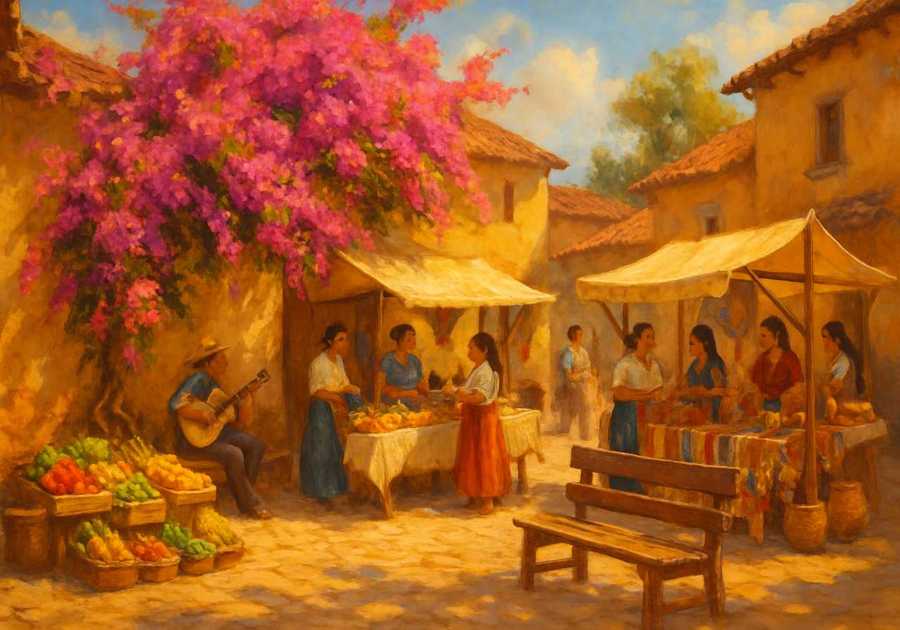
You'll find colorful markets filled with handcrafted goods, showcasing the skill of local artisans. As you wander through towns like Taxco, known for its silverwork, or Ixtapa, with its stunning beaches, you'll notice how the past intertwines with modern life.
Festivals like the Día de los Muertos and the Guelaguetza highlight Guerrero's rich traditions, inviting you to join the celebrations and connect with the local culture.
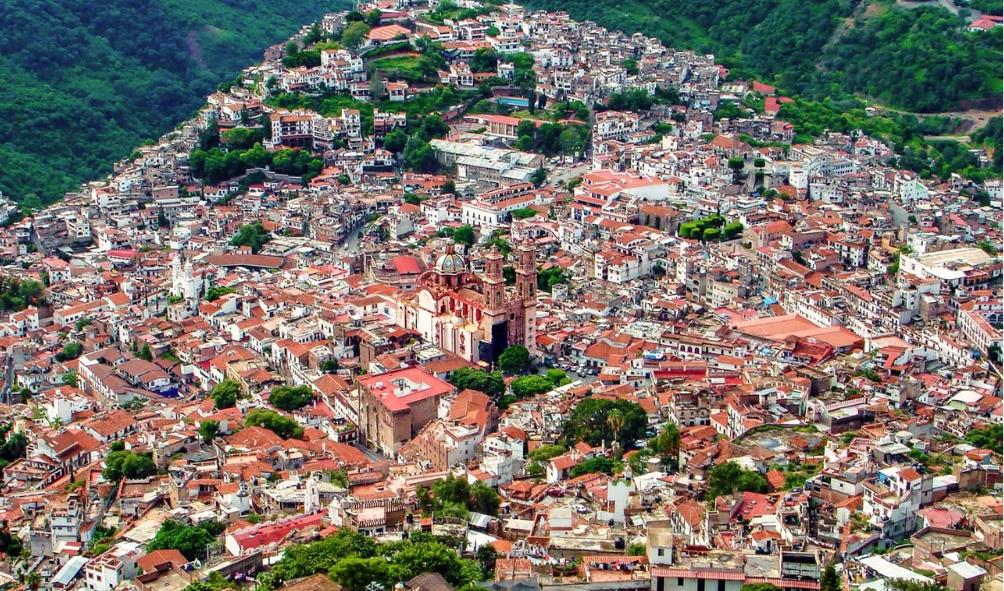
Additionally, the natural beauty of Guerrero, with its lush mountains and coastal allure, enhances its appeal. Eco-tourism provides you with opportunities for hiking, surfing, and exploring hidden waterfalls.
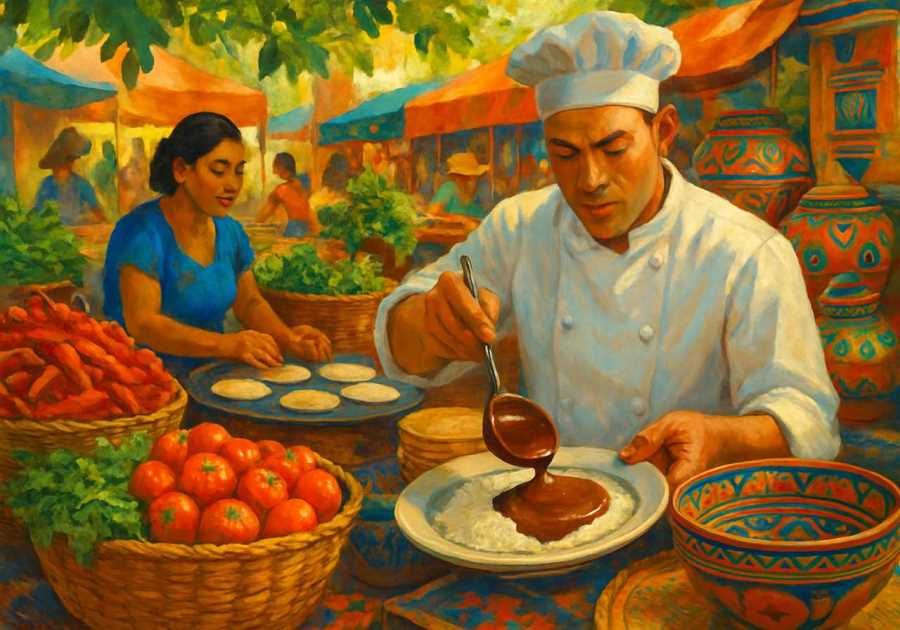
The culinary delights, featuring traditional dishes like pozole and tlayudas, make your visit even more memorable. Exploring Guerrero isn't just about sightseeing; it's about experiencing a way of life that's deeply rooted in cultural pride and community spirit.
Conclusion
In conclusion, Guerrero's history is a vibrant blend of ancient civilizations, colonial struggles, and modern challenges. You can appreciate how this rich past shapes the region today, from its cultural heritage to its ongoing efforts for improvement. By exploring Guerrero, you're not just witnessing its beauty, but also its resilience in overcoming adversity. Embrace the stories and traditions that continue to thrive, and recognize the strength of a community deeply rooted in its history.
Frequently Asked Questions
What activities can I do on Mexico's beaches?
Mexico's beaches offer a variety of activities including swimming, snorkeling, and diving to explore vibrant marine life. Visitors can also engage in water sports like paddleboarding, kayaking, and jet skiing. Many beaches provide facilities for beach volleyball, sunbathing, and enjoying local cuisine at nearby restaurants.
What are the top beaches to visit in Cancun?
Cancun is renowned for its stunning beaches like Playa Delfines, known for its expansive sandy shores and clear turquoise waters. Playa Norte on Isla Mujeres offers calm waters ideal for swimming and snorkeling. Additionally, Playa Tortugas is popular for its vibrant atmosphere and water sports activities.
What makes Puerto Vallarta beaches special?
Puerto Vallarta's beaches, such as Playa Los Muertos, are celebrated for their lively scenes and diverse range of activities. Conchas Chinas Beach provides a more secluded experience with its rocky coves and clear waters. Additionally, Mismaloya Beach is known for its beautiful landscapes and as a filming location for the movie "The Night of the Iguana."
What beaches in Cabo San Lucas should I explore?
Cabo San Lucas features iconic beaches such as Medano Beach, known for its bustling atmosphere and water activities like jet skiing and parasailing. Lover's Beach offers stunning views of the Arch of Cabo San Lucas and serene waters on one side. Chileno Beach is perfect for snorkeling and enjoying the vibrant marine life.
Statistics
- Mexico boasts over 9,000 kilometers of coastline, featuring beaches along the Pacific Ocean, Gulf of Mexico, and Caribbean Sea.
- The Riviera Maya region alone contains over 20 major beaches, each offering unique environments and amenities.
- Puerto Vallarta's beaches see over 5 million visitors annually, contributing significantly to the local economy.
- Playa del Carmen attracts around 4 million tourists each year, drawn by its pristine sands and vibrant beach activities.
External Links
- Forbes Travel Guide - Best Beaches in Mexico - Expert recommendations on Mexico's finest beaches.
- TripAdvisor - Mexico Beaches - User reviews and rankings of the best beaches across Mexico.
- Booking.com - Mexico Beach Destinations - Listings and bookings for accommodations near Mexico's best beaches.
- Lonely Planet - Tulum Beaches - Explore Tulum's top beaches like Playa Paraíso and enjoy nearby natural attractions.
How To Choose the Best Beach in Mexico for Your Vacation
Selecting the ideal beach in Mexico starts with identifying your preferences. If you seek vibrant nightlife and numerous activities, Cancun's beaches like Playa Delfines are perfect. For a more tranquil experience, Tulum offers serene beaches such as Playa Paraíso. Families might prefer Playa Balandra in La Paz for its safe swimming conditions, while adventure enthusiasts can explore the diverse marine life in Cabo San Lucas. Consider the amenities available, such as nearby accommodations, restaurants, and water sports facilities. Additionally, research the best times to visit to enjoy favorable weather and fewer crowds. By aligning your vacation goals with the unique offerings of each beach, you can ensure a memorable and enjoyable experience in Mexico.
Appreciate Guerrero's Cultural Legacy
Explore the enduring cultural legacy of Guerrero, a region renowned for its artistic expressions, traditional practices, and historical landmarks. Guerrero's cultural heritage reflects a blend of indigenous traditions and colonial influences, resulting in a unique and vibrant cultural landscape. By appreciating these cultural elements, you gain a deeper connection to Guerrero's identity and its contributions to Mexico's diverse tapestry. Learn about the festivals, art, and architecture that define Guerrero by visiting escapetomexiconow.com for more related historical articles.