.png)
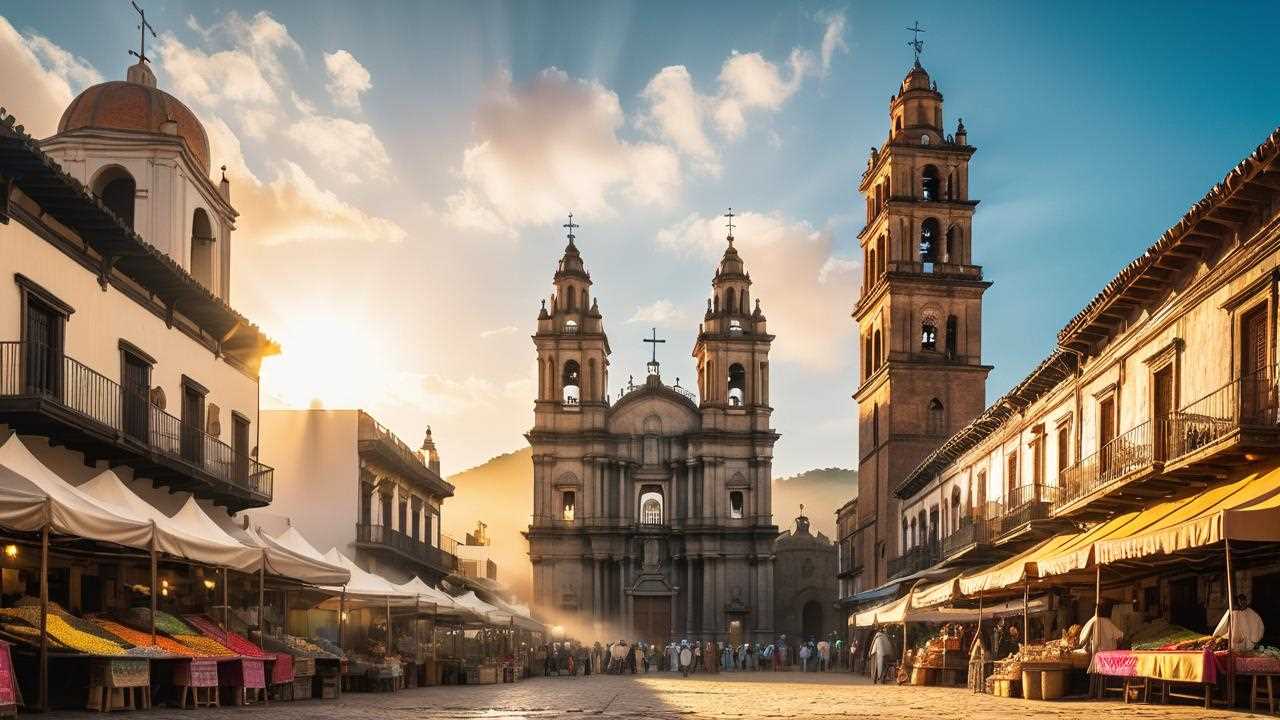
When you consider the history of Hidalgo, you'll find a tapestry woven from the threads of ancient civilizations and colonial encounters. From the early days of the Toltecs and Huastecs to the transformative impact of Spanish conquest, it's clear that this region has faced significant changes over time. The spark of Miguel Hidalgo's "Grito de Dolores" in 1810 serves as a pivotal moment, igniting a movement that reshaped the landscape. But how do these elements influence Hidalgo's identity today, and what does that mean for its future?
Pre-Columbian Civilizations
Pre-Columbian civilizations in Hidalgo laid the foundation for the region's rich cultural heritage. When you explore Hidalgo's past, you'll find that the ancient peoples such as the Toltecs and the Huastecs significantly shaped its identity.
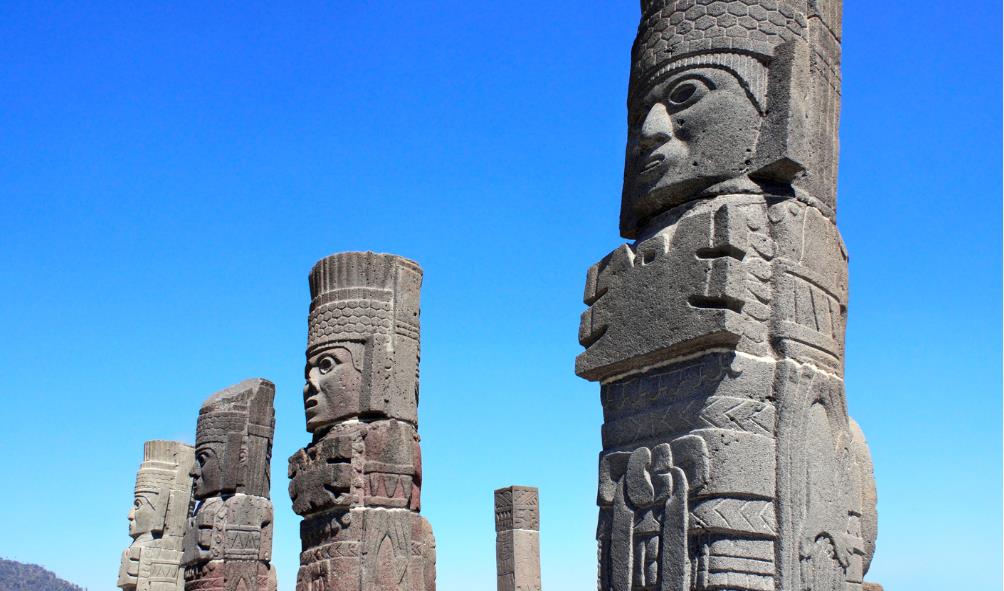
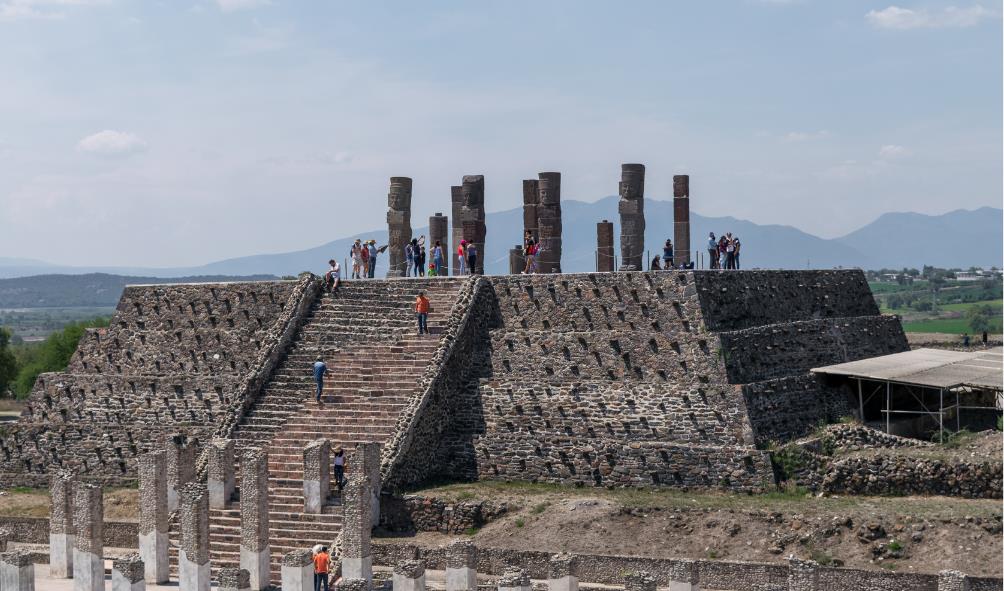
The Toltecs, known for their impressive architecture and arts, left behind monumental structures that still fascinate visitors today. You can appreciate their artistry in sites like Tula, where you'll see impressive stone sculptures.
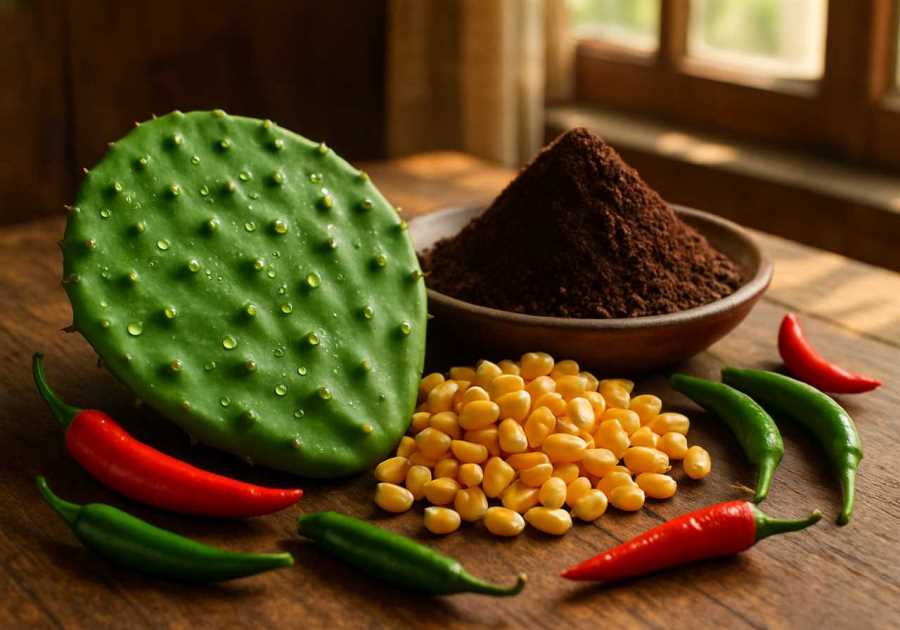
The Huastecs contributed to the cultural landscape as well, developing unique social practices and a distinct language. Their agricultural techniques, especially in maize cultivation, were critical in sustaining their communities.
By understanding these civilizations, you grasp the deep connections to the land and the environment that still resonate in Hidalgo's contemporary culture.
As you delve into the artifacts and architectural remnants from these civilizations, you'll also uncover the spiritual beliefs that shaped their worldview. The ceremonial practices and rituals illustrate a profound relationship with nature, a theme that continues to influence indigenous communities today.
Embracing this rich history allows you to appreciate the vibrant tapestry of traditions that characterize modern Hidalgo.
Spanish Conquest and Colonization
The arrival of Spanish conquistadors in the early 16th century marked a dramatic shift in Hidalgo's history. As you learn about this period, you'll see how these explorers, driven by the desire for wealth and power, set their sights on the rich resources of the region.
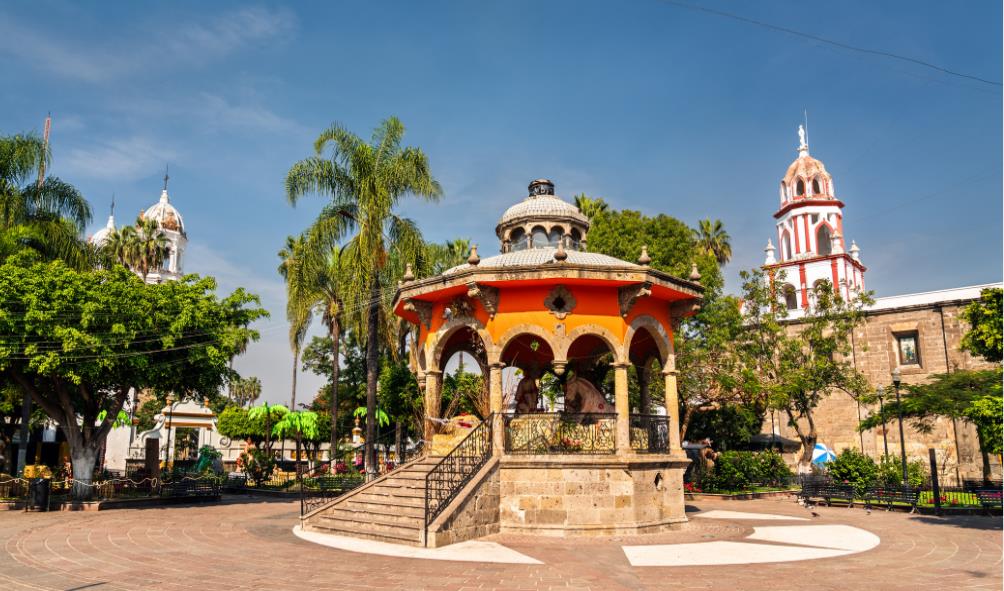
When Hernán Cortés arrived in Mexico, he encountered the remnants of powerful Mesoamerican civilizations.
You'll notice that the Spanish brought with them not just swords and armor, but also diseases that decimated the local population. This massive loss of life weakened the resistance against colonization.
As you dig deeper into the details, you'll find that the Spanish systematically dismantled the existing social structures, imposing their own system of governance.
Through the establishment of encomiendas, they exploited local labor, forcing indigenous people to work on plantations and in mines. Religious conversion played a significant role, as missionaries sought to replace indigenous beliefs with Catholicism.
This transformed the cultural landscape of Hidalgo. Ultimately, the Spanish conquest led to the integration of Hidalgo into the broader Spanish Empire, significantly shaping its future identity and laying the groundwork for centuries of colonial rule.
The War for Independence
Hidalgo's War for Independence emerged as a powerful movement fueled by deep-seated grievances against Spanish rule. You can sense the desperation shared by the people, as social inequalities and economic hardships pushed them to the brink. Amidst growing discontent, the cries for freedom became louder, resonating through towns and villages across the region.
In 1810, a spark ignited the revolutionary fire when Miguel Hidalgo, a priest and passionate advocate for justice, called upon others to rise against the oppressive colonial powers. You'd witness the fervor as he delivered his famous "Grito de Dolores," urging fellow Mexicans to take up arms and reclaim their rights.
As you watch crowds rally, you feel the unity among diverse communities—Indigenous peoples, mestizos, and Creoles—who shared a common goal.
The ensuing battles were fierce, characterized by both triumph and tragedy. Those early confrontations laid the groundwork for the broader struggle for independence.
With each skirmish, the movement gained momentum, pulling more people into the fight for liberation. As you reflect on this pivotal moment, you recognize that the War for Independence wasn't just about territorial disputes but about dignity, justice, and the quest for a better future.
Key Historical Figures
Among the many voices that fueled the War for Independence, key historical figures emerged, each playing a significant role in the fight against Spanish colonial rule. One of the most prominent figures is Miguel Hidalgo, a priest whose famous Grito de Dolores in 1810 called Mexicans to arms.
You can trace the beginning of the revolution back to his impassioned plea for liberty and justice.
Another key figure is José María Morelos, a former student of Hidalgo. He continued Hidalgo's efforts after his execution, organizing the resistance and crafting a more organized military strategy.
You'd also encounter Vicente Guerrero, who became a symbol of the struggle, known for his bravery and commitment to the cause.
Don't forget Ignacio Allende, another military leader who fought alongside Hidalgo. His tactical skills and leadership helped galvanize many supporters.
Each of these men, with their unique contributions, left an indelible mark on the quest for independence. Their legacies remind you of the sacrifices made and the unwavering spirit that ultimately led to the birth of modern Mexico.
Through understanding their stories, you'll gain insight into the depth of Hidalgo's revolutionary history.
Cultural Heritage and Traditions
Rich in history and spirit, the cultural heritage of Hidalgo showcases a vibrant blend of indigenous traditions and Spanish influence. You'll find that the people of Hidalgo take immense pride in their roots, celebrating their annual festivals with great enthusiasm.
For instance, Día de Muertos, or Day of the Dead, is a time when families create elaborate altars, honoring their deceased loved ones with food, flowers, and photographs.
You can also experience the enchanting music and dance that fill the air during traditional festivities. From the captivating rhythms of jarabe to the colorful attire worn during dances, the celebrations reveal the passion of Hidalgo's culture.
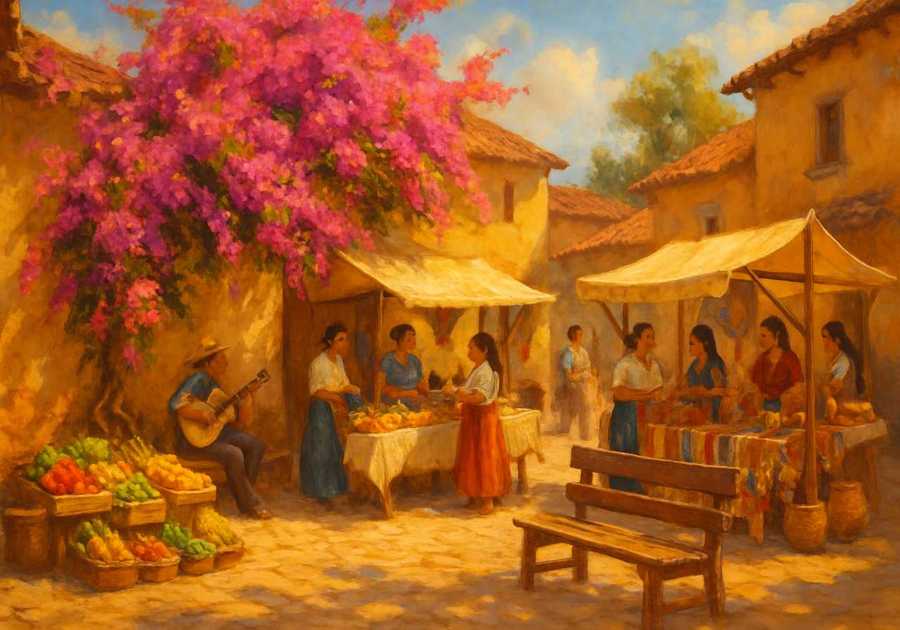
Craftsmanship is another vital aspect of Hidalgo's identity. You might be fascinated by the intricate textiles, pottery, and basketry that artisans create, often passed down through generations. Participating in local markets, you can witness these crafts firsthand and appreciate the skill involved.
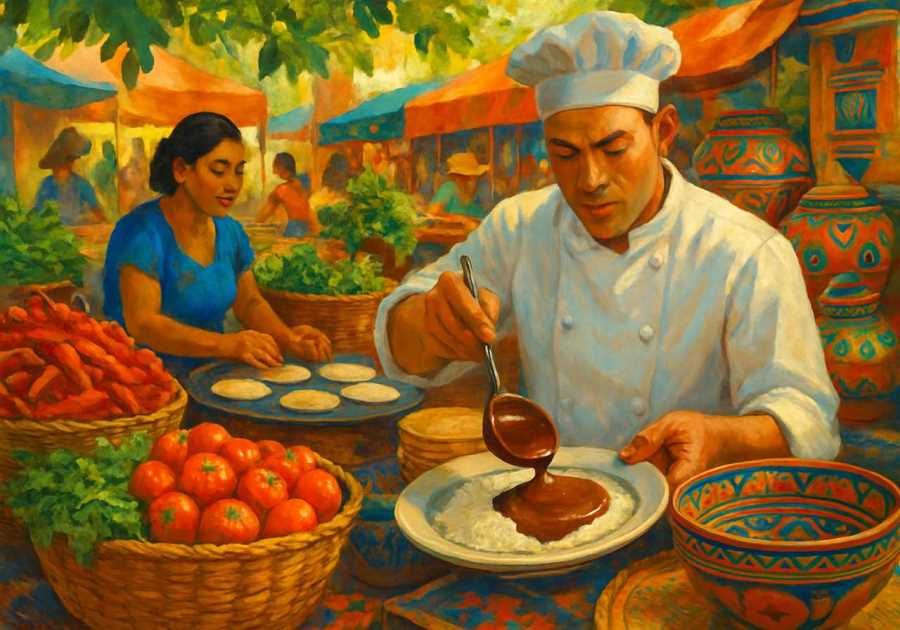
Lastly, the culinary traditions, especially dishes like tacos, mole, and barbacoa, showcase the region's rich flavors and ingredients. Each bite tells a story, connecting you to the unique heritage of Hidalgo that continues to thrive today.
Modern Developments and Changes
As the years go by, Hidalgo undergoes significant transformations that reflect both modernization and the continuation of its cultural identity. You might notice the rise of new infrastructure, such as improved roads and modern public transportation options. This development makes it easier for you to commute and conduct business, boosting the local economy.
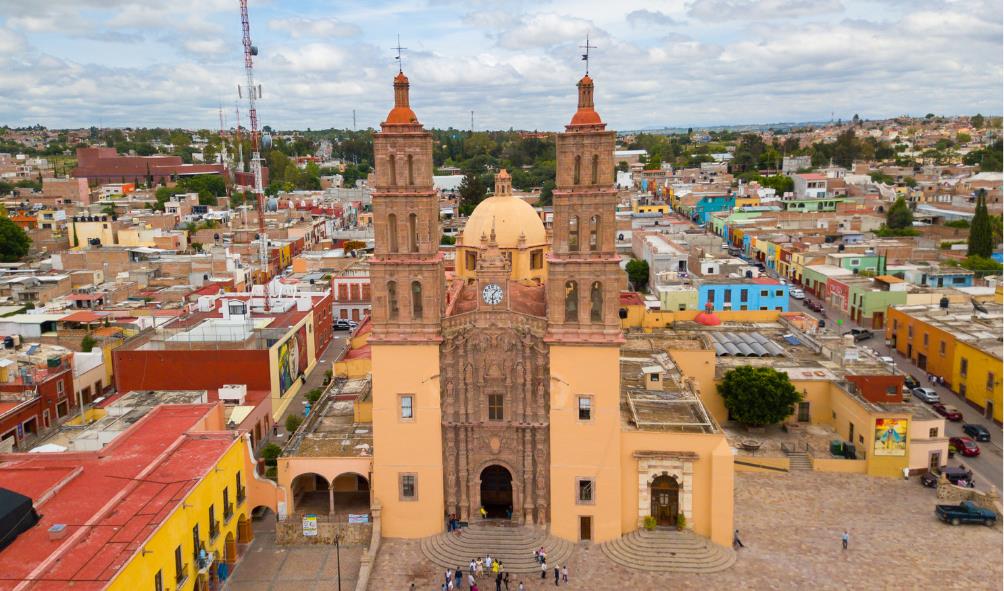
You'll also see growing technological advancements in education and healthcare. Schools are incorporating digital tools, helping students gain valuable skills you'll recognize in today's job market. Health facilities are being upgraded, providing better access to care that prioritizes community well-being.
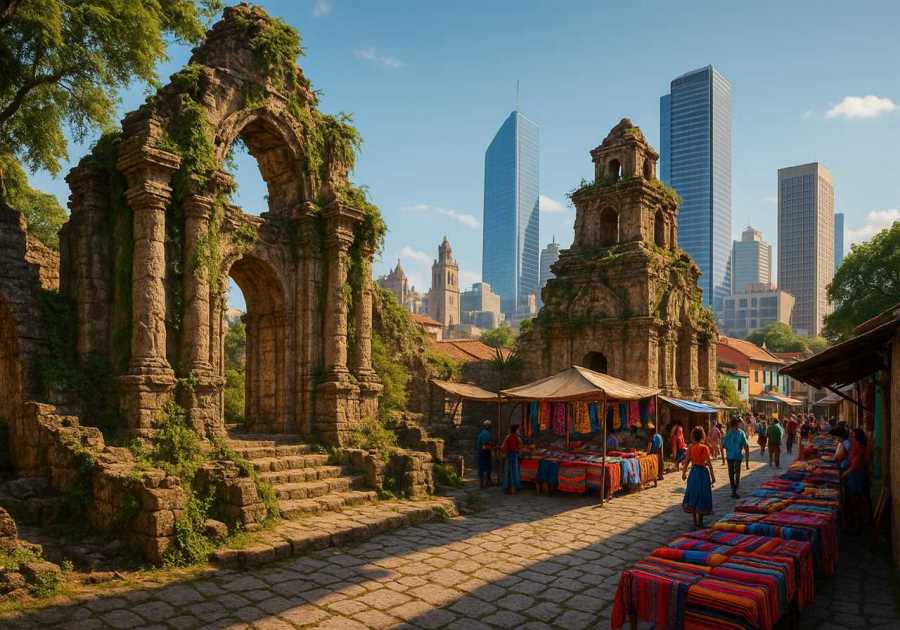
Moreover, Hidalgo's commitment to preserving its cultural traditions can't be overlooked. While you see new businesses popping up, local markets continue to thrive, showcasing artisans and their crafts. This blending of the old and new creates a vibrant atmosphere, making life in Hidalgo both dynamic and rich in heritage.
Additionally, community events focus on promoting sustainability and environmental awareness. Green spaces are becoming a priority, providing you with areas for recreation while fostering a sense of connection to nature.
All of these changes ensure that Hidalgo evolves, while still honoring the essence of what makes it unique.
Hidalgo Today and Its Future
Hidalgo stands at a crossroads today, blending its vibrant cultural heritage with the demands of a rapidly changing world.
You'll notice this fusion while exploring its lively markets, where traditional crafts meet modern innovations. The local artisans are adapting, using social media to reach broader audiences, showcasing their unique talents and products.
As you look ahead, the future of Hidalgo holds both promise and challenges. Urbanization is expanding, and with it, the need for sustainable development becomes more pressing.
You can see this in the community's push towards eco-friendly practices and preserving natural resources while fostering economic growth.
Education and technology are also taking center stage. Schools are focusing on equipping students with digital skills, ensuring they're ready for the evolving job market.
You'll likely witness initiatives that emphasize entrepreneurship and innovative thinking, which empower the younger generations.
Conclusion
In exploring the history of Hidalgo, you uncover a tapestry woven from ancient civilizations, colonial struggles, and vibrant traditions. This rich heritage shapes the identity of the region today, blending indigenous and Spanish influences into a unique cultural landscape. As you look to the future, you'll find Hidalgo continuing to celebrate its past while embracing modern developments. The spirit of resilience and unity lives on, promising a vibrant future for its people and culture.
Statistics
- By the early 20th century, Hidalgo's mining industry contributed to 30% of Mexico's total silver production.
- Hidalgo played a pivotal role in the Mexican War of Independence, with approximately 15% of its population actively participating in the movement.
- The Battle of Puebla, fought on May 5, 1862, in Hidalgo, involved approximately 6,000 Mexican soldiers against 8,000 French troops.
- The population of Hidalgo grew from 800,000 in 1950 to over 3 million by 2020, reflecting significant demographic changes.
External Links
- Gobierno de Hidalgo. Official government site offering detailed information on the state's history and heritage.
- INEGI: National Institute of Statistics and Geography. Features historical demographic and geographic data related to Hidalgo.
- Historia de los Mexicanos: Hidalgo. Details the indigenous and colonial history of the Hidalgo region.
- Britannica: Hidalgo State. In-depth analysis of Hidalgo's historical background and cultural significance.
How To Appreciate Hidalgo's Cultural Heritage
Appreciating Hidalgo's cultural heritage involves engaging with its diverse traditions, arts, and historical practices. Start by exploring the region's festivals, such as the Day of the Dead celebrations, which showcase unique local customs and rituals. Visit cultural institutions like museums and galleries to view traditional crafts, artwork, and historical artifacts. Learn about the architectural styles prevalent in Hidalgo, including neoclassical and colonial influences, by touring significant buildings and structures. Participate in local workshops or cultural events that highlight Hidalgo's music, dance, and culinary traditions. Additionally, reading literature and historical accounts from Hidalgo can provide deeper insights into its cultural evolution. By immersing yourself in these activities, you can develop a profound appreciation for the rich cultural tapestry that defines Hidalgo.
Immerse Yourself in Hidalgo's Historical Stories
Hidalgo's history is filled with engaging stories that reveal the heart of this unique region. From significant battles to cultural developments, each narrative offers valuable insights. Visit Escape to Mexico Now for more related articles on Mexico's history, and continue your learning journey.