.png)
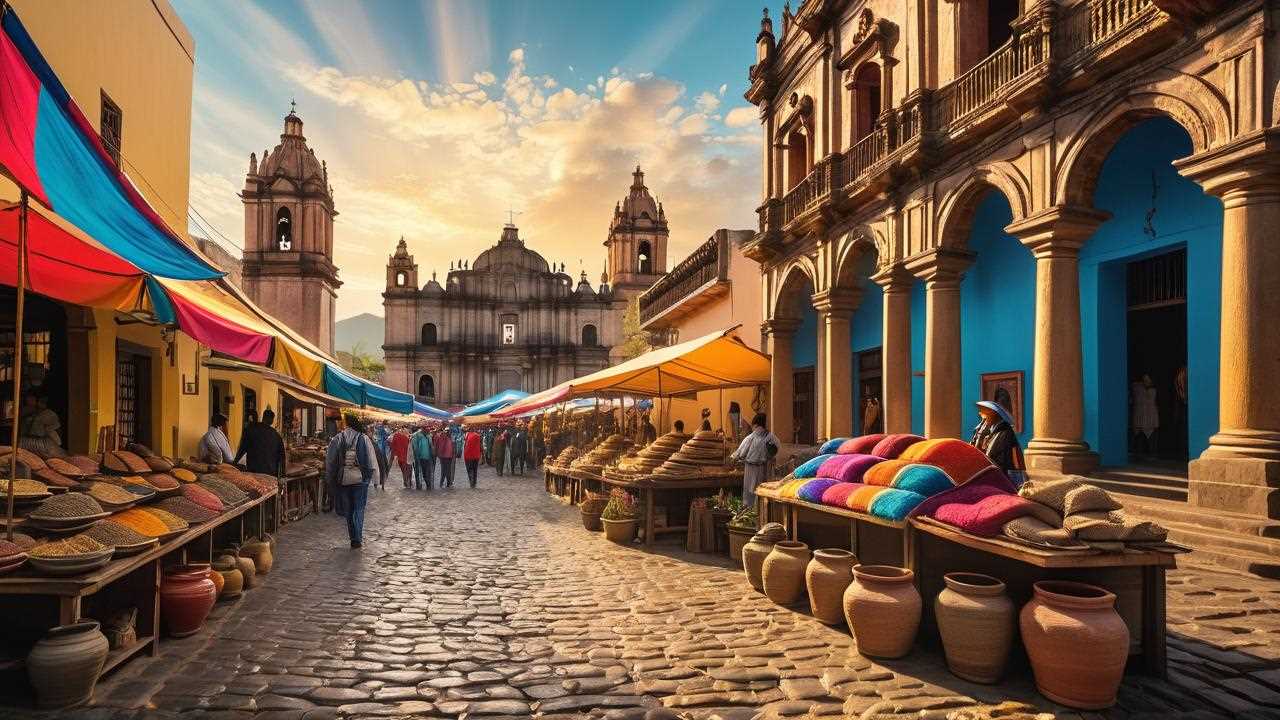
You might not realize how deeply Jalisco's history is woven with the threads of its indigenous roots and the impact of Spanish colonization. As you explore this journey, you'll uncover how the founding of Guadalajara in 1542 became a pivotal moment, shaping commerce and culture in the region. The vibrant echoes of mariachi and traditional cuisine further highlight Jalisco's unique contributions. What you may find intriguing is how these historical shifts laid the groundwork for the state's role in pivotal events like the Mexican Revolution, influencing both its identity and legacy. What does that legacy look like today?
Indigenous Civilizations
Indigenous civilizations in Jalisco thrived long before Spanish contact, showcasing a vibrant tapestry of cultures and traditions.
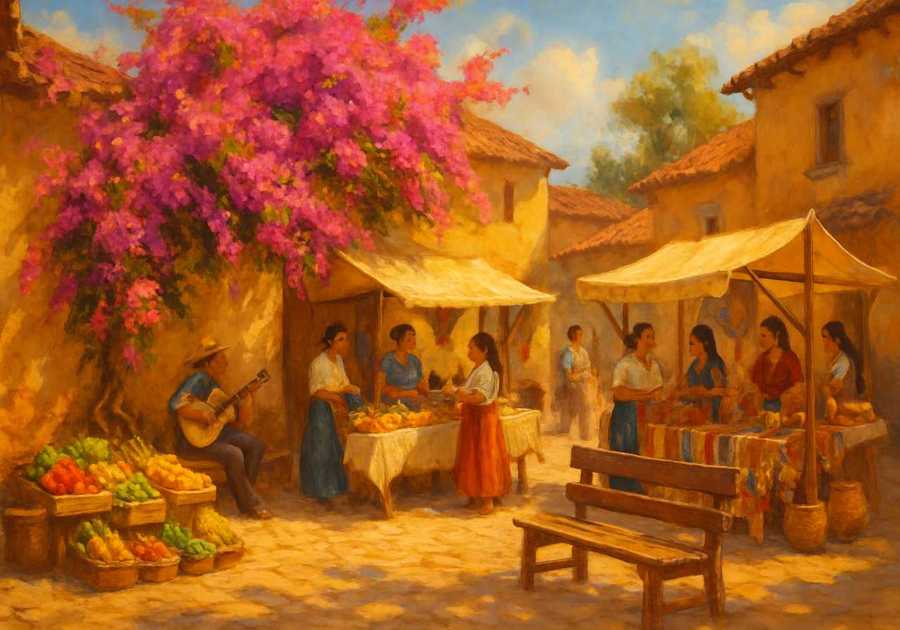
You'd discover that groups like the Cuyuteco, Purepecha, and Nahua flourished in this region, each contributing uniquely to its cultural landscape. Their sophisticated societies developed agriculture, using advanced techniques to cultivate maize, beans, and squash. You can imagine the bustling markets where they traded goods, reflecting their economic prowess.
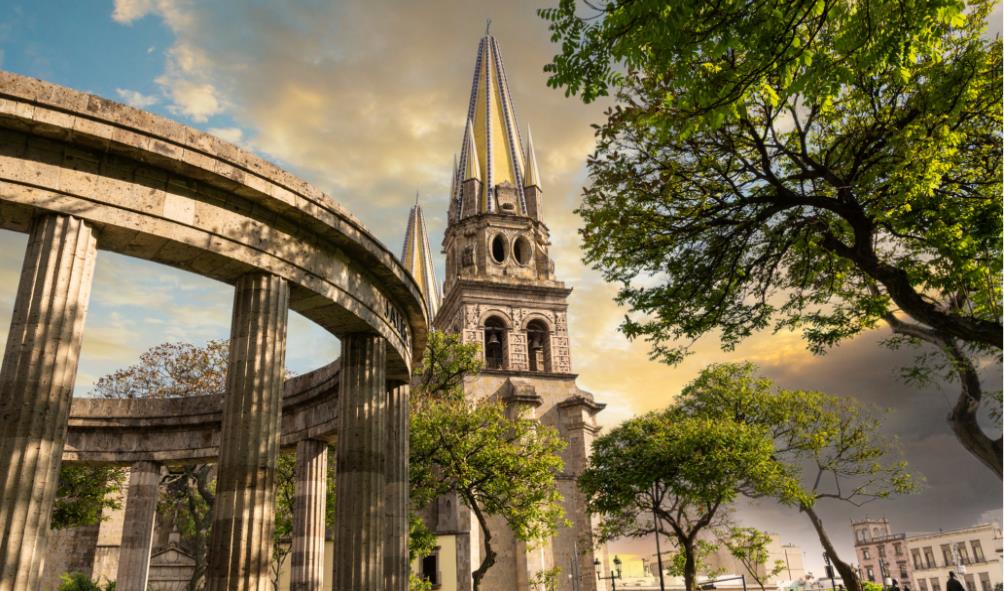
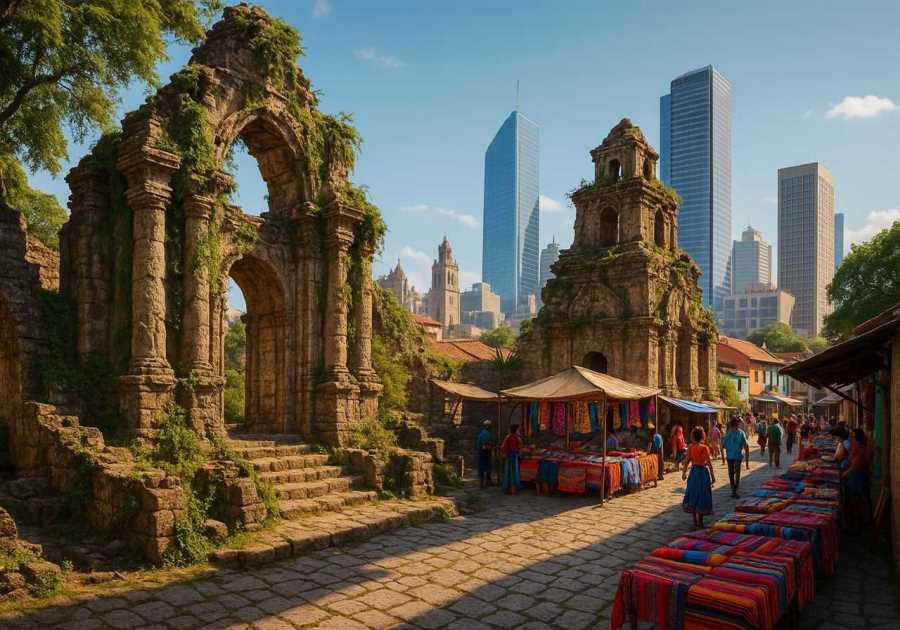
As you explore the architecture of ancient towns, you'd see remnants of ceremonial centers and pyramids, hinting at their spiritual beliefs and rituals. They honored various deities, integrating religion deeply into daily life, which you'd find fascinating.
Social structures were intricate, often centered around kinship ties that fostered community bonds. Artisans crafted beautiful pottery and textiles, showcasing skills passed down through generations.
If you were to visit today, you'd still encounter echoes of these traditions in local crafts and celebrations. It's remarkable how these civilizations laid the groundwork for the region's identity, influencing cuisine, language, and customs that persist even now. A deep respect for their history can enhance your understanding of modern Jalisco and its rich cultural heritage.
Spanish Colonization
Spanish colonization dramatically transformed Jalisco in the early 16th century. When the Spanish arrived, they encountered diverse indigenous groups, including the Nahua and the Huichol. You'll find that the colonizers quickly imposed their culture, religion, and political systems.
The Spanish sought gold, silver, and fertile lands, which led to the establishment of small settlements. Once Hernán Cortés and his men explored the region, they initiated conquests that dismantled indigenous governance.
You may notice how the introduction of Catholicism altered local beliefs and practices. Missions became crucial as they aimed to convert the indigenous people and integrate them into colonial society.
Spanish colonization also redirected agriculture, introducing crops like wheat and new farming techniques. These changes drastically affected local economies and social structures, resulting in significant demographic shifts.
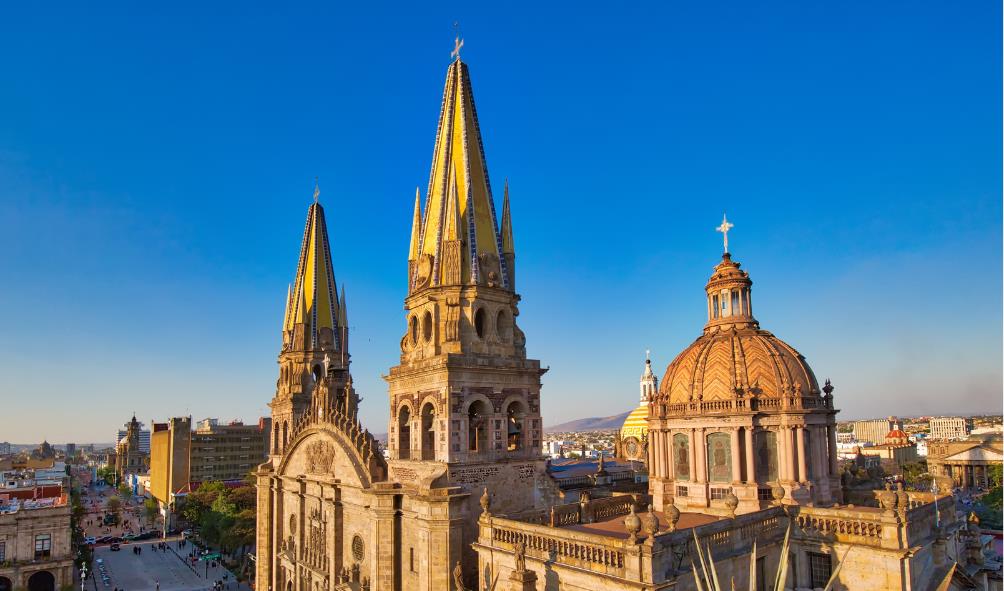
You'll see that the Spanish also created a new ruling class, often sidelining the indigenous population in favor of European settlers. As you explore the region today, you'll recognize the lasting impact of this era through the blending of cultures, languages, and traditions still evident in Jalisco's communities.
This colonization period laid the groundwork for future developments in the region.
The Birth of Guadalajara
In the early 1540s, Guadalajara emerged as a vital colonial city in Jalisco, often positioned as a strategic hub for Spanish interests in the region.
You'll find that the city's foundation took place in 1542 when Spanish explorer Cristóbal de Oñate decided to establish a settlement near the shores of Lake Chapala. It was here that the blending of indigenous cultures with European ideologies started shaping the social fabric of Jalisco.
As you explore this era, you'll notice that Guadalajara's location allowed it to serve as a gateway for trade routes, connecting Mexico City with the western territories.
The city's layout reflected Spanish urban planning principles, emphasizing plazas and cathedrals. By the late 16th century, Guadalajara grew rapidly, becoming the capital of the New Galicia province.
Throughout its early years, you can see how the city became a melting pot, attracting settlers, merchants, and missionaries, which further enriched its culture.
The combination of agriculture and trade fueled economic growth, establishing Guadalajara as a bustling center.
As you delve into its history, you'll see how its vibrant atmosphere laid the groundwork for a thriving metropolis that continues to flourish today.
Jalisco in the Mexican Revolution
The Mexican Revolution, which began in 1910, marked a significant turning point for Jalisco, with the state playing a crucial role in the fight for social and land reforms.
As conflict erupted, Jalisco became a battleground for revolutionary leaders. You might know figures like José María Pino Suárez, who rallied support and pushed for changes that addressed the concerns of farmers and workers.
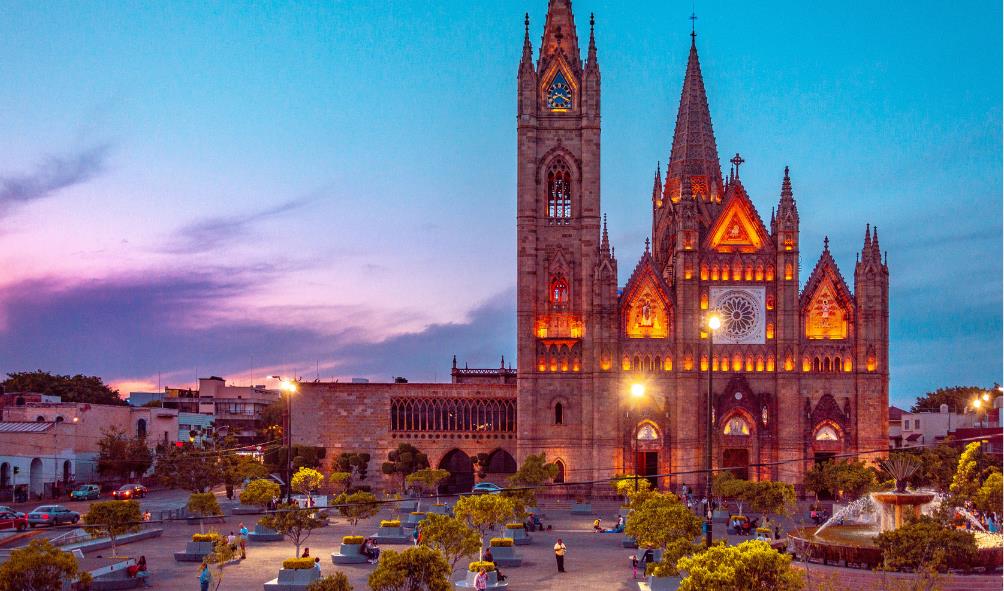
In 1914, Guadalajara witnessed intense military actions, as various factions vied for control within the region. Local leaders mobilized their communities to support the revolutionaries, promoting ideals of justice and equality.
The state's rich agricultural land made it a strategic area for various armies, compelling you to appreciate how it influenced both sides of the conflict.
Revolutionaries took action against oppressive landowners, altering the socio-economic structure, which had a lasting impact on Jalisco's landscape.
You'd notice the shift in priorities, as more focus turned towards addressing social injustices and land redistribution.
Cultural Contributions and Traditions
Jalisco's vibrant culture is a tapestry woven from its rich history, traditional practices, and artistic expressions. As you explore this Mexican state, you'll encounter the passion of mariachi music, which originated here and embodies the spirit of its people. The characteristic sound of trumpets, violins, and guitars fills the air, often marking celebrations and ceremonies.
You'll also appreciate the colorful artwork of Talavera pottery, a craft that has been passed down through generations. Each piece tells a story, reflecting a blend of indigenous and Spanish influences that define Jalisco's artistic identity.
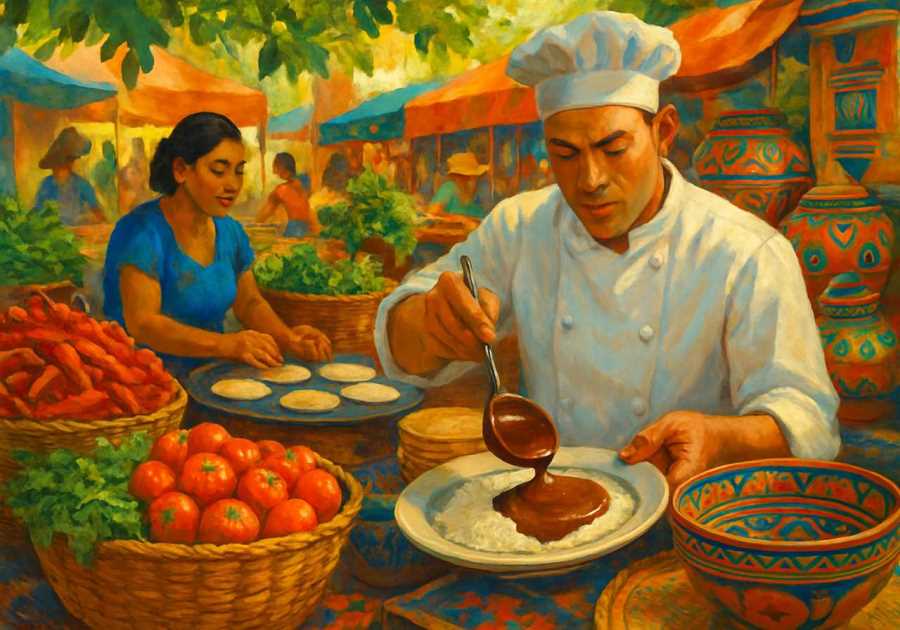
As you delve deeper, you'll likely discover the delicious local cuisine, featuring iconic dishes like birria and tortas ahogadas, which capture the essence of regional flavors.
Don't forget to immerse yourself in Jalisco's folk dances, such as the Jarabe Tapatío, which showcases the joy and vibrancy of its cultural roots.
You'll find that festivals, like the International Mariachi Festival, bring people together, celebrating these traditions. In each corner of Jalisco, you'll sense the pride its people take in their heritage, and you won't leave without feeling the warmth of their customs and traditions.
Modern Jalisco
All these elements make Jalisco a remarkable place to experience the fusion of heritage and modernity.
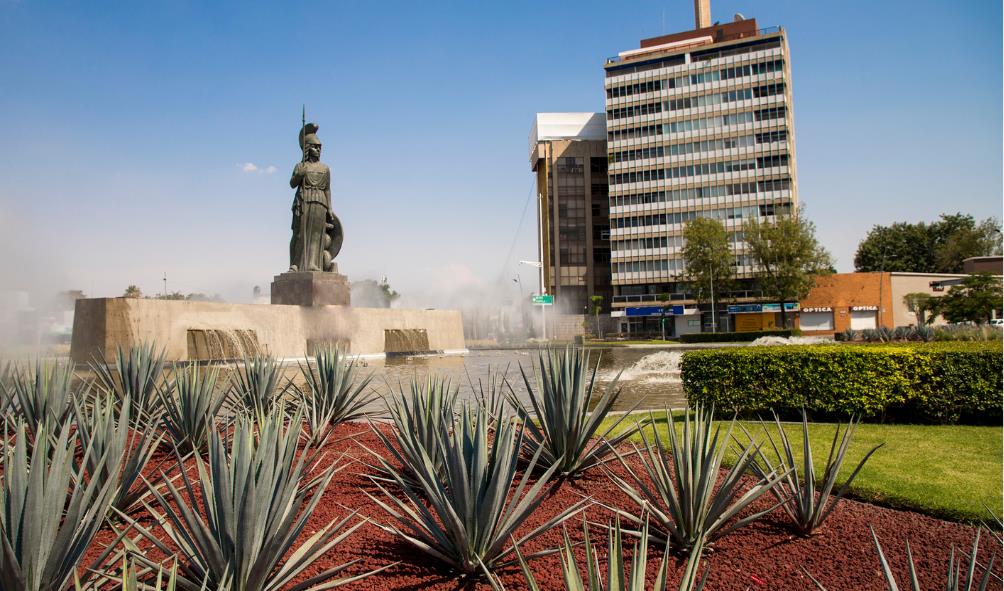
Whether you're immersed in vibrant city life or serene rural landscapes, modern Jalisco invites you to engage with its rich tapestry of cultures and opportunities.
Legacy and Influence
Rich in history and culture, Jalisco's legacy and influence extend far beyond its borders, shaping various aspects of Mexican identity. When you explore Jalisco, you'll notice how its rich traditions, like mariachi music and tequila production, have become symbols of Mexico itself. Each strum of a guitar or sip of tequila reflects the vibrant spirit of this region.
Moreover, Jalisco's culinary contributions, especially dishes like birria and pozole, are celebrated nationwide. You're likely to find these flavors on tables across Mexico, connecting the country through shared tastes.
In literature and art, Jalisco's influence is equally profound. Artists and writers from this region have captured the essence of Mexican life, merging local folklore with broader cultural narratives. You might read works from greats like José Clemente Orozco, whose murals convey deeper truths about society.
Even in politics, Jalisco has produced influential leaders and reformers. Their vision has helped shape Mexico's trajectory. As you delve into Jalisco's contributions, you'll appreciate how deeply intertwined the state is with Mexico's national identity, demonstrating that regional pride can resonate on a grand scale.
Conclusion
In conclusion, Jalisco's rich history is a vibrant tapestry woven from indigenous roots, colonial influences, and revolutionary spirit. You can see how each era shaped the state's culture, traditions, and identity. From the echoes of mariachi music to the flavors of its cuisine, Jalisco remains a vital part of Mexico's heritage. As you explore this dynamic state, you'll discover how its past continues to influence and inspire life today.
Statistics
- The city of Guadalajara, Jalisco’s capital, was founded in 1542 by Spanish conquistador Cristóbal de Oñate, marking over 480 years of history.
- The University of Guadalajara, established in 1791, is one of the oldest higher education institutions in Mexico, with a current student population exceeding 300,000.
- During the Mexican Revolution (1910-1920), Jalisco contributed approximately 20% of the revolutionaries, significantly influencing the outcome.
- Jalisco was officially established as one of the original 19 states of Mexico in 1823, shortly after the country gained independence.
External Links
- Enciclopedia de los Municipios de México: Jalisco Detailed articles on the municipalities and historical developments of Jalisco.
- History of Jalisco Explore the official government page detailing Jalisco's rich historical background.
- Historia de México: Jalisco A dedicated history portal focused on the historical events in Jalisco.
- Universidad de Guadalajara - History Department Academic resources and publications on Jalisco's history.
How To Research the History of Jalisco Effectively
To research the history of Jalisco, start by accessing reputable sources such as academic journals, history books, and official archives. Visit local libraries and universities in Jalisco, like the University of Guadalajara, which offer extensive historical collections. Online databases and digital libraries can provide valuable documents and records pertaining to Jalisco's past. Additionally, explore the resources available at the Museo de Jalisco, which holds artifacts and exhibits that reflect the region’s heritage. Interviewing historians or attending lectures can offer deeper insights. Organize your findings chronologically or thematically to understand the key events and developments that shaped Jalisco over the centuries.
Experience the Rich Culture of Mexico
Mexico is a land of rich traditions and diverse cultures. Whether you're interested in exploring the colorful festivals, engaging with local artisans, or learning about the country's fascinating history, Mexico offers endless opportunities for cultural enrichment. With its warm hospitality and vibrant communities, you'll feel right at home. Start planning your cultural journey today by visiting escapetomexiconow.com and learn how you can experience the rich culture of Mexico firsthand.