.png)
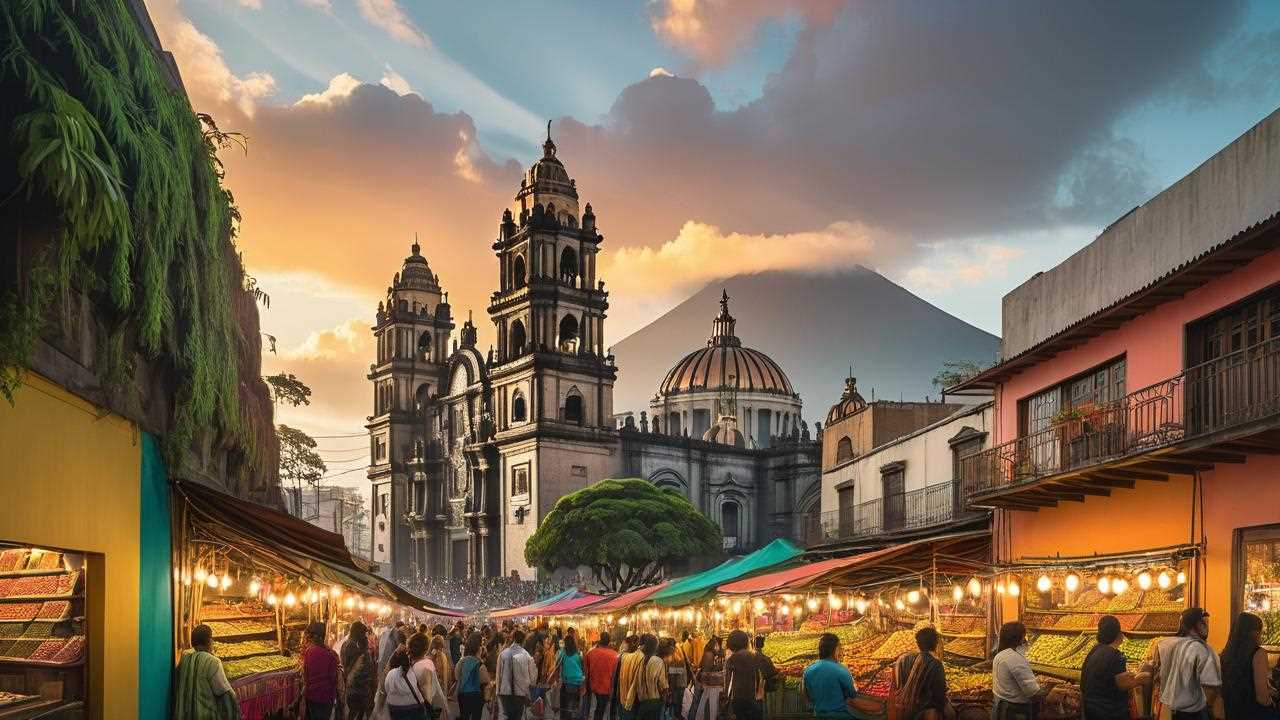
As you explore the history of Mexico City, you'll uncover a narrative rich with transformations, beginning with its origins as Tenochtitlán, an engineering marvel of the Aztec civilization. This city wasn't just a political hub; it was a groundbreaking center for agriculture and culture. However, its story takes a dramatic turn with the arrival of Spanish conquerors. The implications of this shift ripple through centuries, leading to the Mexico City you see today. What challenges and triumphs shaped its current identity?
Origins of Tenochtitlan
Nestled on an island in the middle of Lake Texcoco, Tenochtitlan was founded around 1325 by the Mexica people, who eventually became known as the Aztecs. You'd find that this location wasn't just random; it offered strategic advantages for trade and defense. The Mexica chose this spot after following a prophecy about an eagle perched on a cactus, devouring a serpent.
As you explore Tenochtitlan's origins, you'll notice its impressive engineering feats. The Mexica constructed chinampas, or floating gardens, to maximize agricultural productivity. This method allowed them to create fertile land in an otherwise challenging environment.
You'll also appreciate the intricate canals and causeways that facilitated transport and communication. The city quickly grew into a bustling metropolis, with a population that could reach over 200,000 people at its peak.
As you wander through Tenochtitlan, you'll see structures like the Templo Mayor, which held immense religious significance. The Mexica people built their society on the principles of warfare, trade, and tribute, laying the groundwork for what would become one of the largest and most influential cities in Mesoamerica.
The Aztec Empire's Influence
The Aztec Empire emerged as a powerful force in Mesoamerica, profoundly shaping the region's politics, economy, and culture. As you explore the legacy of this civilization, you'll notice how its influence permeates modern Mexico City.
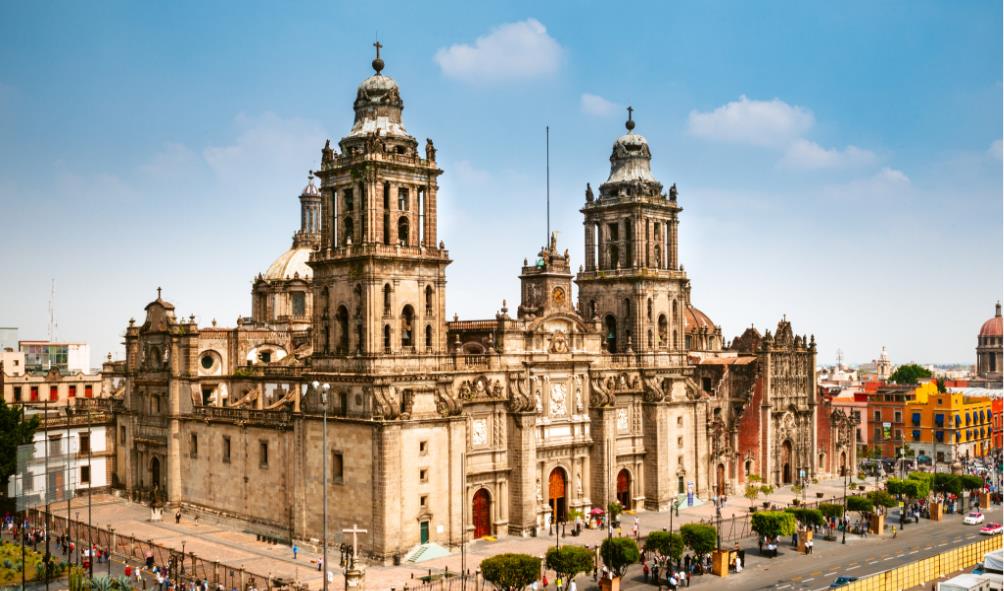
The Aztecs established complex urban centers, with Tenochtitlán as the beating heart. The intricate designs of their temples and marketplaces laid the groundwork for urban planning that still echoes today.
Their social structure, with its emphasis on class and specialization, fostered a vibrant culture where art, music, and religion thrived. You can see this rich tapestry in today's festivals and artistic expressions, reminding you of the Aztec's creative spirit.
Economically, the Aztecs developed advanced agricultural techniques, including the chinampas or floating gardens, which revolutionized food production. When you look at contemporary agriculture, you'll find traces of these innovations in modern farming methods.
Politically, the empire demonstrated the power dynamics of centralized governance, which still resonate in Mexico's political landscape. As you walk through the city, you'll encounter monuments and remnants that tell the story of a civilization that continues to shape your experience there.
Embrace the depth of this lasting influence as you explore.
Spanish Conquest and Colonization
When Hernán Cortés led the Spanish expedition that ultimately toppled the Aztec Empire in 1521, he ignited a period of profound transformation for Mexico City.
You'll find that this conquest marked the transition from an indigenous stronghold to a Spanish colonial capital. Cortés, driven by ambition and the allure of wealth, utilized both military strategy and alliances with rival tribes to dismantle the Aztecs' power.
As you explore this era, you'll notice how Cortés established the city of Tenochtitlán as the centerpiece of Spanish rule. The conquest led to the systematic dismantling of Aztec religious sites and institutions, rapidly replaced by Spanish governance and Catholicism.
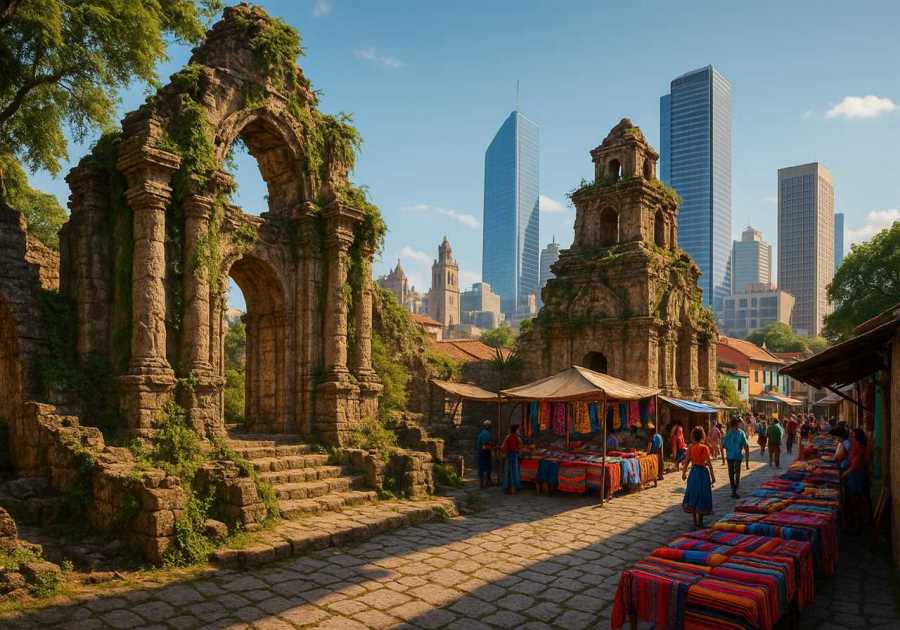
The Spaniards built their urban landscape over the ruins of the Aztec city, marking both a literal and symbolic erasure of the indigenous legacy.
You can see that the arrival of the Spanish fundamentally changed the demographic, cultural, and social fabrics of Mexico City.
This period also triggered the introduction of new crops, livestock, and European customs, forever reshaping the region. The blending of cultures would set the stage for the complex identity that modern Mexico City embodies today.
Colonial Era Developments
After the fall of the Aztec Empire, Mexico City rapidly evolved during the colonial era, transforming into a vital hub of Spanish influence in the region. You'd notice it as the city became the seat of the viceroyalty, which managed much of New Spain.
The Spanish constructed impressive churches, palaces, and infrastructure, reshaping the urban landscape. You'd feel the blend of indigenous and Spanish cultures through the creation of markets, colonial art, and baroque architecture.
As trade flourished, the city became a crucial economic center, connecting Spain with its colonies. You'd see the influence of Spanish customs, language, and religion seeping into daily life, as Catholicism spread rapidly, evident in the numerous convents and churches that sprang up.
The population grew, bringing together diverse groups, including Spaniards, indigenous peoples, and enslaved Africans. You can imagine the vibrant social life that developed, with festivals and cultural exchanges enriching the atmosphere.
However, the era also witnessed social stratification, as class distinctions became pronounced.
Independence Movement
How did Mexico City become a focal point in the struggle for independence from Spanish rule? You'll find that its strategic location and political importance made it a natural hub for revolutionary activities. The cry for independence began in 1810, led by Miguel Hidalgo, who rallied locals in the nearby town of Dolores. As news spread, Mexico City drew thousands eager to join the fight against colonial oppression.
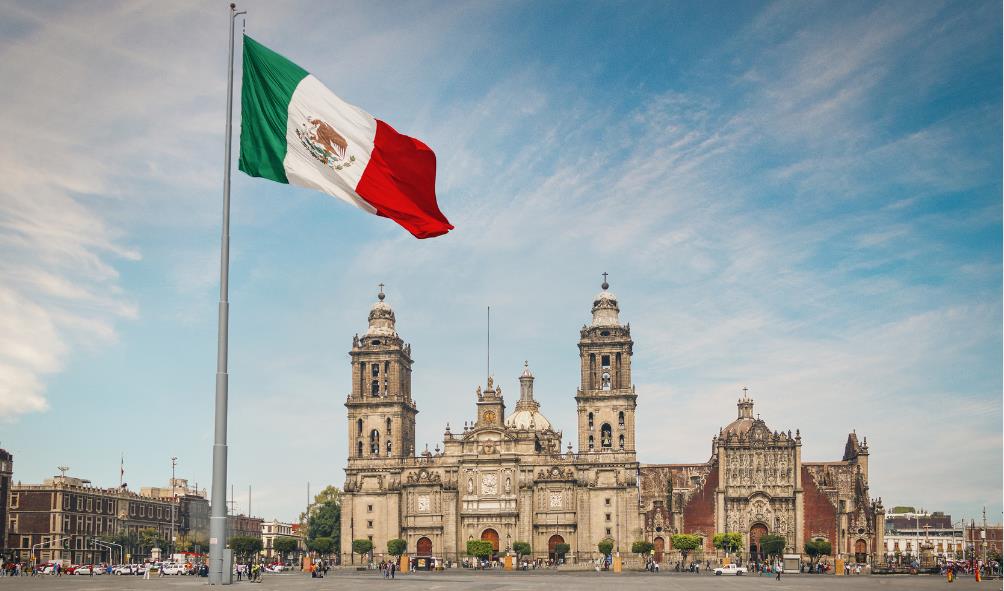
The city became the heart of revolutionary ideas and efforts, with key events like the Battle of Monte de las Cruces unfolding nearby. You could sense the fervor in the air as insurgents and supporters filled the streets, demanding justice and freedom.
By 1812, the rebel forces, despite facing challenges, occupied parts of the city, showcasing their commitment to the cause. Throughout the movement, intellectuals and everyday citizens united, voicing their discontent against Spanish authorities.
The city's significance grew as it acted as both a sanctuary and a battleground, hosting pivotal meetings and strategies. In short, Mexico City wasn't just a backdrop but a driving force that galvanized the independence movement, steering the nation toward the eventual liberation from Spanish rule in 1821.
19th Century Transformations
Amid the sweeping changes of the 19th century, Mexico City transformed dramatically as it adapted to the pressures of modernization and political upheaval.
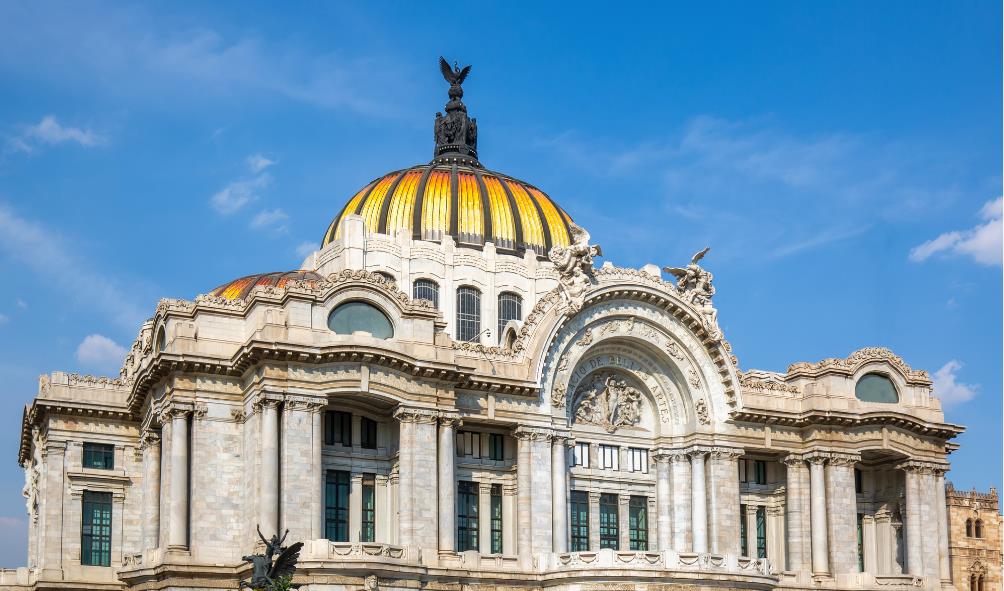
You'd witness the expansion of infrastructure, including new roads, railways, and telegraph lines, making the city more connected than ever before. As a result, commerce flourished, bringing diverse goods and ideas from around the world.
Architectural innovations emerged in your surroundings, showcasing grand buildings that reflected a blend of styles, from neoclassical to French influences. The city's population surged, leading to bustling streets filled with vibrant commerce and cultural exchange.
You'd see a shift in social dynamics as the elites clashed with a rising middle class, pushing for reforms and greater representation. In education, new institutions sprang up, promoting scientific and artistic advancements, which also influenced the cultural identity of the city.
The political landscape remained fraught, with shifting power dynamics creating tension in your community. As the government grappled with internal strife and external pressures, Mexico City proved to be a resilient epicenter of change, embodying the challenges and aspirations of a nation on the brink of its next chapter.
Revolution and Turmoil
The late 19th and early 20th centuries thrust Mexico City into a period marked by revolution and profound turmoil. You'd witness escalating social unrest fueled by centuries of inequality, land disputes, and oppression. The ruling regime, feeling threatened, intensified its control over the populace, provoking further dissent.
As the Mexican Revolution broke out in 1910, you'd find yourself among the crowds demanding change. Leaders like Francisco I. Madero rallied support, promising democracy and justice. Revolutionary fervor swept through the city, with battles erupting and factions clashing, each vying for power. The once-opulent streets became battlegrounds, and fear mingled with hope as citizens stood up against tyranny.
In this chaotic environment, families were torn apart, and daily life was disrupted. You'd notice the rise of new political ideals, challenging the long-standing structures of society. The Revolution led to significant shifts in land ownership and social policies, with the aftermath leaving deep scars.
As you navigate through this turbulent time, the resilience of the people becomes clear. Their struggles highlight the relentless pursuit of a better future amidst the chaos, shaping the destiny of Mexico City for generations to come.
Modernization in the 20th Century
As you step into the 20th century, Mexico City transforms before your eyes, undergoing a remarkable modernization fueled by industrial growth and urban planning.
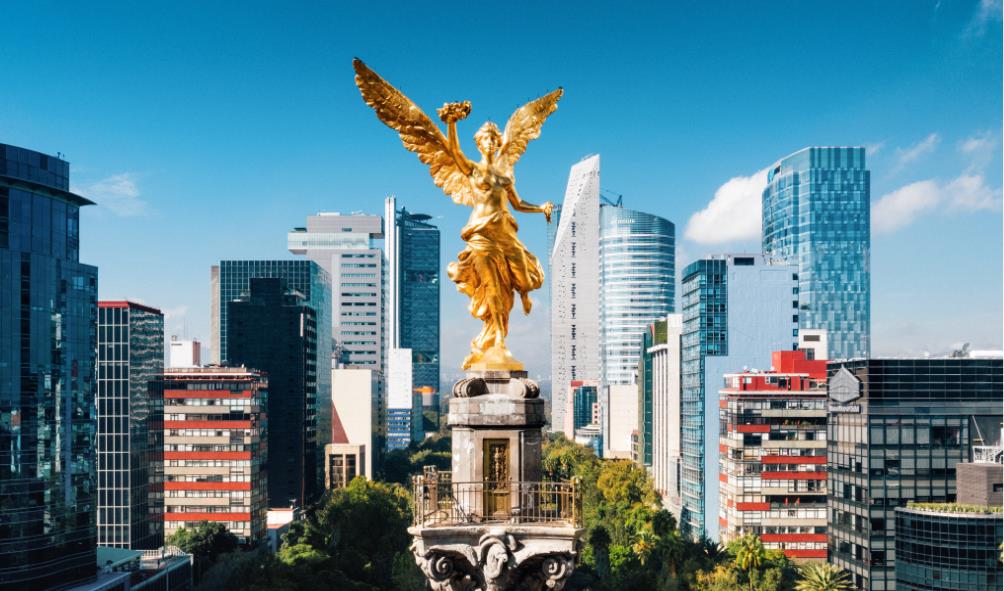
You'll notice a burgeoning economy driven by factories and new technologies. The city expands rapidly, attracting workers from rural areas, which breathes life into its neighborhoods.
You see the rise of infrastructure: roads, bridges, and railways connect various parts of the city, facilitating trade and mobility. The introduction of electric streetcars and the establishment of telecommunications revolutionize daily life for residents.
You'll begin to appreciate how these advancements create a bustling urban atmosphere, making Mexico City a hub of opportunity.
In the 1920s and 1930s, impressive architectural projects emerged—art deco buildings and government offices symbolized progress and national identity.
Public spaces are designed to promote civic pride, offering parks and plazas where citizens gather.
Despite the upbeat progress, challenges arise, such as overcrowding and pollution.
Yet, the spirit of innovation perseveres, reshaping Mexico City into a modern metropolis.
You can't help but feel the dynamic energy pulsating through the streets, a testament to the city's relentless pursuit of transformation.
Cultural Significance Today
Celebrating its rich tapestry of history and diversity, Mexico City stands today as a cultural powerhouse that influences art, music, and cuisine globally.
You're likely to discover vibrant murals painted by talented local artists, which reflect the city's deep-rooted heritage and social issues. The annual festival of Día de Muertos showcases the city's commitment to honoring traditions while simultaneously embracing modernity.
When you explore its world-class museums, like the Museo Frida Kahlo or Museo Nacional de Antropología, you're immersing yourself in narratives that shape Mexican identity.
The city's lively music scene, ranging from traditional mariachi to contemporary indie rock, invites you to experience a spectrum of sounds that resonate with locals and tourists alike.
Culinary creativity thrives here as well, with street food markets offering tantalizing tastes of tacos and tamales, alongside fine dining establishments that showcase innovative interpretations of traditional recipes.
Each bite tells a story, connecting you to the rich cultural heritage of the area.
In short, Mexico City's cultural significance today lies in its ability to seamlessly weave the past into the present, inviting you to engage, explore, and celebrate its vibrant spirit.
Conclusion
Mexico City's rich history, from its origins as Tenochtitlán to its rise as a cultural and economic hub, showcases the resilience and adaptability of its people. You've explored how the city evolved through conquests, revolutions, and modernization, shaping its unique identity. Today, as you walk its streets, you can feel the echoes of its past while witnessing its vibrant present. Mexico City isn't just a location; it's a testament to centuries of history and cultural richness that continue to thrive.
Statistics
- The city has been rebuilt multiple times due to major earthquakes, notably the devastating 1985 Mexico City earthquake which resulted in over 10,000 fatalities.
- As of 2020, Mexico City has an estimated population of approximately 9 million within its administrative limits, and over 21 million in its metropolitan area.
- The Aztec city of Tenochtitlan, upon which Mexico City was built, was established in 1325.
- Mexico City hosted the 1968 Summer Olympics, which was the first time the event was held in Latin America.
External Links
- National Geographic: Mexico City History – Narrates the historical journey of Mexico City.
- Britannica: Mexico City – Provides a comprehensive overview of the historical development and significance of Mexico City.
- History.com: Mexico City – Explores key events that have shaped the history of Mexico City.
- BBC: History of Mexico City – Analyzes the historical development of Mexico City.
How To Study the Impact of Natural Disasters on Mexico City
Focus on significant earthquakes, particularly the devastating 1985 event, to understand their effects on the city's infrastructure and population. Analyze government responses and rebuilding efforts that followed, highlighting advances in urban planning and construction standards. Explore personal accounts and media coverage from these events to grasp their social and cultural impact. This approach will reveal how natural disasters have shaped the resilience and development of Mexico City.
Appreciate Mexico City’s Role in Modern History
In recent decades, Mexico City has been at the forefront of significant political, social, and economic changes. Its role in national movements, international relations, and cultural innovations highlights its importance in modern history. Understanding these contributions provides a comprehensive view of Mexico City's impact on both the country and the world. For more information and related articles, visit Escape to Mexico Now.