.png)
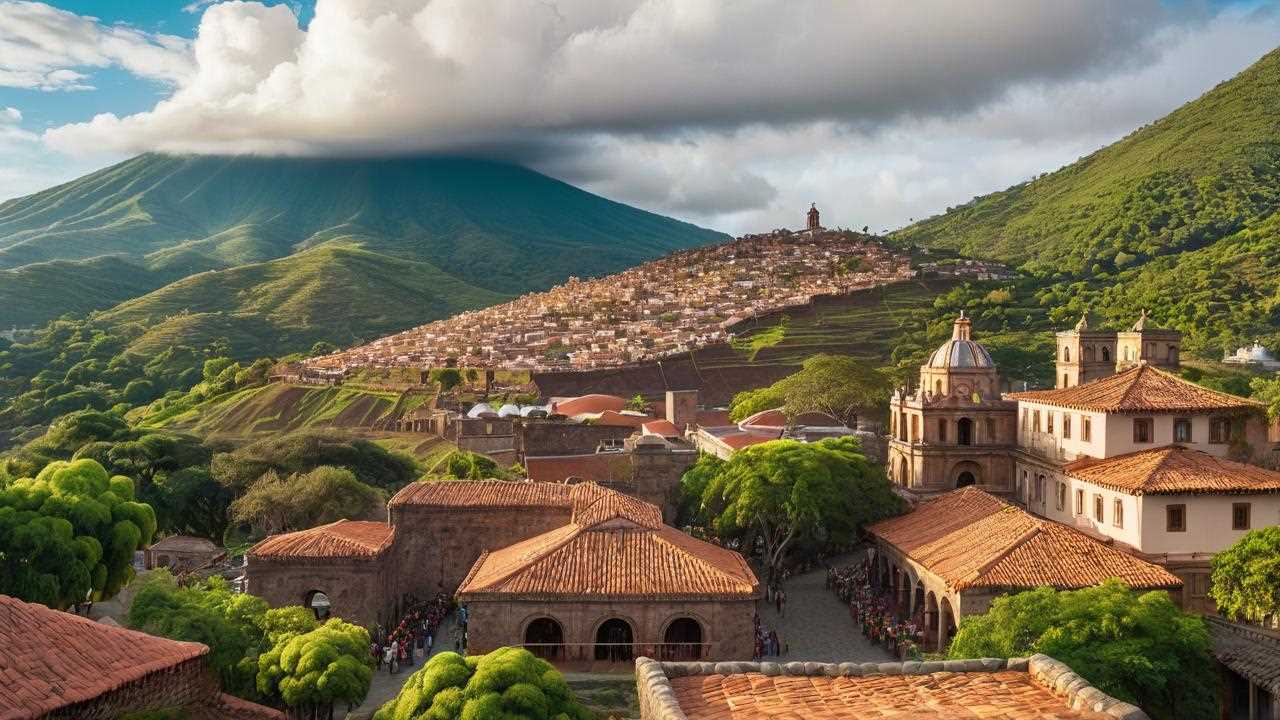
When you explore the history of Michoacán de Ocampo, you'll encounter a tapestry woven from its indigenous Purépecha roots and the complexities of Spanish colonization. This region's struggle for identity is marked by resistance and upheaval, particularly during the Mexican Revolution, as communities fought for justice and land. Today, you can still see echoes of this history in the vibrant traditions and cultural practices that define Michoacán. But what are the intricate connections between past and present that shape its unique identity?
Ancient Civilizations of Michoacán
Michoacán, a region rich in history, was once home to several ancient civilizations that thrived long before European contact. As you explore this area, you'll encounter the Purépecha people, who established a powerful empire that showcased incredible craftsmanship and advanced social structures.
You'll notice their innovative agricultural techniques, including irrigation methods that transformed the landscape into a fertile land capable of supporting large populations.
When you visit archaeological sites like Tzintzuntzan, you can see the remnants of their impressive stone structures, including ceremonial platforms and the iconic yácatas—tiered, circular pyramid-like structures that served various religious purposes. These features offer a glimpse into their spiritual beliefs and communal life.
Moreover, the Purépecha were notable for their metallurgy, especially in working with copper. As you observe artifacts, you'll appreciate their skill at creating weapons and everyday items.
Additionally, trade routes linked Michoacán to other regions, aiding cultural exchange and economic growth.
The legacy of these ancient civilizations continues to influence the customs and traditions of modern Michoacán. By understanding their history, you gain a deeper appreciation for this rich cultural tapestry.
Spanish Conquest and Colonization
The arrival of Spanish explorers in the early 16th century marked a dramatic turning point in the history of the region. As you delve into this period, you'll notice that the Spanish, led by figures like Hernán Cortés, sought wealth and resources. They were drawn to Michoacán's rich landscapes and abundant resources, a land once thriving under the Purépecha civilization.
You'll see how the Spanish initially established friendly relations with local leaders, but their true intentions revolved around conquest and dominance. By employing tactics of manipulation, they gradually undermined the existing political structures.
You might find it interesting that while the Spanish imposed Christianity, they also exploited local labor through systems like encomienda, which disempowered the indigenous people.
As colonization progressed, the Spanish built towns and converted many natives to Christianity, destabilizing traditional practices. This shift reshaped Michoacán society and economy and set the stage for significant cultural transformations.
The Purépecha Resistance
Facing the onslaught of Spanish colonization, the Purépecha people displayed remarkable resilience and defiance. You'd witness their fierce resistance against the Spanish, which stemmed from a deep connection to their land and culture. Unlike other indigenous groups, the Purépecha, armed with their understanding of warfare, organized multiple uprisings to defend their territory.
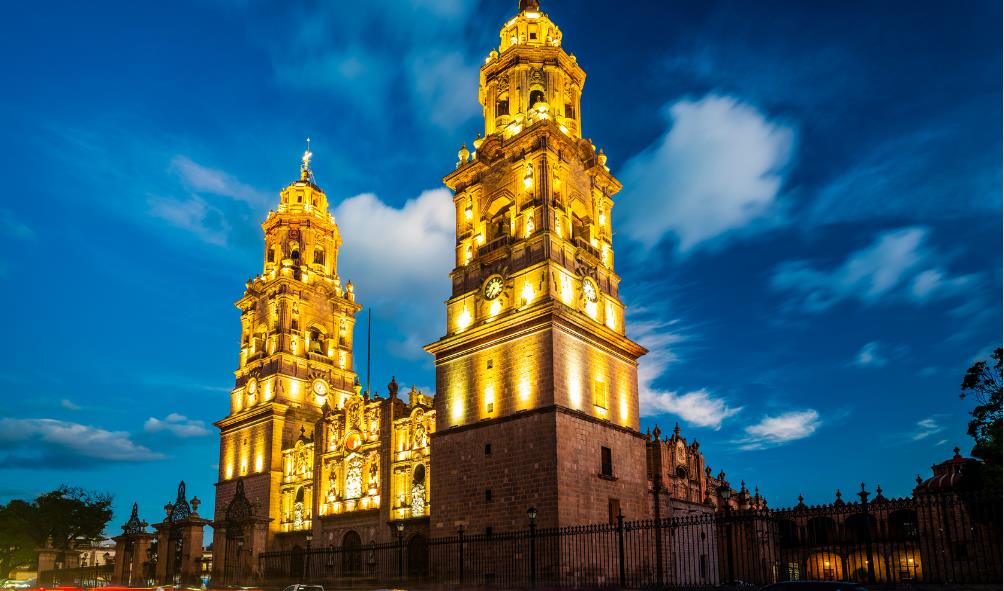
You would notice how their strategic approaches, such as forming alliances with other tribes, kept the Spanish invaders at bay for longer than they anticipated. Even when faced with overwhelming odds, the Purépecha continuously adapted their tactics. They utilized the rugged terrain of Michoacán to set ambushes and defend their villages.
One of the most notable events occurred in 1530, when the Purépecha launched a coordinated attack against the Spanish, showcasing their unity and determination. Although they faced eventual defeat, the Purépecha's acts of defiance didn't go unnoticed. Their fierce spirit motivated other indigenous groups to resist colonization as well.
You'll see that the Purépecha resistance not only shaped their identity but also laid the groundwork for future generations to reclaim their heritage amidst the overwhelming tide of Spanish colonial rule.
Michoacán in the Mexican Revolution
During the Mexican Revolution, Michoacán's strategic location and rich resources played a pivotal role in the conflict's unfolding. You'd find that various revolutionary leaders emerged from this region, each utilizing its agricultural wealth and network of towns to rally support. The state's fertile soil made it a key supplier of food, crucial for both revolutionary forces and federal troops.
As you explore the impact of the revolution in Michoacán, you'll see how local populations were deeply engaged in the fight. Many villagers joined armed groups, contributing to the revolutionary cause and demanding land reforms. The turmoil unleashed by the conflict often led to violence, as factions competed for control and resources.
You might also notice the presence of notable figures like Don José María Morelos, who inspired many and became a symbol of resistance. Throughout this era, towns like Pátzcuaro and Morelia became centers of revolutionary activity, witnessing fierce battles and strategic maneuvers.
Ultimately, Michoacán's commitment to the revolution reflected its people's desire for change and the quest for justice, shaping the course of history in both the state and the nation.
Cultural Heritage and Traditions
Discovering Michoacán's cultural heritage and traditions reveals a vibrant tapestry woven from its indigenous roots and colonial influences.
You'll find that the Purepecha, one of the prominent indigenous groups, play a significant role in shaping the region's identity. Their language, crafts, and customs are still evident today, particularly in the way they celebrate life through various festivals.
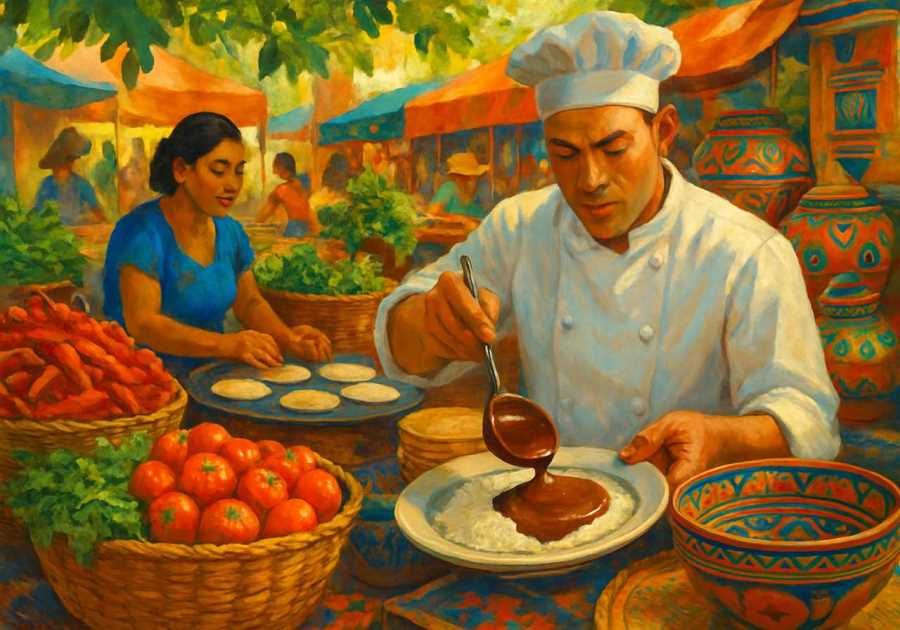
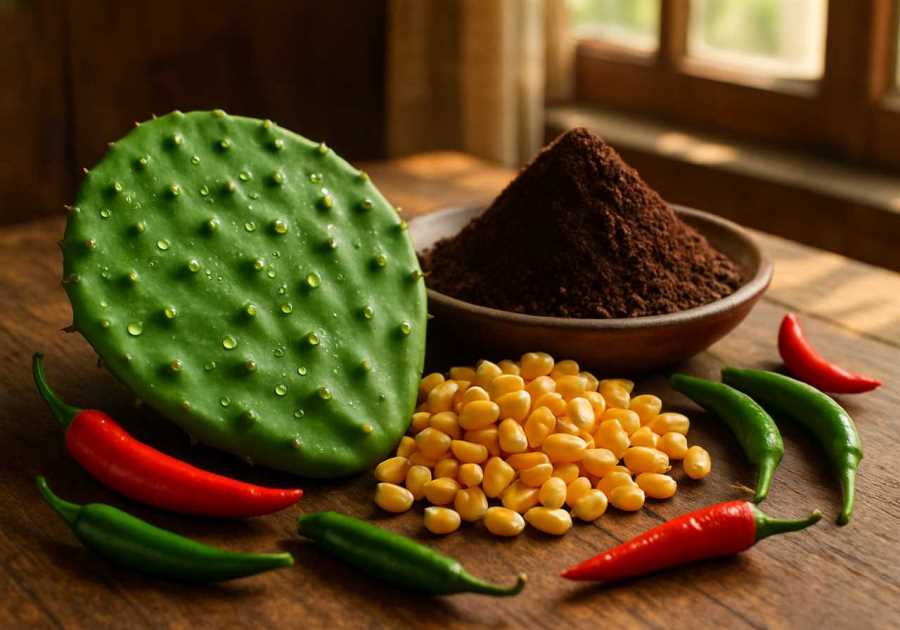
As you explore the culinary landscape, you can't miss the rich flavors of traditional dishes like carnitas, uchepos, and the iconic Morelia-style tacos. These foods reflect both indigenous and Spanish influences, creating a unique gastronomic experience.
Michoacán's festivals, like the Day of the Dead, showcase the deep connection to ancestry, where families honor their deceased with vibrant altars adorned with flowers, food, and photographs.
This tradition, celebrated with music and dance, helps strengthen community ties and cultural identity.
Artisans in the region preserve ancient techniques, from pottery to textile weaving, ensuring these crafts endure for generations.
Modern Michoacán and Its Identity
In the heart of modern Michoacán, a dynamic identity emerges, blending tradition with contemporary influences. You'll notice how the rich cultural tapestry of the state reflects a vibrant mix of Indigenous roots, Spanish heritage, and modern life.
Festivals like the Día de los Muertos demonstrate how these elements coexist, drawing visitors from all over the world.
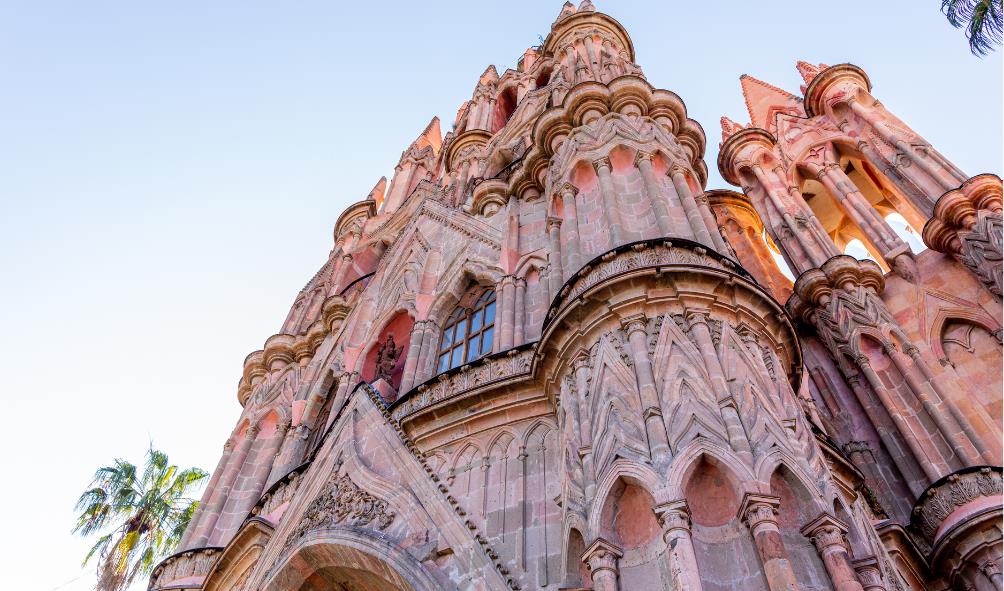
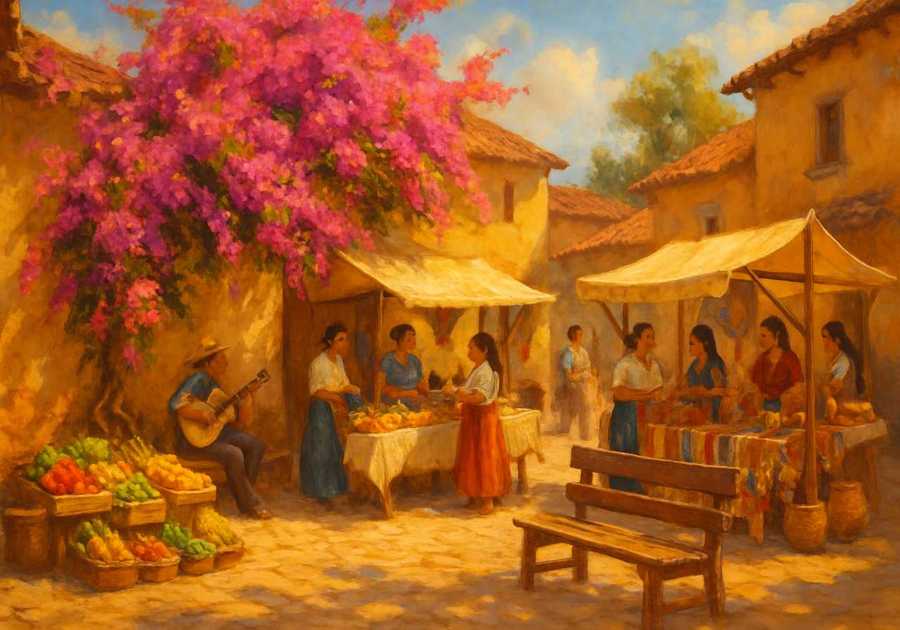
You might wander through bustling markets where artisans showcase their handcrafted goods, reminiscent of ancient techniques but often infused with modern aesthetics. Street vendors serve traditional dishes like uchepos and carnitas, each bite grounding you in the region's culinary legacy while introducing new flavors that evolve with time.
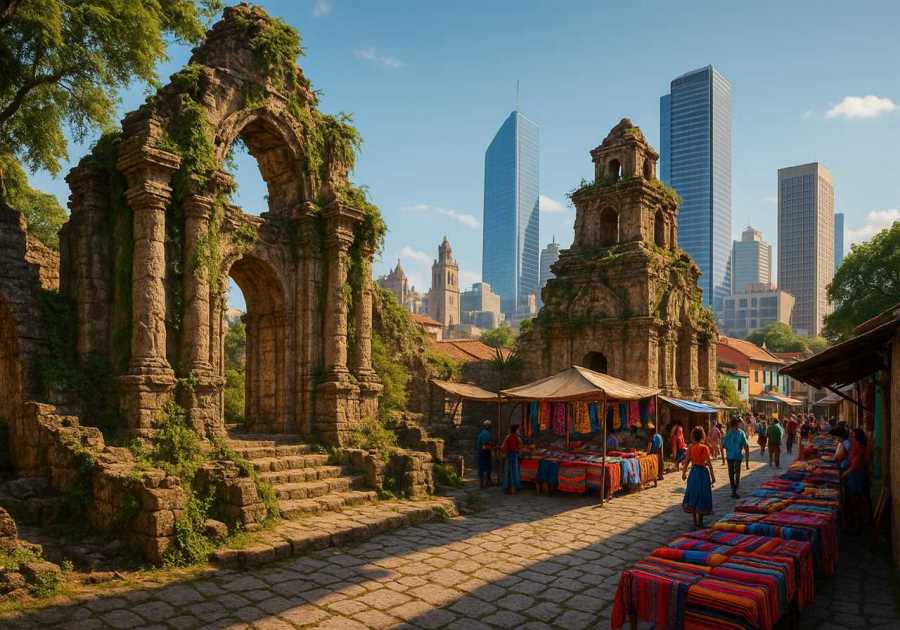
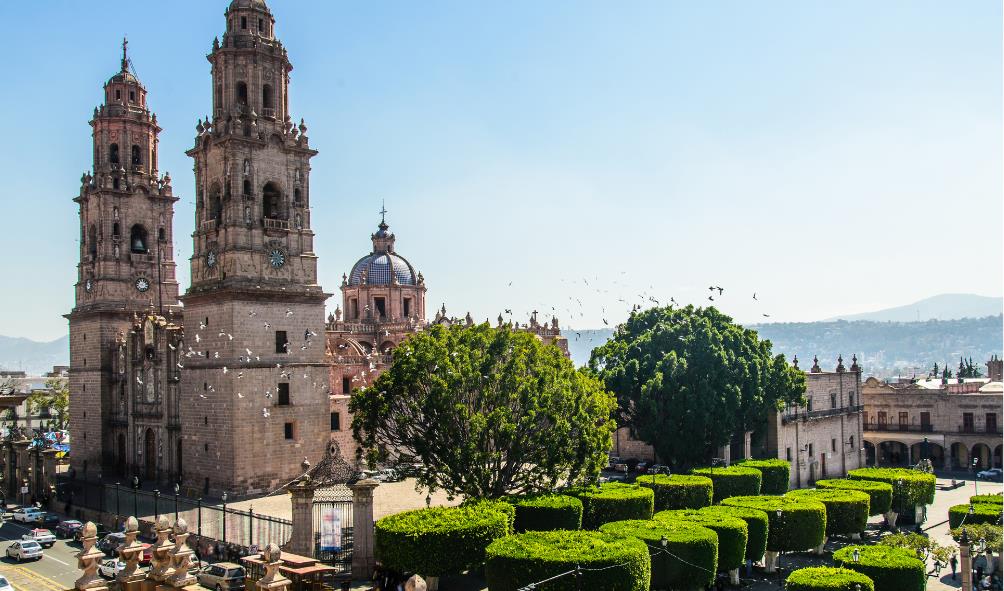
In cities like Morelia, you can see historic architecture alongside contemporary galleries and cafes, illustrating a landscape that honors its past while looking toward the future. Community initiatives focus on preserving cultural traditions while also embracing innovation.
Michoacán's identity isn't static; it's a living testament to the adaptive spirit of its people. As you explore this region, you'll witness a place where history and modernity dance together, crafting a unique narrative that's both familiar and refreshingly new.
Enjoy being part of this colorful journey.
Conclusion
In exploring the history of Michoacán de Ocampo, you uncover a vibrant tapestry woven from the threads of indigenous traditions and colonial encounters. The resilience of the Purépecha people during times of conquest and revolution showcases their enduring spirit. Today, as you experience its rich cultural heritage, you'll appreciate how this region's past continues to shape its identity. Embrace the blend of history, art, and cuisine that makes Michoacán a unique and captivating part of Mexico.
Statistics
- The capital city, Morelia, founded in 1541, achieved UNESCO World Heritage status in 1991.
- Michoacán de Ocampo was established in 1536, marking it as one of Mexico's earliest colonial settlements.
- By the early 2000s, Michoacán accounted for approximately 15% of Mexico's artisanal craft exports.
- In the colonial era, Michoacán contributed nearly 20% of New Spain's total silver production.
External Links
- Britannica: Michoacán State offers detailed historical information about the development of Michoacán.
- UNESCO World Heritage: Morelia highlights the historical significance of Morelia, the capital of Michoacán.
- Government of Michoacán features historical milestones and events in Michoacán’s past.
- History of Michoacán covers the pre-colonial and colonial eras of Michoacán.
How To Research Michoacán's Role in Mexico's Independence
Michoacán de Ocampo played a crucial part in Mexico's struggle for independence. To research this topic, start by identifying key figures from Michoacán who contributed to the movement, such as José María Morelos. Examine primary sources, including letters, proclamations, and official documents from the period, which may be available in local archives or libraries. Studying battles and strategic locations within Michoacán that were significant during the war will provide a clearer picture of the region's involvement. Additionally, reviewing scholarly articles and historical accounts can offer diverse perspectives on Michoacán's contributions to achieving national independence.