.png)
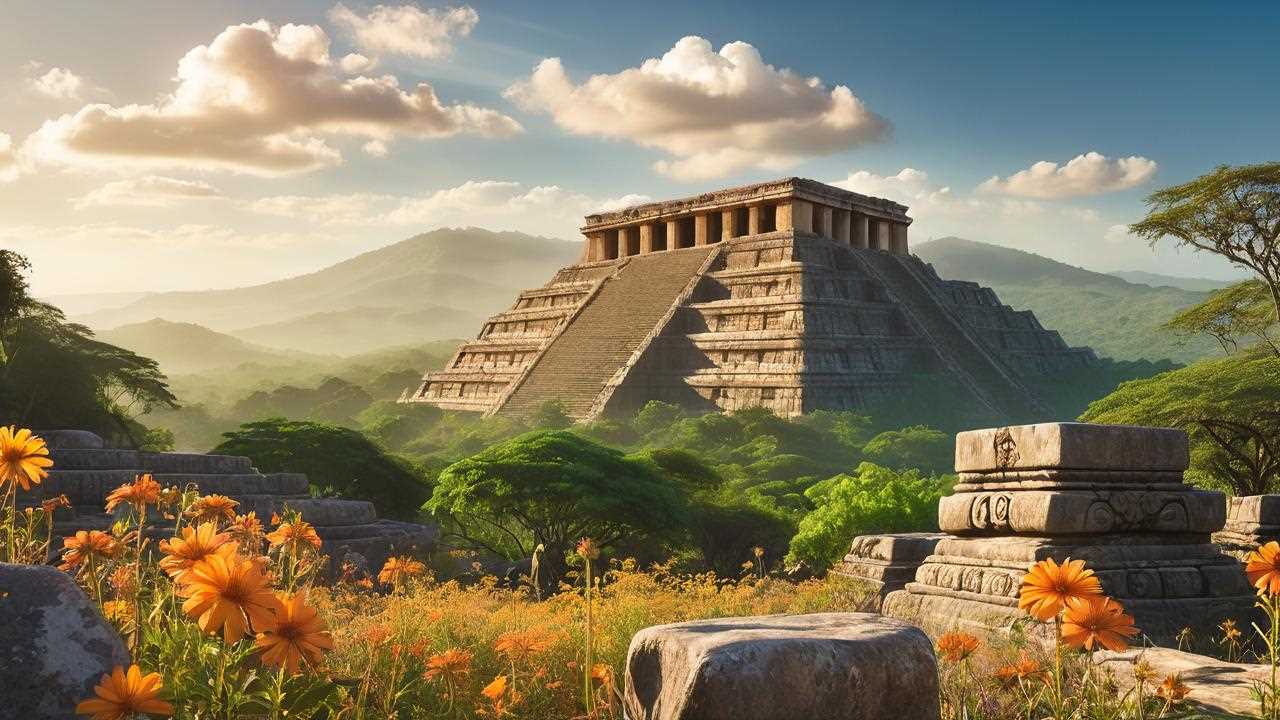
As you explore the history of Morelos, you'll notice how its indigenous roots form a rich tapestry that intertwines with colonial influences and pivotal events like the Mexican War of Independence. You can't overlook the key figures who shaped its narrative, particularly José María Morelos y Pavón, whose legacy continues to resonate. This blend of heritage and modernity presents a compelling backdrop for understanding how the region has evolved. But what challenges and triumphs has Morelos faced in balancing its rich past with the demands of the present?
Indigenous Roots of Morelos
Tracing back through the rich tapestry of history, Morelos reveals deep indigenous roots that shaped its culture and identity. You'll find that the region was once home to several prominent Mesoamerican civilizations, including the Mixtec and Nahua peoples. Their languages, traditions, and social structures still influence modern Morelos.
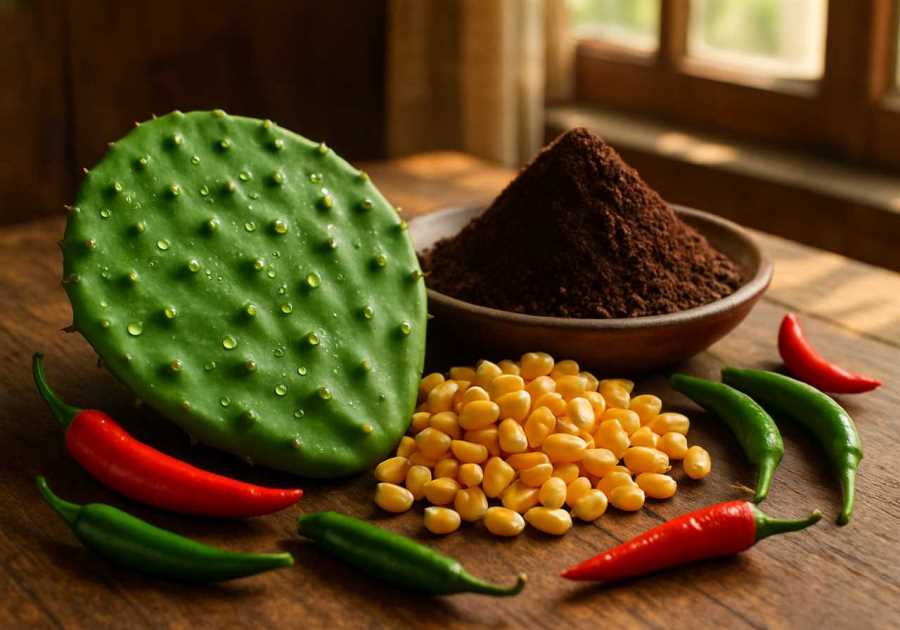
As you explore Morelos, you can appreciate the significance of the indigenous agricultural practices that flourished here. The people cultivated crops like maize, beans, and squash, which remain staples in local diets. You'll notice how these ancient methods still resonate today, as farmers continue to embrace sustainable practices.
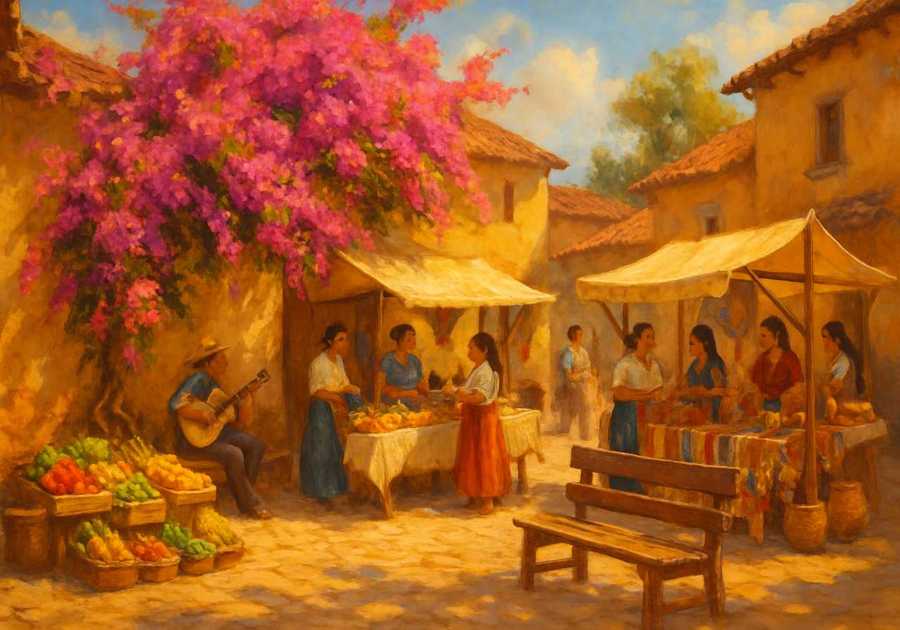
The indigenous inhabitants also engaged in intricate craftsmanship, producing pottery, textiles, and sculptures that reflect their connection to the land. You might see this artistry in local markets, showcasing the resilience of cultural heritage.
Moreover, spirituality plays a vital role in Morelos' identity. Indigenous beliefs continue to intertwine with modern practices, evident in festivals and rituals celebrating nature and ancestral spirits.
In visiting this vibrant region, you'll feel the enduring legacy of its indigenous peoples, a testament to their strength and creativity that persists through generations.
Colonial Era Developments
The Colonial Era brought significant transformations to Morelos, profoundly reshaping its landscape and society. As Europeans settled in the region, they introduced new agricultural practices, which changed local farming techniques.
You'd see the emergence of sugar cane and rice plantations, reshaping the economy and leading to a reliance on labor, both indigenous and enslaved Africans.
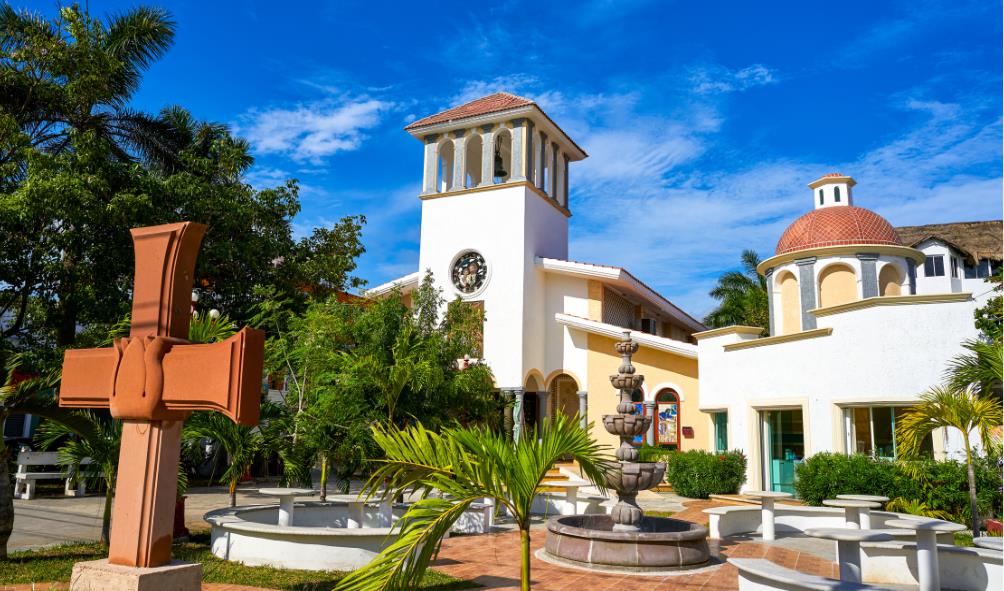
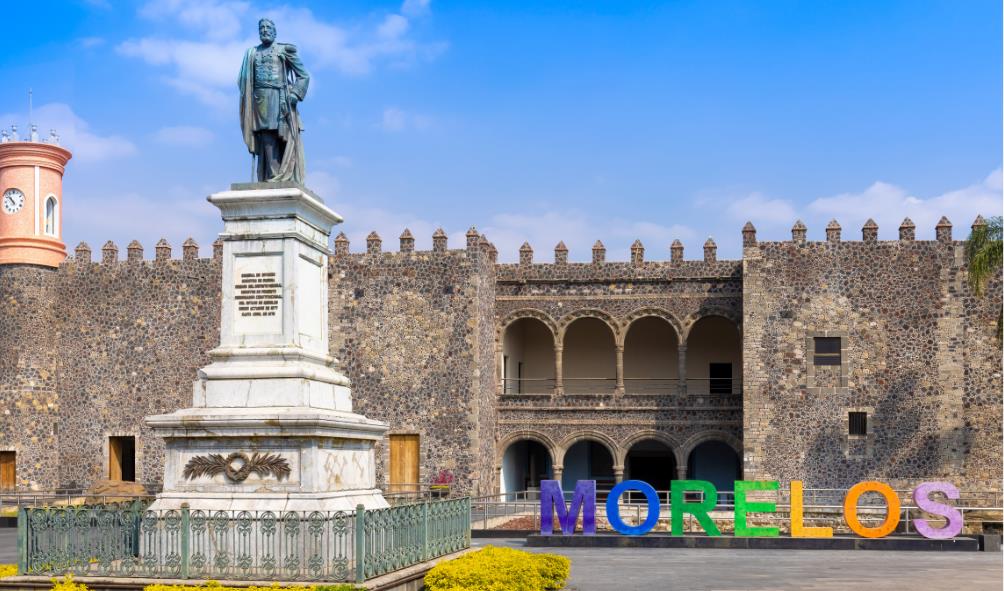
The Spanish built towns, like Cuernavaca, establishing churches and government buildings that still stand today. This led to a unique blend of cultures, as indigenous traditions merged with European customs.
You'd witness the rise of a new social hierarchy, with Spanish settlers at the top, often marginalizing the local population.
Trade routes developed, connecting Morelos with other regions of Mexico. This not only enhanced the local economy but also facilitated cultural exchanges.
During this period, you'd encounter the impact of Catholicism, which played a crucial role in everyday life. Churches replaced temples, and many indigenous practices were intertwined with Christian beliefs.
You might also notice a shift in land ownership, as Spanish colonists claimed vast areas.
The Mexican War of Independence
In the context of the Mexican War of Independence, Morelos emerged as a critical battleground for revolutionary ideals and local resistance against Spanish rule. You'd find that the region was deeply influenced by the early calls for freedom, sparked by Miguel Hidalgo in 1810. Morelos, under leaders like José María Morelos y Pavón, became a stronghold for the independence movement.
You'd see how passionate local communities rallied around the cause, participating in battles and forming guerrilla groups. Morelos himself used strategic maneuvers and rallied troops, advocating for social justice and political reform. He sought to create a government that reflected the desires of the people, challenging the inequalities that had persisted under colonial rule.
The battles fought in Morelos were significant, as they symbolized the broader struggles against oppression. Each skirmish brought hope and determination to the revolutionaries, testing their resolve in the face of Spanish military might.
Through these events, you can appreciate how Morelos played a vital role in shaping the direction of the war, contributing to Mexico's eventual independence and the quest for a new national identity. The sacrifices made during this period are a testament to the resilience of the Morelos people.
Post-Independence Changes
After achieving independence in 1821, Morelos underwent significant transformations that reflected the changing landscape of Mexico.
You'd notice that political turmoil marked this period, with regional leaders vying for control and establishing their authority. Local governance began shifting toward self-rule, and you could see the rise of the liberal and conservative factions that influenced daily life and politics.
Social structures evolved as land ownership patterns changed. Many indigenous communities sought to reclaim their rights, often facing resistance from landowners. Efforts toward reform were launched, particularly in addressing land distribution, education, and the church's role in governance. You'd observe that these changes sparked both hope and conflict among the populace.
Economically, Morelos faced challenges after independence. The state's economy depended heavily on agriculture, but political instability hampered growth and investment.
In your travels, you'd notice how farmers adapted by diversifying crops and seeking new markets.
Cultural Contributions and Legacy
While navigating through Morelos' rich history, you'll uncover a vibrant tapestry of cultural contributions that have shaped the region's identity. The blending of indigenous traditions and colonial influences creates a unique cultural scene.
You'll notice how Morelos retains its indigenous roots in dance, music, and art, celebrating the rich heritage of the Nahua people. Festivals like the Day of the Dead (Día de los Muertos) highlight the local customs, embracing both memory and celebration.
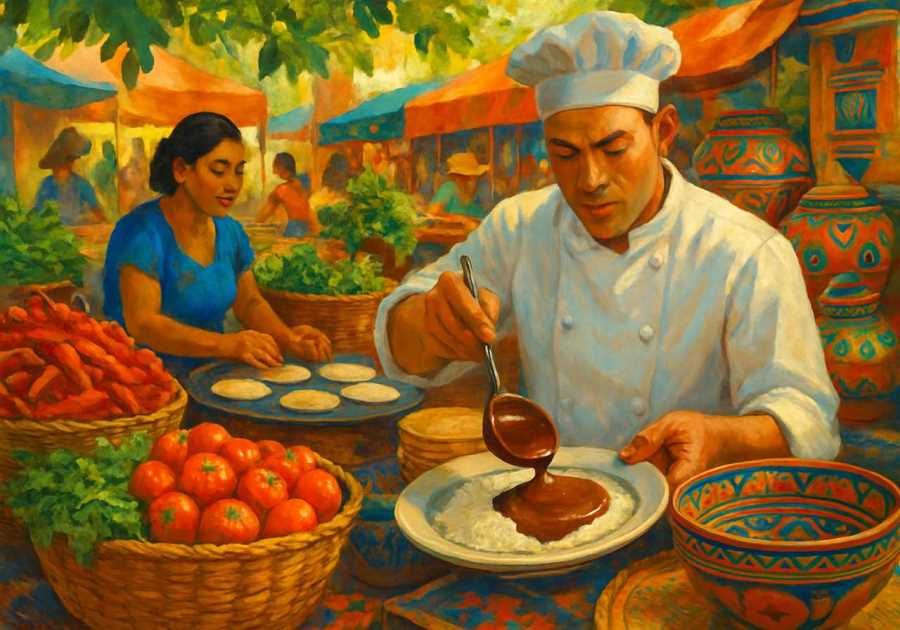
You can also appreciate how the region's culinary scene reflects its history, with dishes that mix native ingredients and Spanish techniques. You've got to try local favorites like pozole and tamales, each telling a story of tradition.
Morelos has also made significant contributions to literature and art. Notable figures such as José María Morelos and cultural institutions have left an imprint that inspires creative expression.
As you walk through towns like Cuernavaca, the vibrant murals and historical architecture will speak to the legacy of artistic innovation. These cultural contributions aren't just remnants of the past; they continue to thrive and evolve, enriching the lives of everyone who calls Morelos home.
Economic Evolution Over Time
Throughout its history, Morelos has experienced significant economic transformations shaped by its diverse resources and evolving industries. You can trace the beginnings back to agriculture, where fertile land made the region a vital contributor to Mexico's agricultural output. Crops like sugarcane, coffee, and various fruits became staples, providing livelihoods for many families.

As you delve deeper, you'll see how these agricultural practices have adapted over time. The introduction of modern farming techniques and technology has enhanced productivity, allowing farmers to compete in broader markets.
Additionally, Morelos has attracted investments in tourism and commerce, thanks to its stunning landscapes and rich cultural heritage.
In the latter half of the 20th century, Morelos began diversifying its economy further, embracing industries such as manufacturing and services. You might notice an increasing emphasis on local entrepreneurship, with small businesses becoming key players in the economy.
This evolution reflects the resilience and adaptability of the people of Morelos, who continuously seek new opportunities in changing economic landscapes. As you explore this rich history, you'll appreciate the progress made while acknowledging the challenges that remain ahead for the region's economic future.
Modern Day Morelos
Modern-day Morelos showcases a vibrant blend of tradition and innovation, building upon its rich agricultural legacy while embracing new economic opportunities.
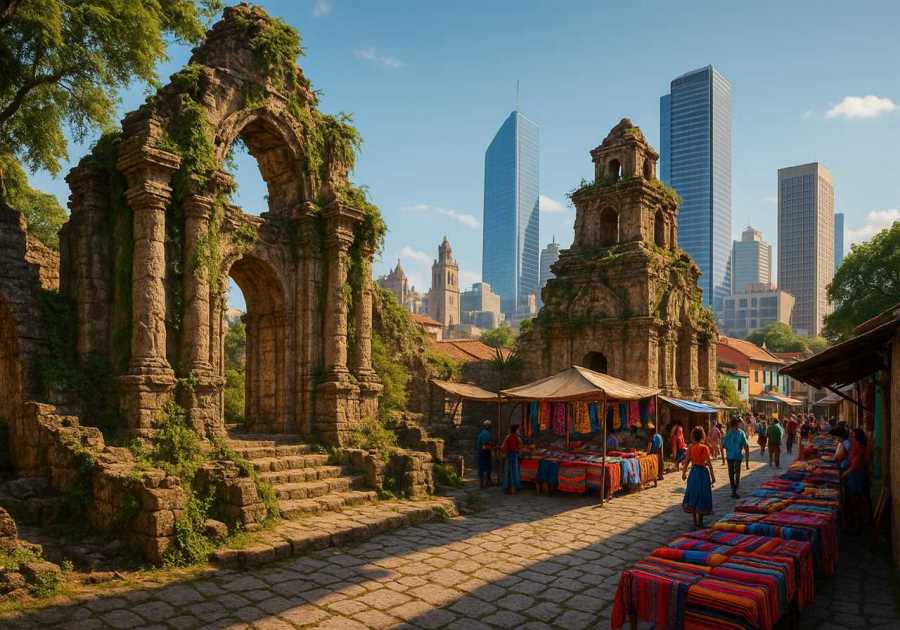
You'll find a thriving tourism sector, with visitors drawn to its picturesque landscapes, historical sites, and cultural festivals. When you stroll through towns like Cuernavaca, you can't miss the fusion of colonial architecture and modern amenities, creating a unique atmosphere that appeals to both locals and tourists alike.
You might also notice the emphasis on sustainable agriculture practices, as many farmers adopt eco-friendly methods to enhance productivity while preserving natural resources. The cultivation of fruits like avocados and guavas not only supports local economies but also opens up international markets.
Morelos is also emerging as a hub for technology and entrepreneurship. Startups are sprouting up, taking advantage of government incentives and a youthful population eager to innovate.
In your explorations, you'll experience how Morelos cherishes its cultural heritage through art, music, and cuisine, which coexist harmoniously with modern advancements.
This dynamic interplay makes Morelos not just a place to visit but a region where history and modernity thrive together.
Conclusion
Morelos, with its deep indigenous roots and vibrant history, showcases a unique blend of cultural resilience and modern growth. You've explored how the legacy of figures like José María Morelos y Pavón continues to inspire today. As you reflect on the region's journey from the colonial era to its current state, remember that Morelos stands as a testament to the strength of its people and their enduring connection to both their past and future.
Statistics
- During the Mexican Revolution, over 50 significant battles took place in Morelos.
- In the early 20th century, Morelos contributed around 15% to Mexico's national agricultural yield.
- Morelos is home to more than 100 preserved colonial-era buildings.
- The archaeological site of Xochicalco in Morelos spans approximately 2.6 square kilometers.
External Links
- Historia de México: Morelos: Explores the role of Morelos in the broader context of Mexican history.
- Encyclopedia Britannica: Morelos: An authoritative source for the historical and cultural background of Morelos.
- Gobierno de Morelos: Historia: The official government site detailing the historical timeline and important events of Morelos.
- Wikipedia: Morelos: Provides a comprehensive overview of Morelos' history, geography, and cultural significance.
How To Visit and Appreciate Historical Landmarks in Morelos
Morelos is home to numerous historical landmarks that reflect its diverse history. To visit and appreciate these sites, start by identifying key landmarks such as the Palacio de Cortés, the Robert Brady Museum, and the Catedral de Cuernavaca. Plan your visits to allow ample time to explore each location, taking guided tours to gain detailed historical context. Research the significance of each landmark beforehand to enhance your appreciation during your visit. Additionally, utilizing travel guides and local resources can help you discover lesser-known sites that offer unique insights into Morelos' past. Documenting your visits through photography or journaling can also enrich your experience and understanding of these historical treasures.
Prominent Figures in Morelos' History
Morelos' history is marked by influential figures who have significantly contributed to its development. Emiliano Zapata, a leading figure in the Mexican Revolution, is celebrated for his commitment to land reform and social justice. Other notable individuals have also shaped the region's cultural and political landscape. Learning about these key personalities offers a deeper understanding of Morelos' heritage. Discover more about these leaders at escapetomexiconow.com.