.png)
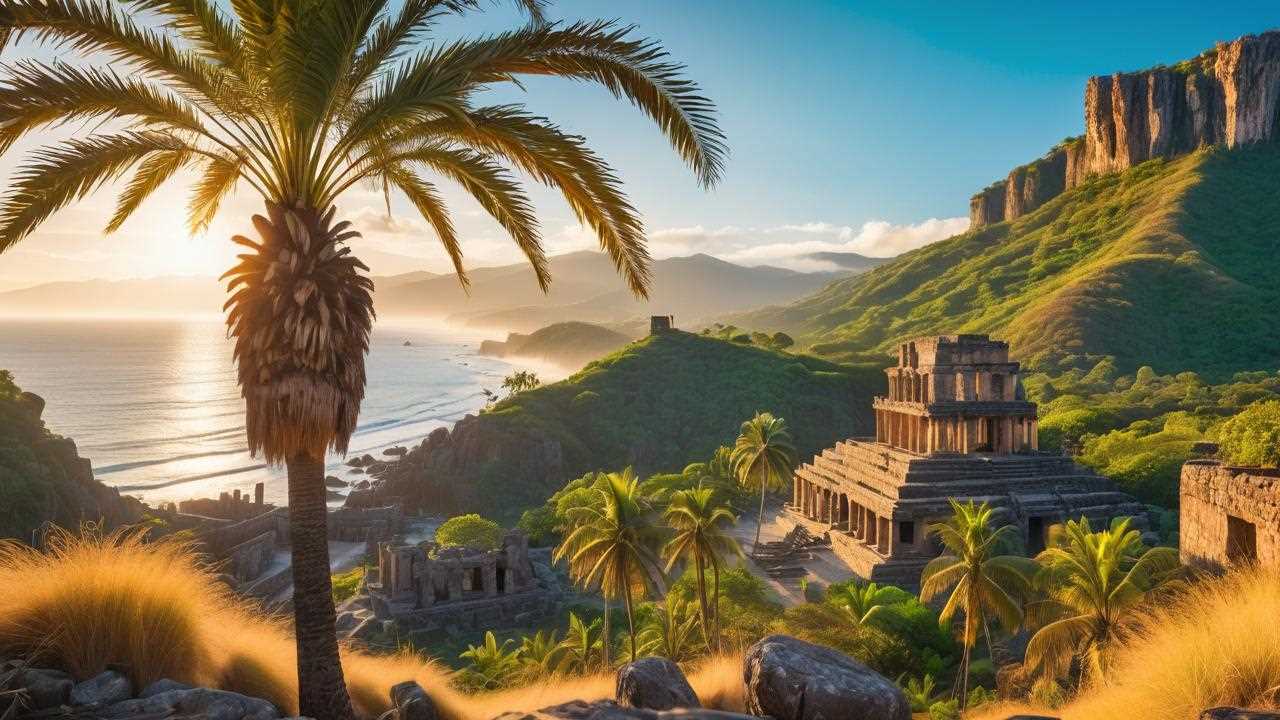
When you think about Nayarit, you might picture its beautiful landscapes and vibrant culture, but its history goes much deeper. You'll find that the legacies of the Cora and Huichol tribes laid the groundwork for what would follow, even as the arrival of Spanish colonizers dramatically reshaped the region. As you explore further, you'll discover how Nayarit's journey through colonization, independence, and economic shifts has resulted in a unique cultural mosaic. What challenges and triumphs defined this evolution, and how do they resonate in Nayarit today?
Ancient Indigenous Civilizations
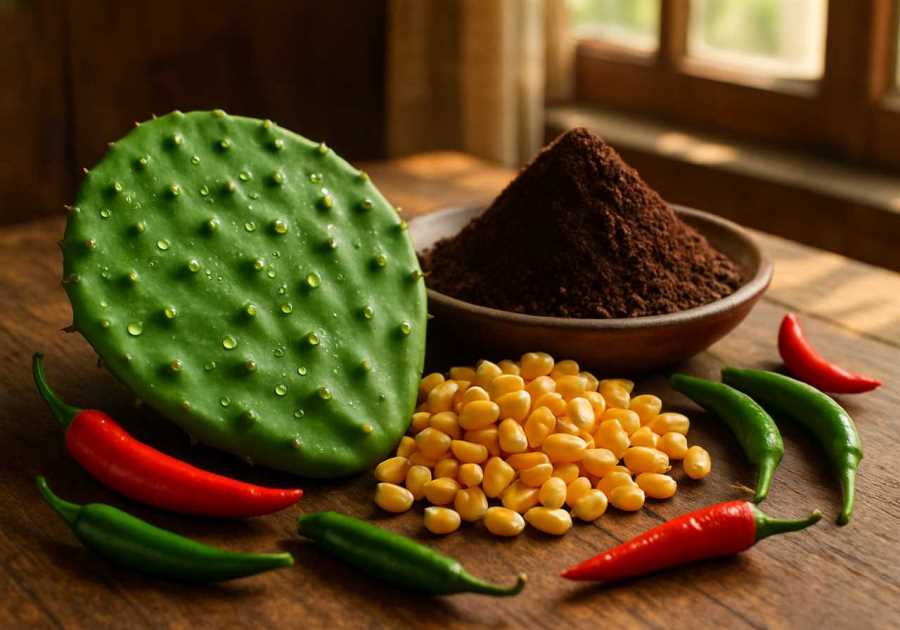
Long before European contact, Nayarit was home to vibrant ancient indigenous civilizations that thrived in the region. You'd find sophisticated communities engaged in agriculture, trade, and intricate artistic expression. These early inhabitants harnessed the fertile lands and coastal resources, cultivating crops like maize, beans, and squash while fishing and gathering from their rich marine environment.
As you explore archaeological sites in Nayarit, you'd uncover remnants of their complex societies through pottery, tools, and burial sites. You'd see how they constructed impressive structures, showcasing advanced architectural techniques. These civilizations didn't just survive; they flourished, developing social hierarchies and cultural practices that laid the groundwork for future generations.
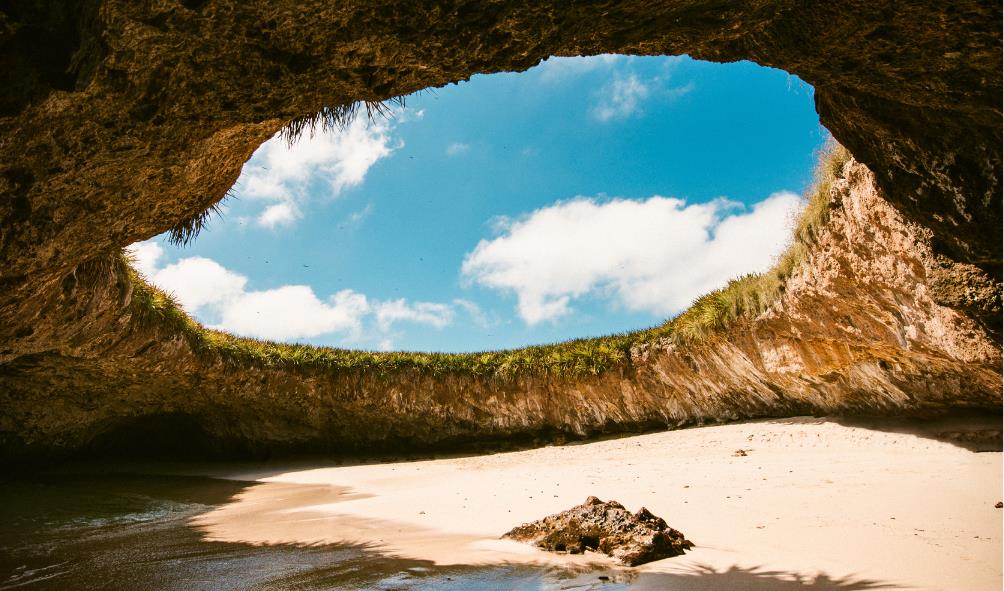
Religion played a significant role, too. You'd notice how these communities revered various deities, often tied to nature and agriculture, as reflected in their art and ceremonies.
As you study their legacy, you can appreciate how these early peoples shaped the cultural tapestry of Nayarit.
Understanding these ancient civilizations is crucial, as they set the stage for the region's rich historical narrative, blending community strength and environmental adaptation that still resonates in Nayarit today.
The Cora Tribe's Influence
The Cora tribe, with its rich cultural heritage, significantly shaped the identity of Nayarit and its people. You'll notice their influence in various aspects of life, from traditional music and dance to art and spirituality. The vibrant rhythms and melodies create a connection to their ancestral roots, fostering a sense of community and belonging among the Cora and surrounding populations.
You'll find that the Cora's deep respect for nature plays a crucial role in their worldview. They practice sustainable agriculture and engage in rituals that honor the land, teaching you the importance of environmental stewardship. This perspective has enriched Nayarit's agricultural practices and continues to inspire modern sustainable initiatives.
Moreover, the Cora language and oral traditions serve as key elements of their identity. By listening to their stories and legends, you'll gain insights into their history and cultural values, which remain vital to the region today.
As you explore Nayarit, take time to appreciate how the Cora tribe's influence permeates the local culture, fostering a unique blend of traditions that not only celebrate the past but also enrich the future for generations to come.
The Huichol Heritage
While exploring Nayarit, you'll encounter the profound influence of the Huichol people, who bring a rich tapestry of traditions and spiritual beliefs to the region.
As you delve into their vibrant culture, you'll discover their unique art forms, particularly beadwork and yarn paintings, which reflect their deep connection to nature and spirituality. Each piece tells a story, illustrating their sacred rituals and the symbolism found in their surroundings.
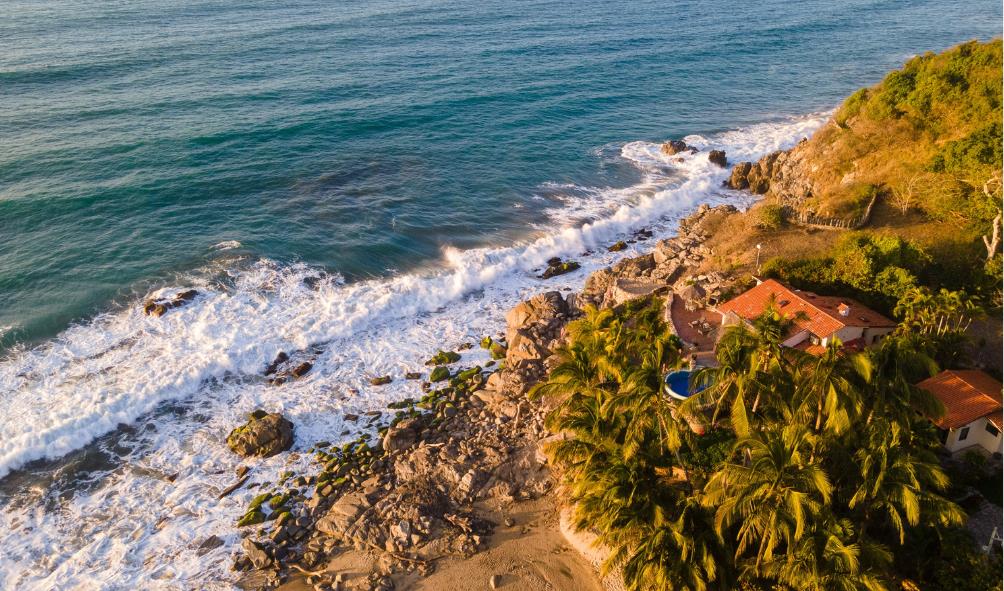
You might also notice how the Huichol maintain their ancestral customs, from traditional ceremonies to their communal way of life.
The annual pilgrimage to Wirikuta, their sacred land, highlights their dedication to preserving their heritage. This journey isn't just physical; it embodies their spiritual quest for connection with the divine.
In addition, their relationship with peyote—used in ceremonial practices—opens a window into their worldview, emphasizing harmony with the environment.
When you engage with Huichol artisans and hear their stories, you'll appreciate the resilience and richness of their culture.
As you walk through markets or visit their communities, make the effort to learn more about their traditions—it'll enrich your understanding of Nayarit and its vibrant heritage.
Spanish Colonization and Conquest
Nayarit's history took a dramatic turn with the arrival of Spanish conquistadors in the early 16th century. You can imagine the shock and upheaval that the indigenous peoples faced as these outsiders brought their ambitions and violence. Led by figures like Francisco Cortés, the Spaniards sought to claim new territories, exploiting the wealth of the land and its people.
As they pushed deeper into the region, they encountered various indigenous groups, which included the Cora and the Huichol. The Spaniards often used brutal tactics to subdue resistance, believing they were spreading civilization while also seeking gold and silver.
Their presence disrupted the delicate balance of Nayarit's ecosystems and societies, as traditional ways of life began to crumble under the weight of European demands and disease.
You'd witness dramatic shifts in social structure, as indigenous elites were replaced or co-opted, and the economy morphed under colonial influence. This marked a pivotal moment in Nayarit's trajectory—one that would shape its identity for centuries to come.
The conquest didn't just alter the landscape; it transformed cultural narratives and left a legacy that echoes in the region's history today.
Colonial Developments in Nayarit
Amid the upheaval of the Spanish conquest, colonial developments began reshaping Nayarit significantly.
You'll notice how the arrival of Spanish settlers introduced new agricultural practices. They cultivated crops like sugarcane and coffee, which transformed the local economy. Establishing plantations enabled local populations to either work for the colonizers or adapt to new agricultural methods.
You'd also find that the Spanish established missions throughout Nayarit, aimed at converting Indigenous peoples to Christianity. These missions brought schools and new social structures, impacting traditional ways of living. The blending of cultures resulted in unique art, language, and religious practices, which you can still see today.
Moreover, the colonization led to the development of infrastructure. Roads and towns sprang up, making trade feasible and connecting Nayarit to broader economic networks. You may appreciate how the construction of new settlements, like San Blas, became vital ports for trade across the Pacific.
Despite the hardships faced by Indigenous groups, these colonial developments laid the groundwork for Nayarit's identity. They also set the stage for future challenges as societies evolved in response to the new colonial reality.
Independence and Early Republic
During the early 19th century, a significant shift occurred as Nayarit joined the struggle for independence from Spanish rule. You'd witness the fervor of the Mexican War of Independence, which had its roots in 1810. As the movement gained momentum, local leaders in Nayarit rallied the people, pushing for freedom and equality.
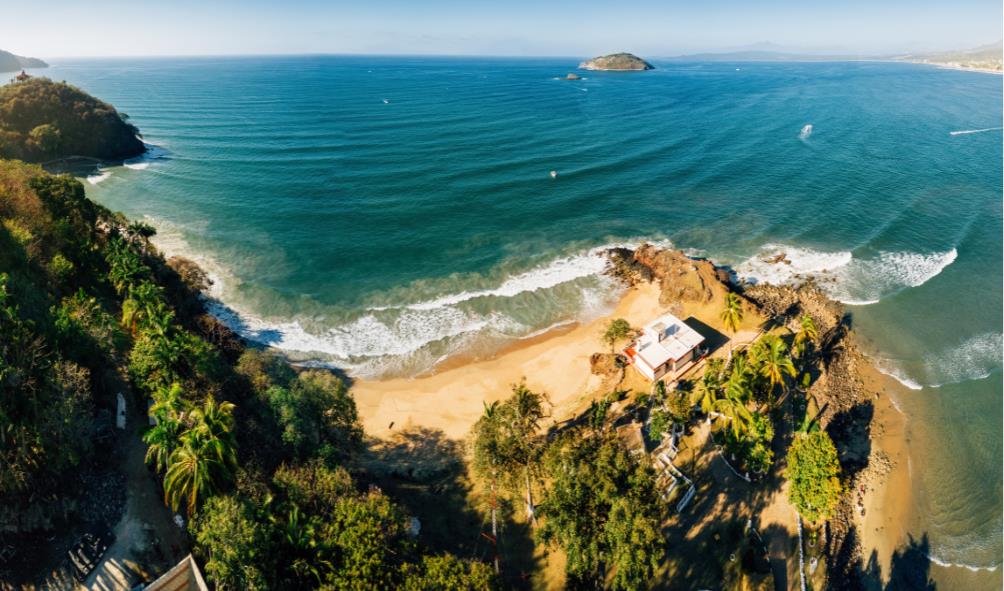
The fight wasn't solely about independence but also about empowering citizens and fostering a sense of national identity. You could see the unity among diverse groups, from indigenous communities to mestizos, all wanting to break away from colonial oppression.
By 1821, after years of struggle, Mexico finally achieved independence, and Nayarit became part of the new nation. However, the transition wasn't smooth. You experienced political instability as various factions fought for power.
The early republic faced challenges like governance and economic stability, which affected daily life. Despite the difficulties, this period laid the groundwork for a more cohesive social fabric in Nayarit. You could sense that the spirit of independence was woven into the identity of the region, shaping its future in the face of emerging challenges.
Economic Evolution in the 20th Century
The early republic set the stage for significant changes in Nayarit's economy as the region sought stability and growth throughout the 20th century. You'd notice that agricultural production became increasingly vital, especially with crops like sugarcane and tobacco taking center stage.
While small-scale farms thrived, larger commercial enterprises began to emerge, reflecting the push for modernization.
During the mid-century, tourism started gaining traction due to Nayarit's breathtaking coastline and vibrant culture. You could see local businesses adapting to this influx, creating jobs and stimulating economic activity.
The introduction of infrastructure projects also played a crucial role, enhancing connectivity and access to markets.
By the latter part of the century, industrialization made its mark, bringing new opportunities and challenges. As you walk through towns, you'd observe a shift from purely agricultural practices to a more diversified economy.
However, this transition wasn't without its struggles, as locals faced competition and adaptation issues.
Cultural Revival and Preservation
Nayarit has seen a remarkable cultural revival as communities reconnect with their roots and traditions. You'll notice many locals embracing their indigenous heritage, celebrating traditional practices that had faded over time. This resurgence highlights the importance of oral histories, music, dance, and crafts that reflect Nayarit's diverse cultures.
You might attend festivals where the vibrant sounds of traditional instruments and the sights of colorful costumes transport you back to earlier times. These events aren't just for entertainment; they create a sense of identity and unity among residents.
As a visitor, you can actively participate by joining dance workshops or local crafts.
Preservation efforts are also gaining momentum through educational initiatives in schools. You'll see students learning about their history and the significance of their ancestry.
Museums and cultural centers play a crucial role, showcasing artifacts and stories that reinforce community pride.
Modern Nayarit: A Cultural Mosaic
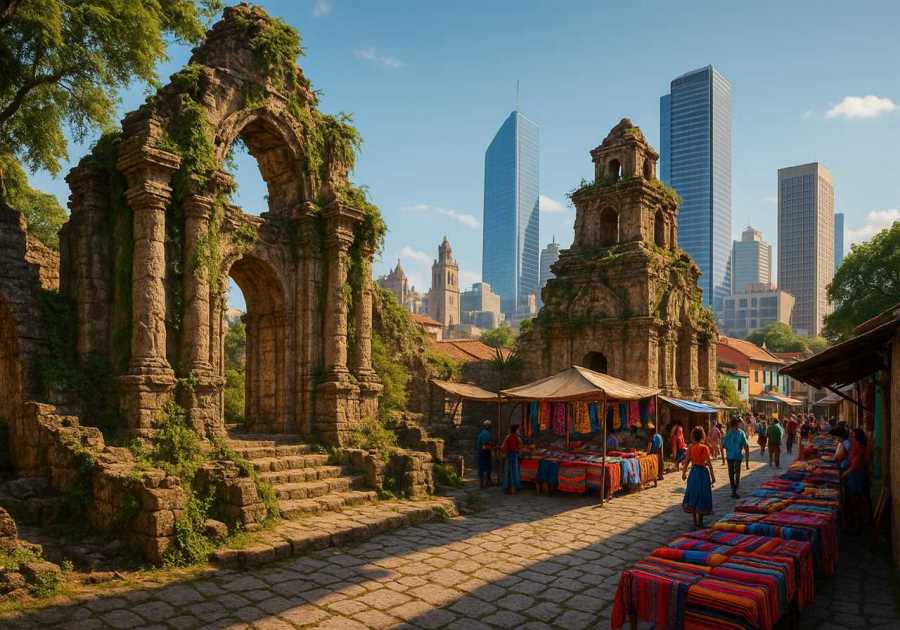
There's a vibrant blend of cultures in modern Nayarit, where indigenous traditions coexist with contemporary influences. As you explore the region, you'll notice the lively interplay of customs, food, art, and language that define daily life.
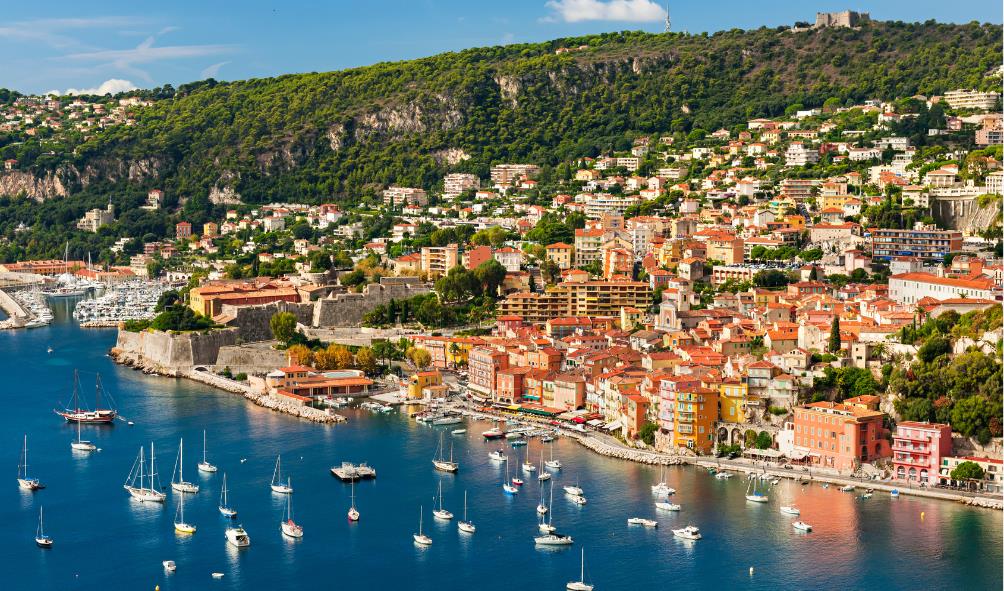
Festivals like the Fiestas de la Virgen de la Guadeloupe showcase traditional dances and music, reminding you of the deep-rooted heritage that persists here.
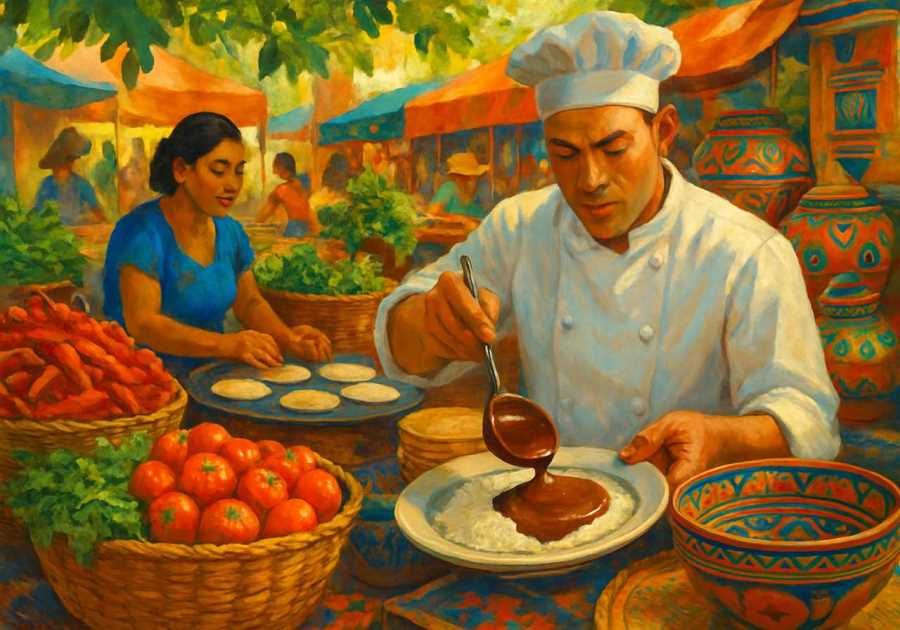
In the culinary scene, you can savor dishes that combine indigenous ingredients with modern cooking techniques. Expect to find fresh seafood alongside classic favorites like pozole and tamales, each telling a story of the region's history.
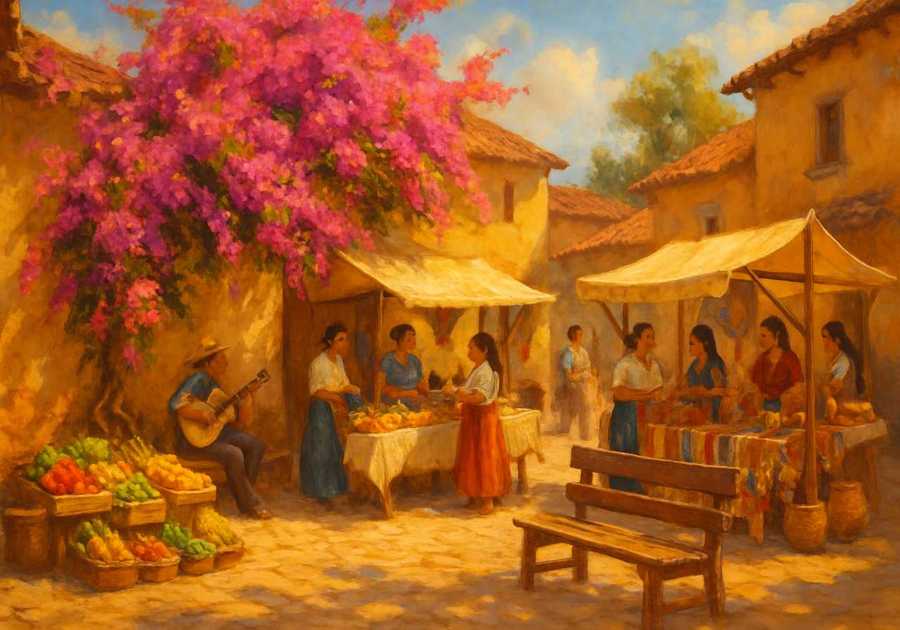
Artisan markets brim with handmade crafts, demonstrating both indigenous artistry and contemporary styles. You might even encounter street artists adding vibrancy to urban spaces, bridging the gap between tradition and modern expression.
Further, the youth of Nayarit embrace their cultural identity while integrating global trends, creating a unique tapestry of influences.
This dynamic cultural mosaic not only enriches your experience but also highlights the resilience and creativity of Nayarit's people. You'll leave with a deeper appreciation for a place that harmoniously blends its past with the present.
Conclusion
In exploring the history of Nayarit, you see a vibrant blend of indigenous cultures and influences that shape its identity today. From the rich traditions of the Cora and Huichol tribes to the lasting impacts of Spanish colonization, each chapter adds depth to Nayarit's story. As you witness the modern cultural revival, it's clear that preserving this diverse heritage is vital. Embrace Nayarit's past, and you'll appreciate the unique mosaic it presents to the world today.
Frequently Asked Questions
What was Nayarit's role during the Mexican War of Independence?
During the Mexican War of Independence, residents of Nayarit supported the movement against Spanish rule. Local leaders and communities contributed to the struggle for independence, helping to establish Mexico as a sovereign nation.
What are some important historical landmarks in Nayarit?
Nayarit boasts several historical sites, including the colonial-era Basilica of Nuestra Señora del Valle in Guadalupe, the archaeological sites of El Nayar and Las Varas, and traditional haciendas that illustrate the region's colonial past.
Which indigenous groups originally inhabited Nayarit?
Nayarit was primarily home to the Cora and Huichol peoples before the arrival of Spanish settlers. These indigenous communities have maintained their traditions and languages, significantly shaping the region's cultural landscape.
When did Nayarit become a state in Mexico?
Nayarit achieved statehood on December 1, 1917, as part of the new Mexican Constitution. This transition marked its recognition as an official entity within the Mexican federation, with defined borders and governance structures.
Statistics
- Historical records show that the literacy rate in Nayarit increased from 40% in 1960 to over 85% by the year 2000.
- The region of Nayarit is home to over 30 pre-Columbian archaeological sites, highlighting its rich historical heritage.
- As of 2020, approximately 25% of Nayarit's population identifies as indigenous, primarily belonging to the Cora and Huichol groups.
- Nayarit became the 19th state of Mexico on December 1, 1917.
External Links
- Historia de México - Nayarit provides in-depth analysis and documents related to Nayarit's role in Mexico's broader historical context.
- University of Nayarit - History Department hosts research papers and publications on various aspects of the state's history.
- Secretariat of Culture of Nayarit provides comprehensive information on the region's historical events and cultural heritage.
- Visit Nayarit - History features an overview of significant historical landmarks and their importance in the state's development.
How To Investigate the Indigenous History of Nayarit
Begin by studying the rich heritage of the Cora and Huichol peoples, the primary indigenous groups in Nayarit. Visit local museums and cultural centers in Tepic and other regions to access exhibits and archival materials. Engaging with these communities directly, through cultural events and traditional ceremonies, offers valuable insights into their historical practices and societal structures. Additionally, examine academic journals and books that focus on their languages, art, and contributions to Nayarit's development. Participating in guided tours of historical sites can further enhance your understanding of their enduring legacy in the region.
Influential Figures in Nayarit’s History
Nayarit’s history is enriched by numerous influential personalities who have left lasting impacts on the region. Leaders, artists, and visionaries have played critical roles in shaping the state’s cultural and political landscape. Their contributions have fostered growth, innovation, and a strong sense of community among the people. Learning about these key figures provides inspiration and a greater appreciation for Nayarit’s legacy. Explore more stories of Mexico’s historical figures at escapetomexiconow.com.