.png)
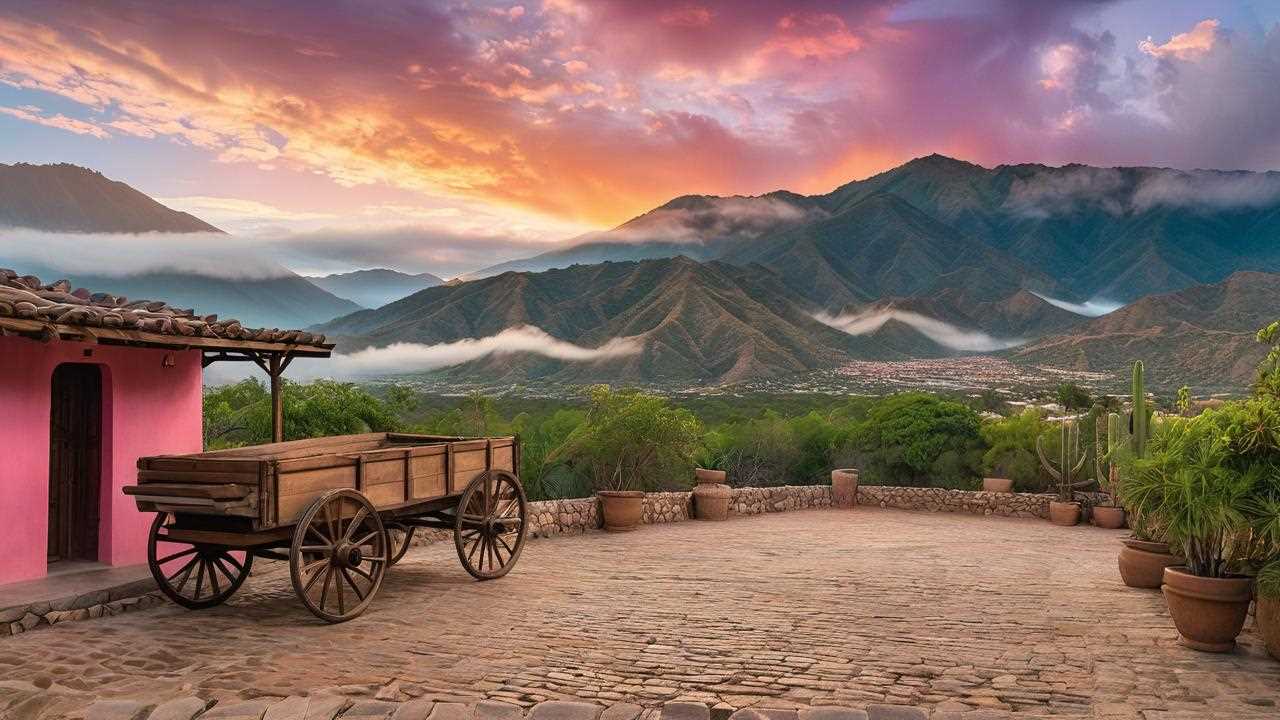
When you think about Nuevo León, you might see a vibrant blend of cultures and a bustling industrial scene, but there's more beneath the surface. You can trace its roots back to indigenous groups, like the Garzas and Huachichiles, before Spanish explorers laid the foundations of Monterrey in 1596. This marks just the beginning of a complex evolution, leading to significant economic changes and political movements in the 19th century. What shaped this dynamic region's identity beyond its initial colonization? Understanding these layers could reveal a lot more than you expect.
Indigenous Roots
Nuevo León's history is deeply intertwined with its indigenous roots, showcasing a rich tapestry of cultures that shaped the region long before European settlers arrived.
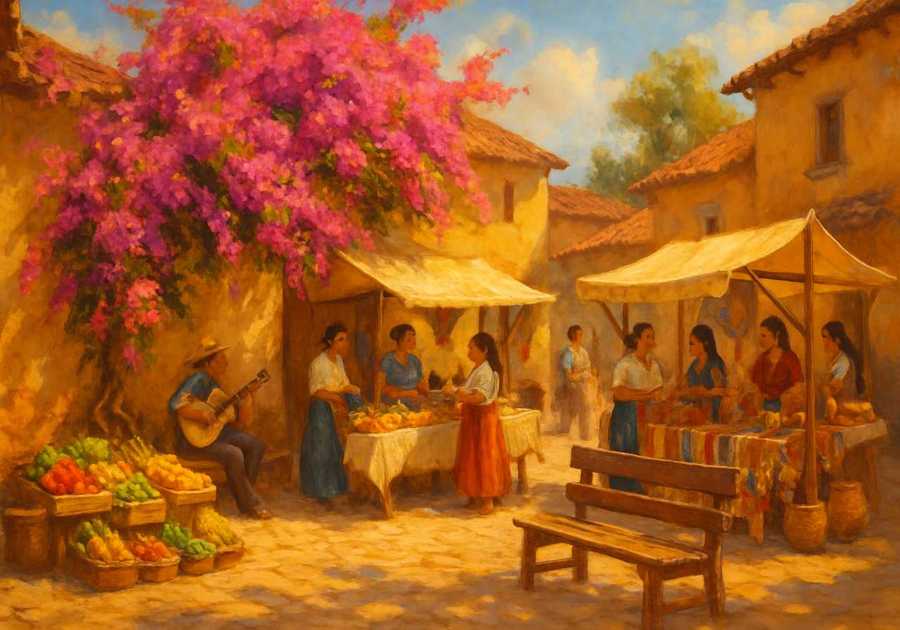
As you explore this fascinating past, you'll discover that various indigenous groups, notably the Garzas and the Huachichiles, called this land home. They created vibrant communities, establishing agricultural practices that harnessed the fertile soil and diverse climates.
You might be particularly intrigued by their social structures, which emphasized cooperation and communal living. These groups formed intricate trade networks, exchanging goods and developing powerful relationships with neighboring tribes.
The spiritual beliefs of the indigenous peoples also played a significant role in their daily lives, intertwined with nature and the land they cherished.
As you delve deeper into their customs, it becomes clear how their artistic expressions reflect their connection to this territory. Pottery, textiles, and carvings illustrate their skills and creativity, conveying a profound sense of identity.
Understanding these indigenous roots invites you to appreciate the rich cultural heritage of Nuevo León and recognize how it laid the groundwork for the region's complex history, paving the way for future developments.
Spanish Colonization
The arrival of Spanish explorers in the 16th century marked a significant turning point for the region, signaling the beginning of Spanish colonization. You'll find that these explorers, motivated by the search for gold and new territories, quickly established themselves in what's now Nuevo León. They encountered various indigenous groups and aimed to subjugate them, which shifted the cultural and social dynamics of the area.
As more settlers arrived, you'd notice the introduction of European agricultural practices and livestock. This not only transformed the landscape but also the livelihoods of the indigenous peoples who faced drastic lifestyle changes.
You can see how Spanish missions were set up, with the goal of converting the local population to Christianity. This led to the establishment of a new order based on Spanish law and customs.
The Spanish crown asserted authority over the land, imposing taxes and land grants to secure loyalty and compliance from the inhabitants. However, resistance from indigenous groups was common, and tensions often arose.
The Foundation of Monterrey
Monterrey's foundation in 1596 marked a pivotal moment in the region's evolution. As you delve into its history, you'll discover that the city was established by Diego de Montemayor, a Spanish conqueror. Initially intended as a settlement to protect Spanish interests from the indigenous tribes, Monterrey quickly transformed into a crucial hub for trade and agriculture.
When you explore the site, you can imagine Montemayor and his followers choosing a location near the Santiago River, surrounded by majestic mountains. They aimed to create a thriving community, blending European culture with indigenous traditions. The city was named after the region in Spain, reflecting its founders' aspirations.
As you walk through Monterrey today, you'll notice remnants of its colonial past, evident in the architecture and historical sites. The early years were challenging, with conflicts arising from clashes with indigenous peoples and harsh conditions.
However, this resilience laid the groundwork for growth. Consider how the establishment of Monterrey not only marked the beginning of a new settlement but also the start of a vibrant cultural tapestry. It played a crucial role in shaping the identity of Nuevo León, setting the stage for future development.
Economic Growth in the 19th Century
During the 19th century, economic growth in the region flourished, driven by industrialization and an influx of immigrants. You'd notice how Monterrey transformed into a bustling center for commerce and trade.
People from various backgrounds flocked to the area, seeking opportunities and contributing to the vibrant economy. The establishment of textile factories and other industries provided jobs and boosted the local income.
You'd see that agriculture also played a vital role. As landowners improved their farming techniques, they increased the production of crops like cotton and tobacco. These advancements didn't just heighten local consumption; they also positioned Nuevo León as a key player in regional trade.
Transportation improvements, including better roads and the introduction of railways, made it easier for goods to move efficiently. This connectivity opened new markets, allowing local producers to thrive.
All these factors combined to create a dynamic economic landscape. You've got to appreciate how the collaborative efforts of immigrants, skilled laborers, and entrepreneurs set the stage for future developments in Nuevo León.
The foundation laid during this period has had lasting impacts, shaping the region's economic trajectory well into the future.
Industrial Revolution Impact
As the 19th century progressed, the Industrial Revolution made a profound impact on Nuevo León's economy and society. You'd notice a shift as factories began to emerge, replacing traditional artisanal methods. Extra opportunities opened up for workers, driving people from rural areas to urban centers in search of employment. This migration not only boosted the labor force but also changed the demographic landscape of the region.
With advancements in textile production and metallurgy, Nuevo León transformed into a hub of industrial activity. This growth brought about innovation, as entrepreneurs explored new technologies like steam power and machinery. As you walk through the streets, the sounds of machinery and bustling factories create an atmosphere of intense productivity.
Moreover, the rise of industry attracted investment. Local entrepreneurs and foreign companies began to flock to Nuevo León, contributing to urban development and infrastructure improvements like railways. These developments laid the groundwork for future economic expansions.
Cultural Developments
Amidst the industrial growth of Nuevo León, cultural developments flourished, reflecting the region's evolving identity. You'd notice how the arts and traditions matured, embracing both indigenous roots and international influences.
As new industries emerged, artists and writers leveraged this transformative period, showcasing their work in galleries and theaters that sprang up throughout the region. Local craftsmanship also saw a resurgence as artisans began to blend modern techniques with traditional methods.
You could find unique pottery, textiles, and metalwork that captured the essence of Nuevo León's heritage. Music played a vital role too, with a rich fusion of genres—traditional folk tunes intertwined with contemporary styles, producing a vibrant soundscape that echoed through festivals and local gatherings.
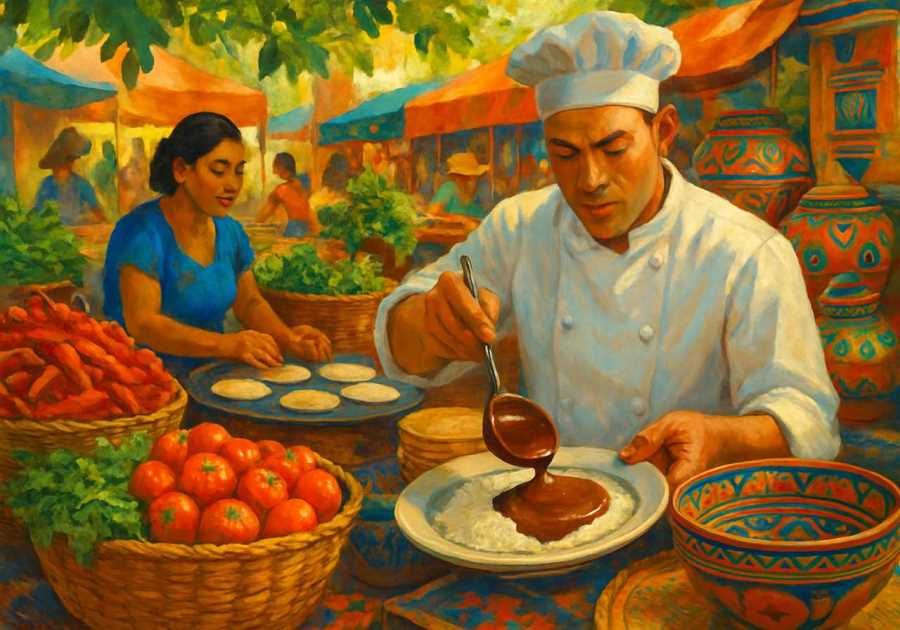
The culinary scene expanded, reflecting the diverse tastes and immigration waves, introducing you to a tantalizing mix of flavors. Local cuisine became a point of pride, emphasizing both local ingredients and innovative techniques.
This cultural renaissance didn't just enrich living in Nuevo León; it also drew attention from neighboring regions, solidifying its position as a cultural hub. In this vibrant atmosphere, creativity thrived, empowering the people of Nuevo León to express their unique stories.
Political Changes and Reforms
The vibrant cultural scene in Nuevo León didn't exist in isolation; it was shaped by the region's political landscape, which underwent significant changes and reforms. As you explore this history, you'll notice that key political shifts directly influenced social policies and governance.
In the latter half of the 19th century, Nuevo León saw a move toward modernization and the establishment of a more structured government. This was essential in promoting economic growth and infrastructure development.
During this time, you'd see reforms aimed at land redistribution and public education, allowing more citizens to access resources and opportunities. The focus on agrarian reform not only transformed land ownership but also empowered local communities, leading to increased political awareness among the populace.
Fast forward to the early 20th century, and you'd witness a burgeoning push for labor rights and social justice, which were crucial in shaping Nuevo León's political identity. The government made strides to address economic disparities and promote social welfare.
Your understanding of this important period will deepen as you recognize how these reforms paved the way for future progress in governance and civil rights, leading to an engaged and vibrant citizenry.
The Mexican Revolution
Exploding into a wave of social upheaval, the Mexican Revolution marked a pivotal era for Nuevo León and its citizens. You'd witness how the struggle against oppression influenced the region's identity, as people from various backgrounds found common ground in seeking justice and equality.
The Revolution wasn't just a fight against the dictatorship of Porfirio Díaz; it was also about addressing local issues like land rights and labor exploitation, which hit close to home for many Nuevo León residents.
As the revolution unfolded, you'd feel the tension in the air. Villagers, workers, and families rallied together, forming alliances to challenge powerful landlords and government figures. The state became a hub for revolutionary activities, with key leaders emerging from the local populace, showcasing an authentic desire for change.
The impact of the Revolution reached far beyond battles and political shifts; it fostered a sense of unity amongst previously divided communities.
In the wake of this tumultuous period, you'd see the hopes and aspirations of the people of Nuevo León evolve, blending traditional values with new ideas as they sought a better future for themselves and generations to come.
Modernization and Globalization
Transformation characterized the modernization and globalization era in Nuevo León, drastically reshaping its economic and cultural landscape.
You'd notice the emergence of industrial clusters, pushing the region into the forefront of economic development in Mexico. Manufacturing, particularly in steel and cement, became the cornerstone, drawing both local and foreign investments.
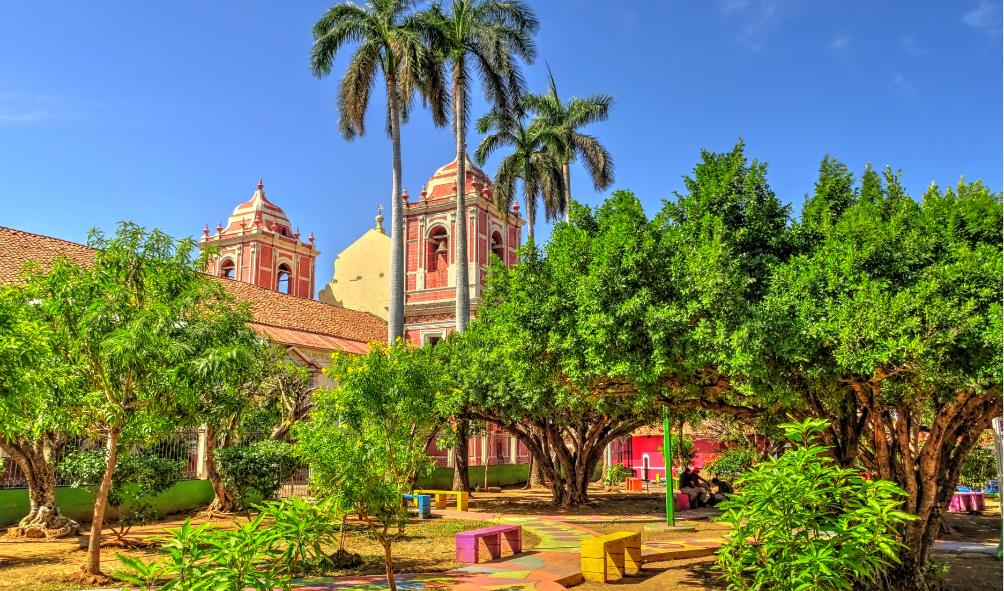
As you walk through urban areas, you'd see infrastructure improvements, including modern highways, which play a crucial role in connecting Nuevo León with international markets. This connectivity has attracted multinational companies, and you can feel the vibrant atmosphere as a diverse workforce collides, leading to shared ideas and cultural exchanges.
You might also encounter an evolving lifestyle; globalization brought new products, cuisines, and cultural influences that enrich everyday life. Your favorite eateries probably now serve a mix of traditional and international dishes, showcasing the fusion of cultures.
However, modernization isn't without its challenges. The rapid change often creates socioeconomic divides, as some communities struggle to keep pace with technological advancements.
You'll see how Nuevo León continues to balance these changes, striving for sustainable growth while embracing its rich heritage.
Contemporary Nuevo León
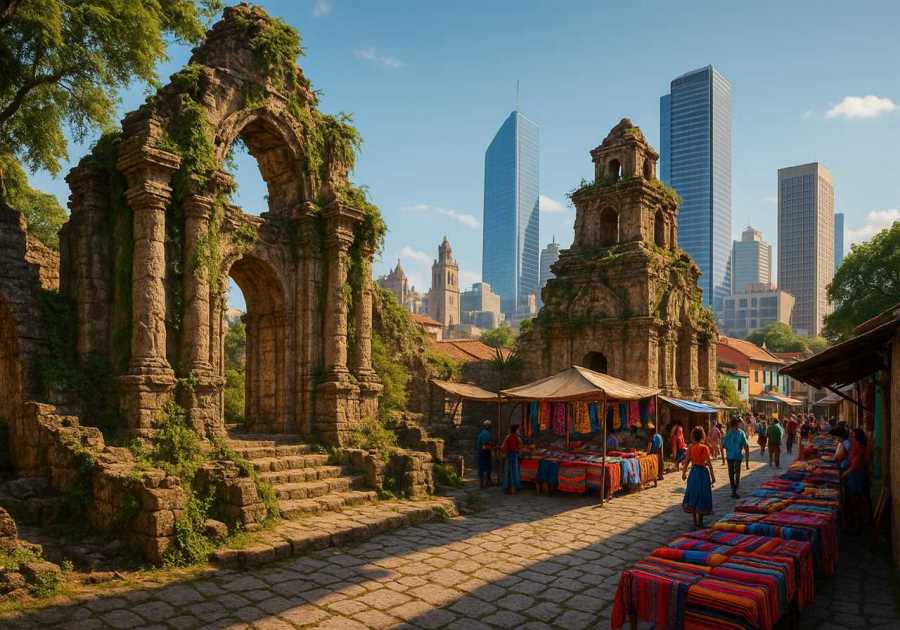
Contemporary Nuevo León reflects a dynamic blend of tradition and innovation. You'll find that the region thrives not just as an industrial powerhouse but also as a cultural hub. The bustling city of Monterrey, the capital, serves as a perfect example. Its skyline showcases modern architecture, yet you can explore neighborhoods that treasure historical heritage.
In commerce, Nuevo León is a leader in Mexico, housing multinational corporations and fostering entrepreneurship. You might notice that the local economy adapts quickly, leveraging technology, which sets it apart from other regions. This adaptability extends to education; institutions here offer cutting-edge programs to prepare you for a competitive job market.
Culturally, you're in for a treat. Festivals celebrate both local customs and contemporary art, making it easy to appreciate its rich heritage while embracing new trends.
You may want to experience the local cuisine, where traditional flavors meet modern culinary techniques.
Conclusion
In exploring the history of Nuevo León, you'll uncover a blend of indigenous heritage and Spanish influence that shaped its vibrant culture. The region's industrial growth and political reforms highlight its resilience and adaptability. As you witness its modernization and globalization today, you see how Nuevo León embraces its past while paving the way for innovation. This dynamic journey invites you to appreciate the spirit of a land that continues to thrive and inspire.
Statistics
- In the late 19th century, Nuevo León experienced significant industrial growth, leading to Monterrey becoming a major manufacturing hub.
- The University of Nuevo León, established in 1943, is one of the state's most prominent higher education institutions.
- Throughout the 20th century, Nuevo León's economy diversified from traditional industries to the technology and services sectors.
- The Battle of Monterrey in 1846 was a decisive conflict during the Mexican-American War.
External Links
- National History Museum - Nuevo León. Learn about key historical artifacts and exhibitions related to Nuevo León.
- Mexico History - Nuevo León. An in-depth look into the historical events that shaped Nuevo León.
- Educational Resources on Nuevo León History. Educational materials covering the formation and significant periods of Nuevo León.
- Nuevo León - Britannica. Comprehensive overview of Nuevo León's historical development and cultural heritage.
How To Research the Battle of Monterrey
Start by accessing military records and official reports from the Mexican-American War, focusing on the Battle of Monterrey in 1846. Utilize archives and historical databases to find firsthand accounts, letters, and diaries from participants and observers. Read historical analyses and books written by military historians to understand the strategic significance and outcomes of the battle. Visit Monterrey's historical sites and museums that feature exhibits on the conflict to visualize the events and their impact on the region. Engage with academic journals and attend lectures or seminars that discuss the battle's broader implications in Mexican and American history. By systematically gathering and analyzing these sources, you will gain a detailed understanding of the Battle of Monterrey and its role in shaping Nuevo León's history.
Understand the Key Historical Milestones of Nuevo León
The history of Nuevo León is marked by transformative milestones that have shaped its identity. From its strategic role in Mexico’s independence to its industrial growth in the 20th century, each period highlights the resilience and innovation of its people. Gain a thorough comprehension of these critical moments and how they influenced the region’s development. To further your knowledge, explore the comprehensive resources available at escapetomexiconow.com, where you can access additional articles focused on the broader history of Mexico.