.png)
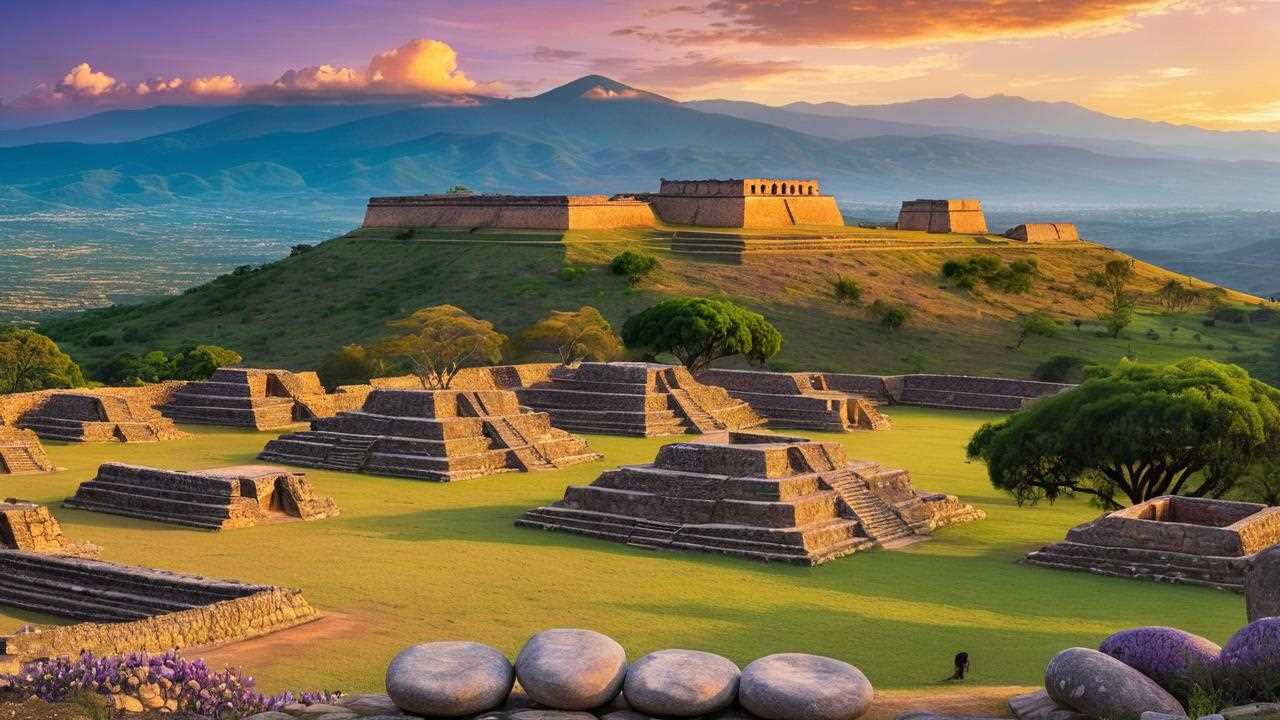
When you explore the history of Oaxaca, you'll uncover a rich tapestry woven from the legacies of its ancient Mixtec and Zapotec civilizations, known for their remarkable achievements in architecture and agriculture. The Spanish conquest in the 16th century brought profound changes, but despite this, indigenous resilience shone through figures like Emiliano Zapata, who fought for justice and land rights. Today, Oaxaca stands at a crossroads, where tradition and modernity coexist vibrantly. But what does this cultural renaissance really mean for its people and their future?
Pre-Columbian Civilizations
Long before the arrival of Europeans, Oaxaca was home to vibrant pre-Columbian civilizations that laid the foundation for its rich cultural tapestry. As you explore this region, you'll encounter the ancient Mixtec and Zapotec cultures, both pivotal in shaping Oaxaca's history.
These civilizations thrived due to the area's diverse geography, which provided fertile land and abundant resources. You can see how the Mixtecs excelled in artistry, creating intricate jewelry and pottery that still captivates today.
Meanwhile, the Zapotecs developed impressive architectural feats, notably the ceremonial center of Monte Albán, where you can imagine the bustling life of priests and merchants.
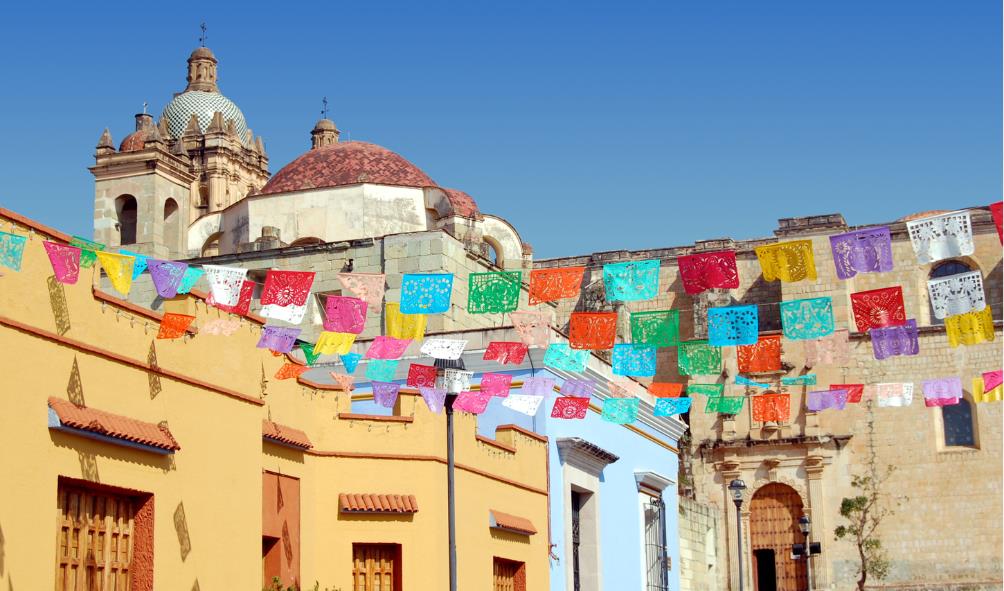
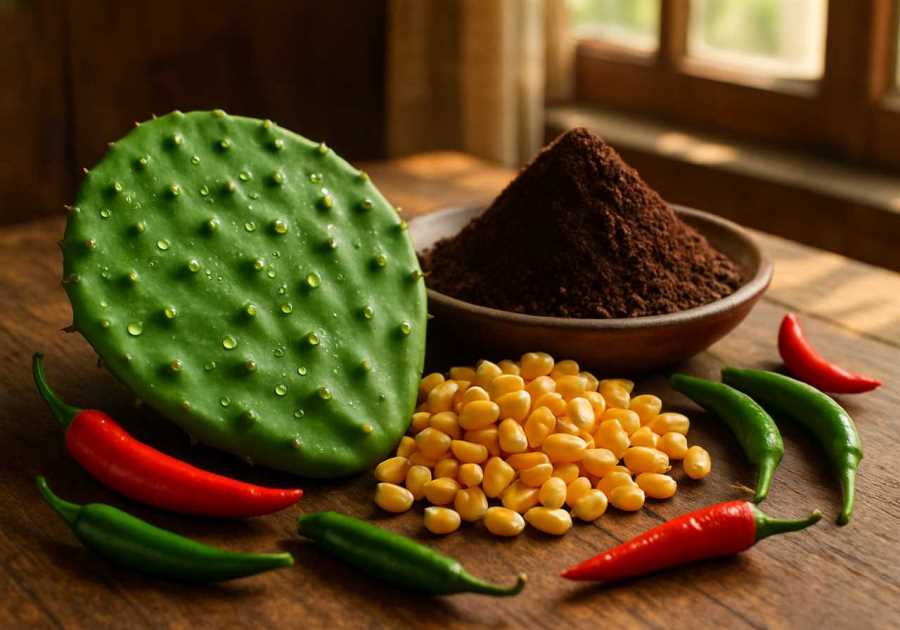
You'll also discover how agriculture played a central role in their societies. The ancient peoples cultivated maize, beans, and chili peppers, staples that continue to be integral to Oaxacan cuisine.
Their advanced agricultural techniques and social organization allowed these communities to flourish, building complex societies with rich traditions.
By engaging with this history, you gain a deeper understanding of how these early civilizations contributed to Oaxaca's identity, leaving a legacy that resonates in its art, language, and festivals even today.
Engage with this past, and you'll witness the vibrant spirit of Oaxaca.
The Zapotec Empire
The Zapotec Empire emerged as a powerful force in Mesoamerica, building upon the advancements of earlier civilizations like the Mixtecs and Zapotecs that thrived in the region.
You'll find that this civilization, centered in the Valley of Oaxaca, reached its peak around 500 BCE to 800 CE. The Zapotecs excelled in agriculture, with their terrace systems allowing them to cultivate the land effectively.
As you explore their culture, you'll see how their writing system became one of the earliest in Mesoamerica, deeply influencing the region's history.
The Zapotecs constructed monumental cities, with Monte Albán being a shining example, where they developed complex political and social structures. Here, you can appreciate their advancements in architecture, as the city showcases plazas, temples, and observatories.
Religion played a significant role in their society. The Zapotecs worshiped a pantheon of deities, ensuring that spiritual life intertwined with daily activities.
You'll notice their artistic expressions reflected this belief system, often featuring intricate pottery and carvings.
The Mixtec Kingdom
At its height, the Mixtec Kingdom emerged as one of Oaxaca's most influential civilizations, thriving from around 900 CE to the Spanish conquest in the 16th century. You'd find the Mixtecs excelling in agriculture, metallurgy, and craftsmanship, establishing a rich cultural tapestry. Their intricate pottery and stunning gold jewelry showcased unparalleled artistry, reflecting both their skill and social hierarchy.
The Mixtec political structure was complex, with numerous city-states led by local lords. These rulers often engaged in both alliance and warfare, expanding their territories and consolidating power. You'll appreciate how their written language, primarily used for historical records and genealogy, helped preserve their narratives and identity.
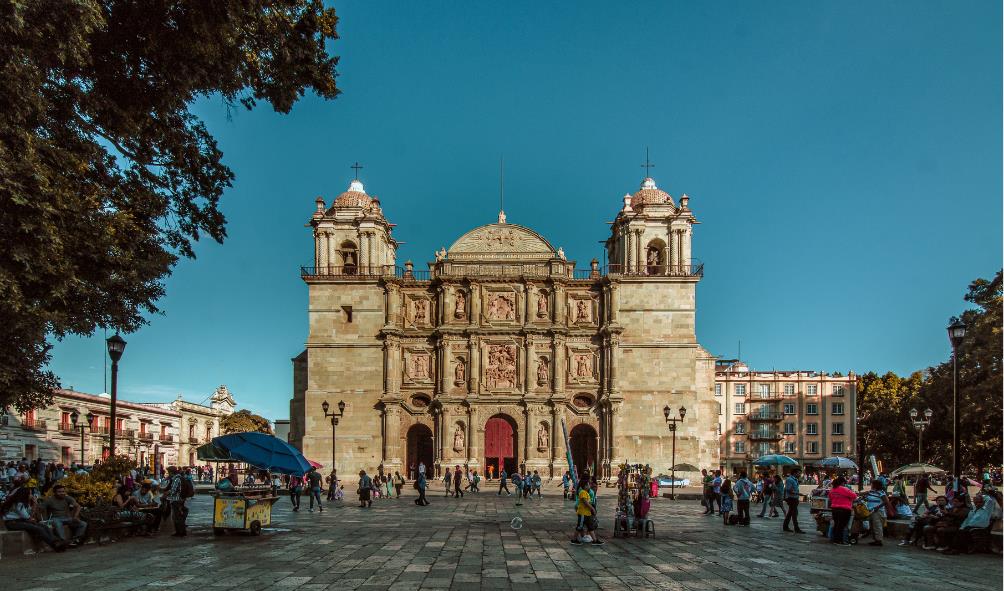
The capital, Mixtec historical sites like Monte Albán and Mitla, played crucial roles in their society, serving as political and spiritual centers. In these areas, you can see remarkable archaeological remains, providing a glimpse into their daily life and beliefs.
The kingdom's sophisticated calendar and agricultural techniques shaped their economy and societal organization, fostering stability.
As you delve deeper into their history, you'll grasp how the Mixtec Kingdom laid the groundwork for Oaxaca's cultural heritage, influencing future generations long after its decline.
Spanish Conquest
Significant changes swept through Oaxaca with the arrival of Spanish conquistadors in the 16th century. You'd see Spanish forces led by Hernán Cortés, who sought riches and power in this rich region.
The indigenous peoples, including the Mixtecs and Zapotecs, faced unexpected challenges as they encountered weaponry and tactics they'd never seen before. As you witness the clashes, it becomes clear that the Spaniards' superior military strength shifts the power dynamics.
You might observe alliances being formed as some indigenous groups sided with the conquistadors, believing they could benefit from the upheaval. However, this decision would lead to devastating consequences for many.
The establishment of New Spain begins, transforming Oaxaca's landscape and demographics. You'd notice churches being built atop sacred sites, reflecting the cultural shift that was taking place.
The Spanish missionaries aimed to convert the indigenous population to Christianity, leading to a profound cultural exchange, and sometimes conflict. While many traditions rooted in pre-colonial times began to fade, others adapted, creating a complex tapestry of Oaxaca's identity.
This era marks the beginning of a new chapter, setting the stage for the lasting impact of colonization on Oaxaca's future.
Colonial Era Developments
Throughout the colonial era, Oaxaca experienced profound transformations that reshaped its social, economic, and cultural landscape. You'd notice the Spanish establishing a strong presence, introducing new agricultural practices that increased productivity. The introduction of crops like wheat, sugarcane, and coffee affected local diets and trade.
As you walk through the towns, you'll see the construction of grand churches and public buildings reflecting Spanish architectural styles, starkly different from indigenous designs.
The colonial government imposed a class structure that marginalized indigenous populations, pushing many into labor for Spanish landowners. You could witness this dynamic as indigenous people navigated their rights and maintained aspects of their traditions, often blending them with Spanish customs.
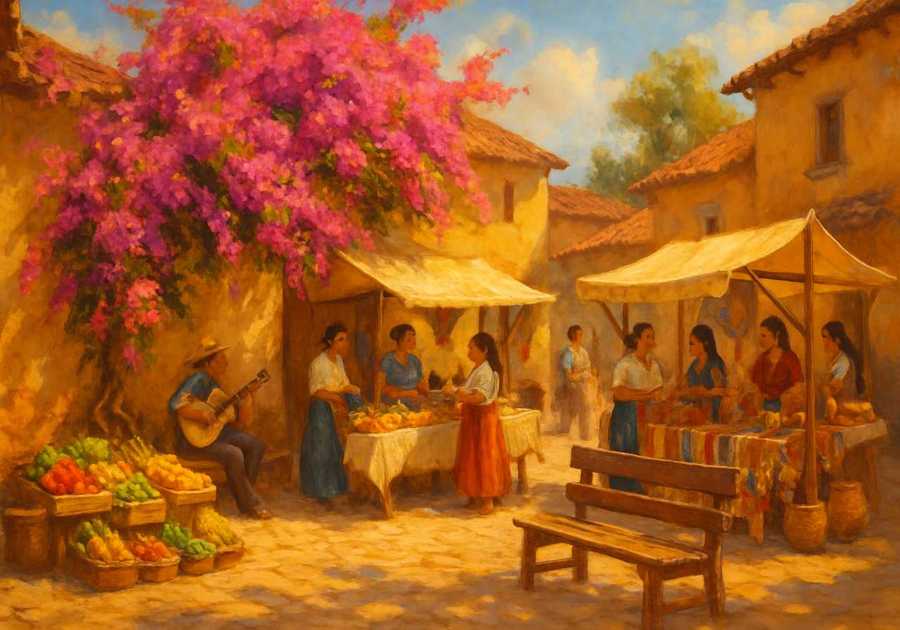
The city of Oaxaca became a bustling hub of trade, where you might encounter a lively marketplace filled with a mix of local and imported goods.
Education also changed with the founding of schools, often run by religious orders, which aimed to convert and educate the indigenous people. This era laid the groundwork for a complex social fabric that blended cultures and influenced customs, which would resonate through Oaxaca's history for generations to come.
Independence and Its Impact
Witnessing the struggle for independence in the early 19th century, Oaxaca found itself at a crossroads, as the fight against Spanish rule ignited a sense of national identity among its people. As news of revolutionary movements spread, Oaxaqueños began to rally behind leaders like José María Morelos, who inspired them with a vision of a free Mexico. You could feel the excitement and determination among the community, as they took up arms for the cause.
The journey wasn't easy, though. The battles were fierce, and the sacrifices were immense. Families faced hardship as the fight dragged on, yet their resilience only strengthened the local resolve. The ideals of liberty, equality, and fraternity echoed in the hearts of many.
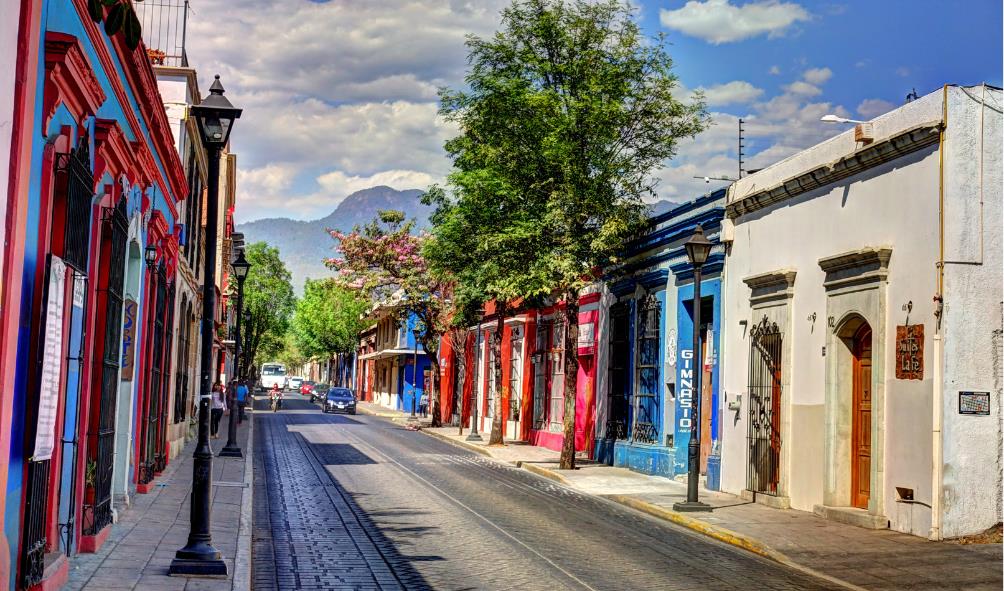
This struggle ultimately birthed a new sense of unity across Oaxaca, previously fragmented by social and ethnic divisions.
When independence was finally achieved in 1821, Oaxaca's people started envisioning a future that reflected their aspirations. Their dedication to the movement laid the groundwork for an evolving cultural identity, setting the stage for a new era filled with challenges and opportunities in post-colonial Mexico.
The impact of independence would resonate for generations to come.
The Mexican Revolution
In the years leading up to the Mexican Revolution, countless individuals in Oaxaca felt a growing discontent with the social injustices and economic disparities that plagued their lives. You might find it hard to imagine how deeply entrenched these issues were, as powerful landowners and foreign interests exploited the rural population. They lived in poverty while the elite flourished.
As you delve into the revolution, you'll discover how figures like Francisco Villa and Emiliano Zapata inspired many in Oaxaca to rise against oppression. They aimed to reclaim land and resources that had been unjustly taken, echoing the desire for reform and equality. Organized groups sprang up, fueled by the urgency for social change.
The conflict wasn't only about land; it was also about dignity. You'd witness communities banding together, facing overwhelming odds, embodying a spirit of resistance.
The revolution galvanized a diverse array of people, from indigenous communities to campesinos, uniting them in their struggle for a more equitable society.
Ultimately, the Mexican Revolution marked a significant turning point for Oaxaca, laying the groundwork for future political and social movements aimed at achieving justice and dignity for all.
Modern Cultural Renaissance
Oaxaca is experiencing a vibrant cultural renaissance, as artists, musicians, and artisans breathe new life into traditional practices while incorporating contemporary influences. You can see this revival reflected in the artwork displayed in local galleries and along the vibrant streets. The fusion of ancient traditions with modern techniques creates a dynamic art scene that draws both locals and tourists alike.
You'll also find musicians fusing traditional Mexican sounds with genres like jazz or rock, captivating audiences in local cafes and theaters. This blending of styles not only showcases the versatility of Oaxacan culture but also honors its rich musical heritage. Festivals celebrating culture and creativity have become common, providing a platform for emerging talent to shine.
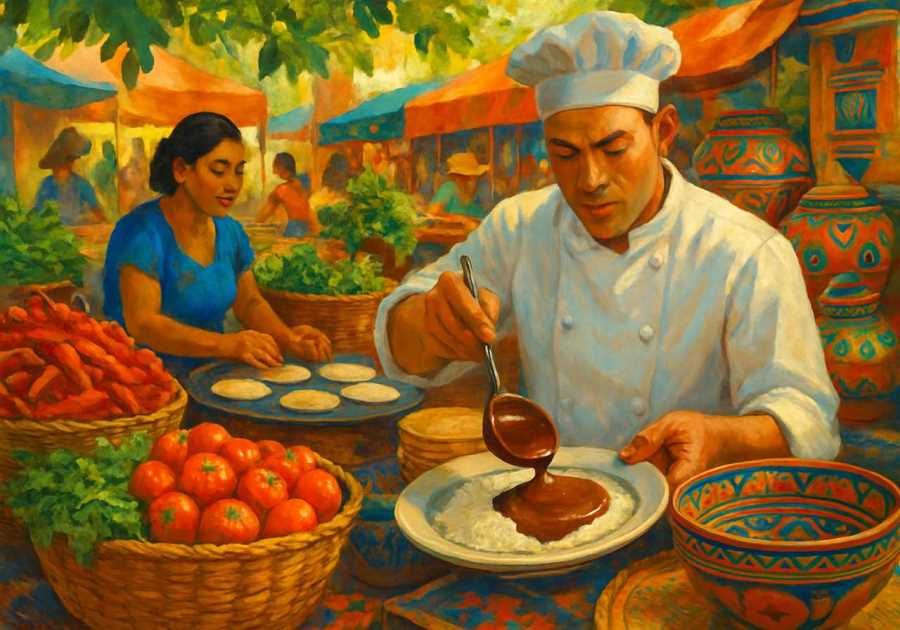
The culinary scene is also evolving, as chefs creatively reinterpret Oaxacan dishes, merging local ingredients with global cuisine trends. You'll taste the results in bustling markets and upscale restaurants, where the focus on sustainability and local sourcing primes the industry for a bright future.
As you explore Oaxaca, you'll witness this cultural shift firsthand. It's a time of innovation and rediscovery, ensuring that both traditional and modern influences will thrive for generations to come.
Oaxaca Today
Today, the vibrancy of Oaxaca is palpable, as its diverse communities come together to celebrate their shared heritage while embracing modern influences.
You can wander through the streets, witnessing a blend of traditional and contemporary art, reflected in colorful murals, galleries, and artisan workshops. The local markets burst with life, showcasing handicrafts, textiles, and the rich flavors of Oaxacan cuisine, including the famed mole and mezcal that you've got to try.
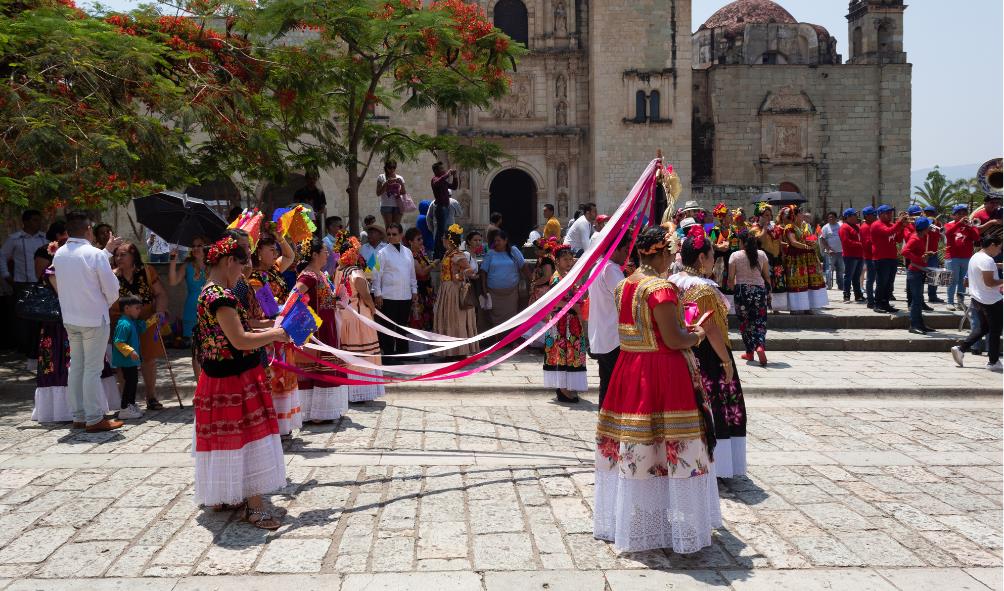
The annual Guelaguetza festival brings you closer to the region's indigenous cultures, featuring traditional music, dance, and costumes that captivate both locals and visitors.
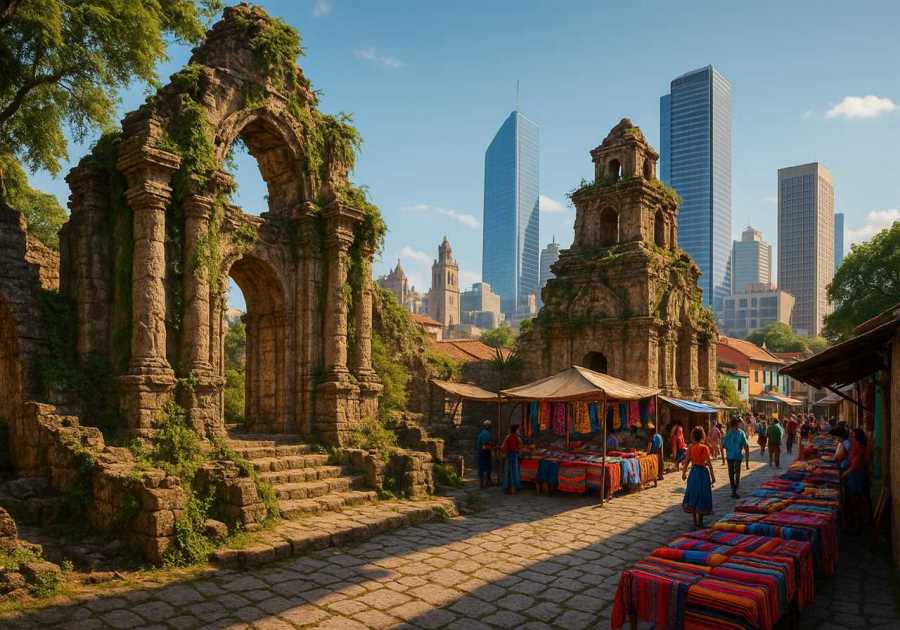
As you stroll through the historic center, you'll feel the fusion of ancient and modern architecture that narrates the city's history.
Education and sustainable tourism have taken root, allowing you to engage with local initiatives aimed at preserving cultural identity while promoting economic growth.
Oaxaca's culinary scene is thriving, with new restaurants blending traditional recipes with innovative techniques.
Conclusion
In exploring Oaxaca's rich history, you've seen how its vibrant civilizations have shaped the region's identity. From the powerful Zapotec and Mixtec cultures to the profound impacts of the Spanish conquest and the Mexican Revolution, each era played a crucial role in defining Oaxaca. Today, you can witness a cultural renaissance celebrating this legacy, blending tradition and modernity. Embrace the beauty and resilience of Oaxaca, where the past continues to inspire the present.
Statistics
- There are more than 1,600 registered archaeological sites in Oaxaca, showcasing its diverse pre-Columbian civilizations.
- In 1987, five sites in Oaxaca, including Monte Albán and Mitla, were designated as UNESCO World Heritage Sites, recognizing their global historical significance.
- Today, Oaxaca hosts over 16 distinct indigenous groups, each preserving unique cultural and historical traditions.
- Oaxaca is home to over 16,000 years of human history, making it one of the most historically rich regions in Mesoamerica.
External Links
- Gobierno de Oaxaca - Historia provides official historical information and documentation about the state.
- Secretaría de Turismo de Oaxaca offers extensive resources on Oaxaca's historical landmarks and heritage.
- History.com’s History of Mexico includes comprehensive sections on Oaxaca's historical contributions.
- Britannica's Overview of Oaxaca provides a detailed account of the region's historical development.
How To Trace the Evolution of Oaxaca’s Political History
Tracing Oaxaca's political history involves examining its role from pre-Columbian times through modern governance. Begin by studying the rise and fall of the Zapotec and Mixtec civilizations, focusing on their social structures and political organization. Explore the impact of Spanish colonization, including the establishment of colonial administration and the integration of indigenous governance systems. Investigate key historical events such as the Mexican War of Independence and Oaxaca’s role in it. Delve into the 19th and 20th centuries, analyzing periods of political reform, indigenous movements, and economic changes. Utilize historical archives, scholarly works, and local historical societies to gather comprehensive information. Understanding Oaxaca's political evolution requires a multifaceted approach, considering both indigenous and external influences that have shaped its current governance and societal structures.
Uncover the Vibrant History of Oaxaca
Oaxaca stands as a testament to Mexico's diverse cultural heritage, with its history deeply rooted in indigenous civilizations and colonial influences. From the magnificent ruins of Monte Albán to the intricate craftsmanship of local artisans, the region offers a rich tapestry of stories waiting to be explored. Understanding Oaxaca's past provides valuable insights into its present-day traditions, festivals, and social dynamics. Whether you're a history enthusiast or simply curious about the region's legacy, delving into Oaxaca's historical narrative will enhance your appreciation for its unique identity. For a comprehensive exploration of Oaxaca's past and other historical facets of Mexico, visit escapetomexiconow.com.