.png)
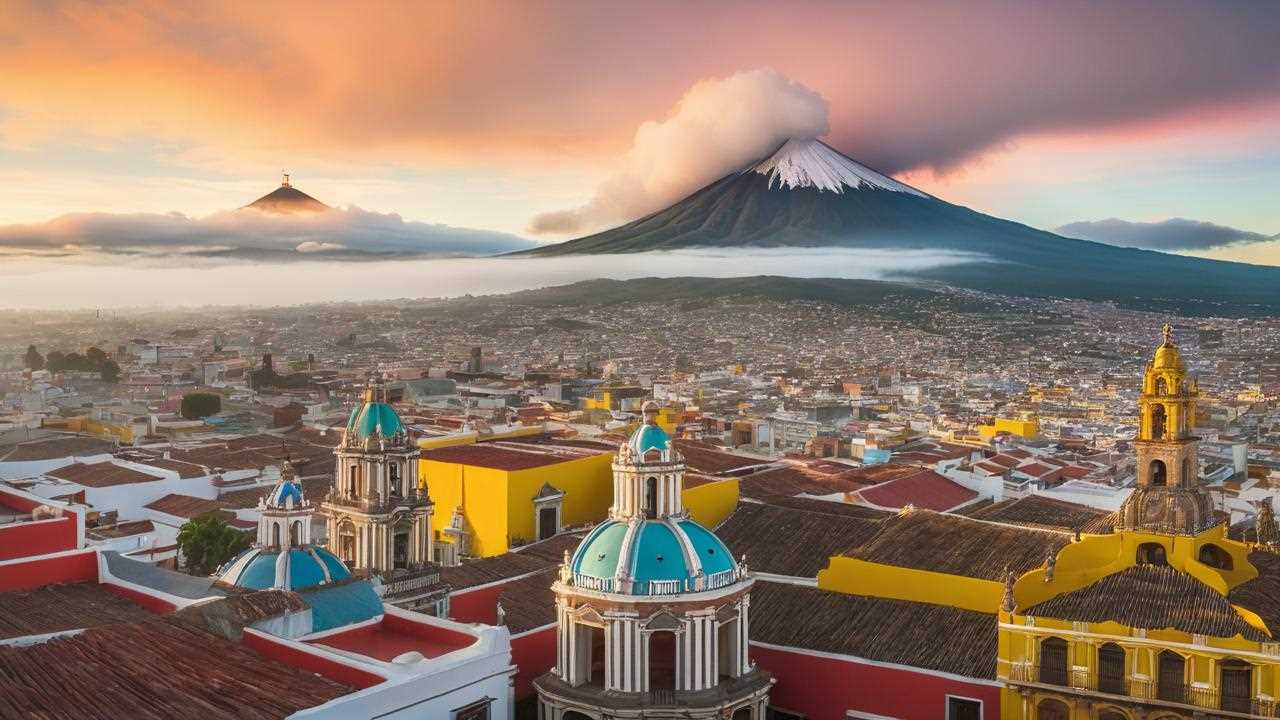
When you think about Puebla, imagine its rich tapestry of history woven from indigenous roots and colonial influences. Founded in 1531, this city became a hub of trade and culture, shaped by events that marked both struggle and resilience. Significant moments, like the Battle of Puebla in 1862, highlight its role in the fight against imperialism, but what truly makes Puebla stand out is its enduring legacy that extends beyond mere battles. There's much more to uncover about how Puebla transitioned through eras, shaping its identity today.
Foundation and Early Years
Puebla, a vibrant city in central Mexico, was founded in 1531 by Spanish settlers seeking to establish a settlement between Mexico City and the port of Veracruz. This strategic location allowed them to control trade routes and foster local agriculture.
Initially named "Puebla de los Ángeles," the city attracted various settlers, creating a melting pot of cultures. As you stroll through Puebla's streets, you can imagine those early days filled with the chatter of diverse ethnic groups, each contributing to the city's character.
The settlers, primarily Spaniards, interacted with indigenous groups like the Nahua, shaping the social landscape. You'd also notice the early establishment of local governance, building blocks for future administration.
In its early years, Puebla faced challenges like skirmishes and natural disasters, but it persevered. The settlers cultivated the land and introduced European crops and livestock, enhancing agricultural productivity.
Colonial Influence and Architecture
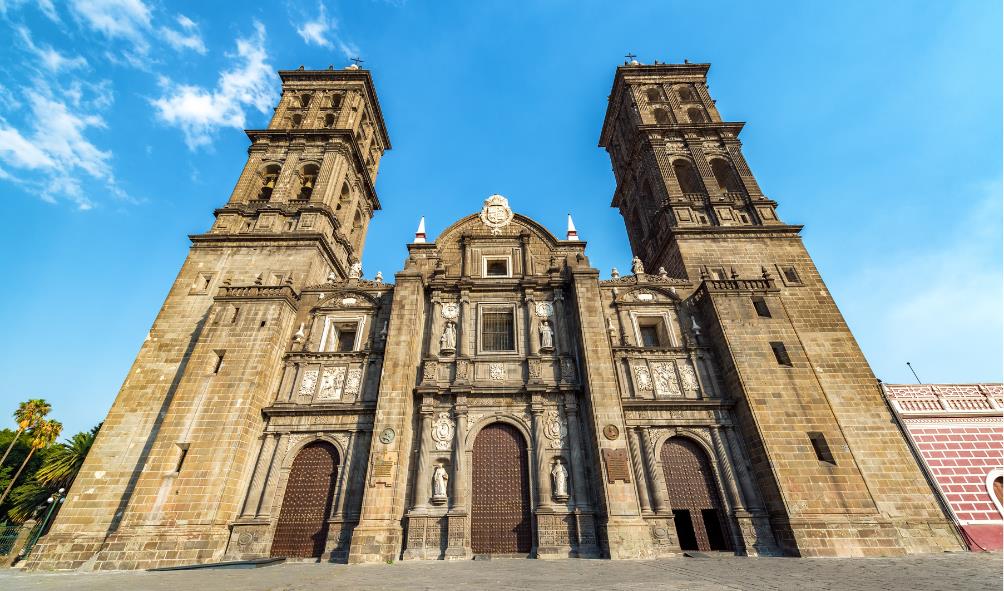
The impact of colonial influence on the city is evident in its stunning architecture, which reflects a blend of Spanish baroque and indigenous design. As you stroll through Puebla's historical streets, you can't help but admire the dramatic facades and intricate details of its churches and buildings.
The grand Puebla Cathedral, for instance, showcases soaring towers and beautifully decorated altars, marking a significant point in the architectural evolution of the city.
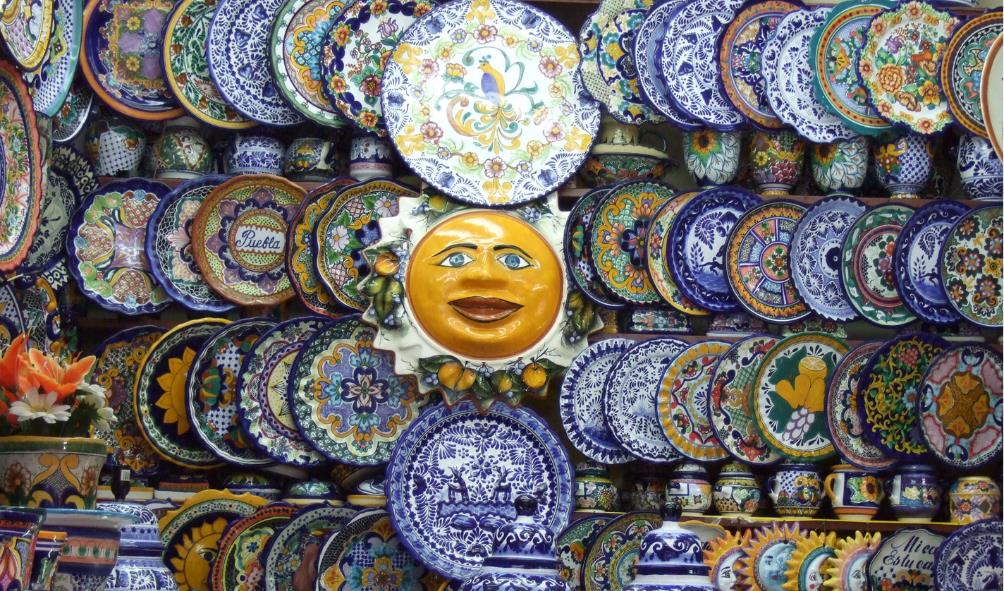
You'll also notice vibrant tiles adorning many structures, a perfect example of how indigenous art infused itself into colonial designs. The Talavera pottery, with its vivid colors and intricate patterns, complements the architectural landscape and adds a unique charm.
Many colonial buildings have preserved their original character, allowing you to step back in time as you explore palaces and convents that speak of the city's rich history.
The design of public squares, like the Zócalo, showcases an arrangement that fosters community and reflects Spanish urban planning principles.
In Puebla, architecture isn't just about aesthetics; it's a narrative of conquest, coexistence, and creativity that continues to captivate visitors today.
Cultural Melting Pot
One might say that Puebla is a vibrant tapestry woven from its rich blend of cultures. This city, renowned for its culinary delights and artistic heritage, showcases a unique mixture of indigenous, Spanish, and even African influences.
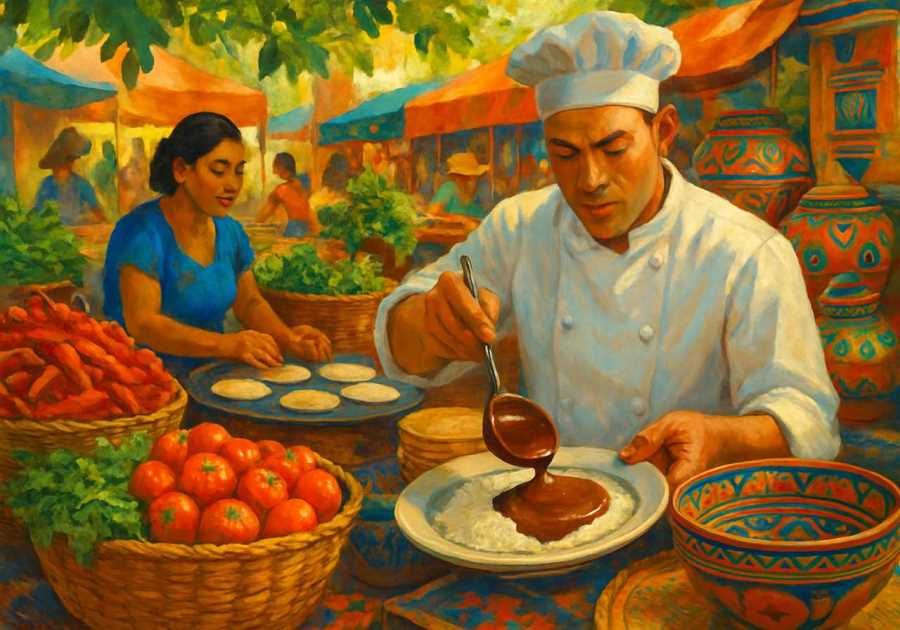
As you stroll through the streets, you can see and feel the fusion of traditions that defines everyday life here. You'll notice street vendors selling authentic mole poblano, a dish that tells the story of indigenous ingredients combined with European recipes.
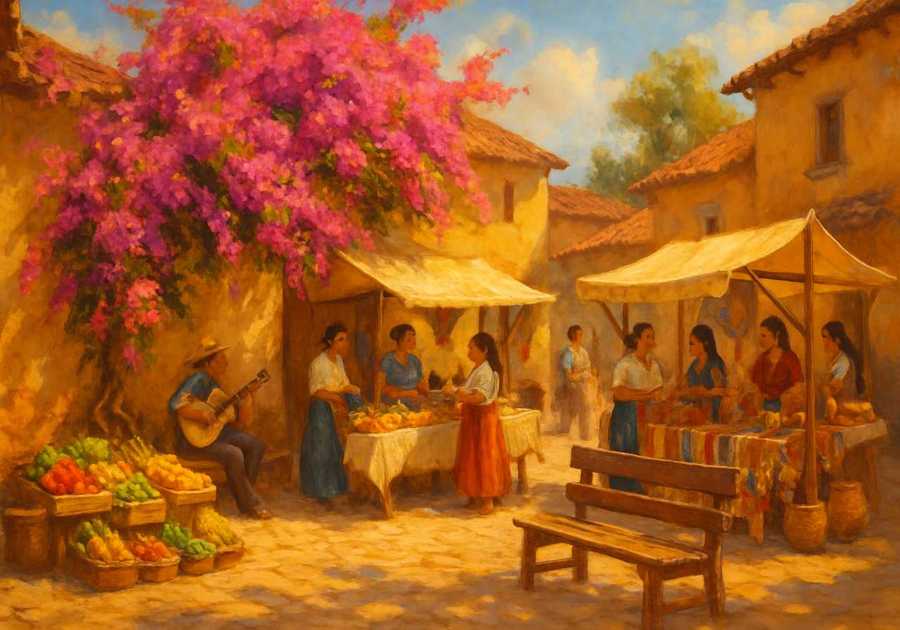
In the markets, colorful textiles reflect the skills passed down through generations, embodying both native craftsmanship and colonial heritage. The music that fills the air, from vibrant mariachi to traditional folk tunes, mirrors this cultural diversity.
Festivals like Cinco de Mayo give you a chance to witness how the community celebrates its historical roots while embracing modernity. Art galleries and workshops showcase local artisans, each infusing their personal touch into Puebla's creative scene.
Key Historical Events
Key historical events have significantly shaped Puebla's identity over the centuries. Founded in 1531 by Spanish colonists, Puebla quickly became an important center for trade and culture due to its strategic location between Mexico City and Veracruz. This positioning led to the construction of impressive colonial architecture, which still defines the city today.
In the 19th century, you witnessed Puebla playing a critical role during the Reform War. Various conflicts, including the French intervention, highlight its importance as site for both resistance and military strategy. The famous Cinco de Mayo, commemorating the 1862 victory over French forces, stems from these tumultuous times, showcasing Puebla's resilience.
Moreover, the industrial revolution, beginning in the late 19th century, propelled Puebla into modernity, leading to advancements in textiles and manufacturing.
As you delve deeper into its history, you'll discover how these events intertwine, shaping local traditions and community identity.
While Puebla continues to evolve, it's essential to remember how these key historical events laid the groundwork for its rich cultural tapestry today. As you explore this vibrant city, you'll feel the echoes of its past living on.
Battle of Puebla Significance
Puebla's historical significance is highlighted by the Battle of Puebla on May 5, 1862, which marked a pivotal moment in Mexico's fight against French imperialism. This battle wasn't just a clash of arms; it symbolized Mexican resilience and national pride.
When the vastly outnumbered Mexican forces, commanded by General Ignacio Zaragoza, defeated the French army, it sparked a sense of unity among Mexicans. You can see how this triumph directly inspired not only the Mexican population but also other countries struggling against oppression.
The victory solidified Puebla's role as a focal point of resistance, showcasing the strength of local forces against colonialism. This moment fueled a spirit of determination and bravery throughout Mexico, changing the course of history.
It reinforced the idea that even under dire circumstances, unity and courage can lead to success. Celebrated annually as Cinco de Mayo, the battle serves as a reminder of the sacrifices made for sovereignty.
The French Intervention
During the mid-19th century, Mexico faced political instability and financial turmoil, which provided the perfect opportunity for foreign intervention. France, under Emperor Napoleon III, sought to expand its influence in Latin America and saw Mexico as an ideal target. Your understanding of the situation will deepen as you realize that the French aimed to establish a monarchy under Maximilian of Habsburg.
In 1862, the French troops invaded Mexico, and despite initial resistance, they swiftly captured key cities, including Puebla. You'd find the Battle of Puebla, fought on May 5, 1862, to be a significant turning point. Mexican forces, led by General Ignacio Zaragoza, achieved an unexpected victory against the better-equipped French army, boosting national morale and delaying the French advance.
However, this victory was short-lived. By 1864, the French successfully installed Maximilian as emperor, leading to years of conflict.
As you delve deeper, you'll learn that this foreign occupation stirred up fierce opposition among Mexican liberals and led to internal strife. Ultimately, the French Intervention marked a pivotal moment in Mexican history, setting the stage for future struggles for sovereignty and the revival of Mexican nationalism.
Post-Independence Developments
The aftermath of the French Intervention left Mexico grappling with the need to rebuild and redefine its national identity. In this context, Puebla emerged as a key player in the nation's post-independence landscape.
You'll find that the city underwent significant changes as it navigated through political instability and social transformation. As you explore Puebla during this period, you'll see its economy shifting from colonial foundations to more diversified ventures.
Agriculture thrived, particularly in producing crops like sugar and coffee, which bolstered local commerce. But this wasn't just about economics; the people began to embrace a newfound sense of pride in their heritage and culture.
Architecturally, the city began to reflect this change. You'll notice that many buildings from this era exhibit a fusion of styles, indicating a rapidly evolving identity. The local government took various steps to improve infrastructure and education, aiming to foster a more educated citizenry.
Despite challenges like epidemics and political turmoil, Pueblans showed resilience. Their ability to adapt and innovate during these transformative years laid a crucial foundation for the city's future—one that would further solidify Puebla's significance in Mexico's ongoing narrative.
Puebla's Modern Transformation
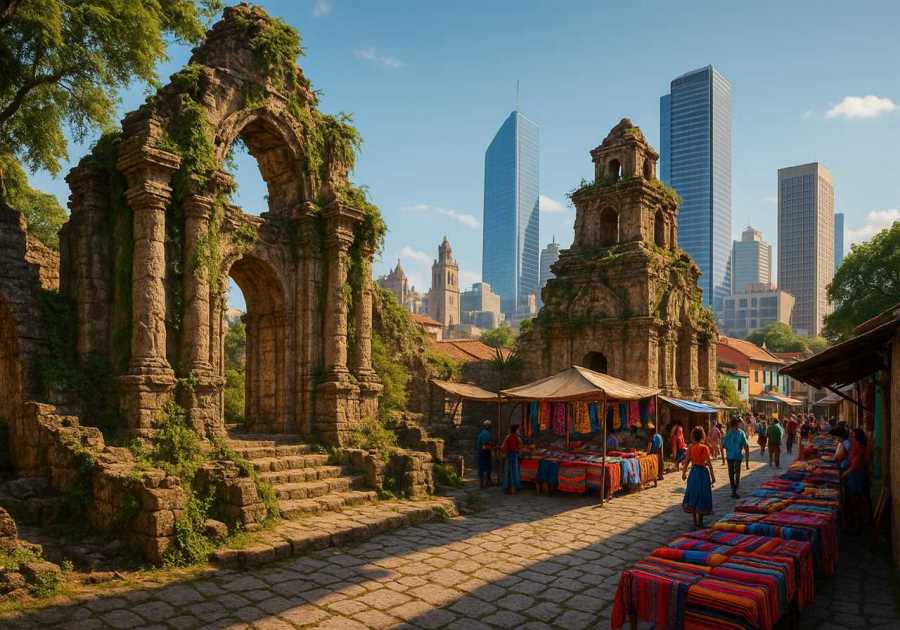
Significant changes have shaped Puebla's modern landscape, transforming it into a vibrant hub of culture and innovation. You'll notice a blend of historic architecture and contemporary design as you wander through the city.
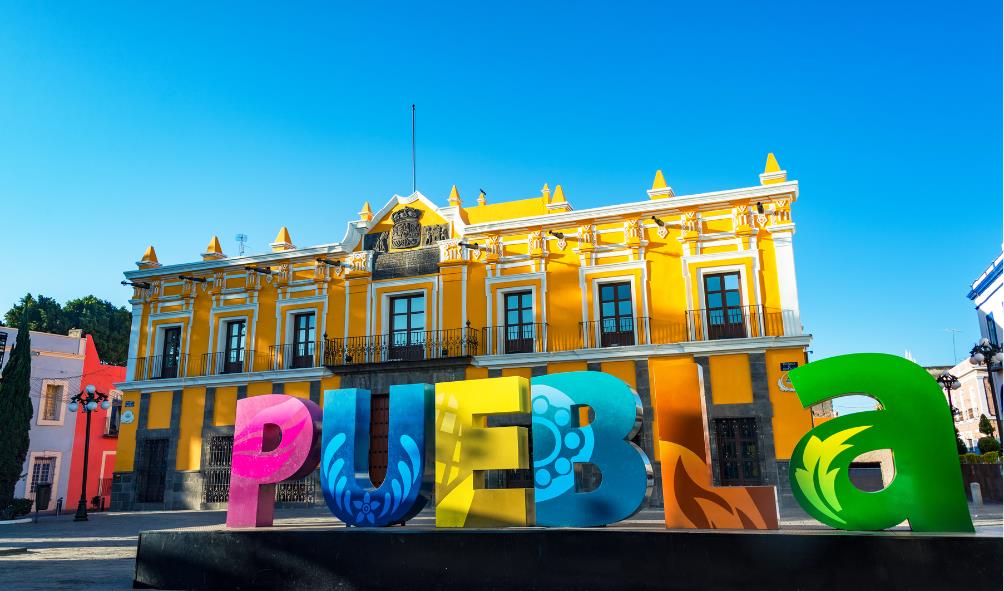
With its booming tech industry, Puebla has become a magnet for startups and entrepreneurs, creating exciting job opportunities and stimulating economic growth.
Public spaces have also improved, making it easier for you to enjoy community life. Parks, art galleries, and cultural events invite you to engage with local artists and experience Puebla's creative side.
The culinary scene has exploded, offering you an array of gastronomic delights that blend traditional flavors with modern techniques, highlighting Puebla's rich culinary heritage.
Moreover, transportation improvements, such as the expanding bus rapid transit system and new highways, connect you to neighboring regions, making travel more convenient.
Puebla isn't just a historical city; it's a dynamic metropolis evolving rapidly while still embracing its roots. As you explore this modern Puebla, you'll see how it honors its past while confidently stepping into the future, making it a remarkable place to live, work, and visit.
Preserving Traditions and Heritage
In Puebla, you'll find a strong commitment to preserving traditions and heritage that stems from a rich cultural history. You can explore vibrant markets filled with artisanal crafts, traditional textiles, and handmade pottery. The annual festivals, like the Feria de Puebla, showcase local music, dance, and cuisine, inviting you to join in the celebration of regional identity.
You're likely to notice the stunning colonial architecture that lines the streets, a testament to Puebla's historical significance. For instance, the famous Talavera pottery remains a symbol of local craftsmanship, reflecting centuries-old techniques. Local artisans continue to pass down their skills, ensuring that these crafts don't fade into obscurity.
Food is another cornerstone of Puebla's heritage. You'll savor traditional dishes like mole poblano and chiles en nogada, each with historical roots and cultural meanings. Many local families take pride in their recipes, keeping culinary traditions alive through generations.
Participating in workshops or cultural events lets you connect personally with Puebla's legacy. By doing so, you contribute to the culture's vibrancy, ensuring that these cherished traditions endure for future generations. Embrace this opportunity to celebrate and preserve Puebla's unique heritage.
Conclusion
Puebla's rich history is a testament to its resilience and cultural diversity. From its colonial roots to its pivotal role in key historical events, you can see how the city has evolved while preserving its traditions. The Battle of Puebla stands as a symbol of unity, and today, modern Puebla blends the old with the new. As you explore this vibrant city, you'll appreciate its unique heritage and the lasting impact it has on Mexico's culture.
Statistics
- Over 300 colonial-era documents have been preserved in Puebla's archives, providing extensive insights into the region's history.
- During Mexico's War of Independence, Puebla was home to 15 significant leaders who played pivotal roles in the movement.
- Puebla's Talavera pottery tradition has been sustained for over four centuries, contributing significantly to the region's cultural heritage.
- Puebla was officially founded on April 16, 1531, by Spanish conquistadors, marking its establishment as a key colonial city in Mexico.
External Links
- UNESCO World Heritage - Puebla: Detailed information on Puebla's designation as a UNESCO World Heritage Site and its historical significance.
- Puebla Travels - History of Puebla: An in-depth look at the historical events that shaped the city of Puebla.
- Gobierno de México - Historia de Puebla: Official government resources detailing the history of Puebla.
- Encyclopedia Britannica - Puebla: Authoritative information on Puebla's historical background and development.
How To Visit Historical Sites in Puebla
Visiting historical sites in Puebla offers a window into the city's rich past. Start with the historic center, a UNESCO World Heritage Site, where landmarks such as the Puebla Cathedral and the Rosary Chapel stand out for their architectural beauty and historical significance. The Palafoxiana Library, one of the oldest in the Americas, provides access to rare books and manuscripts. The Great Pyramid of Cholula, located nearby, combines indigenous and colonial history and is a must-see for its impressive structure and underground tunnels. Additionally, the Calle de los Dulces showcases traditional shops and buildings preserved from the colonial era. Utilizing guided tours can enhance the experience by providing detailed narratives and historical context for each site visited.
Understand Puebla’s Role in Mexican History
Puebla has been a central figure in many key moments of Mexico’s history, from the colonial era to the fight for independence and beyond. Learning about the events that took place here offers a unique perspective on the broader national narrative. Understanding Puebla’s contributions and challenges throughout history can provide valuable lessons and insights. Whether you’re a student, researcher, or enthusiast, deepening your knowledge of Puebla’s historical role will enrich your understanding of Mexico as a whole. For related articles and in-depth coverage on Mexico's history, visit Escape to Mexico Now.