.png)
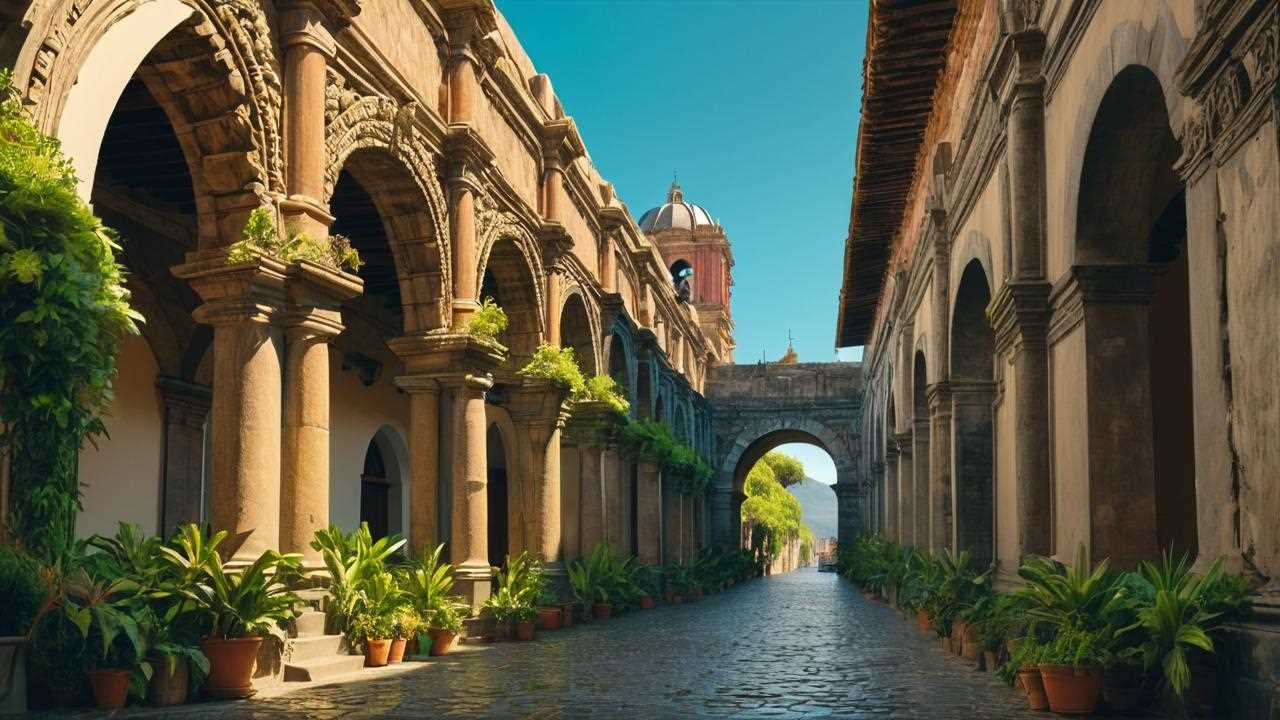
You might find it intriguing how Querétaro's history unfolds, beginning with the sophisticated indigenous cultures that thrived long before Spanish colonization. As you explore the region's transformation through conquest and the resulting cultural fusion, you'll notice the complex interplay of oppression and resilience. This dynamic not only shaped the local identity but also laid the groundwork for significant events in Mexico's fight for independence. However, the story doesn't end there; Querétaro's architectural wonders and its modern identity promise unexpected turns that invite further examination.
Pre-Colonial Era
The Pre-Colonial Era of Querétaro is rich with cultural and historical significance. Before the arrival of Europeans, the region was home to various indigenous groups, including the Otomi, Purépecha, and Chichimeca.
You'll find that these communities played a crucial role in shaping the identity of Querétaro. They engaged in agriculture, hunting, and trade, forming a complex society deeply connected to the land.
As you explore the area, you'll notice the remnants of their advanced agricultural techniques, such as the terraced fields and irrigation systems. These innovations were vital for sustaining their populations and supporting trade networks that extended beyond Querétaro's borders.
The diverse cultures contributed unique crafts, languages, and belief systems, creating a rich tapestry of life. You might also encounter archaeological sites that tell stories of their daily lives, rituals, and social structures.
The petroglyphs scattered across the region feature images that provide insight into their spiritual beliefs and connection to nature. In recognizing these elements, you appreciate how the Pre-Colonial Era of Querétaro laid the foundation for its later development and transformation.
Spanish Conquest
Following the arrival of Spanish conquistadors in the early 16th century, Querétaro underwent a dramatic transformation that reshaped its social and cultural landscape.
You'll notice how the indigenous groups, primarily the Otomi and the Chichimeca, faced significant challenges as the Spanish sought to exert their influence. They quickly established alliances with certain tribes, often pitting them against others to consolidate power.
You can see that this period wasn't just about military force; the Spaniards brought new technologies, crops, and religious beliefs, fundamentally altering daily life. As they built their settlements, they imposed new social structures that disrupted traditional ways.
The introduction of Christianity played a crucial role, as the missionaries aimed to convert the local population, often erasing native spiritual practices.
As the fervor of conquest intensified, you can imagine the resistance mounted by indigenous peoples. Their struggles and resilience painted a rich but tumultuous history, rich with tales of conflict and adaptation.
This era marked the beginning of a profound shift that laid the groundwork for future interactions and developments in Querétaro. Understanding this conquest helps you appreciate the complex dynamics of identity and culture that emerged in the region.
Colonial Establishment
Querétaro's colonial establishment laid the groundwork for a burgeoning society that blended indigenous and Spanish influences.
As you delve into its history, you'll discover how the Spanish arrived and began to reshape the land. They built churches, homes, and public buildings, reflecting European architectural styles while incorporating local resources and techniques.
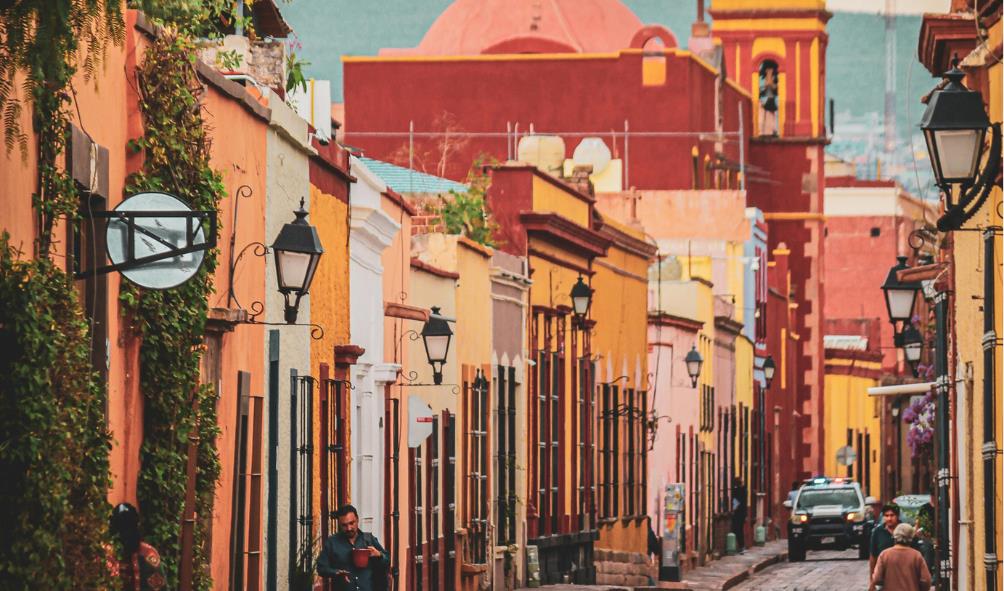
You'd notice that this transformation wasn't just about construction. The Spanish implemented new social structures, often displacing indigenous governance while imposing their own. However, the local population didn't simply fade away; their customs and traditions intertwined with Spanish practices, creating a distinct culture.
As the settlement grew, you'd observe the emergence of a mixed society where Nahua and Spanish speakers coexisted, sharing their language and beliefs.
The establishment of agriculture and livestock practices also marked this period significantly.
You can see how Querétaro's colonial times laid foundational principles for social organization, cultural practices, and religious beliefs that resonated through generations.
The resulting syncretism not only enriched the local community but also influenced the trajectory of Querétaro's development in the centuries to follow.
Economic Development
Economic development in Querétaro took shape through a combination of strategic location, agricultural innovation, and burgeoning trade. You'll find that its position in central Mexico allowed for easy access to major markets, fostering commerce between various regions.
As you explore, you'll notice that the fertile lands of Querétaro facilitated agricultural advancements, enabling farmers to improve crop yields and experiment with new techniques.
As trade routes expanded, Querétaro emerged as a key player in the exchange of goods. Merchants began to flock to the region, exchanging everything from textiles to spices, stimulating the local economy.
You might also observe how the construction of infrastructure, such as roads and railways, connected Querétaro to larger urban areas, further enhancing trade opportunities.
Additionally, the city saw an increase in industrial activities. Factories and workshops began sprouting up, providing employment and diversifying the economy.
This shift toward industrialization not only bolstered wealth but also attracted skilled workers.
In essence, when you delve into Querétaro's economic development, you witness a dynamic blend of agriculture and industry, fortifying its position as an essential hub within Mexico's economic landscape.
Role in Independence
As industrial activities gained momentum, Querétaro also became an important site for the movement toward independence from Spanish rule. The city's strategic location made it a crucial hub for revolutionary activities. You'd see people gathering to discuss ideas, share news, and organize efforts against the oppressive colonial government.
The presence of fervent leaders and supporters helped ignite the independence movement in the region. You'd feel a palpable energy as citizens began to assert their desire for freedom, fueled by the ideals of equality and self-determination. The city saw significant protests and uprisings, which helped build the momentum needed for the struggle against Spanish authority.
Querétaro's role wasn't just passive; it actively contributed troops and resources to support the cause. As events unfolded, the city's commitment to independence became clearer, illustrating its importance in the overall fight for autonomy.
Ultimately, Querétaro laid the groundwork for a broader movement that would reshape Mexico's future. By the time the independence struggle reached its peak, you'd recognize the deep connection between Querétaro's efforts and the eventual success of the revolution, forever cementing its place in history.
Significant Figures
Several significant figures emerged from Querétaro during the fight for independence, each playing a vital role in shaping the movement.
One notable figure is Miguel Domínguez, a pivotal leader whose actions inspired many. As a local magistrate, he supported the independence cause and became a central figure in the conspiracy that aimed to overthrow Spanish rule.
His wife, Josefa Ortíz de Domínguez, also played a crucial role. Known for her intelligence and bravery, she used her social status to gather information and rally support for the independence movement.
Another key figure is Ignacio Pérez, a valued military leader who fought alongside other insurgents. His commitment and strategic approach significantly strengthened the independence efforts.
You can't overlook the contributions of Serafín Ortiz de Domínguez, who brought his skills and resources to the cause, further cementing Querétaro's position in the fight for liberty.
Lastly, the revered priest, Father José María Huerta, inspired many with his passionate sermons advocating for freedom.
Together, these figures not only galvanized the people of Querétaro but also left an enduring legacy that shaped the future of Mexico. Their courage and determination resonate even today.
Architecture and Landmarks
Querétaro is home to a rich tapestry of architecture and landmarks that reflect its storied past and cultural significance. As you stroll through the historic center, you'll encounter remarkable examples of colonial architecture, like the stunning Querétaro Cathedral. This neoclassical gem, built in the 17th century, showcases intricate designs and a beautiful altar that'll catch your eye.
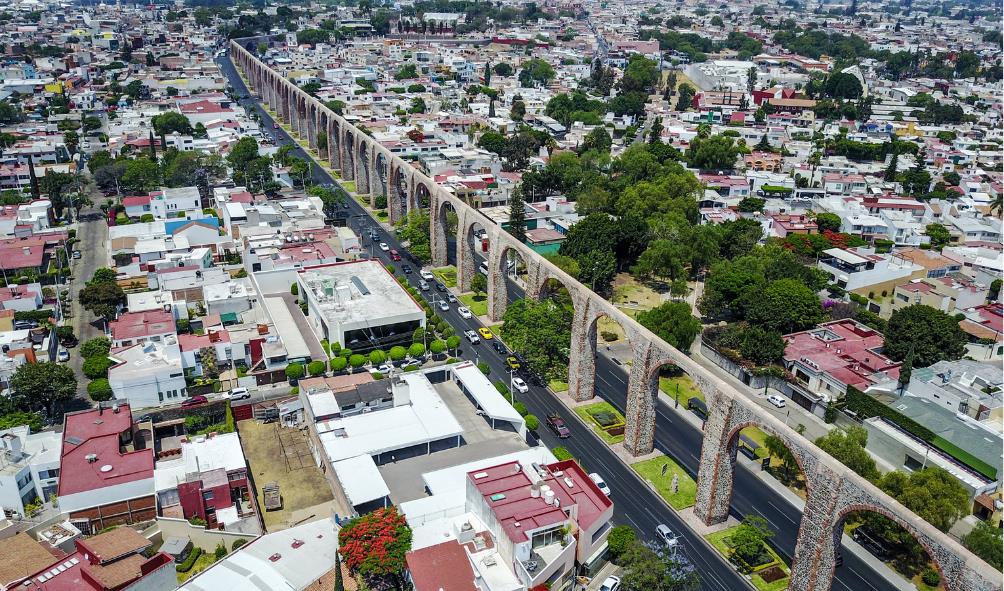
Don't miss the iconic aqueduct, rising high above the city. Constructed in the 18th century, its 74 arches create a striking image against the skyline and a symbol of engineering prowess.
As you explore, you'll also come across the Teatro de la República, a cultural hub where significant historical events occurred, including the drafting of the Mexican Constitution.
The city is dotted with plazas, like Plaza de Armas, where you can relax and soak in the local atmosphere. Each building you see tells a unique story, reflecting the diverse influences that have shaped Querétaro over the centuries.
Whether you're admiring intricate facades or enjoying the lively street life, these architectural gems create an unforgettable experience, highlighting the rich history that continues to resonate within the vibrant community.
Cultural Evolution
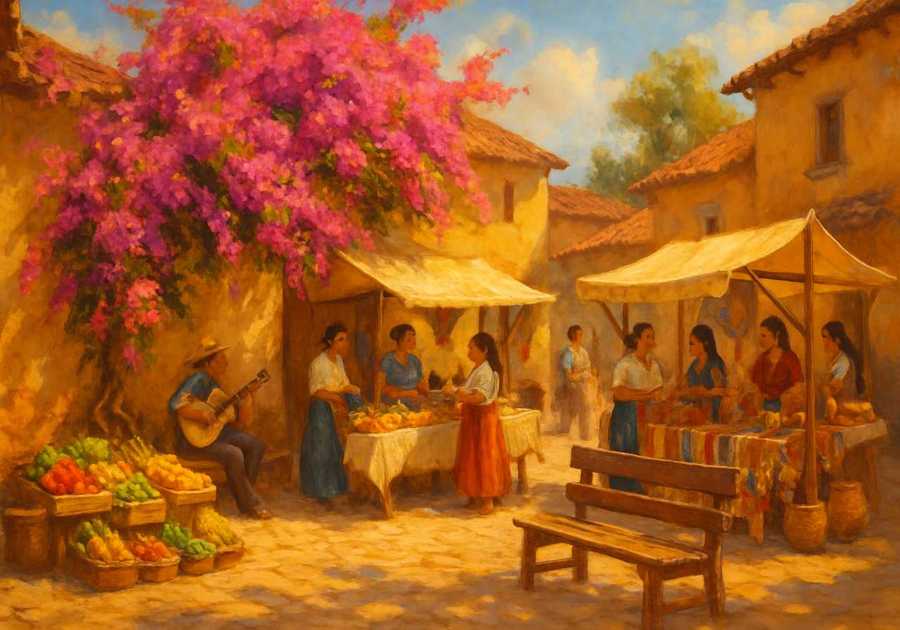
While exploring the vibrant streets of this city, you'll notice how its cultural evolution is a blend of indigenous traditions and colonial influences. From the colorful handicrafts at local markets to the lively festivals throughout the year, every aspect reflects the rich history that's shaped Querétaro.
You'll likely hear the sounds of traditional music echoing through the plazas, where dancers showcase their skills in folk performances that celebrate both pre-Hispanic and colonial legacies.
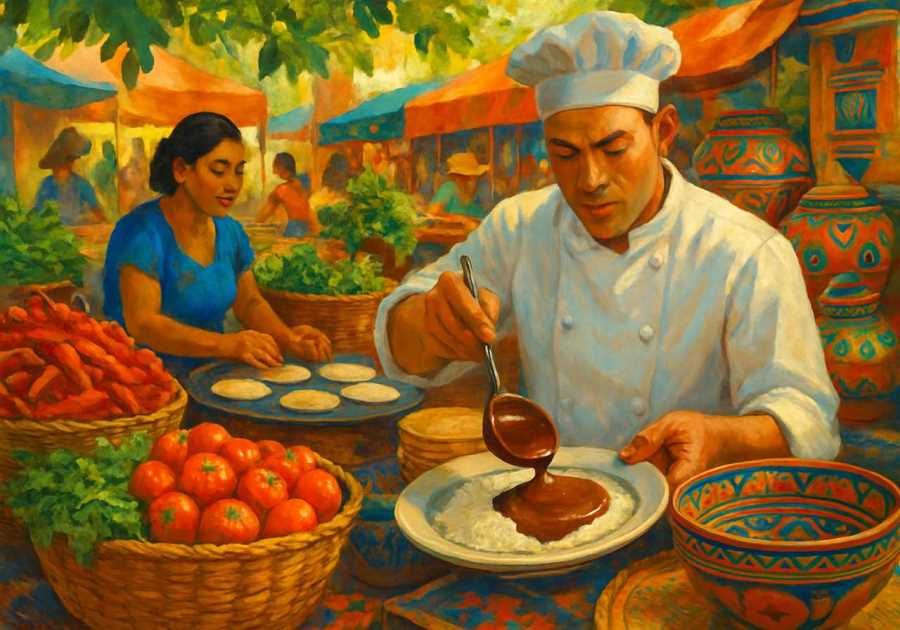
As you dive deeper, pay attention to the culinary scene, which features a delightful mix of indigenous ingredients and Spanish techniques. You might try local dishes such as enchiladas queretanas or the famed quesadillas, each telling a story of cultural fusion.
Don't miss out on the arts—local artists often draw inspiration from their surroundings, creating works that highlight the city's historical context. Galleries and museums pepper the area, showcasing everything from ancient artifacts to contemporary pieces.
Through festivals, food, and art, Querétaro's cultural evolution invites you to engage with its past while celebrating its dynamic present. You'll leave with a deeper appreciation for the city's unique identity, continuously shaped by its diverse influences.
Modern Day Querétaro
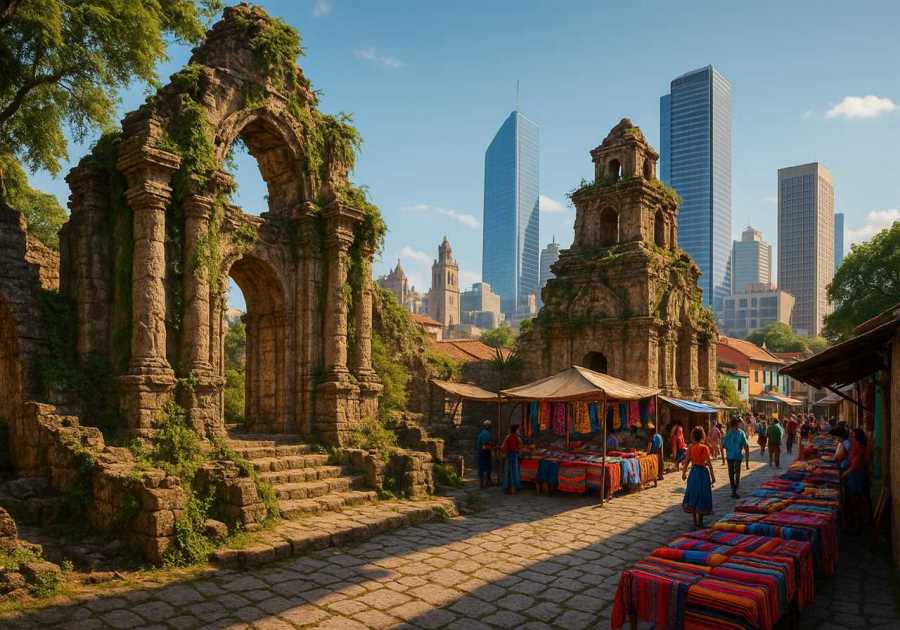
As you wander through the streets today, you'll witness how modern-day Querétaro seamlessly blends its rich historical backdrop with contemporary life. The city's vibrant energy is palpable, with bustling markets, cafes, and shops that coexist alongside colonial architecture and ancient plazas.
You'll enjoy exploring the thriving gastronomic scene, where traditional Mexican flavors meet innovative culinary experiments. From street tacos to upscale dining, there's something to satisfy every palate.
Art and culture flourish here, too, with galleries and museums showcasing local talent and heritage. The city's commitment to sustainability shines through in its green spaces and eco-friendly initiatives.
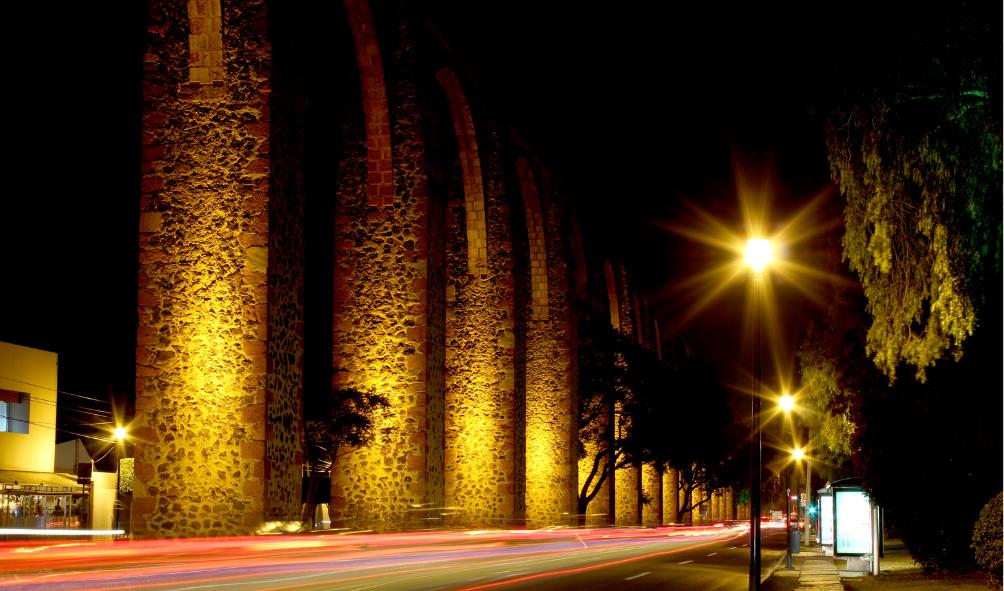
You'll find parks inviting both relaxation and recreation, as well as a network of bike paths for those looking to explore on two wheels. Querétaro's booming economy, fueled by industries like technology and manufacturing, provides a modern context to its historical significance.
As you engage with locals, you'll discover their blend of tradition and modernity, evident in the lively festivals, music, and art that define daily life. In this dynamic city, past and present inspire a unique local atmosphere just waiting for you to experience.
Historical Recognition
Recognized for its rich history, Querétaro holds a special place in Mexico's cultural landscape. When you explore the city, you'll notice several UNESCO World Heritage Sites that celebrate its historical significance, like the impressive Aqueduct and the beautifully preserved colonial architecture. These landmarks tell stories of the region's past, showcasing its integral role in the country's history.
Querétaro's contributions during the Mexican War of Independence and its role as a meeting point for revolutionary leaders demonstrate its political importance. It's no wonder that the community takes pride in honoring these historical moments through various festivals and commemorations.
You can immerse yourself in local traditions and discover how history continues to shape the identity of Querétaro. Museums and cultural centers provide educational opportunities, offering insights into the rich tapestry of the region's heritage.
Additionally, art and performances reflect historical narratives, connecting you to the spirit of the past. Engaging with these elements helps you appreciate the depth of Querétaro's historical recognition, as both a crucial player in Mexican history and a vibrant cultural hub today.
Embrace the opportunity to learn about and celebrate this fascinating place!
Conclusion
In exploring Querétaro's history, you discover a vibrant blend of indigenous roots and Spanish influences that shaped its unique identity. You've seen how resilience and culture evolved through struggles and triumphs, especially during their role in Mexico's independence. Today, as you stroll through its historic streets and admire its architectural wonders, you can truly appreciate this UNESCO World Heritage Site. Querétaro isn't just a place—you're experiencing a living testament to its rich past and dynamic present.
Statistics
- Querétaro was officially founded in 1531, establishing it as a key colonial center in Mexico.
- Modern Querétaro attracts nearly 5 million tourists annually, drawn by its rich historical heritage.
- Throughout the 18th century, Querétaro became a major hub for silver mining, contributing to 40% of Mexico's silver production.
- In 1917, the historic Convention of Querétaro played a pivotal role in shaping Mexico's constitution.
External Links
- Visit Mexico - Querétaro: Highlights key historical sites and museums in Querétaro.
- History of Querétaro: A resource outlining the major historical milestones of the city.
- Museum of Querétaro: Showcases exhibits related to the region's rich historical heritage.
- Querétaro - Wikipedia: Provides a comprehensive overview of Querétaro's history and cultural significance.
How To Study the Mining History of Querétaro
Dive into Querétaro's mining history by visiting the Museo de la Minería, which showcases the region’s mining heritage. Learn about the extraction processes and the economic impact of mining on the city’s development. Explore former mining sites and facilities that offer a glimpse into the lives of miners and the technologies used throughout different periods. Engage with scholarly resources or local historians who can provide detailed analyses of how mining shaped Querétaro’s social and economic landscape. This comprehensive approach will offer a deeper appreciation of the industry’s role in the region’s history.
The Untold Stories of Querétaro's Landmarks
Each landmark in Querétaro holds a unique story that contributes to the city's rich tapestry. Understanding the origins and significance of these sites provides a window into the region's past. Whether it's the grandeur of the aqueduct or the elegance of the main plaza, these landmarks are more than just structures; they are narratives frozen in time. For a deeper dive into the historical significance of Mexico's landmarks, check out escapetomexiconow.com and continue your historical journey.