.png)
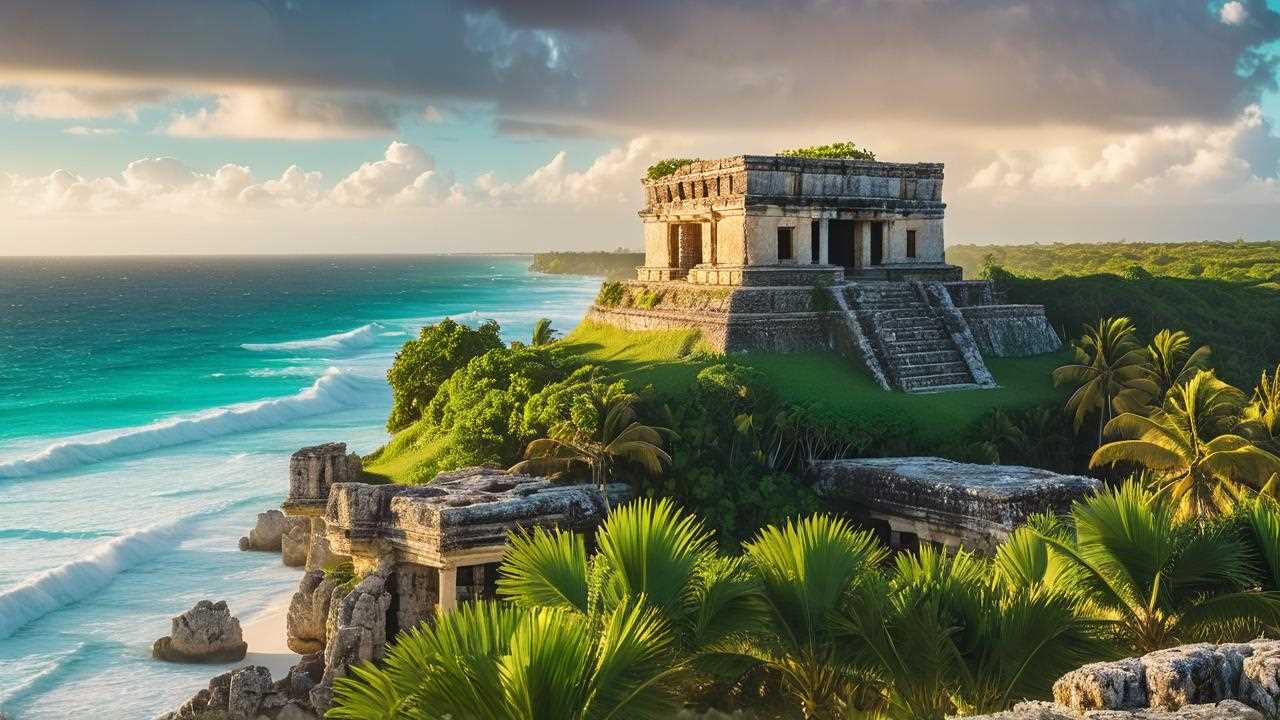
When you think about Quintana Roo, the first images that might come to mind are stunning beaches and bustling resorts. However, the region's history presents a rich tapestry that traces back to the ancient Maya civilization, showcasing remarkable achievements and profound shifts following Spanish colonization. As you explore the layers of this narrative, you'll find that the evolution of Quintana Roo is not just about its transformation into a tourist hotspot. There's also a compelling story behind its challenges and cultural resilience that continues to shape its future. Wouldn't you like to uncover more?
Ancient Maya Civilization
The ancient Maya civilization is known for its remarkable achievements in architecture, astronomy, and agriculture. You'll discover that the Maya built impressive cities filled with grand temples, pyramids, and palaces that still amaze visitors today. These structures weren't just about beauty; they reflected the society's deep connections with religion and the cosmos.
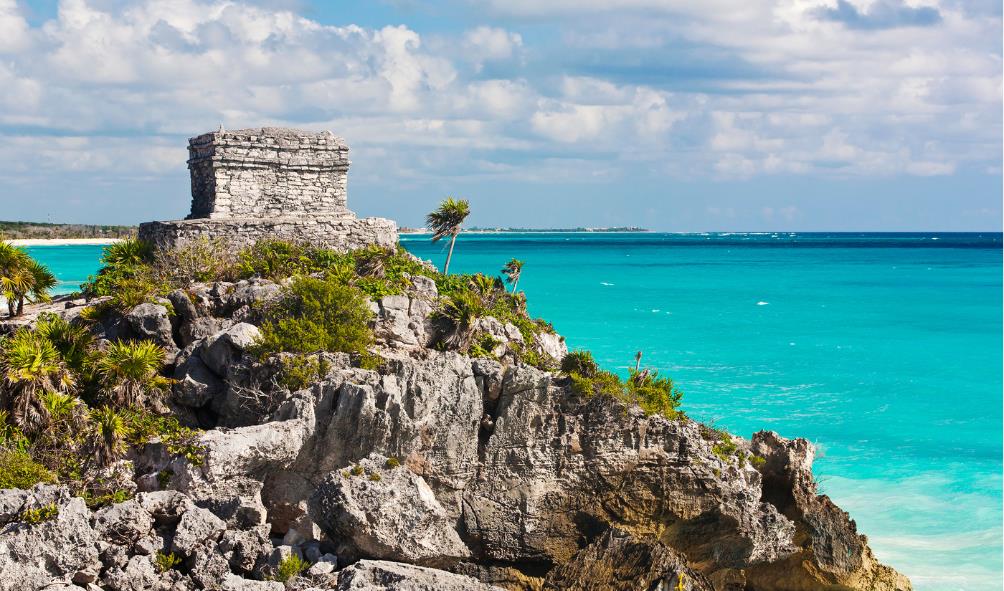
When you look closely, you'll see how their architectural techniques evolved over time, showcasing their ingenuity and understanding of materials.
Maya astronomers meticulously tracked celestial bodies, developing calendars that guided agricultural practices and religious rituals. You'll find that they observed the movements of the sun, moon, and stars, leading to an advanced understanding of time and cycles. This knowledge was essential for planting and harvesting crops, ensuring food security for their communities.
As you explore Quintana Roo, you can witness the remnants of this civilization in sites like Tulum and Coba.
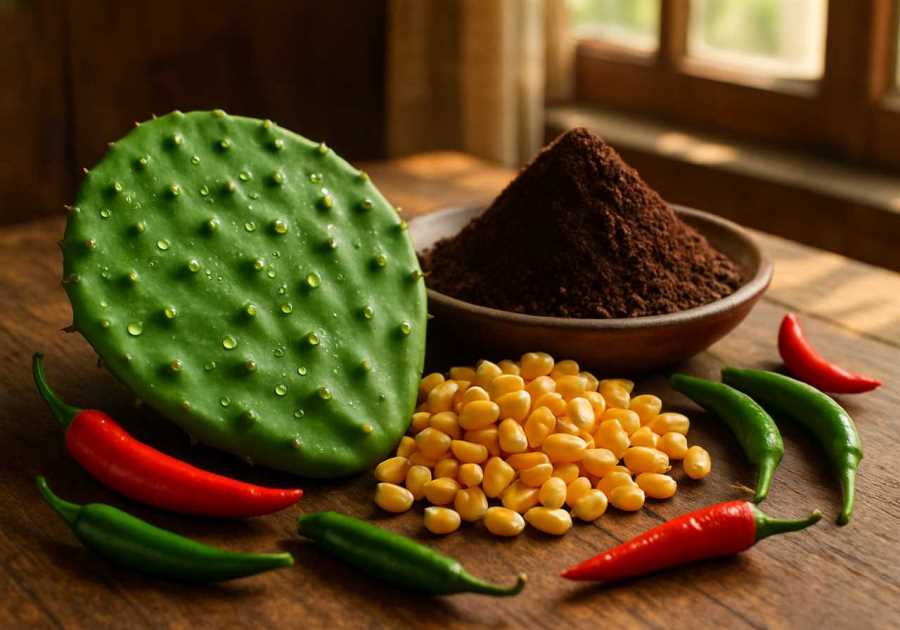
You'll realize that the Maya cultivated various crops, including maize, beans, and squash, forming the backbone of their diet. Their innovations in farming, such as terracing and irrigation, were crucial for sustaining their population.
The ancient Maya truly left an enduring legacy that continues to fascinate you today.
Spanish Conquest and Colonization
In the wake of the ancient Maya civilization, the Spanish conquest dramatically altered the landscape of Quintana Roo.
In the early 16th century, Spanish explorers like Juan de Grijalva and Hernán Cortés ventured into this region, seeking wealth and new territories. Their arrival marked the beginning of a significant upheaval for the local indigenous population.
The Spanish were primarily driven by the pursuit of gold and resources. They established alliances with some tribes while clashing fiercely with others, leading to a wave of violence that decimated the Maya population.
Many indigenous communities faced forced labor, disease, and the destruction of their cultural practices. As you learn about this period, you'll see how the Spanish imposed their language, religion, and governance, effectively reshaping the societal structure.
Villages were transformed into colonial centers, and new roads were built to facilitate the movement of goods and troops.
Development of the Region
Following the Spanish conquest, the development of Quintana Roo accelerated as colonial interests shaped the region's future. Settlements began emerging as the Spanish sought to exploit its natural resources, like timber and precious metals.
You'd notice that the early economy relied heavily on agriculture and the establishment of plantations, particularly sugarcane, which became a significant crop in the area.
As infrastructure improved, you'd see roads and communication lines established, linking Quintana Roo to other regions. The introduction of these routes facilitated trade, helping local communities grow.
However, the region faced challenges too, such as conflicts with indigenous peoples and economic fluctuations.
Emergence of Tourism
As the mid-20th century approached, Quintana Roo began to transform into a vibrant tourist destination. You'd see this change accelerate dramatically in the 1970s when the Mexican government initiated major investment projects.
They developed infrastructure, built hotels, and improved roads to draw more visitors. This investment focused on the stunning natural beauty, including pristine beaches and the lush jungles that define the region.
Cancún emerged as the crown jewel of this transformation. You'd be amazed by how quickly it evolved from a quiet fishing village into an international resort hub.
Fun activities like snorkeling, diving, and exploring ancient Mayan ruins attracted not just national visitors but also tourists from around the globe.
Moreover, the government promoted Quintana Roo's rich cultural heritage, showcasing Mayan traditions and history. You'd likely find cultural festivals and events celebrating the region's roots, enhancing the appeal for visitors.
With its warm climate and countless attractions, Quintana Roo quickly captured hearts.
Statehood and Modernization
By the late 1970s, the push for statehood transformed Quintana Roo from a budding tourist hotspot into an official state of Mexico. You might recall that in 1974, Quintana Roo achieved statehood, marking a crucial milestone in its history.
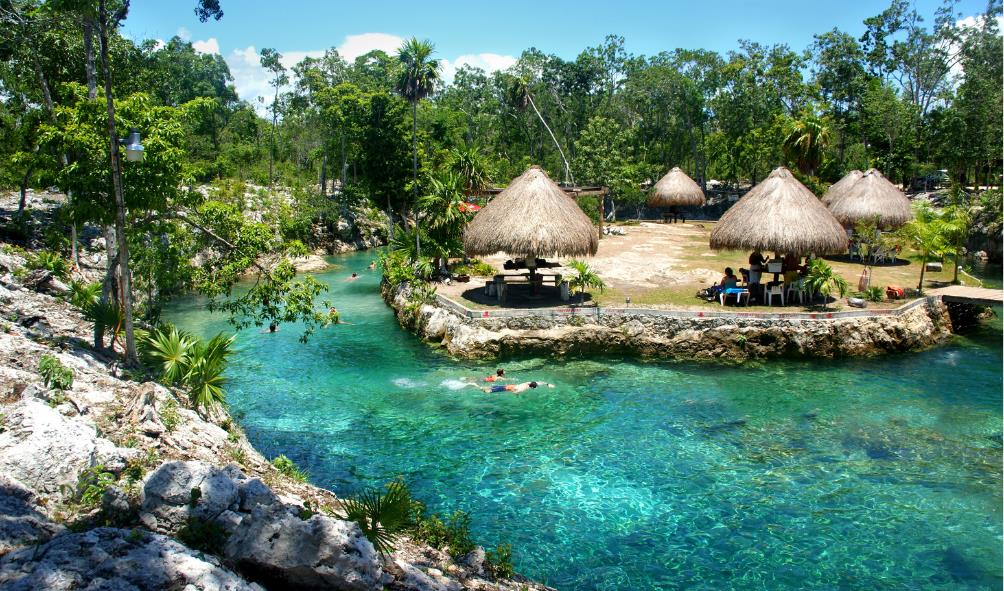
As a newly recognized state, it gained greater political autonomy and resources, allowing for extensive modernization initiatives.
With statehood, infrastructure development accelerated. You'd notice improved roads, airports, and public services that attracted even more tourists and investors. This transformation contributed to the rapid growth of cities like Cancún and Playa del Carmen, now bustling economic centers.
In education and healthcare, the state made strides to enhance the quality of life for residents. You can see evidence of this progress in the establishment of new schools and hospitals tailored to meet the needs of a growing population.
Moreover, statehood encouraged a sense of identity and pride among locals. Residents began to embrace their unique culture and heritage while benefiting from the economic opportunities modernization brought.
Quintana Roo's journey toward statehood and modernization shaped its future, solidifying its place as a vital part of Mexico.
Cultural Heritage and Festivals
With modernization paving the way for new opportunities, Quintana Roo has also worked to preserve and celebrate its rich cultural heritage. You'll find that this vibrant state thrives on its traditions that connect its residents to their past.
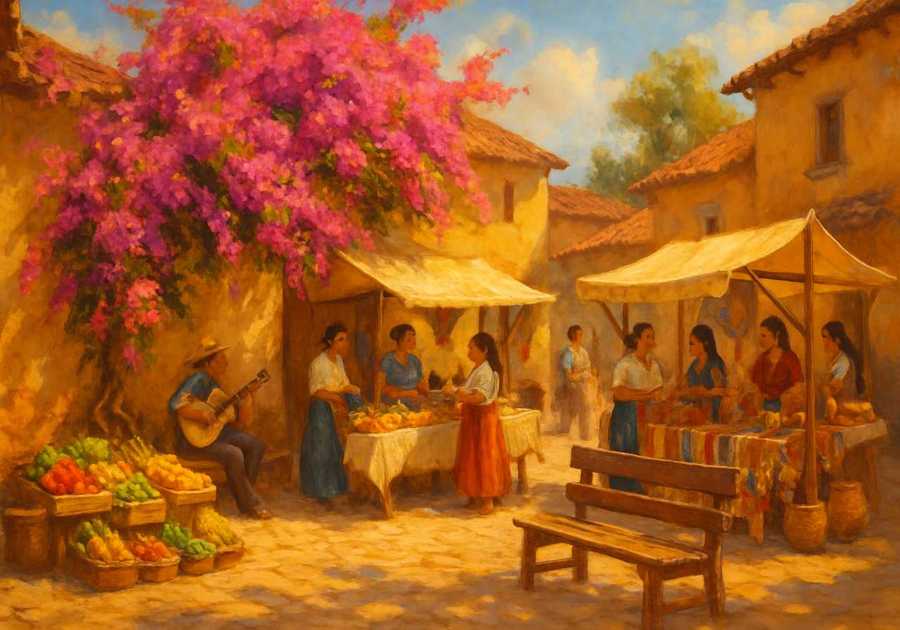
From lively music to colorful dances, the fusion of Mayan influences and modern expressions highlights the region's uniqueness.
Throughout the year, Quintana Roo hosts various festivals that allow you to experience its cultural identity firsthand. For instance, the Day of the Dead, celebrated in early November, transforms towns into vivid displays of altars, offerings, and parades honoring loved ones who've passed away.
You can't miss the Carnival celebrations, where lively parades filled with flamboyant costumes and infectious rhythms take over the streets. These events draw locals and tourists alike, creating a festive atmosphere that resonates with joy and community spirit.
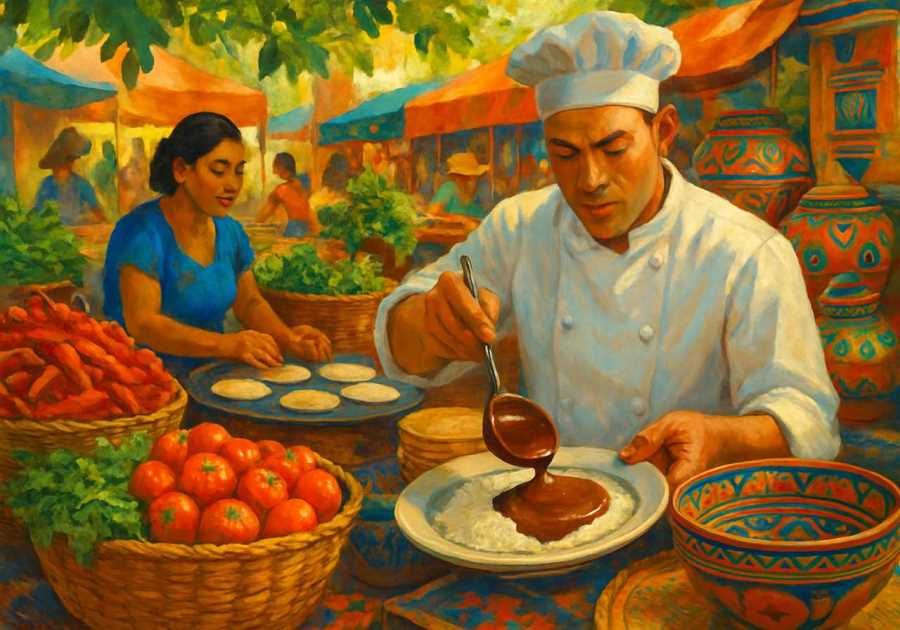
In addition, the traditional cuisine, showcasing flavors from ancient Mayan recipes, is a crucial aspect of this cultural tapestry.
You'll discover that the importance of heritage in Quintana Roo goes beyond mere celebration; it shapes the identity of its people and enriches the experience for everyone who visits.
Environmental Conservation Efforts
Nestled between the Caribbean Sea and lush jungles, Quintana Roo is at the forefront of environmental conservation efforts aimed at protecting its breathtaking natural beauty.
You'll find that local organizations and the government work hand in hand to promote sustainable tourism and preserve delicate ecosystems. Initiatives like reforestation projects and marine protected areas are crucial in maintaining biodiversity.
By participating in eco-friendly activities, you're contributing to these efforts. Whether you're snorkeling in a coral reef or hiking through a nature reserve, you're helping to raise awareness about conservation.
You'll also discover that many accommodations prioritize green practices, such as using solar energy and reducing plastic waste.
Moreover, community engagement plays a significant role. Educational programs teach residents and visitors alike about the importance of preserving natural resources.
When you engage with local conservation groups, you help foster a sense of responsibility and stewardship for the environment.
As you explore this mesmerizing region, remember that your actions can make a difference. Choosing to support sustainable practices ensures that Quintana Roo's beauty will be preserved for generations to come.
Embrace the opportunity to protect this paradise while enjoying all it has to offer!
Current Economic Landscape
Quintana Roo's economy thrives largely on tourism, which has become the backbone of its financial landscape. With stunning beaches, ancient Mayan ruins, and vibrant nightlife, it's no wonder millions flock to this tropical paradise each year.
You'll find that resorts, restaurants, and adventure parks all contribute to the local economy, generating jobs and boosting business.
The state has also diversified its economic portfolio in recent years. While tourism remains dominant, sectors like real estate and retail are making significant advancements. Many investors are now drawn to Quintana Roo's growth potential, leading to a surge in construction and development projects.
This growth not only creates jobs but also enhances infrastructure, making the region more accessible and appealing to visitors.
Furthermore, the government actively promotes sustainable tourism practices to protect the region's natural beauty while still accommodating tourists. This balanced approach helps maintain the area's ecological integrity, ensuring it remains a desirable destination.
As you explore Quintana Roo, you'll witness firsthand the impacts of its thriving economy, both on the local community and the visitor experience.
It's a dynamic environment where tradition, culture, and modernity blend seamlessly together.
Conclusion
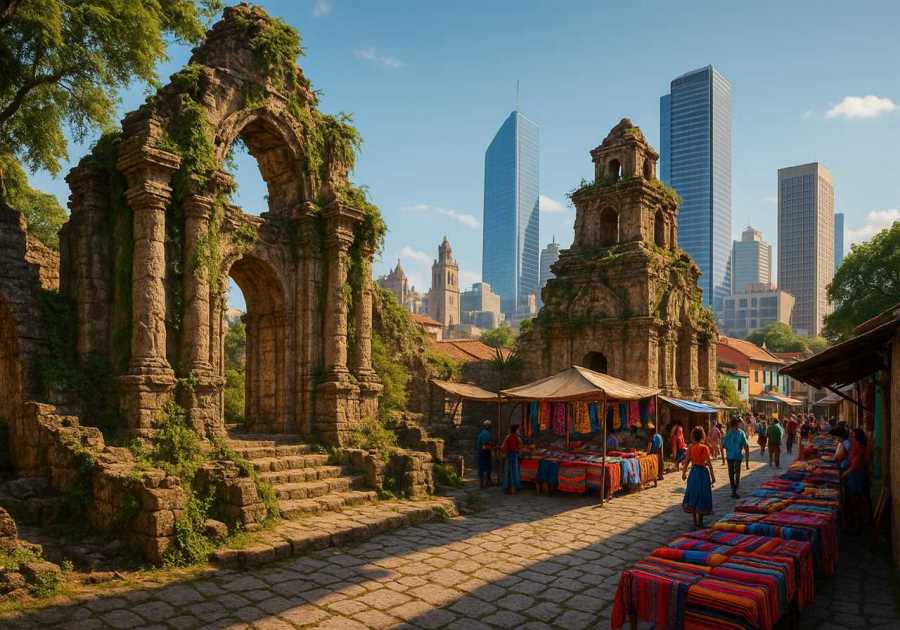
In conclusion, the history of Quintana Roo showcases a vibrant tapestry woven from ancient Maya heritage to modern tourism. You can see the influences of its past in the region's stunning architecture and rich cultural festivals. As you explore, it's crucial to remember the ongoing challenges of environmental sustainability and economic reliance on tourism. By appreciating and preserving this unique heritage, you can contribute to the future vitality of Quintana Roo and its remarkable landscapes.
Statistics
- As of 2023, Quintana Roo's economy is heavily reliant on tourism, contributing approximately 70% to the state's GDP.
- In the mid-20th century, Quintana Roo transitioned from a sparsely populated area to a major tourist destination with the development of Cancun in 1970.
- Quintana Roo became a state of Mexico on February 8, 1974.
- The state encompasses 1,536 square kilometers of coral reefs, making it a prime location for marine biodiversity.
External Links
- Moon Travel Guide: History of Quintana Roo: Offers insights into the development and historical milestones of Quintana Roo.
- Wikipedia: Quintana Roo: Provides a comprehensive overview of Quintana Roo's history, geography, and culture.
- Visit Mexico: Quintana Roo History: Highlights significant events and cultural heritage of the region.
- Mexico Websites: History of Quintana Roo: Offers detailed narratives on the historical progression of Quintana Roo.
How To Explore the Formation of Quintana Roo as a Mexican State
Investigate the political processes that led to Quintana Roo's statehood in 1974. Study the legislative actions, debates, and regional movements that advocated for its recognition as a separate entity. Analyze the geographical and demographic factors that influenced its establishment. Review historical documents, government archives, and contemporaneous news articles to understand the motivations and challenges faced during the transition. Engaging with political histories and expert analyses will provide a clear picture of Quintana Roo's journey to becoming an official state within Mexico.
Trace the Development of Quintana Roo Through Time
From its early indigenous roots to contemporary advancements, Quintana Roo has undergone significant transformations. Each phase of its development reflects broader socio-political dynamics and economic shifts that have shaped the state's unique character. By examining these changes, you can better understand the current landscape of Quintana Roo. For additional articles on Mexico's historical progression, visit escapetomexiconow.com.