.png)
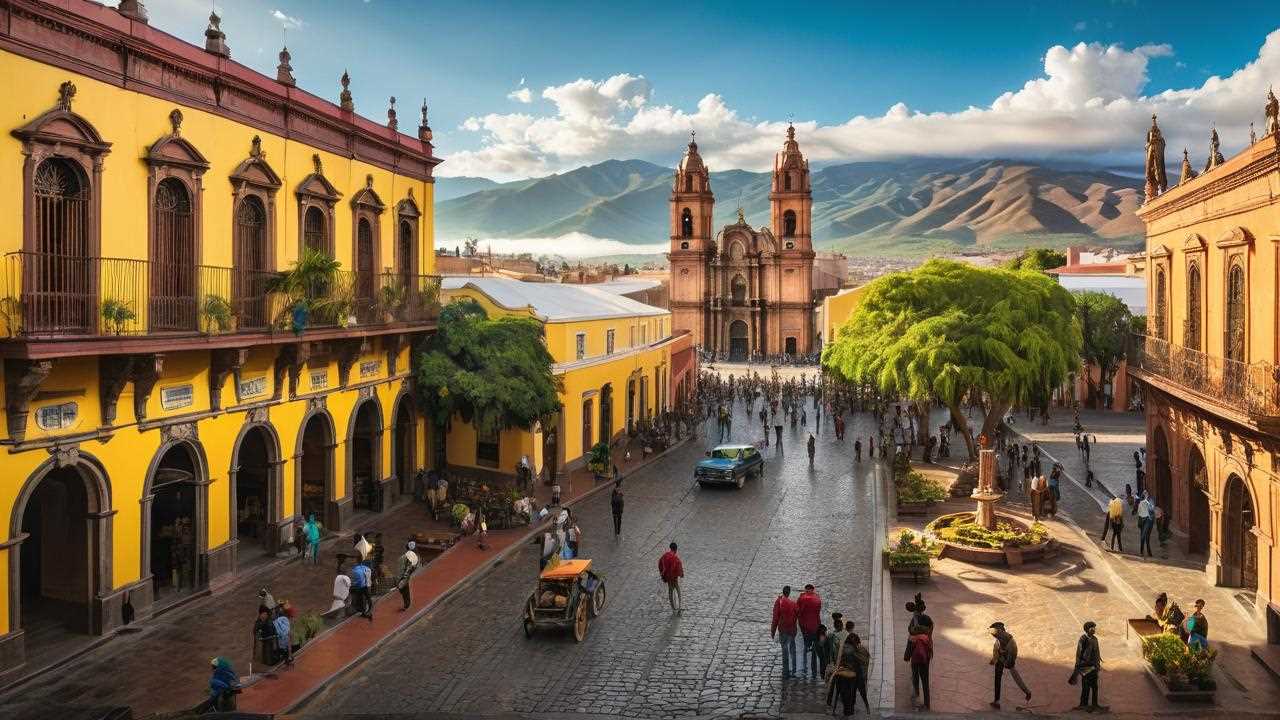
You might find it intriguing to explore how the history of San Luis Potosí has been influenced by its Indigenous roots and the significant shifts brought about by Spanish colonization. As you examine the economic growth stemming from its mining industry in the 18th century, you'll see how these changes laid the groundwork for the vibrant culture that emerged. Yet, the city's evolution didn't stop there; it played a crucial role during the Mexican Revolution. What aspects of its rich tapestry are most impactful today?
Indigenous Cultures and Tribes
As you delve into the history of San Luis Potosí, you'll discover that its rich cultural tapestry is woven from the threads of various indigenous tribes. Among them, the Nahua, the Huastec, and the Otomi have played pivotal roles in shaping the region's identity. Each tribe brought its own distinct traditions, languages, and practices that persist today.
The Nahua, once prominent, dominated the central area with their agriculture and trade networks. Their vibrant culture featured elaborate rituals and a complex calendar system.
In the north, the Huastec added to the diversity with their artwork, particularly in pottery and weaving, while their agricultural practices adapted to the local environment.
The Otomi, residing in more mountainous regions, contributed unique agricultural techniques and a rich folklore that continues to inspire art and storytelling. These indigenous groups intermingled and influenced each other, creating a unique blend of customs and beliefs that laid the foundation for the area's future.
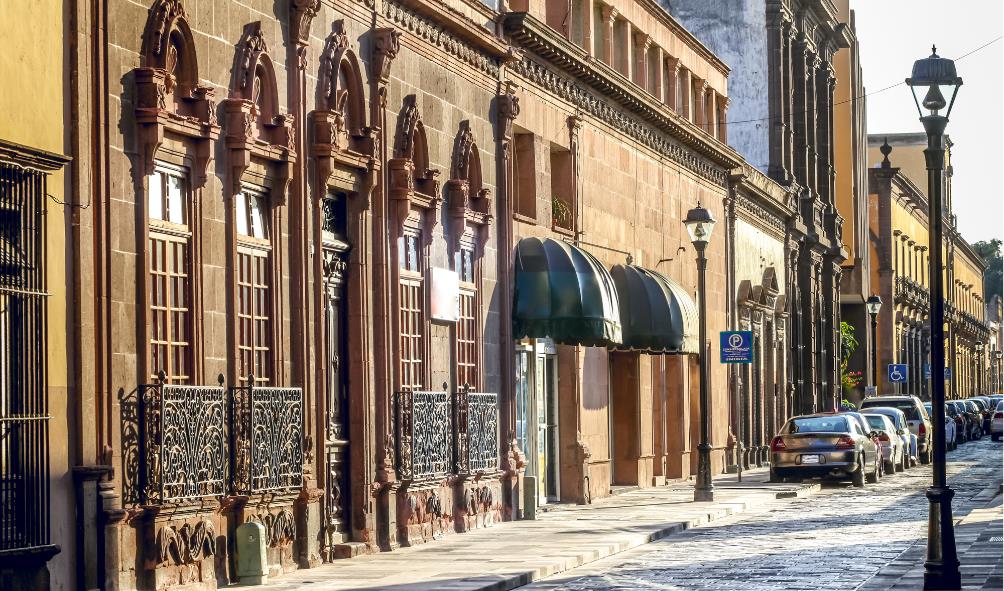
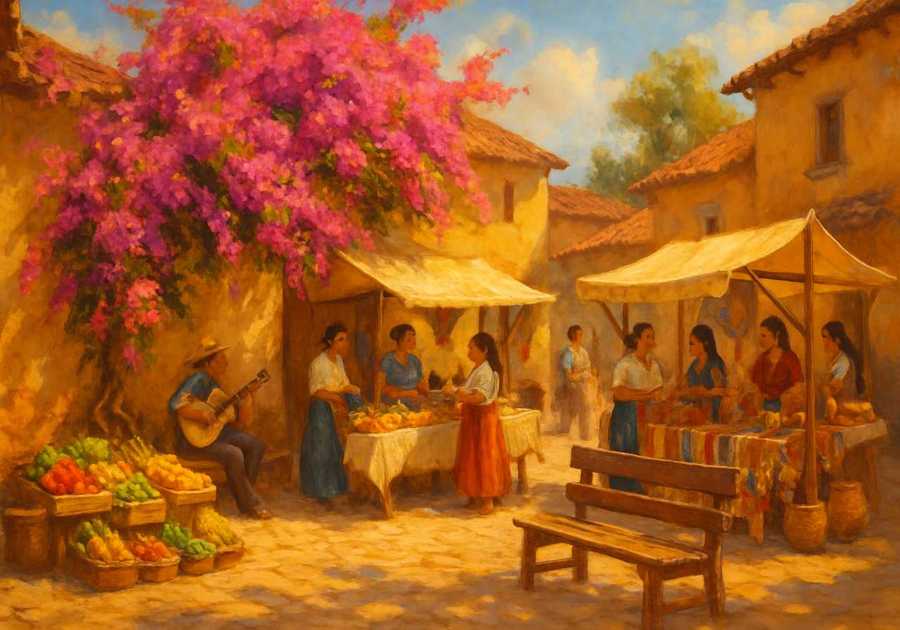
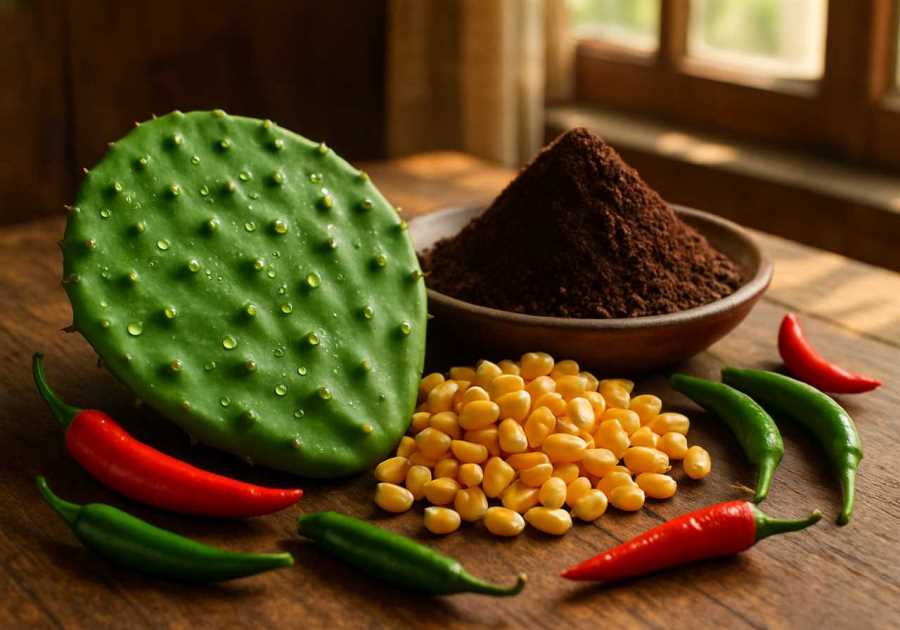
Visiting San Luis Potosí today, you can still see echoes of these indigenous cultures in local festivals, crafts, and even the culinary landscape. Engaging with the region's history allows you to appreciate its deep roots and cultural richness.
Spanish Colonization
When the Spanish arrived in the early 16th century, they rapidly transformed the landscape of San Luis Potosí and its indigenous cultures. You'll notice that the arrival of Spanish explorers marked a profound shift in governance, social structures, and daily life.
The Spanish established settlements and began imposing their language, religion, and customs upon the local populations. It wasn't just a change in authority; it fundamentally altered the identity of the region.
You might find it interesting that the Spanish introduced new agricultural techniques, along with crops such as wheat and sugarcane, which significantly changed food production. They also constructed churches and governmental buildings, which still stand today as a testament to this colonial period.
As the Spanish imposed their legal systems, they often undermined indigenous practices, leading to resistance and rebellion in some communities.
Throughout this period, intermarriage between Spaniards and indigenous people happened, creating a new social class called mestizos. This blending of cultures contributed to the unique heritage you see in San Luis Potosí today, shaping its customs, traditions, and identities for generations to come.
Emergence of the Mining Industry
The mining industry in San Luis Potosí emerged rapidly in the 18th century, driven by the discovery of rich silver deposits. As you explore this period, you'll see how the promise of wealth attracted both Spanish settlers and Indigenous laborers to the region.
Miners flocked to these areas, turning them into bustling hubs of activity. You'd notice that places like Real de Catorce and Cerro de San Pedro became famous for their silver production, significantly contributing to Mexico's overall mining output.
Miners utilized various techniques to extract silver, such as panning and later, more advanced smelting methods. You'd find that the influx of wealth from these mines led to the establishment of trading posts, shops, and even schools around these mining towns.
The towns developed rapidly, as silver mining became the backbone of the local economy. However, this boom wasn't without hardship. Labor conditions could be brutal, and many workers risked their lives in dangerous mines.
Yet, the determination of those involved showcased the spirit of the time. The emergence of the mining industry not only changed the landscape but also set the stage for social and economic transformations that would shape San Luis Potosí's future.
Economic Growth and Development
With the mining industry flourishing, San Luis Potosí experienced significant economic growth and development throughout the 19th century.
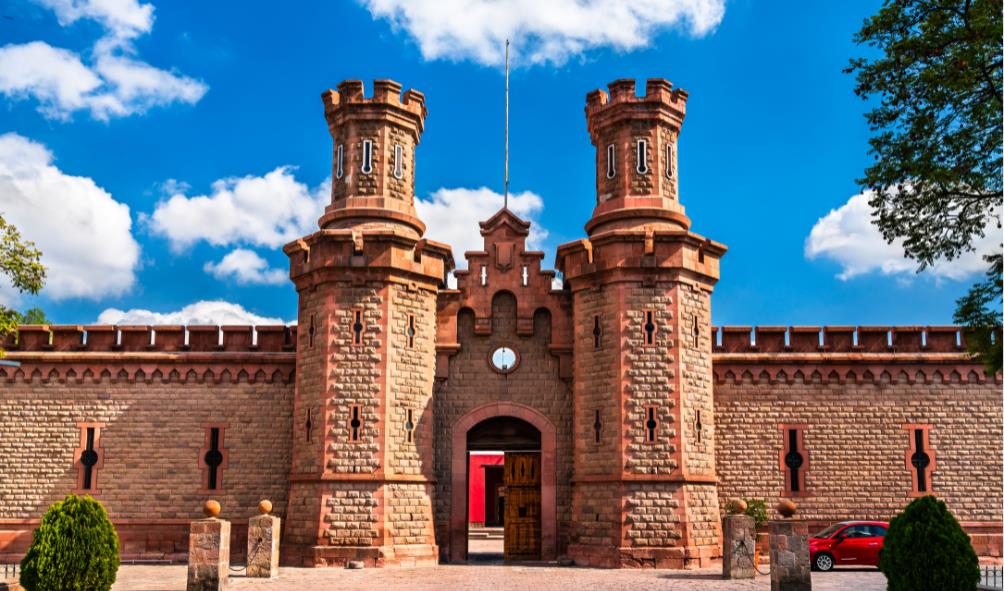
You'd see bustling towns and an influx of workers drawn to the mines, boosting local commerce and services. This growth didn't just enhance local economies; it positioned San Luis Potosí as a key player in Mexico's overall economic landscape.
The wealth generated from mining attracted investments, leading to infrastructure improvements. Roads and railways were constructed, making transportation more efficient.
These advancements connected local products to broader markets, allowing businesses to thrive. You might've witnessed the rise of various industries, from textiles to agriculture, that capitalized on the resources and labor available.
Cultural Contributions
San Luis Potosí's vibrant culture is a tapestry woven from indigenous traditions, colonial influences, and contemporary expressions.
You'll find that the city celebrates a rich blend of art, music, dance, and cuisine, each reflecting its unique history. The Huasteca region contributes traditional music styles, like the son huasteco, with its lively rhythms and heartfelt lyrics that resonate with locals and visitors alike.
When it comes to visual arts, San Luis Potosí's artists shine brightly. You can't miss the stunning murals that adorn its buildings, showcasing narratives of history and social issues. Notable artists, such as the muralist José de Jesús Rodríguez, have left their mark on the city's cultural landscape.
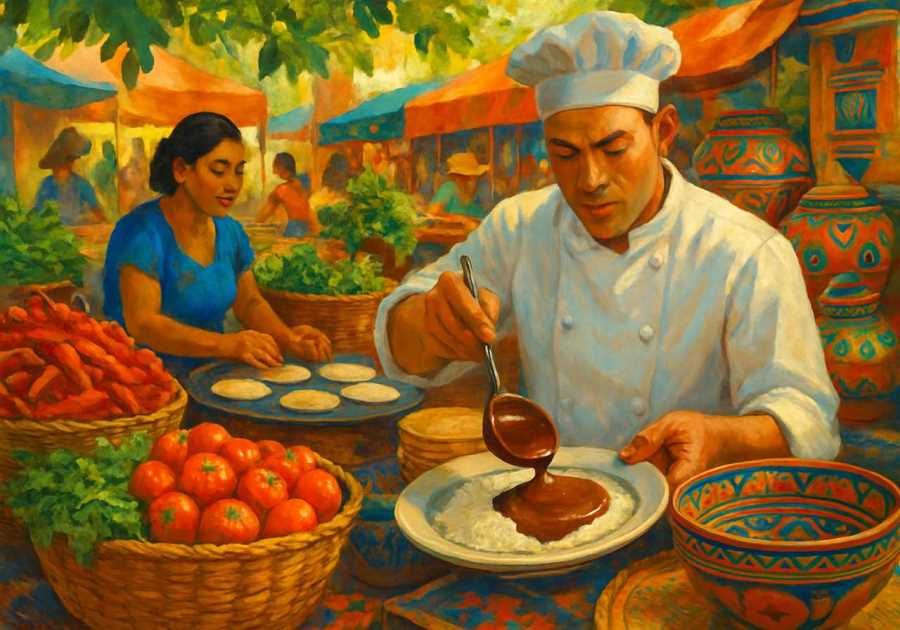
Cuisine plays a significant role, too. You should try local specialties like enchiladas Potosinas, served with a spicy red sauce that warms your heart.
Festivals and celebrations, including the vibrant Feria Nacional Potosina, highlight the region's traditions, bringing communities together to celebrate their identity.
Through its engaging cultural contributions, San Luis Potosí invites you to explore and appreciate the diverse flavors and artistic expressions that define the region.
Role in the Mexican Revolution
Potosí's pivotal role in the Mexican Revolution significantly shaped both local and national histories.
As political unrest brewed in the early 20th century, you'd find San Luis Potosí emerging as a critical hub for revolutionary activity. The city became a stronghold for leaders like Francisco I. Madero, who utilized the area to galvanize support against the oppressive regime of Porfirio Díaz.
You would witness the city bustling with fervor, as citizens rallied for justice and land reform. The strategic position of San Luis Potosí allowed revolutionary forces to coordinate throughout Mexico. Key battles were fought in and around the region, contributing to the eventual downfall of Díaz.
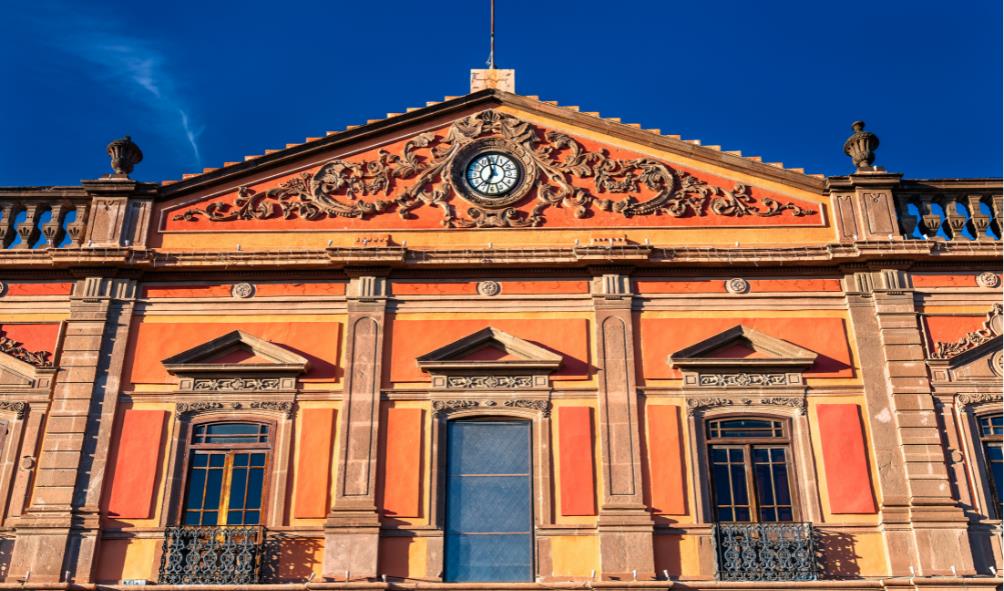
In addition to fighting, you'd also see the SLP (San Luis Potosí) governorship transitioning into a revolutionary base, promoting educational reforms and progressive policies.
This period saw the emergence of diverse factions within the revolutionary movement, all vying for a stake in the country's future.
Ultimately, Potosí's influence during the revolution paved the way for social changes that resonated far beyond its borders, solidifying its legacy in Mexican history. Your understanding of this era begins with recognizing its impactful role.
Post-Revolution Transformation
The aftermath of the revolution ignited a transformative era for San Luis Potosí, reshaping its social, economic, and political landscapes.
You'd witness a push for land reforms and a desire for social justice, as newly empowered leaders sought to address the inequalities that had long plagued the region. The rise of agrarian reform movements meant former soldiers and peasants gained a voice, demanding access to land and resources.
Economically, San Luis Potosí flourished with investments in infrastructure, primarily in railroads and roads, opening up the region for commerce and trade.
As industries expanded, you'd find a growing shift toward urbanization, inviting many to migrate to cities in search of work. The state's mining activities also gained momentum, generating wealth and attracting investment.
Politically, the new governmental structures you encountered were grounded in revolutionary ideals.
The establishment of education reforms prioritized literacy and civic responsibility, shaping a more informed citizenry.
As you navigated through the streets of San Luis Potosí, you'd realize the stark contrast to pre-revolution days, witnessing a society actively re-envisioning its future while grappling with the ghosts of its past.
Modern-Day Significance
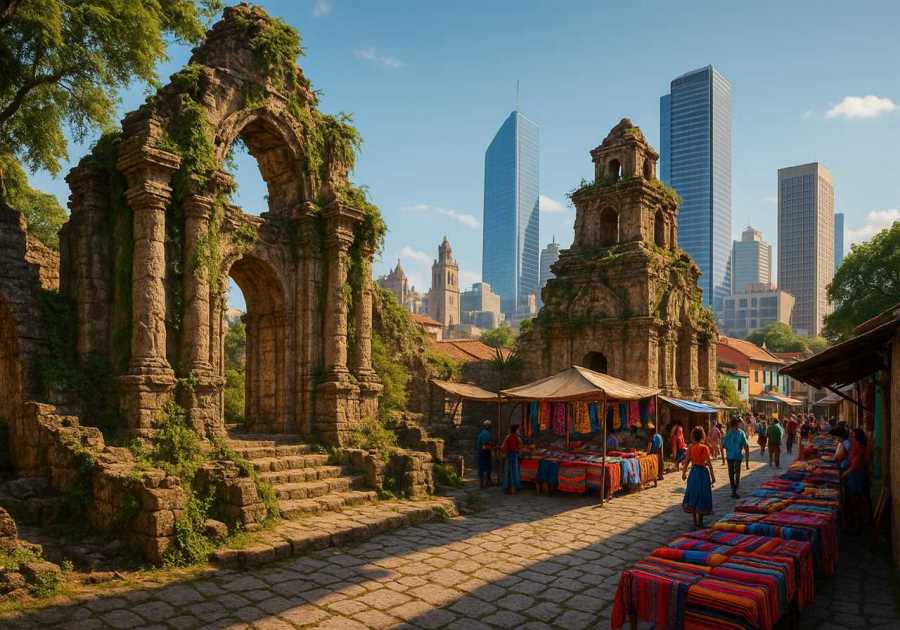
Reflecting on its rich history, modern San Luis Potosí is a vibrant center of cultural and economic activity in Mexico. Walking through its bustling streets, you'll notice a fusion of old and new. The architecture tells stories of colonial glory, while contemporary structures underscore the city's growth and modernization.
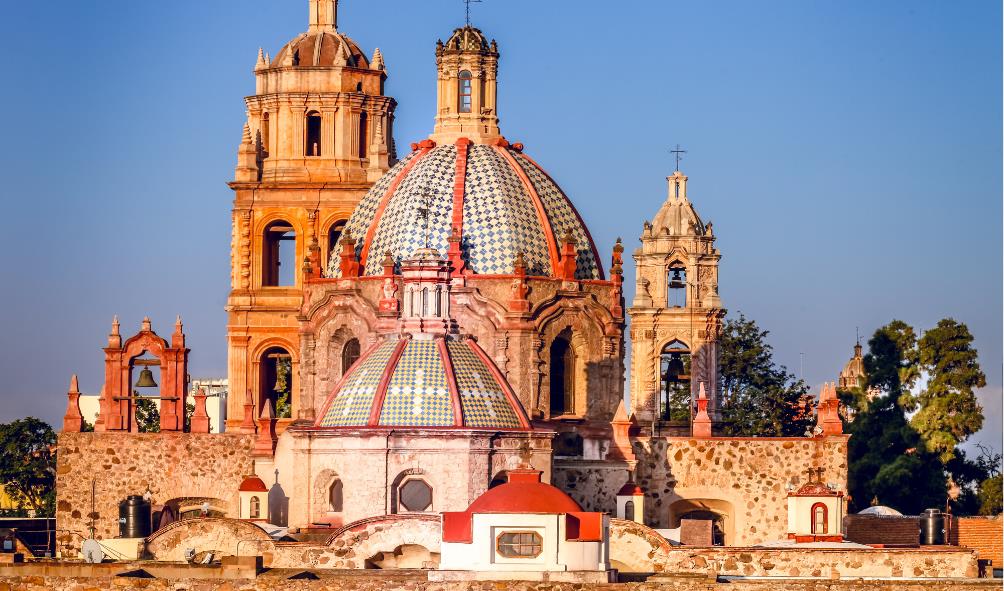
Today, San Luis Potosí thrives as a hub for industry, particularly in the automotive and manufacturing sectors. You can see a noticeable influx of foreign investment, creating thousands of jobs and fostering innovation. The city's strategic location also makes it a logistical key point, connecting major markets across Mexico.
Culturally, San Luis Potosí embraces its heritage with festivals, music, and art that draw both locals and tourists. The Teatro de la Paz and the vibrant Centro Histórico are must-visit spots for anyone wanting to dive into the local scene.
Moreover, the commitment to education is evident, with several universities shaping the next generation.
Conclusion
In conclusion, San Luis Potosí's history is a fascinating tapestry woven from its Indigenous roots, Spanish colonization, and transformative events like the mining boom and the Mexican Revolution. As you explore this vibrant city today, you'll see how it honors its rich past while embracing modernity. The unique blend of cultures and achievements makes San Luis Potosí a significant part of Mexico's heritage and a captivating destination for anyone interested in its storied evolution.
Statistics
- By the late 18th century, the region contributed approximately 60% of New Spain's silver production.
- During the Mexican War of Independence, approximately 30% of the region's insurgent forces originated from San Luis Potosí.
- In the 19th century, the state accounted for nearly 25% of Mexico's total mineral exports.
- The population of San Luis Potosí city surged from around 5,000 residents in 1700 to over 100,000 by 1800.
External Links
- Official San Luis Potosí Government - History presents authoritative information on the state's historical milestones and evolution.
- San Luis Potosí - Wikipedia offers a comprehensive overview of the state's historical development and significant events.
- San Luis Potosí - Encyclopedia Britannica provides detailed insights into the region's rich history and cultural heritage.
- Museo Nacional de la Máscara explores the cultural history of San Luis Potosí through its extensive mask collections.
How To Research the Colonial Architecture of San Luis Potosí
San Luis Potosí boasts a wealth of colonial architecture that offers insights into its historical and cultural development. To research this architecture, start by cataloging key structures such as the Catedral Metropolitana, the Palacio de Gobierno, and the Casas a Caballo. Visit these buildings to observe architectural details, construction techniques, and stylistic elements characteristic of the colonial period. Consulting architectural plans and historical records available at local libraries and archives can provide technical information and historical context. Engaging with experts through seminars or guided tours can offer professional perspectives on the significance of these structures. Additionally, comparing the architecture of San Luis Potosí with other colonial cities in Mexico can highlight unique features and influences that shaped its built environment.
Cultural Evolution in San Luis Potosí's History
San Luis Potosí has undergone significant cultural transformations throughout its history, influenced by indigenous traditions, colonial interactions, and modern developments. This evolution is reflected in the city's festivals, cuisine, art, and everyday life, creating a unique cultural identity. Exploring these cultural shifts provides a deeper appreciation of how San Luis Potosí has maintained its heritage while adapting to changing times. For an extensive look into the cultural milestones that have shaped the city, check out related articles at escapetomexiconow.com.