.png)
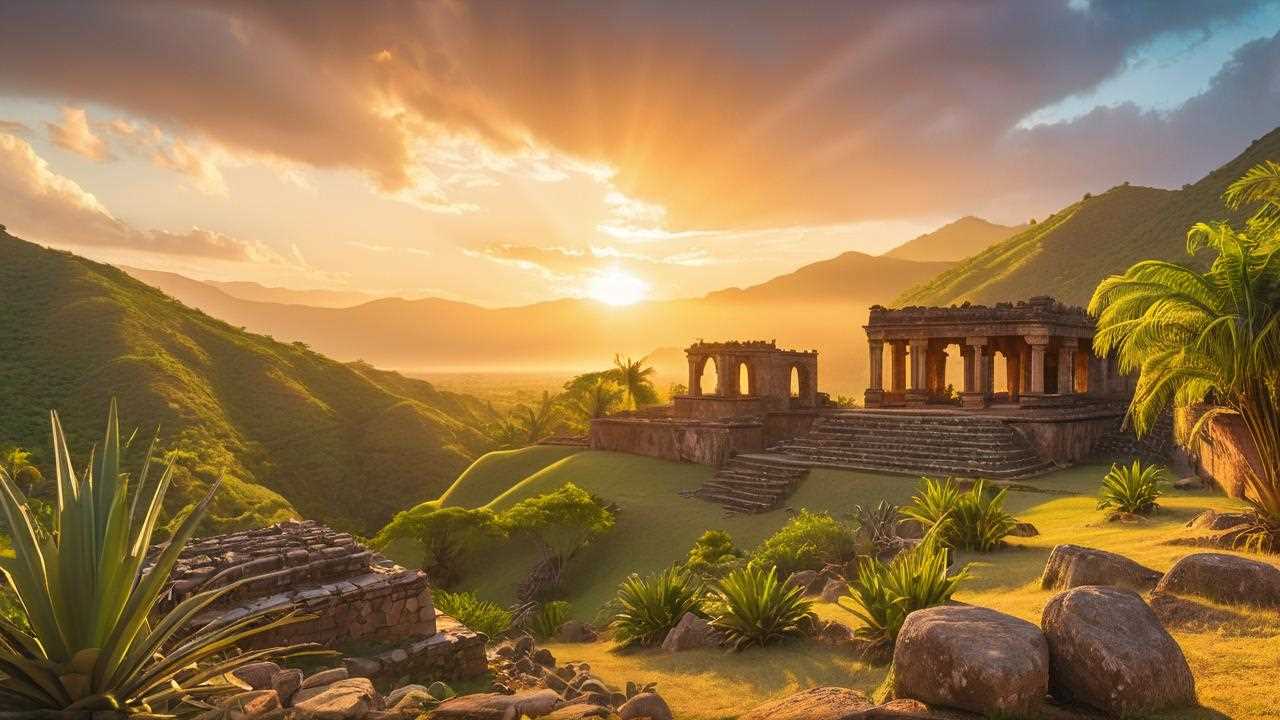
When you think about Sinaloa, you might picture its vibrant culture or lush agricultural landscapes, but the region's history tells a deeper story. You'll find the echoes of Indigenous civilizations like the Yaqui and Mayo, whose advanced farming practices laid a foundation for the future. As you trace the path of Spanish conquest and witness the evolving socio-political landscape, it becomes clear that Sinaloa's past is intricate and multifaceted. Yet, there's more to discover about how these elements intertwine and shape the challenges it faces today.
Indigenous People of Sinaloa
The Indigenous people of Sinaloa, with their rich cultural heritage and deep connection to the land, have played a vital role in the region's history.
You'll find that various groups, such as the Yaqui, Mayo, and Tehueco, have thrived here for centuries. Their understanding of the local environment allowed them to develop sophisticated agricultural practices, utilizing irrigation and crop rotation.
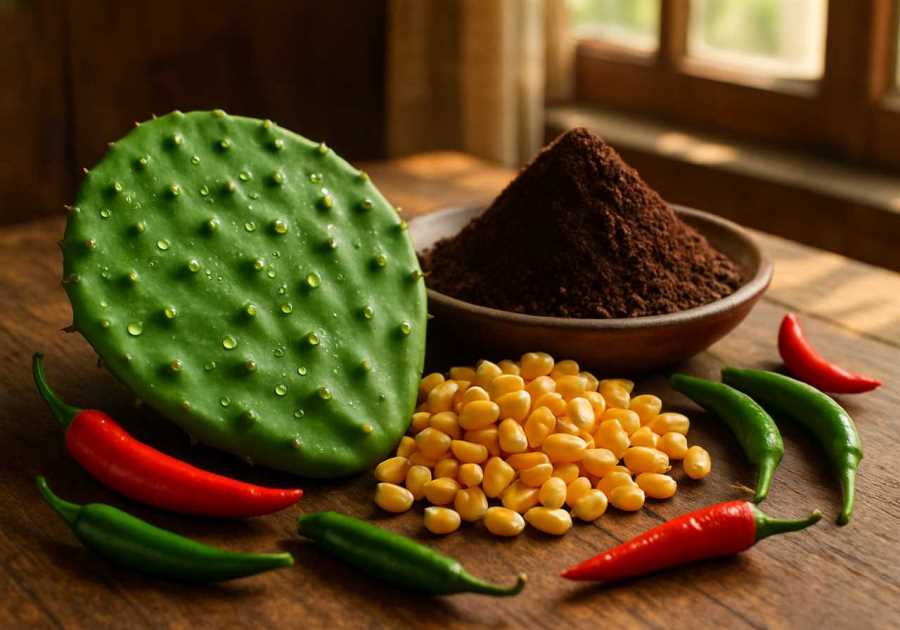
As you explore Sinaloa, you'll notice how these communities cultivated maize, beans, and squash, staples that shaped their diet and traditions.

Their art, music, and rituals reflect a profound respect for the earth and its resources. You might even hear traditional songs that tell stories of their ancestors, emphasizing the importance of community bonds and spiritual beliefs.
You shouldn't overlook the craftsmanship of Indigenous artisans, who produce intricate textiles and pottery, showcasing their skills and cultural identities.
Engaging with their stories can give you a deeper appreciation for the resilience and adaptability of the Indigenous people. Understanding their historical significance not only enriches your perspective on Sinaloa but also honors those who've inhabited this land long before modern influences took root.
Spanish Exploration and Conquest
Spanish exploration in Sinaloa began in the early 16th century, following the initial contact with Indigenous peoples. You'd find that Hernán Cortés, known for his conquests in Mexico, played a vital role in this expansion. In 1531, Cortés sent Francisco Ruiz de Esparza on an expedition through the region, seeking new lands and riches.
As you delve deeper, you'll realize that these early explorers were often met with resistance from Indigenous groups, who were wary of the newcomers.
In 1536, the famed navigator and explorer, Álvar Núñez Cabeza de Vaca, journeyed through Sinaloa, providing insights into the landscape and the peoples he encountered. His accounts captured the struggles and adaptations of both the Spaniards and the Indigenous communities.
Exploration efforts continued, with figures like Diego de Guzmán seeking to establish settlements. You learn that these expeditions weren't merely about discovery; they also aimed to assert Spanish dominance and convert Indigenous peoples to Christianity.
The interaction was more than political and economic; it was deeply transformative for the cultural fabric of Sinaloa.
This period set the stage for future developments, leading to a profound impact on the region.
Colonial Era Developments
Numerous changes unfolded during the colonial era in Sinaloa, significantly shaping its social, political, and economic landscape.
You'd see the Spanish crown's influence expand as settlers established governance structures, laying the groundwork for colonial administration. Towns like Culiacán emerged, serving as administrative and military centers, where power dynamics shifted as indigenous communities adapted to European rule.
In this period, the introduction of Catholicism transformed cultural and social practices. You'd find missions sprouting up across the region, with priests aiming to convert the indigenous population.
This religious shift caused a blending of traditions, as local customs intertwined with European beliefs, creating a rich, albeit complex, cultural tapestry.
Economically, the colonizers focused on exploiting Sinaloa's resources. They extracted gold and silver from the land, boosting the economy but often at the expense of local communities.
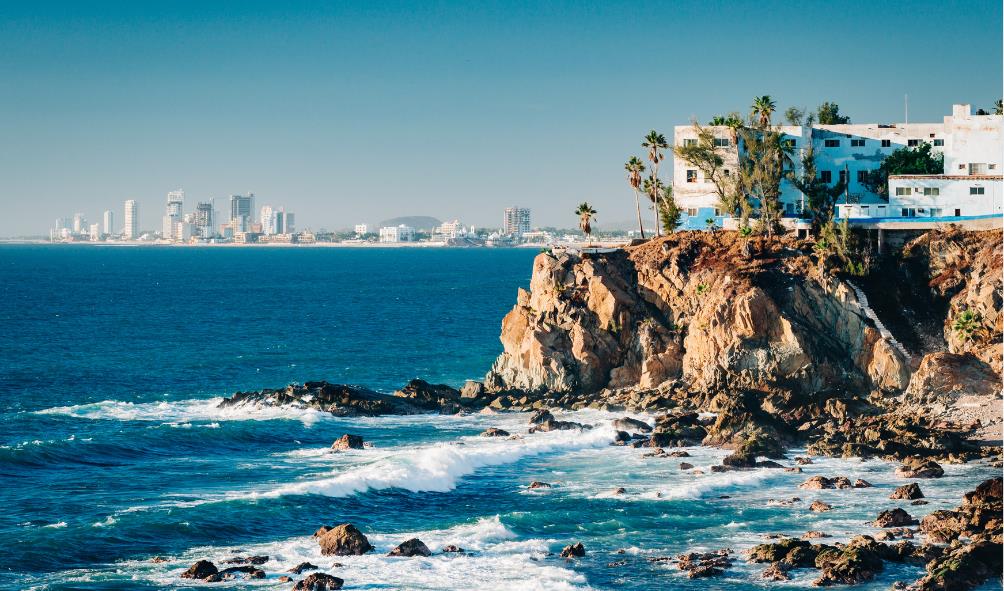
You might've noticed how the economic focus led to increased trade with other colonies, which brought more settlers eager for opportunity.
The Role of Agriculture
Agriculture played a crucial role in shaping Sinaloa's development during the colonial era. As you explore the region's history, you'll find that the cultivation of crops like corn, wheat, and beans formed the backbone of the local economy. The rich soil and favorable climate allowed you to thrive in agricultural production, leading to increased settlements and trade opportunities.
Small farms and larger plantations emerged, creating jobs and establishing a connected community focused on agriculture. You'd notice that the Spanish settlers introduced new techniques and crops, such as sugarcane and tropical fruits, further enhancing the diversity of the agricultural landscape.
As agriculture flourished, so did Sinaloa's trade routes. Farmers sought to sell their produce, attracting merchants and contributing to the growth of towns. By prioritizing agricultural development, you can see how the people of Sinaloa cultivated not just the land but also their culture and economy.
Through the years, agriculture remained a vital part of life in Sinaloa, influencing its food, economy, and even social structures. Understanding this agricultural legacy gives you a deeper appreciation for the region's identity.
Cultural Blending and Traditions
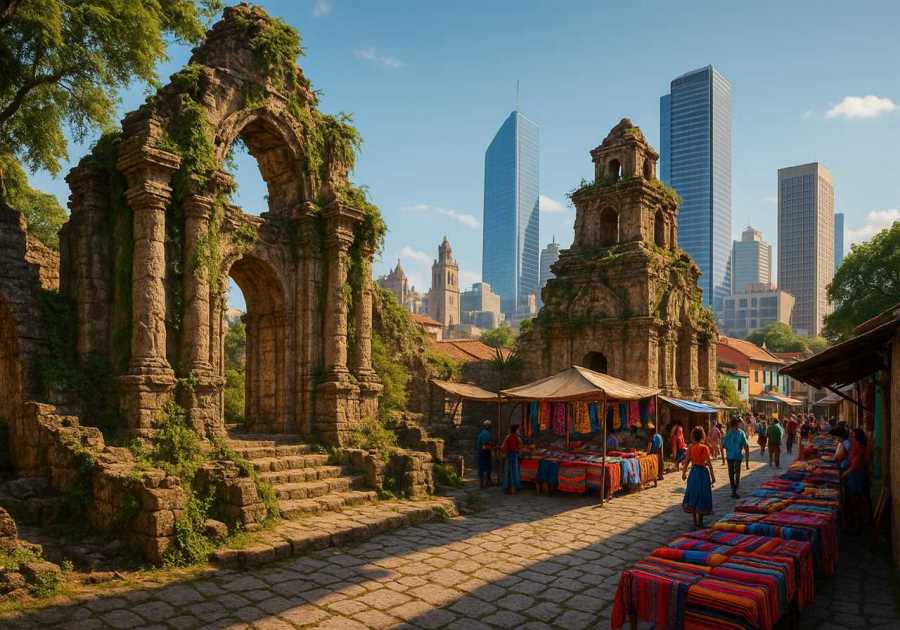
Sinaloa's cultural landscape is a vibrant tapestry woven from indigenous traditions and influences brought by various waves of immigrants. When you explore this region, you'll notice how the old ways mingle with newer customs, creating a unique identity.
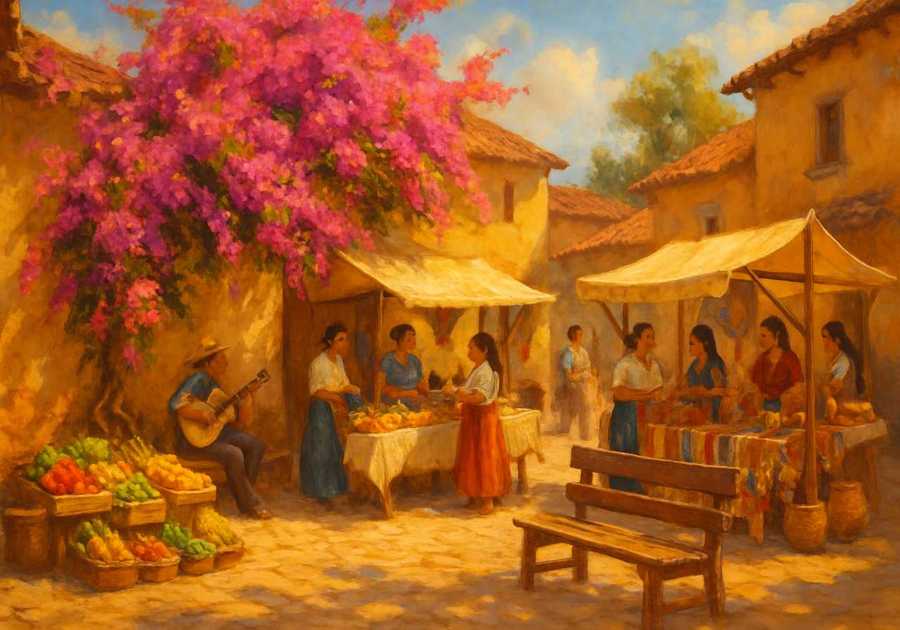
You'll find festivals that celebrate both indigenous heritage and Spanish colonial elements, showcasing colorful dances, music, and art.
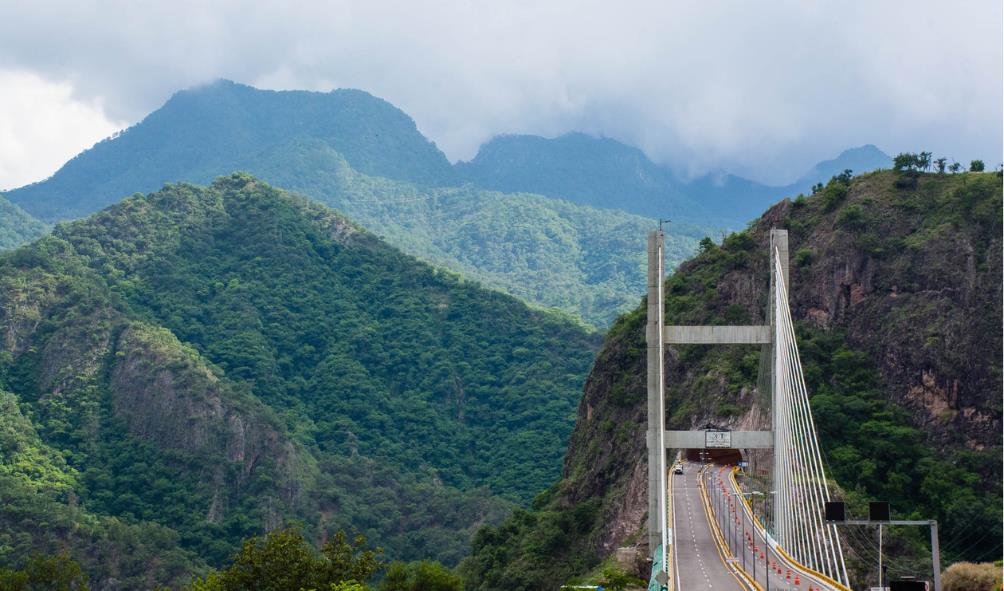
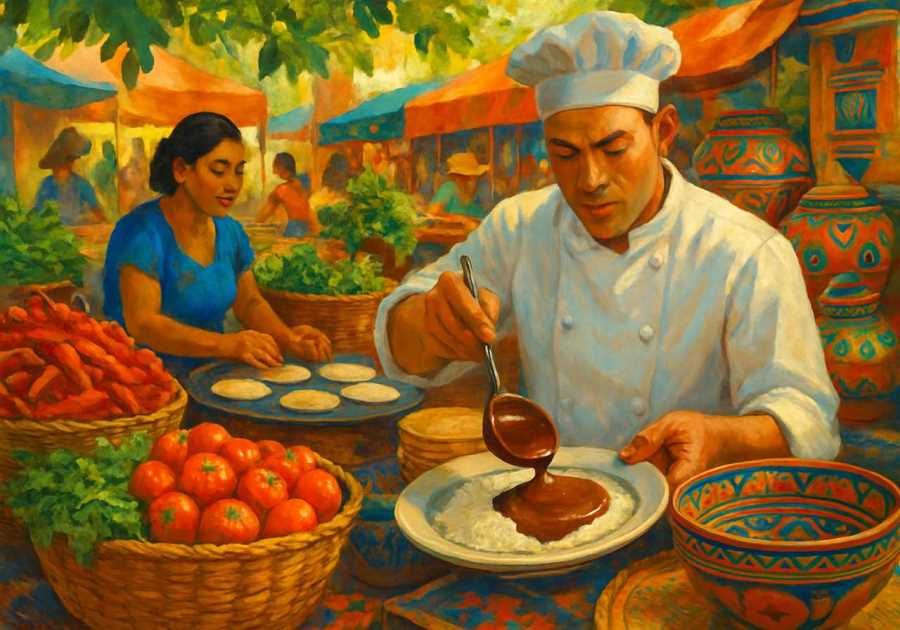
Food is another integral part of that cultural blend. You can savor dishes like "camarones al mojo de ajo" (garlic shrimp) and "sopes," which reflect the region's agricultural bounty and diverse influences. Sharing a meal with locals provides insight into their traditions and a sense of community.
Artisans in Sinaloa often use traditional techniques passed down through generations. Pottery, weaving, and music, especially with instruments like the accordion, illustrate how cultures merge to form an enriched artistic expression.
Additionally, religious festivals honor both Catholic and indigenous beliefs, reflecting the region's spiritual diversity. Each celebration reveals a story, linking you to both the past and present.
Political Changes in the 19th Century
As you delve into the 19th century, you'll discover that Sinaloa underwent significant political transformations that shaped its future. This era was marked by shifts in governance following Mexico's independence in 1821. Sinaloa, initially part of the Kingdom of New Spain, became a state and started actively shaping its own political identity.
In the early 1800s, the region faced instability, experiencing several leadership changes. You'll see how local political factions emerged, often influenced by broader national conflicts between Liberal and Conservative ideologies.
The liberal reforms initiated in the 1850s aimed to modernize the country, impacting land ownership and church influence in Sinaloa and prompting resistance among traditionalists. You might also note the establishment of new administrative structures as Sinaloa's municipalities began evolving.
By the late 19th century, figures like General José María Castro and Manuel Otero played crucial roles in local politics, reflecting broader national trends.
Through these political changes, you can trace the major shifts that laid the groundwork for future governance and social dynamics in Sinaloa, setting the stage for its involvement in upcoming national challenges, including those leading toward the Mexican Revolution.
The Mexican Revolution's Impact
The Mexican Revolution, igniting in 1910, dramatically reshaped Sinaloa's social and political landscape.
You'd notice how the revolution sparked a movement against the long-standing oppression of the rural poor. It wasn't just a distant event; it played out in your own neighborhoods, with villagers taking up arms to fight for land and rights.
As the struggle unfolded, you'd see profound shifts in power dynamics. Traditional landowners lost their grip, while emerging leaders, often from peasant backgrounds, began advocating for social justice and land reforms.
This newfound voice encouraged community solidarity and a heightened sense of identity among the people of Sinaloa.
You'd likely experience the surge of revolutionary ideals as schools opened, promoting education as a means to uplift the masses.
The roles of women also evolved during this period; they stepped into leadership positions, contributing significantly to revolutionary efforts.
Modern Economic Growth
In recent decades, Sinaloa has transformed into a vibrant hub of economic growth, driven by diverse industries and a strategic location.
You'll find that agriculture remains a cornerstone, with the state known for its vast production of crops like tomatoes, cucumbers, and strawberries. This booming agricultural sector not only feeds local markets but also exports to global consumers, enriching the economy.
You can't overlook the impact of fisheries either. Sinaloa's coastline supports a rich fishing industry, providing jobs and adding to the state's economic output.

Tourism has also seen considerable growth, thanks to beautiful beaches and cultural attractions, which draw national and international visitors alike.
Moreover, the manufacturing and service sectors have experienced significant expansion. Innovative technologies and new businesses have sprouted, creating more job opportunities and attracting investments.
The government has promoted infrastructure development, making logistics smoother and bolstering trade potential.
Music and Cultural Identity
Sinaloa's vibrant economy isn't just about numbers and industries; it's also deeply intertwined with the state's rich musical heritage. You can feel the pulse of this musical identity through bandas, norteño, and corridos, genres that resonate within the hearts of locals and beyond. The lively rhythms and melodies reflect the culture, struggles, and joys of the people, making music a vital part of Sinaloan life.
As you explore the state's cultural landscape, you'll find that music serves as both a celebration and an expression of identity. Whether at community festivals or intimate gatherings, you'll witness how traditional music brings people together, fostering a sense of belonging.
Sinaloa's musicians often draw inspiration from their surroundings, weaving stories of love, loss, and resilience into their songs. Moreover, the influence of these musical styles stretches far beyond the state, impacting broader Mexican culture and even international audiences.
Engaging with Sinaloa's music allows you to connect more deeply with its history and the spirit of its people. In every note and lyric, you'll discover a reflection of the state's past, present, and the dynamic cultural identity that continues to evolve.
Current Social Challenges
Over recent years, residents have faced significant social challenges in Sinaloa, revealing a complex interplay between economic struggles, public safety concerns, and access to education.
You might notice the impact of the region's reliance on agriculture and tourism, where fluctuations in these sectors often lead to job insecurity and poverty. Many families are caught in a cycle of economic hardship, making it hard to invest in their children's futures.
Public safety is another pressing issue. You've likely heard news about violence linked to organized crime, which creates fear in communities and affects daily life. Unfortunately, this violence often spills over into the education system, with schools becoming unsafe spaces, hindering students' ability to learn and thrive.
Access to education is also a struggle. While efforts are being made to improve educational infrastructure, many rural areas remain underserved. You may see schools lacking resources, which contributes to high dropout rates and limited opportunities.
Addressing these challenges requires a collective effort from the government, community leaders, and residents. By uniting, you can work toward a brighter, safer future for everyone in Sinaloa.
Conclusion
In conclusion, Sinaloa's rich history is a testament to its resilient spirit and cultural diversity. From the Indigenous peoples and Spanish influences to the vibrant music and traditions today, you can see how these layers shape the state's identity. As Sinaloa navigates modern challenges while embracing its agricultural roots, it continues to thrive, reflecting a unique blend of past and present. By understanding its history, you gain a deeper appreciation for this remarkable region.
Statistics
- The region was originally inhabited by indigenous groups such as the Cahita and Mayo peoples.
- The construction of the port of Topolobampo in 1949 significantly enhanced Sinaloa's international trade connections.
- Sinaloa is celebrated for its vibrant music culture, especially mariachi and banda, which have gained widespread recognition.
- The state's economy has historically been dominated by agriculture, with significant production of tomatoes and other vegetables.
External Links
- Historia de Sinaloa - Government of Sinaloa: Official government resource outlining the state's historical milestones.
- History of Sinaloa - Wikipedia: Detailed Wikipedia entry covering major events in Sinaloa's history.
- Turismo Historia de Sinaloa: A Tourist site providing insights into Sinaloa's historical sites and heritage.
- Sinaloa History Blog: A blog dedicated to sharing stories and analyses of Sinaloa's historical events.
How To Explore the Agricultural Transformation of Sinaloa Over the Centuries
Sinaloa is renowned for its agricultural prowess, which has evolved significantly over time. To explore this transformation, start by investigating the early farming techniques used by indigenous populations and how Spanish colonization introduced new crops and methods. Assess the impact of technological advancements, such as irrigation systems and mechanization, on agricultural productivity. Study the development of key industries, including tomato cultivation, which has become a staple of Sinaloa's economy. Analyze governmental policies and land reforms that have influenced farming practices and land ownership. Additionally, consider the role of cooperative movements and modern agricultural organizations in sustaining growth. Field visits to farms and agricultural centers, along with interviews with local farmers, can provide practical insights into Sinaloa's dynamic agricultural landscape.
Sinaloa's Modern History and Influence
The recent history of Sinaloa has been marked by significant events and developments that have shaped its current standing. From economic transformations to social changes, understanding Sinaloa's modern history provides context for its present-day influence within Mexico and beyond. Learn how past events have led to today's Sinaloa by reading more at escapetomexiconow.com.