.png)
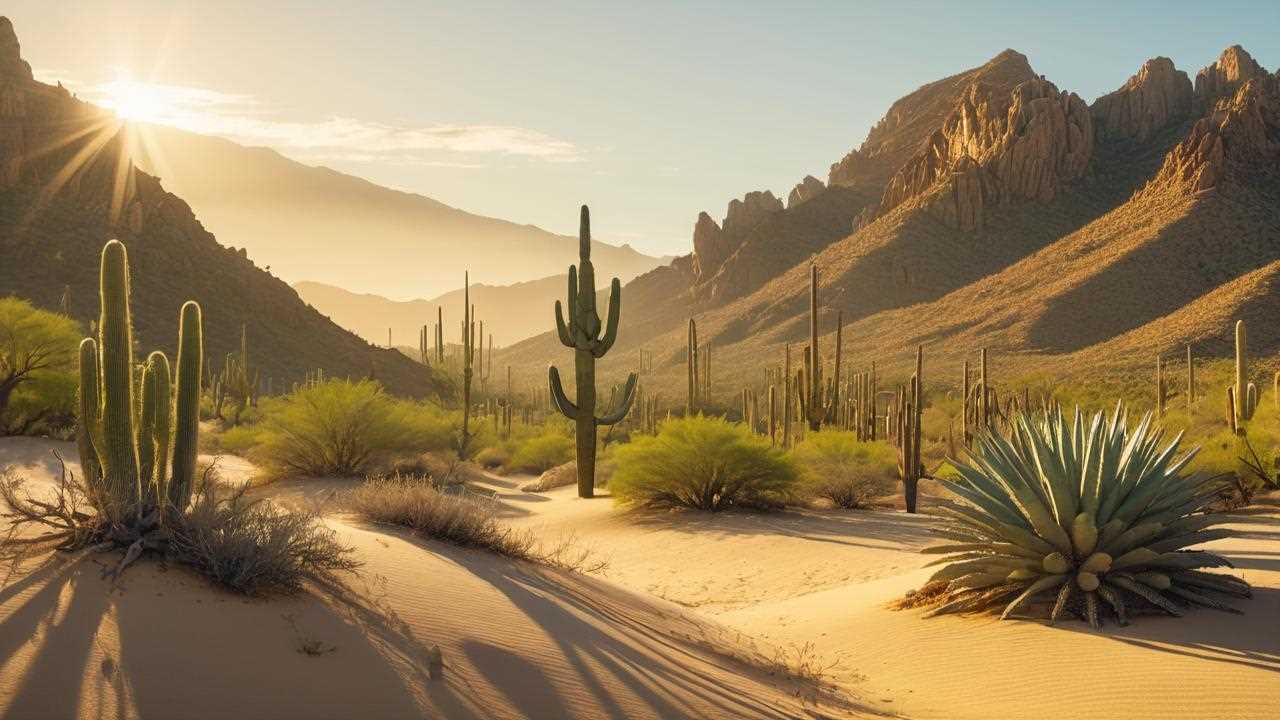
When you consider the history of Sonora, you're stepping into a narrative shaped by ancient civilizations and transformative events. From the innovations of the Hohokam to the Spanish colonization that dramatically altered its landscape, each chapter brings unique challenges and achievements. The remnants of colonial missions intertwine with stories of revolutionary change, setting the stage for modern Sonora's economic evolution. But how does this historical backdrop influence the region's identity today? Understanding its past might just shed light on its future.
Ancient Indigenous Civilizations
Ancient indigenous civilizations flourished in Sonora long before European contact, shaping the region's cultural landscape. As you explore this rich history, you'll discover that the Hohokam, Mogollon, and Pima peoples created impressive societies with advanced agriculture, trade networks, and vibrant cultural traditions.
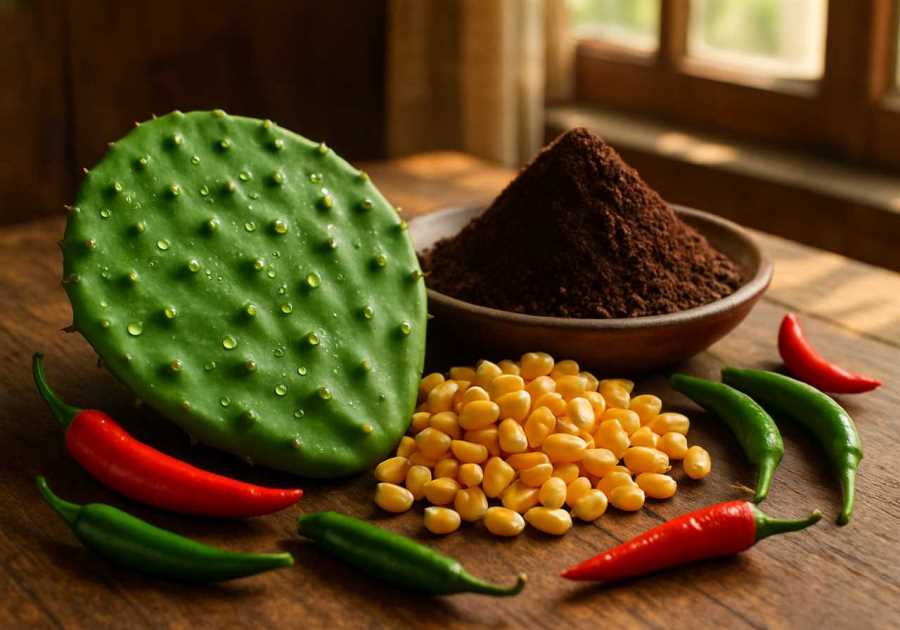
With a deep understanding of the arid environment, these groups developed complex irrigation systems, allowing them to cultivate crops like corn, beans, and squash, which became staples of their diet.
You'll notice the significance of trade in their communities; they exchanged goods with neighboring tribes, leading to a diverse economy. Artifacts like pottery and jewelry uncovered at archaeological sites showcase the skilled craftsmanship and creativity of these civilizations. You might even marvel at the rock art, which reflects their spiritual beliefs and connection to the land.
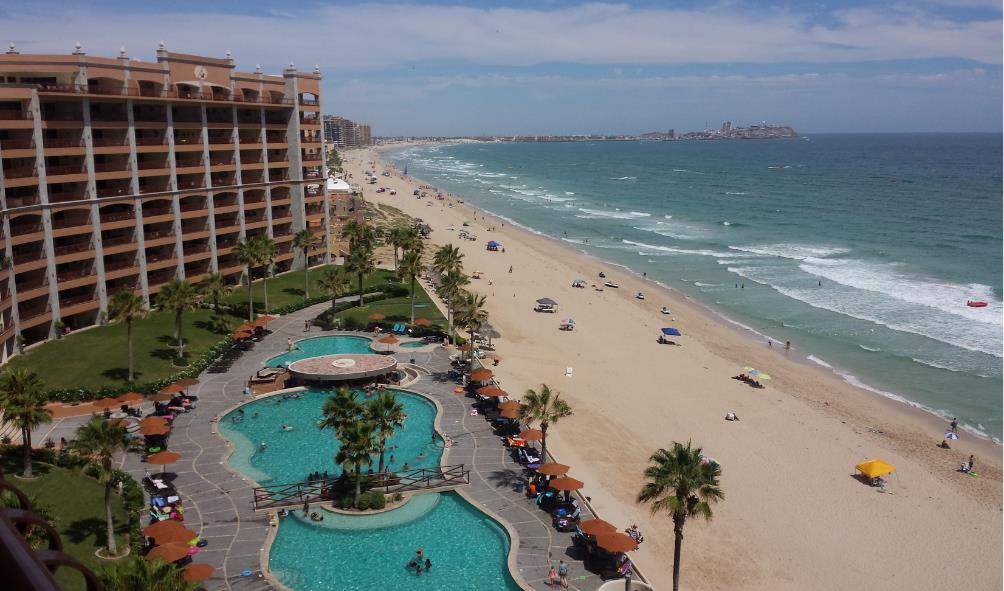
Social structures were intricate as well, with strong family ties and community organizations. The rituals and ceremonies you'll read about denoted seasons, agriculture, and spiritual connection, reinforcing the importance of their relationship with nature.
These ancient societies laid the foundations for future generations, leaving an enduring legacy that continues to influence Sonora's cultural identity today.
Spanish Colonization Era
The arrival of Spanish explorers in the 16th century marked a transformative period in Sonora's history, forever altering its cultural landscape. As Spanish settlers set foot on this territory, they quickly sought to establish control over the land and its resources.
You'd witness the introduction of European agricultural practices, which directly impacted local indigenous farming techniques. Spanish missions began to pop up, aiming to convert native populations to Christianity, shaping a new societal structure.
With the establishment of settlements like Tubac and Santa Cruz, the Spanish sparked economic activities, including mining and trade. You'd see the influx of silver and gold, which became pivotal in funding Spain's empire.
However, along with these changes came significant hardships. The introduction of European diseases decimated indigenous populations and disrupted their traditional ways of life.
Throughout this era, cultural exchanges enriched both Spanish and indigenous customs. You'd find that melding of traditions reflected in language, food, and celebrations.
Ultimately, the Spanish Colonization Era laid the groundwork for Sonora's future, intertwining its rich indigenous heritage with European influences, forever impacting its identity.
The Mexican War of Independence
Mexico's fight for independence in the early 19th century had a profound impact on Sonora, as the region became a crucial battleground for revolutionary forces.
As you delve into this time, you'll see how the inhabitants of Sonora responded to the call for freedom. Many locals joined the insurgent movements, fueled by a desire for justice and equality.
The actions of notable figures like Miguel Hidalgo and José María Morelos inspired citizens to rise against Spanish rule. You might find it interesting that Sonora's strategic location made it a focal point for both patriots and loyalists, creating intense conflicts that shaped its landscape.
As the war progressed, many Sonorans faced hardship, losing their homes and livelihoods in the chaos. Yet, their determination didn't waver.
Communities banded together, providing support to one another and establishing guerrilla tactics to fight back against the oppressive Spanish forces.
Territorial Changes in the 19th Century
Amidst the turmoil of the 19th century, territorial changes significantly reshaped Sonora's borders and governance. You'll notice that the aftermath of the Mexican War of Independence (1810-1821) marked a pivotal moment for Sonora. As the new government sought to redefine national boundaries, Sonora experienced fluctuations in its territory, often moving in response to both internal and external pressures.
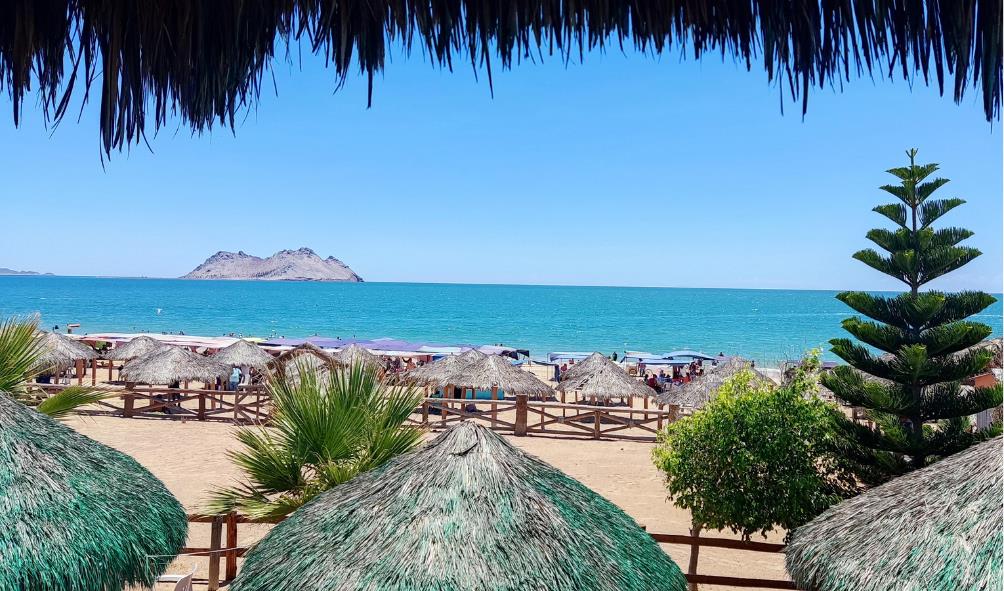
During the mid-1800s, you witnessed an era of territorial disputes, primarily with the United States. The Gadsden Purchase in 1854 further altered Sonora's landscape, as significant portions of land were ceded to the U.S. This acquisition not only strained relations but also left a lasting impact on trade and migration patterns.
Alongside these changes, the creation of the state of Sonora in 1824 solidified its recognition within the Mexican federation. Yet, the region continued to face challenges with governance and local leadership, battling issues like banditry and political instability.
Impact of the Mexican Revolution
Powerful waves of change swept through Sonora as the Mexican Revolution unfolded from 1910 to 1920. This period marked a dramatic shift in the social, political, and cultural landscape of the region. You'd witness a surge in revolutionary ideals, challenging long-standing power structures and demanding land reforms. The peasant uprisings and the call for social justice resonated deeply within the communities, pushing many to take up arms in the struggle for rights and equality.
You'd also notice the emergence of influential leaders, like Pancho Villa, who rallied local support and invigorated hope for a better future. Sonora became a battleground for these new ideas, with its people actively participating in the revolutionary movements. The region's economy faced challenges, but the spirit of resilience among the Sonorans fueled their involvement in shaping the revolution's course.
As the war progressed, you'd see families torn apart, but also a strong communal bond forming among those who shared the dream of change. The revolution did more than alter political allegiances—it instilled a sense of identity among the Sonorans, setting the stage for future developments in the years to come.
Economic Development in the 20th Century
As the dust of the Mexican Revolution settled, Sonora embarked on a transformative journey of economic development throughout the 20th century. You'd see the state shift from primarily agrarian activities to a more diverse economy driven by industrialization. This shift began in the 1940s as infrastructure improved, particularly with the construction of roads and railways, connecting Sonora to major markets.
Mining became a cornerstone of growth. You'd witness cities like Cananea and Nacozari thriving on copper production, boosting local employment, and elevating the state's status on the national stage.
The agricultural sector also modernized during this period. Innovative techniques and irrigation projects, like the Yaqui River Project, turned arid lands into fertile fields, making Sonora a leader in crop production.
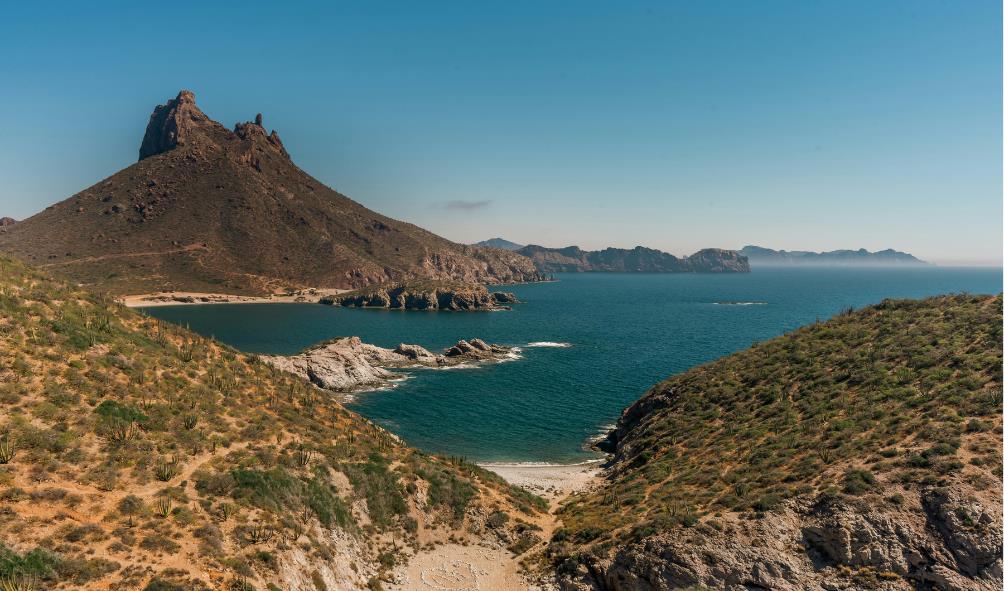
In the latter half of the century, you'd see manufacturing industries emerge, particularly in electronics and textiles, setting the stage for future growth. Trade agreements like NAFTA further expanded economic opportunities, making Sonora an attractive location for foreign investment.
Cultural Influences and Traditions
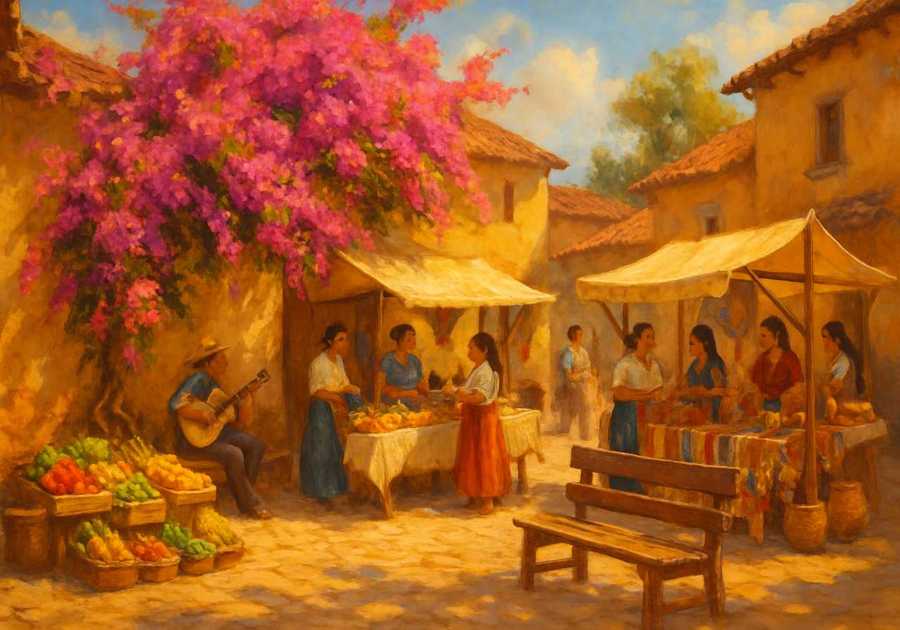
Sonora's rich cultural tapestry weaves together Indigenous traditions, Spanish colonial influences, and contemporary Mexican practices, creating a vibrant social landscape.
You'll notice this blend in the region's festivities, where ancient rituals meet modern celebrations. For example, the Day of the Dead, with its colorful altars and offerings, reflects deep-rooted Indigenous beliefs intertwined with Catholic traditions.
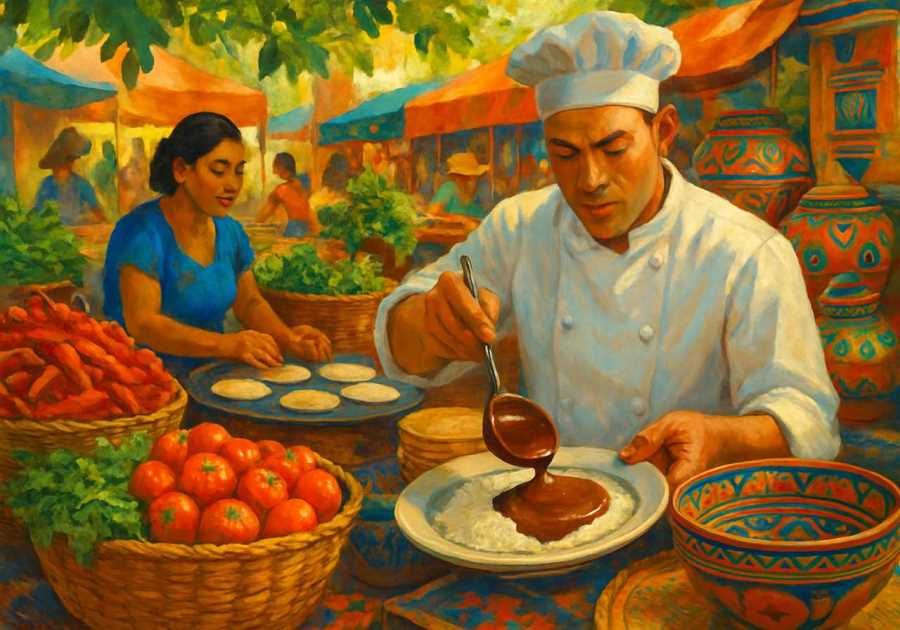
When it comes to cuisine, you can't resist the flavors. Sonoran food showcases influences from Indigenous cooking and Spanish dishes, highlighted by flour tortillas, carne asada, and rich salsas.
These meals aren't just sustenance; they're a way to gather with family and friends, sharing stories and traditions.
Music and dance also play a crucial role in Sonoran culture. Mariachi bands fill the air with lively tunes, while folk dances bring communities together in joyous expression.
You'll find that art, too, resonates here through pottery, weaving, and mural painting, often telling stories of Sonora's past.
As you explore this captivating region, you'll discover how these cultural influences manifest in daily life, connecting generations and nourishing the soul of Sonora.
It's a celebration of heritage that continues to evolve while honoring its roots.
Modern Political Developments
The political landscape of Sonora has evolved significantly in recent years, reflecting broader trends across Mexico.
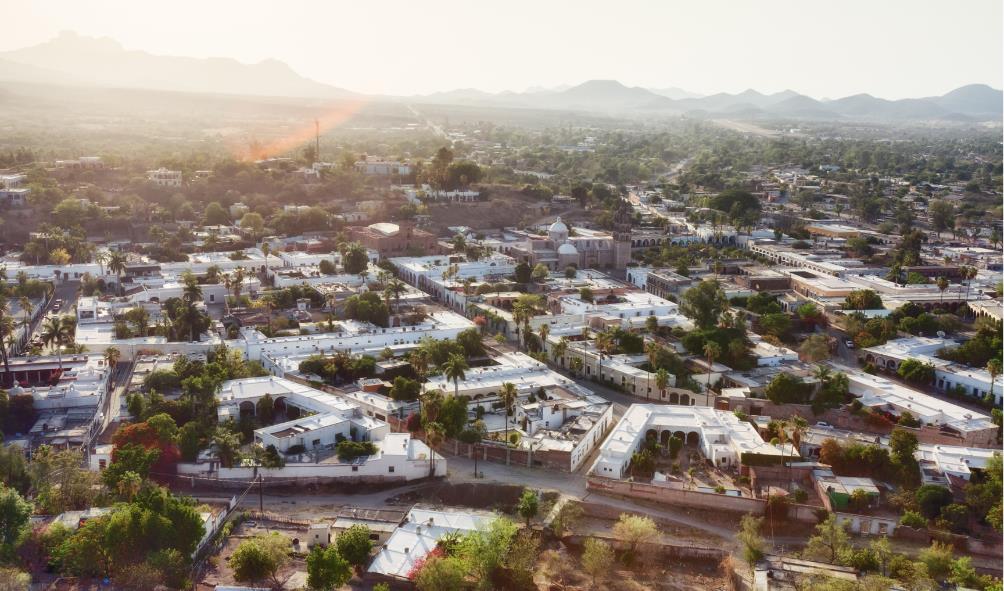
You'll notice a shift towards greater civic engagement and participation in local governance. Citizens are becoming more vocal about their needs and expectations, which leads to officials focusing on transparency and accountability.
In the past, political power in Sonora was often concentrated in the hands of a few, but recent elections have pushed for more democratic practices. New political parties and independent candidates have emerged, challenging established norms.
As you track these developments, you'll see how issues like security, economic growth, and environmental policies dominate the political discourse.
Moreover, the rise of social media has transformed how politicians campaign and connect with their constituents. You might find candidates using platforms to address public concerns directly, creating a dialogue that was less common in the past.
Particularly notable is the increased focus on women's representation in politics, which reflects ongoing movements for gender equality.
In your exploration of modern Sonora, you'll find these political shifts are dynamic and indicative of a region striving for transformation and progress in its governance.
Sonora's Role in Contemporary Mexico
Sonora plays a pivotal role in contemporary Mexico, serving as a bridge between the United States and Latin America. Its strategic location enhances trade, making it a crucial player in the economy. You'll notice that many industries have set up shop here, capitalizing on the proximity to the U.S. border. This influx of business fosters job creation, improving the livelihoods of many residents.
In addition to economic contributions, Sonora is rich in culture, showcasing a blend of indigenous and modern influences. You'll find vibrant festivals, music, and art that celebrate the state's unique identity. The culinary scene also reflects this fusion, enticing both locals and tourists alike.
Sonora isn't just about commerce and culture; it's also significant in terms of politics. The state engages actively in national discussions, particularly when addressing immigration and border policy, reflecting its unique position. You might discover that local leaders are influential voices in shaping regional strategies for development and cooperation.
In essence, as you explore Sonora today, you'll recognize its multifaceted role in bolstering contemporary Mexico, making it a dynamic component of the nation's future.
Conclusion
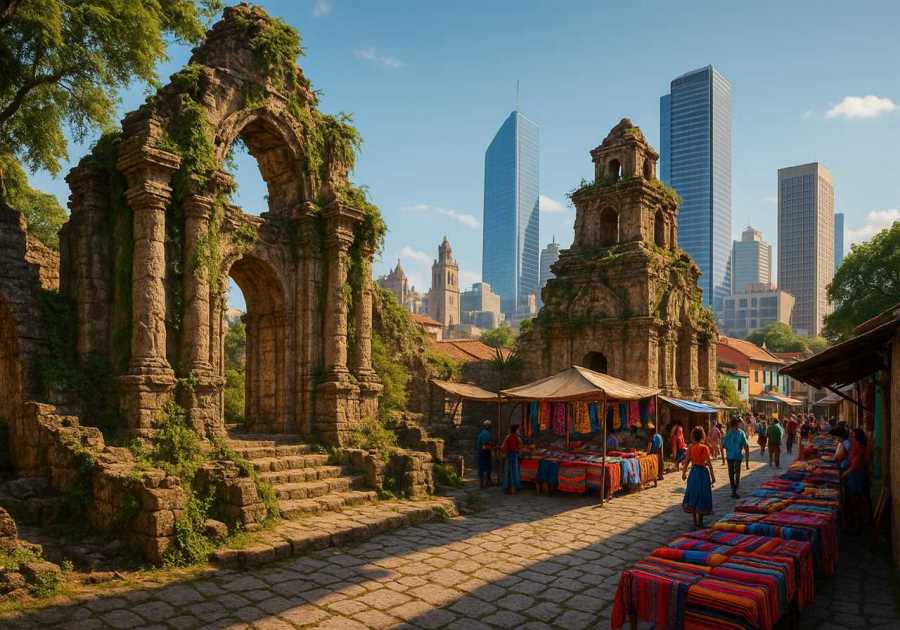
In conclusion, Sonora's rich history showcases the influence of ancient civilizations, Spanish colonization, and the Mexican Revolution on its development. Today, you can see how these diverse cultural threads weave together, shaping a vibrant society. As you explore Sonora, you'll witness a unique blend of tradition and modernity, solidifying its role in Mexico's political and economic landscape. Embracing both its past and present, Sonora stands as a testament to resilience and cultural unity.
Frequently Asked Questions
How did Sonora contribute to the Mexican Revolution?
During the Mexican Revolution, Sonora was a significant center of military and political activity. Leaders from the state, such as Plutarco Elías Calles, emerged as influential figures in the revolutionary government. Sonora's resources and manpower supported the revolutionary cause, and the state became a hub for strategic planning and coordination. The outcomes of the revolution led to substantial political and social reforms that affected Sonora and the entire country.
How did Spanish colonization impact the development of Sonora?
The Spanish colonization brought significant changes to Sonora, introducing new technologies, religion, and governance structures. Missionaries established missions to convert indigenous populations to Christianity, leading to cultural and social transformations. The Spanish also introduced livestock and agricultural practices, altering the local economy. Additionally, Sonora became a part of the broader Spanish Empire, linking it to trade networks and colonial administration.
What role did Sonora play in Mexico's fight for independence?
Sonora played a notable role in Mexico's struggle for independence from Spain. Local leaders and communities contributed to the movement by supporting revolutionary activities and providing resources to insurgent forces. The region's strategic location facilitated communication and coordination between different revolutionary groups. Sonora's participation was integral to the eventual success of the independence movement, helping to shape the nation's future.
How has the economy of Sonora evolved over time?
Sonora's economy has undergone significant transformations throughout its history. Initially based on agriculture and livestock introduced during colonization, the region later developed mining industries, extracting minerals like silver and copper. In the 20th century, manufacturing and industrial sectors grew, leveraging Sonora's natural resources and strategic location. Today, the economy is diverse, including sectors such as technology, tourism, and renewable energy, reflecting the state's adaptability and growth.
Statistics
- In 1539, the Spanish established the first European settlement in Sonora, marking the beginning of colonial influence in the region.
- In the early 20th century, Sonora accounted for nearly 25% of Mexico's copper mining output, significantly influencing the local economy.
- During the Mexican Revolution, approximately 20% of Sonora's population actively participated in revolutionary activities.
- By the mid-19th century, Sonora's silver mines contributed to over 30% of Mexico's total silver production.
External Links
- Museo Histórico de Sonora - Features exhibits on Sonora's indigenous heritage and colonial past.
- Hermosillo Official Website - Includes historical landmarks and the evolution of the capital city.
- Portal de Sonora - Provides access to historical documents and educational materials about Sonora.
- Encyclopedia Britannica: Sonora - Detailed articles on the historical events that shaped Sonora.
How To Research the Indigenous Cultures of Sonora
Begin by identifying the major indigenous groups in Sonora, such as the Yaqui, Seri, Mayo, and Pima. Utilize academic journals, books, and credible online resources to gather information about their languages, traditions, and social structures. Visit local museums like the Museo Histórico de Sonora to view artifacts and exhibits that showcase indigenous heritage. Engage with community organizations or cultural centers that offer insights and firsthand accounts of indigenous life. Additionally, explore archaeological studies and historical records that document the interactions between these groups and Spanish colonizers. Field visits to indigenous villages, when possible, can provide immersive experiences and a deeper understanding of their cultural practices. Document your findings systematically and consider collaborating with historians or anthropologists who specialize in Sonora’s indigenous history to enhance the accuracy and depth of your research.
A Journey Through Time in Sonora
Travel back in time and witness the significant events that have shaped Sonora's identity. From the era of indigenous tribes to modern developments, Sonora's history is both diverse and compelling. Understand the key moments that have influenced the region's social and cultural evolution. For additional related articles on Mexico's history, visit escapetomexiconow.com.